Two beloved animated heroes team up for a high-stakes mission that could reshape Earth’s cosmic future
The main cover for Batman/Static: Beyond #1 by artist Nikolas Draper-Ivey showcases the dynamic duo
Source: DC Comics
DC Comics has officially announced “Batman/Static: Beyond,” a groundbreaking six-issue limited series that brings together two of the most beloved characters from the golden age of superhero animation. Set to launch on November 12, 2025, under DC’s prestigious Elseworlds imprint, this crossover unites Terry McGinnis (Batman Beyond) and Virgil Hawkins (Static) in a futuristic adventure that promises to deliver both nostalgic thrills and cutting-edge storytelling [1].
The announcement has sent waves of excitement through the comic book community, particularly among fans who grew up watching these characters dominate Saturday morning television in the late 1990s and early 2000s. For many readers, this crossover represents the ultimate meeting of two animated universes that defined a generation’s introduction to superhero storytelling beyond the traditional Batman and Superman narratives.
Written by acclaimed author Evan Narcisse, known for his work on “Rise of the Black Panther” and “Batman: Gotham Knights – Gilded City,” and illustrated by the visionary Nikolas Draper-Ivey, whose recent work on “Static: Shadows of Dakota” has garnered critical acclaim, the series promises to explore themes of technology dependence, generational responsibility, and the evolving nature of heroism in an increasingly connected world [2].
A Nostalgic Reunion Decades in the Making
The pairing of Batman Beyond and Static represents more than just another superhero team-up—it’s a celebration of a unique era in animated storytelling that introduced complex, diverse characters to mainstream superhero media. Both characters emerged during a period when animation studios were pushing boundaries and exploring more mature themes within the superhero genre.
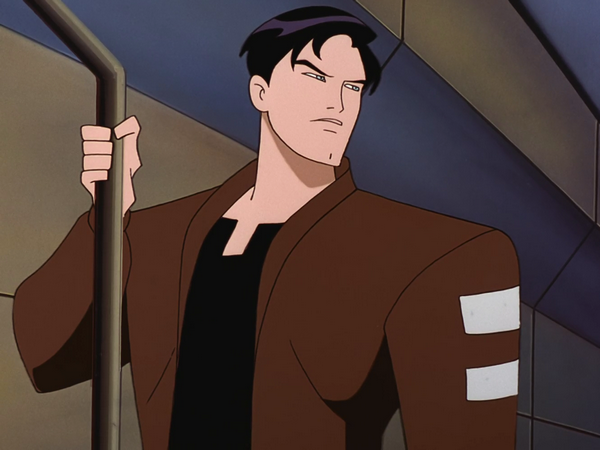
Terry McGinnis as Batman Beyond from the beloved animated series that premiered in 1999
Source: DCAU Wiki – Fandom
Terry McGinnis first appeared in the 1999 animated series “Batman Beyond,” which presented a radically different take on the Batman mythos. Set in the year 2019 (which seemed impossibly futuristic at the time), the show followed teenager Terry as he took up the mantle of Batman under the guidance of an aging Bruce Wayne. The series was groundbreaking in its willingness to age its characters and explore themes of legacy, mentorship, and technological advancement in ways that traditional superhero comics had rarely attempted.
The show’s cyberpunk aesthetic, combined with its focus on a younger protagonist dealing with both typical teenage problems and the weight of carrying on Batman’s legacy, resonated strongly with audiences. Terry McGinnis represented a new kind of Batman—one who relied more heavily on technology, operated in a world where traditional crime had evolved into something more complex, and brought a different energy and perspective to the role than Bruce Wayne ever had.
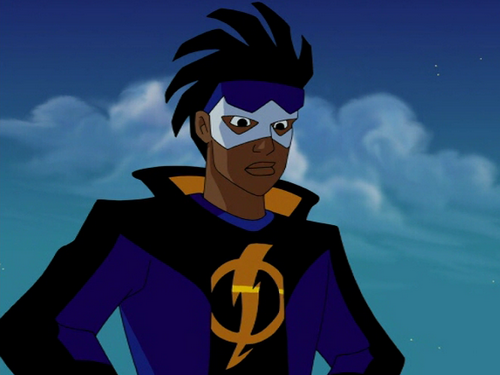
Virgil Hawkins as Static from the Static Shock animated series that premiered in 2000
Source: DCAU Wiki – Fandom
Static Shock, which premiered in 2000, broke even more significant ground by bringing Milestone Media’s Virgil Hawkins to animated television. The series was revolutionary in its representation of African American superheroes and its willingness to tackle serious social issues including gang violence, racism, and urban decay. Virgil’s electromagnetic powers were just one aspect of a character who dealt with real-world problems that many young viewers could relate to, making him one of the most authentic and grounded superheroes in animation.
The show’s creator, Dwayne McDuffie, was instrumental in ensuring that Static Shock didn’t shy away from difficult topics while still delivering the action and adventure that superhero fans expected. This balance between social consciousness and superhero spectacle made the series a critical and commercial success, earning it a devoted fanbase that has remained passionate about the character for more than two decades.
The Creative Vision Behind the Crossover
The announcement of “Batman/Static: Beyond” represents the culmination of years of fan demand and creative planning. The two characters have a history of successful collaboration, having previously crossed over in the Static Shock episode “Future Shock,” which brought Terry McGinnis into Virgil’s world for a memorable team-up that showcased their complementary skills and contrasting personalities [3].
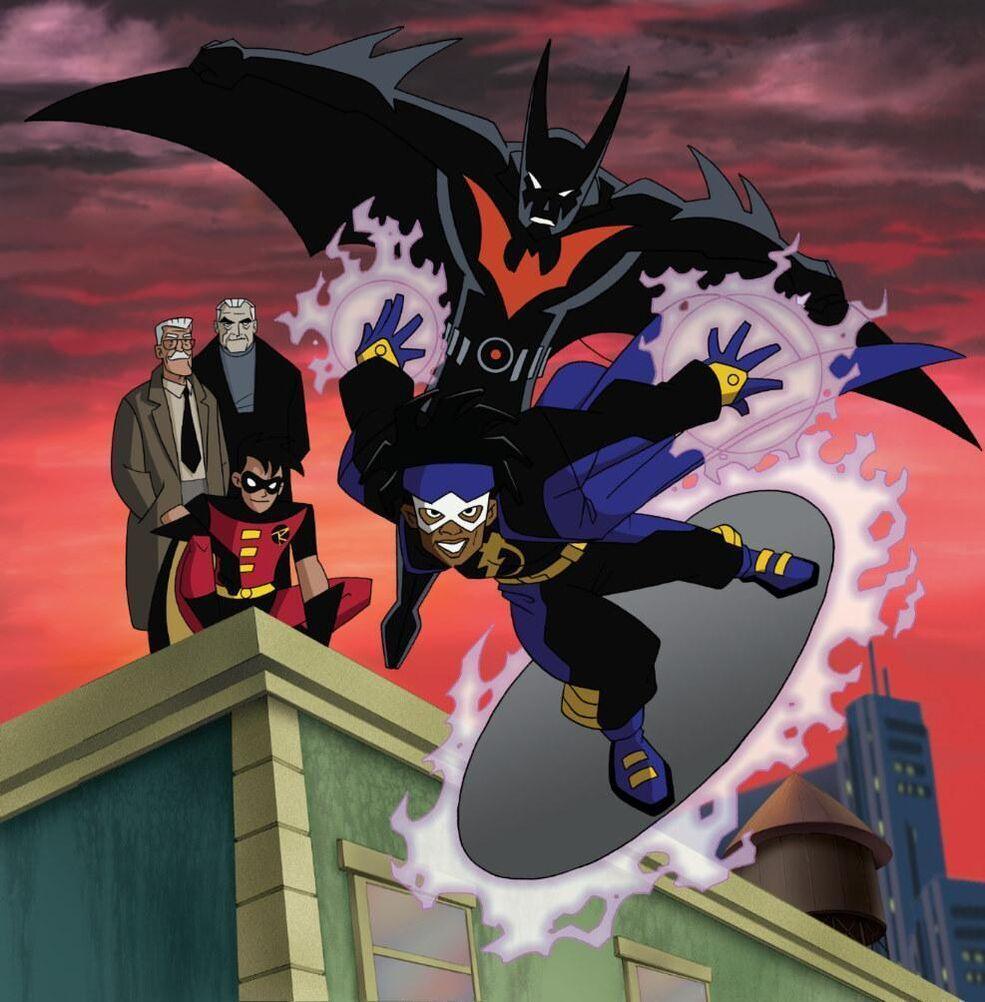
The characters previously crossed over in the Static Shock episode “Future Shock”
Source: DCAU Wiki – Fandom
Writer Evan Narcisse brings a unique perspective to this collaboration, having established himself as one of the most thoughtful voices in contemporary superhero comics. His approach to character development and social commentary aligns perfectly with the legacy of both Batman Beyond and Static Shock, series that were never afraid to address complex issues within their superhero frameworks.
In discussing his approach to the series, Narcisse emphasized the fundamental differences between the two protagonists and how those differences drive the story’s central conflict and resolution. “Static is a former teen hero who grew up to take on even more responsibility for his city and the larger world, while Terry is still figuring out how to do those things in his own way,” Narcisse explained. “Terry’s still a high school student but he’s also got the weight of the Batman mantle and the expectations that come with it as key parts of his life now. As an adult member of the Justice League, Virgil’s at a different part of his journey” [4].
This generational and experiential gap between the characters provides rich material for exploring themes of mentorship, responsibility, and the different ways that heroes can approach the same problems. While both characters emerged from similar animated origins, their current positions in the DC Universe offer opportunities to examine how different paths can lead to different approaches to heroism.
Artist Nikolas Draper-Ivey brings his own vision to the collaboration, having already established himself as a definitive interpreter of Static through his work on recent Milestone Media publications. His artistic style combines the kinetic energy of superhero action with a grounded sense of character and environment that perfectly captures both the futuristic elements of Batman Beyond’s world and the urban authenticity of Static’s Dakota City.
A Story for the Digital Age
The plot of “Batman/Static: Beyond” reflects contemporary anxieties about technology dependence and artificial intelligence in ways that feel both timely and prescient. The series opens with Terry McGinnis patrolling the neon-lit streets of Neo-Gotham while Virgil Hawkins pioneers a technological revolution through the launch of the Q-Wave Energy Grid, a system designed to provide clean, efficient power to cities around the world [5].
This setup immediately establishes the central tension of the series: the promise and peril of technological advancement. Virgil’s Q-Wave Energy Grid represents the best intentions of technological progress—clean energy, global connectivity, and the potential for unprecedented cooperation between cities and nations. However, as the story unfolds, this same technology becomes the target of a mysterious villain whose actions trigger a global blackout that threatens to plunge the world into chaos.
The timing of this technological catastrophe is particularly significant, as Earth is preparing to join a powerful interplanetary alliance called the Cooperative. This cosmic context elevates the stakes beyond typical superhero fare, suggesting that the outcome of Terry and Virgil’s mission could determine not just the fate of their respective cities, but Earth’s place in a larger galactic community.
Artist Nikolas Draper-Ivey has been particularly vocal about the series’ thematic intentions, describing it as “a commentary on our overreliance on technology and the imminent dangers becoming complacent and too comfortable using AI to substitute our own imagination and human ingenuity.” His concerns reflect broader cultural anxieties about the role of technology in modern life, particularly as artificial intelligence becomes increasingly integrated into daily activities [6].
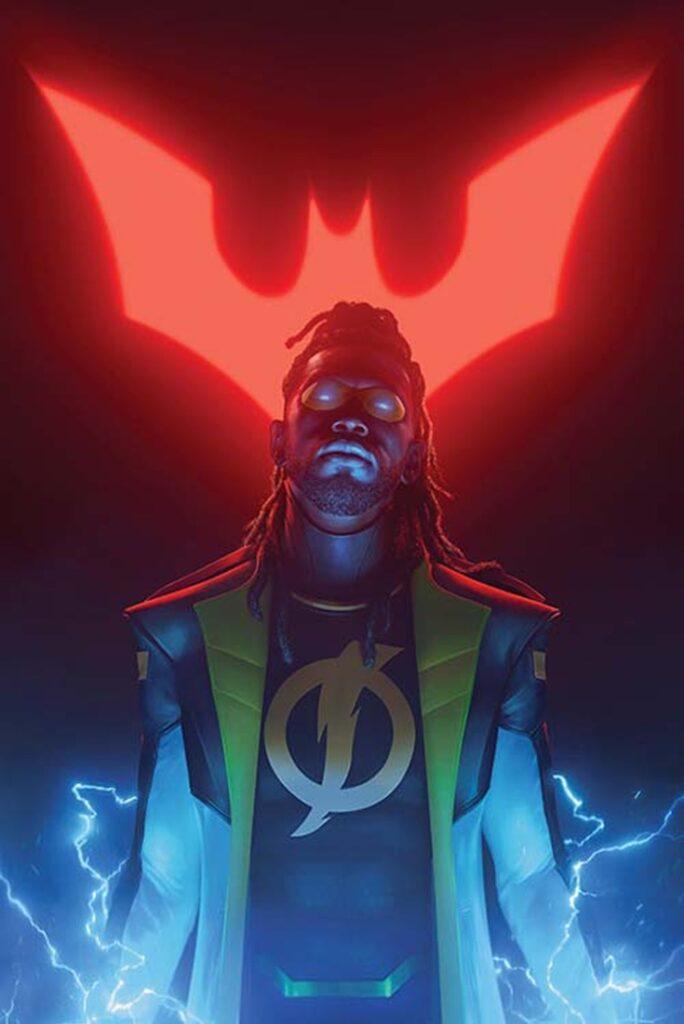
One of the variant covers for Batman/Static: Beyond featuring both heroes in action
Source: That Hashtag Show
Draper-Ivey’s commentary extends beyond simple technophobia to address more nuanced concerns about human agency and creativity in an increasingly automated world. “We now use our watches to find our phones, we use our phones to connect to everything else. We don’t rely on our own memories. We rely on technology to remember for us,” he observed. “That deeply concerns me. I worry that we are getting to a point where if all these things were to be suddenly taken away from us in an instant—at the rate we’re going now, humanity will be at a huge disadvantage” [7].
This philosophical framework provides the perfect backdrop for a story featuring two heroes whose relationships with technology are fundamentally different. Terry McGinnis operates as Batman Beyond through advanced technological systems—his suit is essentially a high-tech interface that enhances his natural abilities and provides him with capabilities that would be impossible without technological assistance. His entire approach to crime-fighting is predicated on the seamless integration of human intuition with technological enhancement.
Virgil Hawkins, by contrast, possesses electromagnetic powers that give him a unique relationship with technology. While he can manipulate and control electronic systems, his abilities are fundamentally biological rather than technological. This distinction becomes crucial in a story where technology fails and heroes must rely on more fundamental human qualities to save the day.
The Elseworlds Advantage
The decision to publish “Batman/Static: Beyond” under DC’s Elseworlds imprint provides the creative team with significant narrative freedom that wouldn’t be available in mainstream DC continuity. The Elseworlds brand has long been associated with some of DC’s most innovative and experimental storytelling, allowing creators to explore alternate versions of familiar characters without being constrained by ongoing continuity concerns.
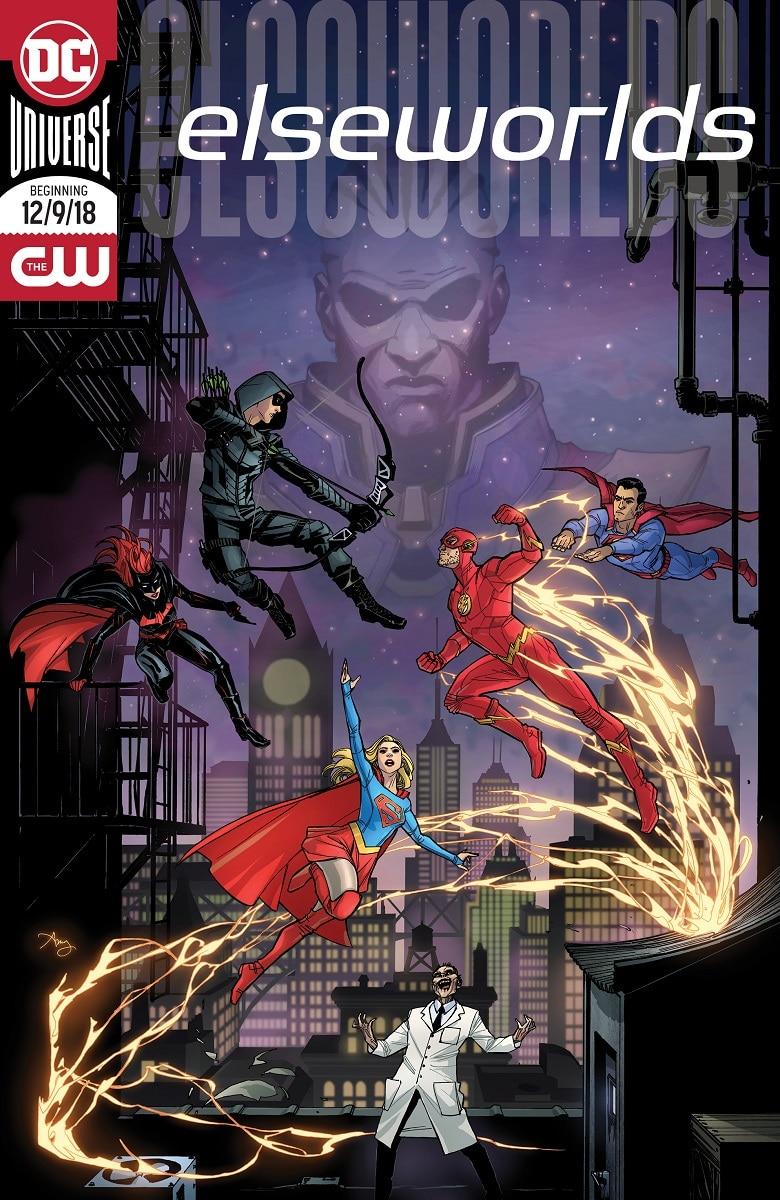
Batman/Static: Beyond joins DC’s Elseworlds imprint, known for alternate reality stories
Source: DC Comics
This publishing approach is particularly well-suited to a crossover between Batman Beyond and Static, characters whose animated origins exist somewhat outside traditional DC Comics continuity. The Elseworlds framework allows Narcisse and Draper-Ivey to draw from the rich history of both characters while creating new interpretations that serve their specific story needs.
The Elseworlds imprint has historically been home to some of DC’s most memorable and influential stories, from “Kingdom Come” to “Red Son” to “The Dark Knight Returns.” These stories succeed because they use familiar characters as starting points for exploring larger themes and ideas, rather than simply providing more adventures featuring established versions of those characters.
“Batman/Static: Beyond” fits perfectly into this tradition by using the crossover format to examine questions about technology, responsibility, and cooperation that extend far beyond the specific adventures of Terry McGinnis and Virgil Hawkins. The series promises to use these characters as vehicles for exploring broader cultural and philosophical questions while still delivering the action and character development that fans expect from superhero comics.
The six-issue format also provides the creative team with the perfect amount of space to develop their themes without overstaying their welcome. Limited series often allow for more focused storytelling than ongoing series, and the Elseworlds framework ensures that the story can reach a definitive conclusion without worrying about how it fits into larger continuity concerns.
Character Dynamics and Development
One of the most intriguing aspects of “Batman/Static: Beyond” is how it explores the different stages of heroic development represented by its two protagonists. While both Terry McGinnis and Virgil Hawkins began their careers as teenage heroes, they find themselves at very different points in their respective journeys when the series begins.
Virgil Hawkins has evolved from the teenage Static Shock into an adult hero who has taken on broader responsibilities as a member of the Justice League Beyond. His development of the Q-Wave Energy Grid represents not just technological innovation, but a mature hero’s attempt to address global problems through systemic solutions rather than simply responding to individual crises as they arise.
This evolution reflects a natural progression for a character who began his heroic career dealing with local problems in Dakota City. The teenage Virgil was primarily concerned with protecting his neighborhood and dealing with the immediate consequences of the “Big Bang” incident that gave him his powers. The adult Virgil has expanded his perspective to encompass global and even cosmic concerns, using his unique abilities and technological expertise to address problems on a much larger scale.
Terry McGinnis, by contrast, remains in many ways the character he was when he first took up the Batman mantle. While he has gained experience and skill over the years, he is still fundamentally a high school student trying to balance the enormous responsibilities of being Batman with the normal concerns of teenage life. This creates an interesting dynamic where the younger-looking hero is actually less mature and experienced than his partner.
The series promises to explore how these different levels of experience and responsibility affect the characters’ approaches to problem-solving and heroism. Narcisse has indicated that much of the story’s tension will come from the characters’ need to learn to work together despite their different perspectives and methods.
“Their approaches to making the world a safer, more just place are extremely different,” Narcisse explained. “That difference energizes the big question they have to deal with: can they learn to work together during a critical moment when everything they’ve taken for granted has fallen apart?” [8]
This character-driven approach to superhero storytelling reflects the best traditions of both Batman Beyond and Static Shock, series that always prioritized character development and personal growth alongside their action sequences and superhero spectacle.
Publishing Details and Collector Appeal
“Batman/Static: Beyond” #1 will retail for $4.99 US for the main cover featuring artwork by Nikolas Draper-Ivey, with variant cardstock covers available for $5.99 US. The variant cover lineup includes artwork by some of the most respected names in comic book illustration: Dustin Nguyen, Rahzzah, and a 1:25 incentive variant by Denys Cowan and Ho Che Anderson [9].
The inclusion of Dustin Nguyen as a variant cover artist is particularly significant, given his extensive history with Batman Beyond through his work on the “Batman Beyond” comic series. Nguyen’s distinctive artistic style has become synonymous with the character in many fans’ minds, making his contribution to this crossover event a natural fit. His cover will also be released as a foil variant, adding an additional collectible element for fans and collectors.
Denys Cowan’s involvement as a variant cover artist brings additional gravitas to the project, given his foundational role in creating the visual identity of Milestone Media characters including Static. As one of the co-founders of Milestone Media alongside Dwayne McDuffie, Derek Dingle, and Michael Davis, Cowan’s artistic vision helped establish the visual language that defined Static and other Milestone characters. His collaboration with Ho Che Anderson on the 1:25 incentive variant represents a meeting of artistic generations that spans the entire history of these characters.
The series will run for six issues, with a collected trade paperback edition scheduled for release on August 4, 2026. This timeline provides readers with multiple ways to experience the story, whether they prefer to follow it monthly as individual issues or wait for the complete collection. The trade paperback format will likely include additional material such as character designs, behind-the-scenes commentary, and possibly unused cover artwork, making it an attractive option for fans who want the complete “Batman/Static: Beyond” experience.
The pricing structure reflects the current realities of comic book publishing, where premium formats and variant covers have become essential revenue streams for publishers. However, the $4.99 price point for the main cover remains competitive with other limited series from major publishers, making the series accessible to a broad range of readers rather than just collectors focused on variant covers.
Fan Expectations and Cultural Impact
The announcement of “Batman/Static: Beyond” has generated significant excitement among fans who have been waiting decades for a proper reunion between these characters. Social media responses to the announcement have been overwhelmingly positive, with many fans expressing appreciation for DC’s willingness to revisit characters from the animated universe that introduced them to superhero comics.
The cultural significance of this crossover extends beyond simple nostalgia. Both Batman Beyond and Static Shock represented important steps forward in superhero representation and storytelling during their original runs. Batman Beyond demonstrated that the Batman concept could be successfully updated and modernized without losing its essential appeal, while Static Shock proved that diverse superhero characters could carry their own series and attract mainstream audiences.
The return of these characters in comic book form represents an opportunity to introduce them to new audiences while satisfying longtime fans who have remained passionate about their stories. The comic book medium allows for different kinds of storytelling than animation, potentially exploring more complex themes and character development than would be possible in a television format.
The timing of the series also reflects broader trends in entertainment toward revisiting and updating properties from the 1990s and early 2000s. As the generation that grew up with these characters reaches adulthood and gains purchasing power, there’s increased demand for content that acknowledges and builds upon their childhood favorites while offering more sophisticated storytelling appropriate for adult audiences.
The success of recent projects like “Spider-Man: Into the Spider-Verse,” which drew heavily on nostalgia for different eras of Spider-Man while creating something genuinely new and innovative, suggests that there’s significant appetite for projects that balance reverence for classic characters with fresh creative approaches.
Industry Implications and Future Possibilities
The publication of “Batman/Static: Beyond” under the Elseworlds imprint represents a strategic approach to character development that could influence how DC Comics handles other animated universe properties in the future. Rather than trying to integrate these characters into mainstream DC continuity, the Elseworlds framework allows them to exist in their own narrative space while still being part of the larger DC publishing program.
This approach could pave the way for additional projects featuring other characters from the DC Animated Universe, including potential solo series or crossovers that explore different combinations of animated characters. The success of “Batman/Static: Beyond” could demonstrate that there’s sufficient audience demand to support a broader line of comics based on animated properties.
The series also represents an important step in the ongoing revival of Milestone Media characters. Static’s inclusion in this high-profile crossover helps maintain visibility for the character and the broader Milestone universe, potentially leading to additional projects that explore the rich world of Dakota City and its inhabitants.
From a creative standpoint, the series demonstrates how established characters can be used to explore contemporary themes and concerns. The focus on technology dependence and artificial intelligence reflects current cultural anxieties while using familiar characters as entry points for readers who might not otherwise engage with these topics in their entertainment.
The collaborative approach between DC Comics and the creative team also suggests a publishing model that prioritizes creative vision over strict adherence to continuity concerns. By giving Narcisse and Draper-Ivey the freedom to tell their story within the Elseworlds framework, DC is demonstrating confidence in creator-driven storytelling that could influence how other projects are developed and marketed.
Conclusion: A New Chapter for Beloved Heroes
“Batman/Static: Beyond” represents more than just another superhero crossover—it’s a celebration of characters who helped define a generation’s relationship with superhero storytelling while addressing contemporary concerns about technology, responsibility, and cooperation. The series promises to honor the legacy of both Batman Beyond and Static Shock while creating something genuinely new and relevant for modern audiences.
The creative team of Evan Narcisse and Nikolas Draper-Ivey brings both passion for these characters and the skills necessary to translate their animated origins into compelling comic book storytelling. Their focus on character development, thematic depth, and social commentary reflects the best traditions of both source properties while pushing the characters in new directions.
For fans who grew up with these characters, “Batman/Static: Beyond” offers the opportunity to see beloved heroes tackle new challenges while maintaining the essential qualities that made them appealing in the first place. For new readers, the series provides an accessible entry point into the worlds of both characters without requiring extensive knowledge of their previous adventures.
The November 12, 2025 release date can’t come soon enough for fans who have been waiting for this crossover. As Terry McGinnis and Virgil Hawkins prepare to face their greatest challenge yet, readers can look forward to a series that promises to deliver both nostalgic satisfaction and forward-looking innovation in equal measure.
In an era where superhero entertainment often focuses on spectacle over substance, “Batman/Static: Beyond” stands out as a project that uses familiar characters to explore meaningful themes while still delivering the action and adventure that fans expect. It’s exactly the kind of comic book that the medium needs more of—one that respects its characters’ histories while using them to tell stories that matter in the present moment.
References
[1] DC Comics. “DC Announces ‘Batman/Static: Beyond’.” August 13, 2025. https://www.dc.com/blog/2025-08-13/dc-announces-batman-static-beyond
[2] DC Comics. “DC Announces ‘Batman/Static: Beyond’.” August 13, 2025.
[3] Polygon. “Batman/Static: Beyond team-up comic announced for November from DC’s Elseworlds.” August 14, 2025. https://www.polygon.com/batman-beyond-static-crossover-dc-comics-elseworlds/
[4] DC Comics. “DC Announces ‘Batman/Static: Beyond’.” August 13, 2025.
[5] DC Comics. “DC Announces ‘Batman/Static: Beyond’.” August 13, 2025.
[6] DC Comics. “DC Announces ‘Batman/Static: Beyond’.” August 13, 2025.
[7] DC Comics. “DC Announces ‘Batman/Static: Beyond’.” August 13, 2025.
[8] DC Comics. “DC Announces ‘Batman/Static: Beyond’.” August 13, 2025.
[9] DC Comics. “DC Announces ‘Batman/Static: Beyond’.” August 13, 2025.
This article was published on August 19, 2025. For the latest updates on Batman/Static: Beyond and other DC Comics announcements, stay tuned to our ongoing coverage.