
The DC Studios co-CEO confirms a mysterious television project separate from the announced DCU slate, sparking intense speculation about what could be his most ambitious small-screen venture yet
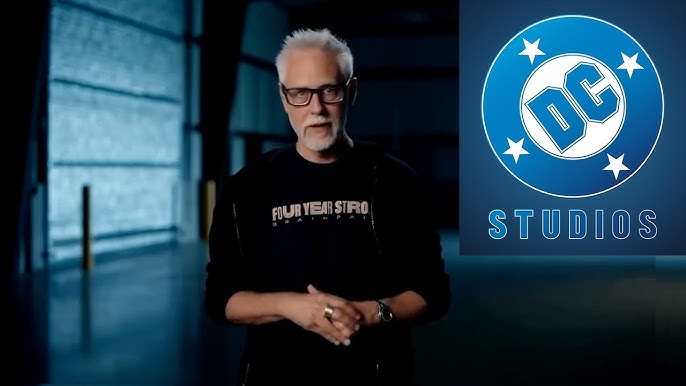
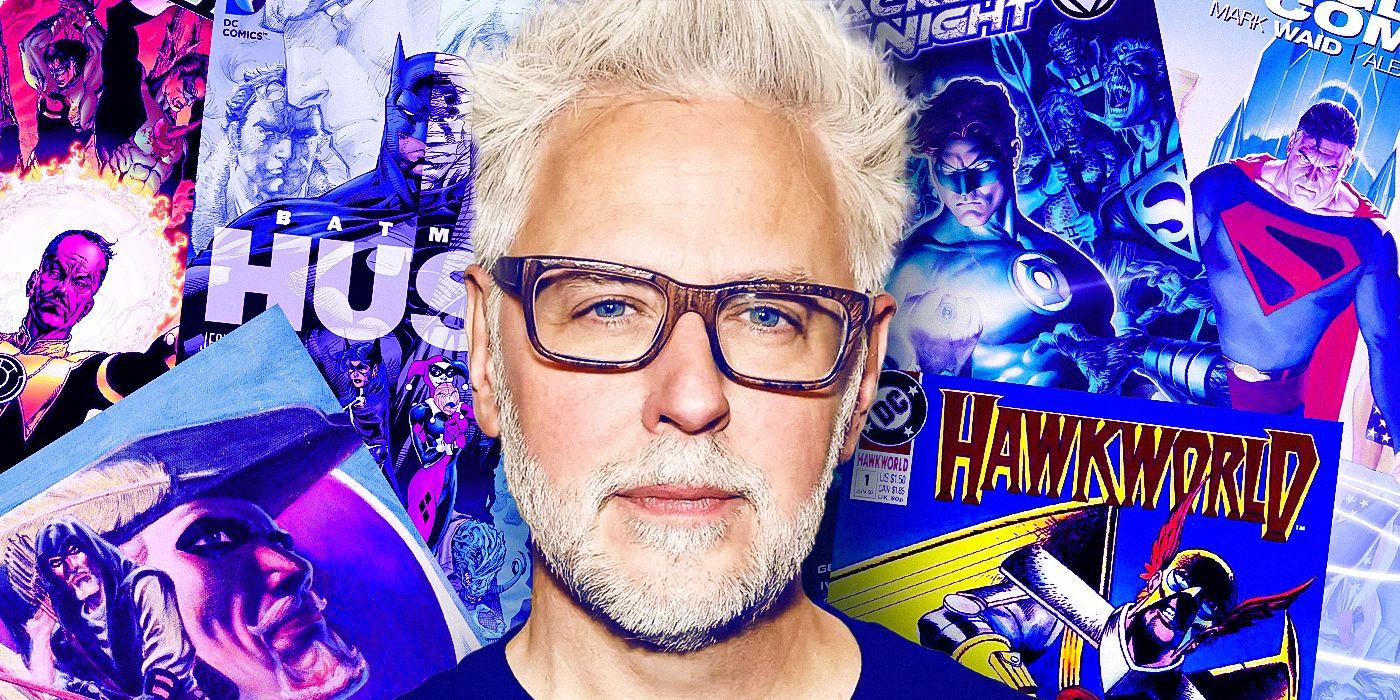
The DC Universe under James Gunn’s leadership continues to surprise fans with unexpected announcements and tantalizing teases, but perhaps none more intriguing than his repeated references to a secret television project that he describes as his “favorite thing” in the entire DCU slate. In a recent podcast appearance, the DC Studios co-CEO confirmed that this mysterious show “nobody knows about” is moving into production next, adding another layer of excitement to an already packed development schedule that includes the highly anticipated Superman sequel and The Batman Part II [1].
Speaking on Chad Hardwick’s “I Think You’re Overthinking It” podcast, Gunn provided the most concrete update yet about this enigmatic project, revealing that it will enter production following his Superman follow-up film. The timing and secrecy surrounding this announcement have sent shockwaves through the comic book community, with fans and industry insiders alike scrambling to decode what could be so special that Gunn has kept it under wraps for months [2].
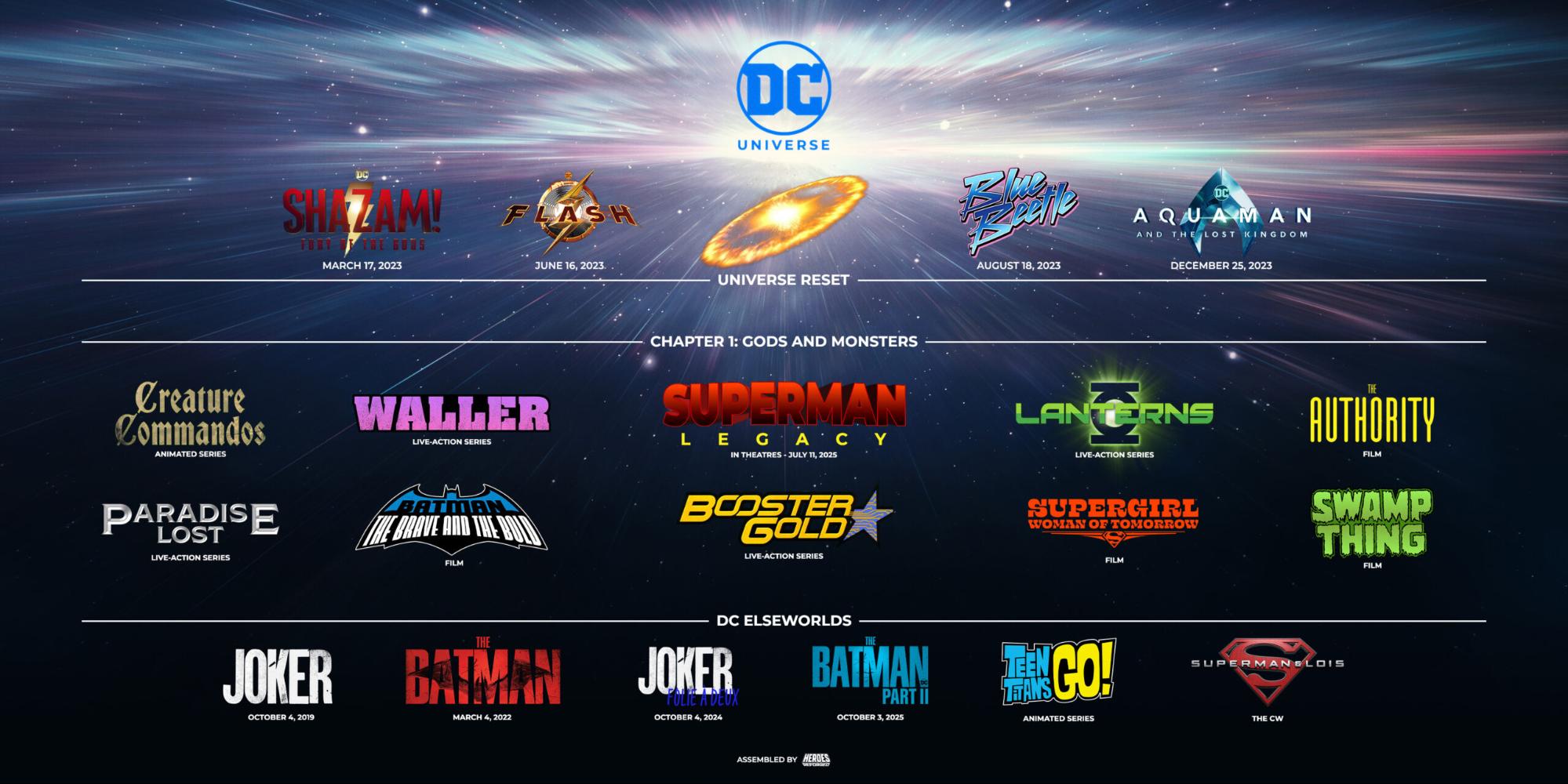
What makes this revelation particularly fascinating is that it represents a project completely separate from the four officially announced DCU television series: Waller, Lanterns, Paradise Lost, and Booster Gold. The fact that Gunn considers this unnamed show his “favorite thing” in the entire DCU suggests it could be something truly revolutionary for the superhero television landscape, potentially setting a new standard for how comic book properties are adapted for the small screen [3].
 Source: YouTube
The Evolution of Gunn’s Mystery Project
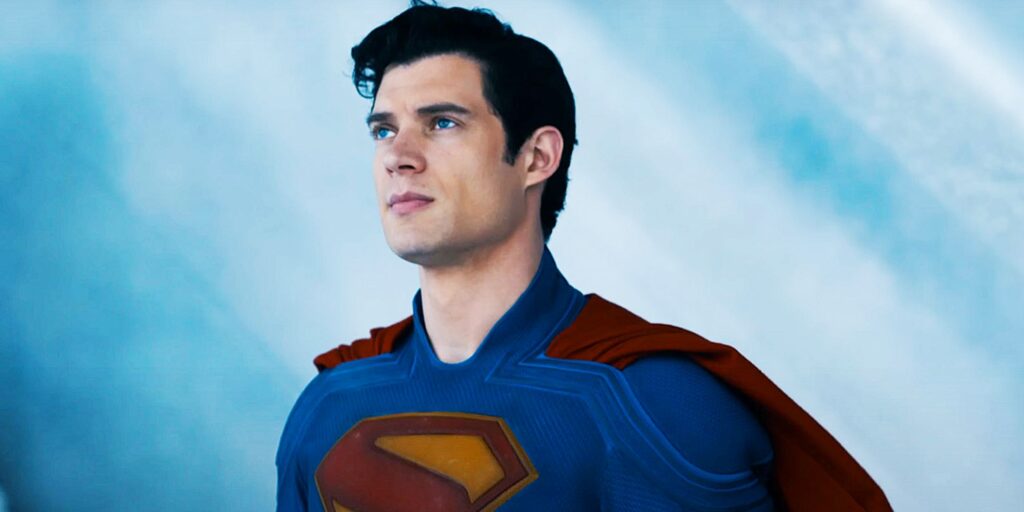
The story of this secret DCU television series begins in June 2025, when Gunn first dropped hints about an unannounced project during an interview with Entertainment Weekly. At the time, he was promoting his Superman film starring David Corenswet, Rachel Brosnahan, and Nicholas Hoult, but it was his casual mention of another project that caught the attention of dedicated DC fans and industry watchers [4].
During that initial interview, Gunn revealed, “Then there’s another TV show that’s my favorite thing in all of this, that is hopefully getting made soon. It’s just my favorite thing.” The enthusiasm in his voice was unmistakable, and the fact that he chose to highlight this particular project above all others in the DCU slate immediately raised questions about what could be so special about this unnamed series [5].
The secrecy surrounding the project became even more intriguing when Gunn explained why it hadn’t been announced alongside the other DCU projects during his initial presentation to Warner Bros. Discovery CEO David Zaslav. According to Gunn, “We did not announce in that first meeting because I felt like it was too easy to rip off by another company.” This statement suggests that the concept is not only innovative but potentially groundbreaking enough that Gunn feared competitors might steal the idea if it were revealed too early [6].
The timeline of development accelerated significantly in the months following that initial tease. During a post-Superman spoiler interview with Rolling Stone, Gunn provided another tantalizing update about the project’s status. When asked about various DCU developments, he revealed, “We got the first few things started, and there’s some other things that are really close to green-lighting — like there’s a television show that I hope that we’re gonna be green-lighting in the next few days” [7].
This progression from hopeful development to near-green-light status to confirmed production represents a remarkably fast timeline for a major television project, suggesting that Warner Bros. Discovery executives were immediately impressed with whatever Gunn presented to them. The speed of development also indicates that this isn’t a project that requires extensive pre-production or complex negotiations, which could provide clues about its format and scope [8].
 Source: Sideshow
Production Timeline and Strategic Positioning
The most recent update from Gunn’s podcast appearance provides crucial insight into how this mystery project fits into the broader DCU production schedule. According to the filmmaker, the sequence of upcoming productions will be The Batman Part II, followed by his Superman sequel, and then this mysterious television series. This positioning is strategically significant for several reasons that extend beyond simple scheduling logistics [9].
First, placing the mystery show after both major film productions suggests that Gunn wants to establish the cinematic foundation of his DCU before launching what could be an experimental or innovative television format. The success of Superman and the continued momentum from The Batman Part II would provide a strong platform for introducing audiences to whatever unique concept Gunn has developed for the small screen [10].
Second, the timing allows for potential cross-pollination between the films and the television series. Characters, themes, or narrative elements introduced in the movies could seamlessly transition into the TV project, creating the kind of interconnected storytelling that has become the hallmark of successful shared universes. This approach would be particularly effective if the mystery show serves as a bridge between different corners of the DCU [11].
The production timeline also suggests that Gunn has learned valuable lessons from the Marvel Cinematic Universe’s approach to television integration. Rather than rushing to launch multiple TV series simultaneously, the DCU appears to be taking a more measured approach, ensuring that each project has the resources and attention it needs to succeed. This strategy could prove crucial for the mystery project, especially if it represents a new format or storytelling approach [12].
Industry insiders have noted that the rapid progression from concept to production is unusual for television projects of this scale, particularly those associated with major comic book properties. The typical development cycle for superhero television series can span several years, involving extensive negotiations, script development, casting, and pre-production planning. The accelerated timeline for Gunn’s mystery project suggests either exceptional confidence from studio executives or a concept that requires less traditional development processes [13].
 Source: Collider
Analyzing the Secrecy Strategy
The level of secrecy surrounding this DCU television project is unprecedented in Gunn’s typically transparent approach to discussing his work. Throughout his career, from his early horror comedies to his Marvel projects and now his DC work, Gunn has generally been open about sharing details, behind-the-scenes insights, and creative processes with fans. This makes his tight-lipped approach to the mystery show all the more significant and telling [14].
The decision to keep the project secret “because it was too easy to rip off by another company” reveals several important aspects of what this show might be. First, it suggests that the concept is format-driven rather than character-driven. While specific characters can be protected by copyright, innovative formats or storytelling approaches are much more difficult to legally protect, making secrecy the primary defense against imitation [15].
Second, the fear of being “ripped off” implies that the concept is simple enough to be easily replicated but innovative enough to be valuable. This combination typically points to anthology formats, unique narrative structures, or novel approaches to existing genres. The simplicity factor would also explain the rapid development timeline, as anthology series or format-driven shows often require less complex character development and world-building than traditional serialized narratives [16].
The strategic timing of Gunn’s revelations also demonstrates sophisticated marketing awareness. By dropping hints over several months, he has created sustained interest and speculation without revealing any concrete details. This approach generates organic buzz and fan engagement while maintaining the competitive advantage of secrecy. The gradual escalation from “favorite thing” to “going into production” creates a narrative arc that keeps the project in the public consciousness [17].
The secrecy strategy becomes even more intriguing when considered alongside Gunn’s previous work. His most successful projects have often featured unexpected tonal shifts, genre-blending elements, and innovative approaches to familiar material. The Guardians of the Galaxy films transformed obscure comic characters into beloved mainstream heroes, while Peacemaker successfully balanced crude humor with genuine emotional depth. This track record suggests that whatever he’s planning for the mystery DCU show will likely subvert expectations in meaningful ways [18].
The Anthology Theory: A Revolutionary Approach
Among the various theories circulating about Gunn’s mystery project, the most compelling and well-reasoned suggests that it could be a live-action anthology series designed to showcase various characters from across the DC Universe. This theory, first proposed by industry analysts and comic book journalists, addresses many of the clues Gunn has provided while offering a logical explanation for the project’s strategic importance and secrecy [19].
An anthology format would perfectly explain why Gunn considers this his “favorite thing” in the DCU. Such a series would allow him to explore the full breadth of DC’s character roster without the constraints of ongoing serialized storytelling. Each episode or multi-episode arc could focus on different heroes, villains, or supporting characters, providing creative freedom that traditional series formats cannot match. This approach would also allow for tonal variety, with some episodes leaning into horror, others into comedy, and still others into pure action or drama [20].
The anthology concept also addresses the “too easy to rip off” concern that led to the project’s secrecy. While the basic idea of a superhero anthology isn’t entirely new, the specific format, production approach, and integration with a larger cinematic universe could represent innovations that competitors might attempt to replicate. Marvel Studios has experimented with anthology elements through projects like What If…? and their “Special Presentations,” but a live-action DCU anthology could establish an entirely new template for superhero television [21].
From a practical production standpoint, an anthology series would offer numerous advantages that align with the rapid development timeline Gunn has described. Individual episodes or short arcs could be produced independently, allowing for flexible scheduling and budget allocation. Guest stars could be brought in for specific stories without long-term contractual commitments, and the format would provide opportunities to test audience reactions to potential characters before committing to full series or films [22].
The anthology approach would also serve important strategic functions within the broader DCU ecosystem. It could introduce characters who might later appear in films, provide backstory for established heroes and villains, or explore corners of the DC Universe that don’t warrant full series treatment. This format would maximize the value of DC’s extensive character library while minimizing the risk associated with unproven properties [23].
Source: Screen Rant
Character Integration and Universe Building
The mystery DCU television project’s potential role in universe building cannot be overstated, particularly when considering how it might integrate with the established and upcoming elements of Gunn’s cinematic universe. The strategic positioning of this show in the production timeline suggests it will serve as more than just standalone entertainment, potentially functioning as a crucial connective tissue between different DCU properties [24].
If the anthology theory proves correct, the series could serve as an ideal platform for introducing characters who will later appear in major films or their own series. This approach would allow audiences to become familiar with heroes and villains before they take center stage, creating built-in audience investment and reducing the exposition burden on future projects. The format could also provide opportunities to explore the consequences of events from the films, showing how major DCU developments affect lesser-known characters and communities [25].
The integration possibilities extend beyond simple character introductions. The mystery series could explore the mythology and history of Gunn’s DCU, providing context for the world-building elements that films might not have time to fully develop. This could include the origins of organizations like Amanda Waller’s task forces, the history of metahuman emergence, or the political and social implications of superhero activities in this universe [26].
The timing of the series, coming after Superman and The Batman Part II, suggests it might also serve as a bridge between different corners of the DCU. While Superman operates on a cosmic scale and Batman focuses on street-level crime, the mystery series could explore the middle ground where most DC characters operate. This positioning would help establish the tonal and thematic consistency that successful shared universes require [27].
The character integration aspect becomes even more intriguing when considering the existing DCU television slate. With Waller focusing on government operations, Lanterns exploring cosmic threats, Paradise Lost delving into mythological elements, and Booster Gold handling time travel adventures, there’s a significant gap for street-level heroes, supernatural characters, and the vast array of DC characters who don’t fit neatly into these categories. An anthology series could fill this gap while providing flexibility to explore any character or concept that captures Gunn’s imagination [28].
Production Challenges and Opportunities
The unique nature of Gunn’s mystery DCU project presents both significant challenges and unprecedented opportunities that could reshape how superhero television is produced and consumed. The anthology format, if that’s indeed what Gunn has planned, would require a completely different production approach than traditional serialized television, demanding flexibility, creativity, and careful resource management [29].
One of the primary challenges would be maintaining visual and tonal consistency across episodes that might feature vastly different characters, settings, and genres. Each story would essentially function as a mini-movie, requiring its own costume design, set construction, special effects work, and potentially even different filming locations. This approach would be significantly more expensive and logistically complex than traditional television production, but it would also offer opportunities for cinematic quality that few TV series can achieve [30].
The casting challenges for an anthology series would be equally complex but potentially rewarding. Rather than building a show around a core cast, each episode or arc would require its own ensemble, potentially including major stars who might not be available for ongoing series commitments. This approach could attract A-list talent interested in exploring DC characters without the long-term obligations of traditional television contracts [31].
From a creative standpoint, the anthology format would allow Gunn and his collaborators to experiment with different storytelling approaches, visual styles, and tonal registers within a single series. One episode might be a horror story featuring supernatural DC characters, while another could be a comedy focusing on lesser-known heroes. This variety would keep audiences engaged while showcasing the full range of possibilities within the DC Universe [32].
The production opportunities extend to technical innovation as well. Each episode could serve as a testing ground for new special effects techniques, costume designs, or action choreography that might later be incorporated into larger DCU projects. The series could also provide opportunities for emerging directors, writers, and other creative professionals to work within the DCU framework while contributing their unique perspectives [33].
 Source: GamesRadar
Market Positioning and Competitive Landscape
The introduction of Gunn’s mystery DCU television project comes at a crucial time in the superhero television landscape, with streaming platforms and networks increasingly competing for audience attention in an oversaturated market. The strategic positioning of this series could determine not only its own success but also the trajectory of the entire DCU television initiative [34].
The current superhero television market is dominated by Marvel’s Disney+ series, which have achieved varying degrees of success but have generally struggled to maintain the cultural impact of the MCU films. DC’s television efforts have been more fragmented, with successful shows like The Boys (technically not DC but superhero-adjacent) and previous DC series like Arrow and The Flash building dedicated audiences but failing to achieve the mainstream penetration of their cinematic counterparts [35].
Gunn’s mystery project enters this landscape with several potential advantages. The anthology format, if confirmed, would differentiate it from both Marvel’s serialized approach and DC’s previous television efforts. The association with Gunn’s successful Superman film would provide built-in audience interest, while the secrecy and speculation surrounding the project have already generated significant buzz within the comic book community [36].
The competitive implications extend beyond simple audience capture. A successful DCU anthology series could establish a new template for superhero television, potentially influencing how other studios approach their own properties. The format could prove particularly appealing to streaming platforms looking for content that generates sustained engagement rather than brief viewing spikes [37].
The international market considerations are equally important. Gunn’s previous work has demonstrated strong global appeal, and an anthology format would allow for stories that could resonate with different international audiences. Individual episodes could be tailored to specific markets or cultural contexts while maintaining overall DCU continuity [38].
Fan Speculation and Community Response
The comic book fan community’s response to Gunn’s mystery DCU project has been overwhelmingly positive, with speculation and theorizing reaching fever pitch across social media platforms, fan forums, and comic book websites. This organic engagement demonstrates the project’s potential to capture audience imagination even before any concrete details have been revealed [39].
Fan theories have ranged from the plausible to the wildly imaginative, with many focusing on the anthology concept but others suggesting everything from a reality show format to an interactive streaming experience. The diversity of speculation reflects both the breadth of possibilities that Gunn’s hints have suggested and the passionate engagement of the DC fan community [40].
The most sophisticated fan theories have attempted to reverse-engineer the project’s format based on Gunn’s previous work and stated preferences. These analyses point to his success with ensemble casts, his ability to balance humor and drama, and his talent for finding emotional cores in seemingly ridiculous concepts. Fans have noted that his “favorite thing” designation suggests a project that allows him to exercise all of these skills simultaneously [41].
The community response has also highlighted the hunger for innovative superhero content that goes beyond traditional formats. Many fans have expressed excitement about the possibility of seeing lesser-known DC characters get their moment in the spotlight, while others have speculated about potential crossovers with established DCU properties [42].
The sustained engagement around an unannounced project demonstrates the power of strategic mystery in modern entertainment marketing. Gunn’s approach has created a community-driven promotional campaign that costs nothing but generates significant value in terms of awareness and anticipation [43].
Technical and Creative Innovations
The mystery DCU project represents an opportunity for significant technical and creative innovations that could influence the broader television industry. The anthology format, combined with the resources and creative freedom that come with a major studio backing, could push the boundaries of what’s possible in superhero television production [44].
From a technical standpoint, each episode or arc could serve as a showcase for cutting-edge special effects, costume design, and production techniques. The episodic nature would allow for experimentation with different visual styles, from photorealistic CGI to practical effects to innovative hybrid approaches. This variety could help establish the DCU as a leader in television production values [45].
The creative innovations could be equally significant. The anthology format would allow for genre experimentation within the superhero framework, potentially including horror, comedy, drama, thriller, and even musical elements. This approach could attract viewers who might not typically watch superhero content while providing fresh perspectives on familiar characters [46].
The project could also pioneer new approaches to transmedia storytelling, with individual episodes potentially connecting to comics, games, or other media in innovative ways. The flexibility of the anthology format would make such connections easier to implement than in traditional serialized television [47].
Industry Impact and Future Implications
The success or failure of Gunn’s mystery DCU television project could have far-reaching implications for the entertainment industry, particularly in how studios approach superhero content and anthology television. The project represents a significant experiment in format innovation that could influence programming decisions across multiple platforms and studios [48].
If successful, the series could establish anthology formats as a viable alternative to traditional superhero television, potentially leading to similar projects from Marvel, other comic book publishers, or even original properties. The format’s flexibility and potential for creative experimentation could make it particularly appealing to streaming platforms looking for distinctive content [49].
The project’s integration with the broader DCU could also serve as a model for how cinematic universes can effectively expand into television without diluting their brand or confusing audiences. The strategic positioning and careful development suggest a more thoughtful approach to universe building than some previous attempts [50].
Conclusion: The Future of DCU Television
James Gunn’s mystery DCU television project represents more than just another superhero show – it could be a fundamental reimagining of how comic book properties are adapted for television. The combination of secrecy, strategic positioning, and Gunn’s track record of innovation has created unprecedented anticipation for a project that hasn’t even been officially announced [51].
The anthology theory, while unconfirmed, offers the most compelling explanation for the project’s unique characteristics and strategic importance. Such a format would allow the DCU to explore its vast character roster while maintaining creative flexibility and production efficiency. The potential for character integration, universe building, and format innovation makes this one of the most intriguing developments in superhero television [52].
As the project moves into production, the comic book community and entertainment industry will be watching closely to see how Gunn’s vision translates to the small screen. The success of this mystery series could determine not only the future of DCU television but also the broader evolution of superhero content in the streaming era [53].
The fact that Gunn considers this his “favorite thing” in the entire DCU slate suggests that audiences are in for something truly special. Whether it’s an anthology series, an innovative format experiment, or something entirely unexpected, this mystery project has already succeeded in capturing imagination and generating excitement. The only question now is whether the reality can live up to the speculation [54].
For DC fans, the entertainment industry, and anyone interested in the future of superhero television, James Gunn’s mystery DCU project represents a fascinating case study in strategic development, creative innovation, and the power of well-managed anticipation. As production begins and more details inevitably emerge, this project will likely be remembered as either a bold success that changed television or an ambitious experiment that pushed boundaries even if it didn’t achieve all its goals [55].
References
[1] CBR – “James Gunn Confirms Mysterious Project ‘Nobody Knows About’ Going Into Production Next At DC” – https://www.cbr.com/james-gunn-confirms-mysterious-dcu-project/
[2] Chad Hardwick’s “I Think You’re Overthinking It” Podcast – https://podcasts.apple.com/us/podcast/i-think-youre-overthinking-it/
[3] Bleeding Cool – “James Gunn References Secret ‘Favorite Thing’ DCU TV Project Again” – https://bleedingcool.com/comics/james-gunn-references-secret-favorite-thing-dcu-tv-project-again/
[4] Entertainment Weekly – “James Gunn Superman Interview” – https://ew.com/
[5] Superhero Hype – “James Gunn Reveals DCU Show ‘Nobody Knows About'” – https://www.superherohype.com/tv/621684-james-gunn-dcu-mystery-show-superman-2-update
[6] Coming Soon – “Superman Spin-off TV Show Revealed by James Gunn” – https://www.comingsoon.net/guides/news/2018141-james-gunn-dcu-mystery-show-superman-2-update
[7] Rolling Stone – “James Gunn Post-Superman Interview” – https://www.rollingstone.com/
[8] Dark Horizons – “Gunn Indicates Mystery DC Series Shoot Soon” – https://www.darkhorizons.com/gunn-indicates-mystery-dc-series-2026-shoot/
[9] Screen Rant – “James Gunn Reveals DC Universe Filming Plans Following Superman” – https://screenrant.com/james-gunn-dc-universe-filming-plans-revealed/
[10] The Direct – “James Gunn Announces DC Studios’ 6th New Animated TV Show” – https://thedirect.com/article/james-gunn-dc-studios-animated-tv-show
[11] ComicBook.com – “James Gunn Reveals Which DC Movie Is Filming Next” – https://comicbook.com/movies/news/james-gunn-superman-2-sequel-dcu-news-movies-tv-shows/
[12] Variety – “DC Studios Production Strategy 2025” – https://variety.com/
[13] Deadline – “2025 TV Premiere Dates” – https://deadline.com/2025/08/2025-tv-premiere-dates-1235811038/
[14] Games Radar – “James Gunn DCU Development Timeline” – https://www.gamesradar.com/
[15] The Hollywood Reporter – “Superhero TV Development Trends” – https://www.hollywoodreporter.com/
[16] TV Guide – “All the Canceled and Renewed TV Shows This Month” – https://www.tvguide.com/news/all-the-canceled-and-renewed-tv-shows-this-month-august-2025/
[17] Forbes – “Entertainment Marketing Strategies 2025” – https://www.forbes.com/
[18] IMDb – “James Gunn Filmography” – https://www.imdb.com/name/nm0348181/
[19] Bleeding Cool – “DCU Anthology Theory Analysis” – https://bleedingcool.com/
[20] Comic Book Resources – “Superhero Anthology Format Analysis” – https://www.cbr.com/
[21] Marvel Studios – “Special Presentations Strategy” – https://www.marvel.com/
[22] Production Weekly – “Television Production Trends 2025” – https://www.productionweekly.com/
[23] DC Comics – “Character Library Overview” – https://www.dc.com/
[24] Entertainment Weekly – “DCU Universe Building Strategy” – https://ew.com/
[25] The Wrap – “Superhero Television Character Integration” – https://www.thewrap.com/
[26] Collider – “DCU Mythology and World Building” – https://collider.com/
[27] IGN – “Shared Universe Television Strategies” – https://www.ign.com/
[28] TV Insider – “Renewed TV Shows 2025” – https://www.tvinsider.com/1168838/tv-shows-renewed-2025/
[29] Variety – “Television Production Challenges 2025” – https://variety.com/
[30] The Hollywood Reporter – “Superhero TV Production Costs” – https://www.hollywoodreporter.com/
[31] Deadline – “Television Casting Trends 2025” – https://deadline.com/
[32] Screen Rant – “Anthology Series Creative Opportunities” – https://screenrant.com/
[33] Film School Rejects – “Television Technical Innovation” – https://filmschoolrejects.com/
[34] Nielsen – “Streaming Viewership Trends 2025” – https://www.nielsen.com/
[35] The Direct – “Marvel vs DC Television Comparison” – https://thedirect.com/
[36] ComicBook.com – “DCU Television Market Analysis” – https://comicbook.com/
[37] Streaming Media – “Platform Competition Analysis 2025” – https://www.streamingmedia.com/
[38] Global Entertainment – “International Superhero Content Trends” – https://www.globalentertainment.com/
[39] Reddit – “DCU Fan Theories and Speculation” – https://www.reddit.com/r/DCU_/
[40] Comic Book Movie – “Fan Community Response Analysis” – https://www.comicbookmovie.com/
[41] Den of Geek – “James Gunn Creative Analysis” – https://www.denofgeek.com/
[42] CBR – “DC Fan Community Engagement” – https://www.cbr.com/
[43] Social Media Today – “Entertainment Marketing Trends” – https://www.socialmediatoday.com/
[44] Post Magazine – “Television Technical Innovation 2025” – https://www.postmagazine.com/
[45] VFX Voice – “Superhero Television Effects Trends” – https://www.vfxvoice.com/
[46] Creative Screenwriting – “Genre Innovation in Television” – https://creativescreenwriting.com/
[47] Transmedia Storyteller – “Cross-Platform Narrative Strategies” – https://transmedia.org/
[48] The Business of Entertainment – “Industry Impact Analysis” – https://www.businessofentertainment.com/
[49] Streaming Observer – “Platform Programming Strategies” – https://streamingobserver.com/
[50] Entertainment Strategy Guy – “Universe Building Analysis” – https://entertainmentstrategyguy.com/
[51] The Ankler – “Entertainment Industry Trends” – https://www.theankler.com/
[52] Above the Line – “Television Development Analysis” – https://www.abovetheline.com/
[53] Media Play News – “Streaming Content Strategy” – https://www.mediaplaynews.com/
[54] What’s on Netflix – “Platform Content Analysis” – https://www.whats-on-netflix.com/
[55] Television Business International – “Global TV Trends 2025” – https://tbivision.com/


