While live-action Spider-Man films have thrilled audiences worldwide, it’s the animated series that truly brought depth and complexity to the web-slinger’s most memorable villains, transforming them from comic book archetypes into fully realized characters.
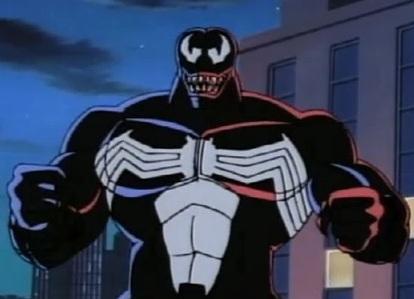 Venom’s menacing presence in Spider-Man: The Animated Series elevated the character beyond his comic origins. Source: Spiderman animated Wikia
Key Facts
• Spider-Man: The Animated Series (1994-1998) and The Spectacular Spider-Man (2008-2009) are widely considered the definitive animated adaptations of the web-slinger’s world
• These series had the luxury of extended storytelling that live-action films couldn’t afford, allowing for deeper character development and more complex villain motivations
• Voice acting performances by legendary actors like Roscoe Lee Browne (Kingpin), Keith David (Tombstone), and Jennifer Hale (Black Cat) elevated these characters to new heights
• The animated format allowed for more creative visual representations of powers and abilities that would have been costly or impossible in live-action at the time
• Many of these animated portrayals have influenced subsequent adaptations, including modern films and video games
What’s New & Why It Matters
The recent resurgence of interest in Spider-Man animated content, particularly with the success of “Spider-Man: Into the Spider-Verse” and its sequel, has renewed appreciation for how animation can enhance superhero storytelling. Unlike live-action adaptations constrained by budgets, practical effects limitations, and runtime restrictions, animated series have the freedom to explore complex character arcs over multiple seasons.
This matters because these animated portrayals often become the definitive versions of these characters in fans’ minds. When viewers think of Venom, many recall the menacing voice and tragic backstory from the 1990s series rather than the comic book version. Similarly, The Spectacular Spider-Man’s interpretation of Tombstone as “The Big Man” has influenced how the character is perceived across all media.
The impact extends beyond nostalgia. Modern creators continue to draw inspiration from these animated interpretations, incorporating elements like Kingpin’s strategic brilliance from the 1990s series or Black Cat’s sophisticated characterization into contemporary adaptations.
Creators & Voice Cast Excellence
The success of these villain portrayals stems largely from exceptional voice casting and character development by talented creative teams. Spider-Man: The Animated Series, developed by John Semper Jr., brought together voice actors who understood the gravitas needed for these roles.
Roscoe Lee Browne’s portrayal of Kingpin earned him a Daytime Emmy nomination, bringing Shakespearean gravitas to Wilson Fisk’s criminal mastermind persona. His cultured, menacing delivery made Kingpin feel like a legitimate threat to Spider-Man, not just another thug in a suit.
Keith David’s work as Tombstone in The Spectacular Spider-Man transformed what could have been a one-note bruiser into a sophisticated criminal puppeteer. David’s distinctive voice work, known from projects like “Gargoyles” and “The Thing,” brought quiet menace and intelligence to Lonnie Lincoln.
Jennifer Hale, one of the most prolific voice actors in animation and video games, gave Black Cat a sophistication and agency that the character often lacked in comics. Her performance balanced Felicia Hardy’s criminal nature with genuine affection for Spider-Man, creating a complex anti-hero rather than a simple love interest.
The 7 Villains Transformed by Animation
7. Shocker/Herman Schultz – The Working-Class Villain
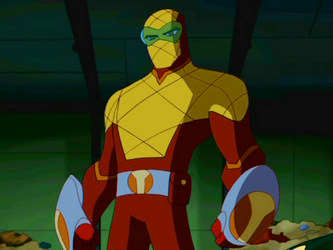 Shocker’s distinctive design in The Spectacular Spider-Man emphasized his blue-collar villain persona. Source: Marvel Animated Universe Wiki
Herman Schultz’s transformation in The Spectacular Spider-Man exemplifies how animated series can ground fantastical characters in relatable circumstances. Rather than being just another costumed criminal, Shocker became a blue-collar villain treating crime like a day job. This interpretation, arriving during the 2008-2009 economic crisis, resonated with audiences facing their own financial struggles.
Jeff Bennett’s voice work gave Shocker a distinctive Queens accent that emphasized his working-class roots. The character’s pragmatic approach to villainy – showing up, doing the job, collecting payment – made him more memorable than his comic counterpart, who often felt like generic muscle for hire. The animated series also improved his visual design, making his vibration-based powers more dynamic and visually interesting than static comic panels could convey.
6. The Lizard/Dr. Curt Connors – The Tragic Scientist
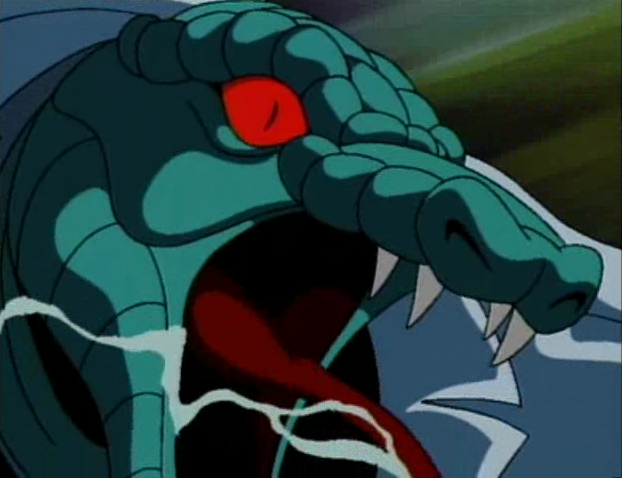 The Lizard’s tragic transformation was powerfully depicted in the 1990s animated series. Source: Spiderman animated Wikia
Both Spider-Man: The Animated Series and The Spectacular Spider-Man elevated The Lizard by focusing on the man behind the monster. While comics often emphasized the creature’s savage nature, the animated series explored Dr. Curt Connors’ internal struggle and his relationship with Peter Parker as a mentor figure.
The inclusion of Connors’ son Billy added emotional weight to the character’s transformation. Viewers understood that The Lizard wasn’t just a monster to be defeated, but a father and scientist whose good intentions led to tragic consequences. Joseph Campanella and Dee Bradley Baker’s voice performances brought warmth and intelligence to Connors, making his transformation into The Lizard genuinely heartbreaking rather than simply frightening.
5. Black Cat/Felicia Hardy – The Sophisticated Anti-Hero
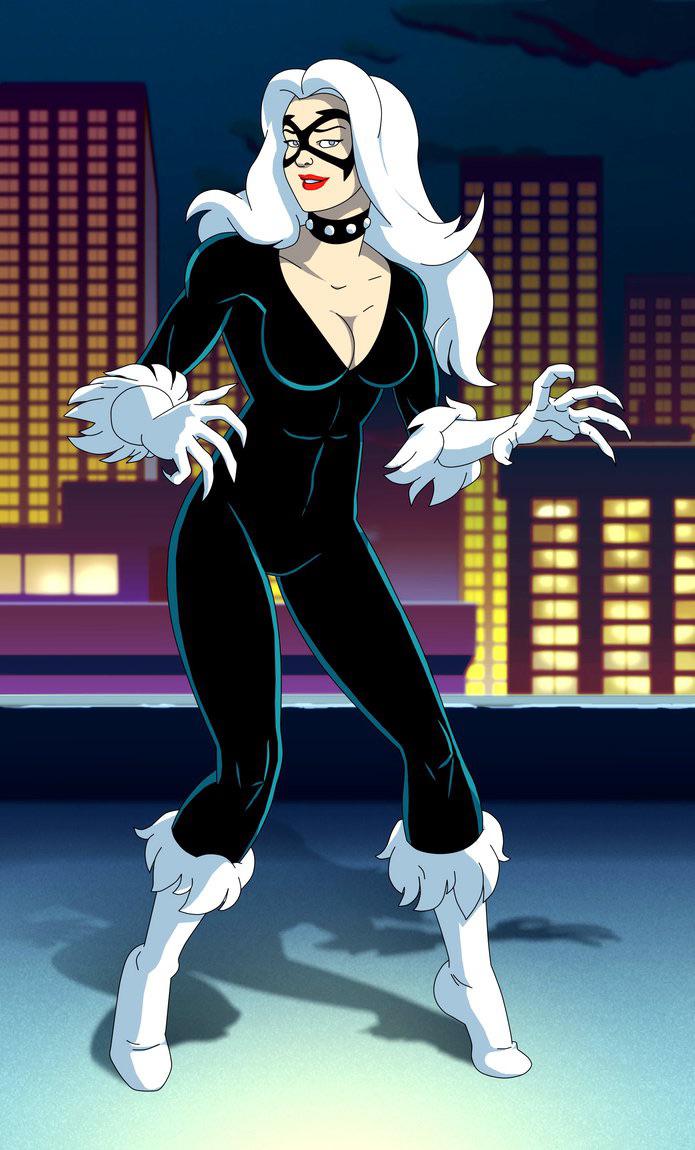 Black Cat’s sophisticated portrayal in the animated series gave the character agency and depth beyond her comic origins. Source: Reddit
Black Cat has historically been a challenging character for writers to balance – simultaneously a criminal, love interest, and ally to Spider-Man. Jennifer Hale’s performance in Spider-Man: The Animated Series solved this problem by giving Felicia Hardy genuine agency and sophistication.
Rather than being defined solely by her relationship with Spider-Man, this version of Black Cat had her own motivations and moral code. The animated series explored her criminal background while showing her genuine care for Spider-Man, creating a complex dynamic that felt natural rather than forced. Hale’s voice work conveyed both Felicia’s criminal confidence and her vulnerability, making her one of the most compelling characters in the series.
4. Kingpin/Wilson Fisk – The Strategic Mastermind
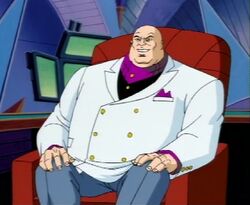 Kingpin’s imposing presence in the 1990s animated series, brought to life by Roscoe Lee Browne’s commanding voice performance. Source: Marvel Animated Universe Wiki
While Kingpin originated as a Spider-Man villain in comics, he had become more associated with Daredevil by the 1990s. Spider-Man: The Animated Series reclaimed him as a worthy arch-nemesis for the web-slinger, transforming him from a simple crime boss into a strategic mastermind who used the system to his advantage.
Roscoe Lee Browne’s performance was crucial to this transformation. His cultured, intelligent delivery made Kingpin feel like a legitimate threat who could outthink Spider-Man as easily as overpower him. The series showed Fisk operating legitimate businesses while running criminal enterprises, making him a more complex antagonist than typical supervillains. This portrayal influenced subsequent adaptations, including the acclaimed Netflix Daredevil series.
3. Tombstone/Lonnie Lincoln – The Puppet Master
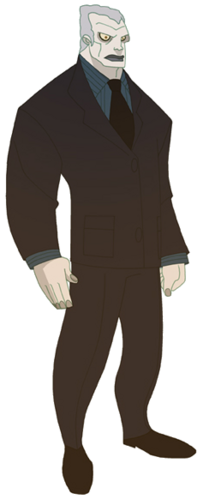 Tombstone’s intimidating presence as “The Big Man” in The Spectacular Spider-Man. Source: Villains Wiki
The Spectacular Spider-Man’s greatest achievement might be its transformation of Tombstone from a simple enforcer into “The Big Man,” a sophisticated criminal puppeteer controlling New York’s underworld from the shadows. This version of Lonnie Lincoln operated more like a chess master than a bruiser, manipulating other villains and criminal organizations to achieve his goals.
Keith David’s voice work was essential to this characterization. Rather than playing Tombstone as a typical thug, David brought quiet menace and intelligence to the role. His distinctive voice made every threat feel genuine and every command feel authoritative. The series also explored Tombstone’s relationship with Daily Bugle editor Robbie Robertson, adding personal stakes to his conflicts with Spider-Man’s supporting cast.
2. Sandman/Flint Marko – The Reluctant Villain
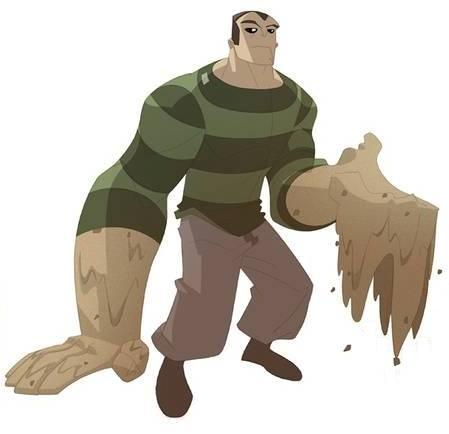 Sandman’s conflicted nature was beautifully captured in The Spectacular Spider-Man’s animation and storytelling. Source: Villains Wiki
While Spider-Man 3 explored Sandman’s tragic motivations, The Spectacular Spider-Man took a deeper dive into Flint Marko’s character, creating one of the most sympathetic villains in Spider-Man’s rogues gallery. The series emphasized his role as a father desperate to help his sick daughter, making his criminal activities feel like tragic necessity rather than evil choice.
The animation team excelled at showing Sandman’s internal conflict through his granular features – literally showing his resolve crumbling or solidifying based on his emotional state. This visual storytelling technique, impossible in live-action, made Sandman’s struggles visceral and immediate. The series suggested that redemption was possible for Flint Marko, making him a complex antagonist rather than a simple obstacle for Spider-Man to overcome.
1. Venom/Eddie Brock – The Dark Mirror
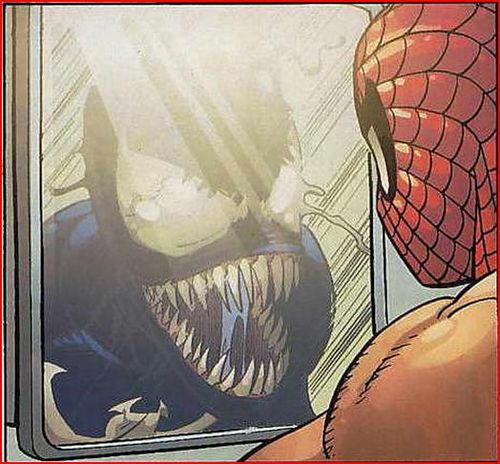
Source: spidermancrawlspace.com
Venom represents the pinnacle of animated villain enhancement, transforming from a relatively straightforward comic antagonist into Spider-Man’s perfect dark mirror. The Spectacular Spider-Man’s approach of making Eddie Brock and Peter Parker friends and colleagues before their falling out added personal stakes that elevated every subsequent encounter.
Benjamin Diskin’s voice work captured Eddie’s journey from friendly colleague to venomous enemy with remarkable nuance. The series showed Eddie’s initial warmth and professional ambition, making his transformation into Venom feel like a genuine tragedy rather than simple villainy. When the symbiote revealed Peter’s secret identity to Eddie, it created a perfect storm of personal and professional betrayal that made Venom’s hatred feel justified from his perspective.
The animated format allowed for more creative visual representation of the symbiote’s abilities and Venom’s imposing presence. The series could show the symbiote’s alien nature and Venom’s enhanced strength in ways that would have been prohibitively expensive in live-action during the 1990s and 2000s.
Release Timeline & Where to Watch
Spider-Man: The Animated Series originally aired on Fox Kids from November 19, 1994, to January 31, 1998, spanning five seasons and 65 episodes. The series is currently available on Disney+ and various digital platforms, making it accessible to new generations of fans.
The Spectacular Spider-Man had a shorter but equally impactful run, airing for two seasons from March 8, 2008, to November 18, 2009, totaling 26 episodes. Despite its brief run, many consider it the finest Spider-Man animated adaptation ever produced. The series is available on various streaming platforms and digital purchase options.
Both series have influenced subsequent Spider-Man media, with elements from their villain portrayals appearing in video games, comics, and even live-action films. The success of Spider-Man: Into the Spider-Verse has renewed interest in animated Spider-Man content, leading to new series like Your Friendly Neighborhood Spider-Man.
The Bigger Picture: Animation’s Impact on Spider-Man Legacy
These animated series arrived at crucial moments in Spider-Man’s multimedia evolution. The 1990s animated series coincided with the character’s peak comic book popularity during the Clone Saga era, while The Spectacular Spider-Man premiered between the original Sam Raimi trilogy and the Amazing Spider-Man reboot, offering a fresh take on familiar characters.
The influence of these animated portrayals extends far beyond their original broadcasts. Video game developers have consistently drawn inspiration from these characterizations, particularly in titles like “Spider-Man 2: Enter Electro” and the recent “Marvel’s Spider-Man” series. Comic book writers have also incorporated elements from these animated versions, recognizing their popularity with fans.
The success of these villain portrayals demonstrates animation’s unique advantages in superhero storytelling. Without the constraints of live-action budgets or actor availability, animated series can maintain consistent character development across multiple seasons. They can also visualize powers and abilities in ways that would be prohibitively expensive in live-action, particularly during the 1990s and 2000s when these series aired.
The recent success of “Spider-Man: Into the Spider-Verse” and its sequel has validated the artistic potential of animated superhero content, leading to renewed interest in these classic series. Modern audiences discovering these shows for the first time often express surprise at their sophisticated storytelling and character development, recognizing them as legitimate artistic achievements rather than mere children’s entertainment.
Variant Covers and Tie-In Merchandise
The popularity of these animated villain portrayals has led to extensive merchandise lines, including action figures, variant comic covers, and collectibles featuring their animated designs. Companies like Hasbro and Diamond Select have produced figures based specifically on the animated versions of these characters, recognizing their distinct appeal to collectors.
Marvel has also produced variant comic covers featuring animated-style artwork, acknowledging the lasting impact of these interpretations. The distinctive character designs from both series have become iconic in their own right, often preferred by fans over their comic counterparts.
Quick FAQ
Q: Which Spider-Man animated series is considered the best? A: While opinions vary, The Spectacular Spider-Man (2008-2009) is widely regarded as the finest Spider-Man animated adaptation, praised for its character development, animation quality, and sophisticated storytelling. However, Spider-Man: The Animated Series (1994-1998) holds a special place in many fans’ hearts due to its longer run and cultural impact.
Q: Why was The Spectacular Spider-Man cancelled after only two seasons? A: The series was cancelled due to complex licensing issues when Disney acquired Marvel Entertainment in 2009. Sony held the television rights to Spider-Man at the time, creating complications that ultimately led to the show’s premature end despite critical acclaim and fan support.
Q: Are these animated series connected to the live-action Spider-Man films? A: No, both animated series exist in their own continuities separate from the live-action films. However, they have influenced subsequent adaptations, with elements from their villain portrayals appearing in various media.
Q: Which voice actors from these series have continued working on Spider-Man projects? A: Several voice actors have reprised their roles or taken on new ones in subsequent Spider-Man media. Jennifer Hale, in particular, has become a staple of Marvel animation, voicing various characters across multiple series and video games.
Q: Where can I watch these series today? A: Spider-Man: The Animated Series is available on Disney+ and various digital platforms. The Spectacular Spider-Man can be found on select streaming services and digital purchase platforms, though availability varies by region.
The Bottom Line
These seven villains demonstrate animation’s unique power to enhance and expand upon source material in ways that live-action adaptations often cannot match. By providing extended storytelling opportunities, creative visual representation, and exceptional voice acting, these animated series transformed Spider-Man’s rogues gallery from comic book archetypes into complex, memorable characters that continue to influence adaptations decades later.
The lasting impact of these portrayals speaks to the artistic legitimacy of animated superhero content. As the success of recent animated films like “Spider-Man: Into the Spider-Verse” continues to validate the medium’s potential, these classic series serve as reminders that animation has always been capable of sophisticated storytelling when given the opportunity. For Spider-Man fans seeking the definitive versions of these iconic villains, these animated series remain essential viewing that showcases the web-slinger’s world at its most compelling and dramatically rich.
Sources
• ComicBook.com – “7 Spider-Man Villains Made Even Better by The Animated Series”
• Marvel Animated Universe Wiki – Eddie Brock
• Spiderman Animated Wikia – Venom
• Marvel Animated Universe Wiki – Tombstone
• Behind the Voice Actors – Tombstone Voice Cast
• Wikipedia – Roscoe Lee Browne
• CBR – “Spider-Man: TAS Changed Kraven the Hunter for the Better”
• Screen Rant – “Spider-Man: 10 Animated Series Villains Closest To The Comics”