Color is one of the most powerful tools in a comic book creator’s arsenal. It can make you feel happy, sad, angry, or scared. It can draw your attention to a specific detail, create a sense of depth and atmosphere, and even tell a story without a single word. But how does it work? The answer lies in the fascinating intersection of art, psychology, and science.
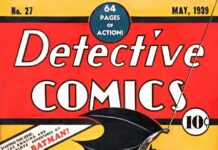
From the vibrant, primary colors of the Golden Age to the subtle, nuanced palettes of modern comics, the use of color has evolved dramatically over the years. This evolution has been driven by technological advancements, artistic innovation, and a growing understanding of how color affects the human brain. So, let’s dive into the world of comic book color and discover how artists use this powerful tool to shape our reading experience.
The Fundamentals of Color Theory: A Crash Course
At its core, color theory is the science of how colors interact with each other and with us. It all starts with the color wheel, a concept first developed by Sir Isaac Newton in 1668. The color wheel is divided into three main groups: primary colors (red, yellow, blue), secondary colors (orange, green, violet), and tertiary colors (yellow-orange, red-orange, red-violet, etc.). [1]
But color is more than just a collection of hues. It also has properties like chroma (the purity or intensity of a color) and lighting (the brightness or darkness of a color). By understanding these properties, artists can create a wide range of color schemes, from the simple and harmonious to the complex and dissonant.
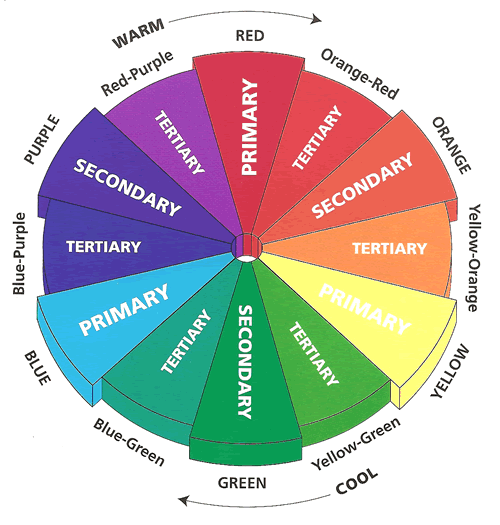 Caption: A comprehensive color wheel showing primary, secondary, and tertiary colors with warm and cool temperature zones used in comic book color theory. Credit: Inked Dreams Comics Source: Inked Dreams Comics
The Psychology of Color: How Colors Make You Feel
The real power of color lies in its ability to evoke emotions. As the experts at CCC International explain, “Cool tones like blue and people can indicate sadness or reflection. At the same time, warm hues like yellow and red can mean high-energy emotions.” [1] This is why you’ll often see a lot of red and yellow in action-packed fight scenes, and a lot of blue and green in more contemplative moments.
But the psychological effects of color go even deeper. Studies have shown that looking at the color red can actually increase your heart rate and pump more adrenaline into your bloodstream. This is why red is often used to signify danger, passion, or excitement. On the other hand, colors like blue and green can have a calming effect, which is why they’re often used in scenes of nature or tranquility.
Of course, the meaning of color can also be influenced by culture and personal experience. But by understanding the basic principles of color psychology, comic book artists can create a powerful emotional connection with their readers.
The History of Comic Book Coloring: From Four-Color Process to Digital Revolution
The distinctive look of vintage comics is a direct result of the printing technology of the time. In the early days of comics, publishers used a process called the four-color process, which used four basic colors of ink: Cyan, Magenta, Yellow, and Black (CMYK). [3]
These four colors were printed in a pattern of small dots called halftones. By varying the size and spacing of these dots, printers could create the illusion of a wide range of colors. However, the process was far from perfect. The cheap paper and high-speed presses often resulted in misaligned colors and a muddy, inconsistent look. As RetroSupply Co. puts it, “Colors in old comics are expeditious and gunky, sometimes there isn’t enough ink, and sometimes there’s too much.” [3]
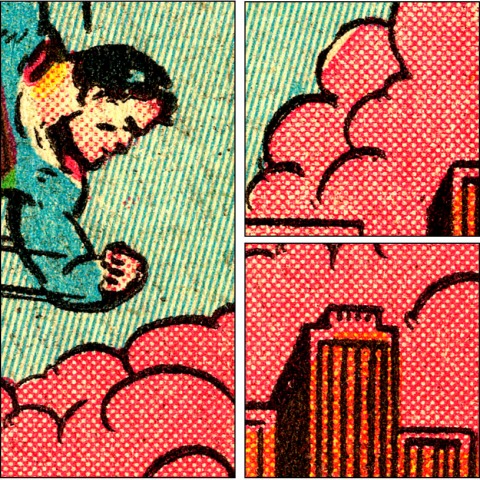 Caption: Classic Ben Day dots and halftone printing techniques that defined the distinctive look of Golden Age comic books. Credit: LEGION of ANDY Source: LEGION of ANDY
The advent of digital technology in the 1980s and 1990s revolutionized the comic book industry. Digital coloring gave artists a new level of control and precision, allowing them to create a much wider range of colors and effects. It also made the process much faster and more efficient. Today, the vast majority of comics are colored digitally, but there is still a deep appreciation for the look and feel of vintage comics.
Modern Coloring Techniques: A Look Inside the Digital Toolbox
Modern comic book colorists have an incredible array of tools at their disposal. They use software like Adobe Photoshop and Clip Studio Paint to create complex color palettes, add special effects, and create a sense of depth and atmosphere. They can also use custom brushes and textures to create a wide range of artistic styles, from the clean and simple to the painterly and expressive.
But even with all of these advanced tools, the basic principles of color theory still apply. As the Sequential Artists Workshop advises, it’s often best to start with a limited color palette and focus on creating a strong sense of contrast. “If something is the ‘right’ value, it doesn’t really matter what color it is,” they explain. [2]
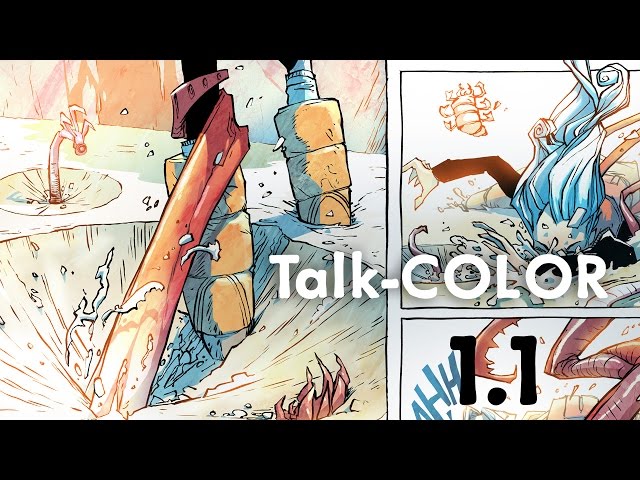 Caption: Modern digital comic coloring process showing the evolution from traditional hand-coloring to computer-based techniques. Credit: YouTube Educational Content Source: YouTube
The Future of Comic Book Color: What’s Next?
As technology continues to evolve, so will the art of comic book coloring. We may see more interactive and animated coloring in digital comics, or new tools that allow for even greater levels of realism and expression. But no matter how advanced the technology becomes, the fundamental principles of color theory will always remain the same.
Color will always be one of the most powerful tools in a comic book creator’s arsenal. It’s a language that can be understood by everyone, regardless of age or culture. And as long as there are stories to be told, there will be artists who use color to bring those stories to life in new and exciting ways.
Resources
Color Theory in Comic Art: Enhancing Mood and Storytelling – https://ccci.am/blog/color-theory-in-comic-art-enhancing-mood-and-storytelling/
How To Color Your Comics – https://www.sequentialartistsworkshop.org/blog/color-in-comics
Comic History: Color and Print – https://www.retrosupply.co/blogs/tutorials/comic-history-color-and-print
For more insights into the technical aspects of comic creation, check out our article on comic book lettering evolution. And if you’re interested in exploring more about visual storytelling techniques, we have comprehensive guides to help you understand the complete picture of comic book artistry.
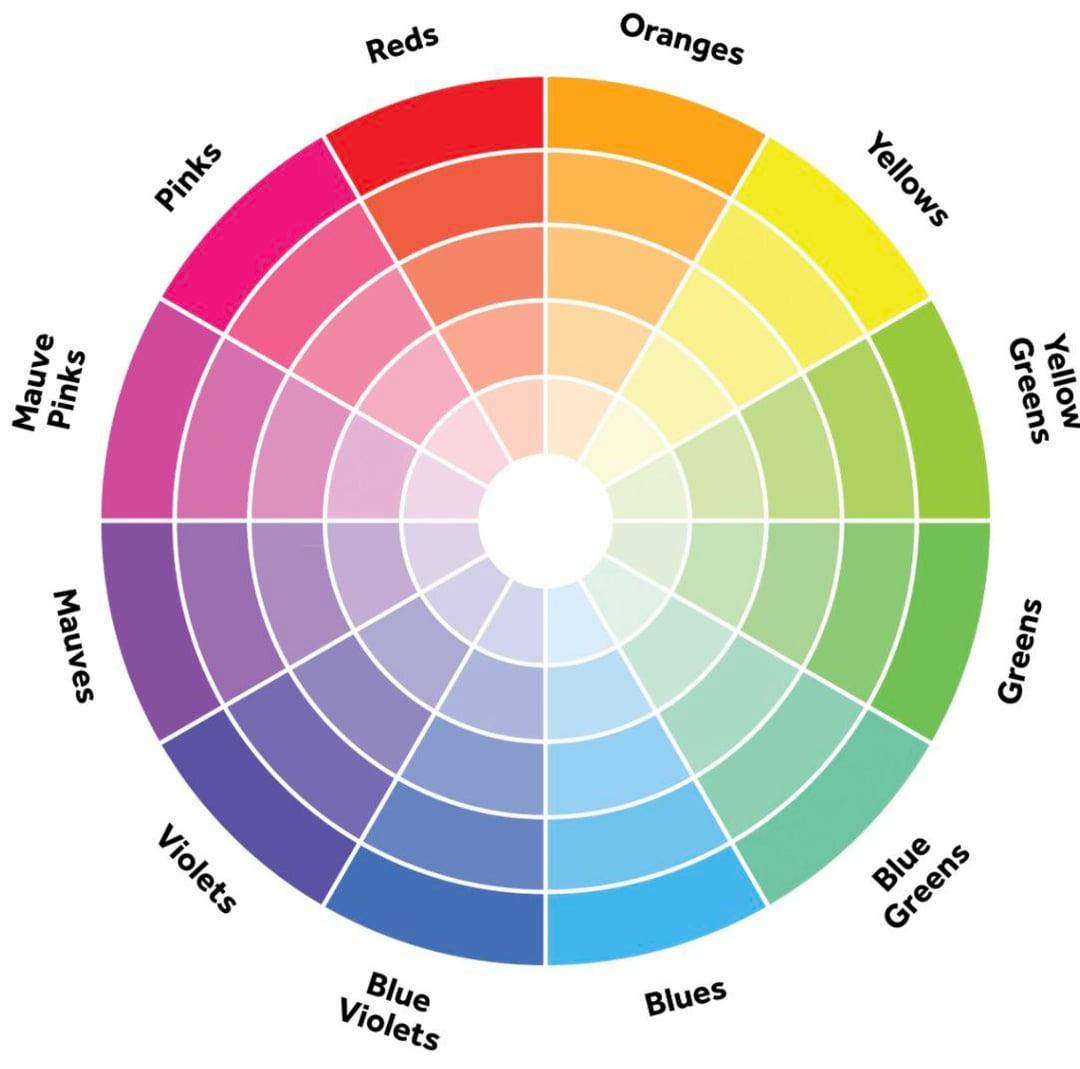 Caption: An advanced color wheel demonstrating color relationships and harmonies essential for creating effective comic book color palettes. Credit: Reddit Community Source: Reddit