Comic books are more than just superheroes and villains; they are a masterclass in visual storytelling. While we get caught up in the epic battles and dramatic plot twists, it’s easy to overlook the silent architect of our reading experience: the comic book panel. These seemingly simple boxes are the fundamental building blocks of comic art, and their layout is a powerful tool that can control pacing, create drama, and guide the reader’s eye in ways that are both subtle and profound.
From the classic grid to the explosive splash page, the way panels are arranged on a page is a deliberate and creative choice that can make or break a story. In this deep dive, we’ll explore the art and science of comic book panel layouts, breaking down the different types of panels, the crucial role of gutters, and how these elements work together to create the unforgettable stories we love. Whether you’re an aspiring creator or a lifelong fan, understanding the language of comic panels will give you a whole new appreciation for this incredible medium.
The Building Blocks: A Guide to Comic Panel Types
Comic book panels are not a one-size-fits-all solution. Artists have a wide array of panel types at their disposal, each with its own unique purpose and impact on the story. Understanding these different types is the first step to appreciating the artistry behind comic book layouts.
The Classics: Standard Panel Types
These are the most common panel types you’ll encounter in comics, and they form the foundation of visual storytelling.
- Strict (Regular) Panels: These are the familiar square or rectangular panels that create a clean, organized grid on the page. They are the workhorses of comic book storytelling, providing a straightforward and easy-to-follow reading experience. [1]
- Close-Up Panels: When an artist wants to emphasize a character’s emotions or draw attention to a specific object, they use a close-up panel. This intimate view creates a personal connection with the reader and can reveal crucial details that might otherwise be missed. [2]
- Action Shots: For high-energy sequences, action shots are a must. These panels are all about capturing movement and excitement, immersing the reader in the heart of the action. [2]
- Establishing Shots: To set the scene and give the reader a sense of place, artists use establishing shots. These are typically wide panels that show the environment where the story is taking place, from a sprawling cityscape to a cramped alleyway. [1]
Beyond the Grid: Dynamic and Unconventional Panels
While the classic grid is effective, sometimes a story needs a little more flair. That’s where these more dynamic panel types come in.
- Splash Panels: A splash panel is a single, full-page panel that makes a bold statement. It’s often used for dramatic entrances, shocking reveals, or pivotal moments in the story that need to have a major impact. [3]
- Overlapping Panels: To show a rapid succession of events or to create a sense of chaos, artists will overlap panels. This technique can be tricky to pull off, but when done right, it can create a dynamic and visually exciting reading experience. [1]
- Irregular and Diagonal Panels: Breaking away from the traditional grid, irregular and diagonal panels can create a sense of unease, excitement, or disorientation. The skewed angles and unconventional shapes can add a layer of visual interest and emotional depth to a scene. [3]
- Broken Panels: When a character or object breaks through the panel border, it’s a powerful visual cue that something extraordinary is happening. This technique is often used to show immense power, intense movement, or a character who is literally larger than life. [1]
- Inset Panels: An inset panel is a smaller panel that is placed inside a larger one. This is a great way to show a close-up of a character’s reaction, a key object, or a simultaneous event without disrupting the flow of the main narrative. [3]
The Space Between: How Gutters Control the Flow of Your Story
While the panels themselves get all the attention, the empty space between them, known as the gutter, plays an equally important role in shaping the reading experience. The gutter is more than just a separator; it’s a powerful tool that controls the pacing and rhythm of the story.
The Unsung Hero of Pacing
The width of the gutter is a subtle but effective way to control how quickly the reader moves through the story. A narrow gutter creates a sense of urgency and immediacy, as if the events in the panels are happening in rapid succession. On the other hand, a wider gutter creates a pause, giving the reader a moment to breathe and absorb the information in the panel before moving on. This can be used to create dramatic tension, to show the passage of time, or to simply give a scene more weight.
The Power of the Borderless Panel
Sometimes, the most effective gutter is no gutter at all. When an artist wants to show two events happening simultaneously or in immediate succession, they will often place two panels directly next to each other with no gutter in between. This creates a seamless transition between the two images, blurring the line between them and creating a sense of continuous action. This technique is particularly effective for showing cause and effect, or for creating a sense of frenetic energy.
 Caption: Examples of different comic panel layouts showing grid structures and panel arrangements Credit: The Lerner Blog Source: https://lernerbooks.blog
Putting It All Together: Mastering the Art of Comic Book Layout
Now that we understand the different types of panels and the role of gutters, let’s explore how artists bring these elements together to create a cohesive and compelling comic book page. The layout of a page is a complex and deliberate process that involves guiding the reader’s eye, creating a visual rhythm, and enhancing the emotional impact of the story.
The Classic Grid: A Foundation for Storytelling
The most common and traditional layout is the grid. This involves dividing the page into a series of equal-sized panels, creating a clean and organized reading experience. The grid is a versatile and effective layout that can be used for a wide variety of stories, from action-packed adventures to quiet, character-driven dramas. While it may seem simple, the grid is a powerful tool that can be used to create a sense of order, stability, and control.
Breaking the Mold: Dynamic and Asymmetrical Layouts
While the grid is a reliable workhorse, sometimes a story calls for a more dynamic and visually interesting layout. A staggered layout, where the panels are not all the same size, can create a sense of movement and energy. A non-linear layout, where the panels are not arranged in a traditional grid or staggered pattern, can create a more dynamic and visually interesting story. These asymmetrical layouts can be used to create a sense of chaos, excitement, or disorientation, and can be a powerful tool for enhancing the emotional impact of a scene.
Guiding the Reader’s Eye: The Art of Page Flow
One of the most important aspects of comic book layout is page flow. This is the art of guiding the reader’s eye through the page in a smooth and intuitive way. Artists use a variety of techniques to achieve this, from the placement of speech bubbles to the direction of a character’s gaze. The goal is to create a reading experience that is so seamless that the reader doesn’t even notice the underlying structure of the page.
 Caption: Analysis of comic panel grids showing 3×3, 3×2, and 4×2 layouts with visual storytelling examples Credit: The Patron Saint of Superheroes Source: https://thepatronsaintofsuperheroes.wordpress.com
The Unseen Artistry: A New Way to Read Comics
From the rigid structure of the nine-panel grid to the explosive freedom of a full-page splash, the art of the comic book panel is a powerful and often overlooked aspect of visual storytelling. As we’ve seen, the choices an artist makes about panel size, shape, and placement can have a profound impact on the way we experience a story. These are not just arbitrary boxes on a page; they are a carefully crafted language that can control pacing, create drama, and guide our emotions.
So the next time you pick up a comic book, take a moment to appreciate the silent architect of your reading experience. Look beyond the capes and the cowls, and pay attention to the way the panels are arranged on the page. You might be surprised at the hidden layers of artistry and intention you discover. For those interested in the broader evolution of the medium, you might enjoy this article on the evolution of comic book art. And if you’re new to the world of comics, our beginner’s guide to reading comics is a great place to start.
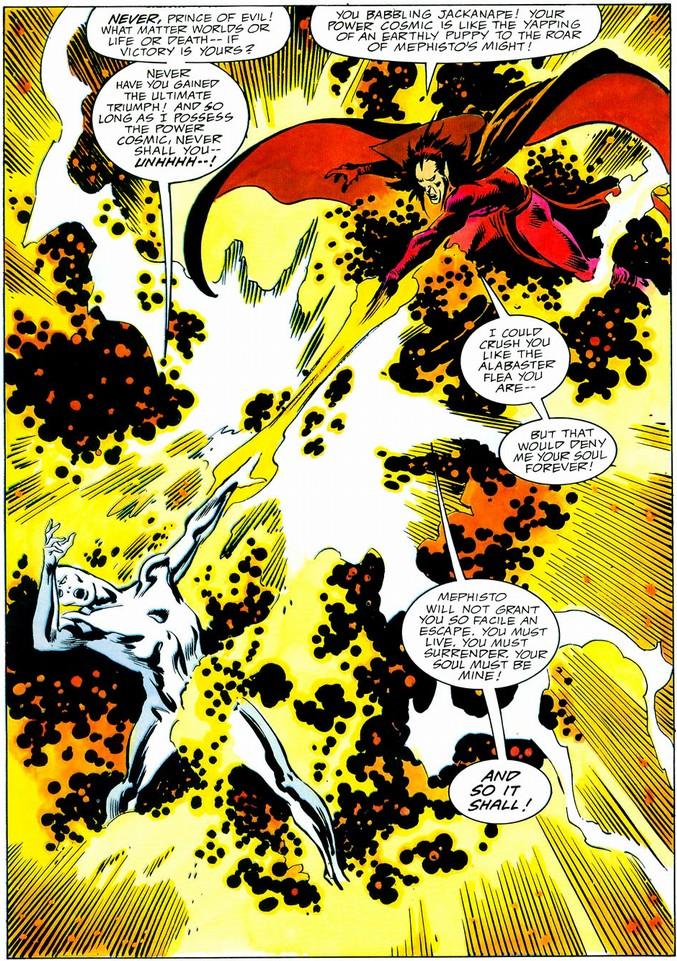 Caption: Classic comic book splash panel demonstrating full-page dramatic storytelling Credit: A Dispensable List of Comic Book Lists Source: https://comiclists.wordpress.com
For a deeper dive into the academic study of comics, check out The Comics Grid: Journal of Comics Scholarship.
The Psychology of Panel Shapes: How Form Influences Emotion
The shape of a comic panel isn’t just an aesthetic choice—it’s a psychological tool that can profoundly influence how readers experience a story. Different panel shapes trigger different emotional responses, and understanding this relationship is crucial for both creators and readers who want to fully appreciate the medium.
Rectangular Panels: The Comfort Zone
Traditional rectangular panels create a sense of stability and normalcy. They’re the visual equivalent of a steady heartbeat, providing a reliable rhythm that allows readers to focus on the story without distraction. When you see a page filled with uniform rectangular panels, your brain interprets this as a calm, controlled environment. This is why most dialogue-heavy scenes and exposition use this format—it doesn’t compete with the content for attention.
Circular and Oval Panels: Intimacy and Focus
Circular panels create an entirely different psychological effect. They draw the eye inward, creating a sense of intimacy and focus that’s perfect for close-up shots or important revelations. The curved edges soften the viewing experience, making it feel more personal and emotional. Many artists use circular panels for flashbacks or dream sequences because they create a sense of looking through a window into another time or place.
Jagged and Irregular Panels: Chaos and Tension
When panels break away from clean geometric shapes, they signal that something is wrong. Jagged, torn, or irregularly shaped panels create visual tension that mirrors emotional or physical chaos in the story. These shapes make readers feel unsettled, even if they can’t consciously identify why. Horror comics and action sequences frequently employ these techniques to keep readers on edge.
The Evolution of Panel Layouts: From Golden Age to Digital
Comic book panel layouts haven’t remained static since the medium’s inception. They’ve evolved alongside artistic movements, technological advances, and changing reader expectations, creating a rich history of visual innovation.
The Golden Age: Establishing the Rules
During the Golden Age of comics (1930s-1950s), panel layouts were relatively conservative. The standard six or nine-panel grid dominated most pages, creating a predictable reading experience that helped establish comics as a legitimate storytelling medium. Artists like Jack Kirby and Will Eisner began experimenting with these conventions, but the overall approach remained structured and formal.
The Silver Age: Breaking Boundaries
The Silver Age (1950s-1970s) saw artists becoming more adventurous with panel layouts. The influence of pop art and changing cultural attitudes encouraged creators to experiment with splash pages, irregular panels, and more dynamic compositions. This period established many of the techniques we still see in modern comics.
The Modern Era: Digital Innovation
Today’s digital tools have opened up entirely new possibilities for panel layouts. Artists can create seamless transitions between panels, experiment with transparency effects, and even incorporate animated elements in digital comics. The rise of webcomics has also introduced new formats like infinite canvas storytelling, where the traditional page structure is abandoned entirely.
Cultural Differences: Eastern vs. Western Panel Traditions
The way panels are used varies significantly between different comic traditions around the world, with the most notable differences appearing between Western comics and Eastern manga.
Western Comics: Left to Right, Top to Bottom
Western comics follow the same reading pattern as Western text—left to right, top to bottom. This creates specific expectations about panel flow and timing. Western artists have developed sophisticated techniques for guiding the reader’s eye through complex layouts while maintaining this fundamental reading direction.
Manga: Right to Left, Different Rhythms
Japanese manga reads from right to left, which creates entirely different possibilities for panel flow and pacing. Manga artists often use more varied panel sizes and shapes, creating a more fluid, cinematic reading experience. The right-to-left reading pattern also allows for different types of reveals and surprises that wouldn’t work as well in Western layouts.
European Comics: Artistic Freedom
European comics, particularly French bandes dessinées, often prioritize artistic expression over standardized layouts. These comics frequently feature more experimental panel arrangements and are more willing to sacrifice readability for visual impact.
Practical Applications: What Creators Can Learn
Understanding panel layouts isn’t just academic—it has practical applications for anyone interested in creating comics or improving their visual storytelling skills.
Start with Thumbnails
Professional comic artists always begin with thumbnail sketches that map out the basic panel layout before adding any details. This process helps ensure that the page flow works effectively and that the most important story beats get the visual emphasis they deserve.
Consider Your Genre
Different genres benefit from different panel approaches. Action comics need dynamic, varied layouts that can convey movement and excitement. Horror comics benefit from irregular panels that create unease. Romance comics often use softer, more intimate panel shapes. Understanding these genre conventions can help creators make more effective choices.
Think About Pacing
Panel size and gutter width directly control the pacing of your story. Large panels slow down time and emphasize important moments. Small panels speed up time and create urgency. Wide gutters create pauses for dramatic effect. Narrow gutters maintain momentum. These tools should be used deliberately to enhance the story’s emotional impact.
The Future of Comic Panel Design
As technology continues to evolve, so too will the possibilities for comic panel design. Virtual and augmented reality are beginning to offer new ways to experience sequential art, while artificial intelligence is starting to assist artists in layout design.
Interactive Panels
Digital comics are experimenting with interactive panels that respond to reader input. These might reveal hidden information when clicked, animate when viewed, or change based on reading speed. While still in their infancy, these techniques represent exciting new possibilities for the medium.
Adaptive Layouts
Some digital comic platforms are developing adaptive layouts that automatically adjust panel sizes and arrangements based on the reader’s device and preferences. This technology could make comics more accessible while preserving the artist’s original intent.
AI-Assisted Design
Artificial intelligence tools are beginning to help artists experiment with panel layouts by suggesting arrangements based on story content and emotional beats. While these tools won’t replace human creativity, they could help artists explore possibilities they might not have considered otherwise.
Frequently Asked Questions About Comic Panel Layouts
What is the most common comic panel layout?
The most common comic panel layout is the six-panel grid, which divides a page into two rows of three panels each. This layout provides a good balance between storytelling space and reading flow, making it ideal for dialogue-heavy scenes and standard narrative progression.
How do gutters affect the reading experience?
Gutters control the pacing and rhythm of a comic. Narrow gutters create urgency and rapid succession between events, while wider gutters provide pauses for dramatic effect or to show the passage of time. The absence of gutters can make events feel simultaneous or create seamless action sequences.
What is a splash panel and when should it be used?
A splash panel is a single panel that takes up an entire page. It’s used for maximum dramatic impact during pivotal story moments, character introductions, or to showcase detailed artwork. Splash panels should be used sparingly to maintain their effectiveness.
How do panel shapes affect reader emotions?
Panel shapes have psychological effects on readers. Rectangular panels feel stable and normal, circular panels create intimacy and focus, while jagged or irregular panels generate tension and unease. Artists use these shape associations to enhance the emotional impact of their stories.
What’s the difference between Western and manga panel layouts?
Western comics read left-to-right and typically use more structured grid layouts, while manga reads right-to-left and often features more varied panel sizes and shapes. Manga tends to have a more fluid, cinematic approach to panel arrangement.
How important is page flow in comic design?
Page flow is crucial for maintaining reader engagement. Good page flow guides the reader’s eye smoothly through the story without confusion, using techniques like character sight lines, speech bubble placement, and panel arrangement to create an intuitive reading experience.
Can digital comics use different panel techniques than print comics?
Yes, digital comics can incorporate interactive elements, animated transitions, and adaptive layouts that adjust to different devices. They can also use techniques like infinite canvas storytelling that wouldn’t be possible in print format.
What should beginners focus on when learning about panel layouts?
Beginners should start by understanding basic panel types (regular, close-up, establishing shots), learn how gutters control pacing, and practice creating clear page flow. Starting with simple grid layouts and gradually experimenting with more complex arrangements is recommended.
References
- Clip Studio Paint. (n.d.). Pro Artist’s Guide to Comic & Manga Layouts, Paneling, Flow. Retrieved from https://www.clipstudio.net/how-to-draw/archives/160963
- Dashtoon. (2024, April 24). Comic Book Panels 101: Design Captivating Pages & Hook Readers. Retrieved from https://dashtoon.com/blog/comic-book-panels/
- Storyspread. (2022, April 23). Comic Panels: Everything You Need to Know. Retrieved from https://www.storyspread.com/blog/comic-panels