Ever wondered how your favorite comic books are made? It’s a fascinating journey from a simple idea to the glossy pages you hold in your hands. The comic book creation process is a symphony of collaboration, where writers, artists, and a whole team of creatives work in harmony to bring stories to life. In this deep dive, we’ll pull back the curtain and reveal the magic behind the panels, exploring each stage of the comic book workflow from script to print.
Whether you’re an aspiring creator or just a curious fan, understanding the comic book creation process will give you a newfound appreciation for the art form. So grab your favorite comic, get comfortable, and let’s explore the incredible world of comic book creation together.
The Spark of an Idea: The Writing Process
Every comic book begins with a story. The writing process is where the magic starts, transforming a simple concept into a detailed script that will guide the entire creative team. This is where the world is built, characters are born, and the plot takes shape. It’s a process that requires both creativity and precision, as the writer must craft a narrative that is not only compelling but also works within the unique constraints of the comic book medium.
“I always start a project by figuring out the ending. This is a serious effort, and it takes time to play with the characters and imagine a journey. It’s not hard, and usually, the ending comes in an emotional moment of inspiration, but I have to wait for it…because until that happens, I don’t know if the story is worth telling. Only then do I go back and fill in an outline that will guide the comic book characters and build to that conclusion.” – Jeff Smith, creator of Bone [1]
There are two primary scripting methods in the comic book industry: the full script (often called “DC style”) and the plot script (“Marvel style”). The full script is a detailed, panel-by-panel breakdown of the story, including dialogue, captions, and sound effects. This method gives the writer a high degree of control over the final product. On the other hand, the plot script provides a broader outline of the story, leaving the artist to determine the pacing and panel compositions. The writer then adds dialogue after the art is completed. This method allows for a more collaborative approach between the writer and artist.
Regardless of the method, the script is the foundation upon which the entire comic book is built. It’s the blueprint that guides the artists and ensures that the story is told in a clear and engaging way. For a deeper look into the world of comic book writing, check out this guide on how to start a comic book.
Bringing the Story to Life: The Artistic Process
With the script in hand, the artistic team takes over to bring the story to life visually. This is where the comic book truly begins to take shape, as the artists transform words into images. The artistic process is a multi-step journey that includes pencilling, inking, and coloring, each playing a crucial role in the final look and feel of the comic.
Pencilling: The Foundation of the Art
The penciller is the first artist to tackle the script, laying down the visual foundation for the entire comic. They interpret the writer’s descriptions and translate them into dynamic and engaging drawings. The penciller is responsible for everything from character expressions and body language to the composition of each panel. They are, in many ways, the director of the comic book, making key decisions about how the story is told visually.
“Every comic book character, every comic book background, all the costumes, all the props need to be designed first. And this is what I refer to while penciling every panel in this scene.” – Eric Shanower, artist on Age of Bronze [2]
Inking: Defining the Lines
Once the pencils are complete, the inker takes over to refine and define the artwork. The inker’s job is not simply to trace the pencils, but to add depth, texture, and a sense of style to the drawings. They use a variety of tools, from traditional brushes and pens to digital styluses, to create the final line art. A good inker can elevate the pencils, making them pop off the page and giving the comic a polished and professional look.
 Caption: The comic book creation process involves multiple stages from initial pencils to final colored pages, showcasing the collaborative effort required to bring stories to life. Credit: Behind The Scenes: A Look At The Creative Process Of Comic Source: You Don’t Read Comics
Coloring: Setting the Mood
The final step in the artistic process is coloring. The colorist is responsible for adding color to the black and white line art, a process that has a huge impact on the mood and tone of the comic. They use color to guide the reader’s eye, highlight important details, and create a sense of atmosphere. In the modern era of digital coloring, the possibilities are endless, and a talented colorist can bring a comic to life in ways that were once unimaginable.
For those interested in the history of comic art, our article on the evolution of comic book art provides a fascinating look at how the medium has changed over the years.
Understanding the Creative Team: Who Does What?
Before diving into the final production stages, it’s important to understand the various roles that make up a comic book creative team. Each position requires specialized skills and contributes to the overall success of the comic book creation process.
The Writer: Architect of the Story
The writer is the architect of the comic book, responsible for crafting the script that serves as the foundation for everything that follows. This includes panel descriptions, dialogue, captions, sound effects, and detailed notes that help the artist bring the vision to life. In many cases, the writer is also building the world for the artist, providing feedback and guidance to ensure their vision translates effectively to the page.
Communication is absolutely crucial in this role. A good writer knows how to collaborate with their artist, providing enough direction to maintain their vision while allowing the artist creative freedom to enhance the storytelling. It’s a delicate balance that requires both creative vision and interpersonal skills.
The Penciller: Visual Storyteller
The penciller is often considered the primary visual artist of the comic book. They interpret the script and make crucial decisions about how the story unfolds visually. From character expressions and body language to panel composition and page layout, the penciller shapes how readers experience the narrative.
This role requires not just artistic skill, but also a deep understanding of visual storytelling. The penciller must know how to pace a story, create dynamic action sequences, and convey emotion through facial expressions and body language. They’re essentially the director of the comic book, making key decisions about camera angles, lighting, and composition.
The Inker: Master of Line and Shadow
The inker takes the rough pencils and transforms them into polished, professional artwork. This is far more than just tracing – it’s about making artistic choices that enhance the penciller’s work. Inkers decide which lines are necessary, how to handle lighting and shadows, and how to give the artwork its final style and personality.
“To me, the main role of the inker is to take the pencils and make them clear and readable. When you’re done with the page, it should be able to stand by itself in black and white before the colors are added. You always want to amplify what the penciller is putting down on the page.” – Mark Morales, professional comic book inker [4]
The Colorist: Mood and Atmosphere Creator
The colorist has perhaps one of the most transformative roles in modern comic book creation. They don’t just add color to black and white artwork – they set the mood, guide the reader’s eye, and create atmosphere that can make or break a comic’s emotional impact.
Modern digital coloring has revolutionized this role. Colorists now work with sophisticated software to create lighting effects, textures, and atmospheric elements that were impossible in the early days of comics. They create color palettes for different scenes, use color psychology to enhance storytelling, and ensure visual consistency throughout the entire comic.
The Flatter: The Unsung Hero
One role that many readers don’t know about is the flatter. As professional colorist Richard Pace explains, “If the colorist is a house painter, the flatter is the assistant who preps all the surfaces and tapes off the edges to make the job go faster.” [5] Flatters prepare the artwork for the colorist by laying down base colors and creating clean selections, allowing the colorist to focus on the more creative aspects of their work.
The Final Touches: Lettering, Editing, and Post-Production
With the artwork complete, the comic book enters the final stages of production. This is where the lettering is added, the entire book is edited, and it’s prepared for printing and distribution. These final touches are crucial for creating a polished and professional comic book that is ready for readers to enjoy.
Lettering: The Voice of the Comic
The letterer is the unsung hero of the comic book world. They are responsible for adding all the text to the comic, from the dialogue in the word balloons to the sound effects that leap off the page. Good lettering is an art form in itself, as the letterer must choose the right fonts, sizes, and placements to ensure that the text is easy to read and enhances the artwork rather than detracting from it.
“Lettering isn’t invisible. The reader is looking right at the lettering a good deal of the time while reading a comic. So the more consistent it is, the easier the reader can be absorbed into what is happening in the book, not noticing what we’ve done to facilitate that – how the placements navigate them through the page, guiding from one scene to the next.” – Ariana Maher, comic book letterer [3]
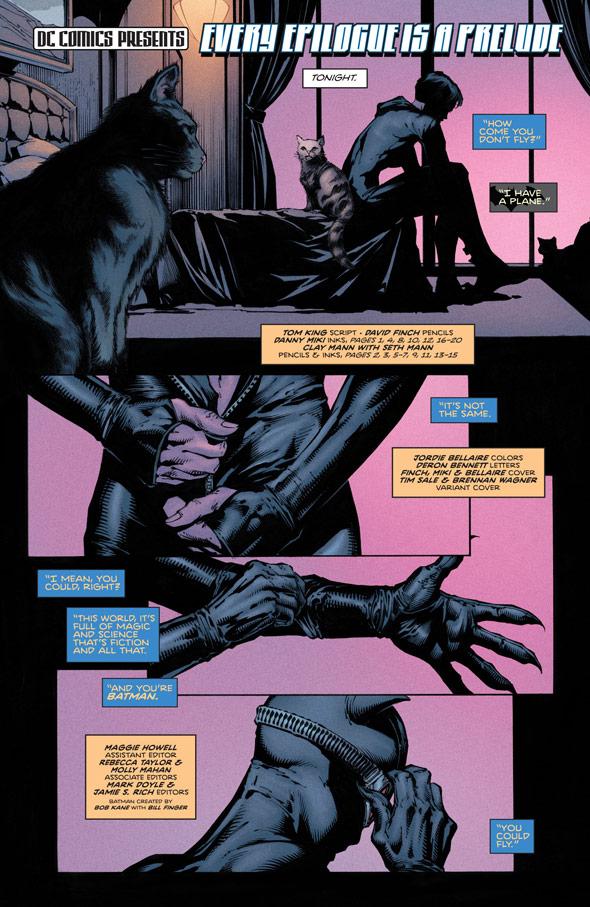 Caption: Comic book letterer Deron Bennett demonstrates the crucial final step of adding dialogue, captions, and sound effects to completed comic pages. Credit: Deron Bennett Source: Slate
Editing and Post-Production: The Final Polish
Before a comic book goes to print, it goes through a rigorous editing process. The editor is responsible for checking for any errors in the text or art, ensuring that the story is consistent, and making sure that the book is ready for publication. Once the editor gives the final approval, the comic is sent to the printer. From there, it’s distributed to comic book shops and digital platforms, ready to be discovered by readers around the world.
For those interested in the business side of comics, our article on the impact of streaming services on the comics industry offers a great overview of the current landscape.
The Business Side: From Creation to Distribution
Understanding the comic book creation process isn’t complete without examining how comics make their way from the creator’s desk to the reader’s hands. This involves several crucial steps that determine whether a comic succeeds in the marketplace.
Publishing Models: Traditional vs. Independent
The comic book industry operates on several different publishing models. Traditional publishers like Marvel and DC Comics maintain large creative teams and handle everything from creation to distribution. These companies own the characters and intellectual property, hiring creators as work-for-hire employees or contractors.
Independent publishers like Image Comics, Dark Horse, and Boom! Studios operate differently, often allowing creators to retain ownership of their work while providing publishing and distribution services. This model has become increasingly popular as it gives creators more control over their intellectual property and potential revenue streams.
Self-publishing has also become a viable option, especially with digital platforms like ComiXology and Webtoon providing direct access to readers. Many creators now use crowdfunding platforms like Kickstarter to finance their projects, bypassing traditional publishers entirely.
The Role of the Editor
The editor plays a crucial role throughout the entire comic book creation process. They’re involved from the initial concept stage through final publication, serving as the project manager, quality controller, and creative collaborator all in one.
Editors are responsible for maintaining continuity across issues, ensuring deadlines are met, and coordinating between different team members. They also serve as the liaison between the creative team and the publisher, making sure the final product meets both creative and commercial expectations.
“There are a lot of process hybrids, I think. 80% of the work happens before a pencil ever touches the paper on the drawing table. So, doing a comic book requires a couple of years of part-time writing, letting things naturally emerge, slowly getting a little bit more focused.” – Nate Powell, graphic novelist [6]
Digital Revolution: How Technology Changed Everything
The comic book creation process has been revolutionized by digital technology. Many artists now work entirely digitally, using tablets and styluses to create artwork that would have required traditional tools just a few decades ago. This has streamlined the workflow and opened up new creative possibilities.
Digital coloring has perhaps seen the most dramatic transformation. What once required physical paints and careful hand-coloring can now be accomplished with sophisticated software that allows for complex lighting effects, textures, and atmospheric elements that were impossible to achieve traditionally.
The lettering process has also been digitized, with most letterers now working on computers using specialized fonts and software designed specifically for comic book text. This has improved consistency and readability while allowing for more creative typography.
Distribution in the Digital Age
Comic book distribution has evolved significantly with the rise of digital platforms. While traditional comic book shops remain important, digital distribution through platforms like ComiXology, Marvel Unlimited, and DC Universe Infinite has opened up new markets and made comics more accessible to readers worldwide.
Webcomics have created an entirely new category of comic book creation, allowing creators to publish directly to readers without any traditional publishing infrastructure. Successful webcomic creators like those behind “Penny Arcade” and “The Oatmeal” have built substantial businesses around their online comics.
Print-on-demand services have also changed the landscape for independent creators, allowing them to produce physical copies of their work without the large upfront costs traditionally associated with printing.
Modern Workflows: Adapting to New Technologies
Today’s comic book creation process often looks quite different from the traditional methods described earlier. Many teams now work entirely remotely, collaborating through cloud-based platforms and digital tools.
The rise of artificial intelligence and machine learning tools is beginning to impact the industry as well, with some creators experimenting with AI-assisted coloring, lettering, and even basic artwork generation. However, the human element remains crucial for storytelling, character development, and the creative vision that makes comics compelling.
Social media has also become an integral part of the comic book creation process, with creators using platforms like Instagram, Twitter, and TikTok to build audiences, share work-in-progress content, and engage directly with fans. This direct connection between creators and readers has changed how comics are marketed and distributed.
Conclusion
The comic book creation process is a complex and collaborative art form that requires the skills and talents of a dedicated team of creators. From the initial spark of an idea to the final printed page, each step in the process is essential for bringing stories to life in a way that is both visually stunning and emotionally engaging. The next time you pick up a comic book, take a moment to appreciate the incredible amount of work that went into creating it. You’ll have a newfound respect for the artists and writers who pour their hearts and souls into every page.
References
[1] Jeff Smith for Comic Alliance. https://comicsalliance.com/five-stars-jeff-smith-interview/?utm_source=tsmclip&utm_medium=referral
[2] Eric Shanower for Coursera. https://www.coursera.org/lecture/make-comic-books/interview-with-comic-creator-eric-shanower-ibEf0?utm_source=link&utm_medium=page_share&utm_content=vlp&utm_campaign=top_button
[3] Ariana Maher for Comics Bookcase. https://www.comicsbookcase.com/updates/2019/8/9/interview-with-a-letterer-ariana-maher-talks-comics-unsung-craft
[4] Approval Studio – A Complete Guide To Creating A Comic Book. https://approval.studio/blog/comic-book-workflow-how-are-comics-created/
[5] Stephanie Cooke – Comic Book Creative Teams: Who’s Who and What Do They Do?. https://stephaniecooke.ca/comic-book-creative-teams-whos-who-and-what-do-they-do/
[6] Making Comics – Overview Of The Comic Creation Process. https://makingcomics.com/2014/01/16/overview-comic-creation-process/