
In the vibrant, ever-expanding universe of comic books, the concept of the superhero has always been central. But what about the characters who stand beside them? From the early days of the Golden Age to the complex narratives of modern comics, the role of the sidekick has undergone a dramatic transformation. What began as a trope for comic relief and subordinate companionship has evolved into a sophisticated system of mentorship and legacy, creating some of the most compelling characters in the medium. This article explores the fascinating journey from the often-problematic origins of sidekicks to the celebrated rise of legacy heroes who carry the torch for a new generation.
The Golden Age: A Troubled Past for Comic Book Sidekicks
The 1940s, known as the Golden Age of comic books, saw the birth of the superhero archetype. Characters like Superman, Batman, and Captain America became symbols of hope and patriotism, especially during World War II. However, this era was also marked by the prevalent social biases of the time, which were often reflected in the portrayal of minority characters, particularly in the role of the sidekick.
The Sidekick as Subordinate
In early comics, sidekicks were often used for comic relief, serving as bumbling, under-spoken counterpoints to the infallible hero. This dynamic frequently mirrored the societal hierarchies of the time, with minority characters being cast in these subordinate roles. As one historical analysis notes, “while minorities were excluded as superheroes, they did play a role in comic books as subordinated sidekicks — often as the worst stereotypes” (Priceonomics). This created a foundation where the sidekick was not just a partner, but an inferior.
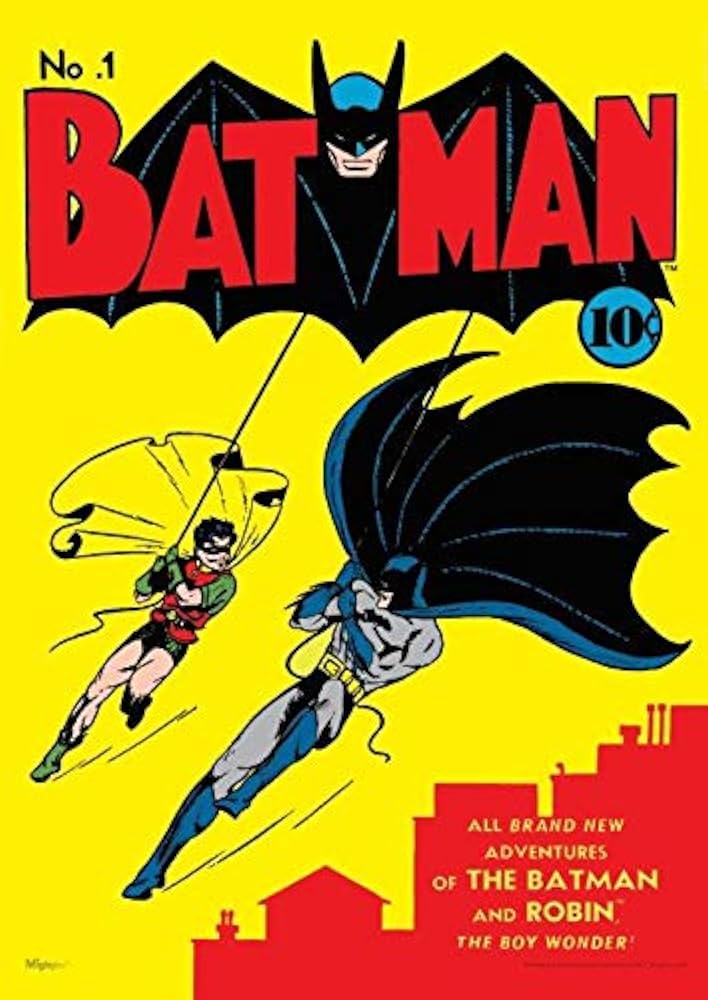 Caption: The iconic Batman and Robin partnership established the template for superhero mentorship in comics Credit: DC Comics Source: Amazon/MIGHTYPRINT DC Comics promotional materials
Problematic Portrayals: Wing, Chop-Chop, and Whitewash Jones
Several characters from this era exemplify the problematic nature of early sidekicks. Wing, the Chinese chauffeur to the Crimson Avenger, was initially portrayed with a degree of respect but was later redesigned with exaggerated, racist features and stereotypical broken English. Similarly, Chop-Chop, the sidekick to Blackhawk, was depicted as an obese, buck-toothed caricature, armed with a cleaver instead of modern weaponry. Perhaps one of the most egregious examples is Whitewash Jones from “The Young Allies,” a spin-off of Captain America. Created by industry legends Jack Kirby and Joe Simon, with dialogue by Stan Lee, Whitewash was a bumbling, watermelon-loving stereotype who served as the “sidekick to a team of sidekicks.” These portrayals, while a product of their time, represent a dark chapter in comic book history that publishers have since tried to rectify.
The Shift to Modern Mentorship: More Than Just a Partner
As the comic book medium matured, so did its storytelling. The simplistic hero-sidekick dynamic gave way to more complex and nuanced mentor-protégé relationships. Modern mentors in comics are not looking for subordinates; they are training successors, fostering independence, and guiding young heroes to become their own individuals. This shift is evident in some of the most popular and enduring comic book relationships.
Batman and the Robins: A Legacy of Mentorship
No character embodies the evolution of mentorship better than Batman. While he started with the classic sidekick in Dick Grayson’s Robin, the relationship has grown into a complex family dynamic. Batman, as a mentor, is “supportive and encouraging yet firm and commanding,” demanding respect while teaching his wards how to endure the rigors of a superhero life (Screen Rant). Each Robin, from Dick Grayson to Damian Wayne, has had a unique relationship with Bruce Wayne, and many have gone on to become heroes in their own right, most notably Dick Grayson as Nightwing. This demonstrates a move away from the sidekick as a permanent subordinate and toward the protégé as a future hero.
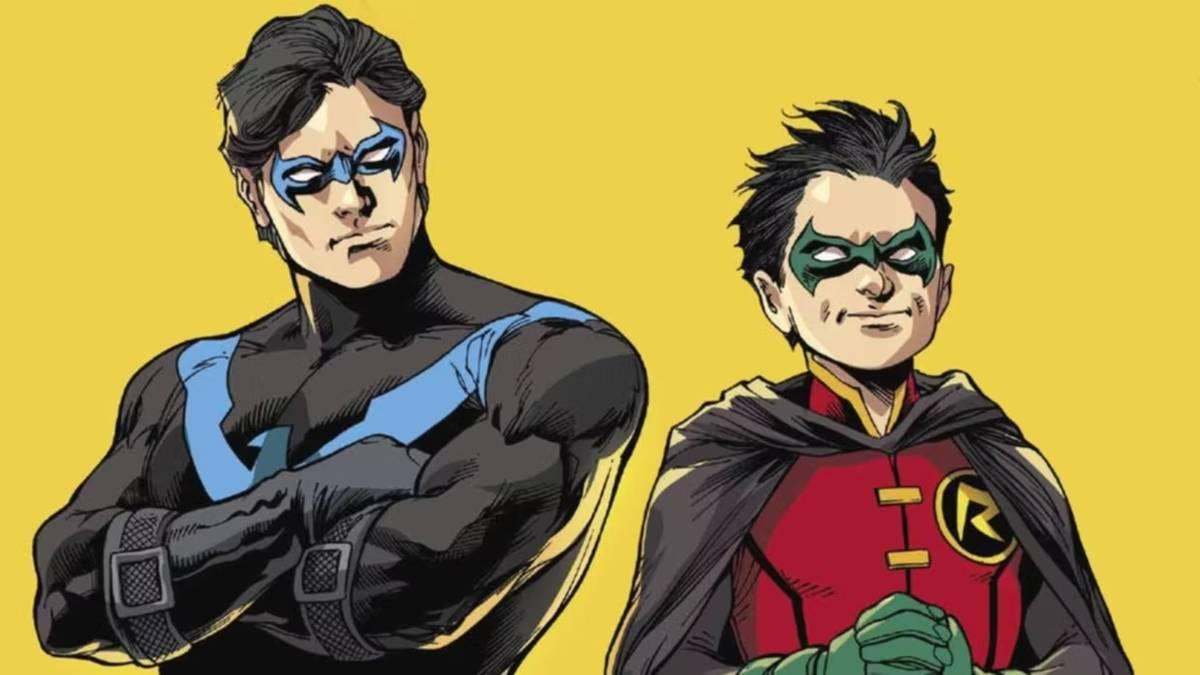 Caption: Dick Grayson as Nightwing mentoring the next generation of Robins represents the evolution of sidekick relationships Credit: DC Comics Source: Screen Rant
Wolverine and X-23: From Weapon to Daughter
Wolverine’s relationship with his clone/daughter, Laura Kinney (X-23), is another powerful example of modern mentorship. Initially, Wolverine was a reluctant mentor, but their bond grew into a father-daughter relationship. He helped her move beyond her training as a living weapon and find her humanity. After his death, Laura honored his memory by taking up the mantle of Wolverine, cementing her status as a true legacy hero. This relationship highlights how modern mentorship is about healing, growth, and the creation of independent heroes.
Passing the Torch: The Rise of Legacy Heroes
The concept of a legacy hero—a character who inherits the mantle of a previous hero—is a phenomenon largely unique to superhero comics. It allows for generational storytelling and the evolution of iconic identities. The best legacy characters not only honor their predecessors but also bring something new to the role, often surpassing them in popularity and impact.
When the Student Becomes the Master: Wally West as The Flash
Wally West is arguably one of the most successful legacy characters of all time. Starting as Kid Flash, the sidekick to Barry Allen’s Flash, Wally took over the mantle after Barry’s death in Crisis on Infinite Earths. His tenure as The Flash was so popular that for a generation of readers, Wally was The Flash. He grew from an insecure young hero into a confident and powerful master of the Speed Force, demonstrating the ultimate potential of a legacy hero.
Eclipsing the Original: Ted Kord as Blue Beetle
In some cases, a legacy character becomes so popular that they completely overshadow the original. Ted Kord, the second Blue Beetle, is a prime example. The original Blue Beetle, Dan Garrett, was a magically-oriented hero. Ted Kord, a scientific inventor, brought a new, more relatable energy to the role. His time with the comedic Justice League International and his iconic friendship with Booster Gold made him a fan favorite. As CBR notes, his popularity was so high that “even his controversial death in 2006 was eventually reversed with little comment, cementing Kord as the definitive Beetle and relegating Dan Garrett to obscurity.”
Why Legacy Characters Matter
Legacy characters are more than just replacements; they are a vital part of the comic book ecosystem. They allow for diversity and representation, as new characters from different backgrounds can take up iconic mantles. They provide a sense of progression and change in a medium that can often feel static. And most importantly, they embody the idea that heroism is not tied to one person, but is a legacy that can be passed down through generations. From the troubled past of the Golden Age sidekick to the celebrated status of the modern legacy hero, this evolution reflects the growth of comic books as a storytelling medium and their ability to inspire us all.
Sources
- The Ugly Past of Comic Book Sidekicks – https://priceonomics.com/the-ugly-past-of-comic-book-sidekicks/
- The 10 Best Superhero Mentors – https://screenrant.com/marvel-dc-comics-best-superhero-mentors/
- 10 of the Best Legacy Characters in Superhero Comics – https://www.cbr.com/best-legacy-characters-superhero-comics/
- The Flash Speed Force Explained – https://comicbookco.com/comics/dc/the-flash-speed-force-explained-origins-abilities-dc-comics/
- Best Marvel and DC Crossover Events – https://comicbookco.com/comics/dc/best-marvel-and-dc-crossover-events/


