From the moment Superman first ripped open his shirt to reveal the iconic “S” shield, the secret identity has been a cornerstone of the superhero genre. It’s a trope as old as the comics themselves, a dramatic device that has fueled countless storylines and created a powerful connection between readers and the heroes they admire. But why do superheroes have secret identities? What is the purpose of this elaborate game of hide-and-seek, and how has it evolved over the decades?
The Birth of the Secret Identity: From Pimpernel to Superman
The concept of a dual identity predates comics by several decades. The prototype for the modern superhero secret identity can be traced back to Baroness Emma Orczy’s 1905 novel, The Scarlet Pimpernel. [1] In the book, the foppish and wealthy Sir Percy Blakeney pretends to be a dimwitted aristocrat to hide his heroic alter ego, the Scarlet Pimpernel, who rescues French aristocrats from the guillotine. This was a revolutionary idea: a hero who lived a double life, using a public persona as a mask.
This concept was further developed by characters like Zorro, the masked swordsman created by Johnston McCulley in 1919. Zorro, whose name is Spanish for “fox,” was the original masked vigilante, a nobleman who fought for the oppressed people of California. He was a master of disguise and deception, and his secret identity was a closely guarded secret, adding to his mystique and allure.
When Superman debuted in Action Comics #1 in 1938, he brought the secret identity trope to the forefront of the burgeoning superhero genre. His creators, Jerry Siegel and Joe Shuster, gave him the civilian identity of Clark Kent, a mild-mannered reporter for the Daily Planet. This allowed Superman to be in the thick of the action, getting the scoop on breaking news and being in the right place at the right time to save the day. It also provided a stark contrast to his heroic persona, making him more relatable to readers.
Why Do Superheroes Have Secret Identities?
The reasons for maintaining a secret identity are as varied as the heroes themselves, but they generally fall into a few key categories.
Protecting Loved Ones from Harm
This is perhaps the most common and compelling reason for a superhero to keep their identity a secret. If a hero’s enemies knew who they were, they could easily target their family and friends. This is a constant source of anxiety for heroes like Spider-Man, whose love for Mary Jane Watson and Aunt May is both his greatest strength and his greatest weakness. The fear of what villains like the Green Goblin or Venom would do if they discovered his secret identity is a constant weight on Peter Parker’s shoulders.
Maintaining a Normal Life
Being a superhero is a full-time job, but that doesn’t mean heroes don’t crave a semblance of normalcy. A secret identity allows them to have a personal life, to go on dates, to hang out with friends, and to simply be themselves without the weight of the world on their shoulders. For Clark Kent, being a reporter is not just a cover; it’s a way for him to connect with humanity and to feel like a part of the world he has sworn to protect. For Bruce Wayne, his playboy persona is a carefully constructed mask that allows him to move through Gotham’s high society, gathering information and keeping his ear to the ground.
Avoiding Legal and Public Scrutiny
Let’s face it: what superheroes do is often illegal. They are vigilantes who operate outside the law, taking matters into their own hands. A secret identity protects them from legal ramifications and the intense scrutiny of the public and the media. It allows them to operate in the shadows, unburdened by the bureaucracy and red tape that would inevitably come with being a public figure.
The Tactical Advantage
A secret identity can also be a powerful tactical tool. It allows a hero to gather information and to move about freely without arousing suspicion. As Clark Kent, Superman can investigate stories and uncover corruption in a way that he couldn’t as the Man of Steel. As Bruce Wayne, Batman can use his wealth and influence to fund his war on crime and to access places that would be off-limits to the Dark Knight.
[Image failed to load: A picture of Superman flying with Clark Kent in the background.]
Caption: The duality of Superman and Clark Kent is the most iconic secret identity in comics. Credit: DC Comics Source: DC Database – Fandom
The Cracks in the Mask: The Psychological Toll of a Double Life
While a secret identity has its advantages, it also comes at a great psychological cost. The constant lying and deception can take a toll on a hero’s mental health, leading to feelings of isolation, guilt, and paranoia. The pressure of maintaining a double life can be immense, and the fear of being discovered can be a constant source of stress.
In the 1950s, the dynamic between Superman and Lois Lane often revolved around Lois trying to prove that Clark Kent was Superman, only to be thwarted by the Man of Steel’s elaborate ruses. While these stories were presented as lighthearted fun, they can also be seen as a form of gaslighting, with Superman manipulating Lois and making her doubt her own perceptions. [2]
Modern comics have explored the psychological toll of secret identities in greater depth. The 2006 Marvel Comics storyline Civil War pitted hero against hero over the Superhuman Registration Act, which would have required all heroes to reveal their identities to the government. The story explored the deep divisions within the superhero community over the issue of secret identities, with some heroes arguing that it was a necessary protection and others arguing that it was a dangerous and outdated concept.
The Unmasking: The Modern Trend of Revealed Identities
In recent years, there has been a growing trend of superheroes revealing their secret identities to the public. This shift has been driven by a number of factors, including the rise of social media and the 24-hour news cycle, which have made it increasingly difficult to maintain a secret identity. It has also been driven by a desire for more mature and realistic storytelling, with creators exploring the consequences of a hero’s actions in a more nuanced way.
The Marvel Cinematic Universe has been at the forefront of this trend, with characters like Iron Man and Captain America operating openly from the beginning. This has allowed for a different kind of storytelling, one that focuses on the public’s reaction to superheroes and the political and social ramifications of their existence.
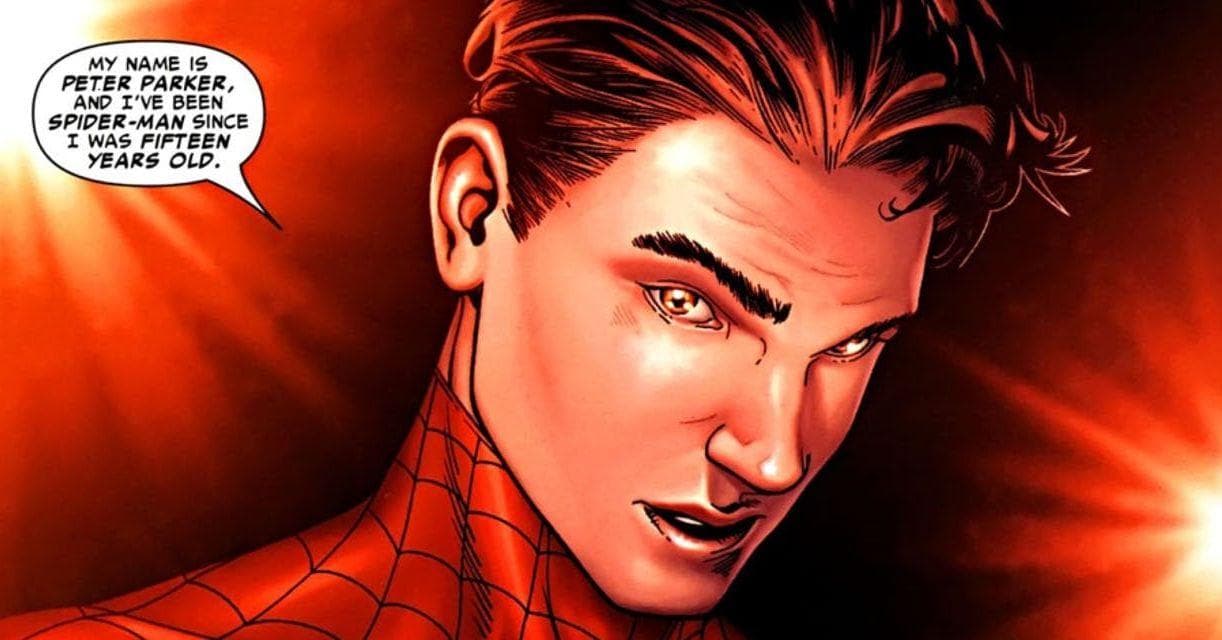
Caption: Spider-Man unmasking was a major turning point in the history of secret identities. Credit: Marvel Comics Source: Marvel Comics
The Most Iconic Secret Identities in Comics
Superhero | Secret Identity | Why It Works |
|---|---|---|
Superman | Clark Kent | The ultimate contrast between the god-like hero and the clumsy, mild-mannered reporter. |
Batman | Bruce Wayne | The billionaire playboy persona is the perfect cover for the dark and brooding vigilante. |
Spider-Man | Peter Parker | The nerdy high school student is the last person anyone would suspect of being the amazing Spider-Man. |
Wonder Woman | Diana Prince | A warrior princess hiding in plain sight as a nurse, an astronaut, or a UN diplomat. |
The Flash | Barry Allen | A forensic scientist who is always at the scene of the crime, both as a hero and a civilian. |
Daredevil | Matt Murdock | The blind lawyer who uses his heightened senses to fight for justice in and out of the courtroom. |
Does a Hero Need a Secret Identity to Be a Hero?
As the superhero genre continues to evolve, the question of whether a secret identity is still necessary is more relevant than ever. While it was once a defining characteristic of the superhero, it is now just one of many tools in a creator’s toolbox. Some heroes, like Ms. Marvel (Kamala Khan), have embraced their public personas, using their platform to inspire and to bring about social change. Others, like Batman, continue to operate in the shadows, their secret identities as crucial to their mission as their capes and cowls.
Ultimately, whether a hero has a secret identity or not is less important than what they do with their powers. As the Polygon article “Superheroes are scrapping their secret identities” puts it, “A hero repeatedly shutting out loved ones to be a lone wolf is a flaw that can be interesting — but can also become stagnant. Superheroes shouldn’t be perfect, but they strive for admirable qualities, even if they stumble or lose their way. Modern comics, TV shows, and films have increasingly shown success by allowing characters to accept that they are stronger when they trust others.” [2]
Whether they are wearing a mask or not, it is a hero’s actions that truly define them. And that is a truth that will always remain, no matter how many secret identities are revealed.
For more on the psychology of superheroes, check out our article on The Psychology of Supervillains.
Resources
[1] Wikipedia – Secret Identity: https://en.wikipedia.org/wiki/Secret_identity
[2] Polygon – Superheroes are scrapping their secret identities: https://www.polygon.com/comics/2020/5/12/21255902/superman-iron-man-spider-man-civil-war-superhero-secret-identity/
[3] GameSpot – 18 Superhero Secret Identities, Ranked: https://www.gamespot.com/gallery/18-superhero-secret-identities-ranked-from-really-bad-/2900-1388/