
In the world of comic books, death is rarely the end. For decades, fans have watched their favorite heroes make the ultimate sacrifice, only to return from the grave weeks, months, or even years later. This phenomenon, often called “comic book death,” has become a staple of the superhero genre, a revolving door that keeps iconic characters in an endless cycle of life, death, and rebirth. But how did this trope begin, and what does it say about the stories we love?
From the shocking demise of Superman to the endless resurrections of Jean Grey, the comic book death has evolved from a rare, impactful event into a powerful marketing tool and a fundamental part of superhero mythology. It’s a concept so ingrained in the medium that even the characters themselves joke about it. As Professor X once quipped, “in mutant heaven there are no pearly gates, but instead revolving doors” [1]. This article explores the history of comic book death, its impact on the industry, and why, in a world of gods and monsters, no one ever truly stays dead.
The Golden Rule of Comic Book Death (and How It Was Broken)
For many years, a common saying among comic book fans was, “No one stays dead except Bucky Barnes, Jason Todd, and Uncle Ben” [2]. These three characters represented the rare exceptions to the rule, their deaths serving as foundational moments for Captain America, Batman, and Spider-Man, respectively. Uncle Ben’s death in Amazing Fantasy #15 (1962) is the cornerstone of Spider-Man’s origin, a tragic lesson in power and responsibility that has remained untouched for over 60 years. Similarly, the deaths of Bucky and Jason Todd were seen as permanent, their demises shaping the grief and motivations of their mentors.
However, this long-held belief was shattered in the mid-2000s. In 2005, Jason Todd, the second Robin who was brutally murdered by the Joker in the 1988 storyline “A Death in the Family,” was resurrected as the gun-toting anti-hero Red Hood. That same year, Bucky Barnes, Captain America’s sidekick believed to have died in World War II, was revealed to have survived as the brainwashed assassin known as the Winter Soldier. These resurrections marked a turning point, signaling that even the most sacred deaths were no longer off-limits.
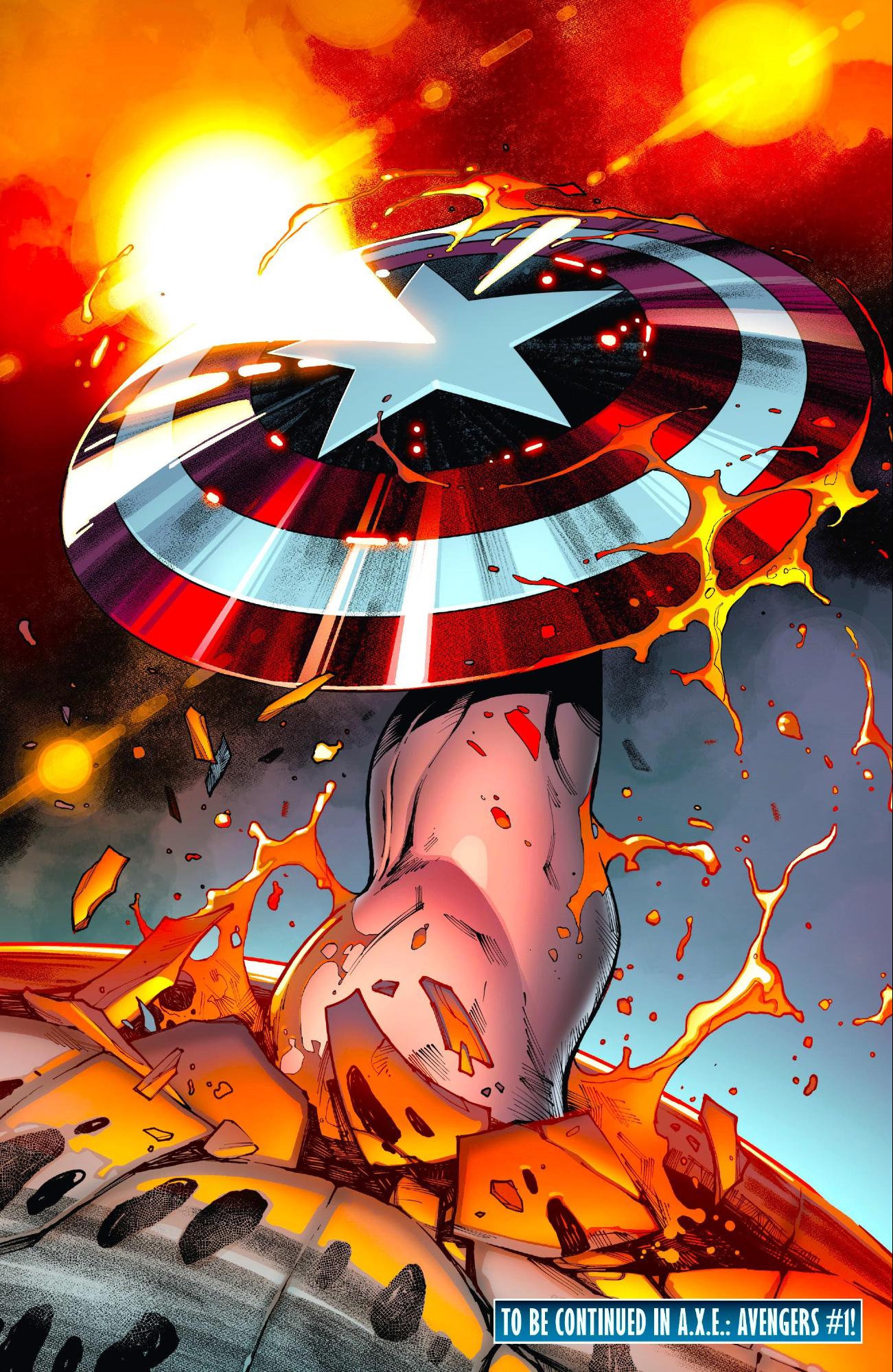 Caption: Captain America’s return from the dead, breaking the old rule about permanent comic book deaths. Credit: Marvel Comics Source: Marvel Comics/Reddit
The Death of Superman: A Marketing Phenomenon
While resurrections were not new, the 1992 storyline “The Death of Superman” transformed comic book death from a narrative device into a full-blown marketing spectacle. The story, which saw Superman fall in a cataclysmic battle with the monster Doomsday, was a cultural event that transcended the comic book world. Mainstream news outlets reported on Superman’s demise as if a real-life icon had passed away, and fans lined up for blocks to get their hands on a copy of Superman #75, the issue where the Man of Steel breathed his last.
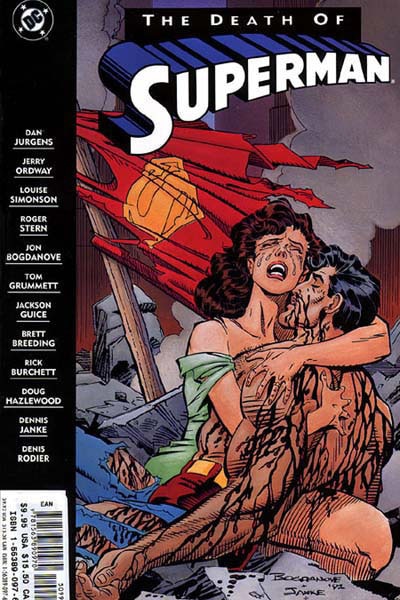 Caption: The iconic cover of Superman #75 (1992) showing Superman’s death in Lois Lane’s arms. Credit: DC Comics Source: DC Comics
“The Death of Superman” sold over six million copies, making it one of the best-selling comics of all time [3]. It also kicked off a speculation boom, with readers buying multiple copies in the hopes that they would one day be valuable. Of course, Superman’s death was never intended to be permanent. The entire event was a carefully orchestrated plan to boost sales and reignite interest in the character. As retailer Glenn Fischette predicted at the time, “I wouldn’t be surprised…if they reconstructed him and brought him back even more powerful” [4]. And that’s exactly what happened. After a period of mourning in the “Funeral for a Friend” storyline, Superman returned in “Reign of the Supermen!”, more popular than ever.
The success of “The Death of Superman” codified the superhero death and resurrection cycle as a viable marketing strategy. It created a template that publishers still use today to generate buzz and boost sales. While some fans have grown cynical about the trope, there’s no denying its effectiveness. As GamesRadar+ notes, the idea of superheroes dying remains a “tried and true way to attract widespread attention and can move units like little else in the comic book industry” [4].
The Revolving Door of Death: Characters Who Can’t Stay Dead
Some characters have a particularly bad habit of dying and coming back. Here are a few of the most frequent visitors to the comic book afterlife:
Jean Grey: The original queen of resurrection, Jean Grey has died and returned so many times it has become a running joke. Her most famous death occurred at the end of “The Dark Phoenix Saga” in Uncanny X-Men #137 (1980), where she sacrificed herself to prevent the destructive Phoenix Force from wreaking more havoc. Though intended to be permanent, she was brought back years later and has since died and been resurrected in various forms, a testament to her powerful connection to the Phoenix Force and her enduring popularity.
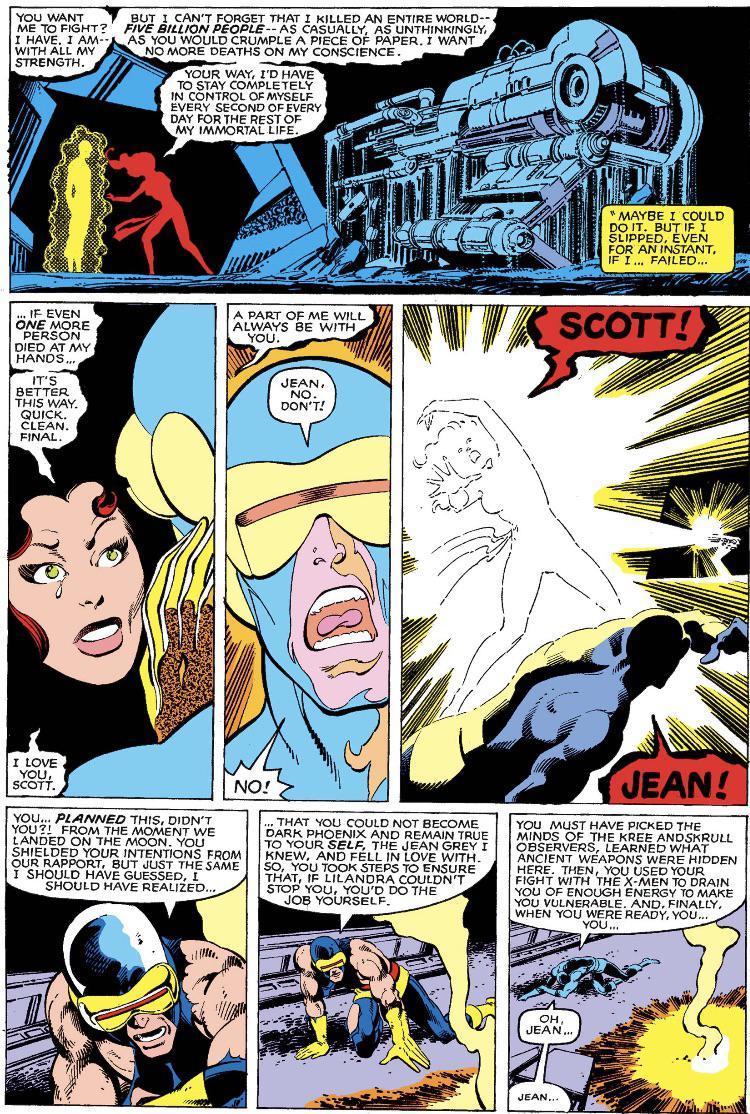 Caption: Jean Grey’s sacrifice in Uncanny X-Men #137, ending the Dark Phoenix Saga. Credit: Marvel Comics Source: Reddit/Marvel Comics
The Flash: The legacy of the Flash is intertwined with death and sacrifice. Barry Allen’s death in Crisis on Infinite Earths (1985) was a landmark moment in DC history, a heroic end that saved the multiverse. He remained dead for over 20 years before returning in Final Crisis (2008). His successor, Wally West, has also had numerous near-death experiences, often getting absorbed into the Speed Force, the extra-dimensional energy that gives speedsters their powers. For more on the Speed Force, check out our article on The Flash: Speed Force Explained.
Captain America: Steve Rogers’ death in 2007 made real-world headlines, a shocking end for a character who had been a symbol of hope and patriotism for decades. However, it was later revealed that he wasn’t dead but was unstuck in time, a plot device that allowed for his eventual return in Captain America: Reborn (2009). His journey through time and back to the present is one of the greatest time travel stories ever told in comics.
Why Death Doesn’t Stick in Comics
So why is death so fleeting in the world of superheroes? The reasons are both creative and commercial. From a storytelling perspective, death allows writers to explore themes of loss, grief, and sacrifice. It can be a powerful tool for character development, forcing heroes to confront their mortality and the consequences of their actions. The return from death can also be a source of compelling drama, as characters grapple with their new lease on life and the changes that have occurred in their absence.
Commercially, the reasons are more straightforward. Iconic characters are valuable intellectual properties. Killing off a popular hero like Spider-Man or Batman permanently would be a financially disastrous decision. As writer Geoff Johns explained, “Death in superhero comics is cyclical in its nature, and that’s for a lot of reasons, whether they are story reasons, copyright reasons, or fan reasons” [1].
Ultimately, the comic book death and resurrection trope is a reflection of the larger-than-life nature of superhero stories. These are modern myths, tales of gods and mortals who defy the impossible. In a universe where aliens can level cities and magic can rewrite reality, is it really so surprising that death is just another obstacle to overcome? For a deeper dive into how mythology has shaped the superhero genre, see our article on how mythology shaped modern superheroes.
While some may tire of the endless cycle of death and rebirth, it’s a trope that is here to stay. It’s a fundamental part of the superhero DNA, a promise that no matter how dark things get, our heroes will always find a way to come back, ready to fight another day.
The Psychology Behind Comic Book Death
The appeal of comic book death goes beyond simple marketing tactics. There’s something deeply human about the desire to see our heroes overcome the ultimate challenge. Death represents finality, the one enemy that even the mightiest superhero cannot punch their way out of. When characters like Superman or Captain America die, it forces readers to confront their own mortality and the fragility of life.
The resurrection, then, becomes a form of wish fulfillment. It’s the promise that death is not the end, that there’s always hope for a second chance. This psychological appeal helps explain why the trope has endured for so long, despite criticism from fans and critics alike.
The Economics of Eternal Life
From a business perspective, the comic book death and resurrection cycle makes perfect sense. Major characters are billion-dollar franchises, appearing not just in comics but in movies, TV shows, video games, and merchandise. Permanently killing off a character like Batman or Wonder Woman would be like destroying a money-printing machine.
Consider the numbers: Superman #75 sold over six million copies in 1992, generating massive revenue for DC Comics [3]. The story also spawned numerous tie-ins, collected editions, and merchandise. Even today, “The Death of Superman” remains one of the most recognizable comic book storylines, continuing to generate revenue through reprints and adaptations.
This economic reality means that while heroes may die, they’ll always find a way back. It’s not cynicism; it’s simply good business.
Modern Examples and Future Trends
The comic book death trope shows no signs of slowing down. Recent years have seen major deaths and resurrections across both Marvel and DC. Characters like Wolverine, who died in 2014’s “Death of Wolverine,” returned just a few years later. Even newer characters aren’t immune; Miles Morales, the Ultimate Spider-Man, has already experienced his own death and resurrection cycle.
What’s interesting is how publishers have become more self-aware about the trope. Modern comics often acknowledge the temporary nature of death, with characters making jokes about their own mortality. This meta-textual approach allows writers to have their cake and eat it too, using death as a dramatic device while acknowledging its temporary nature.
The Rare Exceptions: Deaths That Actually Stuck
While most comic book deaths are temporary, there are a few notable exceptions. Uncle Ben remains dead after more than 60 years, his death serving as the foundational trauma that drives Spider-Man. Similarly, the original Captain Marvel, Mar-Vell, died of cancer in 1982 and has largely remained dead, making his demise one of the most respected in comics.
These permanent deaths work because they serve a larger narrative purpose. Uncle Ben’s death teaches Peter Parker about responsibility, while Mar-Vell’s death from cancer was a powerful statement about mortality and the limits of superhuman power. When death serves the story rather than just providing shock value, it tends to stick.
Frequently Asked Questions
Q: Why don’t comic book characters stay dead? A: Comic book characters rarely stay dead due to a combination of commercial and creative reasons. Popular characters are valuable intellectual properties, and their deaths are often used as temporary plot devices rather than permanent endings.
Q: Which comic book character has died the most times? A: Jean Grey is often cited as the character who has died and been resurrected the most, earning her the nickname “the queen of resurrection” among fans.
Q: Has any major superhero stayed permanently dead? A: Very few major superheroes have stayed permanently dead. The most notable exceptions are foundational characters like Uncle Ben, whose death is essential to Spider-Man’s origin story.
Q: When did comic book death become a marketing tool? A: While character deaths existed before, “The Death of Superman” in 1992 is widely considered the moment when comic book death became a major marketing phenomenon, selling over six million copies.
The comic book death and resurrection trope is here to stay. It’s woven into the DNA of superhero storytelling, a reflection of our deepest hopes and fears about mortality and second chances. While some may grow tired of the endless cycle, there’s no denying its power to generate excitement, drive sales, and create memorable moments in comic book history.
Whether you love it or hate it, the revolving door of death ensures that in the world of superheroes, no goodbye is ever truly final. And perhaps that’s exactly how it should be.
References
[1] Wikipedia, “Comic book death” – https://en.wikipedia.org/wiki/Comic_book_death
[2] CBR, “Live. Die. Repeat: 15 Superheroes We Keep Losing… But Always Come Back” – https://www.cbr.com/superheroes-who-always-die-and-come-back/
[3] Comichron, “1992 Comic Book Sales to Comics Shops” – https://www.comichron.com/monthlycomicssales/1992.html
[4] GamesRadar+, “Death of Superman changed the game for superhero death 30 years ago” – https://www.gamesradar.com/how-the-death-of-superman-changed-the-rules-for-superhero-death-and-comic-book-marketing-forever/


