VisionQuest premieres on Disney+ on Wednesday, October 14, 2026, Marvel confirmed with a full trailer at D23. Paul Bettany returns as the White Vision and James Spader returns as Ultron across eight weekly episodes. Terry Matalas showruns. The series closes the trilogy that began with WandaVision.
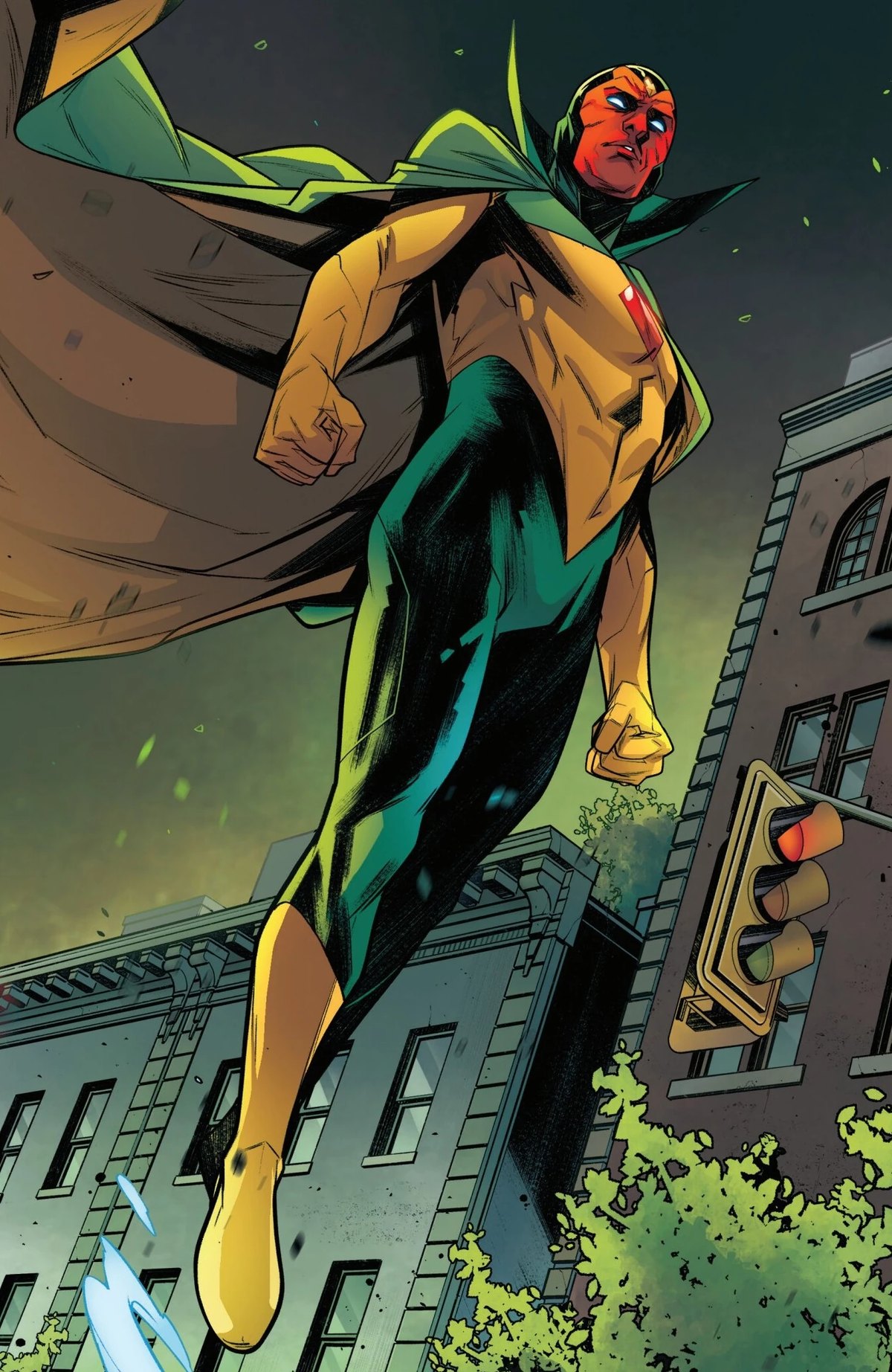
Everything Marvel confirmed about VisionQuest at D23
| Detail | Confirmed |
|---|---|
| Premiere | Wednesday, October 14, 2026 |
| Platform | Disney+ |
| Episodes | 8, releasing weekly on Wednesdays |
| Showrunner | Terry Matalas (Star Trek: Picard) |
| Returning cast | Paul Bettany (Vision), James Spader (Ultron) |
| Also starring | James D’Arcy, Orla Brady, Emily Hampshire, Ruaridh Mollica |
| Continuity | Third and final part of the WandaVision trilogy |
This is White Vision, not the Vision who died

The distinction matters more than the marketing tends to admit. The Vision who was killed by Thanos in Infinity War stayed dead. The Vision in this series is the one S.W.O.R.D. rebuilt out of the original body in WandaVision — drained of colour, drained of memory, and switched on as a weapon. At the end of that show he received the Hex-Vision’s memories and flew away, and the MCU then left him offscreen for five years.
That gap is the actual premise. VisionQuest picks up a synthezoid who has a dead man’s memories, none of his relationships and no legal existence, hiding from the authorities that built him. It is a much stranger idea than “Vision comes back,” and it is the one thing the trailer leads with.
James Spader’s Ultron is the real headline

Spader has not played Ultron since Avengers: Age of Ultron in 2015 — eleven years. Ultron was, canonically, wiped out at the end of that film, and the most prominent Ultron the MCU has used since was a variant in the animated What If…?. Bringing back the original voice for a live-action Disney+ series is a bigger swing than the episode count suggests.
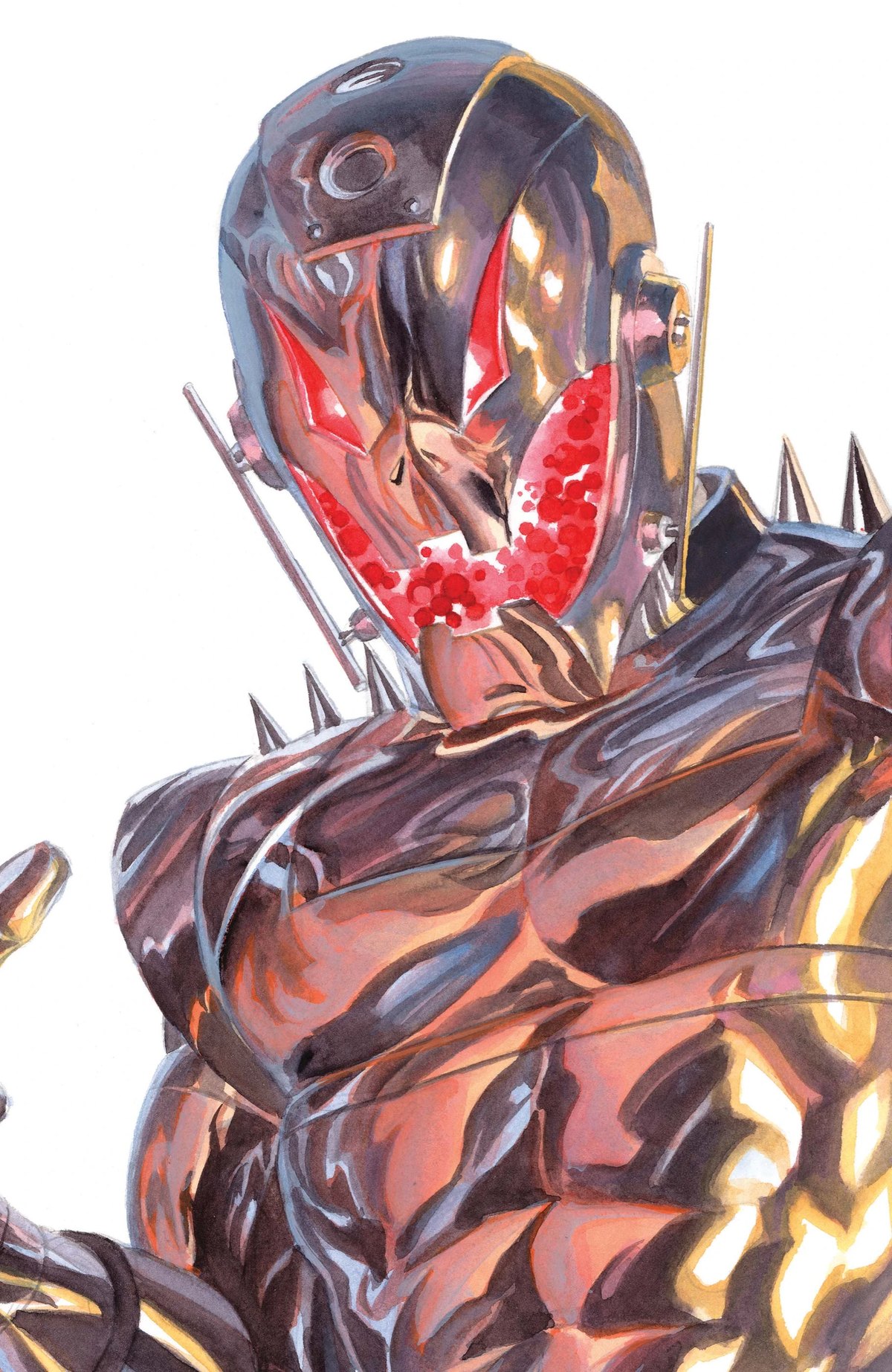
It is also thematically tidy in a way Marvel rarely bothers with. Vision was built from Ultron’s body and Ultron’s ambition, and then given J.A.R.V.I.S.’s voice and the Mind Stone. Ultron is, in a literal sense, his father and his opposite. Reports from the D23 footage describe a Vision wrestling with multiple artificial intelligences inside his own head — which suggests Ultron returns as something closer to a voice in the machine than a robot army.
What we think this is really doing
Here is the pattern worth noticing. WandaVision was a grief story dressed as a sitcom. Agatha All Along was a road-trip story dressed as a witch procedural. Both were character pieces that took a supporting player and gave them the interior life the films never had time for, and both were among the better-received Disney+ Marvel shows in an era when the brand’s television arm was widely considered to be struggling.
Hiring Terry Matalas is consistent with that. Matalas ran the third season of Star Trek: Picard, which was in effect a legacy-character show about an old man auditing his own life — the exact structural problem a memory-less Vision presents. Marvel did not hire an action showrunner here. It hired someone whose signature move is taking a character audiences already feel something about and slowing down.
Eight weekly episodes rather than a binge drop points the same direction. Weekly release is a bet on conversation, and conversation is what a mystery-box identity story needs.
Where it fits in the wider Marvel slate
VisionQuest is the last Marvel Television release before Avengers: Doomsday arrives in theatres on December 18, 2026 — roughly nine weeks after the finale would land. Whether the series feeds directly into that film is unconfirmed, but the timing is not accidental. For the film side, see our Avengers: Doomsday explainer, and for the rest of what Marvel showed at the same event, our D23 2026 preview sets the table. If you want the character context, Vision’s standing among the team is covered in our most powerful Avengers ranking.
Frequently Asked Questions
When does VisionQuest come out?
VisionQuest premieres on Disney+ on Wednesday, October 14, 2026. The remaining seven of its eight episodes release weekly on Wednesdays.
Is this the same Vision from Infinity War?
No. The Vision Thanos killed remains dead. This is the White Vision, the body S.W.O.R.D. reactivated in WandaVision, who received the Hex-Vision’s memories in that show’s finale and has not been seen since.
Do I need to watch WandaVision and Agatha All Along first?
WandaVision is close to essential, because the White Vision’s entire situation is set up there. Agatha All Along is optional; Marvel describes VisionQuest as the third part of that trilogy, but the connective tissue is thematic rather than plot-critical.
How many episodes does VisionQuest have?
Eight. The first arrives October 14, 2026 and the rest release weekly on Wednesdays, putting the finale in early December 2026.
Sources: Marvel Studios’ D23 2026 presentation and the official Marvel.com release announcement; episode count and cast per TV Insider.