A Holy Grail War is the central ritual of the Fate franchise: seven magi, called Masters, each summon a Servant — the spirit of a hero from history or legend — and fight until one pair remains. The winners are promised the Holy Grail, a wish-granting vessel. In practice, almost nothing about that promise is true.
The basic rules
Strip away twenty years of spin-offs and the ritual is simple. Seven participants, seven summoned heroes, one prize, last pair standing.
The version most fans mean is the Fuyuki Holy Grail War, which the TYPE-MOON wiki dates to the 1800s and attributes to three founding families: the Tohsaka, the Einzbern and the Matou, who were originally called Makiri. Their goal was not really a wish. It was to reach the Root — the origin of all things, and the standing obsession of magi in Type-Moon’s setting.
Everything the participants are told about the Grail is downstream of that. The wish is the recruitment pitch.

The seven Servant classes
Servants are slotted into seven containers rather than summoned as themselves:
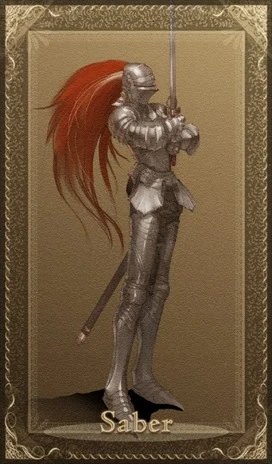
- Saber — swordsmen; generally the strongest overall stats
- Archer — ranged combatants, usually with high independence from their Master
- Lancer — spear and polearm users, built around speed
- Rider — defined by their mount or vehicle
- Caster — magi; physically weak, tactically dangerous
- Assassin — poor in a straight fight, built to kill Masters instead
- Berserker — traded sanity for raw power
A hero is not locked to one class. The same legend can be summoned differently depending on which aspect of their myth the ritual grabs, which is why the same figure can appear as two entirely different Servants across the franchise.
Command Seals: the three-use leash
Each Master receives three Command Seals, marks that function as absolute orders. Spend one and the Servant must obey, whether or not they want to.
This is the most important rule in the entire system, and it is easy to underrate. A Command Seal can teleport a Servant across the city, force them to fight a battle they would flee, or compel a suicide. It can also be wasted on something trivial in a panic.
Three is a deliberately cruel number. It is enough to matter and too few to rely on, so nearly every major turn in a Fate story is somebody deciding whether this moment is worth one of their last two.
Noble Phantasms and the identity problem
Every Servant carries a Noble Phantasm: a signature weapon, ability or phenomenon crystallised out of their legend. It is their trump card, and it is usually the thing that decides a fight.
The catch is that a Noble Phantasm is made of the same material as the hero’s fame, so using one at full power generally means announcing what it is — and therefore who you are. A Servant who reveals a distinctive sword has just told every other Master which legend they are fighting, which means the weaknesses, the counters and the death recorded in that legend are all now on the table.
This produces the tension that drives most Fate combat. Masters conceal their Servant’s true name for as long as possible, spend the early war trying to deduce everyone else’s, and hold the full-power reveal until it will end an opponent rather than merely inform them.
It is a well-built piece of design, because it turns a power system into an information game. The strongest move in the ritual is also the one that costs you the most secrecy.
The rule that makes Fate unlike any other power system
Here is the part that gets glossed over in most explanations, and it is the reason the Holy Grail War produces such strange fights.
A Servant’s strength is tied to their fame. The better known the legend, the more powerful the Servant — and that renown is measured partly by how widely the story is believed in the region where the summoning happens.
Think about what that actually means. In most anime power systems, strength comes from something internal to the fiction: training, talent, a contract, an inherited bloodline. Cursed energy, chakra and Nen all work that way. The Holy Grail War is the only major system where a character’s power level is set by real-world cultural memory. King Arthur hits hard because we have heard of King Arthur.
That is a genuinely unusual design, and it explains two things at once. It is why Fate keeps reaching for globally famous names rather than inventing new heroes — obscurity is literally a stat penalty. And it is why the franchise can stage a fight between a Celtic demigod and a Mesopotamian king without the matchup feeling arbitrary: the system is scoring them on something the audience already has an intuition for.
It also gives the series a built-in escape hatch. A hero whose legend has a dark or contested version can be summoned as that version instead, which is where a great deal of Fate‘s plotting comes from.
Why the ritual is rigged
New viewers usually assume the Holy Grail War is a tournament with a flawed but functional prize. It is closer to a trap with good marketing.
The founding families designed the system, which means they wrote the rules they compete under. Participants are told they are fighting for a wish; the ritual’s actual purpose sits a layer beneath that. Across the main storyline the Grail itself turns out to be the central problem rather than the reward.
This is why Fate stories rarely end with somebody making a wish. The dramatic question is almost never “who wins.” It is “when does each character work out what they have actually entered, and what do they do about it.”
The seven-Servant rule breaks constantly
The seven-class structure is presented as fixed, and then the franchise spends two decades bending it. Later entries introduce different scales and configurations — Fate/Apocrypha runs fourteen Servants across two opposing factions, and other stories relocate the ritual entirely, including to the United States.
Treat “seven Masters, seven Servants, one city” as the default configuration rather than a law. Once you know the default, the variations are the interesting part, and each spin-off is essentially asking what happens when one rule is removed.
Where to see it in action
If you are coming to this before watching anything, the ritual is at its clearest in Fate/Zero, which follows seven Masters who all understand the system they are in. Fate/stay night: Unlimited Blade Works shows the same war from the perspective of someone who does not.
Our Fate series watch order lays out which five entries you actually need and why the franchise’s recommended path skips the first chapter of its own source material.
For how this compares with the rest of the medium, see our guides to cursed energy in Jujutsu Kaisen and Nen in Hunter x Hunter, or the wider breakdown of how anime power systems are built.
Frequently asked questions
What are the seven Servant classes?
Saber, Archer, Lancer, Rider, Caster, Assassin and Berserker. Each is a container rather than a fixed identity — the same historical or legendary figure can be summoned into different classes depending on which part of their legend the ritual draws on.
What are Command Seals used for?
A Master receives three Command Seals, each an absolute order a Servant cannot refuse. They are commonly used to force obedience, teleport a Servant to the Master’s location, or compel an action the Servant would otherwise reject. Once spent, they are gone.
Why are some Servants stronger than others?
Fame is a factor. A Servant’s power scales with how widely known their legend is, so globally famous heroes tend to be summoned as more powerful Servants than obscure ones. This is unusual among anime power systems, which normally derive strength from in-universe training or talent.
Does the winner of a Holy Grail War actually get a wish?
Not reliably. The wish is what participants are told they are fighting for, but across the main Fate storyline the Grail turns out to be the central problem rather than a functioning reward. Most stories end with the ritual being stopped rather than claimed.
The bottom line
A Holy Grail War is seven magi, seven summoned heroes, three Command Seals each, and a prize that does not work as advertised. What makes it distinctive is not the battle royale format — plenty of series have that. It is that the power scale runs on human fame, which turns every fight into an argument about which legends we still tell.
Sources: the TYPE-MOON wiki’s Fuyuki Holy Grail War entry for the ritual’s origins and founding families, and Wikipedia’s Fate/stay night entry for the source material’s structure.