Rings of Power Season 3 Episode 1, “Marnûkh,” premiered November 11, 2026 on Prime Video as part of a four-episode launch batch, and critics who screened it early agree on the headline: this is the best the show has looked in two seasons, because for the first time it stops treating Sauron like a supporting character.
Spoiler warning: everything past this point discusses “Marnûkh” in detail, including its ending. If you haven’t watched the premiere yet, bookmark this and come back after.
We haven’t watched the episode ourselves; this review is built from the published accounts of critics who screened it early, cross-checked against each other rather than taken from a single recap.
Here’s the contradiction sitting at the center of “Marnûkh”: the storyline critics are praising hardest is the one furthest from classic Middle-earth politics — Sauron, alone, building an army out of desperate men. The storyline closest to traditional Tolkien court intrigue — the Dwarves of Khazad-dûm — is the one critics say already drags.
What Happens in Rings of Power Season 3 Episode 1, “Marnûkh”
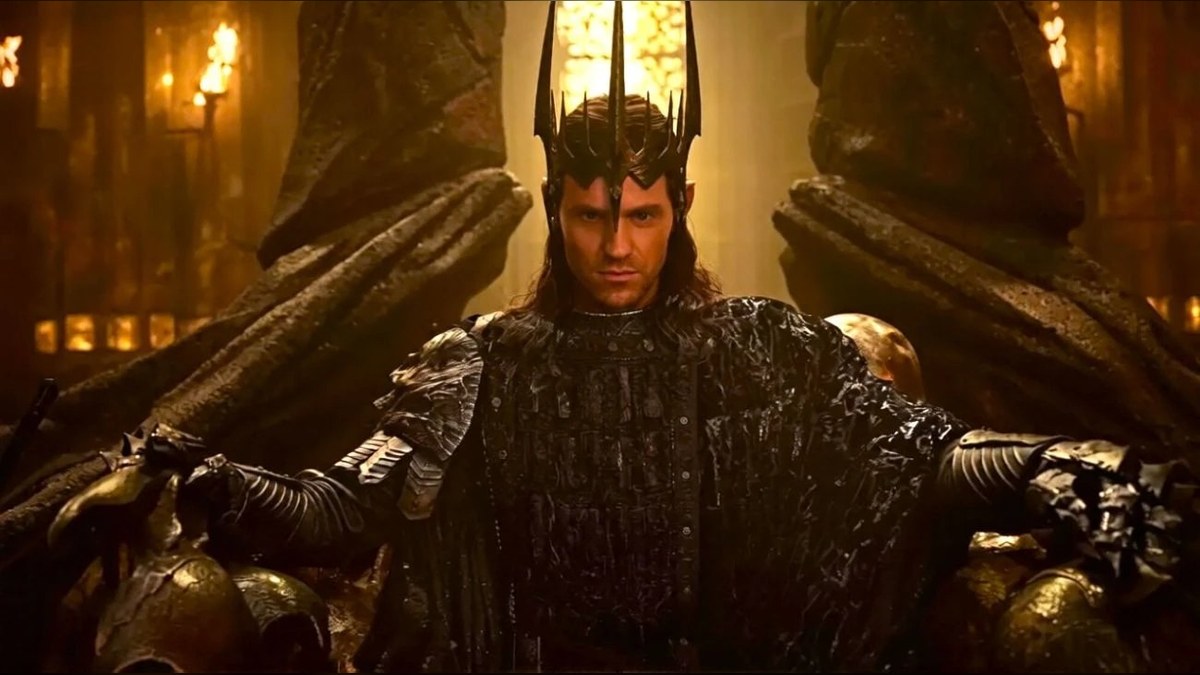
The premiere opens five years after the fall of Eregion. Sauron has consolidated power in Mordor and is working to forge the One Ring to dominate the other Rings of Power he can’t yet control directly. After an initial attempt fails, he turns to a darker shortcut: recruiting warriors from Rhûn and the Southlands and offering them healing and power in exchange for total servitude — the show’s on-screen version of the Nine becoming Ring-wraiths.
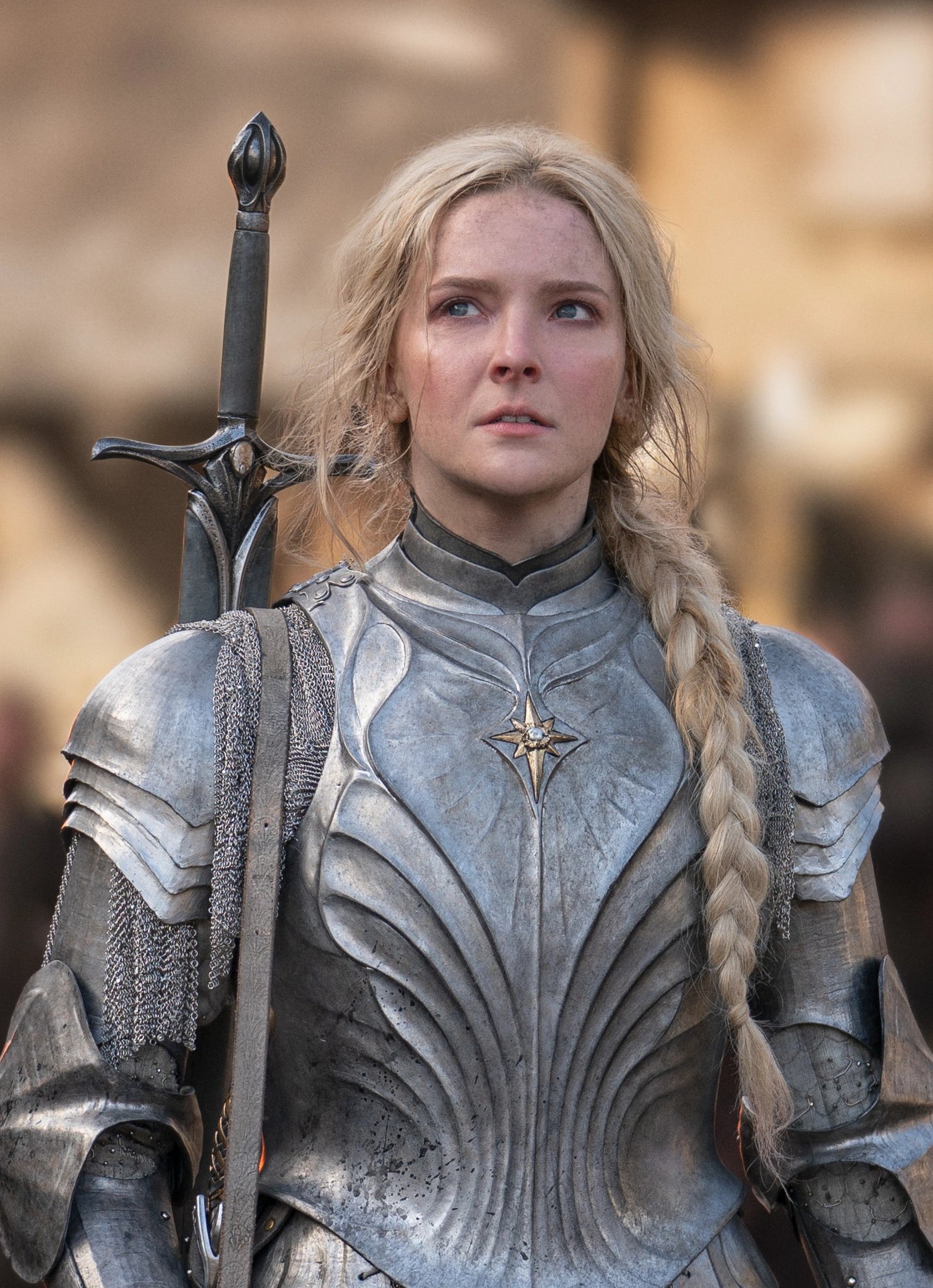
Meanwhile Galadriel is fighting Sauron’s forces alongside the Elves at Rivendell. Flashbacks show her quieter life with her husband Celeborn before the war consumed her, and she reconnects with Arondir, who is planning to search for Theo, now a hardened survivor of Numenor’s brutal slave colony at Pelargir. In Khazad-dûm, Durin IV is secretly arming the Elves while managing succession tension with his estranged brother Thrain. The episode ends on an orc named Marnûkh arriving at Rivendell carrying information that could change the war.
Why Critics Say Sauron Finally Works
The reviews converge hardest on one performance. Nerdist’s Rotem Rusak called the opening episodes “AMAZING”, saying they represent “some of the series’ best work,” while Total Film’s Fay Watson called the premiere “epic in every sense of the word” and flagged Charlie Vickers’ Sauron as the reason. Comic Book’s Chris Killian was blunter: the episodes are “bangers,” and Vickers “just oozes evil.”
Winteriscoming.net’s full episode review backs that up with specifics rather than just enthusiasm: Vickers’ performance is “chilling” because it balances real intimidation with flashes of vulnerability, rather than playing Sauron as a cartoon tyrant. The Galadriel-Celeborn flashback gets similar praise for doing a lot with very little screen time — establishing an entire marriage through chemistry and cinematography rather than exposition.
The Dwarf Storyline Is Already Dragging
Not everything lands. Winteriscoming graded the premiere a B, and the drag is specific: the Khazad-dûm subplot, and particularly an emerging love triangle involving Disa, feels “repetitive” because a similar dynamic is already developing elsewhere in the season. The review’s complaint isn’t that the Dwarves are boring on principle — it’s that the show is telling the same relationship story twice at the same time, and the duplication is what drags rather than the characters themselves.
That’s a real structural problem, not a taste complaint, and it’s the clearest evidence for the season’s biggest swing: when “Marnûkh” commits fully to Sauron and Galadriel, critics call it the show’s best work yet. When it cuts back to Khazad-dûm, the pace stalls. A season that used to spread itself evenly across four or five plotlines is starting to look like it only has two that are actually working.
What the Show Invents That Tolkien Never Wrote
This is the gap a straight recap won’t tell you about. Tolkien’s appendices give the Nine their entire backstory in a single short passage: great lords of Men, enslaved by the power of the rings they accepted. There is no scene of the offer being made, no named warriors bargaining away their future for “healing and power,” and no character like Marnûkh anywhere in the source text.
The recruitment sequence, and Marnûkh himself, are new inventions built to dramatize a single sentence of lore — exactly the kind of choice this franchise lives or dies by, since the show has no finished Tolkien manuscript to adapt for most of this era and has to build real scenes out of not very much.
| What Works | What Doesn’t |
|---|---|
| Sauron’s Nazgûl recruitment — “chilling,” balances menace and vulnerability | The Disa love triangle in Khazad-dûm — repetitive, duplicates a dynamic already playing out elsewhere |
| Galadriel & Celeborn flashback — chemistry and cinematography over exposition | Overall pacing whenever the episode cuts away from Mordor and Rivendell |
| Action choreography and Bear McCreary’s score | Durin IV’s succession subplot with Thrain, which mostly marks time this episode |
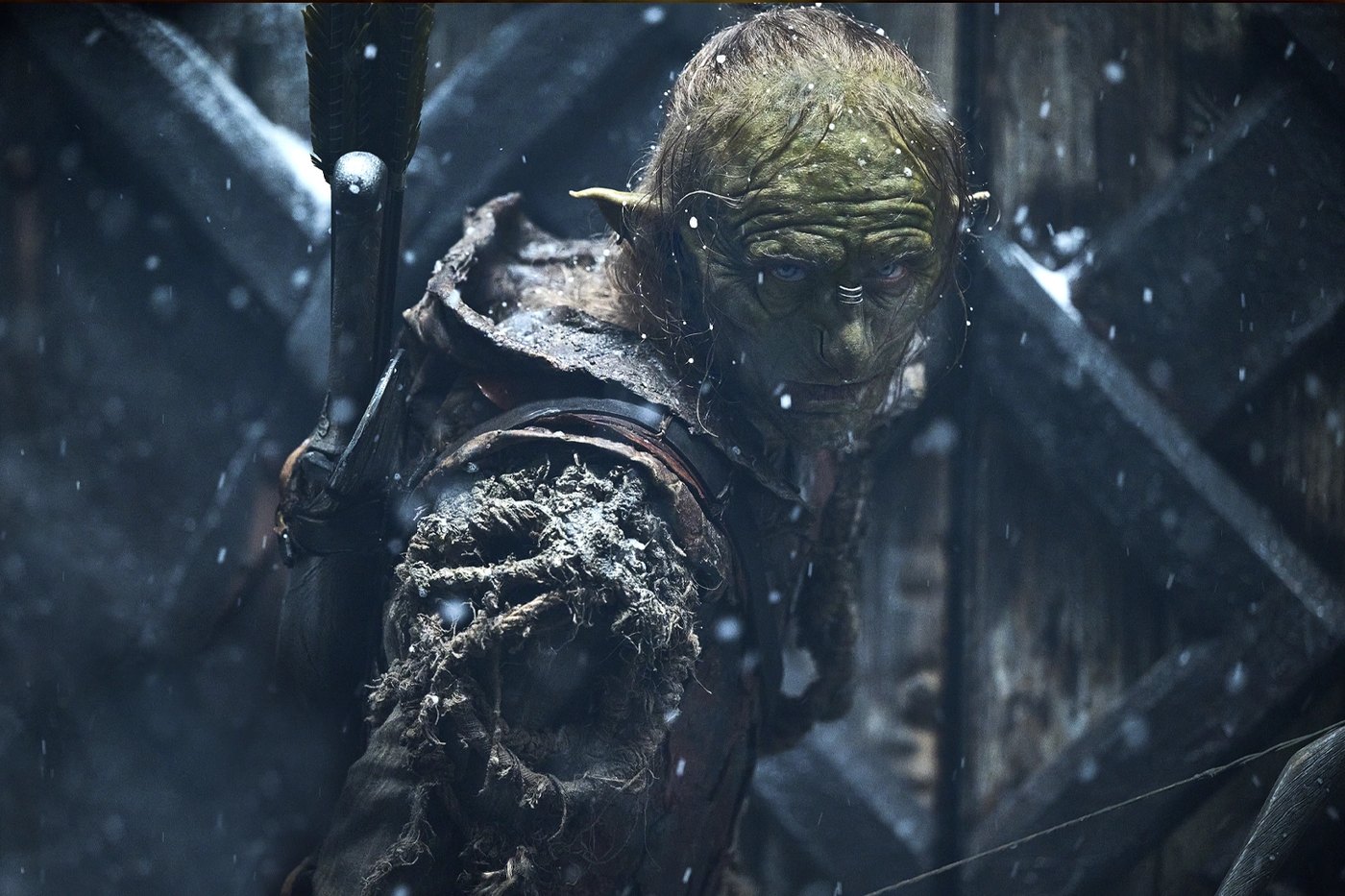
The contradiction from the opening still holds at the end of the hour: the least Tolkien-canonical material in “Marnûkh” — an invented recruitment storyline for an invented character — is the thing critics keep pointing to as proof the show finally knows what it’s doing. The Dwarves, the closest thing to familiar Middle-earth political drama, are the part slowing it down. If Season 3 keeps betting on Sauron over ensemble politics for the next seven episodes, it has a real case for its best season yet. The next two episodes land November 18, and whether the Khazad-dûm subplot tightens up by then is the thing worth watching for. For full cast, platform and episode details, see our Rings of Power Watch Guide.
Frequently Asked Questions
When did The Rings of Power Season 3 premiere?
Season 3 premiered November 11, 2026 on Prime Video, with the first four episodes released together as a launch batch. The franchise has been a ratings heavyweight since its start: Season 1 opened to 25 million global viewers in its first 24 hours when it debuted in September 2022, still Prime Video’s biggest premiere ever, and Season 3 arrives with critics calling it the strongest batch of episodes since then.
How many episodes are in The Rings of Power Season 3?
The season has eight episodes, released in three batches: four on November 11, two on November 18, and the final two on November 25, 2026.
Who plays Sauron in The Rings of Power?
Charlie Vickers plays Sauron. Critics have singled out his Season 3 performance as the standout of the premiere.
Is The Rings of Power Season 3 good?
Early reviews are largely positive, with critics praising Sauron’s storyline and the Galadriel-Celeborn flashback, while flagging the Dwarf subplot’s love-triangle thread as repetitive.
Is Marnûkh a character from Tolkien’s books?
No. Marnûkh and the Season 3 recruitment storyline for the Nazgûl are inventions created for the show; Tolkien’s appendices describe the Nine in only a single short passage.