There is no single Gundam watch order, because Gundam is not one story. It is roughly a dozen unconnected continuities that share a name. Pick one timeline and watch that. For newcomers the three best entry points are The Witch from Mercury, Iron-Blooded Orphans, or the 1981–82 movie trilogy for the classic Universal Century.
Why the Gundam watch order confuses everyone
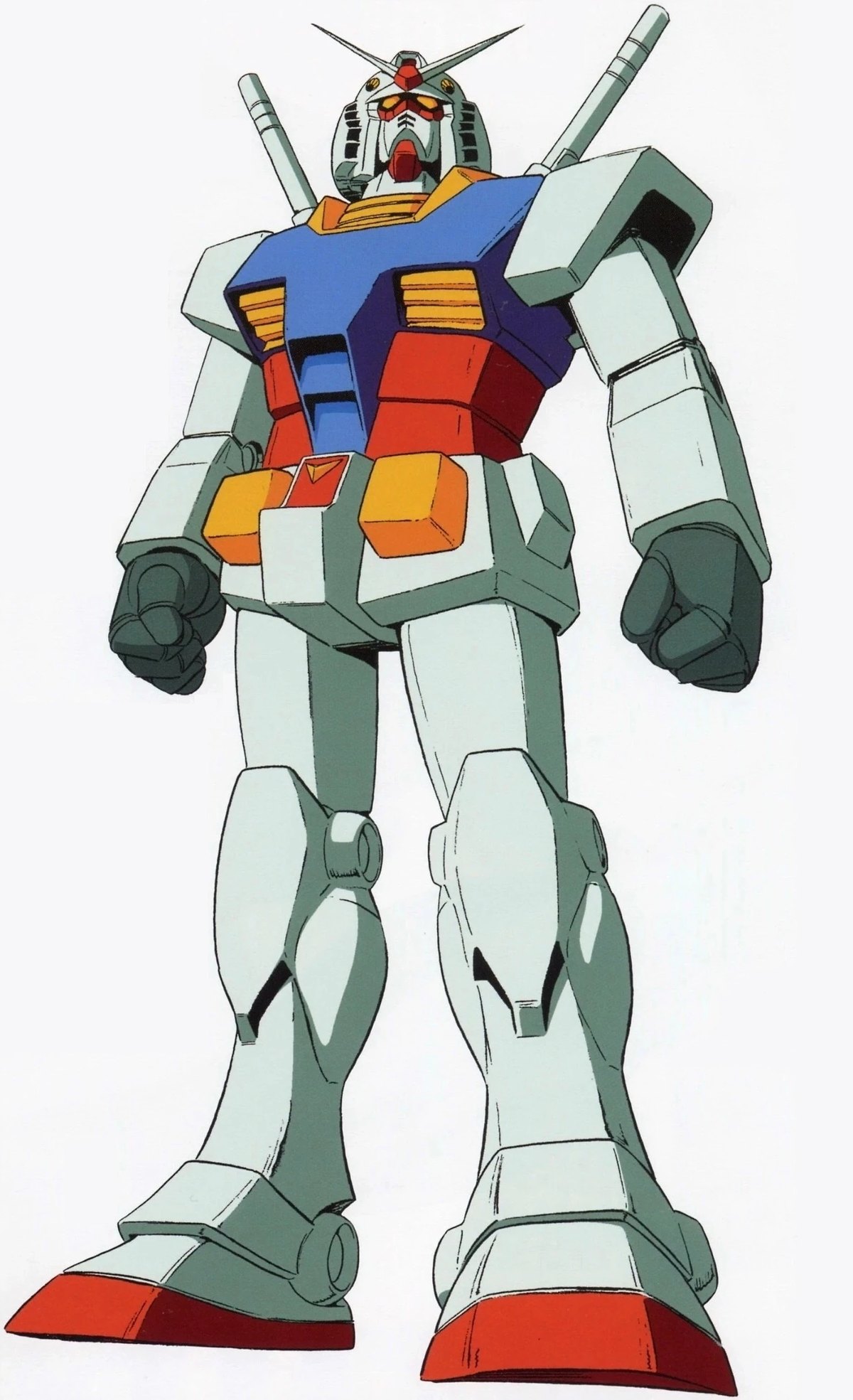
Almost every entry in this franchise is called Mobile Suit Gundam something. Mobile Suit Gundam SEED, Mobile Suit Gundam 00, Mobile Suit Gundam Unicorn, Mobile Suit Gundam: Iron-Blooded Orphans. They share a prefix, giant robots, a war and nothing else. Different characters, different centuries, different calendars, no crossovers.
This is genuinely unusual. Star Trek titles tell you what era you are in. Marvel films are numbered or dated. Gundam’s naming convention actively misleads — and it is the single reason “where do I start” is such a persistent question for a franchise that is, in practice, extremely easy to start.
The franchise is split into timelines. One of them, the Universal Century, is a large interconnected saga running across decades of production. Every other timeline is self-contained, usually one series long, and requires nothing.
Start here, based on what you want
| If you want… | Start with | Year | Why |
|---|---|---|---|
| The easiest possible entry | The Witch from Mercury | 2022–23 | 24 episodes, modern animation, school setting, completely standalone |
| A brutal, self-contained war story | Iron-Blooded Orphans | 2015–17 | Child soldiers and a mercenary company; no prior knowledge needed |
| The classic saga, the fast way | Mobile Suit Gundam movie trilogy | 1981–82 | Three films covering the whole original series |
| The classic saga, the full way | Mobile Suit Gundam TV series | 1979–80 | 43 episodes; the complete original |
| Slick 2000s melodrama | Gundam SEED | 2002–03 | The gateway series for a whole generation, especially outside Japan |
| Something genuinely strange | Mobile Fighter G Gundam | 1994–95 | Martial-arts tournament Gundam. Not remotely typical. Beloved anyway. |
The Universal Century, in order
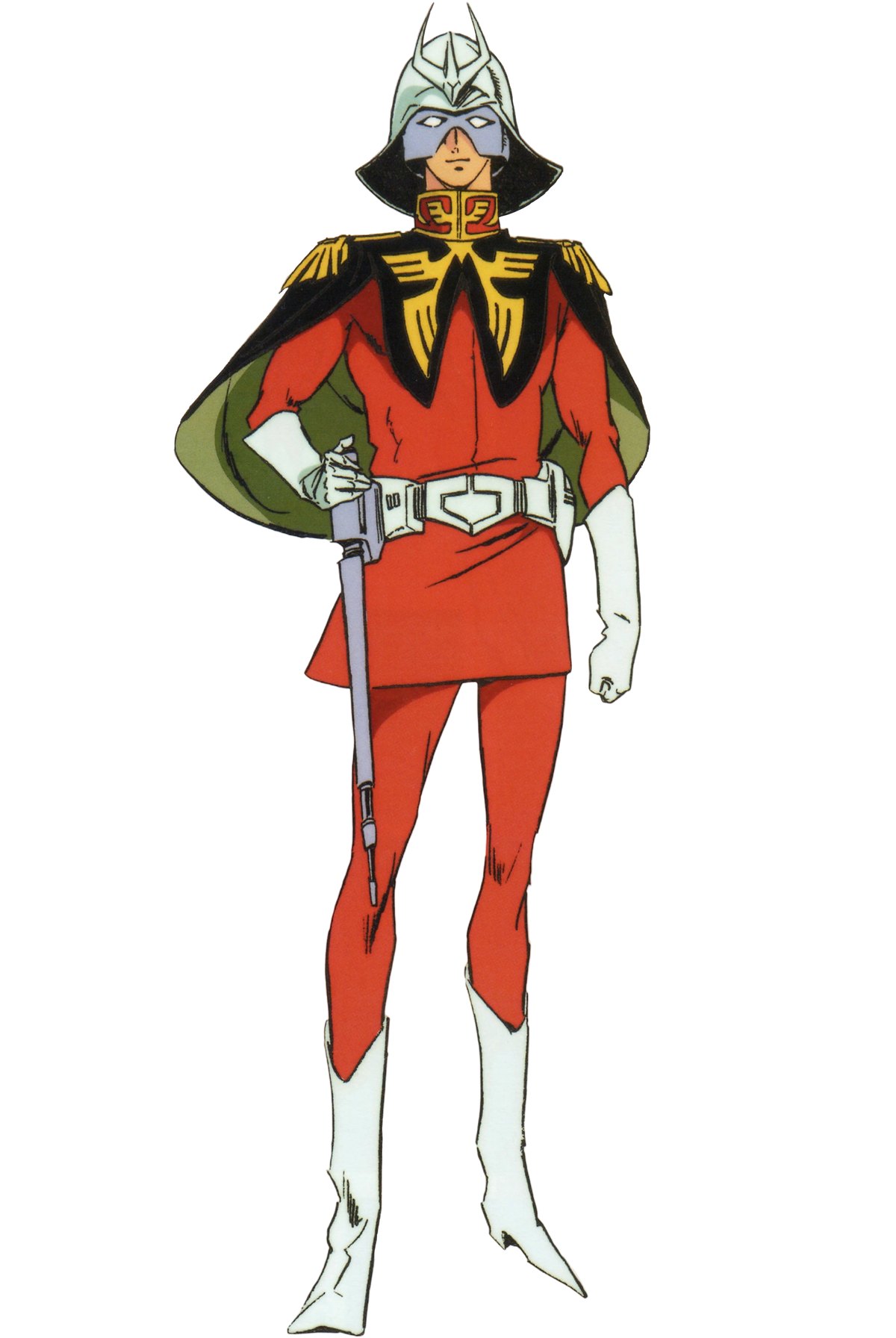
This is the big one — the continuity that begins in 1979 and is still producing new entries. Its in-universe calendar is the Universal Century (UC), and its central thread is the war between the Earth Federation and the principality of Zeon, plus the decades-long rivalry between Amuro Ray and Char Aznable.
| UC year | Title | Produced | Format |
|---|---|---|---|
| 0079 | Mobile Suit Gundam | 1979–80 | TV, 43 eps (or the 1981–82 movie trilogy) |
| 0079 | The 08th MS Team | 1996–99 | OVA — side story |
| 0079 | Thunderbolt | 2015–17 | ONA — side story |
| 0080 | War in the Pocket | 1989 | OVA, 6 eps — side story |
| 0083 | Stardust Memory | 1991–92 | OVA — bridges to Zeta |
| 0087 | Mobile Suit Zeta Gundam | 1985–86 | TV, direct sequel |
| 0088 | Mobile Suit Gundam ZZ | 1986–87 | TV, direct sequel |
| 0093 | Char’s Counterattack | 1988 | Film — the Amuro/Char finale |
| 0096 | Mobile Suit Gundam Unicorn | 2010–14 | OVA, 7 eps |
| 0105 | Hathaway’s Flash | 2021– | Film series |
| 0123 | Gundam F91 | 1991 | Film |
| 0153 | Victory Gundam | 1993–94 | TV |
The practical UC order for a newcomer is much shorter than that table looks: the original (series or movies), then Zeta, then Char’s Counterattack. That is the spine, and it is a complete story with a real ending. ZZ sits between Zeta and Counterattack and is the one entry regular viewers most often tell newcomers to skip — it opens as a comedy after Zeta‘s notoriously bleak finale and the tonal whiplash puts people off. Everything else is expansion.
Movie trilogy or 43 episodes? The honest answer
This is the argument that consumes most Gundam recommendation threads, and it deserves a straight answer rather than a shrug.
The 1979 series ran 43 episodes and was cancelled early — it was originally planned for 52. It looks like 1979 television, its middle stretch has a lot of repeated monster-of-the-week structure, and a meaningful number of people bounce off it around episode 15.
The trilogy — released March 1981, July 1981 and March 1982 — is not a lesser cash-in. Yoshiyuki Tomino, who created and directed the series, cut it himself, tightened the story, dropped material he considered inessential, and added newly produced animation. It was these films, not the original broadcast, that turned Gundam into a national phenomenon in Japan.
So: watch the trilogy. Roughly seven hours instead of eighteen, better paced, made by the same director with the benefit of hindsight. Purists will tell you the series has character texture the films lose, and they are right — but that is a reason to go back to it after you already care, not a reason to make it your first Gundam.
The alternate timelines, and what each one is
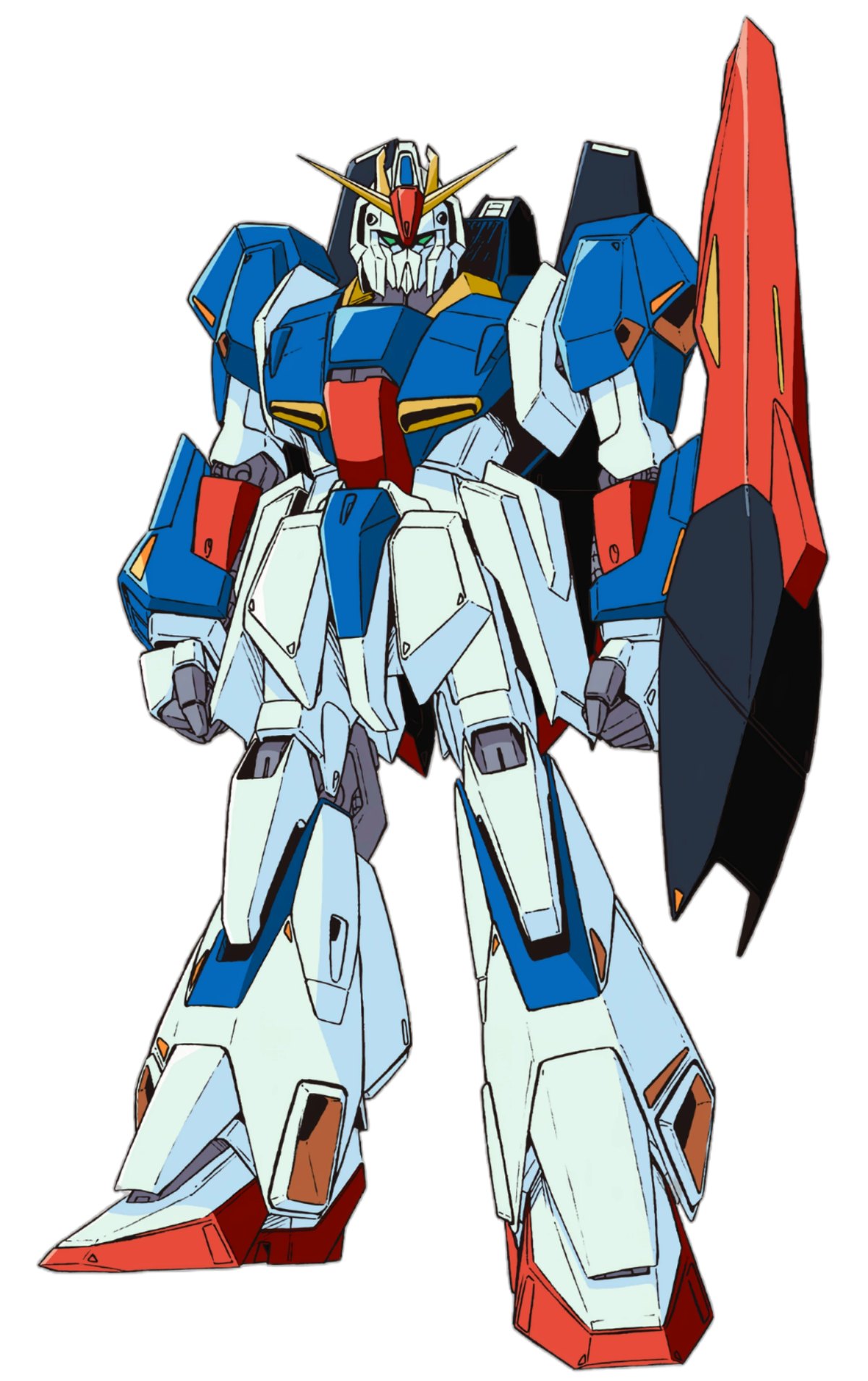
Every entry below is its own continuity. You can watch any of them without having seen a single other Gundam.
| Timeline | Main series | Years | What it is |
|---|---|---|---|
| Future Century | Mobile Fighter G Gundam | 1994–95 | Nations settle disputes via a Gundam martial-arts tournament. Wildly unlike everything else. |
| After Colony | Gundam Wing | 1995–96 | Five teenage terrorists, heavy politics. The series that broke Gundam in the US via Toonami. |
| After War | Gundam X | 1996 | Post-apocalyptic and unfairly overlooked. |
| Correct Century | Turn A Gundam | 1999–2000 | Tomino’s pastoral, revisionist take. Divisive on release, now widely defended. |
| Cosmic Era | Gundam SEED / SEED Destiny | 2002–05 | The 2000s blockbuster. Enormous in Japan, and the entry point for a whole generation. |
| Anno Domini | Gundam 00 | 2007–09 | Near-future geopolitics with an armed intervention group. The most grounded premise. |
| Advanced Generation | Gundam AGE | 2011–12 | Three generations of one family. Widely considered the weakest modern entry. |
| Regild Century | Reconguista in G | 2014–15 | Tomino again, very late-period. Start elsewhere. |
| Post Disaster | Iron-Blooded Orphans | 2015–17 | Child soldiers running a mercenary company. Bleak, tightly written, excellent. |
| Ad Stella | The Witch from Mercury | 2022–23 | Corporate school setting, 24 episodes, the most accessible Gundam ever made. |
The mistake to avoid
The most common way people fail to get into Gundam is being told to “start at the beginning” and interpreting that as the 1979 broadcast series, because that is what you would do with any other franchise.
Gundam does not work that way. There is no reward for completeness, because there is nothing to complete — The Witch from Mercury does not reference the original, and never will. Watching a 47-year-old TV series out of obligation, in order to unlock a 2022 show that is not connected to it, is a self-imposed tax. Start with the one whose premise you actually want to watch. If you like it, the rest is there.
For more of our anime explainers, see our guides to Stands in JoJo’s Bizarre Adventure and the correct Evangelion watch order — the other giant-robot franchise with a reputation for being harder to approach than it is — plus our ranking of the strongest anime characters.
Frequently Asked Questions
What order should I watch Gundam in?
There is no single order, because Gundam is around a dozen separate continuities that share a name. Pick a timeline and watch that one. For newcomers, The Witch from Mercury (2022-23), Iron-Blooded Orphans (2015-17) and the 1981-82 Mobile Suit Gundam movie trilogy are the three best entry points, and none of them require any prior Gundam.
Do I have to watch the original 1979 Gundam first?
No. Only the Universal Century entries connect to it, and every alternate timeline – Wing, SEED, 00, Iron-Blooded Orphans, The Witch from Mercury and the rest – is entirely standalone with different characters and settings.
Should I watch the Gundam movie trilogy or the TV series?
For a first watch, the 1981-82 movie trilogy. Yoshiyuki Tomino, who created and directed the series, re-edited it himself, cut inessential material and added new animation. It runs about seven hours against the TV series’ eighteen and is far better paced. Go back to the 43-episode series afterwards if you want the extra character material.
What is the Universal Century watch order?
The practical spine is: Mobile Suit Gundam (series or movie trilogy), then Zeta Gundam, then Char’s Counterattack. Gundam ZZ sits between Zeta and Char’s Counterattack and is commonly skipped by newcomers because of the tonal shift. Side stories like War in the Pocket, Stardust Memory and Unicorn are optional and best watched after the spine.
Which Gundam is best for beginners?
Mobile Suit Gundam: The Witch from Mercury. It runs 24 episodes, is fully standalone, has modern animation and uses a school setting that eases you into the mechanical and political material rather than opening with it.
Sources: timeline structure and broadcast years per Wikipedia’s Gundam metaseries overview; movie trilogy release dates and production background per Wikipedia’s Mobile Suit Gundam entry.