 Source: Crunchyroll
After nearly a decade of heroic adventures, explosive battles, and emotional character development, My Hero Academia is preparing to say goodbye. Studio Bones has officially announced that Season 8, premiering October 4th, 2025, will serve as the final chapter in Izuku “Deku” Midoriya’s journey from quirkless dreamer to the world’s greatest hero. However, this isn’t just any ordinary series finale—it represents one of anime’s most crucial opportunities to redeem a beloved franchise that stumbled at the finish line.
The anticipation surrounding My Hero Academia’s final season extends far beyond typical seasonal excitement. With the manga’s conclusion having sparked significant controversy among fans and critics alike, the anime adaptation carries the weight of potentially salvaging the legacy of one of the most influential shonen series of the 2010s and 2020s. The stakes couldn’t be higher, and early indications suggest that Studio Bones is fully aware of the monumental task ahead of them.
The Burden of Expectations: Why This Final Season Matters More Than Most
My Hero Academia’s journey to its conclusion has been anything but smooth. When Kohei Horikoshi’s manga reached its end after ten years of publication, the response from the fanbase was decidedly mixed, with many longtime supporters expressing disappointment over what they perceived as a rushed and unsatisfying conclusion [1]. The criticism was so widespread that the series found itself listed among “great manga with infamously bad endings,” a designation that would have seemed impossible during the series’ peak popularity years [2].
 Source: CBR
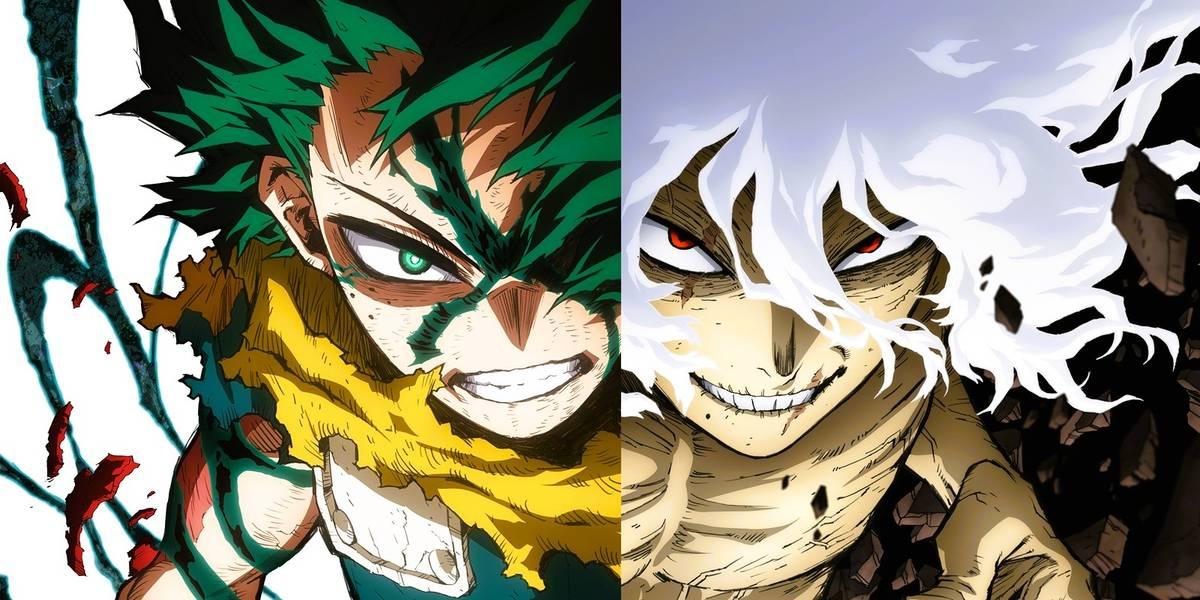
The controversy surrounding the manga’s ending creates a unique situation for the anime adaptation. Unlike most anime conclusions that simply need to faithfully adapt their source material, My Hero Academia Season 8 has the opportunity—and perhaps the responsibility—to improve upon the original ending. This potential for redemption has generated a complex mix of excitement and apprehension among fans who desperately want to see their beloved series receive the send-off it deserves.
The significance of this final season extends beyond just satisfying existing fans. My Hero Academia has served as a gateway anime for countless viewers, introducing them to the medium through its accessible themes of heroism, friendship, and personal growth. The series’ influence on popular culture, from its iconic “Plus Ultra” catchphrase to its impact on superhero storytelling in anime, makes its conclusion a cultural event that transcends typical fandom boundaries.
Studio Bones, the animation powerhouse behind the series’ consistently excellent visual presentation, understands the gravity of the situation. Their track record with My Hero Academia has been exemplary, often elevating the source material through superior animation, voice acting, and musical composition. This final season represents their chance to not just conclude the series, but to potentially redefine how it will be remembered by future generations of anime fans.
A Full-Circle Moment: The Return of PORNOGRAFFITI and Nostalgic Storytelling
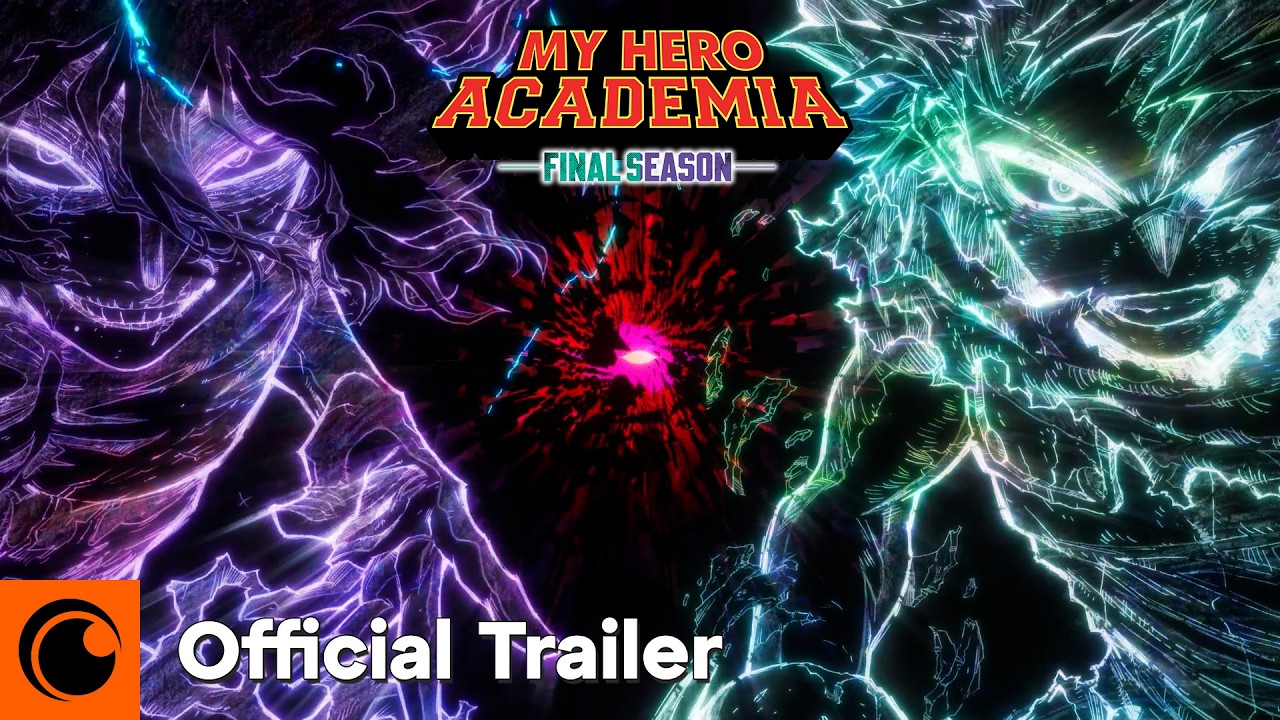
One of the most emotionally resonant aspects of My Hero Academia’s final season is its deliberate attempt to create a full-circle narrative experience. The decision to bring back Japanese rock band PORNOGRAFFITI to perform the opening theme represents more than just a musical choice—it’s a statement of intent from the production team [3]. The same band that welcomed viewers into Deku’s world with “The Day” in 2016 will now guide them through his final adventure, creating a bookend that acknowledges the journey both the characters and the audience have taken together.
This nostalgic approach extends beyond just the opening theme. The recently released trailer showcases visual callbacks to iconic moments from the series’ early episodes, reminding viewers of how far these characters have come while setting up the emotional weight of their final confrontation. The parallel between Deku’s first instinctive attempt to save Bakugo in the series premiere and his current struggle to save Shigaraki creates a thematic throughline that demonstrates the series’ core message about the nature of heroism.
The full-circle narrative approach also serves a practical purpose in addressing some of the manga’s criticized elements. By explicitly connecting the ending to the beginning, the anime can emphasize the character growth and thematic development that may have felt rushed or underdeveloped in the original conclusion. This technique allows the adaptation to recontextualize potentially controversial story beats within the broader narrative framework, potentially making them feel more earned and satisfying.
The nostalgic elements aren’t just for longtime fans—they serve as a way to reinforce the series’ central themes for viewers who may have joined the journey at different points. By circling back to the fundamental questions and character motivations that drove the early seasons, the final season can ensure that its conclusion feels true to the series’ original vision while still providing the epic spectacle that fans expect from a climactic battle.
The Controversial Manga Ending: Understanding the Fan Backlash
To fully appreciate the significance of My Hero Academia’s final season, it’s essential to understand why the manga’s conclusion proved so divisive among fans and critics. The controversy stems from multiple factors, ranging from pacing issues to character development concerns, that combined to create what many perceived as an unsatisfying end to a beloved story [4].
Source: Screen Rant
One of the primary criticisms leveled against the manga’s ending was its perceived rushed nature. After years of careful character development and world-building, many fans felt that the final arc moved too quickly through crucial plot points, not allowing sufficient time for emotional beats to land or for character arcs to reach satisfying conclusions. This pacing issue was particularly noticeable in the resolution of Deku and Shigaraki’s conflict, which many felt deserved more nuanced exploration given its thematic importance to the series.
The handling of supporting characters also drew significant criticism. Throughout its run, My Hero Academia had built up an extensive cast of classmates, teachers, and pro heroes, each with their own quirks, personalities, and story arcs. However, the manga’s conclusion was perceived by many as failing to provide adequate closure for these characters, instead focusing primarily on the central conflict while leaving numerous subplot threads unresolved or hastily concluded.
Perhaps most controversially, the manga’s ending was criticized for its handling of the series’ central themes. My Hero Academia had always positioned itself as a story about what it truly means to be a hero, exploring concepts of sacrifice, redemption, and the responsibility that comes with power. Many fans felt that the conclusion undermined these themes or failed to provide the kind of definitive statement about heroism that the series had been building toward throughout its run.
The backlash was so significant that author Kohei Horikoshi eventually released additional content, including a bonus chapter that some fans considered the “actual ending,” in an apparent attempt to address some of the criticism [5]. This unprecedented move highlighted just how divisive the original conclusion had been and demonstrated the author’s awareness of fan concerns.
Studio Bones’ Opportunity: How Animation Can Improve Upon Source Material
The controversy surrounding the manga’s ending, while disappointing for fans, has created a unique opportunity for Studio Bones to demonstrate the power of anime adaptation. Unlike manga, which is limited by page count and publication schedules, anime can expand upon source material through pacing, visual storytelling, voice acting, and musical composition. This flexibility becomes particularly valuable when dealing with source material that may have felt rushed or underdeveloped.
Early indications suggest that Studio Bones is taking full advantage of this opportunity. Reports indicate that the final season will include “all-new content” not found in the manga, potentially addressing some of the criticism leveled against the original ending [6]. This additional content could take many forms, from extended character moments that provide better closure for supporting cast members to entirely new scenes that better explore the thematic implications of the series’ conclusion.
The studio’s track record with My Hero Academia provides reason for optimism. Throughout the series’ run, Studio Bones has consistently demonstrated their ability to enhance the source material through superior visual presentation and emotional storytelling. Their handling of major battles, character moments, and thematic beats has often been praised as superior to the manga, suggesting that they have both the skill and the understanding necessary to improve upon the controversial ending.
Animation also provides unique tools for addressing some of the specific criticisms of the manga’s conclusion. Pacing issues, which were a major source of fan frustration, can be addressed through careful episode structure and the strategic use of anime-original content. Character development concerns can be mitigated through voice acting performances, facial expressions, and body language that can convey emotional depth even when dialogue may be limited.
The visual medium of anime also allows for more nuanced exploration of the series’ themes. Through cinematography, color palettes, and symbolic imagery, the anime can reinforce thematic elements that may have felt underdeveloped in the manga. This is particularly important for a series like My Hero Academia, where the visual representation of heroism and the contrast between different character philosophies plays such a crucial role in the storytelling.
The Ultimate Showdown: Deku vs. Shigaraki and the Future of Hero Society
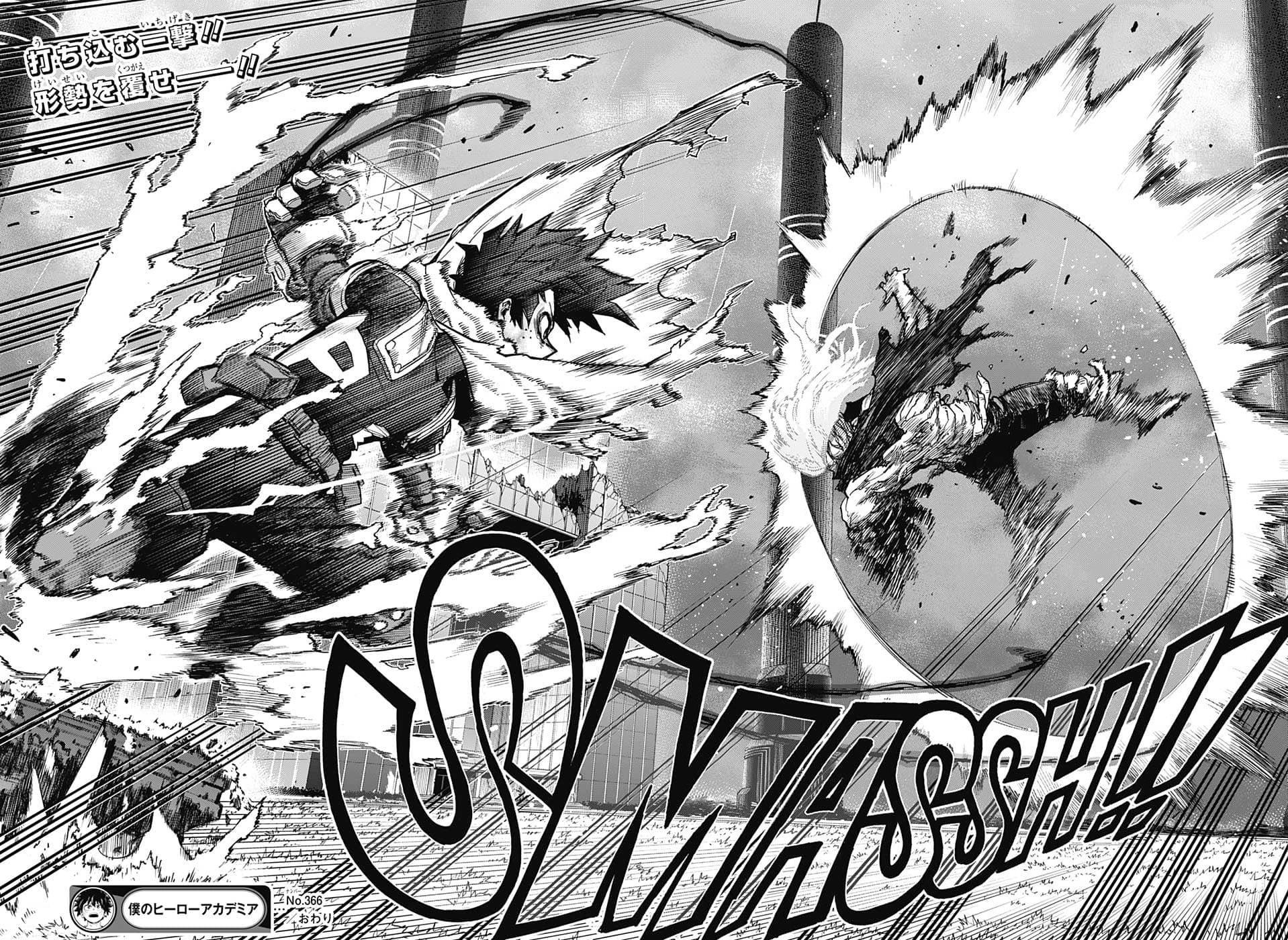
At the heart of My Hero Academia’s final season lies the long-anticipated confrontation between Izuku Midoriya and Tomura Shigaraki, a battle that represents far more than just a physical conflict between hero and villain. This showdown embodies the philosophical core of the entire series, pitting two fundamentally different visions of what society should be against each other in a fight that will determine the future of the hero world.
 Source: Reddit
The complexity of this final confrontation lies not in its action sequences, though those are certainly expected to be spectacular, but in its emotional and philosophical dimensions. Deku’s internal struggle, torn between the practical necessity of stopping Shigaraki and his fundamental belief that everyone deserves a chance at redemption, represents the series’ most sophisticated exploration of what it truly means to be a hero [7]. This internal conflict is what elevates the final battle beyond typical shonen fare and into the realm of genuine character study.
Shigaraki, as the final antagonist, represents more than just a powerful enemy to be defeated. He embodies the failures of hero society itself—a victim of the very system that Deku seeks to protect and improve. This dynamic creates a narrative tension that goes beyond simple good versus evil, instead exploring the complex relationship between individual responsibility and systemic change. The resolution of this conflict will ultimately define what kind of statement My Hero Academia makes about heroism, justice, and the possibility of redemption.
The stakes of this battle extend far beyond the immediate participants. The outcome will determine not just who wins or loses, but what kind of society emerges from the conflict. Will it be one that continues the cycle of heroes and villains, or will it represent a genuine evolution toward something better? The manga’s handling of this question was one of the primary sources of fan controversy, making the anime’s approach to this resolution all the more crucial.
The visual spectacle of this final confrontation also provides Studio Bones with an opportunity to showcase their animation prowess one last time. The studio has consistently delivered outstanding action sequences throughout the series’ run, and the final battle between Deku and Shigaraki represents their chance to create something truly memorable. However, the success of this sequence will ultimately depend not just on its visual impact, but on its ability to provide emotional and thematic satisfaction for viewers who have invested years in these characters’ journeys.
The Cultural Impact: My Hero Academia’s Legacy in Anime History
As My Hero Academia approaches its conclusion, it’s worth examining the series’ broader impact on anime culture and the medium as a whole. Since its debut in 2016, the series has served as one of the most successful examples of modern shonen anime, introducing countless viewers to the medium while reinventing familiar tropes for a new generation. Its influence extends far beyond its immediate fanbase, affecting everything from superhero storytelling in anime to the way studios approach adaptation of ongoing manga series.
 Source: Anime Expo
The series’ approach to superhero storytelling has been particularly influential. While superhero anime existed before My Hero Academia, few had achieved such mainstream success or cultural penetration. The series demonstrated that superhero stories could work within the anime medium while maintaining distinctly Japanese sensibilities about heroism, community, and personal growth. This success has paved the way for other superhero-themed anime and has influenced how creators approach the genre.
My Hero Academia’s impact on character development and ensemble storytelling has also been significant. The series’ ability to maintain focus on a large cast of characters while still providing meaningful development for each has become a model for other shonen series. The way it balances individual character arcs with overarching plot progression has influenced numerous subsequent anime and manga series.
The series’ cultural impact extends beyond just anime and manga. Its themes of heroism, personal growth, and social responsibility have resonated with audiences worldwide, leading to discussions about real-world heroism and social change. The phrase “Plus Ultra,” meaning “further beyond,” has become a motivational motto for fans far beyond the anime community, demonstrating the series’ ability to inspire real-world positive action.
However, this cultural significance also adds pressure to the final season’s conclusion. A series with such broad influence carries the responsibility of providing a satisfying ending not just for its immediate fans, but for the medium as a whole. The way My Hero Academia concludes could influence how future anime approach their own endings and how studios handle the adaptation of controversial source material.
Fan Expectations and Industry Pressure: The Weight of Conclusion
The announcement of My Hero Academia’s final season has generated a complex mix of emotions within the anime community. While excitement for the conclusion of such a beloved series is natural, there’s also an undercurrent of anxiety about whether the anime can deliver the satisfying ending that the manga failed to provide. This pressure is compounded by the series’ cultural significance and the vocal nature of fan criticism regarding the original ending.
The anime industry is watching this conclusion closely, as it represents a test case for how studios can handle controversial source material. If Studio Bones succeeds in providing a more satisfying conclusion than the manga, it could establish a precedent for future adaptations to take more creative liberties with their source material when necessary. Conversely, if the anime fails to address fan concerns, it could reinforce the idea that adaptations are bound by the limitations of their source material, regardless of quality concerns.
Fan expectations are particularly high given Studio Bones’ track record with the series. The studio has consistently delivered high-quality animation and has often been praised for enhancing the source material through their adaptation choices. This history of excellence has raised the bar for what fans expect from the final season, creating a situation where anything less than exceptional could be perceived as a disappointment.
The international nature of My Hero Academia’s fanbase adds another layer of complexity to these expectations. The series has achieved global popularity, meaning that the final season must satisfy diverse cultural perspectives on storytelling and character development. What resonates with Japanese audiences may not necessarily work for Western viewers, and vice versa, creating a challenging balancing act for the production team.
Social media has amplified both the excitement and the anxiety surrounding the final season. Fan theories, speculation, and criticism spread rapidly across platforms, creating an environment where every piece of promotional material is scrutinized for clues about how the anime will handle the controversial elements of the manga’s ending. This constant discussion keeps expectations high while also providing the production team with real-time feedback about fan concerns and desires.
The Technical Challenge: Bringing Epic Battles to Life
From a purely technical standpoint, My Hero Academia’s final season presents significant challenges for Studio Bones. The climactic battles described in the manga require a level of visual spectacle that pushes the boundaries of television animation, while the emotional weight of the conclusion demands subtle character animation that can convey complex internal states without relying solely on dialogue.
The scale of the final confrontations in My Hero Academia is unprecedented for the series. Previous seasons have featured impressive battles, but the final arc’s conflicts involve multiple simultaneous fights across different locations, each with their own emotional and narrative significance. Coordinating the animation of these sequences while maintaining visual consistency and narrative clarity represents a logistical challenge that few anime productions have had to face.
Character animation becomes particularly crucial in the final season, as much of the emotional impact depends on subtle facial expressions and body language. Deku’s internal struggle, Shigaraki’s complex motivations, and the reactions of supporting characters all need to be conveyed through animation that can communicate what dialogue alone cannot. This requires a level of character animation sophistication that goes beyond typical action anime requirements.
The series’ signature visual style, which has evolved throughout its run, needs to reach its peak in the final season. Studio Bones has consistently pushed the boundaries of what’s possible in television animation with My Hero Academia, and the conclusion needs to represent the culmination of this visual evolution. This includes not just the action sequences, but also the quieter character moments that provide emotional context for the larger conflicts.
Sound design and music also play crucial roles in the final season’s success. The series has always used its soundtrack effectively to enhance emotional moments and build tension during battles. The final season’s score needs to provide both the epic orchestration required for climactic battles and the subtle emotional support needed for character development scenes. The return of PORNOGRAFFITI for the opening theme adds an additional layer of musical significance that needs to be integrated seamlessly with the overall audio design.
Beyond the Ending: What My Hero Academia’s Conclusion Means for Anime
As My Hero Academia prepares for its final bow, the series’ conclusion will inevitably influence the broader anime landscape in ways that extend far beyond its immediate fanbase. The way Studio Bones handles the controversial source material could establish new precedents for how animation studios approach problematic endings, while the series’ overall legacy will continue to influence superhero storytelling in anime for years to come.
The success or failure of the final season’s attempt to improve upon the manga’s ending could encourage other studios to take more creative liberties with their source material when adaptation requires it. This could lead to a new era of anime adaptations that prioritize storytelling quality over strict adherence to source material, potentially resulting in better overall productions but also raising questions about the relationship between original creators and adaptation teams.
My Hero Academia’s influence on character development and ensemble storytelling will likely persist regardless of how the final season is received. The series has demonstrated effective techniques for managing large casts while maintaining individual character development, and these lessons will continue to influence future anime productions. The way it has balanced action with character development has become a model for modern shonen anime.
The series’ approach to themes of heroism and social responsibility has also opened up new possibilities for anime storytelling. By grounding superhero concepts in recognizable social issues and personal struggles, My Hero Academia has shown that anime can tackle serious themes while still providing entertaining action and comedy. This balance will likely influence how future series approach similar thematic material.
The international success of My Hero Academia has also demonstrated the global appetite for anime that combines familiar Western concepts (superheroes) with distinctly Japanese storytelling sensibilities. This success has encouraged other creators to explore similar cross-cultural approaches, potentially leading to more anime that can achieve global mainstream success while maintaining their cultural identity.
The Final Verdict: October 2025 as Anime’s Most Important Month
As October 2025 approaches, the anime community finds itself at a crossroads. My Hero Academia’s final season represents more than just the conclusion of a popular series—it’s a test of anime’s ability to transcend the limitations of its source material and provide the kind of satisfying conclusion that fans deserve. The stakes couldn’t be higher, and the entire industry is watching to see whether Studio Bones can deliver on the enormous expectations placed upon them.
The early signs are promising. The return of PORNOGRAFFITI, the promise of new content not found in the manga, and Studio Bones’ consistent track record of excellence all suggest that the final season has the potential to provide the redemptive conclusion that fans have been hoping for. However, the complexity of the task ahead cannot be understated—satisfying a global fanbase while addressing legitimate criticisms of the source material requires a level of creative and technical excellence that few productions have achieved.
What makes this conclusion particularly significant is its potential to redefine how we think about anime adaptations. If Studio Bones succeeds in improving upon the manga’s controversial ending, it could establish a new paradigm for how studios approach problematic source material. This could lead to a future where anime adaptations are viewed not just as faithful reproductions of manga, but as opportunities to enhance and improve upon the original work.
The cultural impact of My Hero Academia’s conclusion will extend far beyond the anime community. The series has introduced countless viewers to anime and has influenced discussions about heroism, social responsibility, and personal growth in real-world contexts. How it chooses to end will inevitably influence these broader cultural conversations and could affect how future anime are perceived by mainstream audiences.
Ultimately, My Hero Academia’s final season carries the weight of nearly a decade of storytelling, character development, and fan investment. It has the opportunity to provide not just a satisfying conclusion to a beloved series, but to demonstrate anime’s unique power to transcend its source material and create something truly special. Whether it succeeds or fails, October 2025 will be remembered as a pivotal moment in anime history—the month when one of the medium’s most influential series either redeemed itself or confirmed the limitations of adaptation.
The countdown to October has begun, and the entire anime world is watching. Plus Ultra, indeed.
References
[1] Collider. “10 Greatest Manga With Infamously Bad Endings, Ranked.” https://collider.com/great-manga-bad-endings-ranked/
[2] IMDb. “Mha disappointing once again”: My Hero Academia’s Much…” https://www.imdb.com/news/ni64746374/
[3] Popverse. “My Hero Academia season 8 trailer brings the final season full-circle with an epic fight between Deku and Shigaraki.” https://www.thepopverse.com/tv-anime-my-hero-academia-season-final-8-trailer-full-circle-deku-shigaraki-fight-pornograffiti-opening-theme/
[4] Screen Rant. “Solo Leveling’s Reign Is Starting to Slip, New Report Reveals.” https://screenrant.com/solo-leveling-manhwa-sales-dropping-america-anime-success/
[5] Game Rant. “Horikoshi Reveals Why He Made A Sudden Change To Deku’s…” https://gamerant.com/my-hero-academia-horikoshi-reveals-sudden-change-dekus-journey/
[6] MSN. “My Hero Academia’s Final Season Promises to Add All-New Content…” https://www.msn.com/en-us/tv/news/my-hero-academia-s-final-season-promises-to-add-all-new-content-you-won-t-find-in-the-manga/ar-AA1IevtQ
[7] LiveMint. “‘My Hero Academia’ Season 8 trailer: Final battle begins as Deku faces Shigaraki.” https://www.livemint.com/entertainment/my-hero-academia-season-8-trailer-final-battle-begins-as-deku-faces-shigaraki-crunchyroll-netflix-october-streaming-11755637988679.html