When One-Punch Man first exploded onto the scene in 2015, it was more than just another anime—it was a phenomenon. A pitch-perfect parody of the superhero genre, the series blended deadpan humor with some of the most breathtaking animation viewers had ever seen. Saitama, the “hero for hobby” who could defeat any foe with a single punch, became an instant icon. But after a six-year wait, the highly anticipated third season has landed not with a bang, but with a thud, sparking a massive One Punch Man Season 3 animation controversy that has fans and critics alike questioning what went wrong.
The show’s return on October 12, 2025, has been met with widespread criticism over its lackluster animation quality, leading to a firestorm of online debate. This controversy, however, is more than just a case of disappointed fans; it has peeled back the curtain on the immense pressures of the modern anime industry and the increasingly toxic relationship between creators and their audience.
From Madhouse Masterpiece to J.C. Staff’s “PowerPoint Animation”
To understand the current backlash, we have to look back at the beginning. Season 1, animated by the legendary studio Madhouse, was a visual tour de force. Its fluid, high-impact fight sequences set a new standard for television anime, earning universal praise. When production shifted to J.C. Staff for Season 2, fans noticed a perceptible dip in quality, but many held out hope that the studio would find its footing for the third installment.
Unfortunately, those hopes were quickly dashed. From the premiere episode of Season 3, viewers were confronted with animation that has been widely derided as stiff, choppy, and lifeless. The criticism reached a fever pitch with the second episode, which featured a now-infamous scene of the character Garou sliding down a grassy hill. The static image of the character appears to simply float down the screen, a moment that has been mocked relentlessly online as “PowerPoint animation” and a “slideshow-style” execution [3].

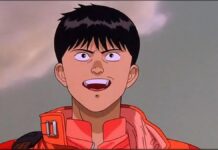
Caption: Saitama, the “hero for hobby,” became an icon thanks to One-Punch Man’s blend of comedy and stunning action. Credit: One-Punch Man Wiki/Fandom Source: https://onepunchman.fandom.com/wiki/Saitama/Anime_Gallery
ScreenRant described the drop in quality as “horrendous,” noting that the animation is so “unremarkably choppy that frames within sequences are clearly visible” [2]. The vibrant, dynamic energy that defined the series has been replaced by what many feel is a cheap, rushed imitation, a pale shadow of its former glory.
When Fan Backlash Turns Toxic: The Harassment of Shinpei Nagai
While criticism of the animation quality is certainly valid, the fan response has taken a dark and disturbing turn. Even before the season premiered, director Shinpei Nagai was targeted by a vocal segment of the fandom who questioned his experience and qualifications. The situation escalated dramatically after the first few episodes aired, with Nagai facing a relentless campaign of online harassment.
The backlash, spurred on by social media and vocal YouTubers, became so severe that Nagai was forced to delete his X (formerly Twitter) account. In a final post, he revealed the toll the harassment was taking on his mental health and the morale of the production team [1]. This came after he had previously asked for fans’ understanding, acknowledging the immense challenge of living up to the standards of Season 1.
“No, I think I’ve come with the resolve and determination to carry the work that you all cherish so dearly. It might not please you or could even make you angry. But someone has to take it on. I am determined and ready to do so. It probably won’t measure up to Season 1. But the anime is infused with the creators’ tenacity and ingenuity. Please, at the very least, accept that.”
— Shinpei Nagai [2]
This incident highlights a growing problem within fandoms, where legitimate criticism bleeds into personal attacks and abuse, creating a hostile environment for the very creators fans claim to admire.

Caption: A scene featuring the character Garou in Season 3 became a focal point for fan criticism of the animation quality.
Credit: J.C. Staff/YouTube
Source: https://www.youtube.com/watch?v=1tOZYHTdnKg6
A Symptom of a Larger Problem: The Anime Industry’s Unforgiving Grind
The One-Punch Man controversy is not an isolated incident. It is a symptom of a much larger crisis within the anime industry. For years, reports have surfaced about the brutal working conditions animators face. According to a 2024 survey by Cartoon Brew, the average animator works 219 hours per month, with some logging as many as 336 hours. This grueling schedule is often accompanied by low pay, with many artists earning barely enough to survive, a fact corroborated by multiple outlets including Forbes.
Studios like J.C. Staff are often described as “anime mass production companies,” tasked with churning out multiple series under tight deadlines and even tighter budgets. As noted by Gulf News, this rushed production environment, which includes issues with time management and underwhelming sound design, stands in stark contrast to the meticulous planning of studios like Ufotable (the studio behind Demon Slayer), and almost inevitably leads to a decline in quality [3]. The pressure to deliver content for the highly anticipated Fall 2025 anime season likely only exacerbated these existing problems.
Can One-Punch Man Recover?
The question now is whether the franchise can bounce back from this devastating blow to its reputation. Some critics and fans are holding out hope. The third episode is set to feature a major battle between Garou and the Monster Association, a showdown that has the potential to win back some goodwill if the animation delivers [1].
Others are less optimistic. An article from ScreenRant went so far as to suggest that J.C. Staff should “pull the plug” on the series to avoid doing “irreparable damage” to its legacy [2]. For many, the magic is gone, and no single fight scene can undo the damage of a season perceived as a soulless cash grab.
Ultimately, the One-Punch Man Season 3 animation controversy serves as a harsh lesson for both studios and fans. It’s a stark reminder that the anime we love is made by real people, working under immense pressure. While fans have every right to be disappointed with a subpar product, the line between criticism and harassment must be respected. The future of One-Punch Man remains uncertain, but the conversation it has ignited about the state of the anime industry, as tracked by outlets like Anime News Network, is one that is long overdue.
References
- Polygon – https://www.polygon.com/one-punch-man-season-3-animation-controversy-director/
- ScreenRant – https://screenrant.com/one-punch-man-season-three-problems-controversy/
- Gulf News – https://gulfnews.com/entertainment/one-punch-man-3-controversy-breakdown-overworked-studios-animation-woes-and-fan-harassment-1.500319496