A haunting tale of grief, identity, and supernatural horror has taken the anime world by storm, proving that original storytelling still has the power to captivate audiences worldwide
 Source: Screen Rant
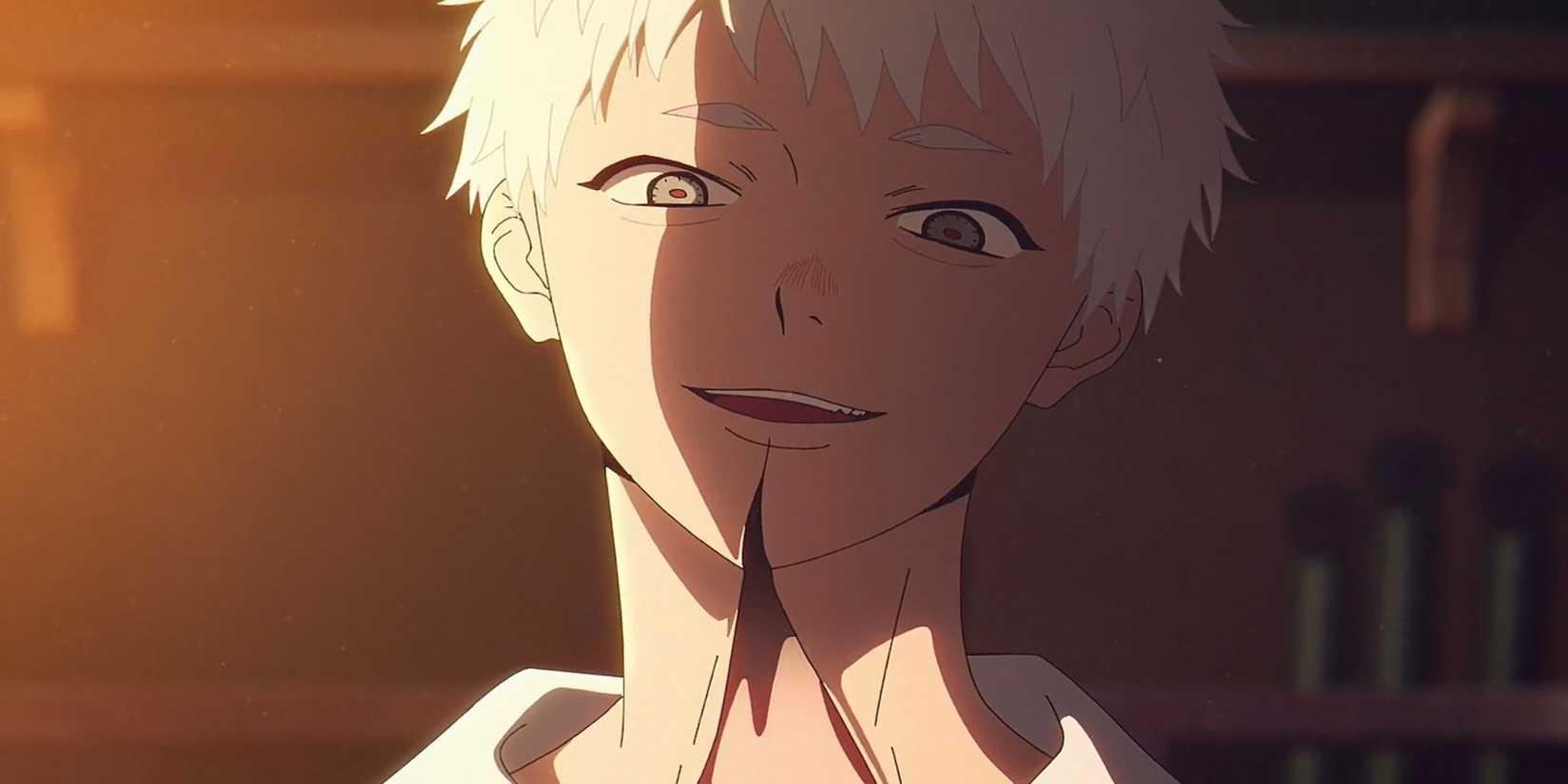
In an era where anime fans are constantly bombarded with sequels, reboots, and franchise extensions, a quiet horror story about two teenage boys in rural Japan has achieved something remarkable: it has captured the global zeitgeist with just two episodes. The Summer Hikaru Died, known in Japanese as Hikaru ga Shinda Natsu, has not only topped Netflix Japan’s daily rankings but has also claimed the #1 spot on Anime Corner’s prestigious Summer 2025 anime ranking, dethroning the previously dominant Takopi’s Original Sin after a five-week reign [1].
This unprecedented success story represents more than just another anime hitting it big on streaming platforms. The Summer Hikaru Died’s meteoric rise signals a fundamental shift in what audiences are craving from their entertainment: authentic emotional storytelling that doesn’t shy away from complex themes of grief, identity, and the often uncomfortable realities of growing up queer in a small, conservative community. With 8.08% of the vote from over 10,000 participants in Anime Corner’s weekly ranking, the series has proven that there’s a hungry audience for stories that blend psychological horror with genuine human emotion [2].
The anime’s success is particularly striking when considering its competition. The Summer Hikaru Died managed to surpass highly anticipated titles like DAN DA DAN Season 2, which secured 5.69% of the vote, and The Fragrant Flower Blooms with Dignity, which earned 5.20%. This victory represents the first time since Takopi’s Original Sin that any series has managed to break through and claim the top spot, making it a genuinely historic moment in the summer 2025 anime season [3].
The Phenomenon Behind the Rankings
What makes The Summer Hikaru Died’s success so remarkable isn’t just the speed with which it achieved dominance, but the organic nature of its growth. Unlike many anime that benefit from massive marketing campaigns or established franchise recognition, this series has built its audience through word-of-mouth recommendations and genuine emotional impact. The anime debuted on Netflix on July 5, 2025, and within just two weeks had established itself as a cultural phenomenon that transcended typical anime fandom boundaries [4].
 Source: CBR
The series’ rapid ascent to the top of both Netflix Japan’s daily rankings and ABEMA’s anime ranking demonstrates the power of authentic storytelling in an increasingly crowded entertainment landscape. Viewers have responded not just to the series’ horror elements, but to its unflinching examination of themes that are often considered too complex or controversial for mainstream anime. The show’s exploration of queer identity, grief, and the supernatural has created a perfect storm of critical acclaim and audience engagement that has propelled it to unprecedented heights.
Industry analysts have noted that The Summer Hikaru Died’s success represents a significant shift in anime consumption patterns. Traditional metrics suggested that horror anime, particularly those with LGBTQIA+ themes, would struggle to find mainstream success. However, the series has proven that audiences are more sophisticated and open-minded than many industry executives believed. The show’s ability to blend cosmic horror with coming-of-age storytelling has created something genuinely unique in the anime landscape, and viewers have responded with enthusiasm that has surprised even the most optimistic industry observers.
The international appeal of The Summer Hikaru Died has been particularly noteworthy. While the series is deeply rooted in Japanese rural culture and social dynamics, its themes of alienation, identity crisis, and the struggle to maintain connections with those we love have resonated with global audiences. Netflix’s worldwide streaming strategy has allowed the series to find its audience across cultural and linguistic barriers, proving that compelling storytelling can transcend geographic boundaries when given the proper platform and support.
A Story That Defies Easy Categorization
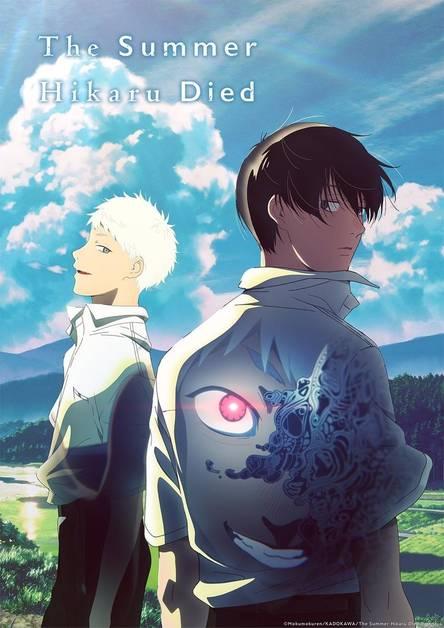
At its core, The Summer Hikaru Died tells the story of Yoshiki and his childhood friend Hikaru, two teenagers living in a remote Japanese village where secrets run as deep as the surrounding forests. The central mystery revolves around Hikaru’s disappearance six months prior to the series’ events—a week-long absence that ended with his return, but something fundamental about him had changed. What appears to be a simple story of friendship and small-town life quickly evolves into something far more complex and disturbing [5].
The series’ genius lies in its refusal to be easily categorized. While it contains elements of supernatural horror, psychological thriller, and coming-of-age drama, it transcends these genre boundaries to create something entirely its own. The horror elements are not gratuitous or exploitative; instead, they serve as metaphors for the very real terrors of adolescence, identity formation, and the fear of losing those closest to us. This sophisticated approach to genre blending has allowed the series to appeal to audiences who might normally avoid horror anime while still delivering genuine scares for genre enthusiasts.
 Source: CBR
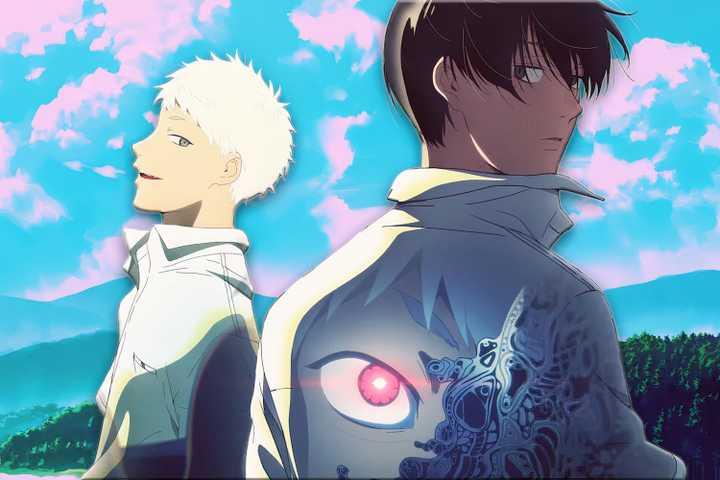
The relationship between Yoshiki and “Hikaru” forms the emotional core of the series, and it’s here that the show’s queer themes become most apparent. While creator Mokumokuren has been careful to describe the series as “coming-of-age horror” rather than boys’ love, the emotional intimacy between the two protagonists and their struggle with identity and acceptance in a conservative rural environment has resonated strongly with LGBTQIA+ audiences. The series doesn’t shy away from exploring the complexity of these relationships, instead presenting them with a nuance and authenticity that has been praised by critics and fans alike [6].
What sets The Summer Hikaru Died apart from other anime exploring similar themes is its commitment to emotional honesty. The series doesn’t offer easy answers or comfortable resolutions to the complex questions it raises. Instead, it forces viewers to confront uncomfortable truths about love, loss, and the lengths we’ll go to maintain connections with those we care about, even when those connections might be fundamentally unhealthy or impossible to sustain.
The supernatural elements of the story serve as powerful metaphors for the very real struggles faced by queer youth in conservative communities. The entity that has taken Hikaru’s place represents not just a literal monster, but the fear of change, the terror of losing someone you love, and the desperate desire to maintain connections even when they’ve become fundamentally altered. This layered approach to storytelling has allowed the series to operate on multiple levels simultaneously, providing surface-level thrills for casual viewers while offering deeper meaning for those willing to engage with its more complex themes.
Production Excellence and Creative Vision
The success of The Summer Hikaru Died cannot be attributed solely to its compelling narrative; the series has also benefited from exceptional production values that have brought Mokumokuren’s haunting vision to life with remarkable fidelity. CygamesPictures, the studio responsible for the animation, has demonstrated a sophisticated understanding of how to translate the manga’s atmospheric horror and emotional subtlety to the screen. Their work represents some of the finest horror animation in recent memory, creating a visual language that perfectly complements the series’ thematic complexity [7].
Director Ryohei Takeshita, who also handles series composition, has crafted an adaptation that honors the source material while taking full advantage of animation’s unique storytelling capabilities. His approach to pacing and atmosphere has been particularly praised, with critics noting how the series builds tension through careful attention to environmental details and character animation rather than relying on cheap jump scares or gratuitous violence. This sophisticated approach to horror storytelling has elevated the series above typical genre fare and contributed significantly to its critical and commercial success.
Character designer and chief animation director Yuichi Takahashi has created visual interpretations of Mokumokuren’s characters that capture both their surface-level appeal and their underlying psychological complexity. The character designs walk a careful line between accessibility and unsettling ambiguity, particularly in the case of “Hikaru,” whose appearance must convey both familiarity and wrongness simultaneously. This delicate balance has been crucial to the series’ success, as it allows viewers to understand Yoshiki’s conflicted feelings toward his transformed friend.
The series’ approach to horror animation deserves particular recognition. Rather than relying on graphic violence or shocking imagery, The Summer Hikaru Died creates its unsettling atmosphere through subtle visual cues, careful use of lighting and shadow, and masterful sound design. The animation team has demonstrated a deep understanding of psychological horror principles, creating scenes that linger in viewers’ minds long after the episode has ended. This sophisticated approach to horror has helped the series appeal to audiences who might normally avoid the genre while still delivering genuine scares for horror enthusiasts.
The technical aspects of the production have been consistently praised by industry professionals and critics. The series’ use of color, particularly in its depiction of the rural Japanese setting, creates a visual palette that perfectly captures the story’s themes of beauty hiding darkness. The animation of natural environments—forests, fields, and small-town streets—has been particularly noteworthy, creating a sense of place that feels both idyllic and threatening. This environmental storytelling has been crucial to the series’ success, as it helps establish the claustrophobic atmosphere that drives much of the narrative tension.
Cultural Impact and Critical Reception
The critical reception of The Summer Hikaru Died has been overwhelmingly positive, with reviewers praising its sophisticated approach to complex themes and its refusal to provide easy answers to difficult questions. Critics have particularly noted the series’ handling of LGBTQIA+ themes, with many praising its authentic portrayal of queer relationships and identity struggles. The series has been described as “unflinching queer storytelling” that doesn’t rely on stereotypes or exploitative elements to create drama [8].
The series’ exploration of grief and loss has also received significant critical attention. Mental health professionals and grief counselors have praised the show’s realistic portrayal of how people process loss and trauma, noting that the supernatural elements serve as effective metaphors for the very real psychological processes involved in dealing with death and change. This authentic approach to emotional storytelling has helped the series find audiences beyond typical anime demographics, including viewers who rarely engage with animated content.
Source: Screen Rant
Academic interest in The Summer Hikaru Died has been particularly noteworthy. Scholars studying LGBTQIA+ representation in media have praised the series for its nuanced approach to queer themes, while horror studies academics have noted its sophisticated use of cosmic horror elements to explore very human fears and anxieties. The series has already been the subject of several academic papers and conference presentations, suggesting that its cultural impact will extend far beyond its initial broadcast run.
The international response to the series has been particularly striking. While the story is deeply rooted in Japanese culture and social dynamics, its themes have resonated with global audiences facing similar struggles with identity, acceptance, and loss. Social media discussions about the series have highlighted how viewers from diverse cultural backgrounds have found personal meaning in Yoshiki and Hikaru’s story, suggesting that the series has tapped into universal human experiences despite its specific cultural setting.
Fan communities that have formed around The Summer Hikaru Died have been notably diverse, including not just traditional anime fans but also horror enthusiasts, LGBTQIA+ viewers, and people dealing with grief and loss in their own lives. This broad appeal has contributed to the series’ viral success and has helped establish it as a cultural phenomenon that transcends typical fandom boundaries. The passionate engagement of these communities has been crucial to the series’ word-of-mouth success and has helped drive its rapid rise in streaming rankings.
The series has also had a significant impact on discussions about representation in anime. Many critics and fans have noted that The Summer Hikaru Died demonstrates the commercial viability of anime that centers LGBTQIA+ characters and themes, potentially paving the way for more diverse storytelling in the medium. The series’ success has been cited by industry professionals as evidence that audiences are hungry for authentic, complex narratives that don’t shy away from difficult or controversial topics.
The Source Material’s Award-Winning Legacy
The success of The Summer Hikaru Died anime cannot be separated from the critical acclaim that has surrounded Mokumokuren’s original manga since its debut in August 2021. The manga’s recognition as the top title in the 2023 edition of Takarajimasha’s Kono Manga ga Sugoi! list for best manga aimed at male readers was a clear indication that the story had struck a chord with both critics and readers. This prestigious award, often considered one of the most important recognition systems in the manga industry, helped establish The Summer Hikaru Died as a work of exceptional quality and cultural significance [9].
The manga’s nomination for the 16th Manga Taisho further cemented its reputation as a work of literary merit. The Manga Taisho, often referred to as the “Nobel Prize of manga,” recognizes works that demonstrate exceptional storytelling, artistic achievement, and cultural impact. The nomination placed The Summer Hikaru Died in the company of some of the most respected manga of recent years and helped establish Mokumokuren as a creator to watch in the industry.
The international licensing of the manga by Yen Press has been crucial to building the global audience that has embraced the anime adaptation. Yen Press’s decision to bring the series to English-speaking markets demonstrated confidence in its commercial potential and helped establish the foundation for the anime’s international success. The manga’s strong sales in international markets have provided clear evidence of global appetite for the story, making the anime adaptation’s worldwide success less surprising in retrospect.
Critics have consistently praised Mokumokuren’s approach to visual storytelling, noting how the manga’s art style perfectly complements its narrative themes. The creator’s ability to convey complex emotional states through subtle visual cues has been particularly noted, with many reviewers commenting on how the artwork enhances the story’s psychological horror elements without relying on graphic or exploitative imagery. This sophisticated approach to visual narrative has translated exceptionally well to animation, contributing to the anime’s critical and commercial success.
The manga’s exploration of rural Japanese life has also been praised for its authenticity and attention to detail. Mokumokuren’s depiction of small-town dynamics, social pressures, and the claustrophobic nature of close-knit communities has resonated with readers who have experienced similar environments. This authentic portrayal of rural life has helped ground the series’ supernatural elements in recognizable reality, making the horror more effective and the emotional stakes more meaningful.
Industry Implications and Future Prospects
The success of The Summer Hikaru Died has significant implications for the anime industry, particularly regarding the commercial viability of original horror content and LGBTQIA+ themed narratives. Industry analysts have noted that the series’ success challenges conventional wisdom about what types of anime can achieve mainstream success, particularly in international markets. The show’s ability to top rankings while dealing with complex themes of identity, sexuality, and psychological horror suggests that audiences are more sophisticated and open-minded than many industry executives have assumed [10].
The series’ success on Netflix has been particularly noteworthy for streaming platforms and content distributors. Netflix’s investment in anime content has been substantial in recent years, but The Summer Hikaru Died represents one of their most successful original anime acquisitions in terms of both critical acclaim and audience engagement. The series’ performance has likely influenced Netflix’s future content acquisition strategies and may encourage other streaming platforms to invest more heavily in diverse anime content.
The international success of The Summer Hikaru Died has also highlighted the importance of simultaneous global releases for anime content. The series’ ability to build a worldwide audience quickly was facilitated by Netflix’s global distribution strategy, which allowed international viewers to engage with the content at the same time as Japanese audiences. This approach has become increasingly important as anime fandoms have become more globally connected through social media and online communities.
Production studios have taken note of The Summer Hikaru Died’s success, particularly CygamesPictures’ approach to adapting complex source material. The studio’s commitment to maintaining the manga’s atmospheric horror and emotional authenticity while taking advantage of animation’s unique storytelling capabilities has been widely praised within the industry. This approach may influence how other studios approach similar adaptations in the future, potentially leading to more faithful and sophisticated anime adaptations of complex source material.
The series’ success has also had implications for how anime is marketed and promoted. The Summer Hikaru Died’s organic growth through word-of-mouth recommendations and social media engagement has demonstrated the power of authentic audience enthusiasm over traditional marketing campaigns. This success may encourage distributors and studios to focus more on creating content that generates genuine emotional responses rather than relying solely on established franchises or marketing spectacle.
The Global Streaming Landscape and Anime’s Evolution
The Summer Hikaru Died’s success represents a significant moment in the evolution of anime as a global entertainment medium. The series’ ability to achieve worldwide success while dealing with specifically Japanese cultural themes and LGBTQIA+ content demonstrates the increasing sophistication of international anime audiences. This development has important implications for how anime is produced, distributed, and marketed in an increasingly connected global entertainment landscape [11].
Netflix’s role in the series’ success cannot be understated. The streaming platform’s commitment to worldwide distribution and high-quality presentation has been crucial to the anime’s international impact. The platform’s investment in anime content has been substantial in recent years, but The Summer Hikaru Died represents one of their most successful acquisitions in terms of both critical acclaim and cultural impact. The series’ performance has likely influenced Netflix’s future content strategies and may encourage other streaming platforms to invest more heavily in diverse anime content.
The series’ success has also highlighted the importance of cultural authenticity in global entertainment. While The Summer Hikaru Died deals with universal themes of love, loss, and identity, its specific cultural setting and social dynamics have been crucial to its emotional impact. International audiences have responded positively to the series’ authentic portrayal of Japanese rural life and social pressures, suggesting that global viewers are hungry for genuine cultural experiences rather than sanitized or westernized content.
The anime’s approach to LGBTQIA+ themes has been particularly significant in the global context. While many countries still struggle with LGBTQIA+ representation in mainstream media, The Summer Hikaru Died’s international success demonstrates that there is a global audience for authentic queer storytelling. The series’ ability to find success across diverse cultural and political contexts suggests that universal human experiences can transcend local prejudices and restrictions when presented with sufficient artistic skill and emotional authenticity.
The technical quality of The Summer Hikaru Died has also contributed to its global success. The series’ sophisticated animation, sound design, and visual storytelling have helped establish anime as a medium capable of producing content that rivals live-action television and film in terms of artistic achievement. This development has important implications for how anime is perceived and valued in international entertainment markets.
Conclusion: A New Standard for Anime Storytelling
As The Summer Hikaru Died continues its remarkable run at the top of global anime rankings, it has established itself as more than just a successful horror series—it has become a cultural phenomenon that demonstrates the power of authentic, emotionally honest storytelling in an increasingly crowded entertainment landscape. The series’ ability to achieve unprecedented success while dealing with complex themes of grief, identity, and queer relationships has challenged industry assumptions about what audiences want and what types of stories can achieve mainstream success.
The anime’s impact extends far beyond its impressive ranking achievements. It has sparked important conversations about representation, authenticity, and the responsibility of creators to address difficult topics with nuance and respect. The series has also demonstrated the commercial viability of diverse storytelling, potentially paving the way for more anime that center marginalized voices and experiences.
For the anime industry, The Summer Hikaru Died represents both an achievement and a challenge. The series has proven that audiences are hungry for sophisticated, emotionally complex narratives that don’t shy away from difficult topics. However, it has also set a new standard for how such stories should be told, requiring creators and studios to approach sensitive themes with the same level of care and authenticity that has made this series so successful.
The global success of The Summer Hikaru Died also highlights the increasing importance of international audiences in the anime industry. The series’ ability to resonate with viewers across cultural and linguistic boundaries demonstrates that compelling storytelling can transcend geographic limitations when given proper support and distribution. This development has important implications for how anime is produced and marketed in an increasingly connected global entertainment landscape.
As the series continues to air and build its audience, The Summer Hikaru Died has already secured its place as one of the most significant anime of 2025. Its influence on the industry, its impact on discussions about representation and authenticity, and its demonstration of the commercial viability of diverse storytelling will likely be felt for years to come. For viewers, critics, and industry professionals alike, The Summer Hikaru Died has proven that anime at its best can be more than entertainment—it can be art that challenges, comforts, and transforms those who experience it.
The phenomenon of The Summer Hikaru Died serves as a reminder that in an era of franchise filmmaking and sequel culture, original stories with authentic emotional cores still have the power to capture global attention and create lasting cultural impact. As the anime industry continues to evolve and expand its global reach, The Summer Hikaru Died will likely be remembered as a pivotal moment when the medium proved its capacity for sophisticated, meaningful storytelling that resonates across all boundaries.
References
[1] Anime Corner – “The Summer Hikaru Died Tops Summer 2025 Anime Ranking in Week 6 for the First Time” – https://animecorner.me/the-summer-hikaru-died-tops-summer-2025-anime-ranking-in-week-6-for-the-first-time/
[2] Anime Corner – “Summer 2025 Ranking – Top 10 Anime of the Week 6” – https://animecorner.me/the-summer-hikaru-died-tops-summer-2025-anime-ranking-in-week-6-for-the-first-time/
[3] Anime Corner – “The Summer Hikaru Died Tops Summer 2025 Anime Ranking” – https://animecorner.me/the-summer-hikaru-died-tops-summer-2025-anime-ranking-in-week-6-for-the-first-time/
[4] Screen Rant – “Netflix’s Creepiest Anime Just Hit #1, And It Only Took 2 Episodes” – https://screenrant.com/summer-hikaru-died-global-success/
[5] Netflix – “Watch The Summer Hikaru Died” – https://www.netflix.com/title/81948057
[6] Wikipedia – “The Summer Hikaru Died” – https://en.wikipedia.org/wiki/The_Summer_Hikaru_Died
[7] CBR – “Horror Fans Need to Check Out Netflix’s Brand-New Coming-of-Age Anime” – https://www.cbr.com/summer-hikaru-died-netflix-best-new-horror-anime/
[8] The Direct – “The Summer Hikaru Died: Why This Horror Anime Actually Counts as BL” – https://thedirect.com/article/summer-hikaru-died-horror-anime-actually-counts-bl
[9] Anime Corner – “The Summer Hikaru Died Tops Summer 2025 Anime Ranking” – https://animecorner.me/the-summer-hikaru-died-tops-summer-2025-anime-ranking-in-week-6-for-the-first-time/
[10] Screen Rant – “The Summer Hikaru Died Review: Netflix’s Chilling New Horror Anime” – https://screenrant.com/the-summer-hikaru-died-tv-review/
[11] CBR – “The Summer Hikaru Died Officially Confirmed ‘Hikaru’s’ Feelings (And Fans Missed It)” – https://www.cbr.com/the-summer-hikaru-died-hikaru-yoshiki-romance-confirmed/