The best anime waifus are the female characters fans return to again and again, not just for their designs but for the writing, the arcs, and the emotional pull that outlasts a single season. If you want the short answer: Rem (Re:Zero), Saber (Fate), Mikasa Ackerman (Attack on Titan) and Holo (Spice and Wolf) sit at the very top of nearly every serious ranking, and they anchor our S-tier below. But a great waifu list is more than four names. Below we rank 30+ of the most iconic anime waifus of all time into clear tiers, explain the ranking logic, add a collector’s angle on their debuts, and finish with an original take on why certain characters keep winning polls decade after decade. Updated for 2026.
Coined from the English word “wife,” a “waifu” is a female anime character a viewer feels a genuine attachment to, usually one with a well-rounded personality, a memorable arc, and traits that resonate long after the credits roll. Waifu culture now runs deep in the anime community through fan art, cosplay, figures, and spirited debate. This guide is a launchpad for newcomers and a nostalgia trip for veterans alike.
| Tier | Waifu | Series (Anime Debut) |
|---|---|---|
| S | Saber (Fate/Zero) | Fate/Zero (2011) |
| A | Asuna (Sword Art Online) | Sword Art Online (2012) |
| S | Mikasa Ackerman (Attack on Titan) | Attack on Titan (2013) |
| A | Rin Tohsaka (Fate/Stay Night) | Fate/stay night (2006, UBW 2014) |
| A | Erza Scarlet (Fairy Tail) | Fairy Tail (2009) |
| B | Kagome Higurashi (Inuyasha) | Inuyasha (2000) |
| A | Riza Hawkeye (Fullmetal Alchemist) | Fullmetal Alchemist: Brotherhood (2009) |
| A | Taiga Aisaka (Toradora!) | Toradora! (2008) |
| S | Rem (Re:Zero – Starting Life in Another World) | Re:Zero (2016) |
| S | Holo (Spice and Wolf) | Spice and Wolf (2008, remake 2024) |
| A | Tohru Honda (Fruits Basket) | Fruits Basket (2019 reboot) |
| B | Shouko Nishimiya (A Silent Voice) | A Silent Voice (2016) |
| B | Megumi Tadokoro (Food Wars!) | Food Wars! (2015) |
| B | Yuno Gasai (Mirai Nikki) | Future Diary / Mirai Nikki (2011) |
| B | Rias Gremory (High School DxD) | High School DxD (2012) |
| B | Kyoko Sakura (Puella Magi Madoka Magica) | Puella Magi Madoka Magica (2011) |
| A | Kallen Stadtfeld (Code Geass) | Code Geass (2006) |
| A | Senjougahara Hitagi (Monogatari series) | Monogatari Series (2009) |
| C | Togame (Katanagatari) | Katanagatari (2010) |
| B | Haruhi Suzumiya (The Melancholy of Haruhi Suzumiya) | The Melancholy of Haruhi Suzumiya (2006) |
| B | Tsubasa Hanekawa (Monogatari series) | Monogatari Series (2009) |
| A | Yoko Littner (Tengen Toppa Gurren Lagann) | Tengen Toppa Gurren Lagann (2007) |
| A | Miku Nakano (The Quintessential Quintuplets) | The Quintessential Quintuplets (2019) |
| A | Kaguya Shinomiya (Kaguya-sama: Love is War) | Kaguya-sama: Love Is War (2019) |
| B | Chika Fujiwara (Kaguya-sama: Love is War) | Kaguya-sama: Love Is War (2019) |
| A | Asuka Langley Soryu (Neon Genesis Evangelion) | Neon Genesis Evangelion (1995) |
| A | Senjougahara Hitagi (Bakemonogatari) | Bakemonogatari (2009) |
| A | C.C. (Code Geass) | Code Geass (2006) |
| A | Nico Robin (One Piece) | One Piece (1999) |
| A | Taiga Aisaka (Toradora!) | Toradora! (2008) |
| C | Saki Hanajima (Fruits Basket) | Fruits Basket (2001/2019) |
| B | Mayuri Shiina (Steins; Gate) | Steins;Gate (2011) |
| A | Shiki Ryougi (The Garden of Sinners) | The Garden of Sinners / Kara no Kyoukai (2007) |
| A | Revy (Black Lagoon) | Black Lagoon (2006) |
How We Ranked These Anime Waifus (Our Tier Logic)
Ranking waifus purely on looks is how you end up with a forgettable list. Ours weighs four things, in order: character writing and arc (does she grow?), cultural staying power (does she still top polls years later?), emotional impact (does a scene of hers live rent-free in your head?), and finally design and iconography. Here is what each tier means:
- S-Tier – Hall of Fame: Genre-defining, poll-topping icons who transcend their series (Rem, Saber, Mikasa, Holo).
- A-Tier – Elite: Beloved, deeply written characters who headline “best girl” debates every year.
- B-Tier – Fan Favorites: Iconic within their genre or trope, with devoted followings.
- C-Tier – Underrated Deep Cuts: Excellent characters from slower or more niche series that reward the well-watched.
If you like your favorites strong as well as beloved, our companion guide to the most powerful comic book characters ranked makes a fun cross-medium comparison.
The Best Anime Waifus of All Time, Ranked by Tier
Saber (Fate/Zero)
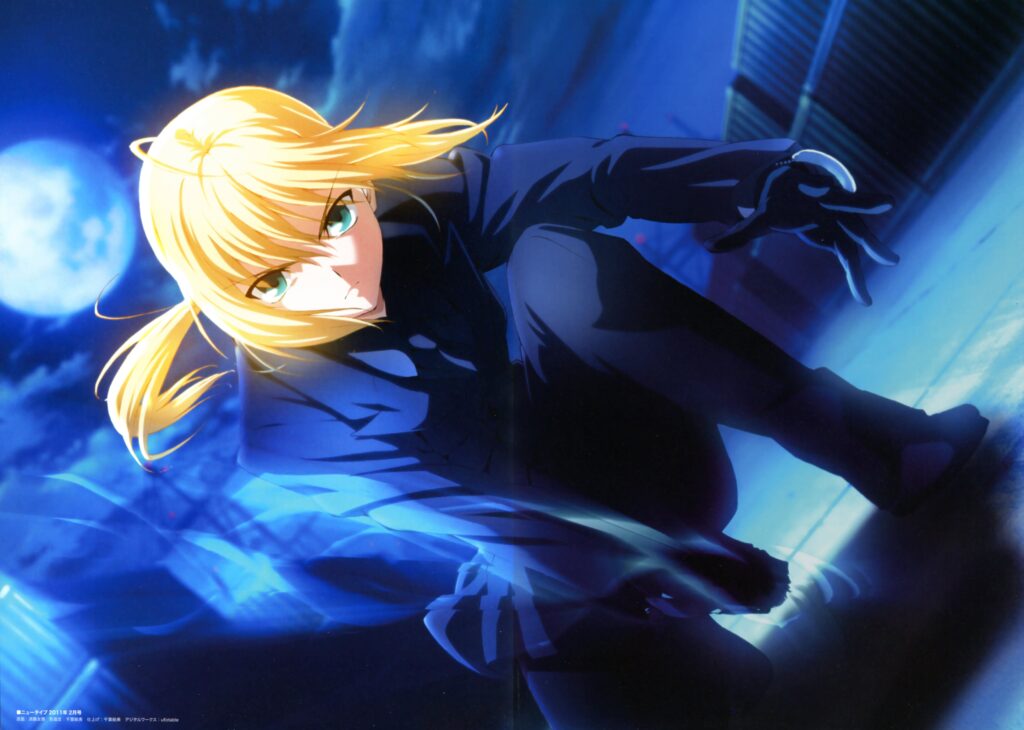
Ufotable’s crown jewel and arguably the character that turned Type-Moon into a global brand, Saber (the gender-flipped King Arthur, Artoria Pendragon) is the archetypal noble-knight waifu. Her stoicism hides a tragic guilt over Camelot’s fall, and that tension between duty and buried longing is what keeps her in every serious waifu conversation more than a decade on. She lands in our S-tier for sheer cultural staying power: cosplay, figures, and Fate/Grand Order have only cemented her.
Asuna (Sword Art Online)
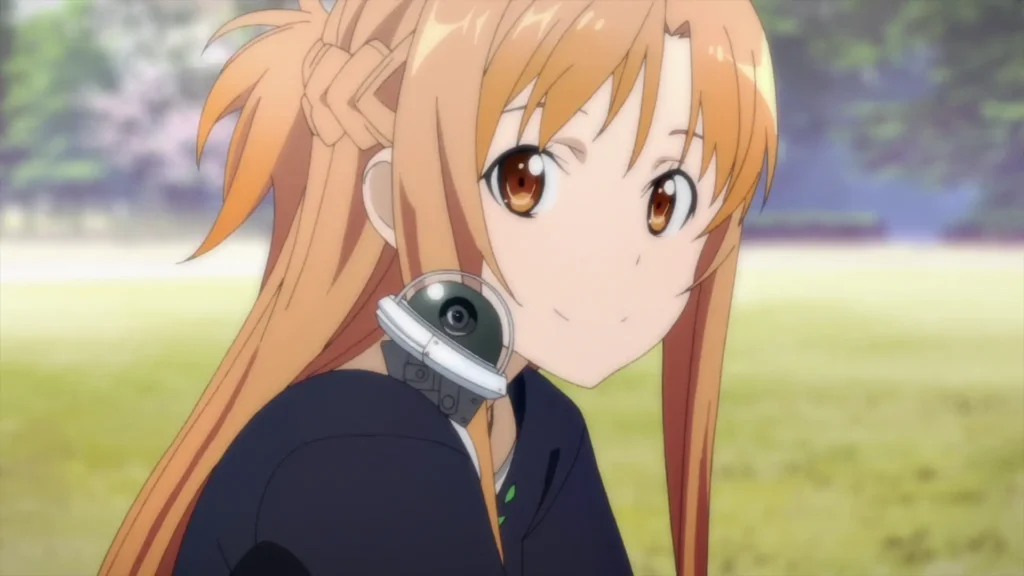
Asuna Yuuki defined the 2010s isekai waifu. The “Lightning Flash” is no damsel; she is a top-tier duelist whose competence often eclipsed Kirito’s, and the Mother’s Rosario arc gave her one of the medium’s most quietly devastating emotional throughlines. She endures because she reads as a partner rather than a prize, which is exactly the modern standard fans reward.
Mikasa Ackerman (Attack on Titan)
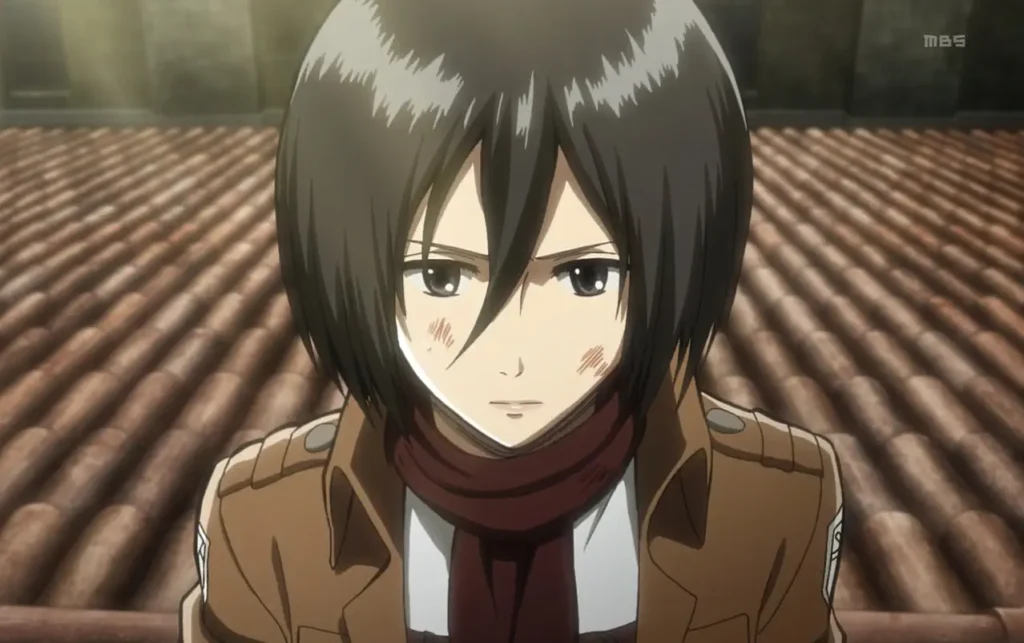
Mikasa Ackerman is the strongest soldier in the 104th and the emotional anchor of Attack on Titan. Ackerman bloodline aside, what earns her S-tier is the impossible loyalty she carries for Eren across four seasons and its wrenching resolution. Post-finale (2023), her arc reads as one of the most debated in modern anime, which only fuels her waifu status.
Rin Tohsaka (Fate/Stay Night)

Rin Tohsaka is the twin-tailed tsundere blueprint that a hundred later characters borrowed from. A brilliant but perpetually cash-strapped mage, her prickly competence and hidden warmth made her the fan-favorite heroine of the Unlimited Blade Works route. She is the reason “tsundere done right” is a phrase at all.
Erza Scarlet (Fairy Tail)
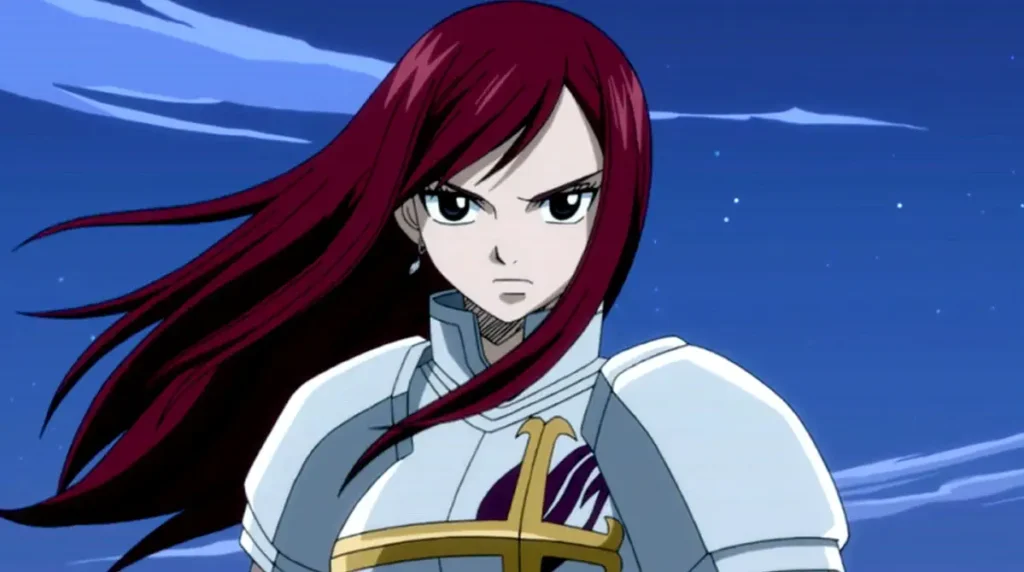
Titania herself, Erza Scarlet, pairs terrifying combat range (her Requip magic swaps armors mid-fight) with a soft interior scarred by a brutal childhood at the Tower of Heaven. She is the disciplinarian with a strawberry-cake weakness, and that contrast is catnip for the waifu crowd.
Kagome Higurashi (Inuyasha)
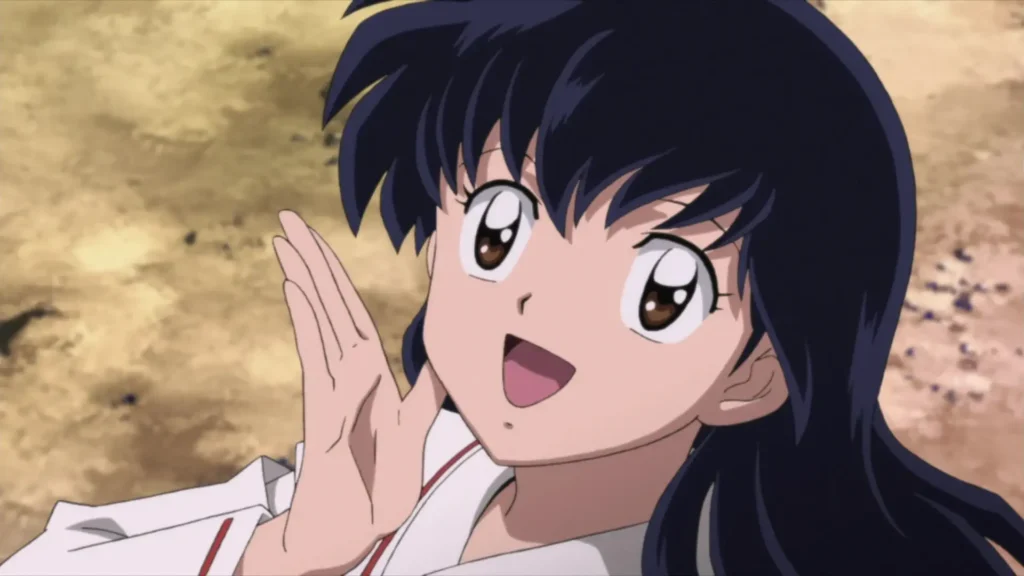
Kagome Higurashi is the nostalgia pick, the modern schoolgirl pulled into the Sengoku era who anchored a generation’s first shonen romance. Her grounded warmth and her famous “Sit, boy!” command over Inuyasha made her the everyfan heroine of the early 2000s.
Riza Hawkeye (Fullmetal Alchemist)
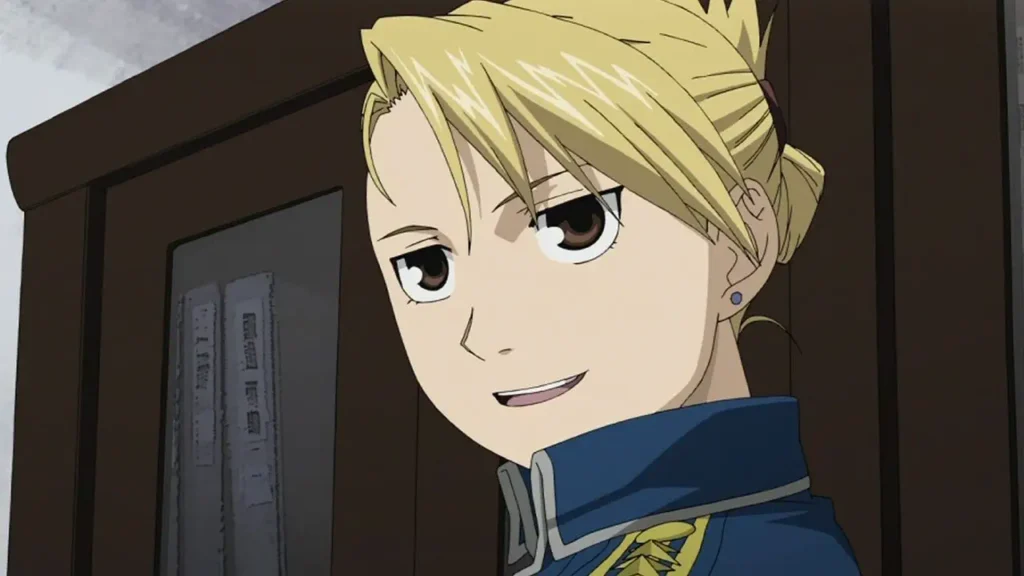
Lieutenant Riza Hawkeye is the competent-woman waifu par excellence: a deadeye marksman whose loyalty to Roy Mustang is written as devotion, duty, and quiet love all at once. In a cast this strong, she never fades into the background, which says everything.
Taiga Aisaka (Toradora!)

The “Palmtop Tiger,” Taiga Aisaka, is the tsundere against whom all others are measured. Tiny, ferocious, and secretly terrified of abandonment, her slow thaw across Toradora! is one of the best-written romances in anime. First of two appearances she earns on this list, and deservedly so.
Rem (Re:Zero – Starting Life in Another World)
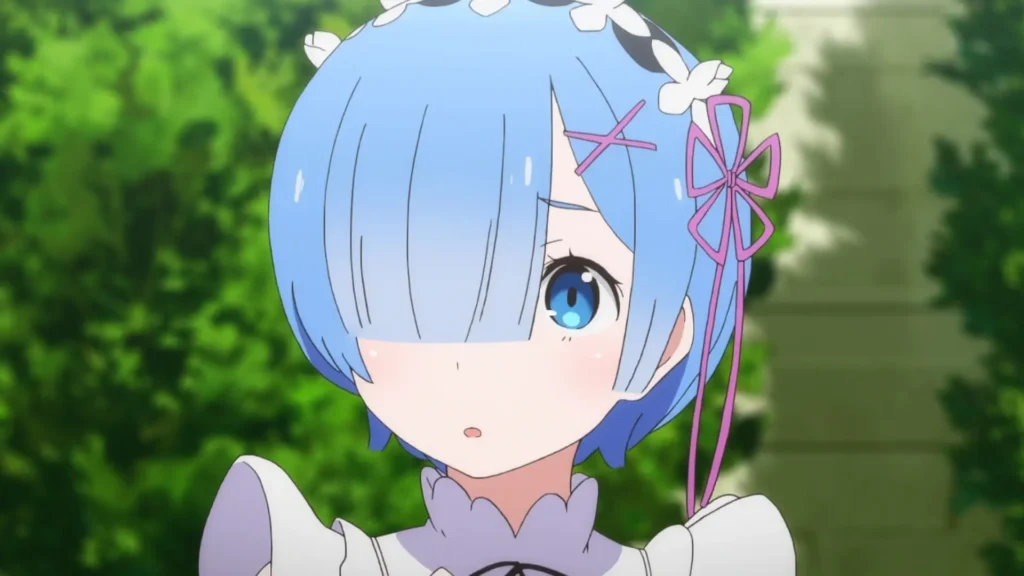
No modern waifu ranking is legitimate without Rem. The blue-haired oni maid of Re:Zero became a phenomenon on the strength of a single episode (18) where her devotion to Subaru reframed the entire show. She routinely tops community polls worldwide, and her memetic “best girl” status is genuinely earned. Undisputed S-tier.
Holo (Spice and Wolf)

Holo the Wise Wolf is the connoisseur’s waifu. A centuries-old harvest deity with a merchant’s wit and a taste for apples, her banter with Kraft Lawrence is the whole appeal of Spice and Wolf. The 2024 remake introduced her to a new audience and confirmed she has aged (unlike Holo) not a day. Intelligence as sex appeal, done perfectly.
Tohru Honda (Fruits Basket)
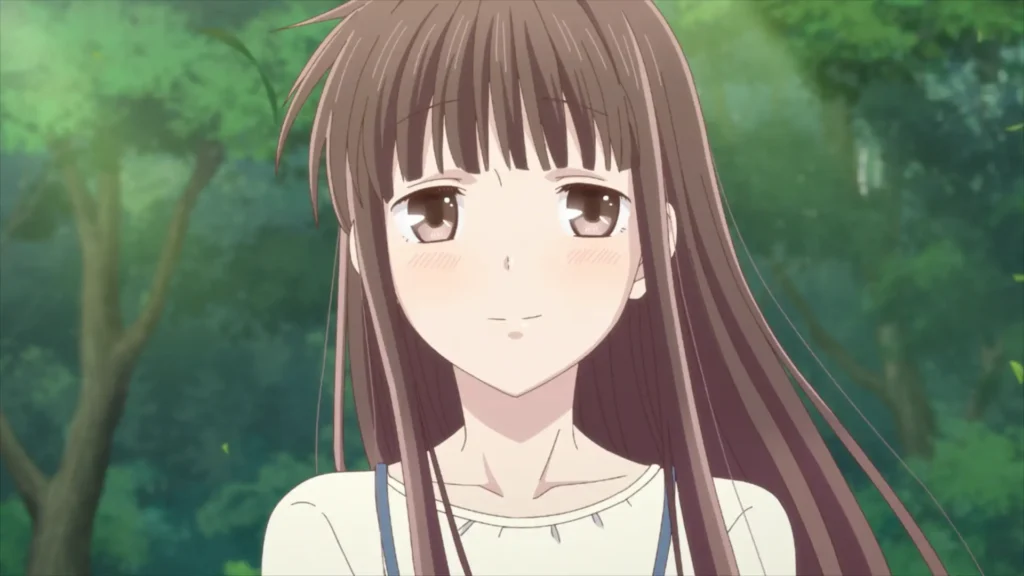
Tohru Honda is the patron saint of the “pure cinnamon roll” waifu. Her relentless kindness could read as saccharine, but the 2019 reboot revealed the grief and resolve underneath, giving the trope real weight. She is comfort-anime made flesh.
Shouko Nishimiya (A Silent Voice)
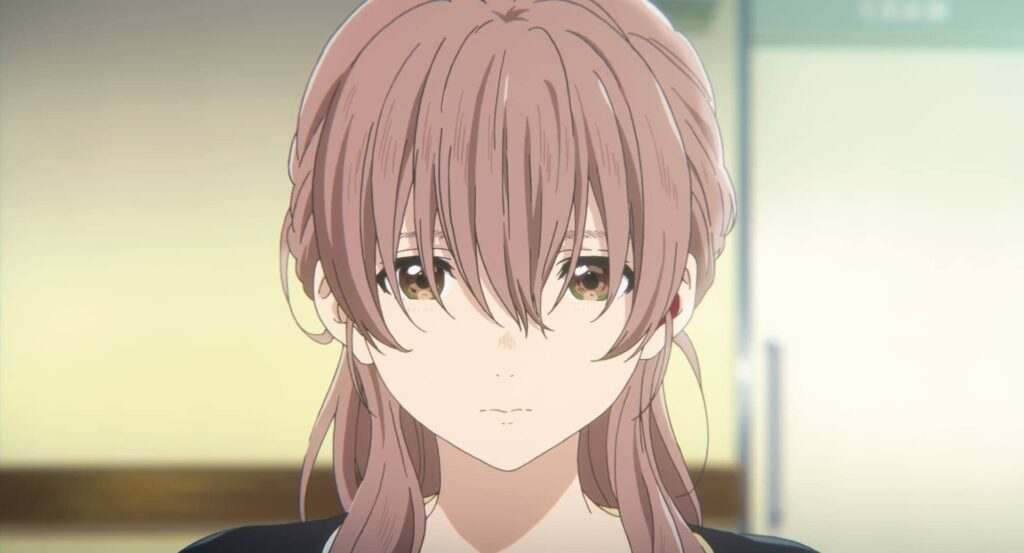
Shouko Nishimiya from Kyoto Animation’s A Silent Voice is the most emotionally serious entry here. Her deafness, her bullying, and her fragile road to self-forgiveness make her less a fantasy partner than a character who lingers. She earns her place on empathy, not spectacle.
Megumi Tadokoro (Food Wars!)
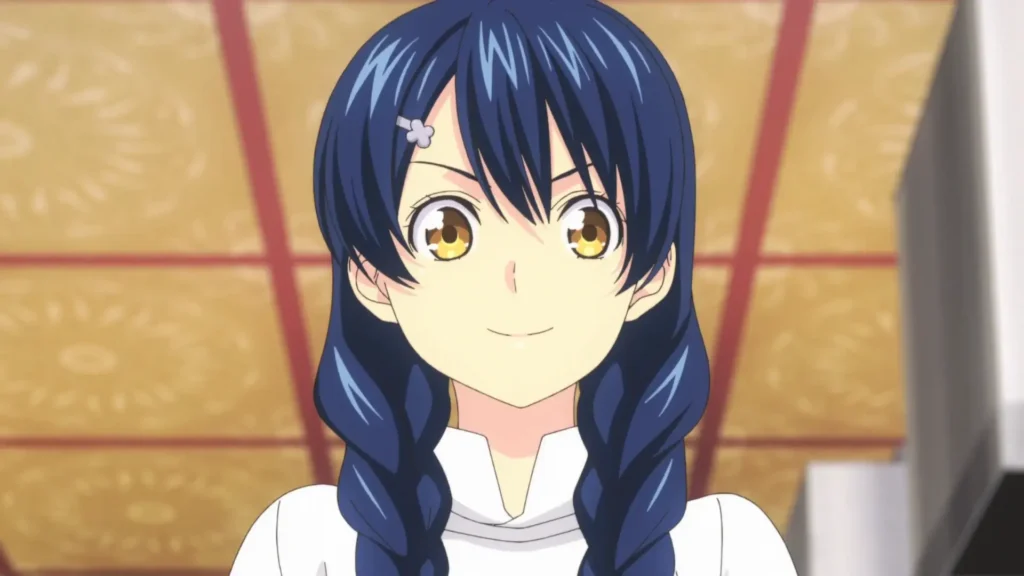
Megumi Tadokoro is Food Wars!‘s heart: an anxious but immensely talented country cook whose growth from nervous underdog to confident chef is the show’s most satisfying non-romantic arc. Nurturing, home-cooking waifu energy at its finest.
Yuno Gasai (Mirai Nikki)
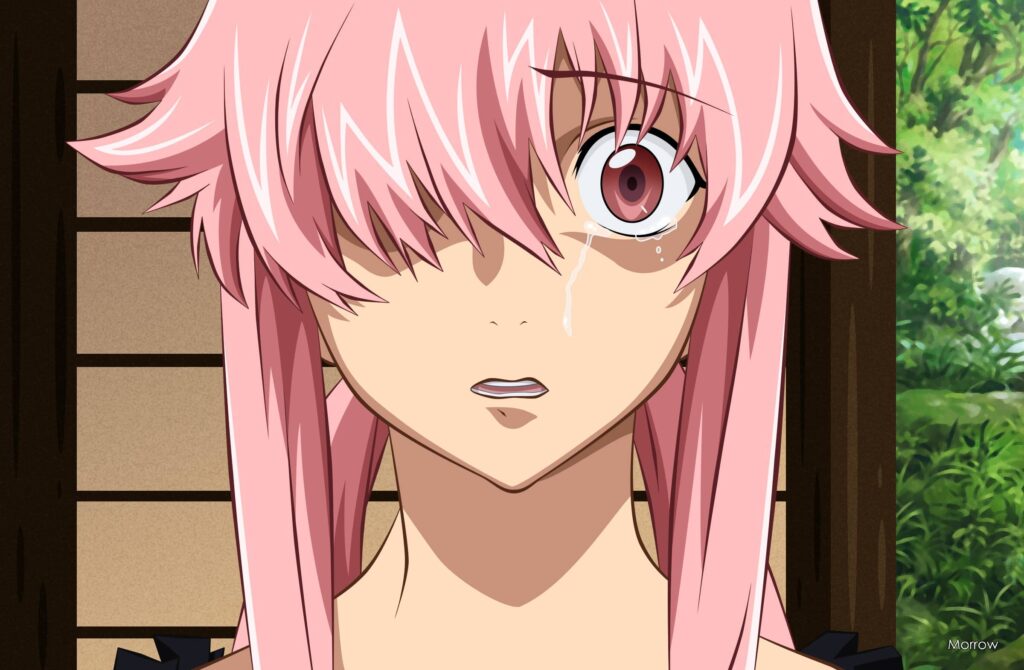
Yuno Gasai is the yandere that defined the archetype. Sweet and pink-haired one second, homicidally obsessed the next, she made “terrifyingly devoted” a genuine waifu category. Love her or fear her, Mirai Nikki would be forgotten without her.
Rias Gremory (High School DxD)
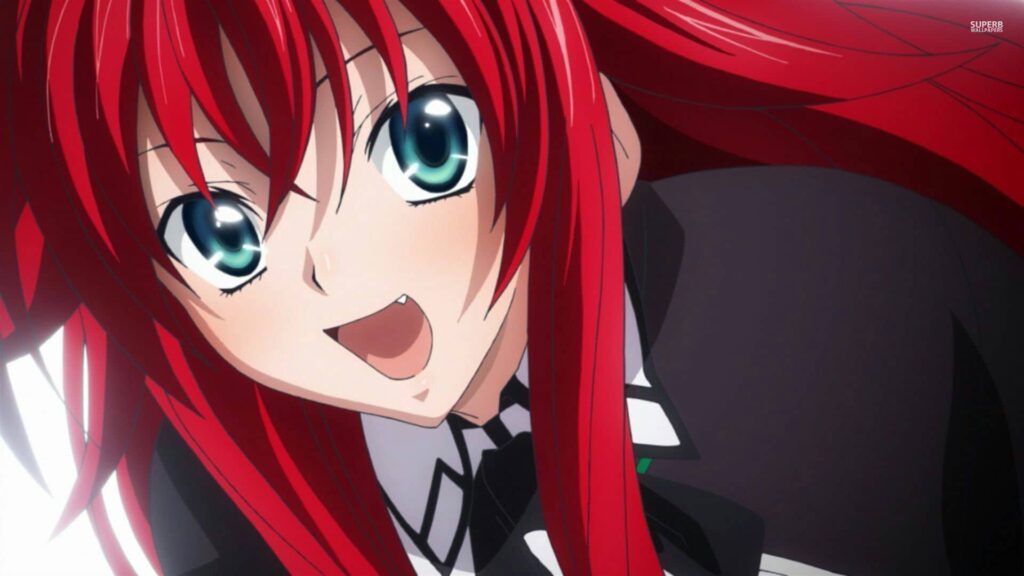
Rias Gremory is the reigning queen of the ecchi genre, the crimson-haired devil whose confidence and loyalty to her “peerage” carried High School DxD beyond fan service into genuine affection. She is the trope’s most enduring poster girl.
Kyoko Sakura (Puella Magi Madoka Magica)
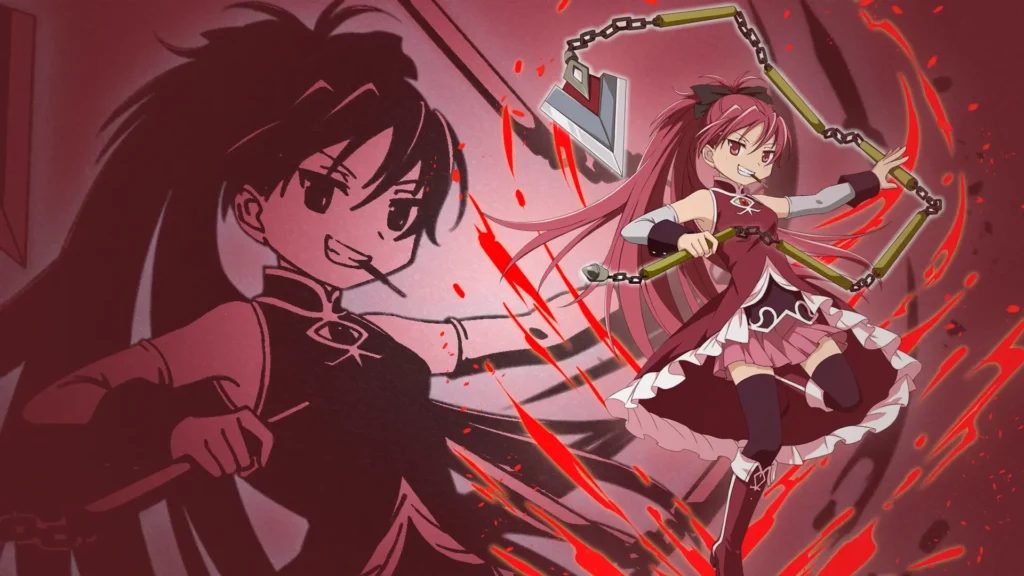
Kyoko Sakura brings hard edges to the magical-girl waifu. A selfish loner hiding real trauma, her arc in Madoka Magica toward sacrifice and connection is one of the show’s quiet gut-punches. Depth disguised as a redhead with a spear.
Kallen Stadtfeld (Code Geass)
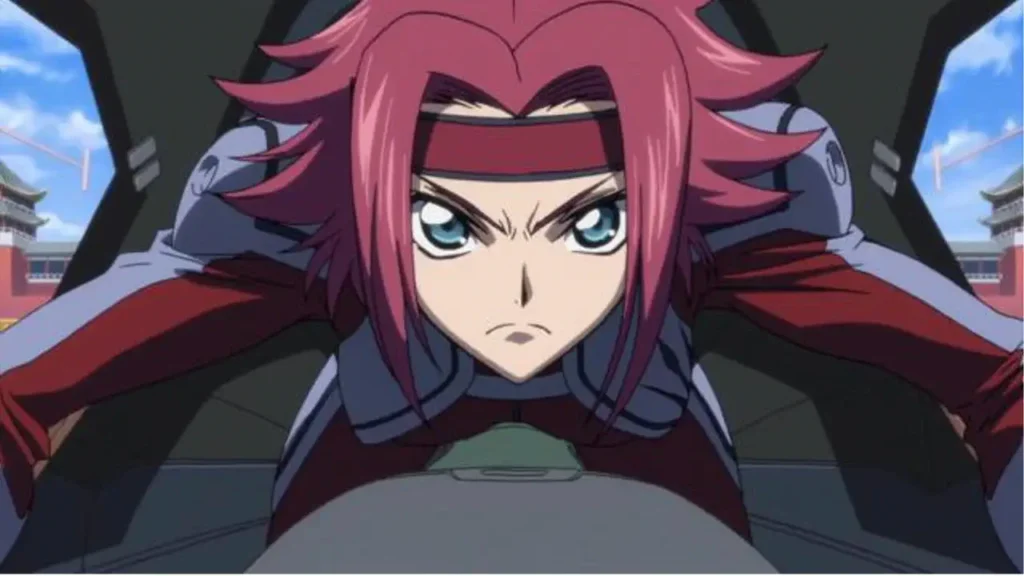
Kallen Stadtfeld, ace pilot of the Black Knights, is the rebel waifu with a cause. Fierce in the cockpit and fiercely conflicted about Lelouch, she is one of the most complete female leads in mecha anime, and one of Code Geass‘s two entries here.
Senjougahara Hitagi (Monogatari series)
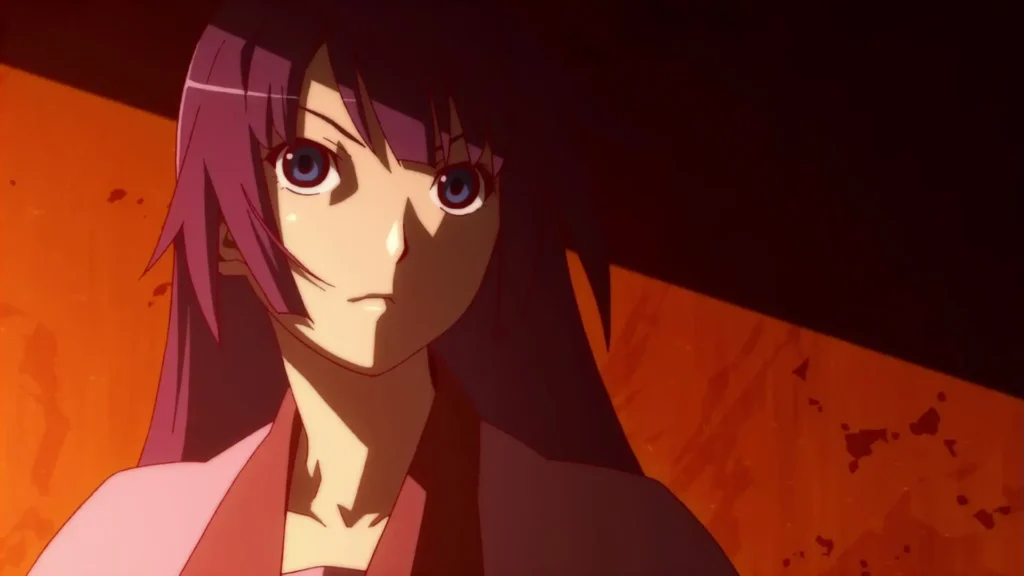
Senjougahara Hitagi is the razor-tongued deconstruction of the tsundere. Introduced literally weightless (her supernatural affliction is a metaphor for buried trauma), her acid wit and eventual devotion to Araragi made her the breakout star of the Monogatari franchise. She appears twice here because SHAFT knew what they had.
Togame (Katanagatari)
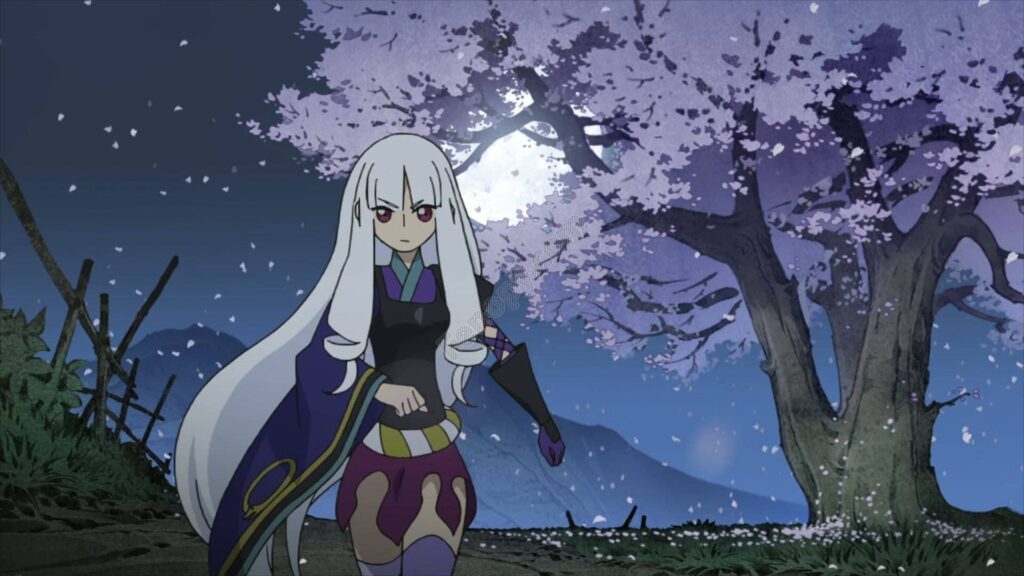
Togame is the deep-cut pick. The scheming strategist at the center of NisiOisiN’s Katanagatari, her theatrical ambition and slow-burn romance with Shichika reward viewers willing to sit with a slower, stranger series. An underrated waifu for the well-watched.
Haruhi Suzumiya (The Melancholy of Haruhi Suzumiya)
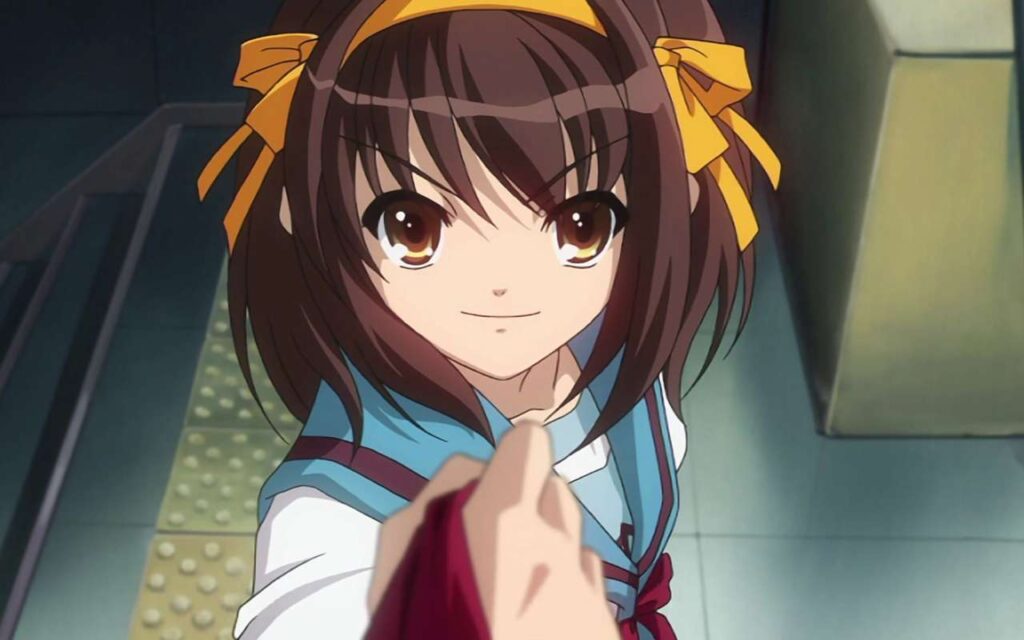
Haruhi Suzumiya is a piece of anime history. The reality-warping tyrant of the SOS Brigade launched a cultural moment (the “Haruhi era”) and helped define the modern moe boom. Exhausting, brilliant, and impossible to ignore, exactly like the phenomenon she sparked.
Tsubasa Hanekawa (Monogatari series)
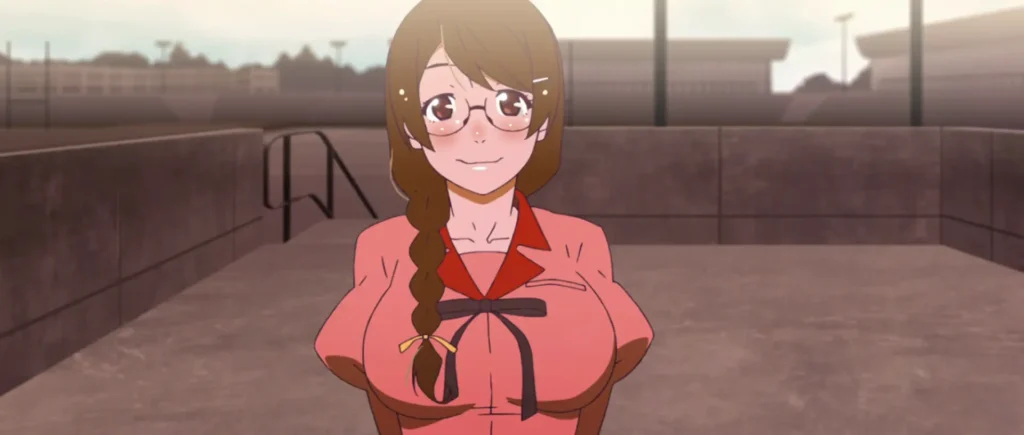
Tsubasa Hanekawa, the “I don’t know everything, I just know what I know” class president, hides one of the most harrowing home lives in the franchise. Her possessions and the pressure she suppresses make her the emotional core the Monogatari fandom quietly champions hardest.
Yoko Littner (Tengen Toppa Gurren Lagann)
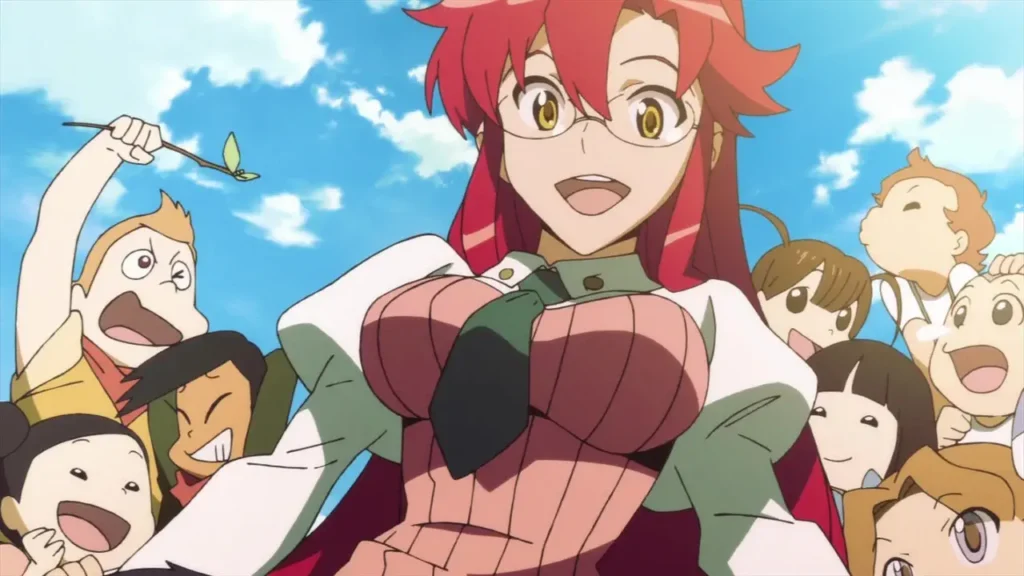
Yoko Littner is the enduring Gainax bombshell with substance to match. A crack sniper and one of the few voices of reason in Gurren Lagann‘s escalating madness, her arc from teen fighter to teacher gives her more staying power than her famous design alone.
Miku Nakano (The Quintessential Quintuplets)
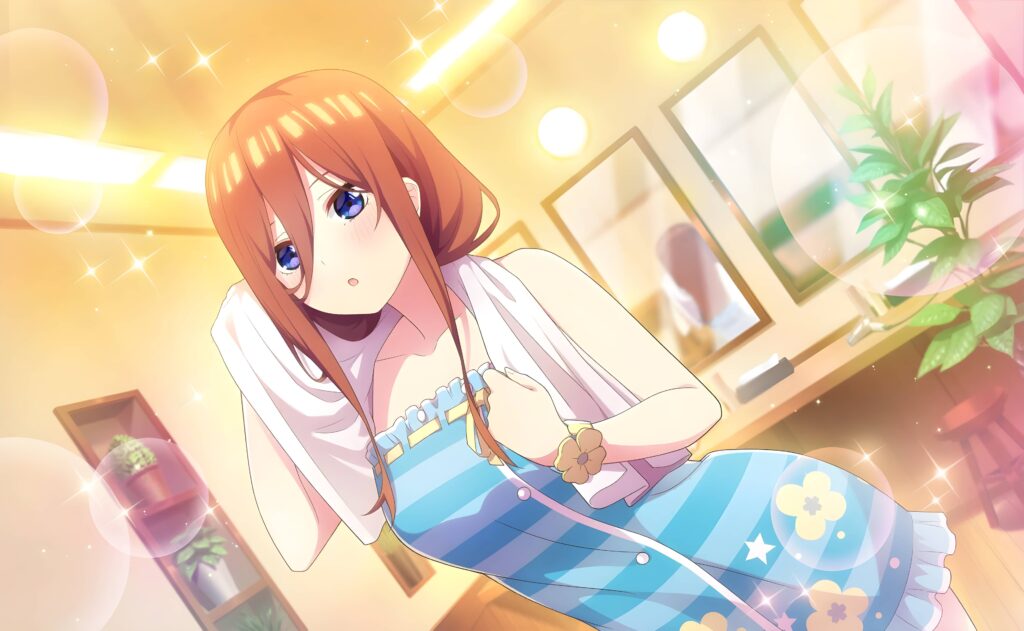
Miku Nakano won the great Nakano sisters war for a huge slice of the fandom. The shy, headphone-wearing, history-obsessed quintuplet, her quiet persistence and growth make her the sentimental favorite of one of the biggest romance-anime waifu debates of the era.
Kaguya Shinomiya (Kaguya-sama: Love is War)
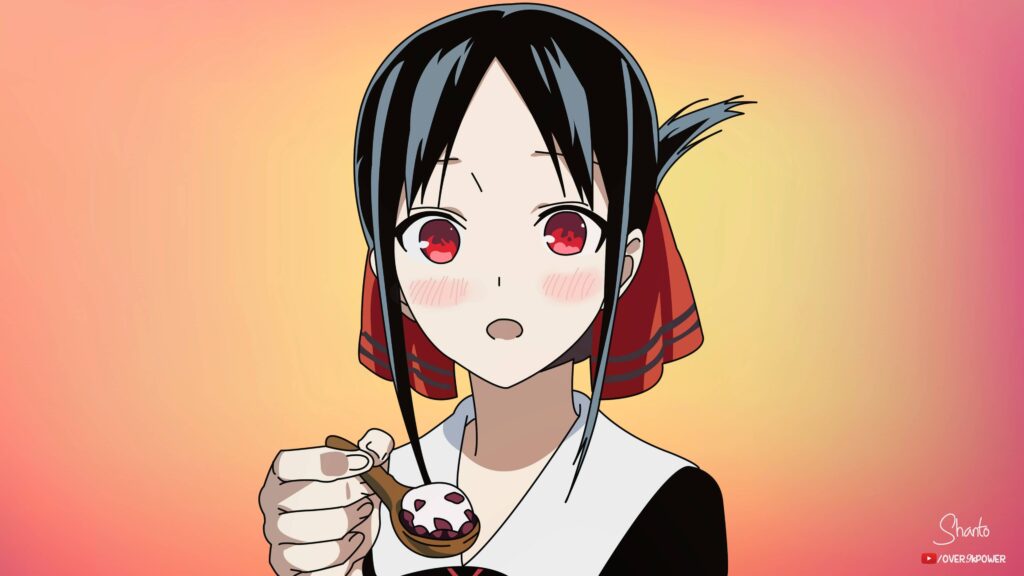
Kaguya Shinomiya is the reformed ice princess of the best rom-com of its generation. Watching her sheltered pride crack into genuine, flustered affection for Shirogane is the whole engine of Kaguya-sama: Love Is War. Elegant, brilliant, and secretly a mess, the ideal modern waifu.
Chika Fujiwara (Kaguya-sama: Love is War)
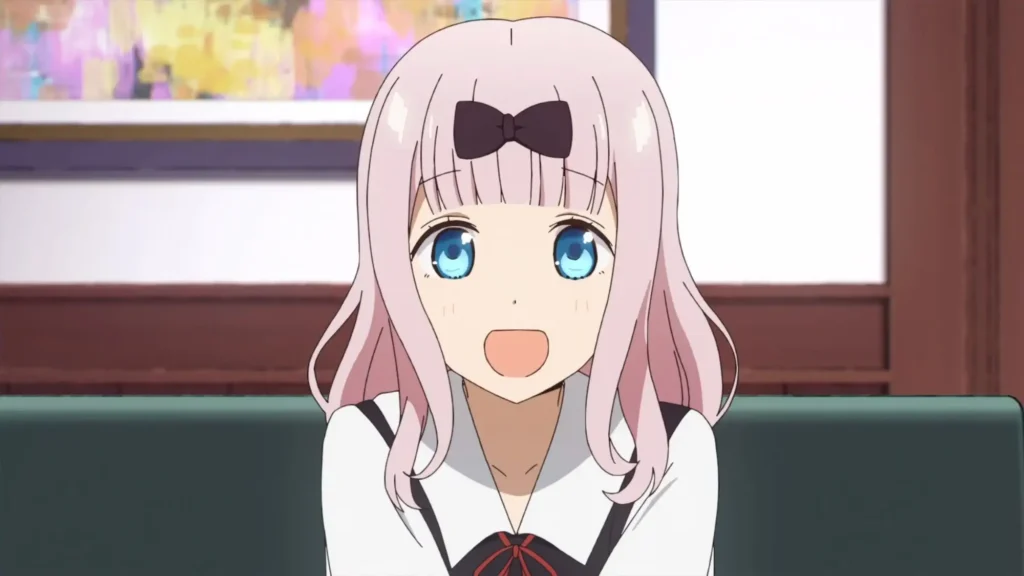
Chika Fujiwara is proof a scene-stealer can out-meme the leads. The chaotic-good comic engine of Kaguya-sama, her “Chika Dance” broke the internet and her wildcard energy makes her the pure-fun waifu of the pick. Never underestimate the comic relief.
Asuka Langley Soryu (Neon Genesis Evangelion)
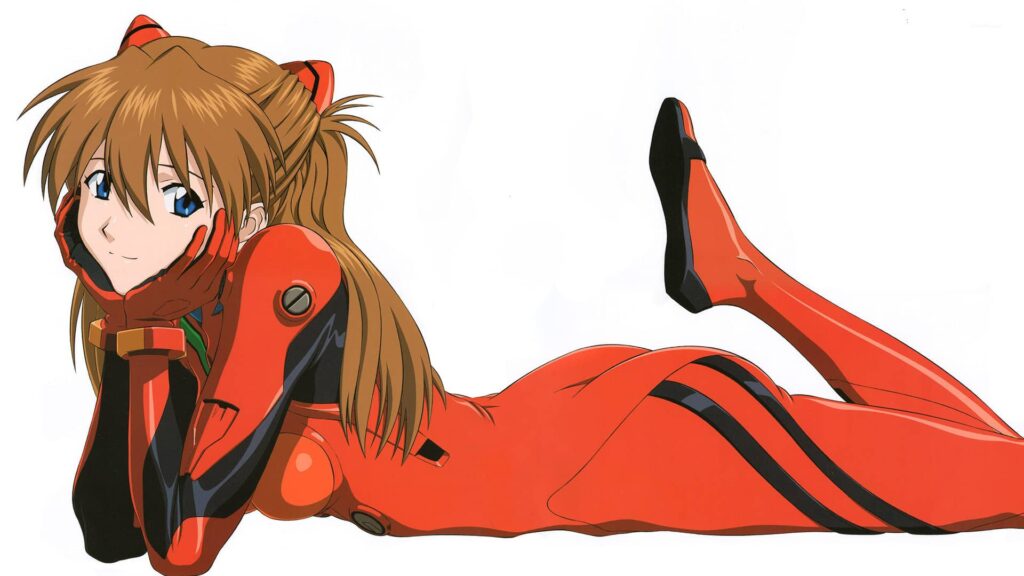
Asuka Langley Soryu is the fierce, wounded EVA pilot who has been dividing fans since 1995. Her bravado masks catastrophic insecurity, and Evangelion refuses to let that be cute, which is exactly why she remains one of the most analyzed and argued-over waifus in the medium.
Senjougahara Hitagi (Bakemonogatari)
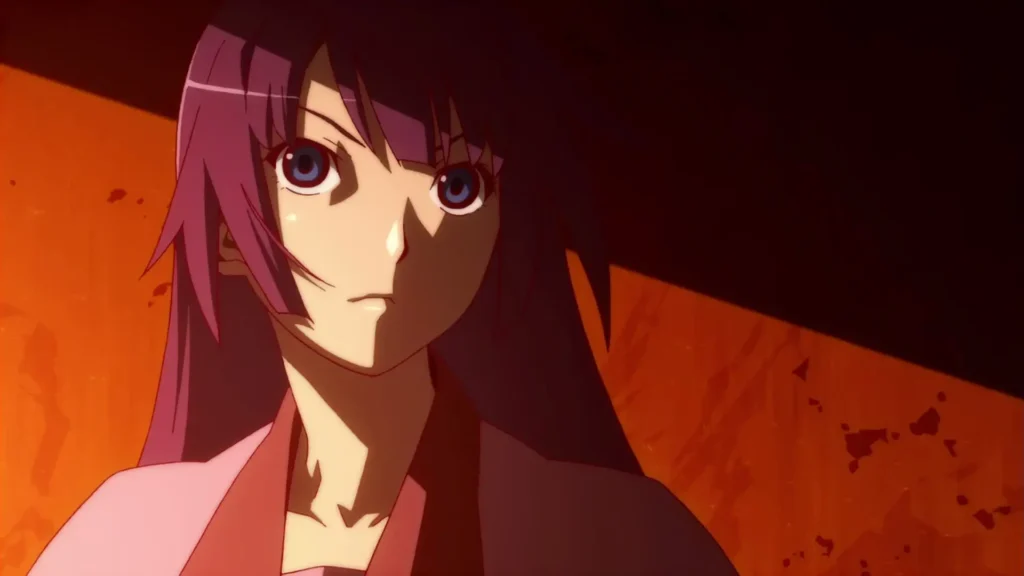
Her Bakemonogatari incarnation earns a second slot because this is where it all began, the infamous stapler scene, the weightlessness, the slow reveal of a girl armoring herself in cruelty. Senjougahara‘s debut arc is one of the most quoted openings in modern anime for good reason.
C.C. (Code Geass)
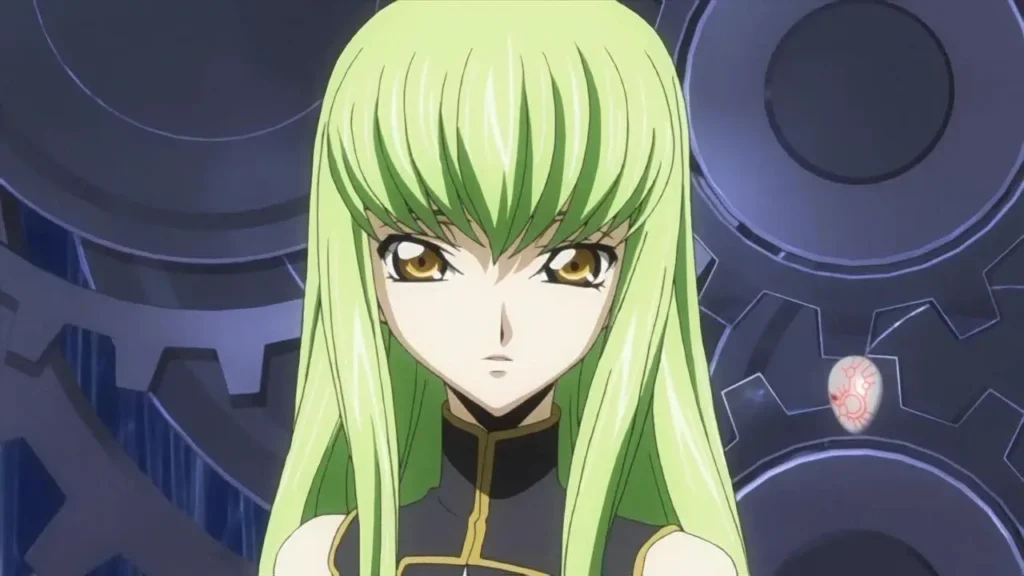
C.C., the immortal green-haired “witch” who grants Lelouch his Geass, is the mysterious-waifu ideal: aloof, ancient, pizza-obsessed, and slowly humanized across Code Geass. Her final scene remains one of anime’s great open-ended notes. The franchise’s second, and coolest, entry here.
Nico Robin (One Piece)
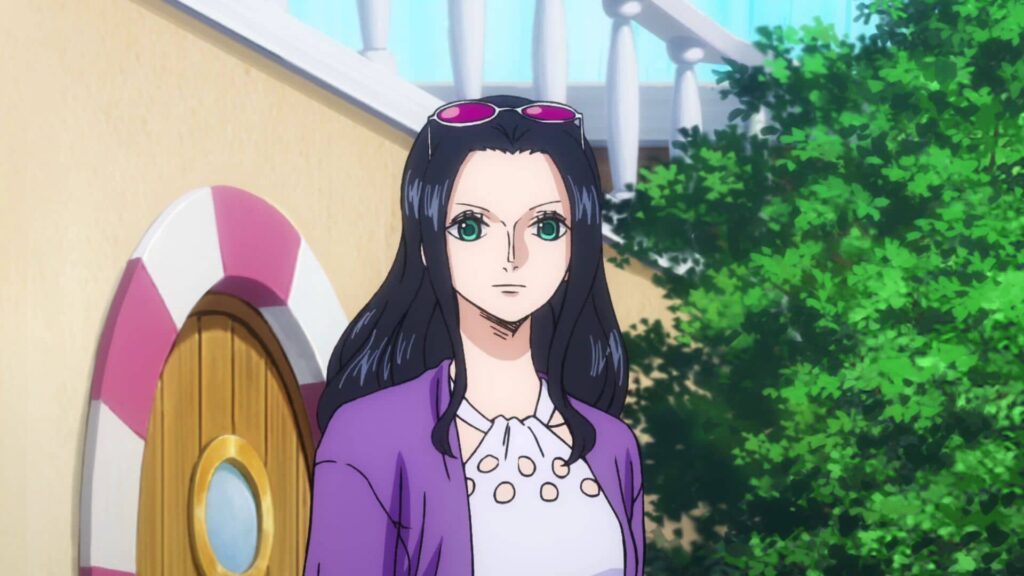
Nico Robin is the mature, brilliant heart of the Straw Hats. An archaeologist hunted since childhood for reading forbidden history, her Enies Lobby cry of “I want to live!” is one of One Piece‘s defining moments. Elegance, tragedy, and a devil-fruit power tailor-made for mischief.
Taiga Aisaka (Toradora!)

Taiga earns her second nod because Toradora! holds up as the tsundere gold standard years later. Where lesser versions of the trope stay static, Taiga genuinely grows, learning to accept love without weaponizing it. That evolution is why she keeps topping “best tsundere” lists.
Saki Hanajima (Fruits Basket)
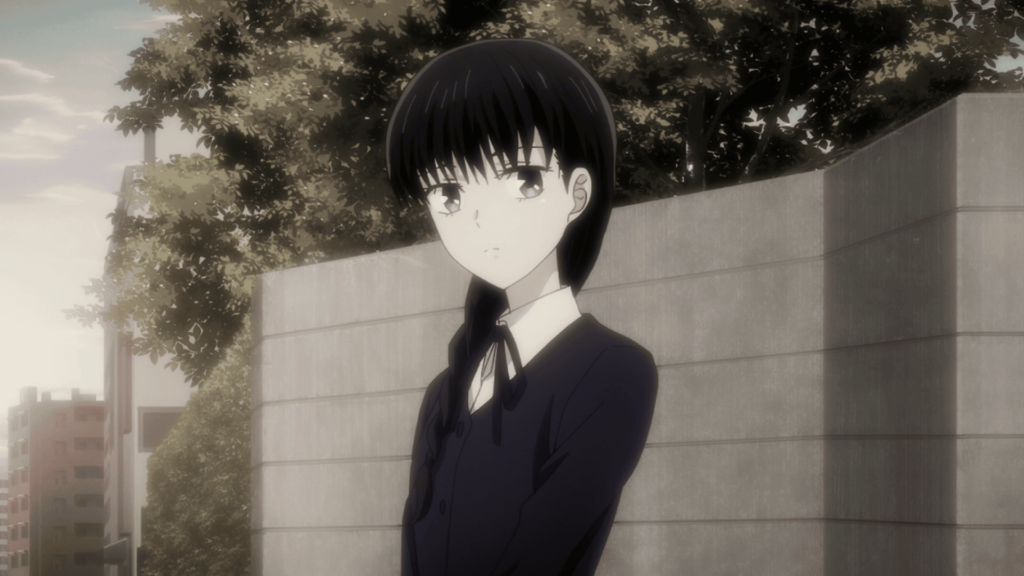
Saki Hanajima is the goth-witch deep cut of Fruits Basket. Able to read “electric waves,” her deadpan menace hides fierce loyalty to Tohru. She is the friend-you-want-in-your-corner waifu, quietly one of the show’s most memorable side characters.
Mayuri Shiina (Steins; Gate)
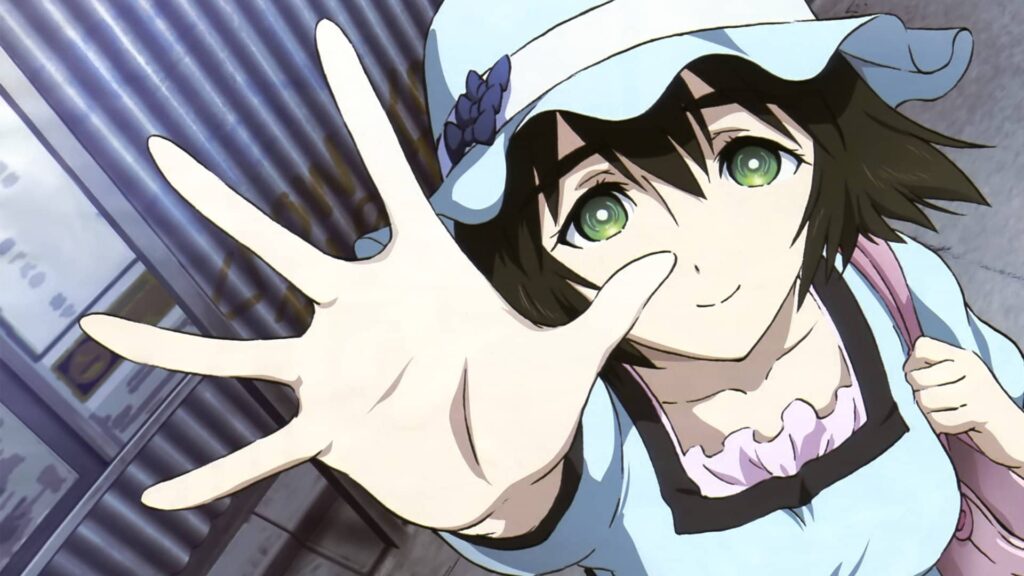
Mayuri Shiina, “Mayushii,” is the innocent whose fate drives Steins;Gate‘s most agonizing arc. Her childlike warmth is the emotional stake the entire time-travel plot hinges on, and “Tuturu!” is burned into every fan’s memory. Pure, and heartbreaking.
Shiki Ryougi (The Garden of Sinners)
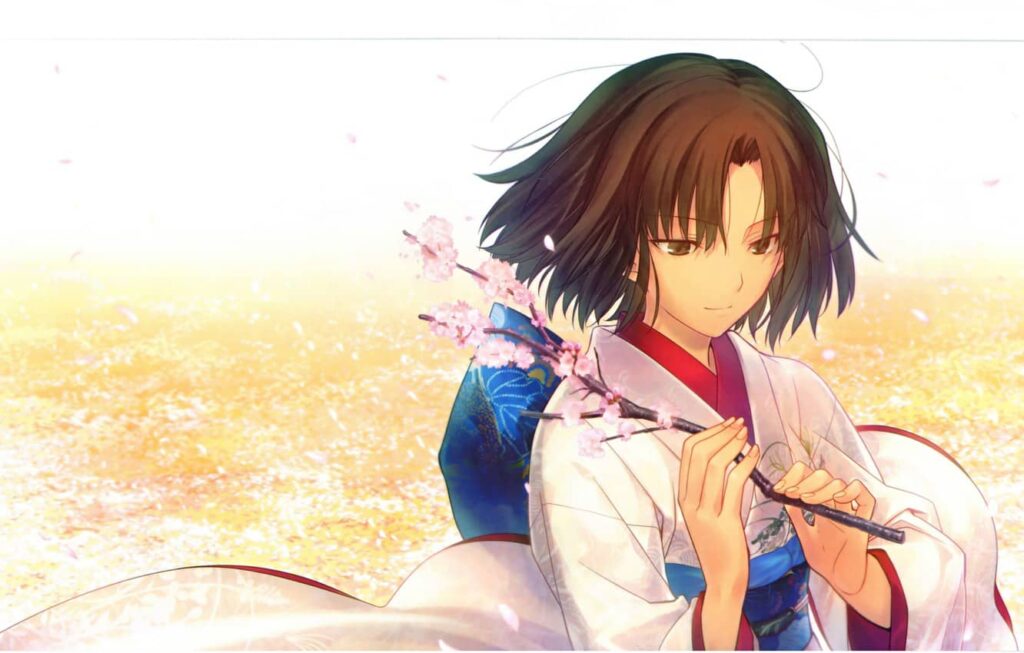
Shiki Ryougi is Type-Moon’s coolest creation. A dual-personality killer with the Mystic Eyes of Death Perception, she is elegant, lethal, and unknowable across the Kara no Kyoukai films. For fans who like their waifus genuinely dangerous, she is untouchable.
Revy (Black Lagoon)
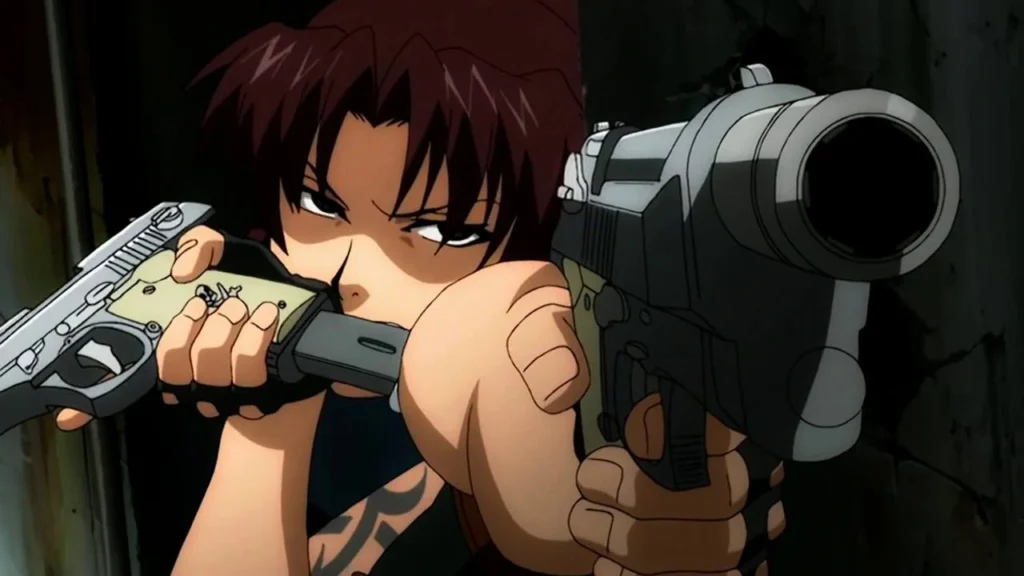
Revy “Two Hands” closes the list as the most dangerous woman on it. The chain-smoking, dual-pistol gunslinger of the Lagoon Company is nihilistic, foul-mouthed, and magnetic, a waifu with zero interest in being one, which is precisely the appeal. Black Lagoon‘s beating, bleeding heart.
Why the “Devotion Waifu” Keeps Beating the “Bombshell Waifu” (Our Original Take)
Here is the pattern almost every generic list misses. Scroll the global polls (MyAnimeList favorites, Anime Trending’s seasonal brackets, the r/anime “best girl” contests) and one type wins the popularity war far more often than pure design does: the devotion waifu. Rem beat out flashier rivals not because of her maid outfit but because Episode 18 of Re:Zero reframed her entire character around unconditional loyalty. Mikasa, Asuna, and Riza Hawkeye win for the same reason.
Compare that to the “bombshell waifu” built primarily on looks and fan service. Those characters spike early and fade. The devotion waifu, and its close cousin the competence waifu (Holo’s wit, Rin’s mastery, Nico Robin’s intellect), compounds over time because rewatchers keep discovering new layers. This is the single most reliable predictor of whether a waifu ages well, and it is why the tsundere endures too: the trope is really a slow-release devotion arc. Taiga and Senjougahara are cruel on the surface precisely so the eventual softness lands harder.
The takeaway for anyone building their own ranking: weight the arc, not the art. A character who changes because of the protagonist, and changes the protagonist in return, will outlast a hundred prettier faces. It is the same principle that separates a memorable hero from a forgettable one in Western comics too, which is exactly why the fandom’s love language is loyalty, not looks.
Waifus vs. Powerhouses: A Quick Cross-Medium Note
Anime fandom’s obsession with a character’s arc mirrors how comic readers rank their favorites. If you enjoy that debate, the same “beloved vs. broken-powerful” tension drives our rankings of the most powerful Omega-level X-Men and the best electricity superheroes across Marvel and DC, where raw power rarely equals raw popularity either.
Collector’s Corner: Debut Volumes and Key Sources
Waifus don’t have “first appearances” in the single-issue sense comics collectors chase, but their debut light novels, manga volumes, and figures carry the same key-issue energy. A few worth knowing:
- Holo (Spice and Wolf) – debuted in Isuna Hasekura’s light novel Spice and Wolf Volume 1 (ASCII Media Works, 2006). First-run Japanese printings and the original Jyuu Ayakura cover art are the collector’s grails here.
- Saber (Fate) – first appeared in Type-Moon’s Fate/stay night visual novel (2004). Early Good Smile Company and Alter Saber figures now command strong secondary-market prices.
- Rem (Re:Zero) – introduced in Tappei Nagatsuki’s Re:Zero Volume 2 (originally a web novel, 2012; MF Bunko J print, 2014). Limited “Rem” scale figures are among the most reprinted (and most flipped) in the hobby.
- Asuka (Evangelion) – debuted in Neon Genesis Evangelion (1995). Vintage 1990s Sega and Bandai Asuka figures are genuine retro collectibles now.
- Nico Robin (One Piece) – first appeared in the One Piece manga during the Arabasta arc (Shueisha, early 2000s). Original tankobon volumes from that run are increasingly sought after.
As always with figures: sealed, first-run, and with original box art holds value best. Condition and provenance matter as much here as they do with a graded comic.
Honorable Mentions and Where to Go Next
No list of 30+ can hold everyone. Honorable mentions the fandom will rightly shout about include Zero Two (Darling in the Franxx), Marin Kitagawa (My Dress-Up Darling), Makima (Chainsaw Man), Yor Forger (Spy x Family), and Power (Chainsaw Man), each a poll-topper in her own right. We’ve kept this ranking focused on the enduring all-time roster, but expect these newer icons to climb in future updates.
If you came for the character debates, keep going: settle the ultimate strength argument with our most powerful comic book characters, ranked, or cross into the elemental side of fandom with the top 30 fire superheroes.
💝 WHICH ANIME WAIFU IS YOUR PERFECT MATCH? 💝
Find your ideal anime girlfriend based on your preferences!
What personality type attracts you most?
What kind of relationship dynamic do you prefer?
How would you want her to show affection?
What kind of dates appeal to you most?
What would you want her to help you with?
What’s most important in a long-term relationship?
How do you want her to handle your bad days?
What attracts you most about anime girls?
Anime Waifus FAQ
What does “waifu” mean in anime?
A waifu is a female anime character a fan feels a strong personal attachment to, from the Japanese-English loanword for “wife.” The male equivalent is a “husbando.” The term signals affection and fandom, not a claim of ownership, and it usually points to a character with a memorable personality and arc rather than just an attractive design.
Who is the most popular anime waifu of all time?
By global community polls, Rem from Re:Zero is the single most frequently crowned “best waifu,” driven by her devotion arc in Episode 18. Saber (Fate), Mikasa (Attack on Titan), Zero Two (Darling in the Franxx) and Holo (Spice and Wolf) round out the perennial top contenders, though rankings shift with each anime season.
What makes a good anime waifu?
The strongest waifus combine a distinct personality, a genuine character arc, and emotional impact, not just attractive design. Loyalty, intelligence, growth, and a memorable defining scene are the traits that keep a character topping polls years after her show ends. As our ranking explains, arc beats art almost every time.
What is the difference between a waifu and a tsundere?
“Waifu” describes the fan relationship (a favorite female character), while “tsundere” describes a personality type: initially cold or hostile, then gradually warm. A tsundere like Taiga Aisaka or Rin Tohsaka can absolutely be a waifu; the terms describe different things, so a character can be both at once.
Are these anime waifu rankings based on 2026 popularity?
This list emphasizes all-time icons whose popularity has proven durable rather than a single season’s trend, and it is reviewed for 2026. Newer breakout characters rise and fall each cour, but the S- and A-tier picks here have topped waifu polls consistently for years, which is exactly the staying power our tier logic rewards.
See Comic Book Co first in Google
Google now lets you pick which sites show up at the top of your search results. Add Comic Book Co as a preferred source and our rankings, deep-dives and key-issue picks come to you — instead of you having to go looking for them.