From the gritty streets of Gotham to the cosmic expanse of the Marvel Universe, comic books have captivated audiences for generations. But beyond the colorful costumes and epic battles lies a sophisticated and powerful visual language built on a foundation of established tropes and storytelling techniques. These conventions, from the way a page is laid out to the recurring character archetypes, are the invisible architecture that makes comic book narratives so compelling and emotionally resonant.
This article will pull back the curtain on the secret language of comic book storytelling, exploring the most common tropes, their narrative function, and the visual techniques that bring these stories to life. We will delve into the academic foundations of sequential art, analyze the cliches that both delight and frustrate readers, and provide a comprehensive overview of the building blocks of comic book narrative.
The Unseen Architecture: Understanding Sequential Art
At its core, comic book storytelling is what legendary cartoonist Will Eisner termed “sequential art”—a series of images deployed in a specific order to tell a story. In his seminal 1993 work, Understanding Comics: The Invisible Art, Scott McCloud builds on this concept, arguing that the true magic of comics happens not on the page, but in the mind of the reader. McCloud introduces the idea of “closure,” the act of mentally filling in the gaps between panels. This active participation, he argues, is what makes reading comics a uniquely immersive and interactive experience.
“Comics are a mono-sensory medium,” McCloud writes. “They rely on the reader to make them move, to make them make sound, and to make them come alive.” [3]
McCloud also provides a framework for understanding the visual language of comics through his “Big Triangle,” a model that maps artistic styles based on their level of realism, cartooning (iconic representation), and abstraction. He suggests that the most effective comics often employ a technique called “masking,” where simplistic, iconic characters are placed against detailed, realistic backgrounds. This allows readers to more easily project themselves onto the characters, creating a stronger emotional connection to the story.

Caption: An example of different comic book panel layouts, which guide the reader’s eye and control the pacing of the narrative. Credit: The Patron Saint of Superheroes Source: https://thepatronsaintofsuperheroes.wordpress.com/2015/05/27/analyzing-comics-101-layout/
The Good, the Bad, and the Trope-y: Common Narrative Cliches
Like any long-running storytelling medium, comic books have developed a rich vocabulary of narrative tropes and cliches. While some of these can feel tired or predictable, they also serve as a shorthand that allows creators to quickly establish character, plot, and tone. As one writer for AIPT Comics puts it, these tropes are part of a “larger, deeply important lingua franca” that connects creators and readers. [1]
Some of the most common and enduring narrative tropes include:
- The Revolving Door of Death: As CBR.com points out, death in comics has become largely meaningless. [2] Major characters are frequently killed off for dramatic effect, only to be resurrected a few issues later. While this can create short-term shock value, it ultimately lowers the stakes and diminishes the emotional impact of character death.
- The Endless Supply of Henchmen: Supervillains in comics seem to have no trouble recruiting legions of loyal (and disposable) henchmen, despite their high mortality rate and the often-abusive nature of their employers. This trope is a convenient way to provide heroes with a steady stream of adversaries to fight, but it strains credulity.
- The Villain-to-Antihero Pipeline: It has become increasingly common for popular villains to be redeemed and repositioned as antiheroes. While this can lead to interesting character arcs for characters like Deadpool and Harley Quinn, it can also feel like a cynical marketing ploy when applied to more genuinely evil characters.
- The Illusion of Change: Known as “comic book time,” this is the phenomenon where characters and the world around them remain largely static, despite the passage of decades in the real world. Peter Parker is still a young man, Batman continues to fight crime in Gotham, and the X-Men are still fighting for a world that fears and hates them. This allows for endless storytelling possibilities, but it also means that true, lasting change is rare.
The Visual Language of Comics: More Than Just Pictures
Beyond the narrative tropes, comic books have a unique visual language that is just as important to the storytelling process. From the way a page is laid out to the specific visual cues used to convey emotion and action, every element of a comic book’s art is designed to elicit a specific response from the reader.
Some key visual storytelling techniques include:
- Panel Layout and Flow: The arrangement of panels on a page is crucial for controlling the pacing and rhythm of a story. A grid of uniform panels can create a sense of order and stability, while a more dynamic layout with overlapping or angled panels can create a feeling of chaos and excitement.
- The Fastball Special: This classic comic book maneuver, where a strong character throws a smaller character at an enemy, is a perfect example of a visual trope that is both exciting and immediately understandable to the reader. It’s a dynamic and visually interesting way to showcase teamwork and power.
- Exaggerated Anatomy: Particularly prevalent in the 1990s, the trend of drawing superheroes with impossibly large muscles and exaggerated physiques is a visual trope that has been both celebrated and criticized. While it can be seen as a form of power fantasy, it has also been criticized for promoting unrealistic body standards.
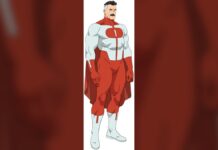
- The Power of the Cape: As AIPT Comics notes, villains often have the most impressive capes. [1] This is a visual shorthand that immediately communicates power, mystery, and a certain theatrical flair. A flowing cape can add a sense of drama and movement to a static image, making a character seem larger than life.

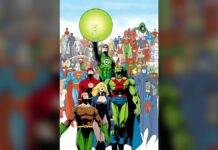
Caption: A visual representation of common comic book tropes, which serve as a shared language between creators and readers. Credit: CBR Source: https://www.cbr.com/10-comics-tropes-we-kinda-love/
The Enduring Power of Tropes
While it’s easy to criticize comic book tropes for being repetitive or illogical, they are an essential part of what makes the medium so enduring. They are the building blocks of a shared universe of stories, a common language that allows readers to instantly connect with new characters and worlds. For a deeper dive into the history of the medium, check out our article on the evolution of comic book art.
From the academic theories of Scott McCloud to the tongue-in-cheek analysis of fan sites, it’s clear that the tropes and techniques of comic book storytelling are a rich and fascinating subject. By understanding this secret language, we can gain a deeper appreciation for the artistry and craftsmanship that goes into every comic book page. And for those interested in the foundational elements of the DC Universe, our explanation of the Speed Force is a must-read.
References
- AIPT Comics: Cliches all the way: A writer’s 10 favorite comic book tropes – https://aiptcomics.com/2020/04/08/cliches-all-the-way-a-writers-10-favorite-comic-book-tropes/
- CBR: Superhero Cliches That Make No Sense – https://www.cbr.com/comic-books-worst-cliches/
- Wikipedia: Understanding Comics – https://en.wikipedia.org/wiki/Understanding_Comics