So, you’ve been bitten by the comic book bug. Whether you’re a lifelong fan of superheroes, a newcomer captivated by the latest blockbuster movie, or someone looking for a new and exciting hobby, comic book collecting can be an incredibly rewarding experience. But where do you even begin? The world of comics can seem vast and intimidating, with its own language, history, and rules. Fear not, future collector! This guide will be your trusty sidekick, leading you through the essential first steps of your comic book collecting journey.
Why Start Collecting Comics?
For many, comic book collecting is a passion project, a way to connect with beloved characters and stories on a deeper level. Holding a piece of comic book history in your hands is a unique thrill. For others, it’s an investment, a tangible asset that can appreciate in value over time. And for some, it’s a nostalgic trip back to childhood, rediscovering the heroes and villains that first captured their imaginations. Whatever your motivation, comic book collecting offers a rich and engaging hobby that can last a lifetime.
Getting Started: Your First Steps
Find Your Focus
The sheer volume of comics out there can be overwhelming. The best way to start is to narrow your focus. Think about what you love. Is it a specific character like Spider-Man or Batman? A team like the X-Men or the Justice League? Or maybe you’re drawn to a particular publisher, like Marvel or DC. You could also focus on a specific genre, like horror, sci-fi, or indie comics. There’s no right or wrong answer here; the goal is to find a starting point that excites you.
Your New Best Friend: The Local Comic Shop (LCS)
While online retailers have their place, nothing beats the experience of visiting a local comic shop. A good LCS is more than just a store; it’s a community hub for fellow fans and a treasure trove of knowledge. The staff can offer personalized recommendations, help you track down specific issues, and introduce you to new and exciting titles you might not have discovered on your own. Don’t be afraid to ask questions; most comic shop employees are passionate about the medium and happy to help newcomers.
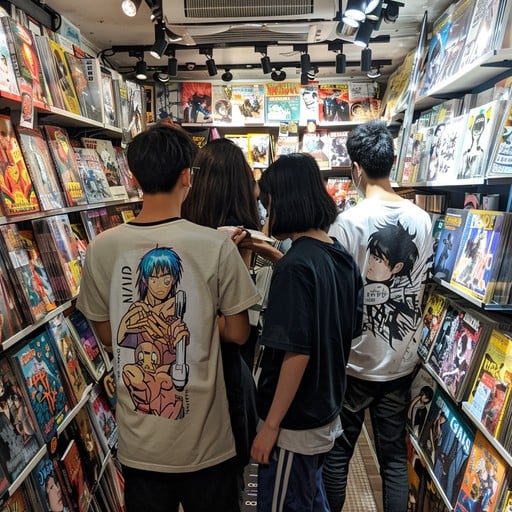 Caption: A local comic shop is a great place to discover new comics and connect with fellow fans. Credit: StockCake Source: https://stockcake.com/
Understanding the Lingo: A Beginner’s Glossary
Like any hobby, comic book collecting has its own unique vocabulary. Here are a few key terms to get you started:
Term | Definition |
|---|---|
Single Issue | The standard, 20-32 page comic book, released serially. |
Trade Paperback (TPB) | A collection of 5-8 single issues, usually a complete story arc. |
Hardcover (HC) | A more durable version of a TPB, often with bonus content. |
Omnibus | A massive hardcover collection of 25+ issues. |
Variant Cover | An alternate cover for a single issue, often by a different artist. |
Key Issue | An issue with a significant event, like a first appearance or death. |
Grading | The process of evaluating a comic book’s condition. |
Slabbing | Encasing a graded comic in a protective plastic case. |
The Art of the Hunt: Where to Buy Comics
Once you have a focus, it’s time to start hunting for comics. Here are some of the best places to look:
- Local Comic Shops: Your first and best resource.
- Online Retailers: Websites like Midtown Comics and Things From Another World are great for new releases.
- Conventions: Comic conventions are a fantastic place to find rare and back issues, and to meet creators.
- Second-hand Markets: eBay and other online marketplaces can be a good source for older comics, but be sure to check seller ratings and return policies.
Condition is King: An Introduction to Comic Book Grading
The value of a comic book is heavily influenced by its condition. Even a small crease or tear can significantly impact its worth. That’s why the concept of grading is so important in the world of comic book collecting.
Why Grading Matters
Grading provides a standardized way to assess a comic’s condition, making it easier for buyers and sellers to agree on a fair price. For serious collectors and investors, professional grading by a third-party service like Certified Guaranty Company (CGC) or Comic Book Certification Service (CBCS) is essential. These companies provide an unbiased evaluation of a comic’s condition and then encapsulate it in a tamper-evident plastic holder, or “slab.”
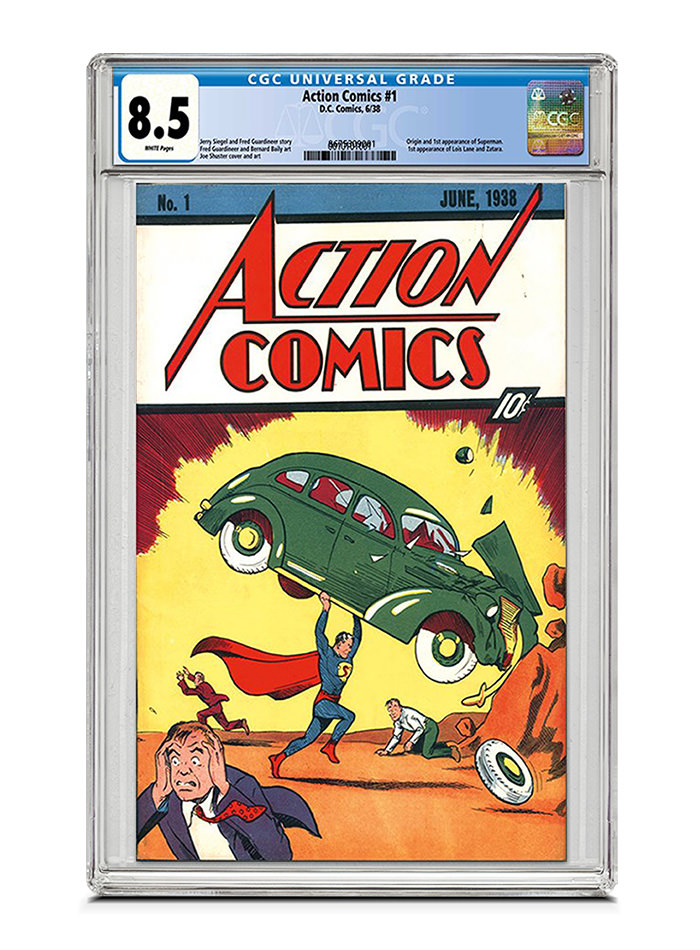 Caption: A CGC graded comic, sealed in a protective slab. Credit: CGC Source: https://www.cgccomics.com/
The Grading Scale Explained
Comics are graded on a 10-point scale, with 10.0 being a flawless, mint-condition comic and 0.5 being a poor, heavily damaged comic. Here’s a simplified breakdown of the scale:
- 10.0 – Gem Mint: A perfect comic.
- 9.0-9.8 – Near Mint: A nearly perfect comic with only very minor imperfections.
- 7.5-8.5 – Very Fine: A comic with minor wear, but still in excellent condition.
- 5.5-7.0 – Fine: A comic with noticeable wear, but still a solid copy.
- 3.5-5.0 – Very Good: A well-read comic with obvious wear.
- 1.8-3.0 – Good: A comic with significant wear, but still complete.
- 0.5-1.5 – Fair/Poor: A heavily damaged comic, possibly with missing pages or large tears.
Protecting Your Investment: Storage and Preservation
Proper storage is crucial for preserving the condition and value of your comics. Here are the essentials:
Bags and Boards
The first line of defense for your comics is a bag and board. The bag protects the comic from dust, dirt, and moisture, while the acid-free board provides support and prevents creasing. This is a simple and inexpensive way to protect your collection.
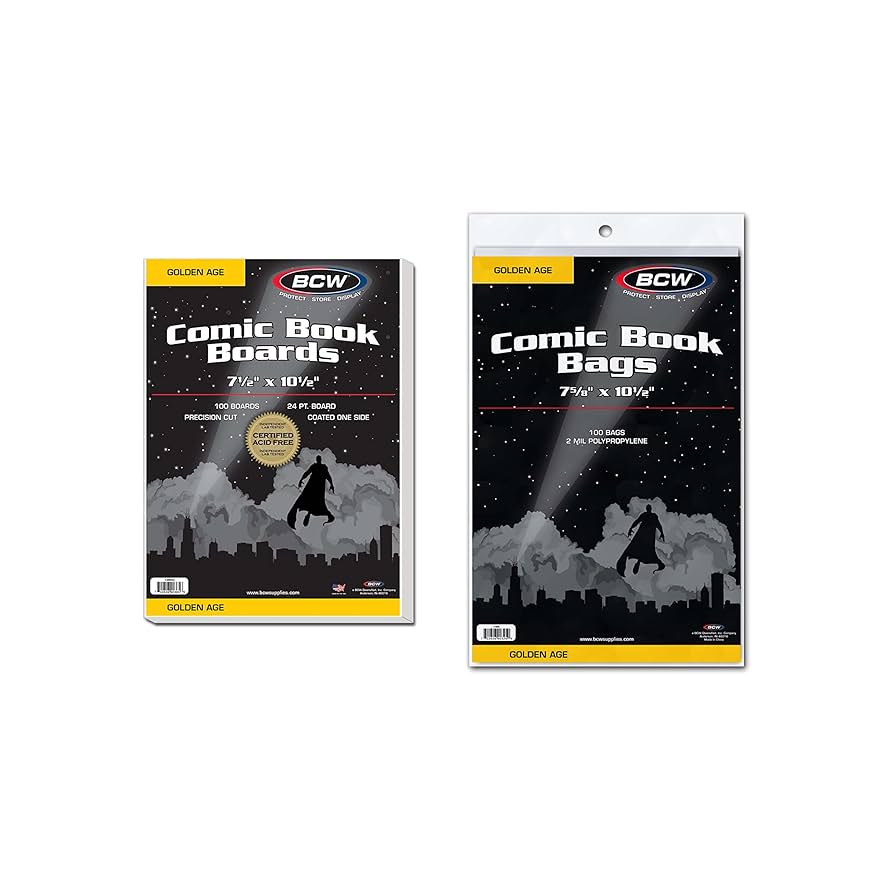 Caption: Bags and boards are essential for protecting your comics. Credit: BCW Source: https://www.bcwsupplies.com/
Comic Book Boxes
For larger collections, you’ll need comic book boxes. These come in two standard sizes: short boxes (holding around 150-200 comics) and long boxes (holding around 200-250 comics). Choose the size that best fits your space and collection size.
Ideal Storage Conditions
Store your comics in a cool, dry, and dark place. Avoid attics and basements, where temperature and humidity can fluctuate. Direct sunlight can also cause colors to fade, so keep your comics out of the sun.
Common Mistakes for New Collectors to Avoid
- Buying for Hype Alone: Don’t just buy a comic because everyone is talking about it. Trends come and go, so focus on collecting what you love.
- Ignoring Condition: As we’ve discussed, condition is everything. Always inspect a comic carefully before buying it.
- Not Setting a Budget: Comic book collecting can be an expensive hobby. Set a budget and stick to it.
- Improper Storage: Don’t let your valuable comics get damaged by improper storage. Invest in quality supplies.
The Big Question: Collecting for Love or Money?
Ultimately, the most successful and fulfilling approach to comic book collecting is to find a balance between passion and investment. Collect the comics you love, but also be mindful of their condition and potential value. If you focus on what you enjoy, you’ll never be disappointed, and you might just find that your passion pays off in the long run.
Happy collecting!
References
- How to Love Comics – https://www.howtolovecomics.com/comic-book-glossary-of-terms/
- Quality Comix – https://www.qualitycomix.com/learn/comic-book-terminology-glossary
- CGC Comics – https://www.cgccomics.com/resources/glossary/