For decades, superhero comics have toyed with death like it’s just another costume change. A hero falls in battle, fans mourn, headlines scream… and then, a few months later, they’re back, often with a shiny new persona. What once shocked readers has now become predictable, and that predictability has real consequences for how we experience these stories.
The Old Rule, Broken Beyond Repair
There used to be a saying in comic circles: “Nobody stays dead except Bucky, Jason Todd, and Uncle Ben.” These were the untouchables — the deaths that defined other heroes’ identities. Uncle Ben gave Peter Parker his moral compass. Bucky haunted Captain America for decades. Jason Todd’s brutal fate at the Joker’s hands pushed Batman to darker places.
But rules in comics are made to be broken. In 2005, Jason Todd came back as Red Hood. That same year, Bucky resurfaced as the Winter Soldier. Suddenly, two of the three pillars of “permanent” death were gone. Only Uncle Ben remains — the last line in the sand.
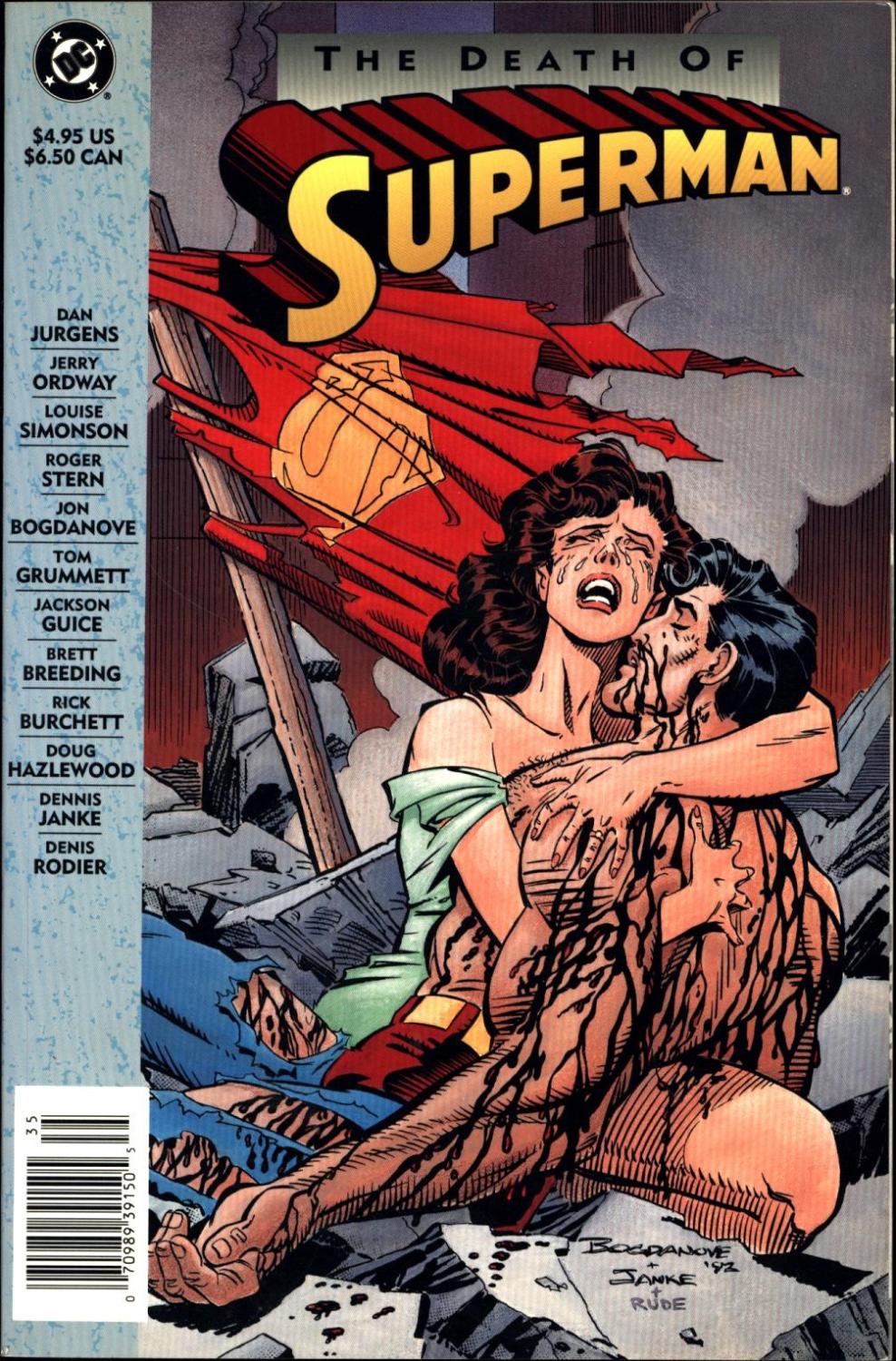 Caption: The Death of Superman trade paperback cover, featuring the iconic storyline that shocked the comic world in 1993. Credit: DC Comics Source: AbeBooks
When Death Mattered
Not every death has been cheapened. Some genuinely shifted the comic landscape:
The Death of Superman (1993)
Perhaps the most famous comic book death of all time, “The Death of Superman” was a cultural event. The image of Superman’s tattered cape flying like a flag of defeat was plastered across newsstands and television screens worldwide. For the first time, it seemed like the Man of Steel was truly gone, sacrificed in a brutal battle with the monster Doomsday. Of course, his death was never intended to be permanent, and he returned a year later, but the storyline remains a landmark moment in comic book history, a testament to the power of a well-told (and well-marketed) death.
The Night Gwen Stacy Died (1973)
Long before Superman’s demise, another death sent shockwaves through the comic book community. In The Amazing Spider-Man #121, Peter Parker’s beloved girlfriend, Gwen Stacy, was thrown from a bridge by the Green Goblin. Spider-Man caught her with a web-line, but the sudden stop snapped her neck. That sickening “snap” sound effect marked the end of an era, the loss of innocence for both Spider-Man and the comic book industry as a whole. Gwen Stacy’s death was a brutal reminder that in the world of superheroes, no one is safe. This event is often cited as the end of the Silver Age of comics and a turning point towards darker, more mature storytelling. You can explore more about the evolution of comic book art from this era.
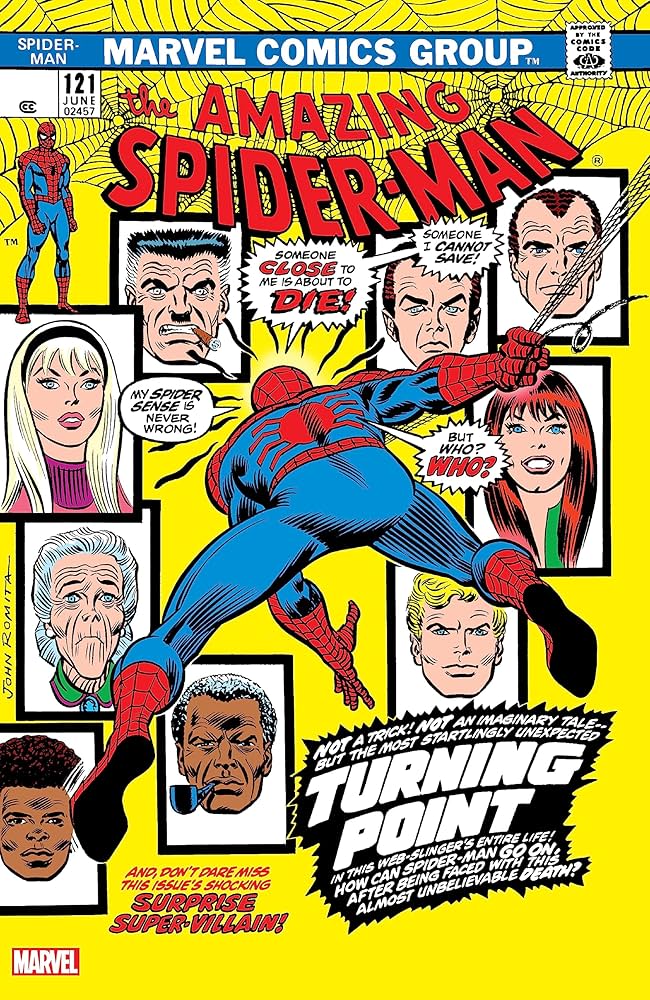 Caption: Amazing Spider-Man #121 facsimile edition cover, the issue that featured Gwen Stacy’s shocking death and changed comics forever. Credit: Marvel Comics Source: Amazon.com
A Death in the Family (1988)
Jason Todd’s death was unique because the fans were the ones who pulled the trigger. In a controversial move, DC Comics set up a 1-900 number and let readers vote on whether the second Robin should live or die. The fans, who had grown tired of Jason’s rebellious and aggressive nature, voted for his death by a narrow margin. The resulting story, “A Death in the Family,” was a brutal and tragic tale that saw the Joker beat Jason with a crowbar before leaving him to die in an explosion. Jason’s death had a profound impact on Batman, pushing him to a darker, more violent place and serving as a constant reminder of his greatest failure. For more on the psychology of supervillains like the Joker, check out our deep dive into the psychology of supervillains.
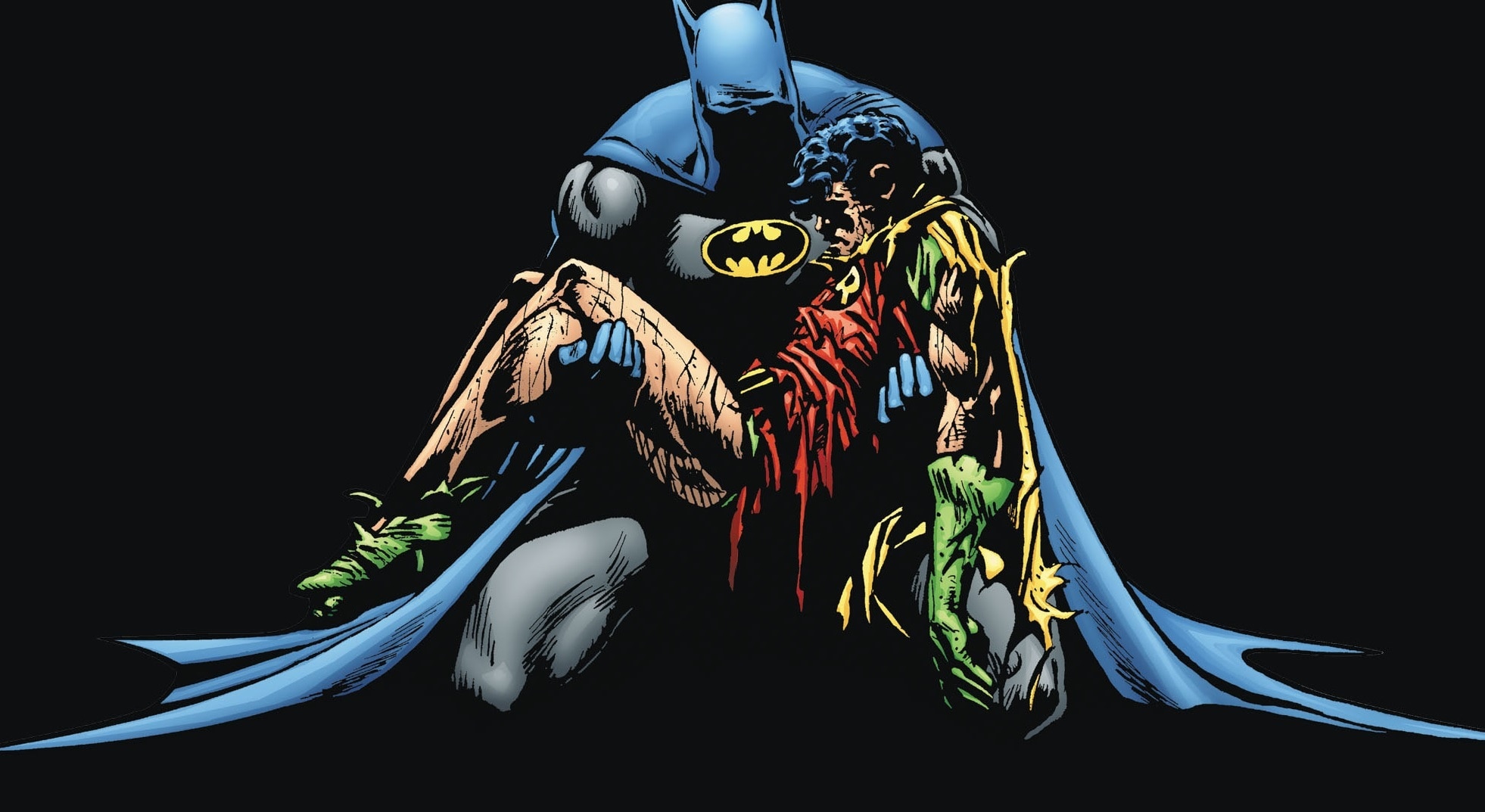 Caption: Promotional artwork from DC Comics showcasing the tragic death of Jason Todd, the second Robin, in “A Death in the Family.” Credit: DC Comics Source: DC Comics
The Revolving Door Problem
So why do comic book characters keep coming back from the dead? The reasons are as varied as the methods of resurrection. From a commercial standpoint, death sells. A major character’s death can lead to a massive spike in sales, and their eventual return can generate even more buzz. As writer Geoff Johns has said, “Death in superhero comics is cyclical in its nature, and that’s for a lot of reasons, whether they are story reasons, copyright reasons, or fan reasons.” [1]
From a storytelling perspective, death can be a powerful tool for exploring themes of loss, grief, and sacrifice. It can also be a way to shake up the status quo, to introduce new characters, and to explore new directions for a series. However, when used too often, it can lose its impact. As Professor X once quipped, “in mutant heaven there are no pearly gates, but instead revolving doors.” [2]
Why Readers Still Care
And yet… we still buy in. We line up for Superman’s funeral, Wolverine’s final battle, Captain America’s assassination. Why? Because when it’s done right, death still delivers gut-punch drama. It forces heroes to evolve, and it forces us to think about loss in a world that otherwise feels untouchable.
The best deaths stick not because a character stays gone, but because they leave scars that can’t be erased. Gwen Stacy doesn’t come back. Uncle Ben doesn’t either. That permanence is rare — and that’s what makes it powerful.
Want the Full Story?
This piece only scratches the surface. If you want the complete breakdown — from Jean Grey’s endless resurrections to the economics of why publishers can’t let heroes stay dead — check out our full guide:
👉 How Superheroes Learned to Cheat Death: The Comic Book Resurrection Trope Explained
References
- Wikipedia – Comic Book Death – https://en.wikipedia.org/wiki/Comic_book_death
- CBR – The Most Memorable & Shocking Comic Book Deaths – https://www.cbr.com/the-most-memorable-shocking-comic-book-deaths/
- Screen Rant – 5 Superheroes Who Actually Stayed Dead (and 5 Who Unfortunately Came Back to Life) – https://screenrant.com/dc-heroes-who-permanently-died-should-have-stayed-dead/