In the sprawling universe of comic books, the line between good and evil has become increasingly blurred. Gone are the days when heroes were purely paragons of virtue, draped in primary colors and unwavering idealism. Today, some of the most compelling figures are the ones who operate in the gray, the morally ambiguous characters known as antiheroes. These complex individuals, from Marvel’s ruthless Punisher to DC’s chaotic Harley Quinn, have captured the imagination of readers worldwide, challenging our traditional notions of what it means to be a hero.
But what exactly makes these flawed characters so popular? The appeal of the antihero lies in their relatability. Unlike the god-like figures of early comics, antiheroes are deeply human, defined by their cynicism, selfishness, and internal conflicts. They reflect our own imperfections and struggles, making their stories resonate on a profoundly personal level. As the comic book landscape has evolved, so has the antihero, mirroring our changing societal values and growing appetite for more sophisticated, character-driven narratives.
What Defines a Comic Book Antihero?
At its core, an antihero is a protagonist who lacks conventional heroic attributes. While a traditional hero is driven by a selfless desire to protect the innocent and uphold justice, an antihero’s motivations are often far more personal and murky. They may fight for what’s right, but their methods are frequently questionable, often involving violence, coercion, or a complete disregard for the law. This moral ambiguity is the cornerstone of the antihero archetype, creating a fascinating tension between their noble goals and their often-dark actions.
These characters are not villains; they typically fight on the side of good, but they do so on their own terms. According to Rippaverse, antiheroes blur the lines between good and evil, operating outside traditional boundaries and challenging the status quo. This unpredictability keeps readers on the edge of their seats, never quite sure what an antihero will do next.
Key Characteristics of an Antihero:
Characteristic | Description |
|---|---|
Moral Ambiguity | They operate in a gray area, often making questionable decisions to achieve their goals. |
Flawed & Relatable | They possess human flaws like cynicism, selfishness, and emotional vulnerability, making them more relatable than perfect heroes. |
Personal Motives | Their actions are often driven by personal trauma, revenge, or a skewed sense of justice rather than pure altruism. |
Unconventional Methods | They are willing to use violence, kill, or break the law to achieve what they believe is right. |
Internal Conflict | Many antiheroes grapple with their own dark nature, constantly battling the monster within. |
The Evolution of the Antihero Through the Comic Book Ages
The rise of the antihero wasn’t an overnight phenomenon. It was a gradual evolution, reflecting the changing tastes and cultural shifts of the past several decades. From the straightforward heroism of the Golden Age to the gritty realism of the Modern Age, the concept of the hero has been continually redefined.
The Golden and Silver Ages: The Era of Idealism
In the early days of comics, heroes were simple and aspirational. Characters like Superman and Captain America were created as symbols of hope and patriotism, embodying truth, justice, and the American way. They were morally infallible, their purpose clear and their methods clean. There was little room for moral grayness in this era of black-and-white heroism.
The Bronze Age: The Seeds of Change
The 1970s marked a turning point. As society grew more cynical and disillusioned in the wake of the Vietnam War and the Watergate scandal, so did its heroes. This era saw the birth of characters who were edgier, more conflicted, and willing to challenge authority. As noted by Comic Basics, this is when characters like The Punisher first appeared, a vigilante who met crime with lethal force, a stark contrast to the heroes who came before him. Wolverine also emerged during this period, a hero with a brutal nature and a mysterious, troubled past.
The Modern Age: The Antihero Takes Center Stage
The 1980s and 1990s were a pivotal time for the antihero. The industry embraced darker, more mature themes, and characters who were once considered villains or sidekicks were reimagined as complex protagonists. Frank Miller’s work on The Dark Knight Returns presented a grim, brutal Batman, while Alan Moore’s Watchmen deconstructed the very idea of the superhero. This era gave rise to characters like Spawn, a hellish creature battling for his soul, and Venom, a once-villainous symbiote who became a lethal protector.
Today, antiheroes are more popular than ever. Characters like Deadpool and Harley Quinn have become pop culture icons, beloved for their humor, unpredictability, and rejection of traditional heroism. They represent the full maturation of the comic book medium, proving that stories about flawed, morally complex characters can be just as compelling—if not more so—than tales of perfect heroes.
Iconic Antiheroes Who Redefined the Genre
While countless antiheroes have graced the pages of comic books, a few stand out for their lasting impact and genre-defining legacies. These are the characters who broke the mold and paved the way for the complex heroes we know today.
The Punisher: The Original Lethal Vigilante
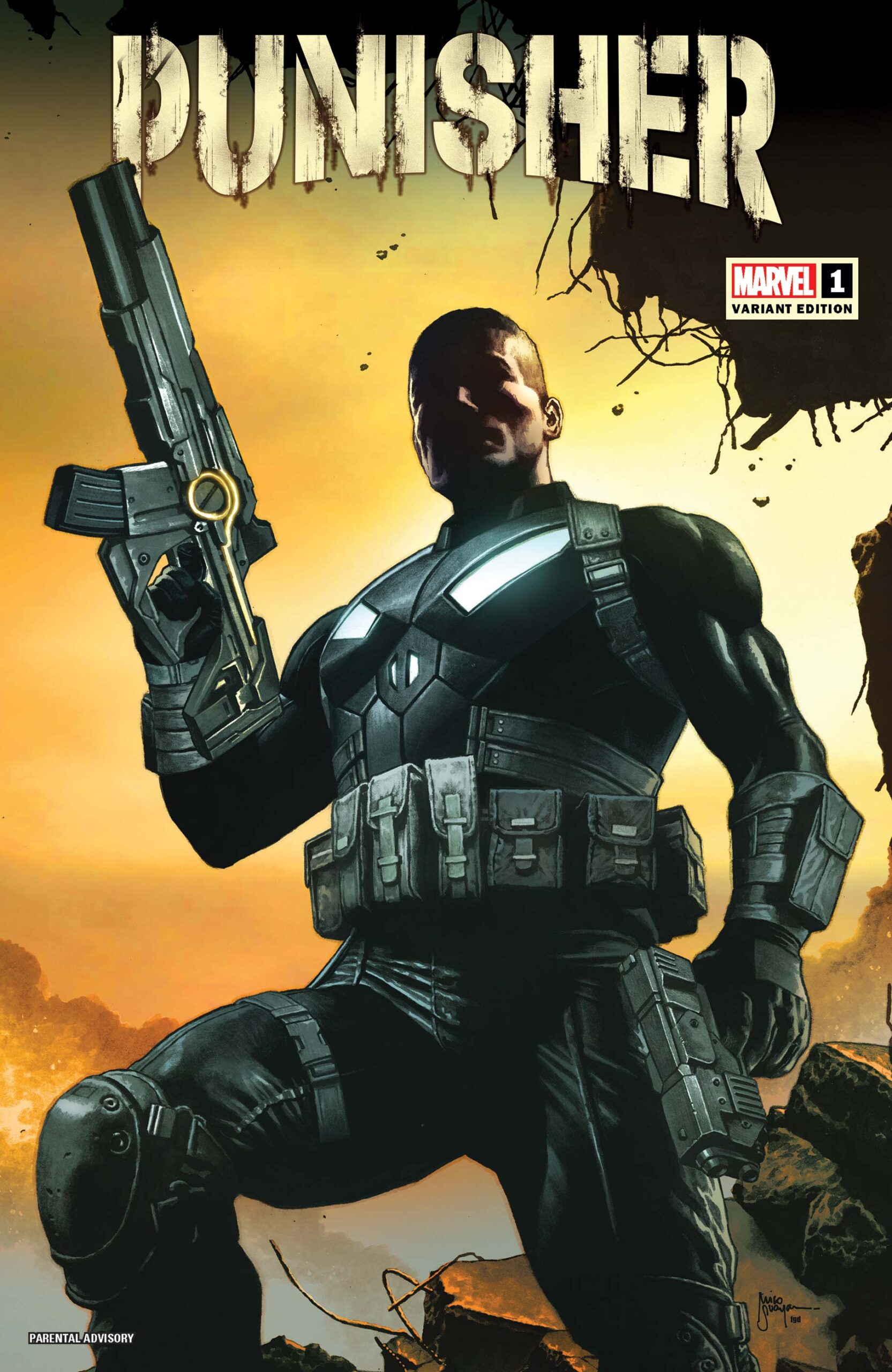 Caption: The Punisher represents one of Marvel’s most iconic antiheroes, using lethal force in his war on crime.
Credit: Marvel Comics
Source: https://www.marvel.com/comics/issue/109004/punisher_2023_1
Caption: The Punisher represents one of Marvel’s most iconic antiheroes, using lethal force in his war on crime.
Credit: Marvel Comics
Source: https://www.marvel.com/comics/issue/109004/punisher_2023_1
Frank Castle is arguably the quintessential comic book antihero. A former Marine whose family was brutally murdered by the mob, he wages a one-man war on crime, not with the aim of bringing criminals to justice, but of ending them permanently. First appearing in 1974, The Punisher was a shocking departure from Marvel’s other heroes. He doesn’t have superpowers; he has weapons, tactical genius, and an unyielding commitment to his mission. His story is not one of hope, but of vengeance, and his methods, while brutal, are presented with a chilling logic that makes readers question where the line between justice and revenge truly lies. The Punisher’s enduring popularity speaks to a deep-seated desire for a form of justice that is as ruthless as the criminals it targets.
Wolverine: The Savage Hero
With his gruff demeanor, razor-sharp claws, and a past shrouded in mystery, Wolverine is one of Marvel’s most famous antiheroes. He is a key figure in the X-Men, a team of mutant heroes fighting for a world that fears and hates them. Logan’s internal conflict is central to his character: the struggle between his feral, animalistic nature and his desire to be a better man. He’s a killer who longs for peace, a loner who craves family. This duality makes him incredibly compelling. Unlike many of his fellow X-Men, Wolverine is not afraid to use lethal force, believing that some enemies don’t deserve mercy. This willingness to cross lines that other heroes won’t is a defining trait of his antihero status.
Deadpool: The Merc with a Mouth
Breaking the fourth wall and the mold of traditional heroes, Deadpool is an antihero unlike any other. Wade Wilson is a wisecracking mercenary with a healing factor that makes him nearly unkillable and a complete lack of sanity. His humor, self-awareness, and constant pop culture references have made him a fan favorite. While he often finds himself on the side of the angels, his motivations are almost always selfish, usually involving money, revenge, or chimichangas. Deadpool’s stories are a satirical take on the superhero genre itself, and his unpredictable nature means you never know if he’s going to save the day or make things hilariously worse. His popularity proves that audiences are hungry for heroes who don’t take themselves too seriously.
Harley Quinn: From Sidekick to Superstar
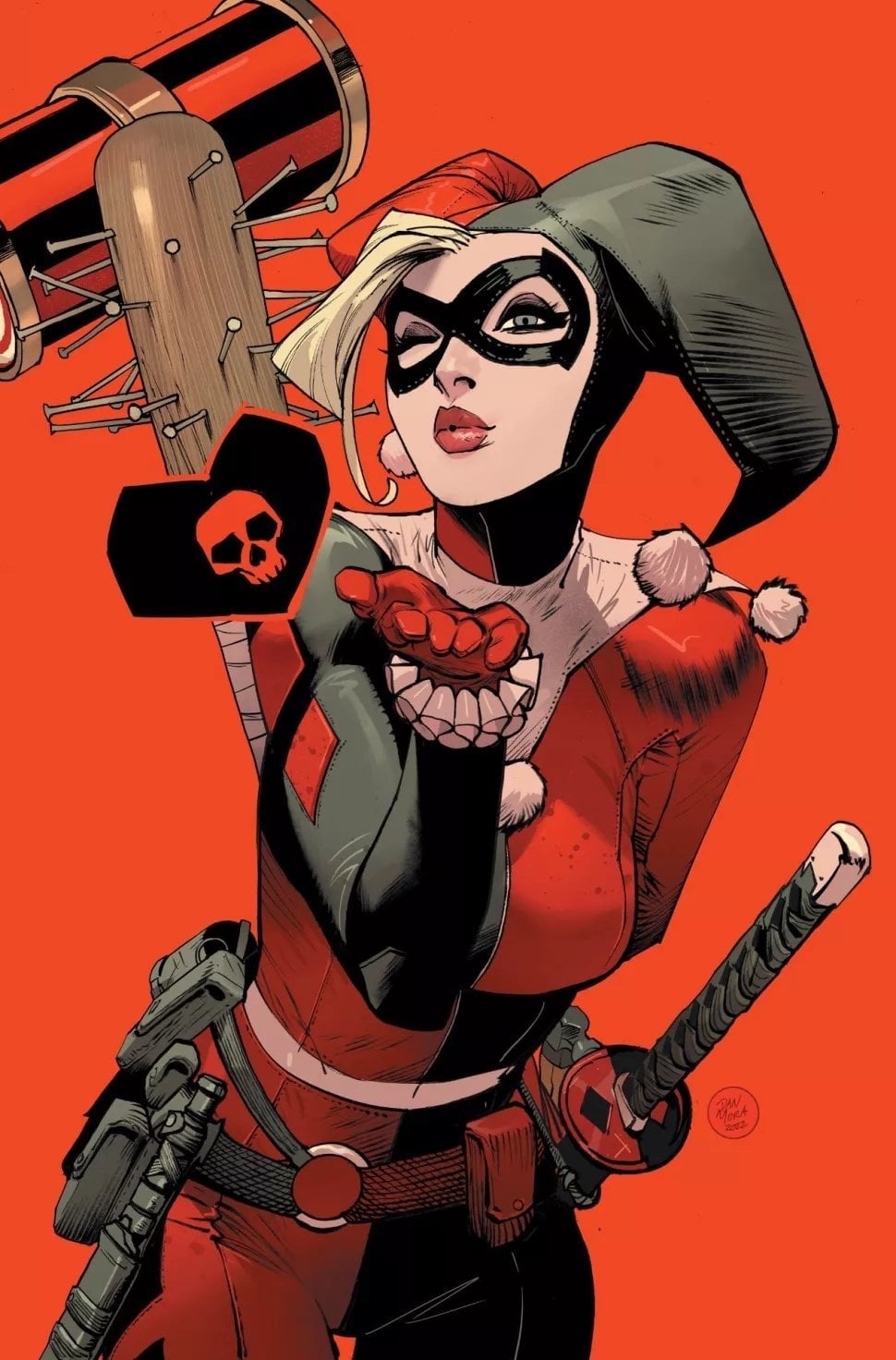 Caption: Harley Quinn evolved from Joker’s sidekick to one of DC’s most popular antiheroes.
Credit: DC Comics / Dan Mora (Cover Artist)
Source: Reddit r/DCcomics – Harley Quinn #28 1:25 Variant Cover by Dan Mora
Caption: Harley Quinn evolved from Joker’s sidekick to one of DC’s most popular antiheroes.
Credit: DC Comics / Dan Mora (Cover Artist)
Source: Reddit r/DCcomics – Harley Quinn #28 1:25 Variant Cover by Dan Mora
Few characters have had a more transformative journey than Harley Quinn. Originally created as The Joker’s quirky, abused sidekick for Batman: The Animated Series, Dr. Harleen Quinzel has since broken free from her toxic relationship to become one of DC Comics’ most popular and complex characters. Harley’s brand of antiheroism is one of chaotic liberation. She’s unpredictable, violent, and often guided by a skewed moral compass, but she also possesses a deep capacity for empathy and a fierce loyalty to her friends. Her journey from a villain’s moll to an independent antihero is a powerful story of self-empowerment that has resonated deeply with fans, particularly female readers. Her story is a fascinating look into the psychology of supervillains and their potential for redemption.
The Enduring Appeal of the Antihero
So why do we continue to be fascinated by these dark, complicated characters? The answer is simple: they feel real. In a world that is often messy and morally complex, the black-and-white heroism of characters like Superman can feel outdated. Antiheroes, with their flaws and struggles, offer a more honest reflection of the human condition. They grapple with the same darkness and temptations that we all face, and their stories acknowledge that doing the right thing is not always easy or clean. The question of why superheroes never stay dead is a common trope, but for antiheroes, their metaphorical deaths and rebirths are often tied to their internal moral struggles.
Antiheroes challenge us to think more critically about our own definitions of right and wrong. They force us to ask difficult questions: Does the end justify the means? Is it okay to do a bad thing for a good reason? There are no easy answers, and it is in this moral gray area that the most compelling stories are often found. As long as there is a darkness in the world, there will be a place for the antiheroes who are willing to fight it on its own terms.
References
- Rippaverse. (2024, October 11). The Rise of the Anti-Hero in Comics. https://rippaverse.com/the-rise-of-the-anti-hero-in-comics/
- Comic Basics. (2025, March 20). The Rise of Anti-Heroes in Comics: From Punisher to Deadpool. https://www.comicbasics.com/the-rise-of-anti-heroes-in-comics-from-punisher-to-deadpool/
- CBR. (2025, July 8). The 45 Greatest Anti-Heroes In Marvel Comics. https://www.cbr.com/best-anti-heroes-marvel-comics-deadpool-punisher/