In the sprawling, four-color world of comic books, some moments are simply unforgettable. They’re the explosive, heart-wrenching, and awe-inspiring panels that have defined characters, launched genres, and left an indelible mark on pop culture. These aren’t just drawings on a page; they’re carefully crafted frames of sequential art that tell a story with the punch of a superhero’s fist. From the Golden Age of heroes to the gritty deconstructions of the Modern Age, these iconic comic book panels have shaped the industry and captured the imaginations of fans for generations.
What makes a single comic panel so powerful? It’s the perfect marriage of art and text, a visual shorthand that can convey a universe of meaning in one frozen moment. It might be a hero’s triumphant debut, a villain’s shocking act of cruelty, or a quiet, character-defining choice that resonates with readers for decades. These are the images that get referenced, homaged, and parodied across all forms of media, from blockbuster films to Saturday morning cartoons. They’re the DNA of modern mythology, the visual language of heroism and villainy.
In this deep dive, we’re exploring 15 of the most iconic comic book panels that changed everything. We’ll look at the stories behind these images, their impact on the industry, and why they continue to endure. So grab your longboxes and get ready to revisit the moments that made us believe a man could fly, that with great power comes great responsibility, and that even in the darkest of times, there’s always hope.
1. The Birth of a Hero: Superman Lifts a Car (Action Comics #1, 1938)
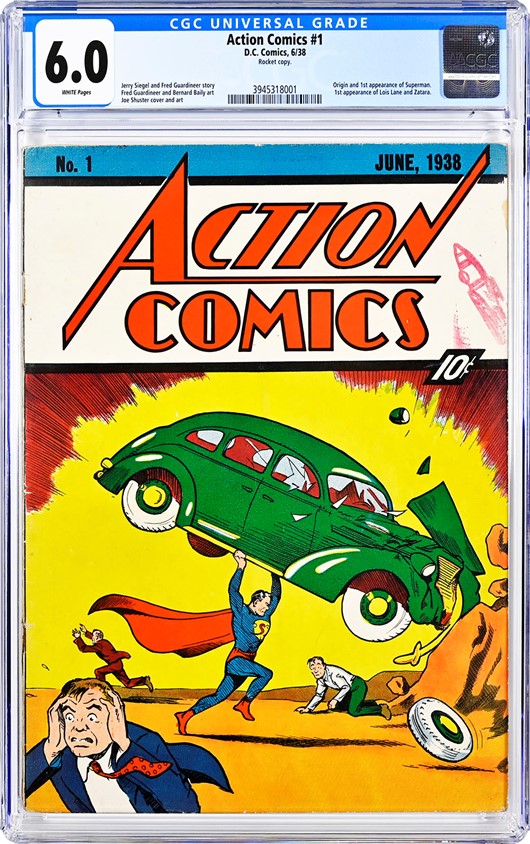
Caption: The cover of Action Comics #1, featuring Superman’s first appearance, is one of the most iconic images in comic book history.
Credit: DC Comics
Source: CGC Comics
It’s impossible to talk about iconic comic book panels without starting here. The cover of Action Comics #1 is more than just a comic book cover; it’s a declaration of a new mythology. A man in a strange blue costume with a red cape, effortlessly lifting a car over his head while criminals flee in terror. This single image, drawn by Joe Shuster, introduced the world to Superman and, in doing so, created the superhero genre as we know it. Before this, the heroes of pulp magazines were detectives, adventurers, or masked vigilantes. But Superman was something new, something different. He was a being of immense power, a champion of the oppressed, and the first of his kind.
The panel is a masterclass in visual storytelling. It immediately communicates Superman’s incredible strength and his role as a protector of the innocent. The dynamic composition, with the car held aloft and the terrified figures running for their lives, is pure pulp energy. It’s a scene that has been homaged and parodied countless times, a testament to its enduring power. The first appearance of Superman in Action Comics #1 is not just an iconic comic book moment; it’s a pivotal moment in 20th-century pop culture. It’s the panel that launched a thousand heroes and created an industry.
2. The World’s Greatest Comic Magazine: The Fantastic Four Erupt into Action (Fantastic Four #1, 1961)
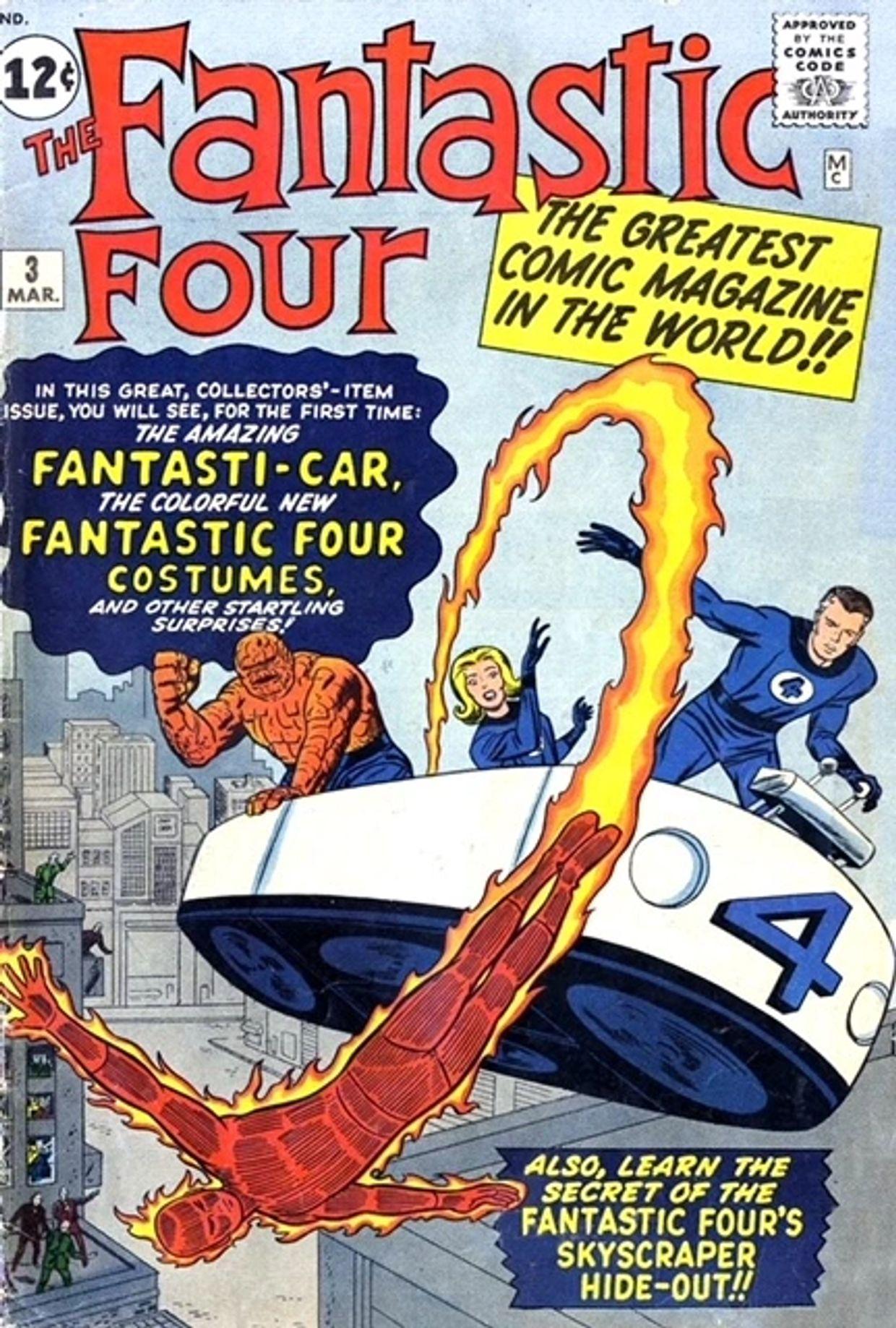
Caption: The cover of Fantastic Four #1, heralding the start of the Marvel Age of Comics.
Credit: Marvel Comics
Source: Marvel
If Action Comics #1 was the birth of the superhero, then Fantastic Four #1 was the start of the Marvel Revolution. In the early 1960s, Stan Lee and Jack Kirby were tasked with creating a superhero team to compete with DC Comics’ Justice League. What they came up with was something entirely new: a family of adventurers who bickered, held grudges, and struggled with their powers in a way that felt refreshingly human. The cover of Fantastic Four #1 is a chaotic explosion of action that perfectly captures the team’s dynamic. A monstrous, rocky creature (The Thing) bursts through the street, a human torch (The Human Torch) flies overhead, an invisible woman (Invisible Girl) appears out of nowhere, and a stretchy man (Mr. Fantastic) wraps himself around the monster.
This wasn’t a team of stoic, god-like heroes; this was a dysfunctional family with superpowers. The cover of Fantastic Four #1 is a mission statement for the Marvel Age of Comics. It’s a promise of action, adventure, and, most importantly, character. It’s the moment that Marvel stopped being a follower and became a leader, and it’s a panel that still crackles with the energy of a new creation.
3. The Night Gwen Stacy Died: Spider-Man’s Greatest Failure (The Amazing Spider-Man #121, 1973)
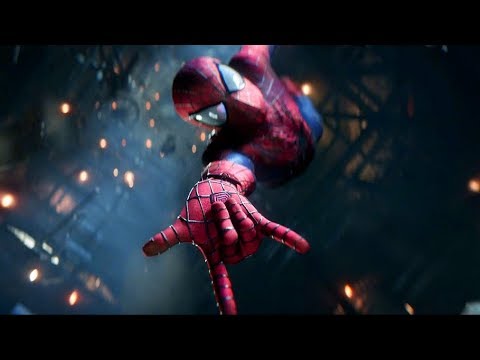
Caption: The tragic death of Gwen Stacy in The Amazing Spider-Man #121, a moment that haunted Spider-Man for years.
Credit: Marvel Comics
Source: Marvel
There are moments in comics that are so shocking, so unexpected, that they change the landscape forever. The death of Gwen Stacy is one of those moments. In The Amazing Spider-Man #121, the Green Goblin throws Peter Parker’s girlfriend, Gwen Stacy, from the top of the George Washington Bridge. Spider-Man, in a desperate attempt to save her, shoots a web line and catches her by the ankle. But the sudden stop snaps her neck. The small “snap” sound effect next to Gwen’s head is one of the most chilling and effective uses of lettering in comic book history. It’s a quiet, understated moment of horror that has haunted Spider-Man and his fans for decades.
This wasn’t a fake-out or a dream sequence. Gwen Stacy was dead, and it was arguably Spider-Man’s fault. This was a turning point for the character and for the comic book industry as a whole. It was a sign that comics were growing up, that the stakes were real, and that even heroes couldn’t always save the day. The death of Gwen Stacy is a moment of profound tragedy that has been revisited and reinterpreted in countless comics, films, and television shows. It’s a testament to the enduring power of a single, heartbreaking panel.
4. “I Will Break You!”: Bane Shatters the Bat (Batman #497, 1993)
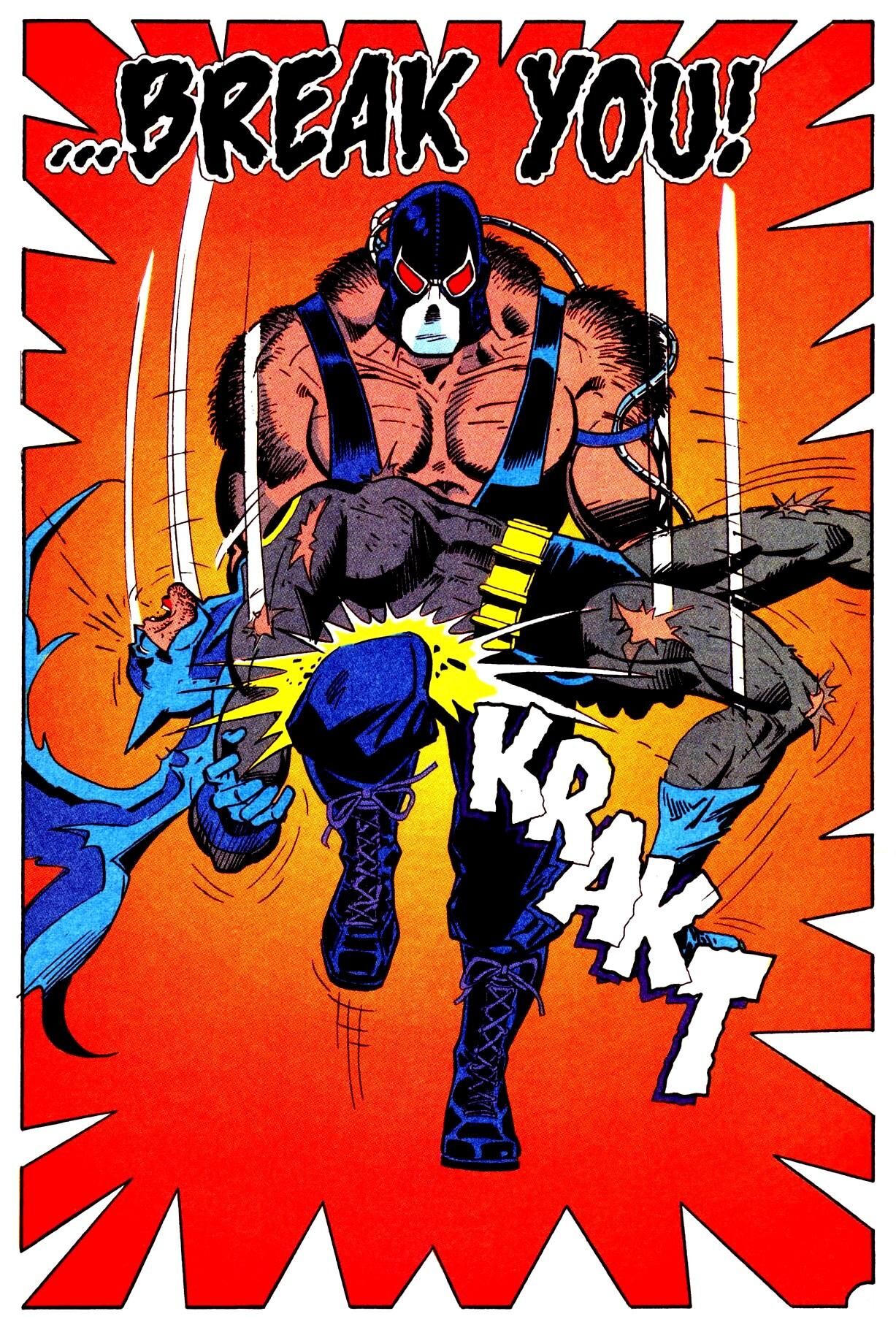
Caption: The infamous panel from Batman #497 where Bane breaks Batman’s back, a moment that defined the “Knightfall” storyline.
Credit: DC Comics
Source: DC Comics
In the early ’90s, Batman was at the height of his popularity, but the creative team at DC Comics wanted to do something drastic to shake up the status quo. Enter Bane, a new villain who was not only a physical match for the Dark Knight but also a brilliant strategist. In the culmination of the “Knightfall” storyline, Bane orchestrates a mass breakout from Arkham Asylum, forcing Batman to spend months rounding up his rogues’ gallery. Exhausted and pushed to his physical and mental limits, Batman returns to Wayne Manor to find Bane waiting for him. The ensuing fight is brutal and one-sided. Bane, fresh and powerful, toys with the weakened Batman before lifting him over his knee and, with a chilling declaration of “I will break you!”, shatters his spine.
The image of Batman, broken and defeated, is one of the most shocking in the character’s history. It was a moment that seemed impossible, a hero who had always been the pinnacle of human achievement, utterly destroyed. The panel, drawn by Jim Aparo, is a masterpiece of brutal simplicity. The raw power of Bane, the helpless form of Batman, and the sickening “KRAKT!” sound effect combine to create a moment of pure, visceral horror. This wasn
5. The Ultimate Sacrifice: The Flash Fades Away (Crisis on Infinite Earths #8, 1985)
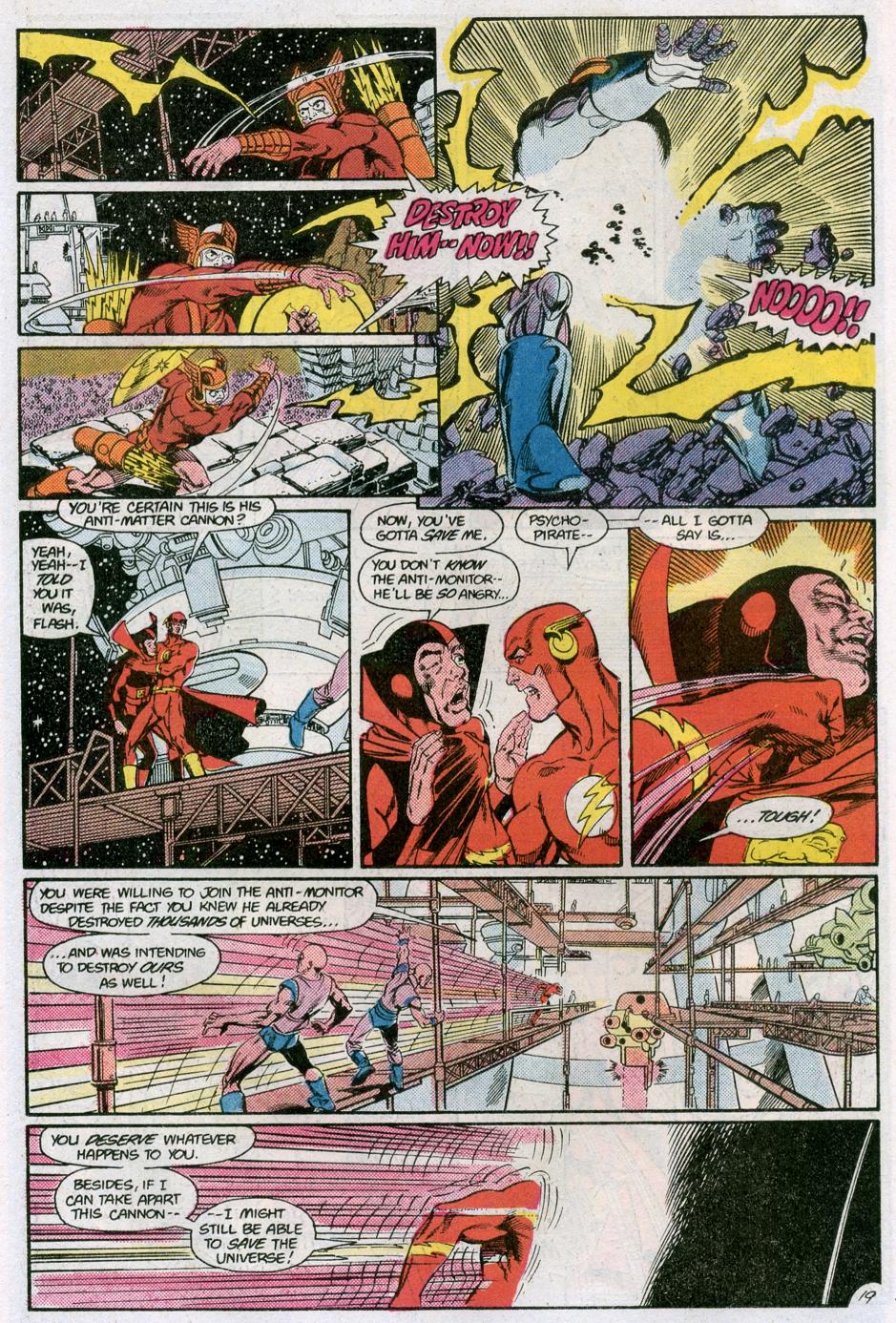
Caption: The Flash (Barry Allen) makes the ultimate sacrifice in Crisis on Infinite Earths #8, a moment that defined the first comic book mega-event.
Credit: DC Comics
Source: Mars Will Send No More
Crisis on Infinite Earths was a massive, 12-issue series that promised to change the DC Universe forever, and it delivered. The story saw the multiverse threatened by the Anti-Monitor, a being of immense power who was systematically destroying Earths. In the eighth issue, the Flash (Barry Allen) confronts the Anti-Monitor and, in a desperate act of heroism, runs so fast that he creates a vortex that draws in the Anti-Monitor’s anti-matter energy, destroying his cannon but also pulling Barry into the Speed Force, seemingly erasing him from existence.
The sequence, drawn by the legendary George Pérez, is a stunning display of comic book artistry. The panels show Barry running faster and faster, his body literally disintegrating as he pushes himself beyond his limits. The final image of the Flash’s empty costume is a haunting and powerful symbol of his sacrifice. This was a death that mattered. It was the first time a major, Silver Age hero had been killed off and stayed dead for a significant period of time (over 20 years). The death of the Flash in Crisis on Infinite Earths set the standard for heroic sacrifices in comics and remains one of the most emotional and impactful moments in DC history.
For more on the history of comics, check out our article on the evolution of comic book art.
6. The Dark Knight Returns: Superman vs. Batman (The Dark Knight Returns #4, 1986)

Source: ebay.com
Frank Miller’s The Dark Knight Returns redefined Batman for a new generation, presenting an older, grittier version of the character in a dystopian future. The climactic battle between Batman and Superman in issue #4 features one of the most iconic panels in comic book history: Batman, in his massive armored suit, delivering a crushing blow to Superman while declaring “I want you to remember, Clark… in all the years to come… in your most private moments… I want you to remember the one man who beat you.” This panel encapsulates the philosophical divide between DC’s two greatest heroes and has been referenced countless times in comics, animation, and film.
7. The Killing Joke: “One Bad Day” (Batman: The Killing Joke, 1988)

Source: wikipedia.org
Alan Moore and Brian Bolland’s The Killing Joke gave us one of the most chilling villain monologues in comic history. The Joker’s philosophy that “all it takes is one bad day to reduce the sanest man alive to lunacy” is accompanied by haunting imagery of his transformation from failed comedian to the Clown Prince of Crime. The panel showing the Joker’s maniacal grin as he explains his worldview has become synonymous with the character’s chaotic evil and psychological complexity.
8. Watchmen: The Comedian’s Button (Watchmen #1, 1986)
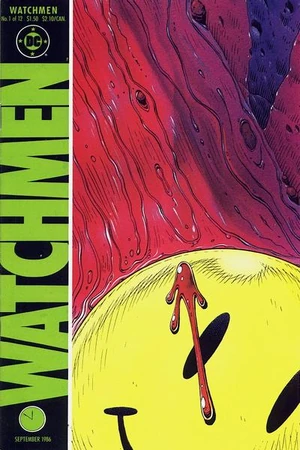
Source: DC Database Fandom
The blood-stained smiley face button from Watchmen is perhaps the most recognizable symbol in all of comics. This simple image, introduced in the opening pages of Alan Moore and Dave Gibbons’ masterpiece, serves as both a literal clue to the Comedian’s murder and a metaphor for the dark underbelly of superheroism. The juxtaposition of the cheerful smiley face with the splash of blood perfectly encapsulates the series’ deconstruction of the superhero myth.
9. X-Men: Days of Future Past – The Sentinel Future (Uncanny X-Men #141, 1981)
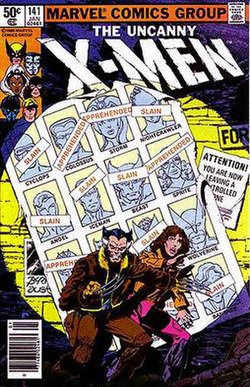
Source: wikipedia.org
John Byrne’s cover for Uncanny X-Men #141 shows a dystopian future where mutants are hunted by giant robots called Sentinels. The image of Wolverine, Storm, and Colossus’ graves marked with “SLAIN” while Kitty Pryde and an older Wolverine look on in despair became an instant classic. This single image launched one of the most influential X-Men storylines ever, inspiring multiple adaptations including a major motion picture.
10. The Death of Superman: “Doomsday!” (Superman #75, 1992)

Source: wikipedia.org
The death of Superman was a media sensation that transcended comics, and the image of Lois Lane cradling Superman’s lifeless body became an instant icon. The panel, reminiscent of Michelangelo’s Pieta, showed that even the most powerful being on Earth was mortal. The black armband with Superman’s “S” shield that appeared on the cover became a symbol of mourning that was recognized worldwide.
11. Spider-Man No More: The Costume in the Trash (The Amazing Spider-Man #50, 1967)
![Back Issues [Spidey Month]: The Amazing Spider-Man #50 – Dr. K's Waiting Room](https://drkwaitingroom.com/wp-content/uploads/2022/01/spideynomoreheader.png?w=733)
Source: drkwaitingroom.com
One of the most powerful images in Spider-Man’s history shows Peter Parker walking away from a trash can containing his Spider-Man costume, having decided to give up his heroic identity. The panel, drawn by John Romita Sr., captures the weight of responsibility that Peter carries and his very human desire to live a normal life. This image has been homaged numerous times, including in Spider-Man 2 (2004), and represents the eternal struggle between Peter Parker and Spider-Man.
If you’re interested in the psychology of superheroes, read our article on the psychology of supervillains.
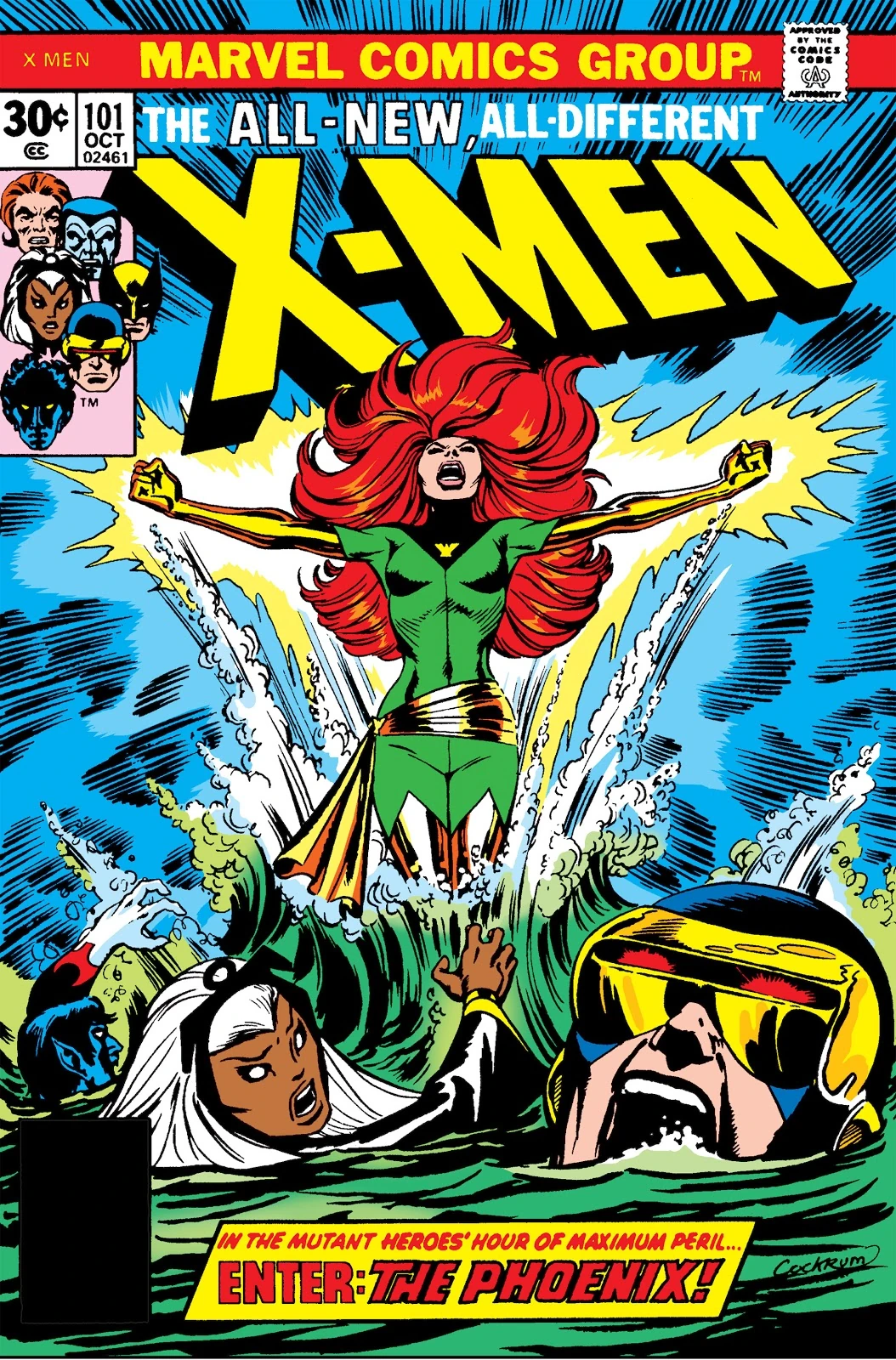
12. The Phoenix Rises: Jean Grey’s Transformation (X-Men #101, 1976)
Source: https://marvel.fandom.com
The emergence of the Phoenix from the waters of Jamaica Bay is one of the most dramatic character transformations in comic history. Dave Cockrum’s artwork shows Jean Grey rising from the depths, reborn as the cosmically powerful Phoenix, declaring “Hear me, X-Men! No longer am I the woman you knew! I am fire! And life incarnate! Now and forever, I am Phoenix!” This moment launched one of the most beloved and tragic storylines in X-Men history.
13. Galactus Arrives: The Devourer of Worlds (Fantastic Four #48, 1966)

Source: wikipedia.org
Jack Kirby’s introduction of Galactus in Fantastic Four #48 redefined what a comic book villain could be. The full-page reveal of the World Devourer, towering over New York City in his distinctive purple and blue costume, showed readers a threat unlike any they had seen before. This wasn’t a criminal or a madman; this was a force of nature, a cosmic entity for whom Earth was merely another meal. Kirby’s “King-sized” artwork perfectly conveyed the scale and majesty of this ultimate threat.
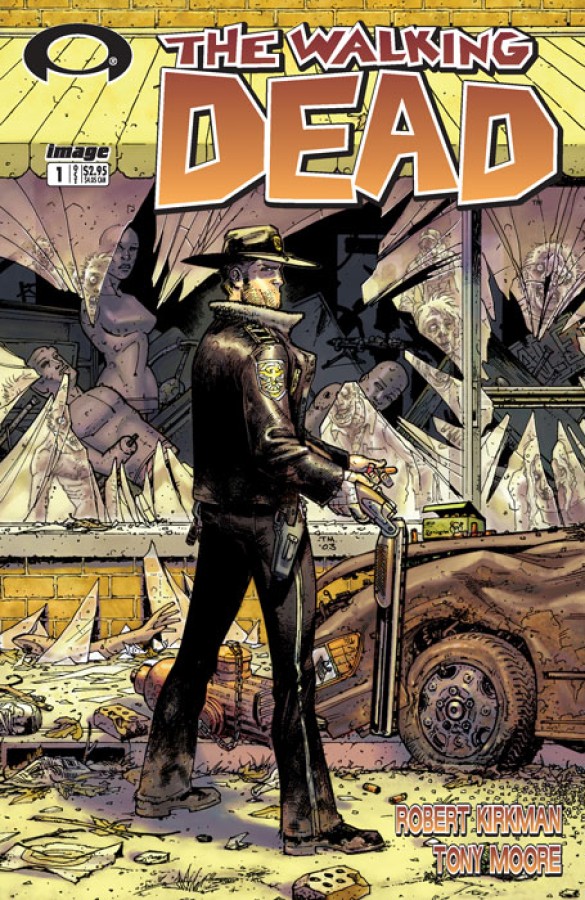
14. The Walking Dead: Rick’s Awakening (The Walking Dead #1, 2003)
Source: https://imagecomics.com
Robert Kirkman and Tony Moore’s The Walking Dead began with a simple but effective image: police officer Rick Grimes waking up in a hospital bed, unaware that the world has ended. The panel of Rick stumbling through the abandoned hospital, calling out “Hello? Is anyone there?” established the tone for what would become one of the most successful comic series of the 21st century and spawned a multimedia franchise.
15. Saga: The Birth of Hazel (Saga #1, 2012)

Source: Goodreads.com
Brian K. Vaughan and Fiona Staples’ Saga opened with one of the most unconventional first panels in comic history: the birth of the narrator, Hazel, accompanied by her first words: “Am I shitting? It feels like I’m shitting!” This irreverent, honest approach to storytelling immediately set Saga apart from other comics and established it as a series that would tackle mature themes with humor and heart. The image of new life beginning in the midst of an intergalactic war perfectly encapsulates the series’ central theme of love conquering all.
The Panels That Made Us
These are just a few of the many iconic comic book panels that have shaped the industry and captured the hearts of fans. From the birth of the superhero to the death of a beloved character, these moments demonstrate the unique power of sequential art to tell stories that are both epic and intimate. They are a testament to the creativity and vision of the writers and artists who have dedicated their lives to this medium. And they are a reminder that, sometimes, a single image can change everything.
What are your favorite iconic comic book panels? Let us know in the comments below!
References
- CBR Community. (2016, September 12). The Greatest Pages/Panels In Comic Book History. https://community.cbr.com/threads/the-greatest-pages-panels-in-comic-book-history.85325/
- WhatCulture. (2014, May 2). 20 Most Powerful Comic Book Panels Of All Time. https://whatculture.com/comics/20-powerful-comic-book-panels-time
- Previews World. (2023, February 3). Ten Most Impactful Moments in Comic Book History. https://previewsworld.com/Article/266592-Ten-Most-Impactful-Moments-in-Comic-Book-History