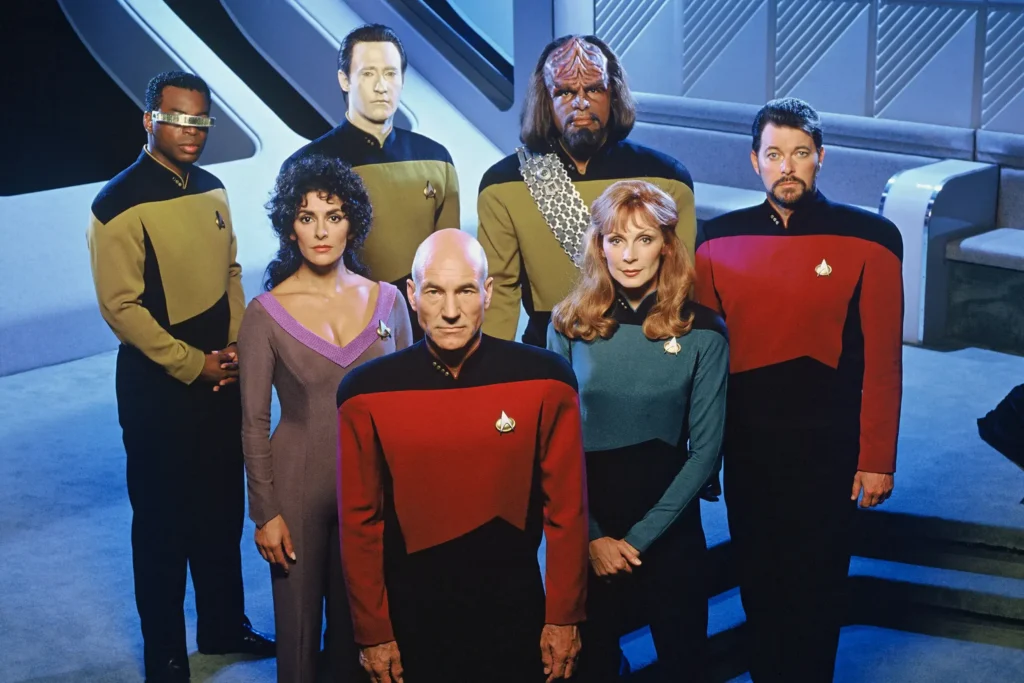
Star Trek isn’t just science fiction—it’s a blueprint for human ambition. For more than 50 years, the franchise has tossed out wild ideas about communicators, warp drives, and holodecks. Here’s the kicker: many of those “impossible” inventions are already shaping the tech we use today. From smartphones to AI assistants, Star Trek didn’t just predict the future—it inspired it.
Boldly Going From Fiction to Reality
Smartphones: From Communicators to Pocket Supercomputers
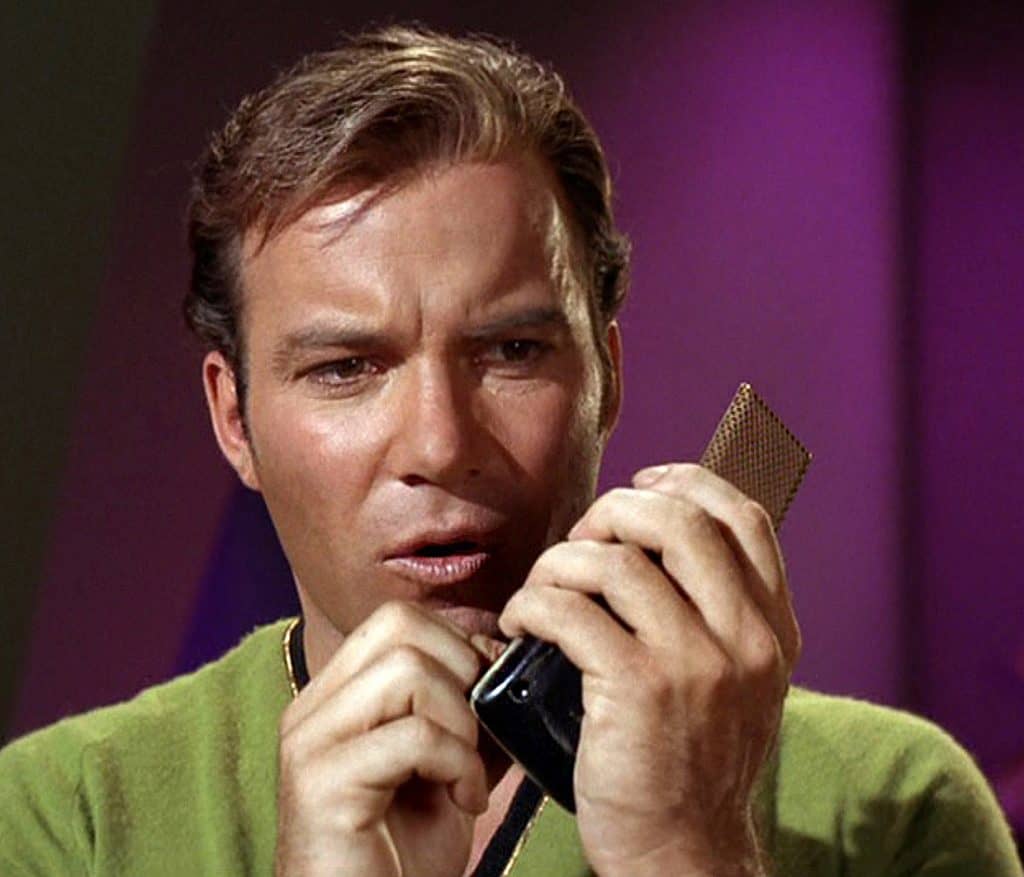
Captain Kirk’s flip-open communicator wasn’t just a prop—it became the seed for modern cell phones. Martin Cooper, the engineer credited with inventing the first handheld cell phone in 1973, admitted he was inspired by Star Trek. That little gold flip-top device didn’t just look cool—it redefined how audiences imagined communication across distance.
Fast forward to today: we don’t just have communicators. We have smartphones that put tricorder-level computing power in our pockets, complete with GPS, instant messaging, and video calls that make Starfleet’s tech look downright clunky. What once seemed like interstellar magic is now the most ordinary part of daily life.
The Holodeck and the Rise of VR & AR
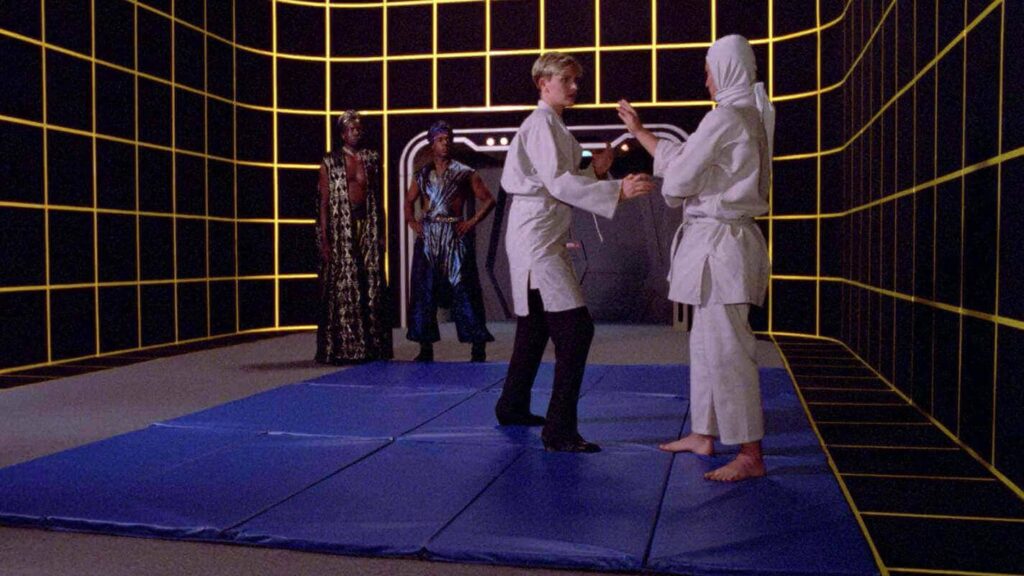
Few pieces of Star Trek tech capture fans’ imaginations like the holodeck. First appearing in Star Trek: The Next Generation, the holodeck could create fully immersive environments—any place, any time, with fully interactive characters. It was a mix of holograms, force fields, and storytelling brilliance.
Sound familiar? Today, companies like Oculus (Meta), Sony, and Microsoft are pouring billions into VR and AR. Strap on a headset, and you can swordfight in ancient Rome, race Formula 1 cars, or attend a business meeting in a virtual office. Sure, it’s not quite the Enterprise holodeck—yet. But the immersive gaming and simulation industries directly credit Star Trek with sparking the idea that entertainment could feel as real as life itself.
And here’s the kicker: researchers are exploring “holo-room” projects that go beyond headsets, using projection mapping and haptics to create shared VR spaces. Holodeck 1.0 might not be centuries away after all.
Tricorders, Bio-Beds, and the Future of Medicine
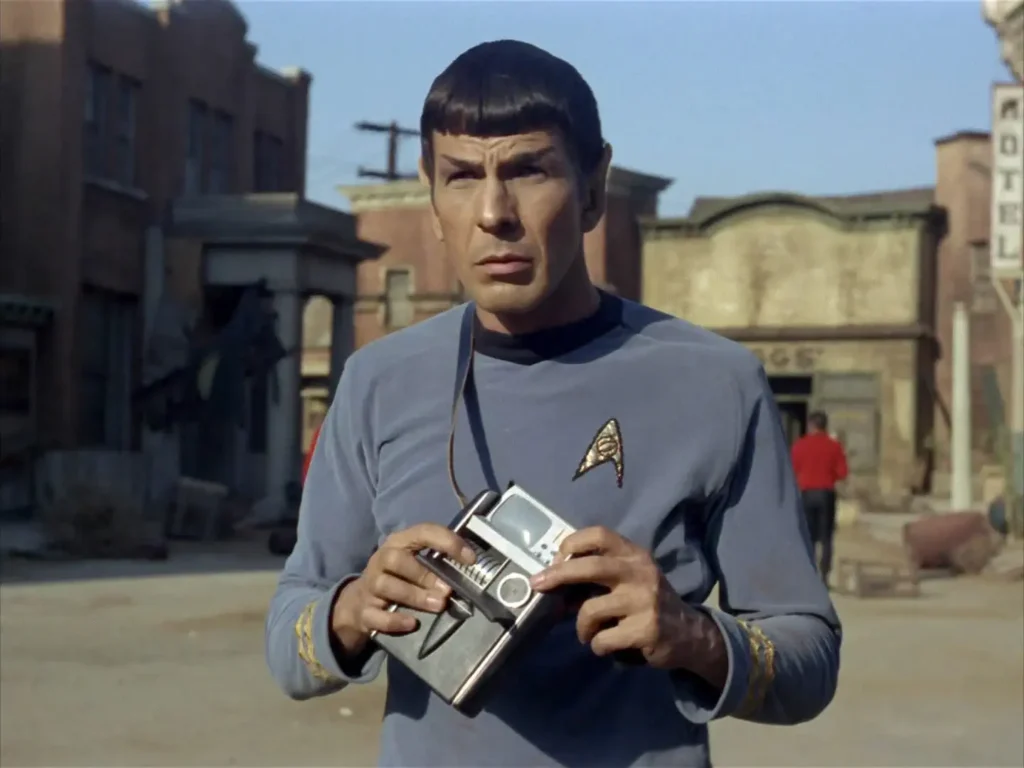
If there’s one gadget every Trekkie wishes existed, it’s the tricorder. Dr. McCoy could wave the handheld device over a patient and instantly detect illness, injury, or even alien parasites. No needles, no waiting—just answers.
In the real world, researchers are racing to build similar devices. In 2012, Qualcomm launched the $10 million XPRIZE competition for a functioning medical tricorder. The winning prototypes could detect dozens of conditions using non-invasive sensors—everything from heart rate to diabetes. Portable ultrasounds, handheld DNA scanners, and smartphone-connected diagnostic kits are inching closer to tricorder status.
Star Trek also introduced the concept of bio-beds—hospital beds that constantly scanned a patient’s vitals. Modern equivalents are already here. Smart hospital beds now monitor movement, oxygen levels, and heart rates without attaching wires, proving that Trek’s futuristic sickbay was more prophecy than fantasy.
Artificial Intelligence: From Data to Alexa
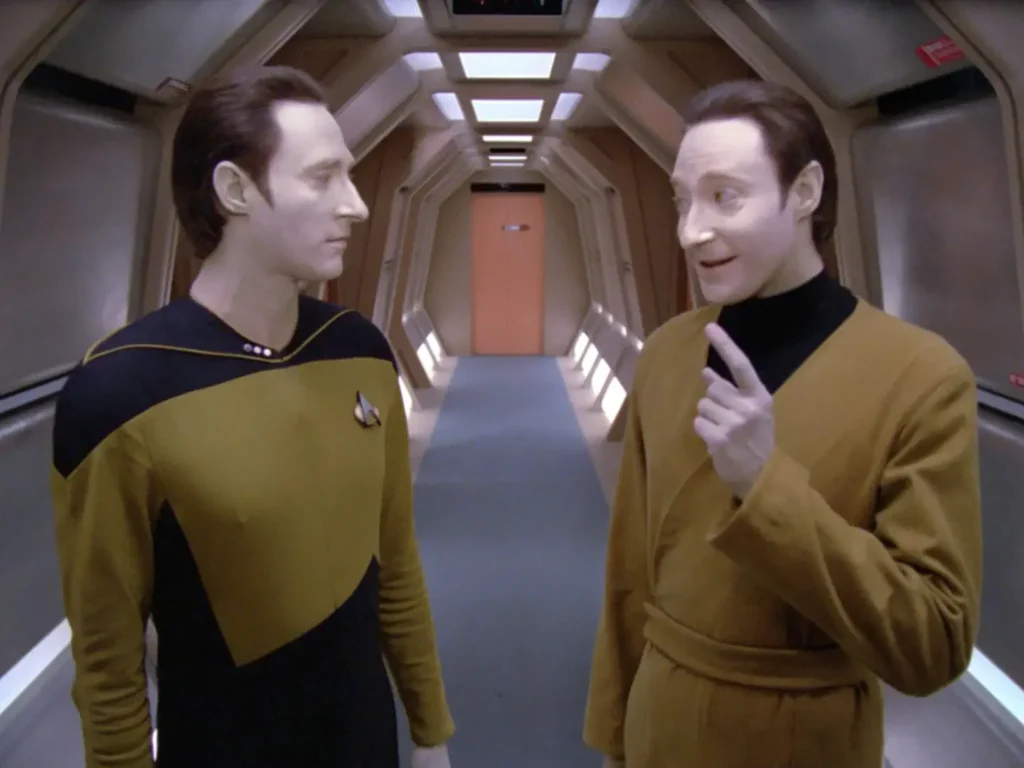
Star Trek has always grappled with AI—not just as tools, but as characters with personalities. The android Data from The Next Generation wasn’t just strong and smart; he was deeply human in his quest for identity, emotion, and morality. Meanwhile, every Starfleet ship featured a voice-activated computer that could answer questions, run diagnostics, and manage entire systems.
Enter today’s world. Siri, Alexa, and Google Assistant may not rival Data’s wit, but they’re cut from the same cloth: conversational AI that understands voice commands. Smart homes echo the Enterprise’s central computer, where lights, doors, and systems respond instantly to voice.
And then there’s robotics. While Boston Dynamics hasn’t given us a full android crew member, humanoid robots and machine learning models are edging closer every year. Emotional AI—programs that detect and respond to human moods—are being developed in healthcare and customer service. In short: we’re chasing Star Trek’s dream of AI that feels less like a machine and more like a crew member.
Warp Drive and the Dream of Faster-Than-Light Travel
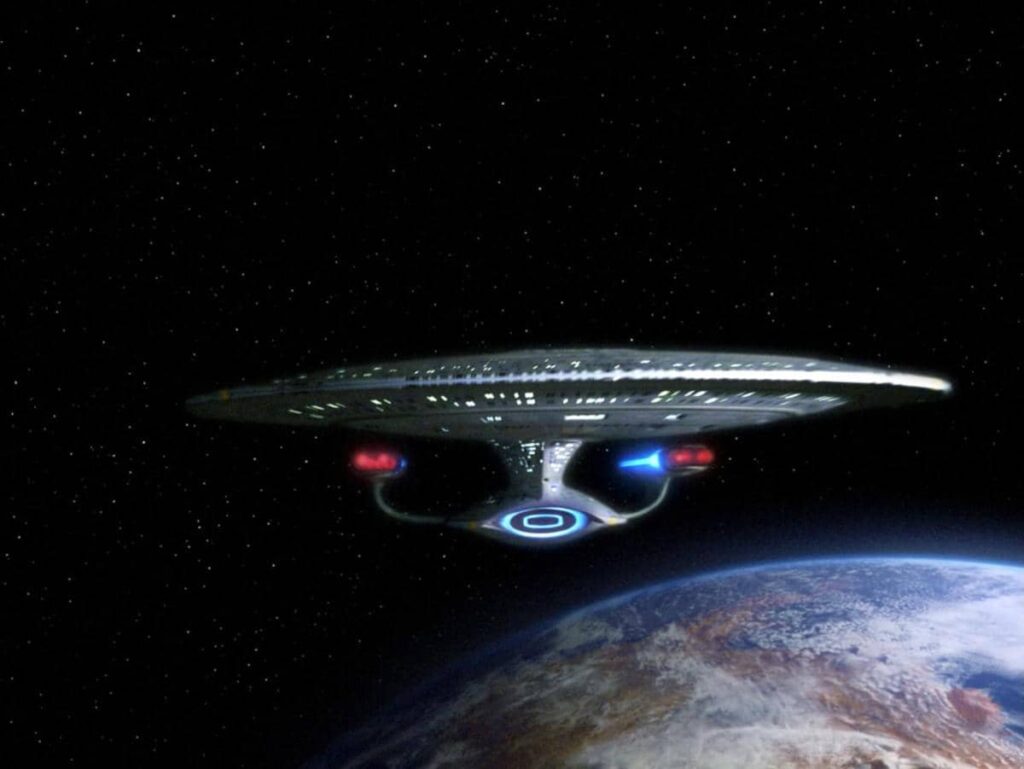
One of the most iconic technologies in Star Trek is the warp drive, which allows the ships to travel faster than the speed of light. This technology has always been purely fictional, but scientists are currently working on developing theories and technologies that could one day make faster-than-light travel a reality.
Sound crazy? Physicists didn’t think so. In 1994, Miguel Alcubierre proposed a real mathematical model for warp drive, showing how general relativity might allow faster-than-light travel without violating Einstein’s rules. The catch? It would require exotic matter and energy levels greater than the mass of Jupiter—slightly outside NASA’s budget.
Still, research continues. Scientists explore wormholes, quantum tunneling, and other cosmic hacks inspired by warp theory. While humanity isn’t warping to Alpha Centauri anytime soon, Star Trek pushed serious physicists to ask questions they otherwise wouldn’t dare.
The Enduring Legacy of Star Trek Tech
Star Trek wasn’t designed as a tech manual—it was storytelling about human potential. But its impact on innovation is undeniable:
- Smartphones trace back to communicators.
- Virtual and augmented reality owe their DNA to the holodeck.
- Medical innovation took cues from tricorders and sickbays.
- AI development echoes the ship’s computer and androids like Data.
- Warp theory continues to fuel dreams of interstellar travel.
As Captain Picard once said: “The impossible is just something that hasn’t been done yet.” Star Trek taught scientists, engineers, and dreamers to treat “impossible” as a challenge. And if history is any indication, the next fifty years of science might look even more like science fiction.
So next time you fire up a VR headset, ask Siri a question, or FaceTime across the world, tip your hat to Star Trek. The final frontier isn’t just space—it’s the human imagination.