The best Thanos comic storylines are the ones where he’s not just a wall of muscle with a glove, but a genuinely patient, philosophical villain who’s willing to wait decades for the universe to agree with him. “The Infinity Gauntlet,” “The Thanos Quest,” and “Thanos Rising” top most rankings because they treat his love for Death, not raw power, as the real engine of the character. Here’s the full list, and why each one still shapes how Marvel writes him today.
The Quick Ranking
| Rank | Storyline | Year | Why It Matters |
|---|---|---|---|
| 1 | The Infinity Gauntlet | 1991 | The event that made Thanos a Marvel A-lister |
| 2 | The Thanos Quest | 1990 | The heist that sets up the Gauntlet |
| 3 | Infinity War | 1992 | The underrated sequel with a sharper take on Thanos |
| 4 | Thanos Rising | 2013 | His full origin, from bullied kid to killer |
| 5 | Thanos Wins | 2018 | A future where he’s already beaten everyone |
1. The Infinity Gauntlet (1991)
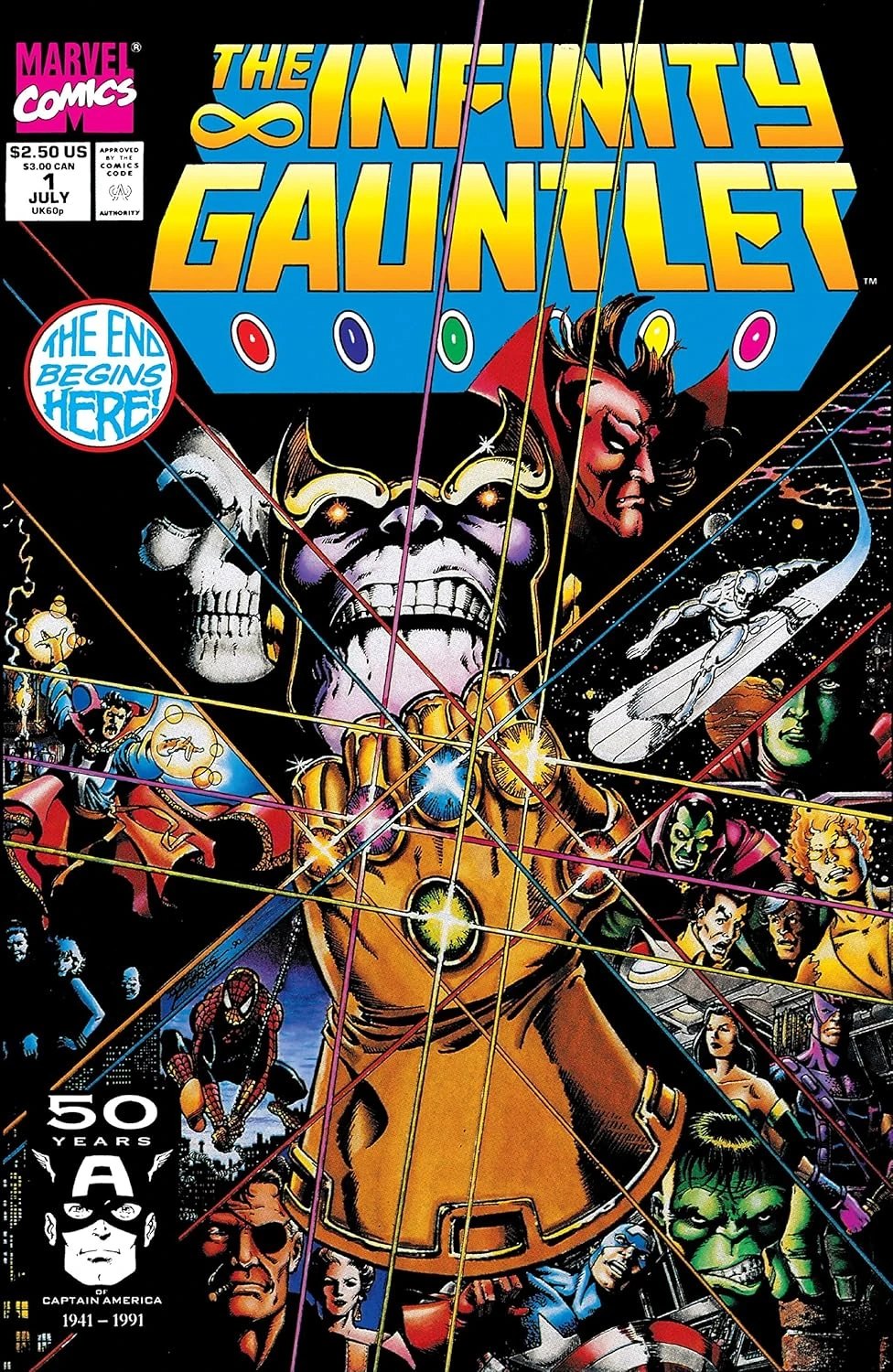
Jim Starlin’s six-issue event is the reason most people even know who Thanos is. He wipes out half of all life in the universe in the very first issue, then spends the rest of the story fighting off Earth’s remaining heroes and the Marvel cosmic cast one at a time, convinced he’s finally earned Death’s affection by doing it.
The 2019 film built on this story, Avengers: Endgame, went on to gross $898 million domestically according to Box Office Mojo, making the snap the single most lucrative moment this version of Thanos has ever had.
It’s the storyline Avengers: Infinity War adapted almost scene for scene, right down to Thanos genuinely believing the snap is an act of mercy rather than cruelty. You can read the full breakdown of the original run on Wikipedia’s Infinity Gauntlet page.
2. The Thanos Quest (1990)
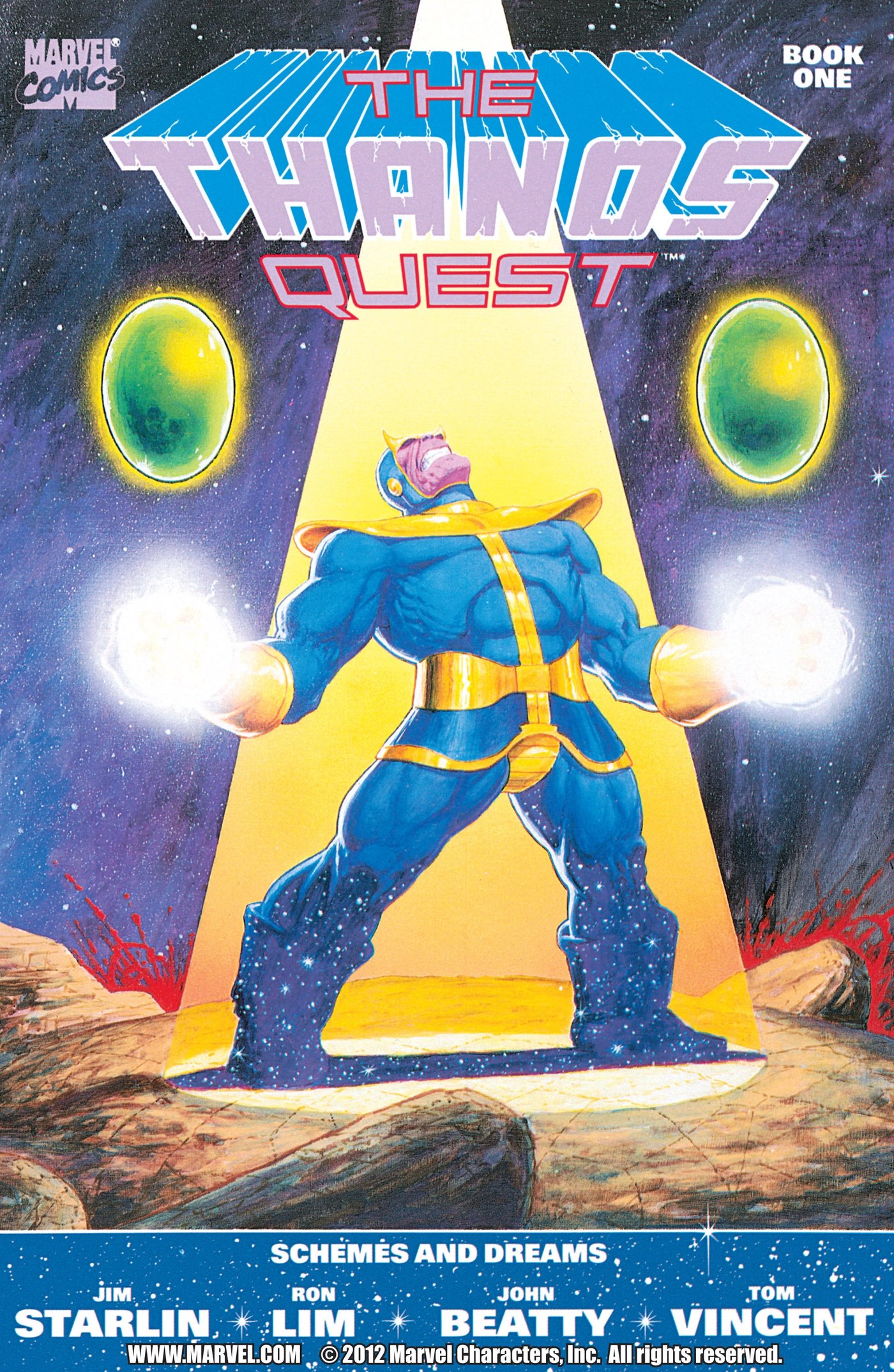
Before he can snap his fingers, Thanos has to actually collect the six Infinity Stones, and this two-issue prequel is him doing exactly that, one cosmic-powered owner at a time. It’s a villain-focused heist story in the purest sense: Thanos talking, scheming, and occasionally murdering his way across the universe’s most powerful beings.
Starlin wrote it directly as a set-up for “The Infinity Gauntlet,” and it’s the clearest explanation of why the Gauntlet matters as much as it does.
3. Infinity War (1992)
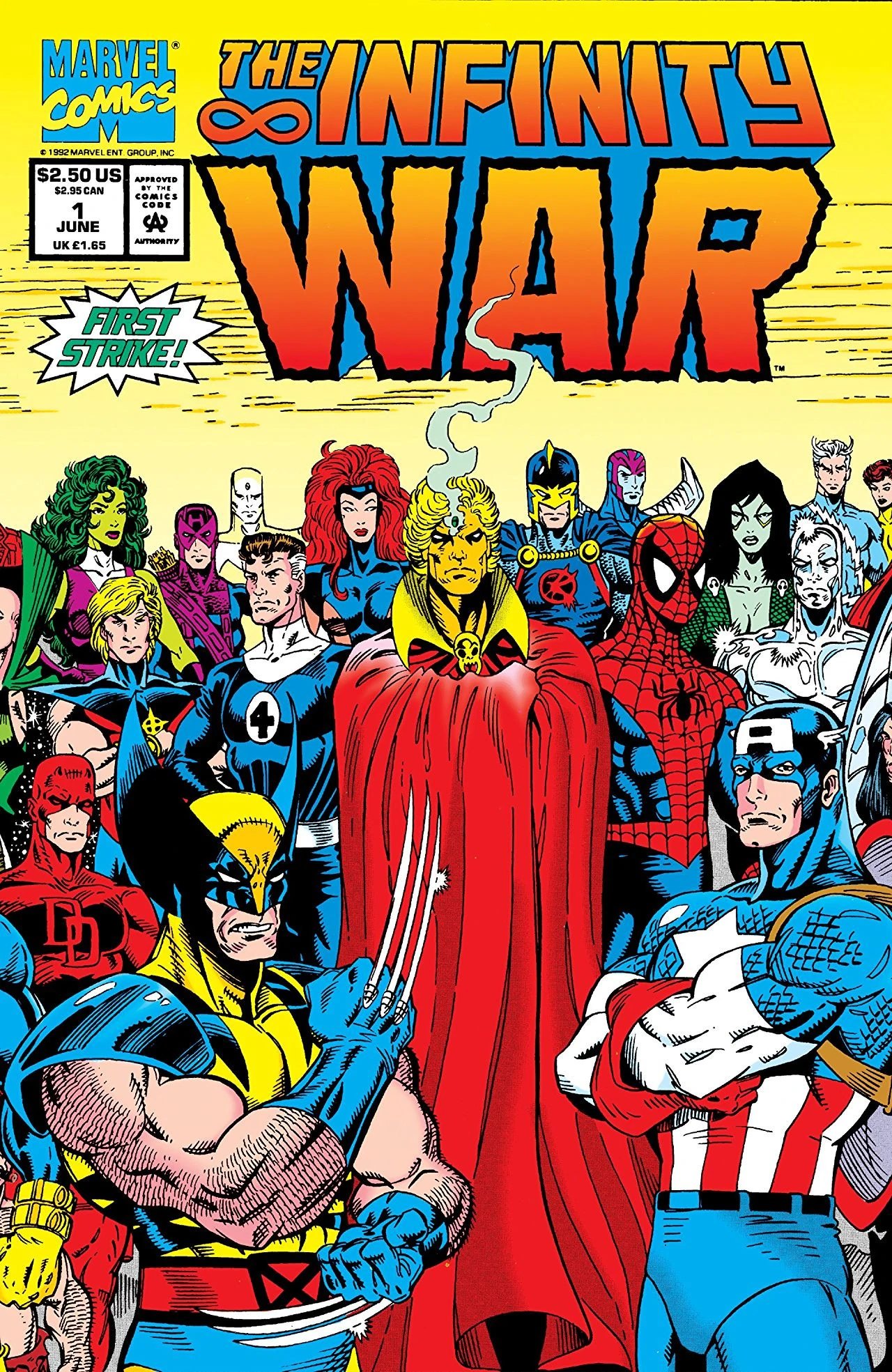
The 1992 sequel to “The Infinity Gauntlet” gets overshadowed by its predecessor and its own movie-title coincidence, but several critics rate it as the sharper story of the two. Thanos is less the main threat here and more a wild card reacting to his own evil doppelganger, the Magus, which gives Starlin room to write him as genuinely conflicted instead of purely villainous.
4. Thanos Rising (2013)
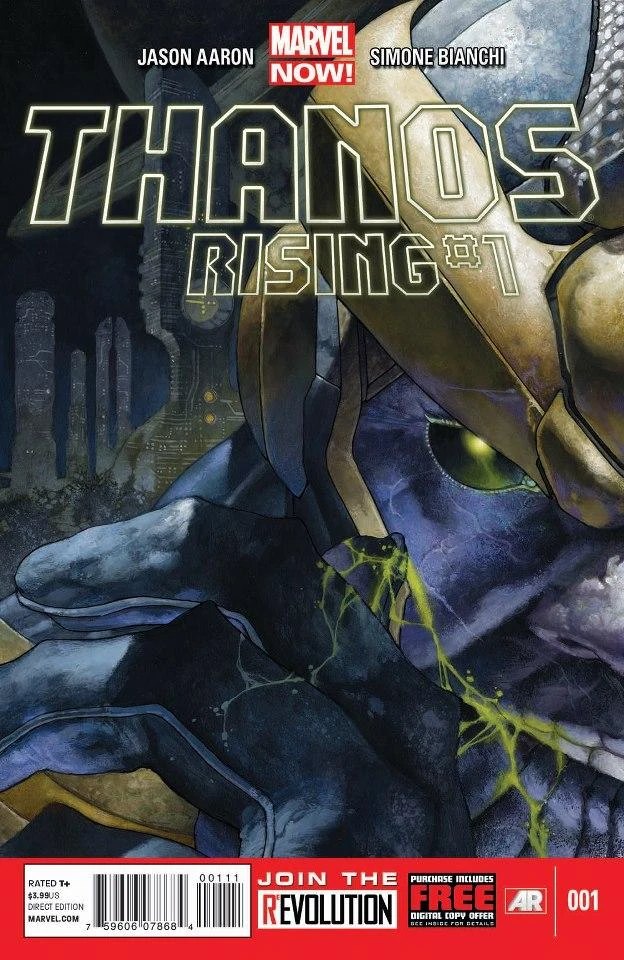
Jason Aaron’s five-issue origin story finally answers the question fans had been asking for 40 years: how does a kid on Titan turn into the single most dangerous being in the Marvel Universe? The answer involves a childhood crush, a lot of bullying, and a worldview that curdles into genuine nihilism by the time he’s an adult.
Reactions were split on whether it over-explained him, but it remains the single most direct look at Thanos before he ever picked up a weapon.
5. Thanos Wins (2018)
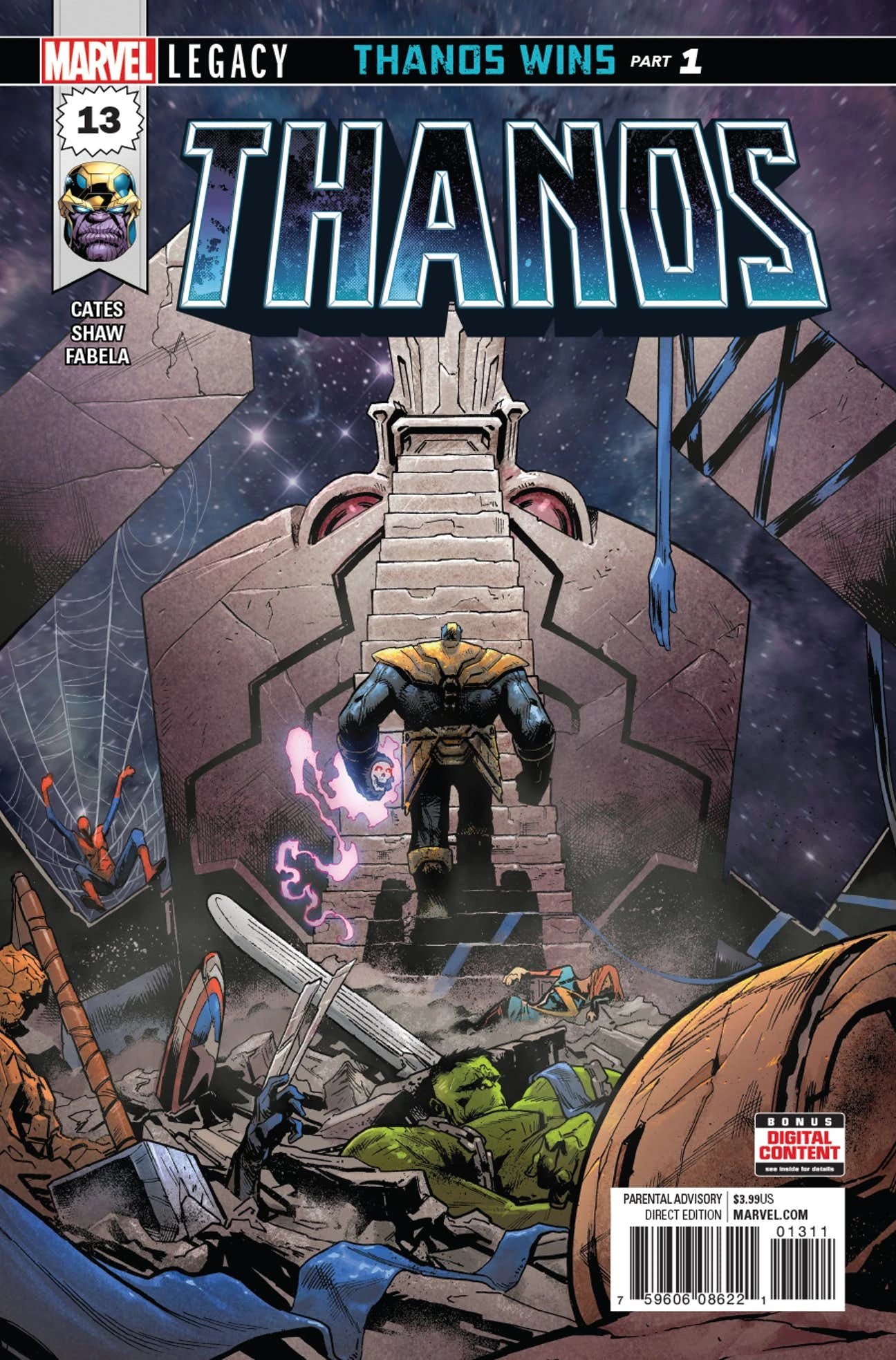
Donny Cates’ run skips straight to a future where Thanos has already killed every hero, villain, and cosmic entity in the universe, and the twist is that it hasn’t made him happy. Death still won’t come for him, because the one thing he’s never managed to kill is himself, and that failure is the entire emotional core of the arc.
It’s also the story that introduced Cosmic Ghost Rider, who went on to become one of Marvel’s most unexpectedly popular supporting characters of the late 2010s, and it’s the kind of raw, unchecked power fantasy that still fuels debates like Darkseid vs. Thanos.
Thanos Is Still Marvel’s Best-Selling Villain Bet
Marvel is republishing the character’s two foundational stories together for the first time this year: the Silver Surfer: The Infinity Gauntlet Omnibus, a 1,384-page hardcover collecting “The Thanos Quest,” “The Infinity Gauntlet,” and the surrounding Silver Surfer issues, went on sale November 3, 2026 for $150, according to ICv2. Repackaging two 1990s stories into a premium format more than 30 years later isn’t something Marvel does for a villain who’s fading, it’s what a publisher does when a character still reliably sells.
Frequently Asked Questions
What is Thanos’s single best comic storyline?
“The Infinity Gauntlet” (1991) is the one almost every list puts first. It’s the story that made Thanos a top-tier Marvel villain and the direct basis for Avengers: Infinity War and Endgame.
Do I need to read The Thanos Quest before The Infinity Gauntlet?
You don’t have to, but it helps. “The Thanos Quest” shows him actually collecting the Infinity Stones one by one, so “The Infinity Gauntlet” can jump straight into the aftermath without re-explaining where his power came from.
Is Thanos Wins connected to the main Marvel universe?
No. “Thanos Wins” (2018) is set in an alternate future timeline where Thanos has already defeated every hero and villain in existence. It doesn’t affect the mainline continuity, but it did introduce Cosmic Ghost Rider, who later crossed into other Marvel books.
Why does Thanos want to kill half the universe?
In the classic comics version, it’s to impress Death, who Thanos is in love with and believes will finally return his affection once he proves his devotion through mass killing. The MCU version changes his motive to an overpopulation argument, which is not how the original comics explain it.