Quick TakeArticle at a glance
- The Ocarina of Time remake has removed its hidden Mario portraits from Hyrule Castle — the Mario, Yoshi, Peach, Bowser and Luigi paintings that were one of the N64 original's most famous in-jokes.
- Ocarina of Time and Super Mario 64 were built side by side at Nintendo EAD in the mid-1990s, and the Hyrule Castle easter egg was the two teams waving at each other across the hallway.
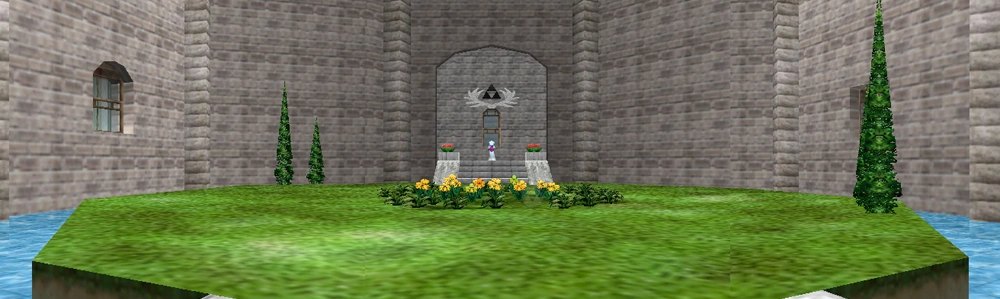
- In the 1998 original, walking through the courtyard just outside Hyrule Castle and looking up revealed a row of framed portraits of Mario, Yoshi, Princess Peach, Bowser and Luigi, hanging on the walls like they belonged in a castle full of Mushroom Kingdom tourists.
The Ocarina of Time remake has removed its hidden Mario portraits from Hyrule Castle — the Mario, Yoshi, Peach, Bowser and Luigi paintings that were one of the N64 original’s most famous in-jokes. Series producer Eiji Aonuma told Game Informer on November 3, 2026, that the team cut them because they didn’t want a Nintendo-universe cameo to “interrupt the player’s experience.”
Here’s the thing: those portraits weren’t a random gag. Ocarina of Time and Super Mario 64 were built side by side at Nintendo EAD in the mid-1990s, and the Hyrule Castle easter egg was the two teams waving at each other across the hallway. Thirty years later, Nintendo cut the wave — but kept the one Mario reference that had already stopped being a joke.
What Nintendo Actually Removed
In the 1998 original, walking through the courtyard just outside Hyrule Castle and looking up revealed a row of framed portraits of Mario, Yoshi, Princess Peach, Bowser and Luigi, hanging on the walls like they belonged in a castle full of Mushroom Kingdom tourists. The Nintendo 3DS remake, Ocarina of Time 3D (2011), added a second reference: concept art from The Legend of Zelda: Skyward Sword, which released the same year. Both are gone from the Switch 2 remake.
Why Aonuma Pulled Them
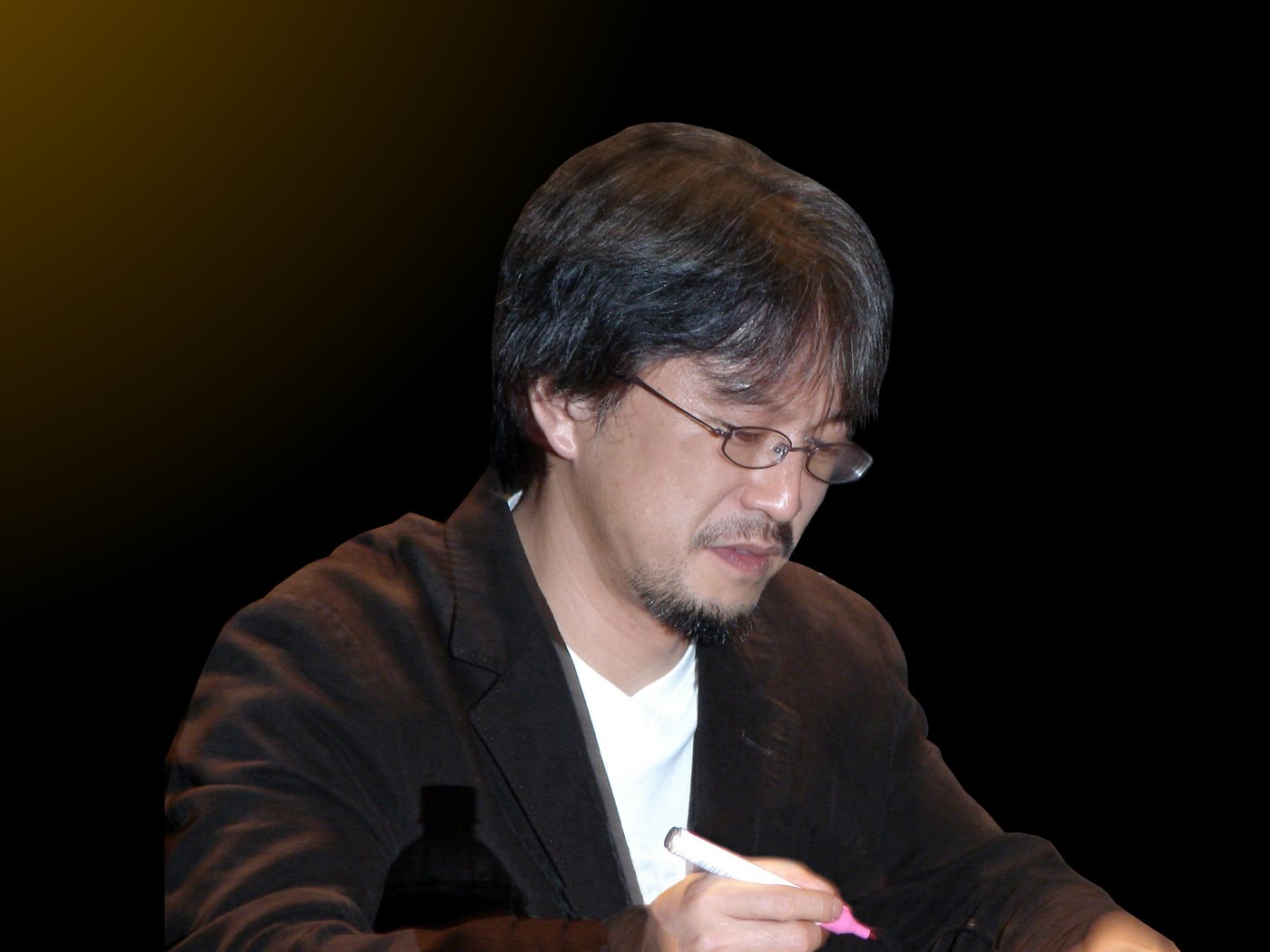
Aonuma, the Legend of Zelda series producer, told Game Informer the decision came down to immersion, not embarrassment. Asked directly about the missing portraits, he said the original team had a looser attitude about crossover gags: “Maybe there was a more carefree or comfortable approach to that sort of thing. So we’re feeling a little bit differently about it this time.”
You don't want to interrupt the player's experience by seeing something that's unrelated to what they're currently doing in the game. So for that reason, we decided not to go that way.
Eiji Aonuma, Legend of Zelda series producer, to Game Informer
The remake’s more detailed art direction is the real reason that logic holds up now and didn’t in 1998 or 2011: a blocky N64 portrait of Yoshi reads as a cute wink, but a detailed, lit, modern render of a Mushroom Kingdom character hanging in Hyrule Castle would look like a continuity error instead of a joke.
The One Mario Reference Nintendo Kept
Not every nod got cut. Talon, the lazy rancher who runs Lon Lon Ranch, still has a sliding puzzle minigame featuring Bowser’s face — and it survived the remake intact. Aonuma’s explanation for the double standard: “that’s part of the original design of the character. That stays as is.” The Hyrule Castle portraits were a crossover joke bolted onto the world. Talon’s slider is just what Talon’s slider has always looked like, and Nintendo drew the line between the two.
What Changed, at a Glance
| Reference | 1998 N64 Original | 2011 3DS Remake | 2026 Switch 2 Remake |
|---|---|---|---|
| Mario, Yoshi, Peach, Bowser & Luigi portraits (Hyrule Castle) | Present | Present | Removed |
| Skyward Sword concept art | N/A (released 2011) | Present | Removed |
| Talon’s Bowser-face handkerchief slider | Present | Present | Kept |
The remake has otherwise been a near-unanimous critical hit, and it’s reaching a huge audience: Nintendo reported more than 26 million Switch 2 consoles sold worldwide as of November 2026, per Nintendo’s own hardware figures. Our own review roundup has the remake at a 96 Metascore across more than 80 reviews, with critics calling it the best way to experience the 1998 original. The missing portraits aren’t a flaw critics are docking it for; they’re a small, deliberate choice Nintendo made about how seriously it now treats Hyrule as its own self-contained world, separate from the rest of the Nintendo universe.
That’s the real story behind the cut cameo: Nintendo used to treat Hyrule as a room in a bigger shared house, with Mario’s portrait on the wall to prove it. Now it treats Hyrule as the house. The handkerchief slider survived because it was never a crossover in the first place — just a rancher’s odd taste in puzzle minigames. Next up for the remake is whether Master Quest, the one piece of content every past re-release included and this one didn’t, gets added back the same way — the same question our hands-on preview roundup was already asking before launch.
Frequently Asked Questions
Did Nintendo remove Mario from the Ocarina of Time remake?
Nintendo removed a set of hidden portraits of Mario, Yoshi, Princess Peach, Bowser and Luigi that were displayed in Hyrule Castle’s courtyard in the 1998 original and its 2011 3DS remake. Mario himself was never a playable character or storyline element in Ocarina of Time; the portraits were a background easter egg, not a cameo appearance.
Why did Nintendo remove the Mario portraits from Ocarina of Time?
Series producer Eiji Aonuma told Game Informer on November 3, 2026, that the team didn’t want an unrelated Nintendo-universe reference to “interrupt the player’s experience” in the remake’s more detailed, immersive presentation.
Is anything Mario-related still in the Ocarina of Time remake?
Yes. Talon’s sliding handkerchief puzzle, which features Bowser’s face, was kept because Aonuma considers it part of the character’s original design rather than a crossover reference.
Was the Skyward Sword art removed too?
Yes. Concept art from The Legend of Zelda: Skyward Sword, added to the 2011 Nintendo 3DS remake, was also cut from the Switch 2 version for the same reason.
Source: Game Informer’s November 3, 2026 interview with Eiji Aonuma, corroborated by GamesRadar+.