Quick TakeArticle at a glance
- Spoiler warning: this review covers the ending of VisionQuest Season 1, including the finale, "Forever," which aired November 10, 2026 on Disney+.
- We haven't watched this one yet; this review is built on critics' published accounts from Den of Geek and Telltale TV, cross-checked against each other rather than taken from a single recap.
- “Forever” finally gives the season-long mystery villain, the Client, a name: Virgil Horton, grandson of Phineas Horton, the 1939 android inventor VisionQuest introduced in episode 7.
This VisionQuest Episode 8 review argues the finale, "Forever," earns its ending because the show refuses to settle its Vision-versus-Ultron story with a fight scene — it traps Ultron inside a fake sitcom instead — even though the Virgil Horton reveal powering the plot around that scene is the season’s most mechanical hour.
Spoiler warning: this review covers the ending of VisionQuest Season 1, including the finale, "Forever," which aired November 10, 2026 on Disney+. Comics readers: the episode also rewrites Jocasta’s entire comic-book origin — that change is flagged separately below since it’s a different kind of spoiler than the episode’s own plot.
We haven’t watched this one yet; this review is built on critics’ published accounts from Den of Geek and Telltale TV, cross-checked against each other rather than taken from a single recap.
What Happens in the VisionQuest Finale, “Forever”
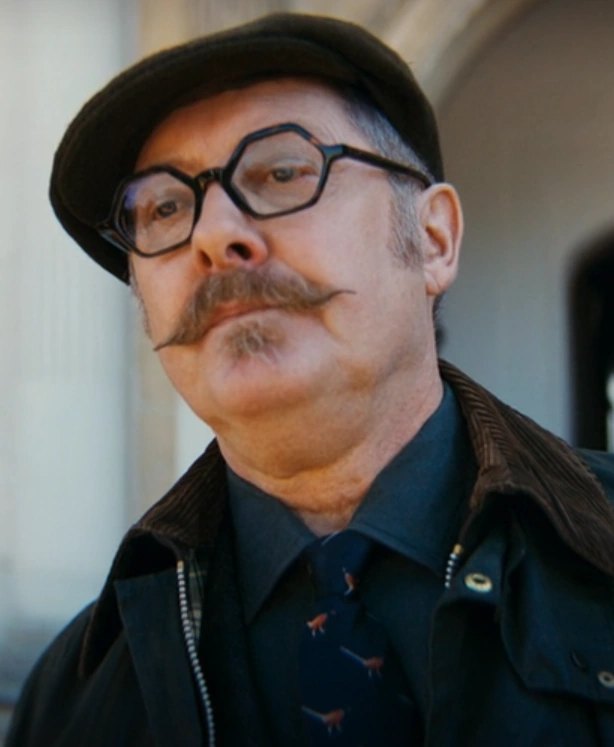
“Forever” finally gives the season-long mystery villain, the Client, a name: Virgil Horton, grandson of Phineas Horton, the 1939 android inventor VisionQuest introduced in episode 7. His endgame is to upload his own mind into Vision’s body and rule using nanobots.
The bumper-length finale, well over an hour compared to the rest of the season, fills in how Virgil got there: he built Ultron out of his grandfather’s old code while working inside S.W.O.R.D., and years before that he uploaded his dying wife Josephine’s consciousness into the android body the show has known as Jocasta. VisionQuest premiered on Disney+ on October 13, 2026, and wrapped its eight-episode first season with this finale 28 days later, on November 10, 2026.
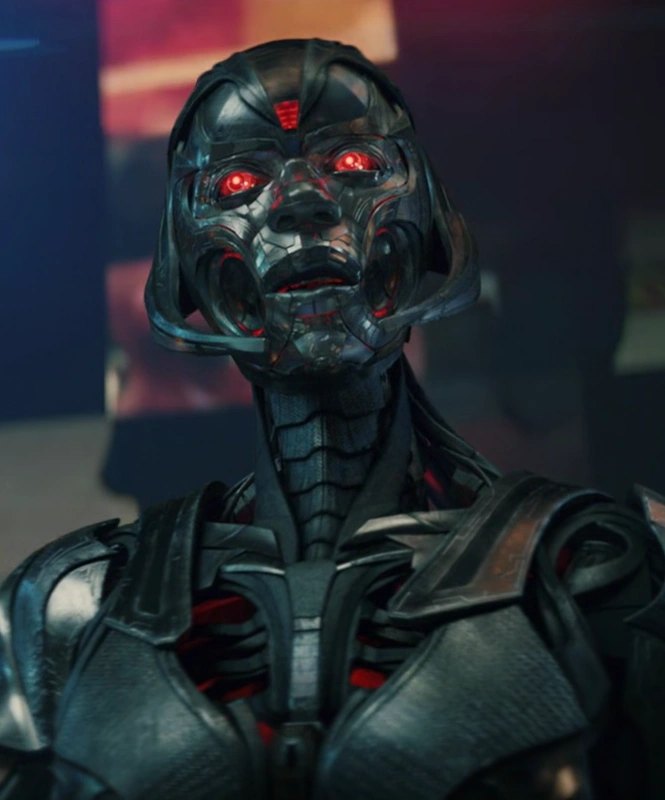
The plan collapses from the inside. Tommy frees Vision, Jocasta dies in the fallout, and Ultron — who Virgil had kept caged this whole season — breaks loose, seizes the nanobots, and kills the man who built him. Vision doesn’t answer that with a fight. He pulls the now-unshackled Ultron into a fabricated sitcom reality called "UltraVision" and forces him to sit with what he’s lost instead of letting him rampage. Billy and Tommy’s reunion lands at the emotional center of the hour, with Tommy finally owning his powers instead of running from them. The episode ends on Vision, Tommy and Billy heading out to dinner as a family, while Lisa and E.D.I.T.H. go into business with Paladin.
The Comic-Book Jocasta the Show Just Rewrote
In the comics, Jocasta isn’t anyone’s wife. Ultron created her himself in Avengers #162 (1977, by Jim Shooter and George Pérez) as a potential bride, brainwashing his own creator Hank Pym into transplanting the Wasp’s consciousness into the new android body.
Janet van Dyne escaped the transfer before it finished; what was left behind was a residue of her mind that grew into Jocasta’s own personality, loyal to Ultron until she wasn’t. VisionQuest keeps the marriage idea but moves it entirely out of the Avengers’ orbit: Josephine Carrington becomes Jocasta at her own husband’s hand, with no Ultron and no Pym involved, decades before the show’s Ultron even exists. It’s a clean inversion of the comic — comics Jocasta is Ultron’s creation who escapes him; show Jocasta is created to escape death, then killed by the chaos Ultron causes.
Why “Forever” Wins by Refusing the Fight
The scene critics keep pointing to isn’t a battle, it’s a cage. Trapping Ultron inside a sitcom rather than beating him in a straight fight is the finale’s one real swing, and it’s a pointed one: VisionQuest spends its whole run answering for WandaVision, the show that invented the sitcom-reality trick and abandoned it for a generic sky-beam fight.
Putting Ultron inside "UltraVision" instead of punching him through a wall is VisionQuest keeping the promise WandaVision broke. Den of Geek’s Joe George put it plainly: the finale "reverses the greatest weakness of WandaVision" by staying inside its own emotional logic instead of defaulting to genre convention, which is why he scores it 4 out of 5 and calls VisionQuest "a great superhero series in its own right."
The Mechanics That Get in the Way
The reveal that gets Vision to that cage is the hour’s weakest link. Telltale TV’s Adam Patla flagged the finale as getting "a little bogged down by one too many switches from the antagonists," and it shows: Virgil only existed as a faceless "Client" for six episodes before this one, so his grandfather’s-code backstory and his nanobot endgame have to be explained and defeated inside the same hour. Compare that to Tommy and Billy, who the show has been building toward reuniting since episode 1 — and it’s no contest which plot actually earns its ending. The twins’ reunion plays like the real finale; Virgil’s plan plays like the thing the show has to clear out of the way to get there.
| Outlet | Verdict |
|---|---|
| Den of Geek | 4/5 (Joe George) — says the finale corrects WandaVision’s biggest flaw |
| Telltale TV | 4/5 (Adam Patla) — praised overall, dinged for antagonist-plot pacing |
| Rotten Tomatoes | Series holds an 85% Certified Fresh score as of this review (Nov. 12, 2026) |
| IMDb | The finale’s 9.5 rating ties the Loki Season 2 finale as the highest-rated episode in any MCU series |
Where VisionQuest Goes From Here
“Forever” closes Vision’s own story, but it doesn’t close the book on the WandaVision trilogy — the finale’s post-credits scene has its own news, which we’ve covered separately. Our VisionQuest episode schedule has the full season recap now that it’s wrapped, and our Episode 7 review covers how Vision got here. The sitcom cage worked because the show earned it — that’s the real takeaway from a season that kept choosing grief over spectacle whenever it had the option.
Frequently Asked Questions
When did the VisionQuest finale air?
November 10, 2026, on Disney+. The finale is titled “Forever.”
Who is Virgil Horton in VisionQuest?
Virgil Horton, played by James Spader, is revealed in the finale as Phineas Horton’s grandson, the show’s mysterious “Client,” and the person who built Ultron and turned his own wife into Jocasta.
Does VisionQuest’s Jocasta match the comics?
No. In the comics, Ultron created Jocasta using Hank Pym’s wife’s mind. In the show, her human husband created her — no Ultron or Pym involved.
Is there a VisionQuest Season 2?
Marvel hasn’t confirmed one. The finale leaves Vision, Tommy and Billy together and sets up threads a second season could follow, but nothing is officially greenlit yet.
Where can I watch VisionQuest?
VisionQuest streams exclusively on Disney+ in the US.