
From tragic accidents to cosmic destinies, we rank the most iconic and influential superhero origin stories that have defined the comic book landscape for generations. These are the timeless tales that made the heroes we love and the legends that endure.
 Classic superhero origin stories have shaped the comic book industry for decades (Source: GamesRadar)
Superhero origin stories are the bedrock of the entire comic book genre. While new heroes and storylines are constantly emerging, these foundational tales remain evergreen, endlessly revisited and reinterpreted across comics, film, and television. But why do they hold such enduring power? It’s because the best origin stories aren’t just about how a hero got their powers; they’re about the birth of an ideal. They are the modern myths that explore timeless themes of tragedy, responsibility, destiny, and the human potential for greatness.
As GamesRadar notes, the most iconic origins are not the ones that broke the mold, but the ones that made the molds [1]. Stories like Superman’s arrival from a dying planet or Spider-Man’s fateful bite are so deeply ingrained in our cultural consciousness that they serve as the blueprint for nearly all superhero narratives that follow. They are the standards by which all other origin stories are measured.
This comprehensive ranking will explore the 15 greatest superhero origin stories ever told, delving into the emotional depth, cultural impact, and storytelling genius that make them timeless. We’ll also explore the fundamental differences in how Marvel and DC approach their heroes’ beginnings, offering a definitive look at what makes these tales of transformation so unforgettable.
What Makes a Great Superhero Origin Story?
A great superhero origin story is more than just a sequence of events; it’s a character-defining crucible that forges a hero. The most enduring origins share several key elements that elevate them from simple exposition to modern mythology.
Emotional Resonance and Relatability: At the heart of every great origin is a powerful emotional core. Whether it’s the profound loss of a loved one, the burden of a terrible mistake, or the struggle to find one’s place in the world, these stories connect with us on a human level. We may not be able to fly or lift buildings, but we understand the pain of loss, the weight of responsibility, and the desire to make a difference.
Clear Motivation and Character Development: A compelling origin story provides a clear and powerful motivation for a character’s heroic journey. It’s not enough to simply have powers; a hero needs a reason to use them for good. The best origins show a character’s transformation, tracing their evolution from an ordinary person (or an extraordinary one with ordinary problems) into a symbol of hope and justice.
Cultural Impact and Lasting Influence: The greatest origin stories have a ripple effect, shaping not only the future of their own characters but the entire comic book landscape. They introduce new ideas, challenge existing conventions, and inspire countless other creators. Their influence can be seen in the countless homages, parodies, and reinterpretations that follow in their wake.
Balance of Tragedy and Hope: Many of the most iconic origins are rooted in tragedy, but they never lose sight of hope. The loss of a loved one, a devastating accident, or a terrible injustice can be the catalyst for a hero’s journey, but it’s their ability to rise above that tragedy and find a new purpose that makes them truly heroic. These stories remind us that even in our darkest moments, we have the power to choose a better path.
Marvel vs. DC Philosophical Differences: The two giants of the comic book industry have very different approaches to origin stories, which in turn shapes the unique feel of their respective universes. As CBR points out, DC’s universe is largely populated by heroes who were “made”—chosen by gods, empowered by magic, or created by science—while Marvel’s often focuses on those who were “born” different, like the X-Men [2]. This creates a fascinating dichotomy: the ordinary person thrust into extraordinary circumstances versus the extraordinary person struggling to find their place in an ordinary world. Understanding these foundational differences is key to appreciating the unique flavor of each comic book universe.
The Ultimate Ranking: 15 Greatest Superhero Origin Stories
15. Green Arrow (DC) – The Castaway Billionaire
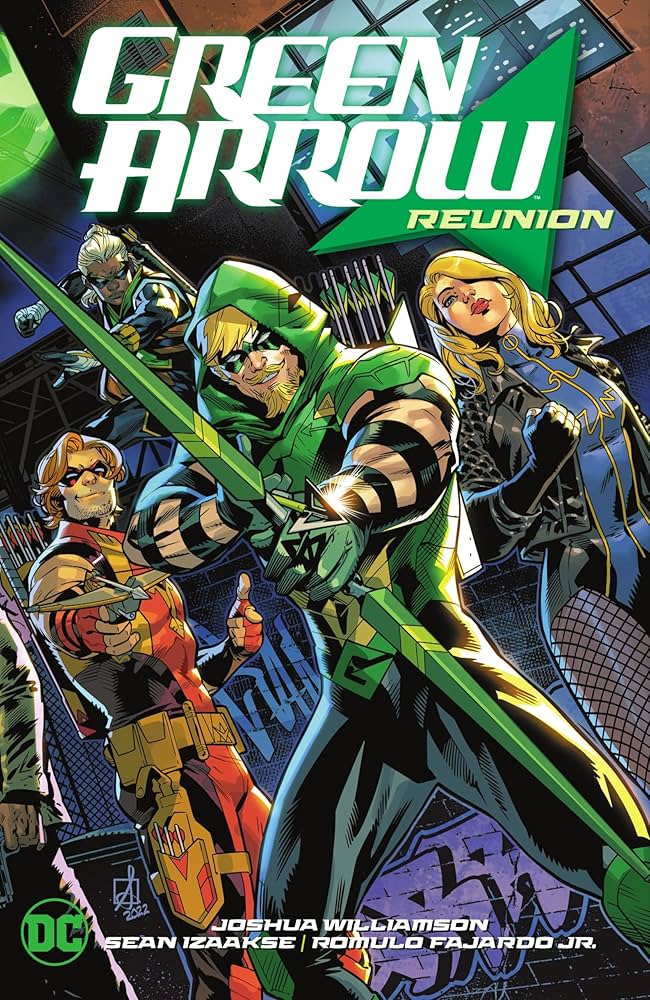
Image source: Amazon.com
Far from the only arrogant-rich-guy-made-good on this list, Green Arrow still has the unique distinction of being one of the first characters to have a truly compelling ‘riches to rags’ style origin. Taking inspiration from characters like Robinson Crusoe and Robin Hood, Oliver Queen was a young playboy who was marooned on a desert isle after a shipwreck sent him overboard. At first struggling to survive without the luxuries of his rich life, Queen eventually learned to rely on the archery and survival training he had received as a child. After rescuing a passing freight ship from pirates, he realized that he could use these abilities to help those less fortunate than him, rather than looking down on them.
Interestingly, though this is his most popular (and most retold) origin story, this isn’t his original origin. When he was created in the Golden Age of comics, Oliver Queen was an archaeologist specializing in Native American culture, who took up a bow to fight crime after his museum was burned down. It wasn’t until Jack Kirby got control of the character in his pre-Marvel days that he revised the story to the one we all basically know now. Andy Diggle and Jock updated the story with Green Arrow: Year One, and it became cemented as the origin, even carrying over to TV’s Arrow (ever so slightly altered, of course). So there you have it: Green Arrow’s behind-the-scenes origin is almost as interesting as his in-continuity story.
14. The Hulk (Marvel) – Cold War Cautionary Tale
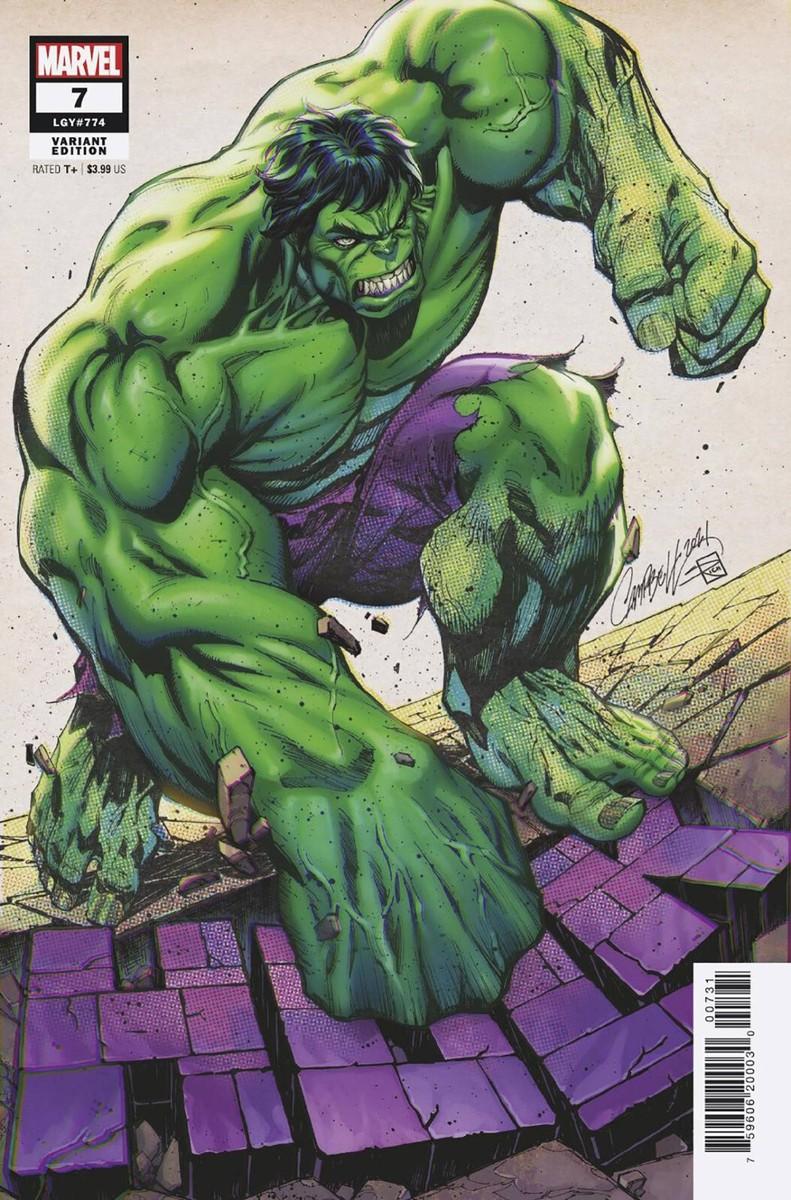
Image source: Comic book retailer
Marvel has many strong characters, but none of them can match the Hulk. Empowered by gamma radiation, the Hulk is the strongest one there is. His origin was classic Cold War Silver Age Marvel. Bruce Banner was a physicist who used his skills to create weapons for the US government. In love with Betty Ross — the daughter of Bruce’s boss, General Thunderbolt Ross — Banner created the gamma bomb.
On the day of the bomb’s test, Bruce Banner noticed a young man, Rick Jones, out on the test range playing his harmonica. Banner was able to get Rick out of the bomb’s range, but was caught in the explosion. This transformed Banner into the Hulk. The origin is a Cold War cautionary tale and has been expanded on in several ways since, exploring the psychological trauma that fuels the Hulk’s rage. The Hulk’s origin is a powerful exploration of the duality of human nature, the monster that lies within us all, and the destructive potential of unchecked power.
13. Green Lantern (DC) – Chosen by the Stars
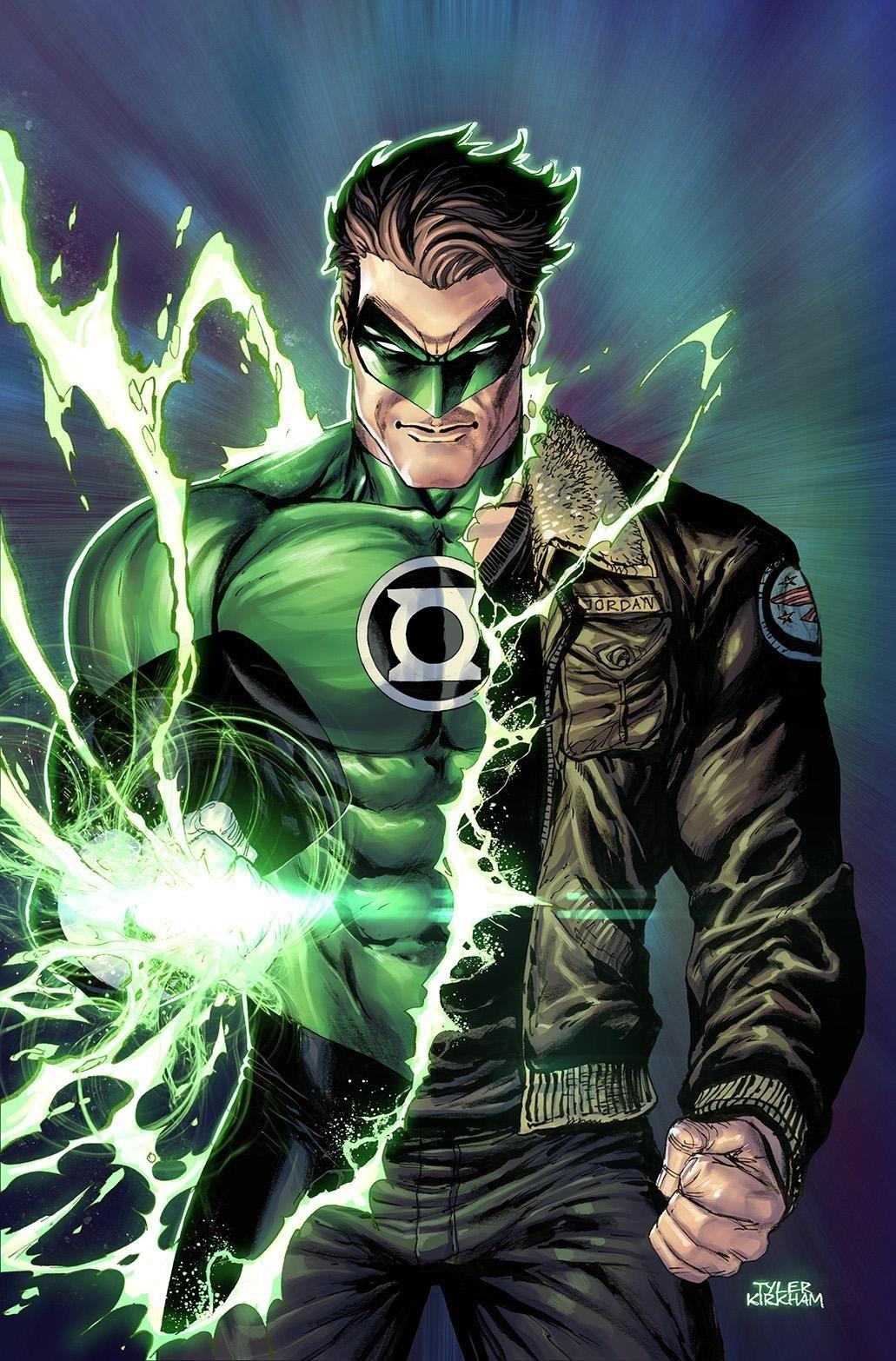
Image source: DC Database – Fandom
A product of the superhero revival that sparked the Silver Age and birthed a new generation of characters, Green Lantern is, perhaps, one of the most innovative updates to an older character that took place during that time. Preceded by a successful revival and revision of the Flash, DC (then still called ‘National Comics’) decided to continue their trend and reinvigorate the power-ring wielding Green Lantern. This time, however, the character was Hal Jordan, a daring test pilot who received his ring not from a magical benefactor, but from a dying alien who was desperate to pass on his station in an intergalactic peacekeeping force to the nearest worthy candidate.
Summoning Jordan to his side, the alien known as Abin Sur told Jordan that he had been chosen to receive the greatest weapon in the universe – a ring that could create anything its wearer could envision – because he was completely fearless and totally honest. Upon accepting the ring, Jordan also received entry into the Green Lantern Corps and found himself thrust into a universe of strange aliens, and extraterrestrial villains. Though there have been some wrinkles added to latter-day tellings of the tale, the original idea of the first real ‘sci-fi superhero’ of the Silver Age set the stage for comic books with a wider lens and a more creative focus on the issues of the day.
12. Wolverine (Marvel) – The Immortal Weapon
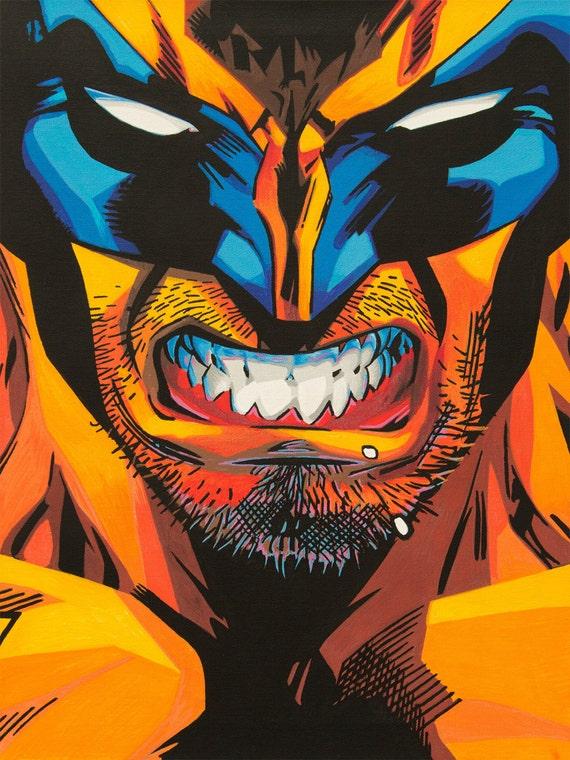
Image source: Eightangrybears Art Prints
Wolverine has become a Marvel legend, in large part thanks to his mystery man persona. However, the 2000s ended up revealing more about him than ever, giving readers a more nuanced grasp on his story. Born James Howlett, he was the sickly scion of a family with secrets in 19th century Canada. On a tragic night, James’ mutant powers awakened, and the next phase of his life started.
James Howlett’s healing factor made him functionally immortal, and he fought in many wars. Working with Romulus, Remus, and Sabretooth, he eventually joined Weapon X and was transformed into the perfect assassin. Wolverine lost and regained his humanity multiple times, always working to be better than he was before and protecting the innocent. His origin is a brutal and tragic exploration of memory, identity, and the struggle to overcome a violent, programmed nature.
11. Captain America (Marvel) – The Perfect Soldier
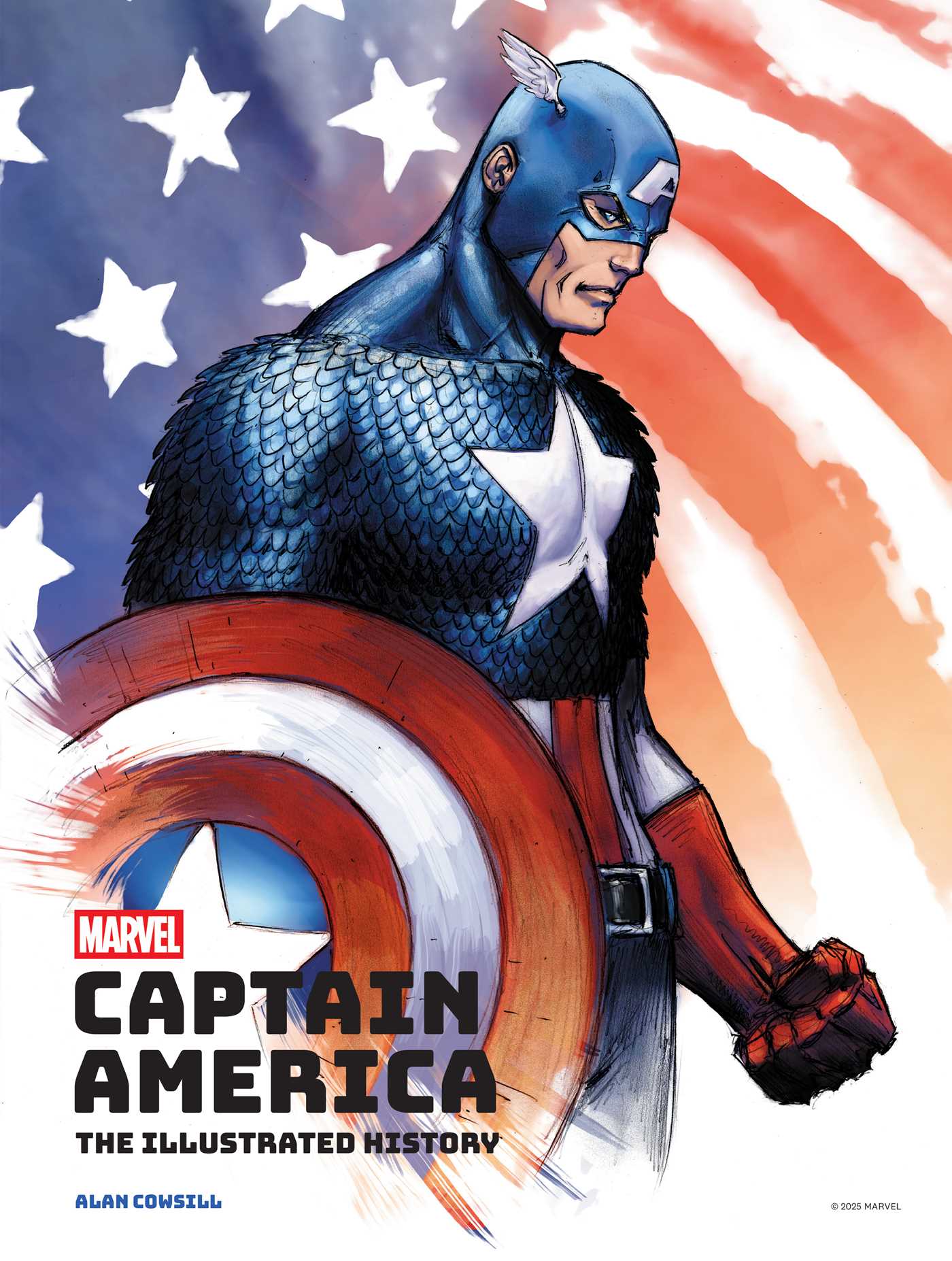
Image source: Amazon.com
Captain America is an inspiration to all, his origin underlining that. A 98-pound weakling, Steve Rogers wanted to fight the Nazis no matter what. Volunteering for the supersoldier experiment, Rogers became a perfect human, but couldn’t save Dr. Erskine, the only person who could replicate the supersoldier serum. Rogers was the first and last US supersolider in WWII.
As Captain America, he proved to the US’s greatest weapon against the Nazis. It’s a legendary origin, one that birthed legions of supersoldiers. Cap’s return in the Silver Age would remind fans why he was the best of the best. Cap’s origin would be famously retold in Avengers (Vol. 1) #4, by Stan Lee, Jack Kirby, George Roussos, Stan Goldberg, and Artie Simek. His story is a timeless testament to the power of courage, selflessness, and the idea that true strength comes not from physical prowess, but from an unwavering commitment to doing what’s right.
10. Magneto (Marvel) – Holocaust Survivor’s Vengeance
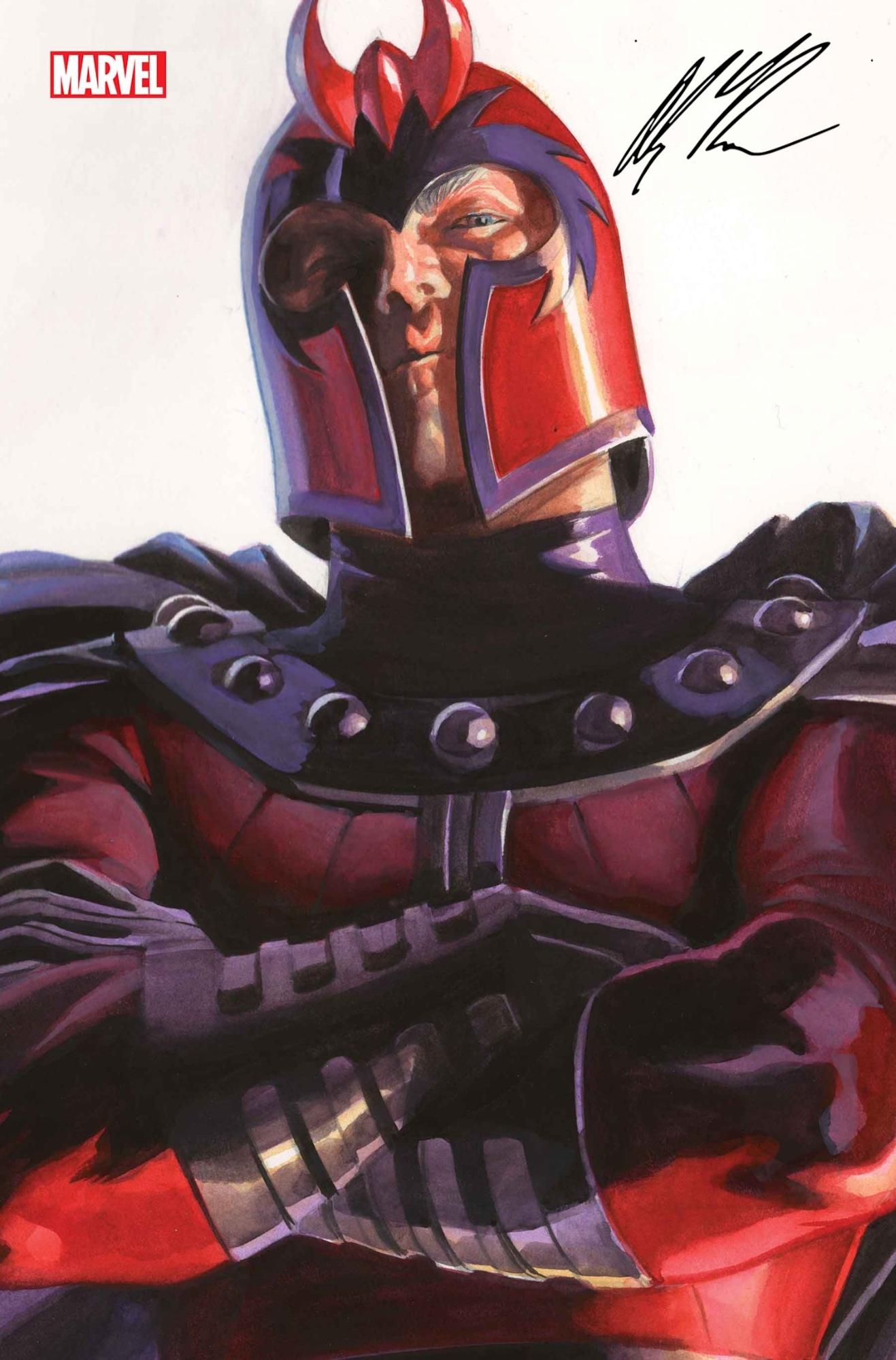
Image source: Marvel Comics
Magneto was the recipient of a great Marvel face turn, all because of his sympathetic origin. Magneto was a Jewish boy during the Holocaust. Imprisoned in Auschwitz, he was able to escape thanks to his powers. He started a family, but when the townspeople found out he was a mutant, they burned down his house, killing his daughter Anya.
Magneto killed the townsfolk and realized that humans would always try to destroy that which was different from them. He met Charles Xavier in Israel, and eventually, thanks to Moira MacTaggert, worked with Xavier and her to build the roots of Krakoa. After a falling out with Xavier, Magneto began his attacks on humanity. Magneto’s sympathetic origin changed the character forever and made him into a fan favorite. His story is a powerful and tragic exploration of trauma, persecution, and the difficult question of whether it’s possible to achieve peace through violence.
9. Iron Man (Marvel) – The Reformed War Profiteer
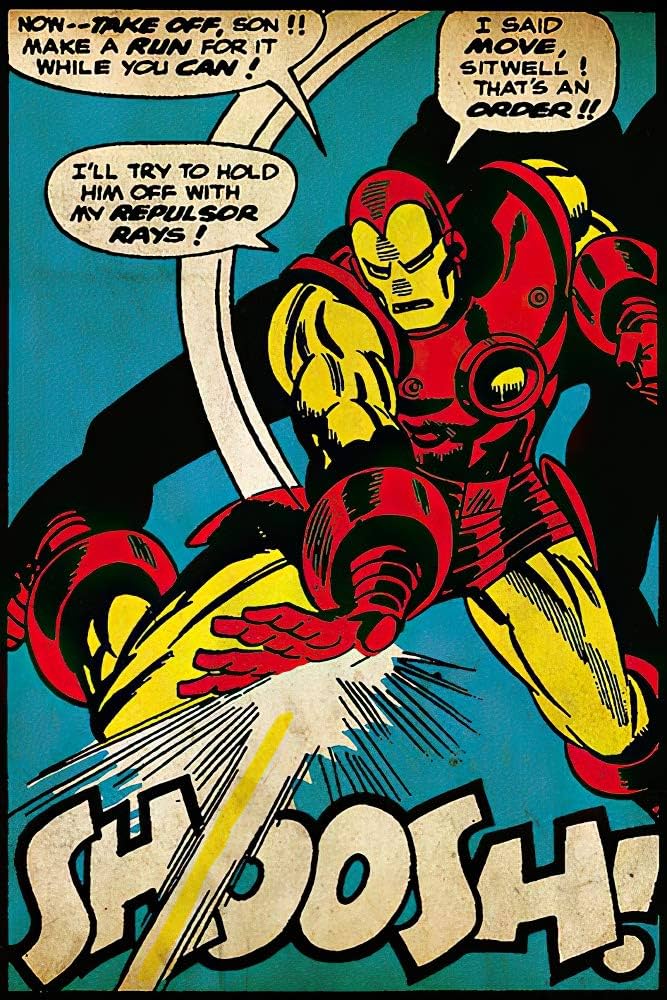
Image source: Amazon.com
Wealthy superheroes are a dime a dozen, yet Iron Man proved to be different. To begin with, Tony Stark was a Cold Warrior through and through, an arms dealer who helped the forces of the capitalist West fight the scourge of communism. After being injured in a terrorist attack using his own munitions, Tony was captured and forced to build weapons for his captors.
With the help of Yinsen, Tony Stark created an armor that would both keep him alive after his injuries and allow him to escape. Yinsen was killed, but Stark escaped, deciding to perfect the armor and fight to undo the damage his weapons did to the world. It’s an origin so good that the MCU barely had to tweak it when they adapted it. Iron Man’s origin is a powerful story of redemption, a man who confronts the destructive legacy of his past and dedicates his life to creating a better future.
8. Fantastic Four (Marvel) – The First Family of Marvel
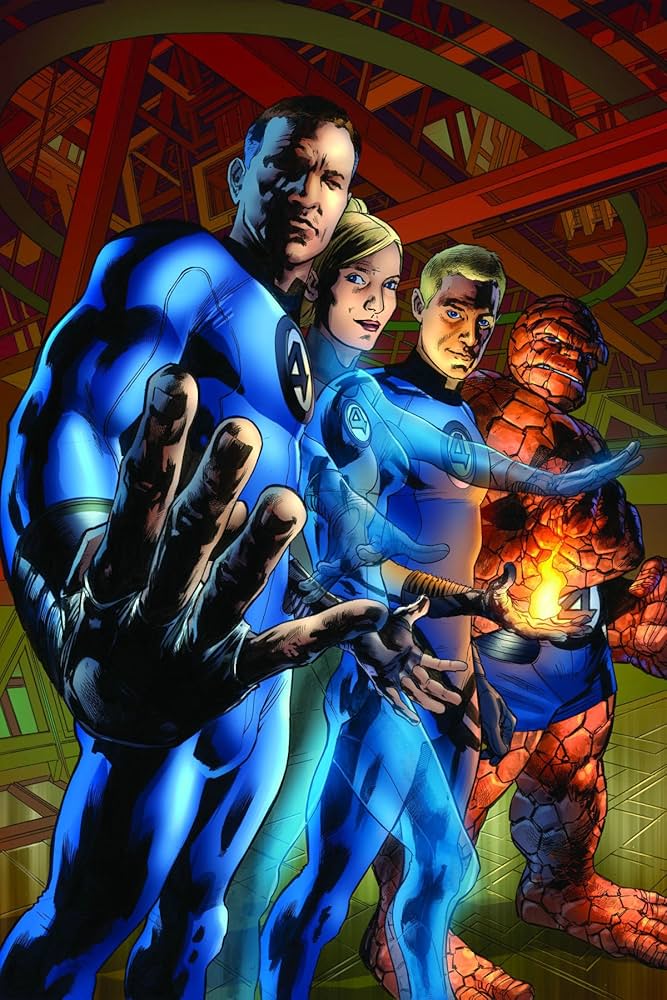
Image source: Amazon.com
The Fantastic Four’s origin has been changed, but its original Cold War context is the best. Reed Richards was an intrepid Cold Warrior determined to beat the Soviets to space. Him, his best friend and pilot Ben Grimm, his girlfriend Sue Storm, and her younger brother Johnny snuck out and launched Richards’ experimental rocket.
Unfortunately, the genius didn’t put strong enough shielding in the hull, and they were struck by cosmic rays. Returning to Earth, they each gained powers. Ben’s were so monstrous that Reed promised he would try to cure them. The group became the Fantastic Four, intrepid scientist superheroes. More explorers than superheroes, the Fantastic Four set the mold for the family dynamic and often psychedelic and innovative stories for every Marvel Comics character thereafter. Their origin is a story of exploration, scientific curiosity, and the bonds of family, a refreshing departure from the tragic origins that dominate the superhero landscape.
7. Doctor Doom (Marvel) – The Perfect Villain Origin
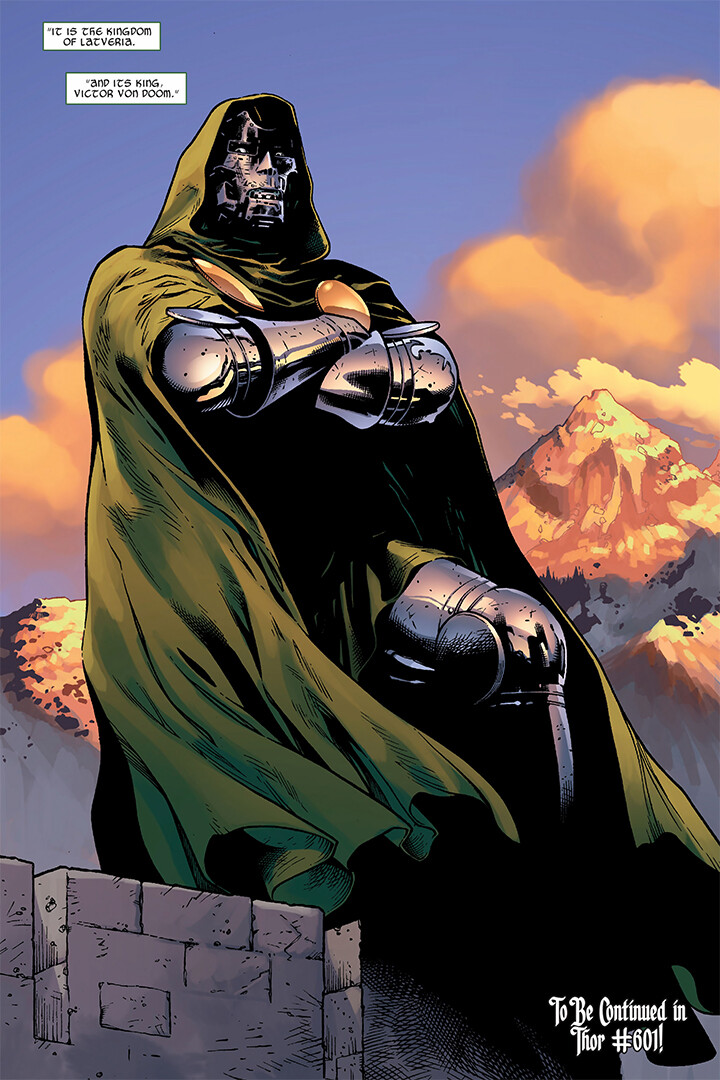
Image source: Comic book poster retailer
Doctor Doom was born among the Romani in Latveria. His mother was a witch whose soul was stolen by the devil and his father died keeping them from the Baron of Latveria’s men. Swearing revenge, Doom eventually made his way to the United States and went to Empire State University. Becoming rivals with Reed Richards, Victor Von Doom tried to create a machine to communicate with his mother.
The machine exploded, because Doom didn’t listen to Reed’s warning, and the scars it caused drove Doom from school. He made the scars worse when he joined an order of monks and had them forge armor for him, putting on the mask before it cooled. Doctor Doom retook his homeland and became its supreme ruler. Doom has the perfect villain origin, and that’s all there is to it. His story is a dark reflection of the hero’s journey, a tale of ambition, pride, and the corrupting influence of power.
6. Captain Marvel/Shazam (DC) – The Ultimate Wish Fulfillment
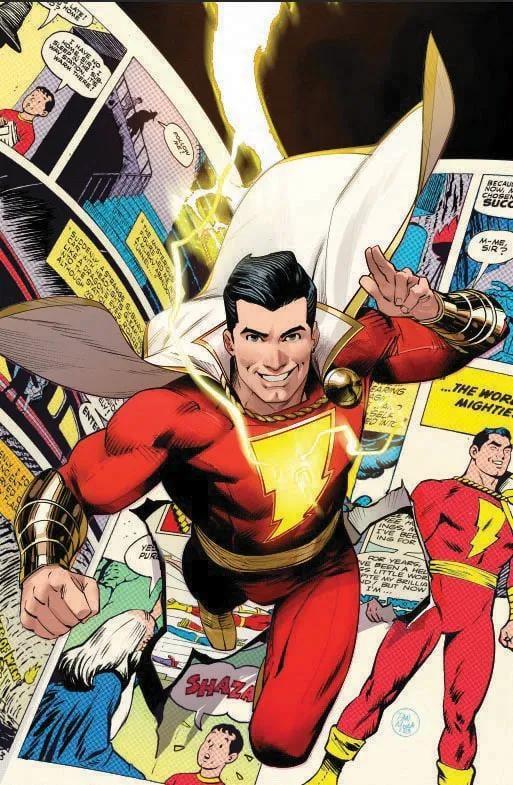
Image source: Reddit
In a genre often defined by tragedy, Captain Marvel (now known as Shazam) stands out as a beacon of pure, unadulterated wish fulfillment. Young Billy Batson, an orphan who has lost his parents in a tragic archaeological accident, is led by a mysterious stranger into a hidden, underground chamber. There, he encounters statues of the “seven deadly enemies of man” and an ancient wizard named Shazam.
The wizard, impressed by Billy’s pure heart, grants him the power of the gods. By speaking the wizard’s name, Billy is struck by a magical lightning bolt and transformed into the mighty Captain Marvel, an adult superhero possessing the wisdom of Solomon, the strength of Hercules, the stamina of Atlas, the power of Zeus, the courage of Achilles, and the speed of Mercury. Shazam’s origin is a timeless story about the power of hope, the importance of maintaining one’s innocence, and the idea that anyone, no matter how small or insignificant they may seem, can be a hero.
5. Wonder Woman (DC) – The Amazonian Ambassador
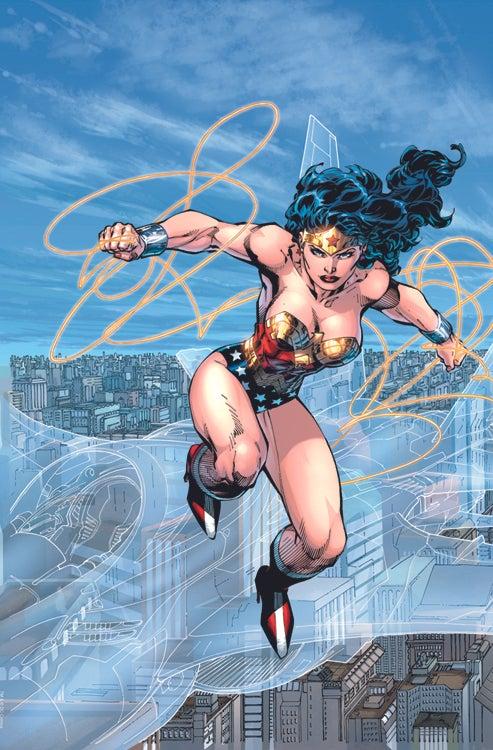
Image source: DC Comics
Wonder Woman’s origin is a powerful and inspiring tale of a princess who leaves her utopian home to bring a message of peace to the outside world. Princess Diana of Themyscira, an island of immortal Amazons, is raised in a society of women who have turned their backs on the corrupt and war-torn world of men. When American pilot Steve Trevor crashes on the island, Diana wins the right to escort him back to his home and act as an ambassador for her people.
Armed with her Lasso of Truth, indestructible bracelets, and a fierce determination to fight for what is right, Diana enters the world of men as Wonder Woman, a symbol of peace, justice, and female empowerment. Her origin is a story of courage, compassion, and the belief that a better world is possible. It’s a timeless tale that has inspired generations of women and girls to be strong, confident, and true to themselves.
4. X-Men (Marvel) – The Persecuted Minority
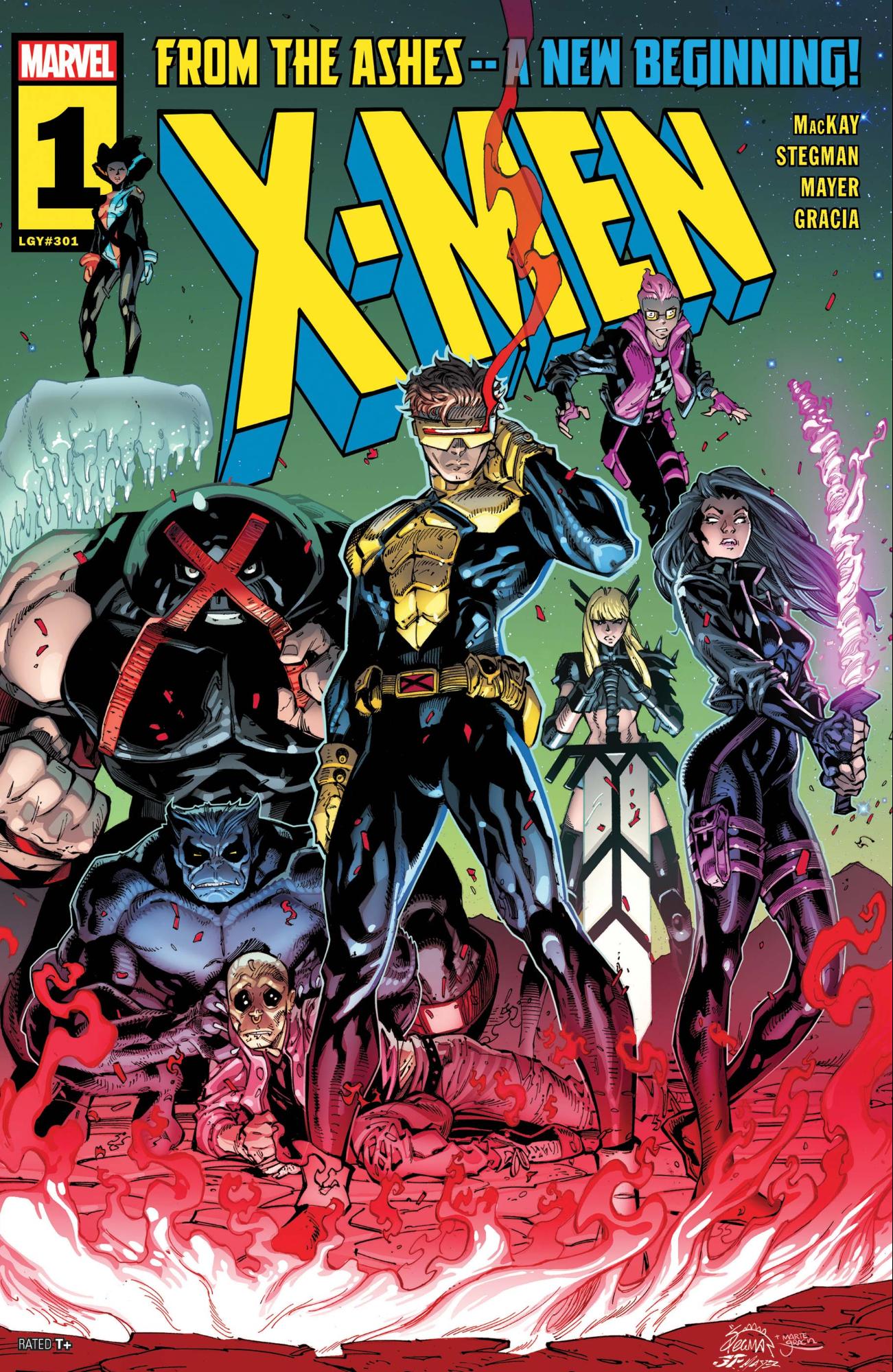
Image source: Marvel Comics
The X-Men are more than just a team of superheroes; they are a powerful and enduring metaphor for the struggle of marginalized people everywhere. Their origin is not a single event, but a collective experience of being born different in a world that fears and hates them. Mutants, individuals born with a genetic anomaly that grants them incredible abilities, are the next stage in human evolution, but they are also a persecuted minority, hunted and feared by the very people they are sworn to protect.
Led by the telepathic Professor Charles Xavier, the X-Men are a team of young mutants who have learned to control their powers and use them for the good of humanity. They fight for a world where mutants and humans can coexist in peace, but they are constantly opposed by those who would see them exterminated. The X-Men’s origin is a timeless and powerful story about prejudice, acceptance, and the fight for civil rights. It’s a story that has resonated with readers for decades and continues to be relevant in a world that is still struggling with issues of diversity and inclusion.
3. Superman (DC) – The Last Son of Krypton
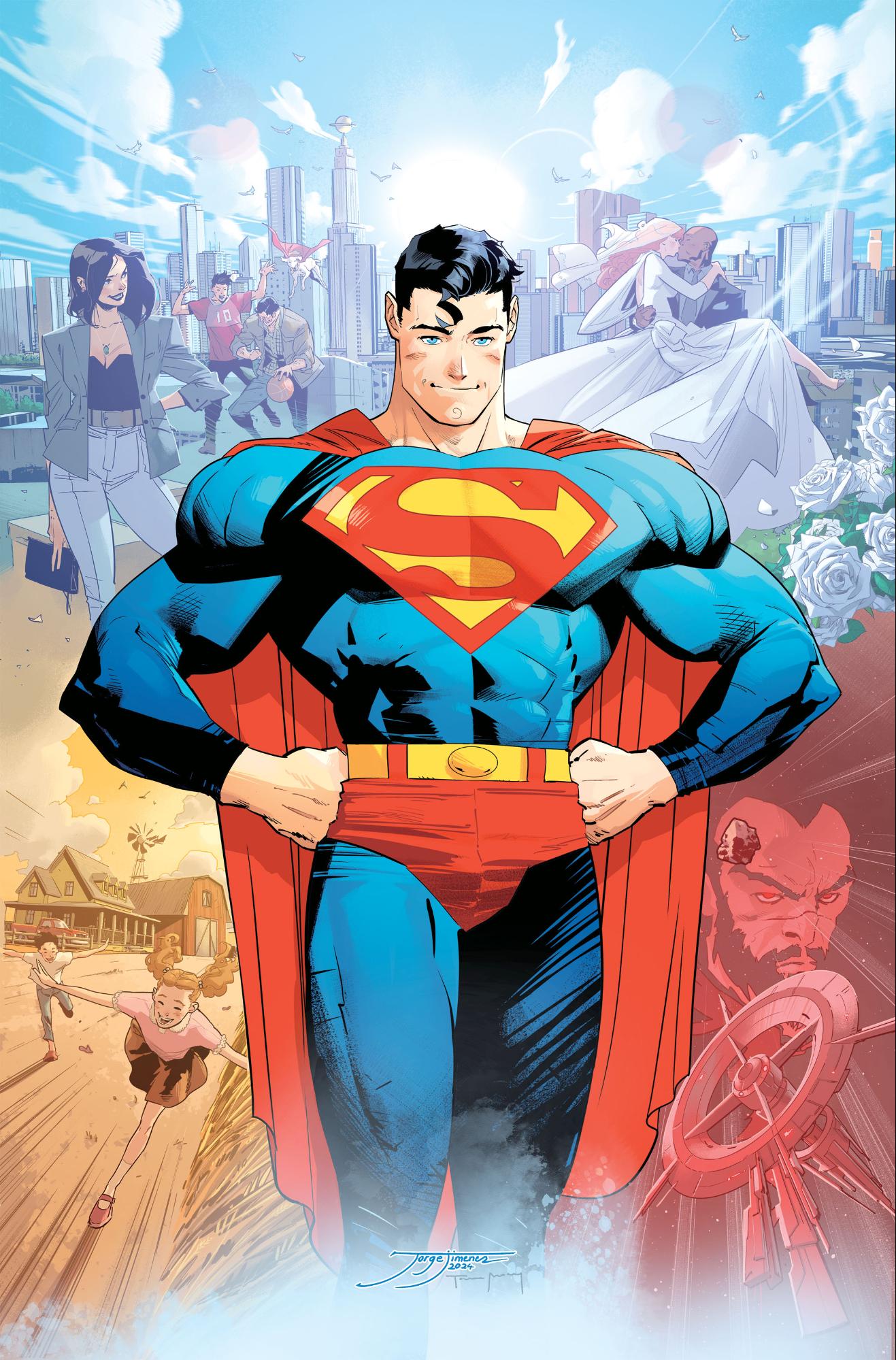
Image source: DC Comics
Superman’s origin is the archetypal superhero story, the one that started it all. Rocketed from his dying homeworld of Krypton by his scientist father, the infant Kal-El crash-lands on Earth and is discovered by a kindly Kansas couple, Jonathan and Martha Kent. Raised as their son, Clark Kent, he discovers that Earth’s yellow sun and lower gravity give him incredible powers, including flight, super strength, and heat vision.
As he grows older, Clark learns to use his powers for the good of humanity, becoming the world’s greatest protector, Superman. His origin is a story of hope, a tale of an outsider who embraces his adopted home and becomes its greatest champion. It’s a story that has been told and retold countless times, but it never loses its power to inspire. Superman is the ultimate symbol of truth, justice, and the American way, a hero who reminds us that we all have the power to make a difference.
2. Batman (DC) – The Dark Knight’s Tragedy
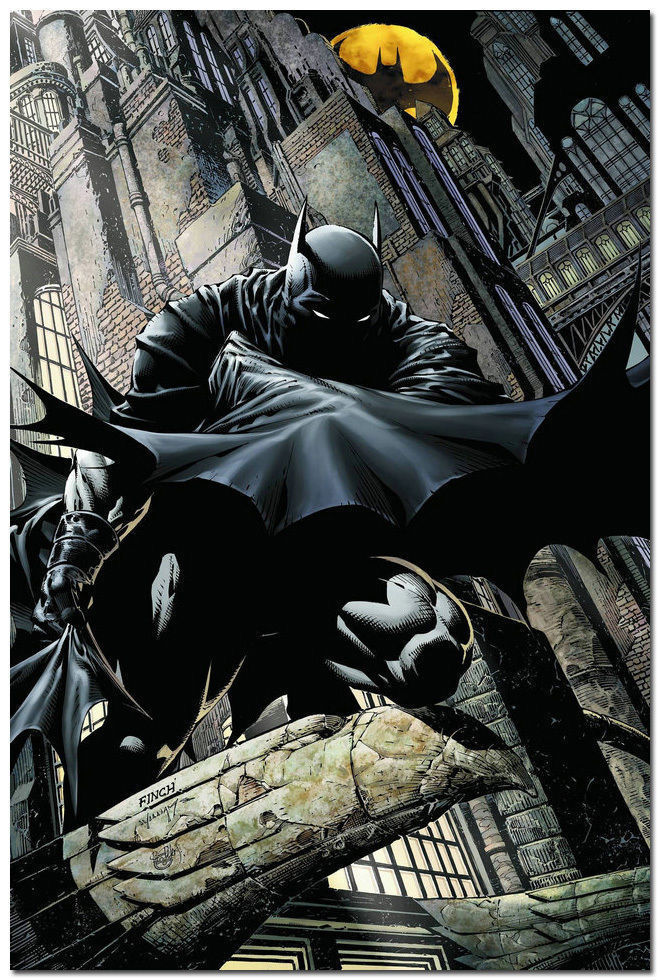
Image source: DC Comics poster retailer
Batman’s origin is one of the most tragic and iconic in all of comic books, setting the stage for a lifetime of vengeance and a relentless pursuit of justice. As a young boy, Bruce Wayne witnesses the brutal murder of his parents at the hands of a common street thug. This single, traumatic event shatters his idyllic childhood and sets him on a dark and obsessive path.
Inheriting his parents’ vast fortune, Bruce dedicates his life to becoming the ultimate crime-fighter. He travels the world, mastering various forms of combat and detective skills, and returns to Gotham City as a symbol of fear and intimidation, the Batman. His origin is a powerful exploration of trauma, grief, and the fine line between justice and revenge. It’s a story that has been deconstructed and reinterpreted countless times, but its core emotional power remains undiminished.
1. Spider-Man (Marvel) – With Great Power Comes Great Responsibility
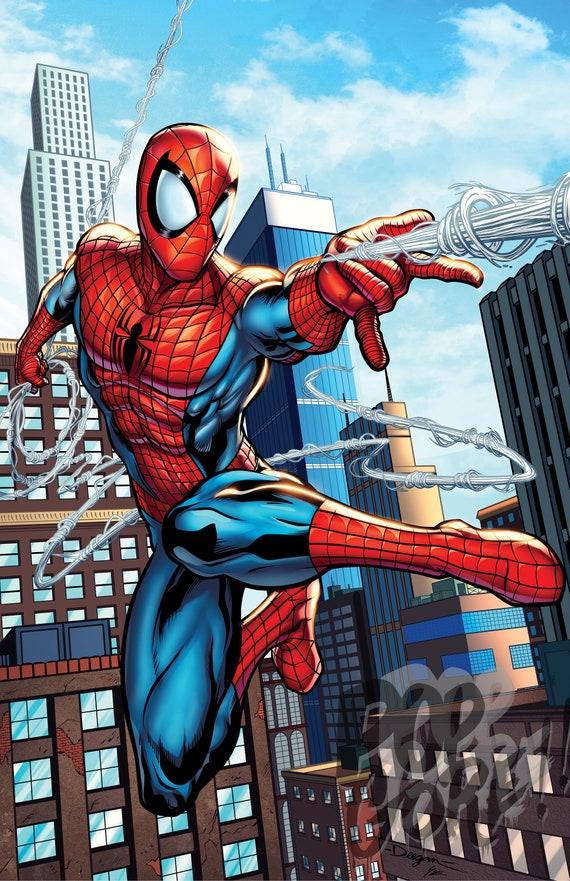
Image source: Etsy
Peter Parker was one of the first superheroes that the audience could really identify with. He struggled with social interactions, suffered from bullying, and lead an uninteresting home life anchored by his loving aunt and uncle. All of that changed, however, when he was bitten by a radioactive spider while on a scientific field trip, which altered his DNA and imbued him with incredible strength, the ability to cling to walls, and an uncanny “spider-sense” that alerts him to danger. Using his own scientific ingenuity, Peter also created a pair of “web-shooters,” which produce a special chemical version of a spider’s webs.
At first, Peter tried to use his powers for his own gain, competing in a televised wrestling match to earn money to help his aunt and uncle meet their financial burdens and to buy a car. After the competition owner stiffed him out of the money he earned, Peter let a thief that was stealing the owner’s money escape, refusing to help stop the robbery, even though he could have easily done so. Later, Peter discovered his uncle Ben had been murdered by a car thief. Tracking the car thief to a warehouse where he was hiding from the police, Peter discovered, to his horror, that the thief was the same one he failed to stop at the television station.
From that day on, Peter has used his powers as the Amazing Spider-Man, flying into danger and using his abilities to protect those who can’t protect themselves even when it costs him dearly. Spider-Man operates under the mantra, “With great power, there must also come great responsibility.” Spider-Man’s origin combines all of the most classic aspects of pathos, tragedy, and scientific wonder into the perfect blend for a superhero origin.
Marvel vs DC: Different Approaches to Origin Stories
The fundamental differences in how Marvel and DC approach origin stories create the distinct flavors of their respective universes. As CBR explains, DC’s pantheon is filled with gods and legends—beings chosen, created, or magically endowed who descend to humanity’s level [2]. Superman is a messianic figure from the heavens, Wonder Woman a demigoddess from a mythical island, and Green Lantern a space cop chosen by cosmic guardians. Their stories are often about gods learning to be human.
In contrast, Marvel’s heroes are often grounded in humanity, their powers an unexpected, often unwelcome, intrusion into their ordinary lives. Peter Parker was a nerdy high school student, the Fantastic Four a family of scientists, and the X-Men a marginalized group feared by the society they protect. Their stories are about humans learning to be gods. This core difference—gods among mortals vs. mortals becoming gods—is the central pillar that supports the unique storytelling of each publisher.
The Evolution of Origin Stories
Superhero origin stories have evolved significantly since their inception in the Golden Age of comics. The early origins were often simple and straightforward, reflecting the black-and-white morality of the time. Heroes were often created by scientific accidents or were simply born with their powers, and their motivations were usually a simple desire to fight for truth and justice.
The Silver Age brought a new level of complexity to origin stories, with a greater emphasis on science fiction and cosmic themes. Characters like the Fantastic Four and Green Lantern were products of this era, their origins reflecting the anxieties and aspirations of the atomic age. The Modern Age of comics has seen a further evolution of the origin story, with a greater focus on psychological depth and moral ambiguity. Characters like Wolverine and Magneto have had their origins retconned and expanded upon, adding new layers of complexity to their motivations and backstories.
Why These Origins Endure
The greatest superhero origin stories have endured for decades, captivating generations of readers and inspiring countless adaptations in film, television, and other media. But what is it about these stories that gives them such lasting power? The answer lies in their ability to tap into universal human experiences and timeless themes.
These stories are not just about how a hero got their powers; they are about the choices they make, the sacrifices they endure, and the values they represent. They are stories about hope, tragedy, and the enduring power of the human spirit. From the streets of Gotham to the far reaches of the cosmos, these foundational stories will continue to be told and retold, inspiring new heroes and new fans for years to come.
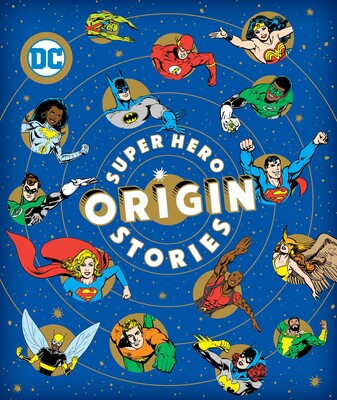 Origin stories remain a cornerstone of superhero storytelling across all media (Source: DC Comics/Simon & Schuster)
The Marvel vs. DC Divide
The fundamental differences in how Marvel and DC approach origin stories create the distinct flavors of their respective universes. As CBR explains, DC’s pantheon is filled with gods and legends—beings chosen, created, or magically endowed who descend to humanity’s level [2]. Superman is a messianic figure from the heavens, Wonder Woman a demigoddess from a mythical island, and Green Lantern a space cop chosen by cosmic guardians. Their stories are often about gods learning to be human.
In contrast, Marvel’s heroes are often grounded in humanity, their powers an unexpected, often unwelcome, intrusion into their ordinary lives. Peter Parker was a nerdy high school student, the Fantastic Four a family of scientists, and the X-Men a marginalized group feared by the society they protect. Their stories are about humans learning to be gods. This core difference—gods among mortals vs. mortals becoming gods—is the central pillar that supports the unique storytelling of each publisher.
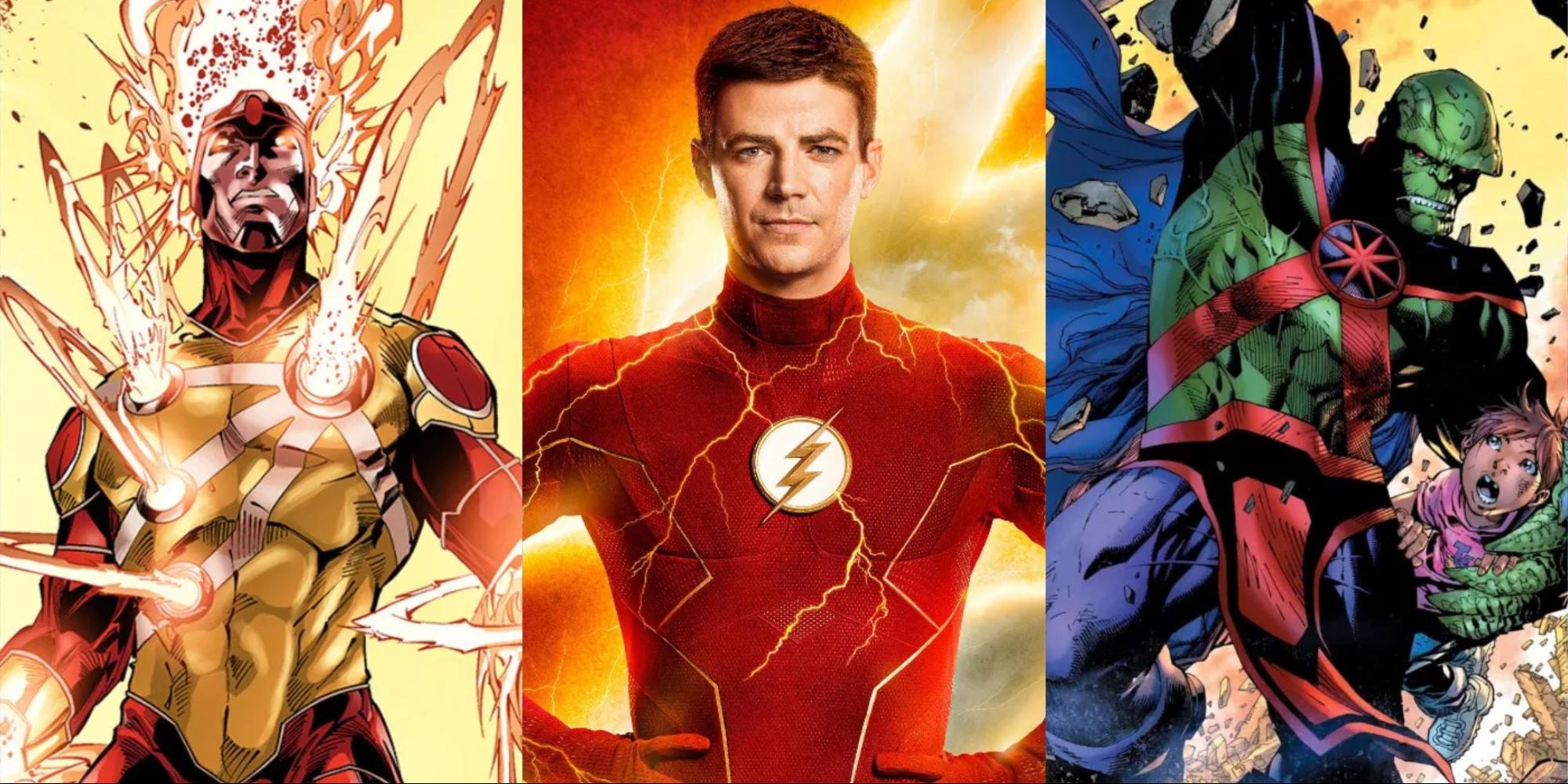 DC Comics has established distinct origin story patterns that differ from Marvel’s approach (Source: CBR/DC Comics)
Creators/Cast
The architects of these legendary origin stories are as iconic as the characters themselves. Their creative vision laid the groundwork for decades of storytelling:
- Stan Lee & Steve Ditko: The masterminds behind Spider-Man and Doctor Strange, their collaboration in the 1960s defined the Marvel Age of Comics with relatable heroes and groundbreaking art.
- Jerry Siegel & Joe Shuster: The creators of Superman, their work on Action Comics #1 in 1938 is arguably the most important comic book ever published, launching the entire superhero genre.
- Bob Kane & Bill Finger: While Bob Kane is officially credited as Batman’s creator, Bill Finger was the writer who developed many of the key elements of the Batman mythos, including his tragic origin story.
- Jack Kirby: “The King of Comics,” Kirby’s creative genius is unparalleled. He co-created Captain America, the Fantastic Four, the X-Men, and countless other characters, and his dynamic art style is still influential today.
- Geoff Johns: A modern master of the DC Universe, Johns has redefined and updated the origins of numerous heroes, most notably Green Lantern, solidifying their modern mythos for a new generation.
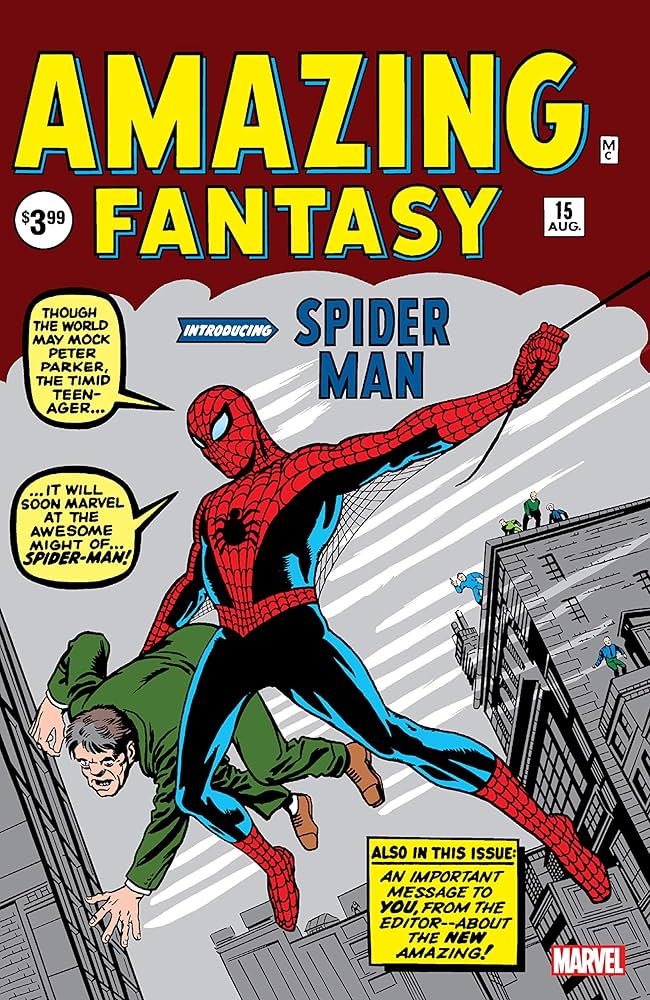 Amazing Fantasy #15 introduced Spider-Man with the greatest origin story ever told (Source: Marvel Comics/Amazon)
Release Plan
These foundational origin stories were first told in the pages of now-legendary comic books. Here’s where you can find these landmark issues:
- Spider-Man: Amazing Fantasy #15 (August 1962)
- Batman: Detective Comics #27 (May 1939) – First appearance, with the full origin detailed in Detective Comics #33 (November 1939)
- Superman: Action Comics #1 (June 1938)
- X-Men: The X-Men #1 (September 1963)
- Captain America: Captain America Comics #1 (March 1941)
- Fantastic Four: The Fantastic Four #1 (November 1961)
- Green Lantern (Hal Jordan): Showcase #22 (September-October 1959)
These classic issues are widely available in collected editions, graphic novels, and on digital platforms like Marvel Unlimited and DC Universe Infinite.
FAQ
What is the most popular superhero origin story?
According to an analysis by CBR, the most common origin story in DC Comics involves a character being chosen by a higher power, with the Green Lantern Corps being the most prominent example [2]. Scientific accidents and experiments are also extremely common.
Why is Spider-Man’s origin considered the best?
Spider-Man’s origin is celebrated for its perfect blend of relatable tragedy, moral consequence, and wish fulfillment. The death of his Uncle Ben, a direct result of his own inaction, teaches him the powerful lesson that “with great power comes great responsibility,” a theme that has resonated with readers for decades [1].
What was the first superhero origin story?
Superman’s origin in Action Comics #1 (1938) is considered the first modern superhero origin story, establishing the template of an extraordinary being with a secret identity who uses their powers for the good of humanity.
How have origin stories changed over time?
Origin stories have evolved from the simple, aspirational tales of the Golden Age to the more complex, science-fiction-driven narratives of the Silver Age and the psychologically deep, often darker, stories of the Modern Age. They are frequently updated to reflect contemporary settings and cultural anxieties.
Are there any major heroes without a tragic origin?
Yes! While tragedy is a common element, characters like Captain Marvel (Shazam) have origins rooted in wish fulfillment and wonder. Billy Batson is simply a good kid chosen to wield incredible power, offering a more optimistic and lighthearted take on the superhero journey.
The Bottom Line
Superhero origin stories are more than just the first chapter in a hero’s journey; they are the narrative engines that power the entire comic book industry. They are the modern myths that have captivated audiences for generations, offering timeless tales of hope, tragedy, and the enduring power of the human spirit. From the streets of Gotham to the far reaches of the cosmos, these foundational stories will continue to be told and retold, inspiring new heroes and new fans for years to come.
Sources
[1] GamesRadar, “Best superhero origin stories,” https://www.gamesradar.com/best-superhero-origin-stories/
[2] CBR, “10 Most Common Superhero Origins In DC Comics,” https://www.cbr.com/dc-comics-most-common-superhero-origins/
[3] WatchMojo, “Top 20 BEST Superhero Origin Stories,” https://www.watchmojo.com/articles/top-20-superhero-origin-stories


