The best superhero origin stories share one thing: they aren’t really about how someone got their powers, they’re about the moment an ordinary person becomes an idea. Spider-Man learns responsibility through guilt; Batman turns grief into a lifelong war; Superman becomes hope for a world not his own. Below we rank the 15 greatest superhero origin stories ever told, from Green Arrow’s shipwreck to the radioactive spider bite that started it all, and explain the deeper logic of why these particular tales became modern myth. We also break down the core difference between Marvel and DC origins, add a collector’s guide to the key first-appearance issues, and answer the questions fans ask most. This is the definitive, no-filler ranking, updated for 2026.
| Rank | Hero | Publisher | Origin First Told In | Core Theme |
|---|---|---|---|---|
| 1 | Spider-Man | Marvel | Amazing Fantasy #15 (1962) | Guilt & responsibility |
| 2 | Batman | DC | Detective Comics #33 (1939) | Grief into vengeance |
| 3 | Superman | DC | Action Comics #1 (1938) | The immigrant’s hope |
| 4 | X-Men | Marvel | The X-Men #1 (1963) | Persecuted minority |
| 5 | Wonder Woman | DC | All Star Comics #8 (1941) | Ambassador of peace |
| 6 | Shazam / Captain Marvel | DC | Whiz Comics #2 (1940) | Pure wish fulfillment |
| 7 | Doctor Doom | Marvel | Fantastic Four #5 (1962) | The perfect villain |
| 8 | Fantastic Four | Marvel | Fantastic Four #1 (1961) | Family of explorers |
| 9 | Iron Man | Marvel | Tales of Suspense #39 (1963) | The reformed profiteer |
| 10 | Magneto | Marvel | X-Men #1 (1963) | Trauma & vengeance |
| 11 | Captain America | Marvel | Captain America Comics #1 (1941) | The perfect soldier |
| 12 | Wolverine | Marvel | Incredible Hulk #180 (1974) | Memory & identity |
| 13 | Green Lantern | DC | Showcase #22 (1959) | Chosen by will |
| 14 | The Hulk | Marvel | Incredible Hulk #1 (1962) | The monster within |
| 15 | Green Arrow | DC | More Fun Comics #73 (1941) | Riches to rags |
What Makes a Great Superhero Origin Story?
A great origin is a crucible that forges a person into a symbol. The ones that last share four traits: an emotional core we recognize (loss, guilt, the search for belonging); a clear motivation that gives the powers a purpose beyond spectacle; cultural reach that reshapes the genre around it; and a balance of tragedy and hope, so the pain becomes a reason to rise rather than an excuse to quit.
There’s also a publisher-level split worth flagging up front. As comics critics often note, DC’s icons tend to be “made”, chosen by gods, empowered by magic, or gifted by science, while Marvel’s tend to be “born” different and forced to cope, like the X-Men. That single distinction, gods among mortals versus mortals becoming gods, colors almost every entry below.
The Ultimate Ranking: 15 Greatest Superhero Origin Stories
15. Green Arrow (DC) – The Castaway Billionaire
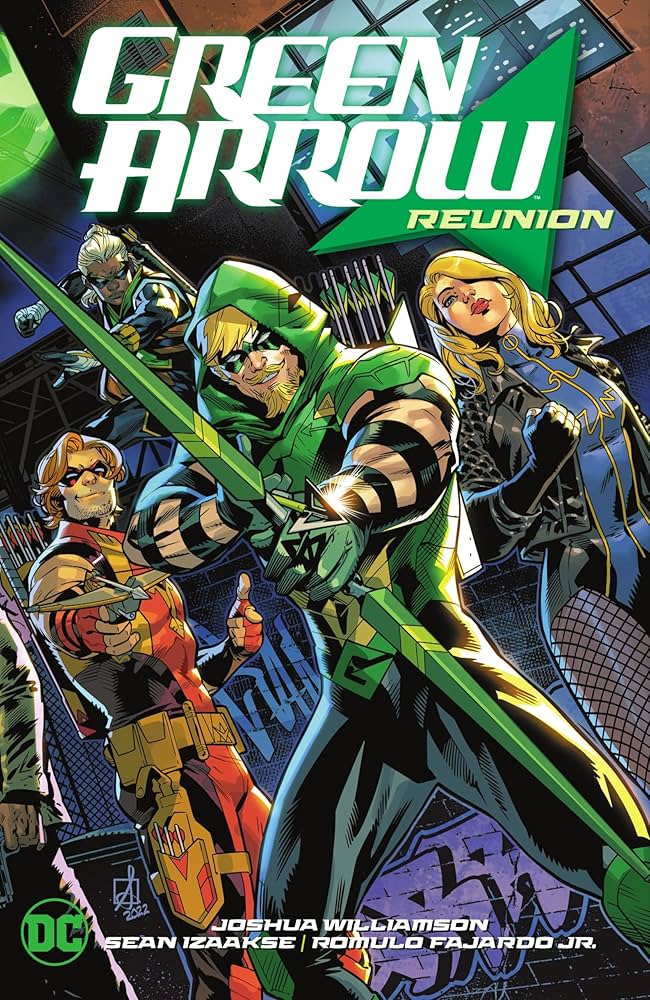
Green Arrow’s most famous origin is a sharp riches-to-rags reversal. Playboy Oliver Queen is thrown overboard and marooned on a deserted island, where the luxuries of his old life count for nothing. Forced to survive, he masters archery and hunting, and after fighting off pirates to save a passing ship, he resolves to use those hard-won skills for people worse off than himself, rather than looking down on them.
The behind-the-scenes history is almost as interesting. In his Golden Age debut he was an archaeologist who took up a bow after his museum burned. The castaway version was cemented decades later, updated definitively by Andy Diggle and Jock in Green Arrow: Year One, and carried over (lightly tweaked) to the Arrow TV series that launched the Arrowverse.
14. The Hulk (Marvel) – Cold War Cautionary Tale
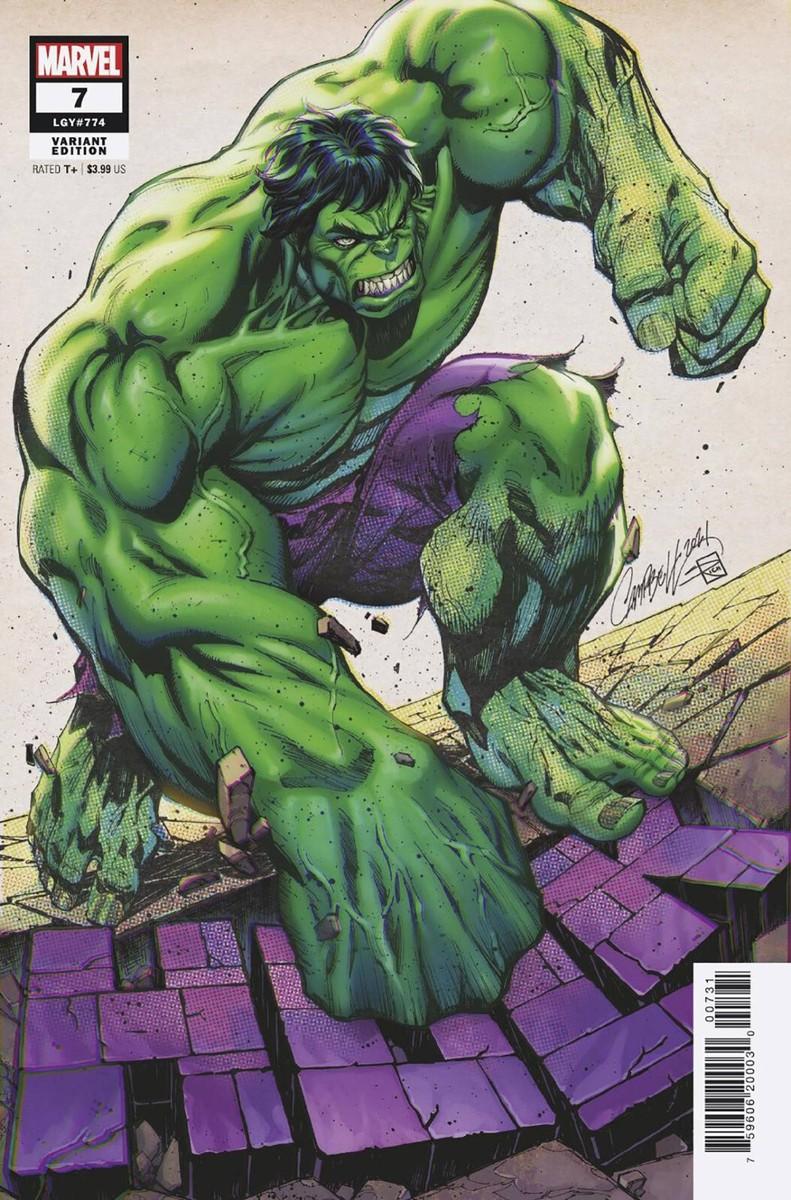
The Hulk is pure Silver Age Cold War anxiety in monster form. Physicist Bruce Banner builds a gamma bomb for the U.S. military while quietly in love with Betty Ross, daughter of the general overseeing the project. On test day he spots a teenager, Rick Jones, wandered onto the range. Banner saves the boy but takes the full blast himself.
The gamma radiation splits Banner into two: the mild scientist and the raging id he cannot control. It’s a story about the destructive power we unleash and can’t put back in the bottle, and later writers deepened it into an enduring study of trauma, dissociation, and the monster inside us all.
13. Green Lantern (DC) – Chosen by the Stars
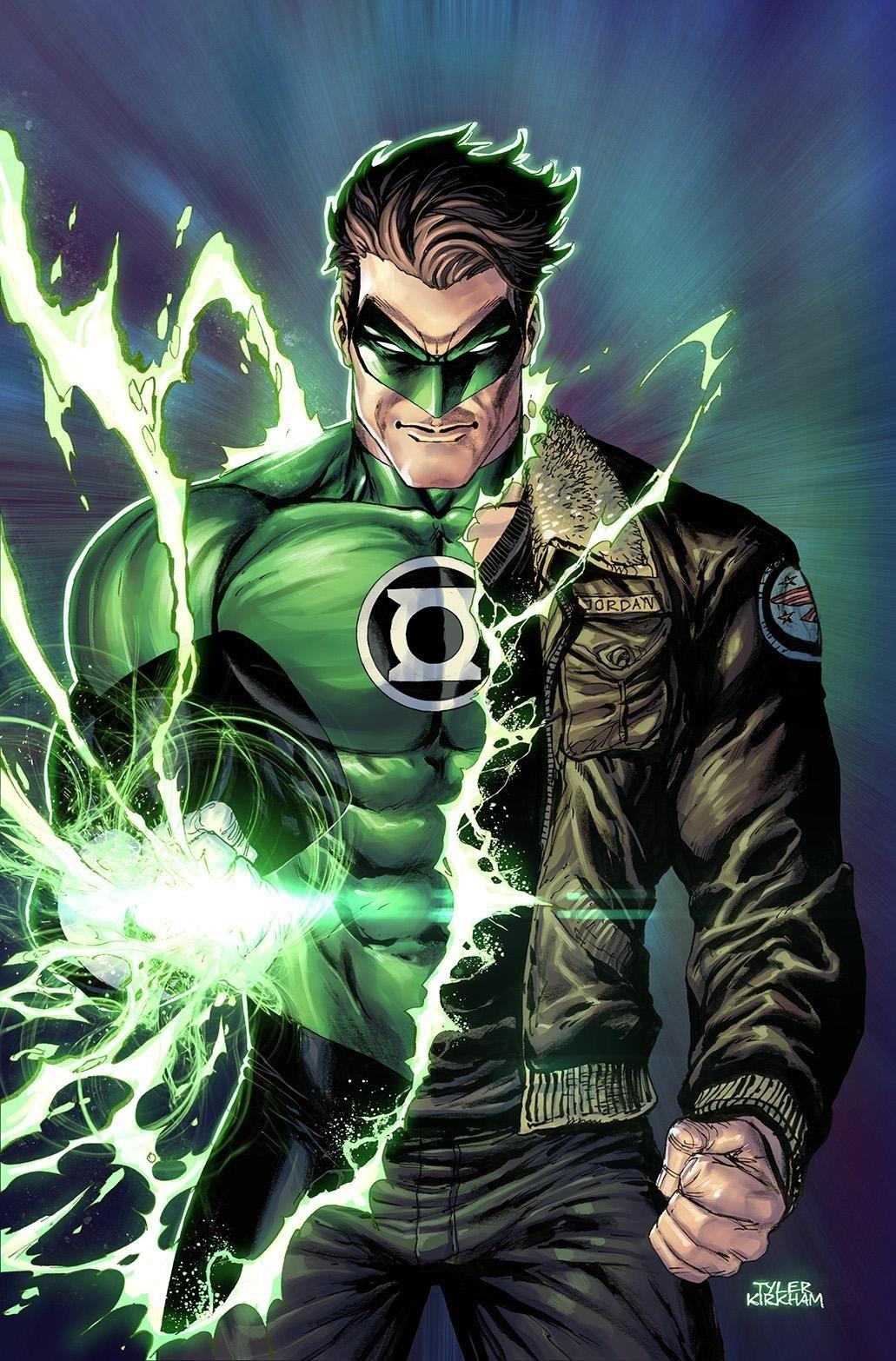
Part of the Silver Age revival that reinvented DC’s Golden Age heroes as science fiction, Hal Jordan’s Green Lantern swapped magic for hard sci-fi. Test pilot Hal Jordan receives his power ring not from a wizard but from Abin Sur, a dying alien lawman who needs the nearest worthy successor.
The ring can create anything its bearer imagines, and it chose Jordan because he was, in the classic phrasing, capable of overcoming great fear. Membership in the intergalactic Green Lantern Corps followed, opening DC’s storytelling to a whole cosmos of aliens and worlds, the first true sci-fi superhero of the era.
12. Wolverine (Marvel) – The Immortal Weapon
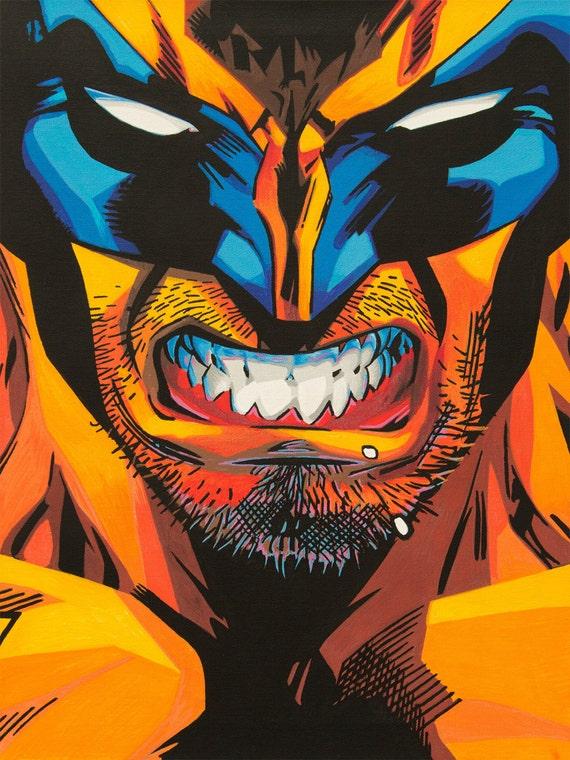
Wolverine spent decades as comics’ great man of mystery before the 2001 Origin miniseries filled in the blanks. He was born James Howlett, the sickly son of a wealthy family in 1880s Canada, whose mutant claws and healing factor erupted on the night his father was killed.
That healing factor made him functionally immortal; he fought through wars for over a century before the Weapon X program bonded adamantium to his skeleton and tried to erase his mind into the perfect assassin. His origin is really about memory and identity, a man clawing back his humanity again and again from a nature others engineered to be violent.
11. Captain America (Marvel) – The Perfect Soldier
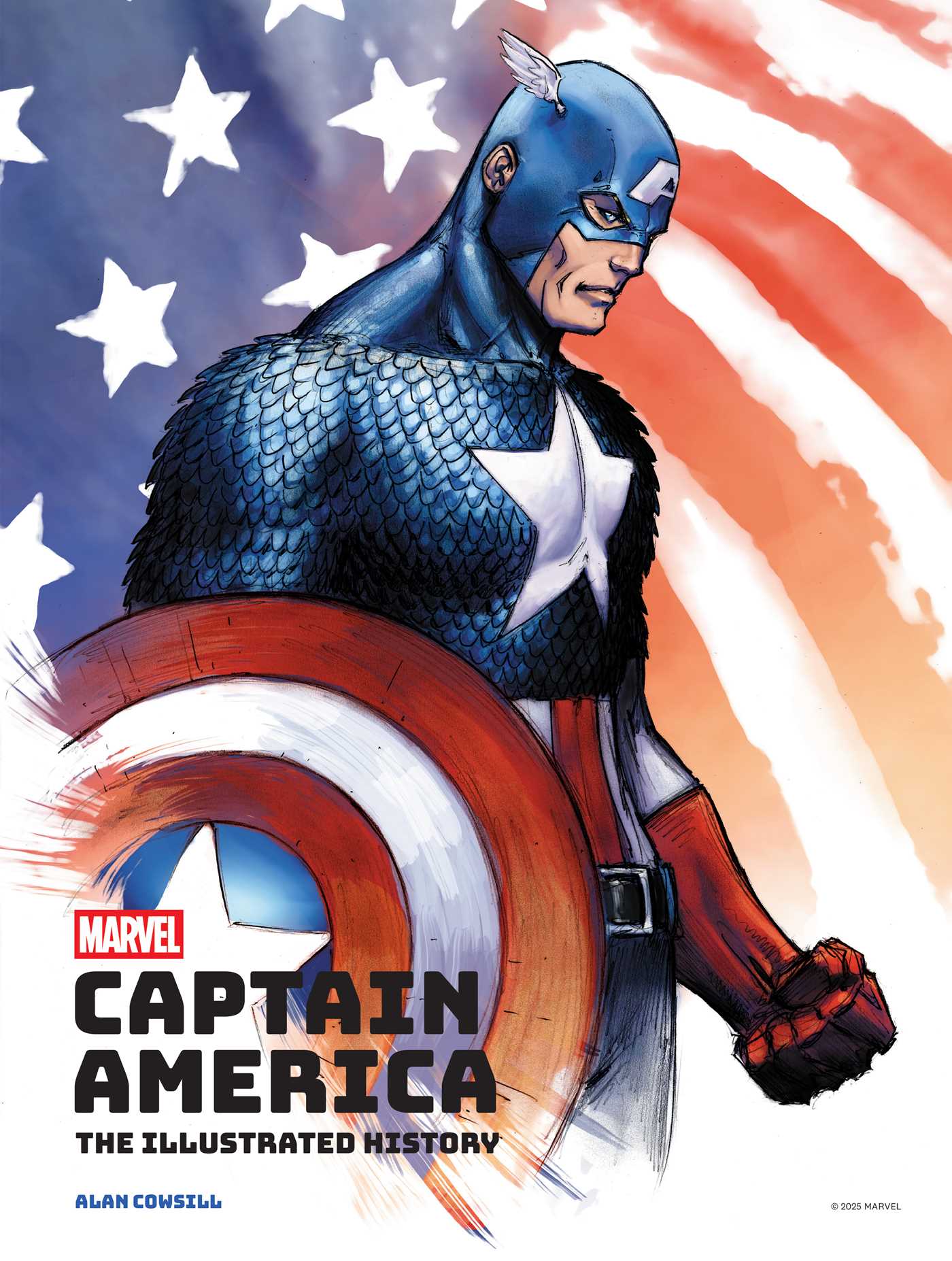
Steve Rogers’ origin is the purest wartime wish fulfillment in comics. A frail young man repeatedly rejected by the army, Steve Rogers volunteers for the experimental Super-Soldier program and is transformed into a physically perfect fighter, the answer to Nazi tyranny.
The catch is written into the tragedy: a saboteur murders Dr. Erskine moments after the procedure, so the formula dies with him and Rogers becomes the first and only of his kind. The point of the story has always been that the serum only amplified what was already there. Cap is a hero because a scrawny kid from Brooklyn refused to bully or be bullied, long before he had the muscle to back it up.
10. Magneto (Marvel) – Holocaust Survivor’s Vengeance
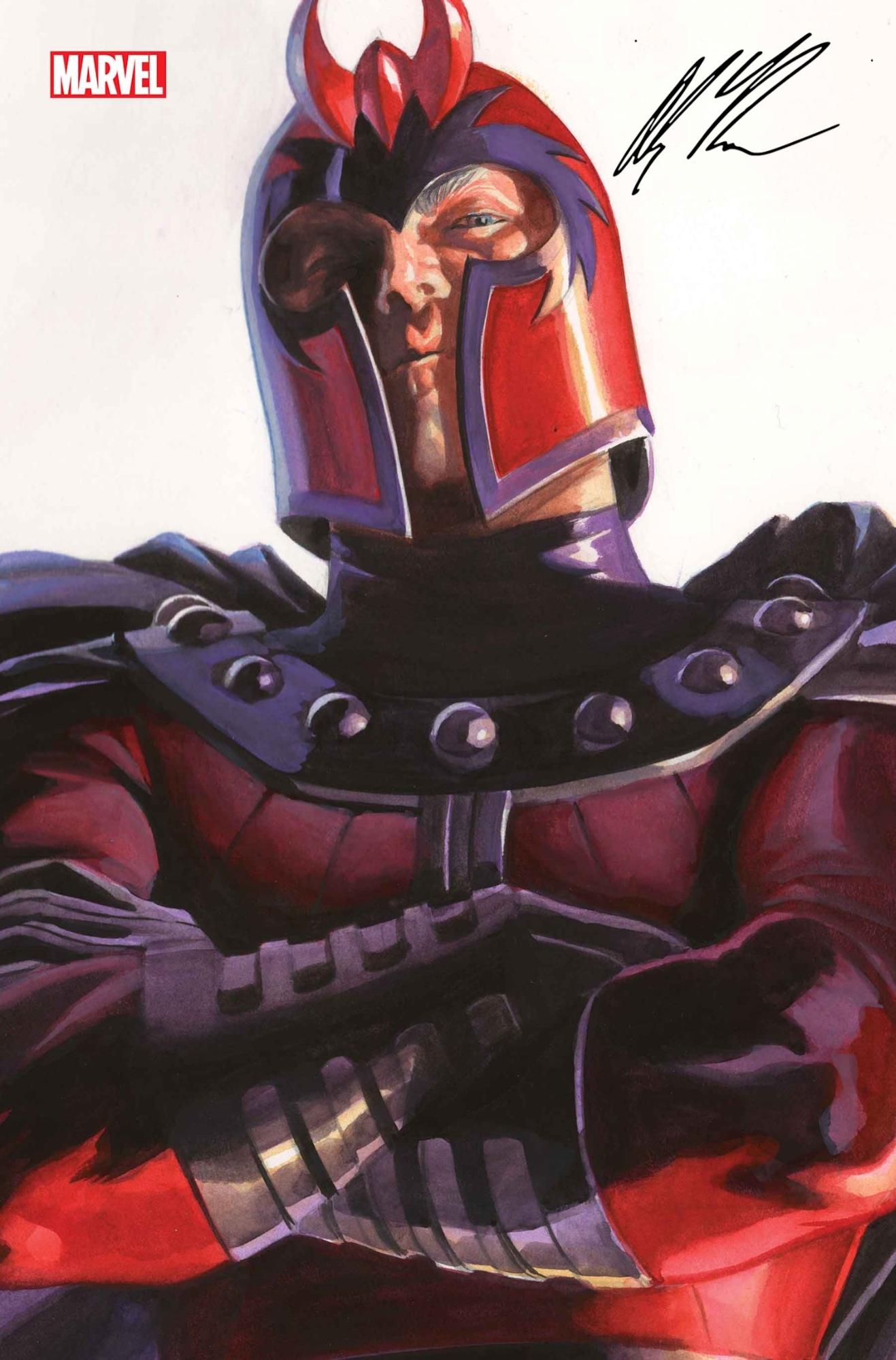
Few villains have a more devastating origin, and it’s why so many readers see him as a tragic anti-hero. As a child, Magneto (later named Erik Lehnsherr / Max Eisenhardt) survived the Holocaust and the Auschwitz death camp. He built a family afterward, only to watch a mob burn his home and kill his young daughter when they discovered he was a mutant.
That trauma hardened into a conviction: humanity will always try to destroy what is different, so mutants must strike first. His decades-long argument with Charles Xavier, the survivor who chose vengeance versus the professor who chose hope, is one of the great moral debates in all of comics, and the reason Magneto keeps sliding between villain and reluctant ally.
9. Iron Man (Marvel) – The Reformed War Profiteer
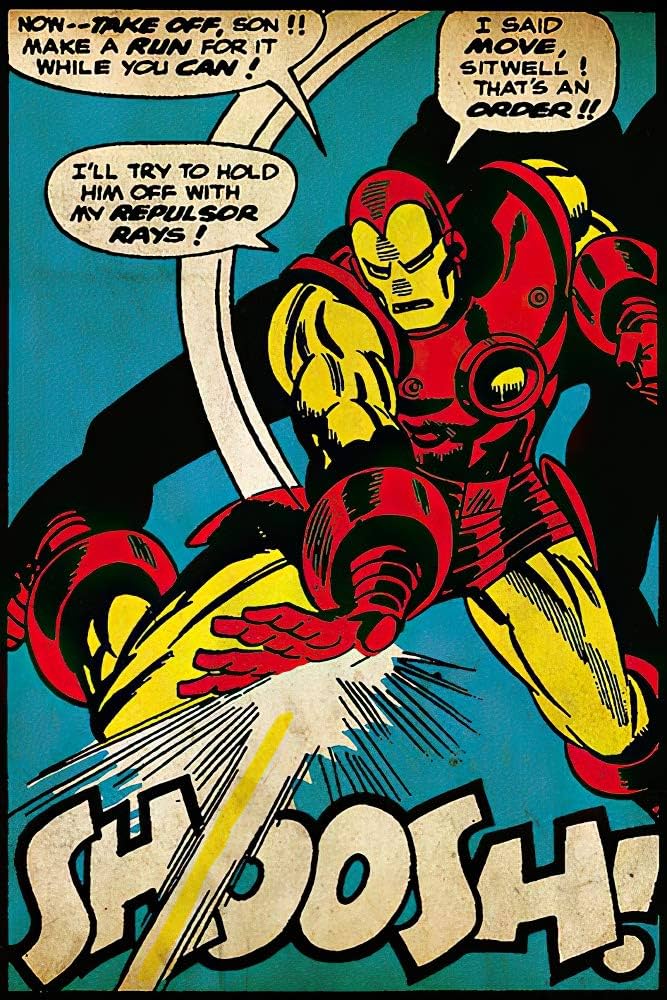
Iron Man inverts the wealthy-hero trope by making the wealth the sin. Arms dealer Tony Stark profits handsomely from the weapons trade until he is wounded and captured, held hostage and ordered to build weapons for his captors, with shrapnel creeping toward his heart.
Instead he and fellow prisoner Ho Yinsen secretly build a life-sustaining suit of armor to escape. Yinsen dies covering that escape, and a guilt-stricken Stark dedicates himself to undoing the damage his own arsenal caused. It’s a redemption arc so tight that the 2008 MCU film barely had to change it, only trading Vietnam for Afghanistan.
8. Fantastic Four (Marvel) – The First Family of Marvel
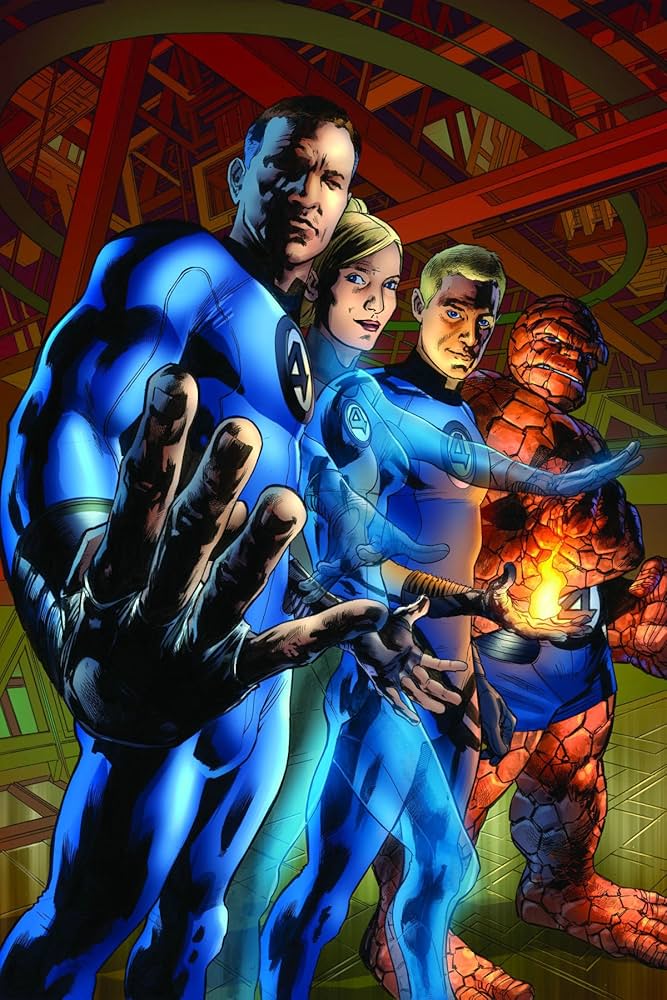
The 1961 origin that launched the modern Marvel Age is a Space Race parable. Determined to beat the Soviets to the stars, Reed Richards rushes an experimental rocket flight with pilot Ben Grimm, his girlfriend Sue Storm, and her brother Johnny. Inadequate shielding leaves them bombarded by cosmic rays.
They return changed: Reed elastic, Sue invisible, Johnny aflame, and Ben transformed into the rock-skinned, tragically monstrous Thing. Crucially, they don’t hide behind secret identities or perfect harmony; they bicker like a real family. That warmth and dysfunction set the template for the emotionally grounded, explorer-driven storytelling that defined Marvel thereafter.
7. Doctor Doom (Marvel) – The Perfect Villain Origin
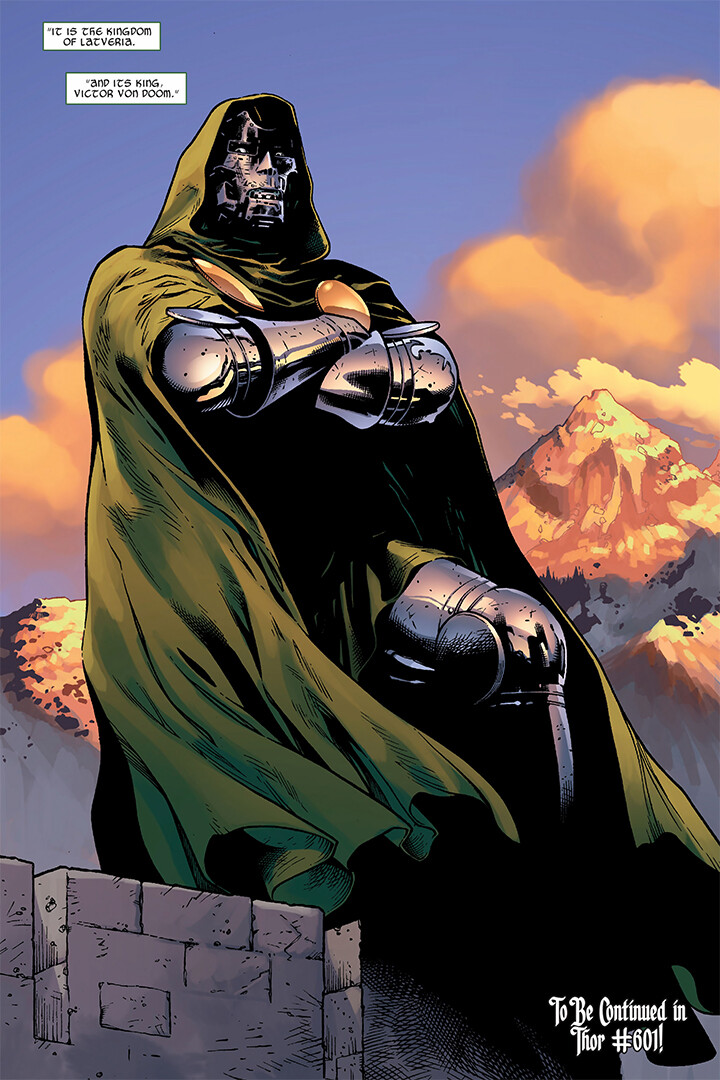
Victor Von Doom’s origin is the dark mirror of a hero’s journey. Born to Romani parents in the fictional Latveria, Victor Von Doom loses his witch mother to the underworld and his father to a tyrant’s men, and swears to master both science and sorcery to strike back at fate itself.
At university he becomes Reed Richards’ rival, and his refusal to heed Reed’s warning causes the experiment that scars his face. Pride does the rest: he seals the disfigurement behind an iron mask he dons before it has even cooled, then seizes the throne of Latveria. Ambition, arrogance, and unshakeable self-belief make Doom the definitive supervillain origin.
6. Captain Marvel / Shazam (DC) – The Ultimate Wish Fulfillment
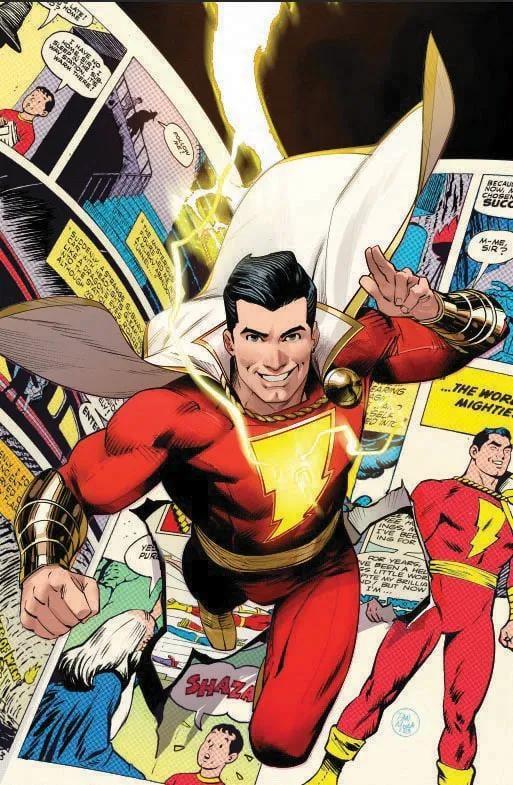
In a genre steeped in tragedy, Shazam is a burst of pure joy. Orphaned newsboy Billy Batson is led by a mysterious stranger to an ancient wizard named Shazam, who, impressed by the boy’s good heart, grants him extraordinary power.
Speaking the wizard’s name calls down a magic lightning bolt that transforms Billy into a grown, godlike hero drawing on the wisdom of Solomon, the strength of Hercules, and the speed of Mercury. It’s the childhood daydream made literal: any kid, no matter how small, could be a hero, which is exactly why the character (long the Golden Age’s best-seller) still resonates.
5. Wonder Woman (DC) – The Amazonian Ambassador
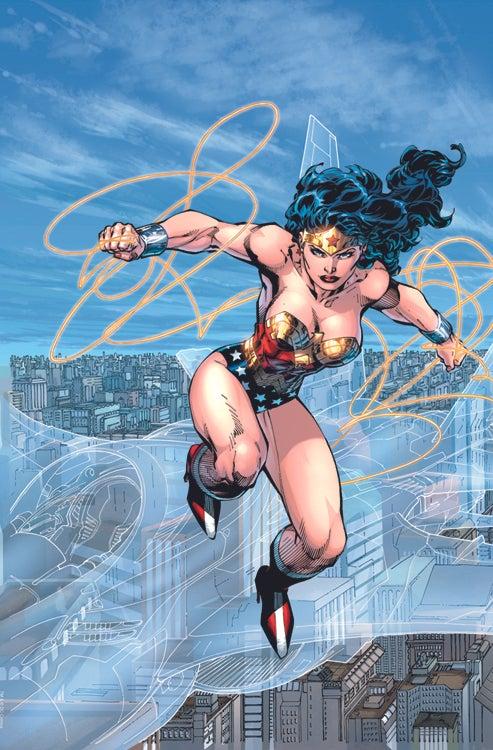
Wonder Woman’s origin reframes the hero as a diplomat, not an avenger. Princess Diana is raised on Themyscira, a hidden island of immortal Amazons who have turned away from the violent world of men. When American pilot Steve Trevor crashes there, Diana wins the right to return him home and serve as her people’s ambassador.
Armed with her Lasso of Truth and indestructible bracelets, she enters the world not to conquer it but to reform it, a symbol of peace, justice, and compassion. Created by William Moulton Marston in 1941, her origin has been retold many times (including a later demigoddess-daughter-of-Zeus revision), but its core, strength wielded in service of empathy, has inspired generations.
4. X-Men (Marvel) – The Persecuted Minority
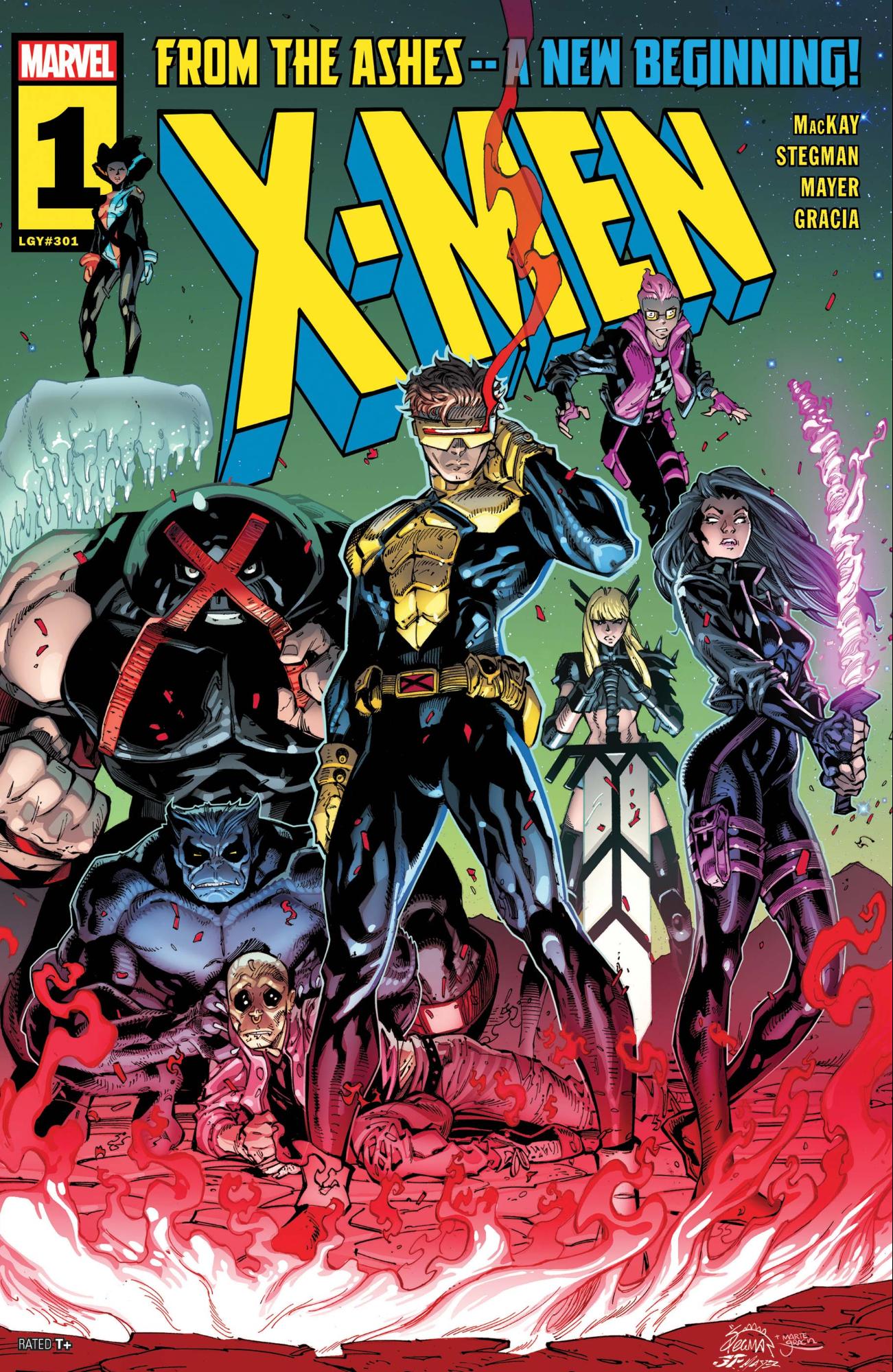
The X-Men’s genius is that their origin isn’t a single accident, it’s a condition. Mutants are simply born with the X-gene, the next step in human evolution, and are feared and hunted for it. That premise made the team a durable metaphor for every marginalized group, and the comic has consciously echoed the civil-rights struggle since 1963.
Under telepath Professor Charles Xavier, a team of young mutants learns to control their gifts and protect a world that hates them, chasing Xavier’s dream of coexistence against those who would see mutantkind exterminated. It’s a story about prejudice, identity, and acceptance that has only grown more relevant with time.
3. Superman (DC) – The Last Son of Krypton
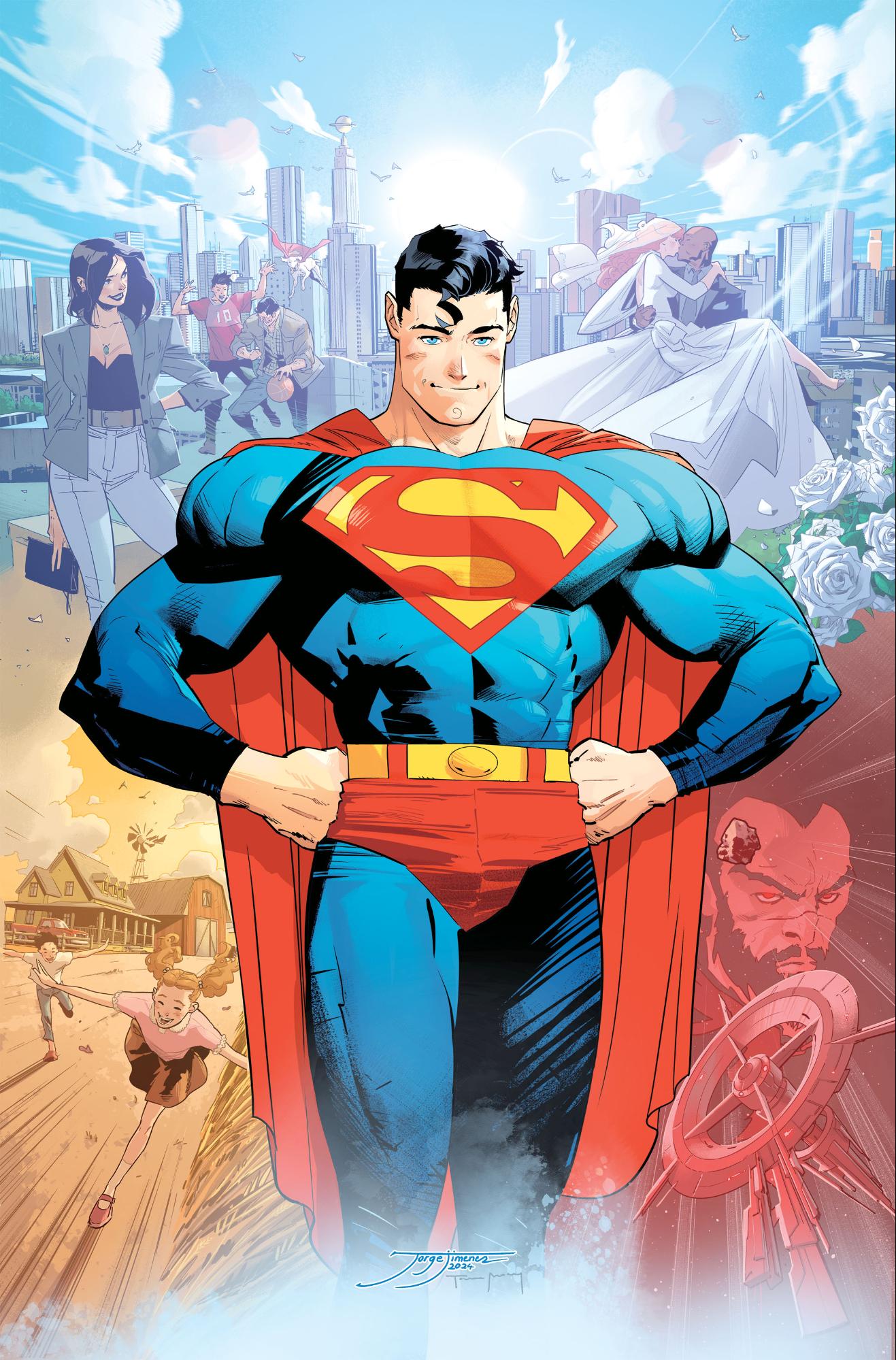
Superman’s is the origin that invented the template. Rocketed from the dying world of Krypton by his scientist father, the infant Kal-El lands in Kansas and is raised as Clark Kent by the Kents, whose small-town decency is the real source of his heroism. Earth’s yellow sun does the rest, granting flight, super-strength, and more.
First appearing in Action Comics #1 in 1938, Superman is fundamentally an immigrant’s story: an outsider who chooses to embrace an adopted home and become its greatest protector. That’s why he endures despite being the most powerful figure on any list, his origin is about hope and belonging, not vengeance.
2. Batman (DC) – The Dark Knight’s Tragedy
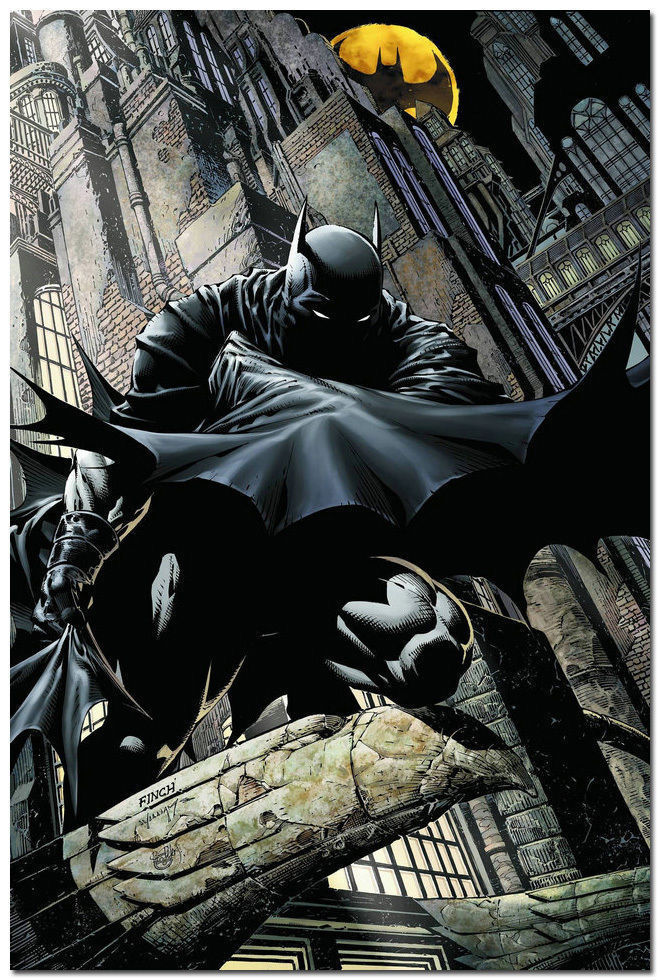
Batman offers the most efficient tragedy in comics. A young Bruce Wayne watches a mugger gun down his parents in a Gotham alley, and that single instant of senseless violence detonates his childhood and defines the rest of his life.
Inheriting the Wayne fortune, Bruce spends years traveling the world to master combat, forensics, and fear itself, then returns to wage a one-man war on crime as a symbol criminals will dread. His origin is a study in grief and the thin line between justice and revenge, endlessly reinterpreted precisely because that emotional engine never loses power.
1. Spider-Man (Marvel) – With Great Power Comes Great Responsibility
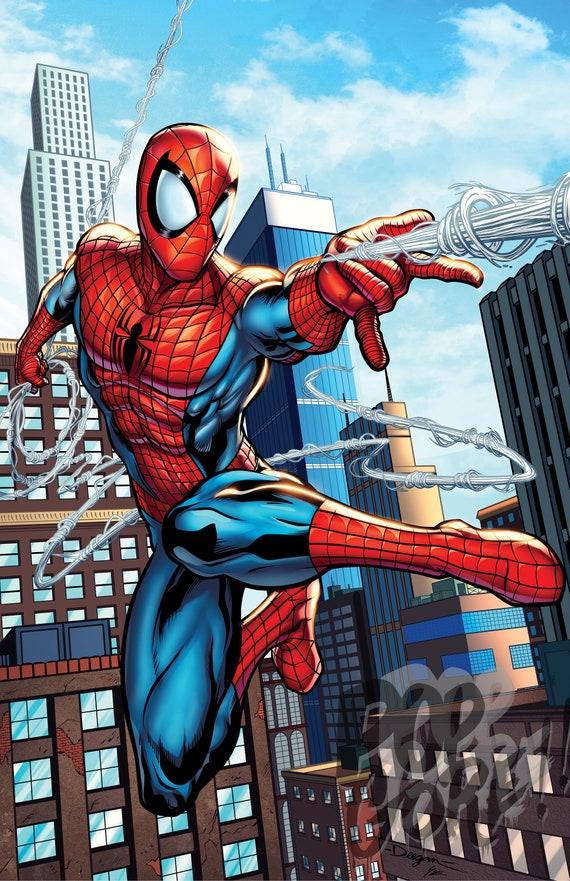
Spider-Man tops the list because his origin fuses every great element into one perfect lesson. Bullied, awkward high-schooler Peter Parker, raised by his loving Aunt May and Uncle Ben, is bitten by a radioactive spider on a school trip and gains superhuman strength, wall-crawling, and a danger-sensing “spider-sense.” Ever the science whiz, he invents his own web-shooters.
Then comes the twist that made him immortal. Peter uses his powers selfishly at first, and when he lets a thief run past him (it wasn’t his problem), that same thief later murders Uncle Ben. The guilt reframes everything: with great power there must also come great responsibility. No other origin so cleanly marries wish fulfillment, tragedy, and moral consequence, which is why it remains the gold standard 60 years on.
Marvel vs. DC: Two Philosophies of Origin
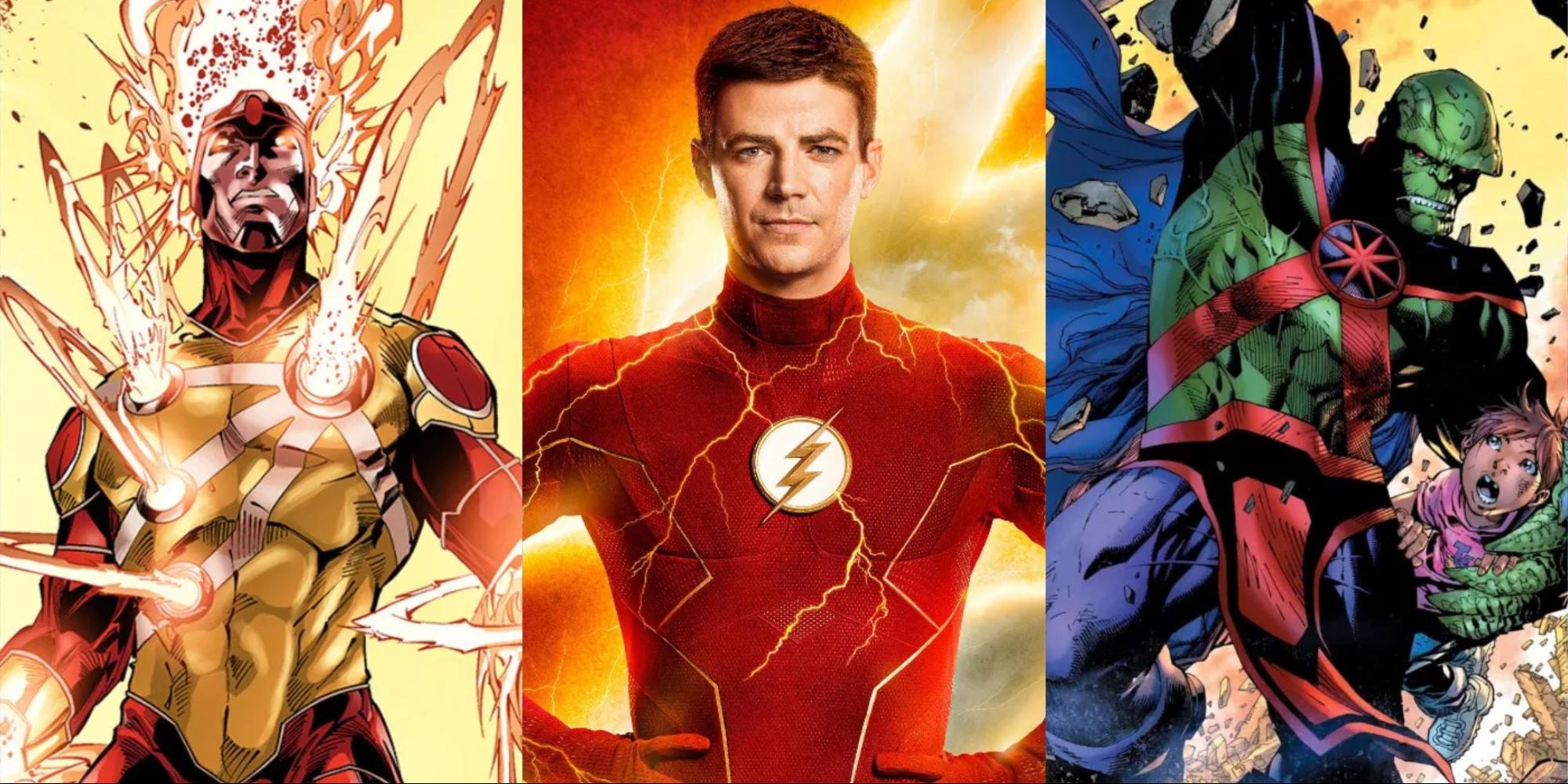
The publishers’ contrasting instincts explain the different feel of their universes. DC’s pantheon skews toward gods and legends, beings chosen, created, or magically endowed who descend to our level: Superman a messianic figure from the heavens, Wonder Woman a demigoddess from a mythic island, Green Lantern a cosmic cop deputized by alien guardians. Their stories are often about gods learning to be human.
Marvel’s heroes run the other way. Their powers are usually an unwanted intrusion into ordinary lives, Peter Parker the nerdy teen, the Fantastic Four a squabbling family, the X-Men a hated minority. Their stories are about humans learning to become something greater. Gods among mortals versus mortals becoming gods: that single axis is the deepest fault line between the Big Two, and you can feel it in nearly every origin above.
The Real Reason These Origins Endure (Our Original Take)
Here’s the pattern most listicles miss: the greatest origins didn’t endure because they were the most original, they endured because they were the most imitated. The best origin stories aren’t the ones that broke the mold; they’re the ones that made the mold. Superman didn’t just launch a character in 1938, he invented the grammar (secret identity, dual life, powers used selflessly) that every hero since has either followed or deliberately subverted.
Look closer and a second rule appears: the origins that last are built on a choice, not an accident. The radioactive spider didn’t make Spider-Man, letting the thief go did. The gamma bomb didn’t make the Hulk tragic, Banner’s guilt did. The mugging didn’t make Batman, Bruce’s decision to weaponize grief for others did. Contrast that with origins built purely on a power source (a ring, a serum, a rocket): the ones we rank highest all pivot on a moral decision the reader can feel. That’s the difference between a superpower and a superhero.
It’s also why “grounded” Marvel origins often out-travel “mythic” DC ones in modern adaptation. A choice is relatable; a birthright is aspirational. Both work, but the choice-driven origin ages better on screen because it hands the audience a lesson they can carry out of the theater, exactly what happened when the 2008 Iron Man film kept Stark’s origin almost untouched.
The Evolution of the Origin Story
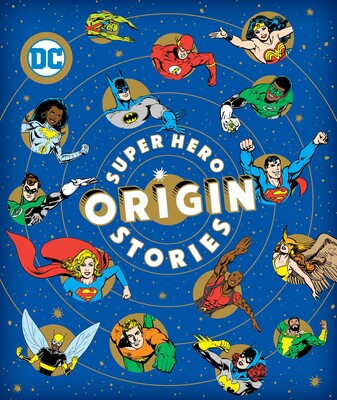
Origin stories have shifted with the decades. Golden Age origins were simple and aspirational, a scientific accident or an inborn gift, and a clean desire to fight for justice. The Silver Age layered on science fiction and cosmic scope (the Fantastic Four, Green Lantern, the Hulk), mirroring atomic-age anxieties. The Modern Age turned inward, retconning and deepening figures like Wolverine and Magneto into studies of trauma, memory, and moral ambiguity. The best origins survive every one of these reinventions because their emotional core doesn’t depend on the era’s fashions.
Collector’s Corner: The Key First Appearances
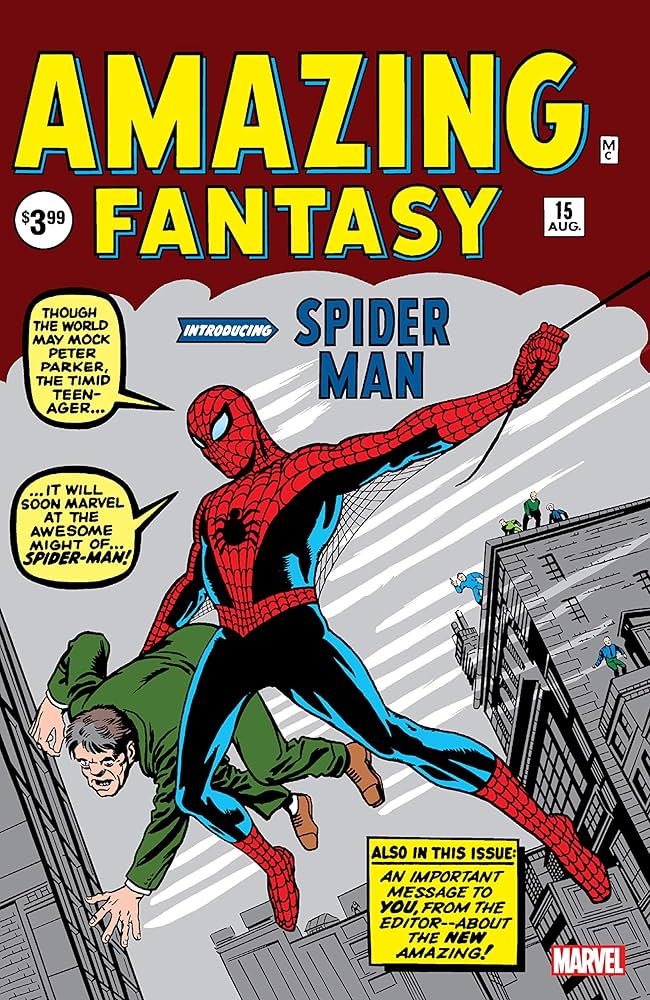
For collectors, an origin story is inseparable from the issue that first told it, and these are among the most valuable books in the hobby. A few keys worth knowing:
- Action Comics #1 (1938) – Superman’s debut and the birth of the superhero genre. Graded high-grade copies have sold for millions, making it the single most coveted comic in existence.
- Detective Comics #27 (1939) – Batman’s first appearance; his full origin followed in Detective Comics #33 (1939). Another seven-figure grail.
- Amazing Fantasy #15 (1962) – Spider-Man’s first appearance and complete origin in one issue. One of the most important Silver Age keys, and a record-setter at auction.
- Marvel Comics #1 (1939), Fantastic Four #1 (1961), and Incredible Hulk #180-181 (1974) (Wolverine’s cameo and first full appearance) round out the blue-chip origin keys.
The lesson for collectors mirrors the lesson of the list: the issues that defined a hero, not just featured one, hold value best. Condition and CGC grade drive price, but historical significance is what makes these books legends.
The Architects Behind the Legends
These origins were shaped by a handful of foundational creators:
- Jerry Siegel & Joe Shuster – created Superman in Action Comics #1 (1938), arguably the most important comic ever published.
- Bill Finger & Bob Kane – Kane is credited as Batman’s creator, but Finger developed much of the mythos, including the tragic origin.
- Stan Lee & Steve Ditko – co-created Spider-Man, defining the relatable, flawed Marvel hero.
- Jack Kirby – “The King,” co-creator of Captain America, the Fantastic Four, the X-Men, and countless others.
- William Moulton Marston – created Wonder Woman, and with her a new model of heroism rooted in compassion.
The Bottom Line
The greatest superhero origin stories are the narrative engines of the entire genre, modern myths that reward endless retelling because their emotional truths outlast every reboot. From a Gotham alley to a dying Krypton, they endure because the best of them turn on a human choice, not just a lucky accident.
If you love ranking the icons, keep going: settle the strength debate with our guide to the most powerful comic book characters, ranked, power up with the best electricity superheroes across Marvel and DC, or heat things up with the top 30 fire superheroes. Villain fan? Our rundown of the top Teenage Mutant Ninja Turtles villains is a fun companion.
Superhero Origin Stories FAQ
What is considered the best superhero origin story?
Spider-Man’s origin in Amazing Fantasy #15 (1962) is the most widely praised, because it uniquely combines relatable tragedy, wish fulfillment, and moral consequence. Uncle Ben’s death, caused by Peter Parker’s own inaction, teaches the lesson “with great power comes great responsibility,” which has resonated with readers for over sixty years.
What was the first superhero origin story?
Superman’s origin in Action Comics #1 (1938) is regarded as the first modern superhero origin. It established the enduring template of an extraordinary being with a secret identity who uses incredible powers for the good of humanity, and effectively launched the entire superhero genre.
What is the main difference between Marvel and DC origin stories?
DC heroes tend to be “made”, chosen, created, or magically empowered gods and legends who descend to humanity’s level, like Superman and Wonder Woman. Marvel heroes are more often ordinary people whose powers intrude on normal lives, like Spider-Man and the X-Men. In short: gods learning to be human versus humans becoming gods.
Which superhero has the most tragic origin story?
Batman and Magneto are the usual answers. Bruce Wayne’s origin turns on watching his parents murdered as a child, while Magneto’s is rooted in surviving the Holocaust and later losing his daughter to a mob. Both channel devastating loss into their life’s mission, which is exactly why their origins hit so hard.
Are there superheroes without a tragic origin?
Yes. Shazam (Captain Marvel) is the classic example: orphan Billy Batson is simply a good-hearted kid chosen by a wizard to wield godlike power. His origin is built on wonder and wish fulfillment rather than tragedy, offering an optimistic counterweight to darker tales like Batman’s.