The most powerful electricity superheroes are Thor, Zeus, Shazam and Black Adam, who all wield divine or magical lightning. The best pure electric heroes are Black Lightning and Static, who generate current themselves, with Storm close behind through weather control. Our ranking of 21 covers powers, first appearances and what changed in 2025–26.
Jump to the power tiers, why so many Black superheroes have electric powers, or the key issues collectors chase. For every electric character we track, see electrokinesis in the Codex.
Electricity Superheroes Ranked at a Glance
| Tier | Hero | Publisher | First appearance | Power type |
|---|---|---|---|---|
| God | Thor | Marvel | Journey into Mystery #83 (1962) | Weather / lightning god |
| God | Zeus | Marvel / DC | Venus #5 (1949, as Jupiter) | Olympian lightning |
| God | Shazam | DC | Whiz Comics #2 (1940) | Magic lightning |
| God | Black Adam | DC | The Marvel Family #1 (1945) | Magic lightning |
| Elite | Black Lightning | DC | Black Lightning #1 (1977) | Electricity generation |
| Elite | Static | DC / Milestone | Static #1 (1993) | Electromagnetism |
| Powerhouse | Storm | Marvel | Giant-Size X-Men #1 (1975) | Weather manipulation |
| Street | Miles Morales | Marvel | Ultimate Fallout #4 (2011) | Bio-electric venom strike |
| Cosmic | Beta Ray Bill | Marvel | Thor #337 (1983) | Storm god (Stormbreaker) |
| Cosmic | Spectrum | Marvel | Amazing Spider-Man Annual #16 (1982) | Energy transformation |
| Elite | Surge | Marvel | New Mutants vol. 2 #8 (2004) | Electrical absorption |
| Powerhouse | The Flash | DC | Flash Comics #1 (1940, Jay Garrick) | Speed Force lightning |
| Elite | Lightning Lad | DC | Adventure Comics #247 (1958) | Lightning generation |
| Powerhouse | Superman Blue | DC | Superman vol. 2 #123 (1997) | Pure energy form |
| Street | Living Lightning | Marvel | Avengers West Coast #63 (1990) | Living electrical form |
| Wild card | Raiden | Mortal Kombat | Mortal Kombat (1992 game) | God of thunder |
| Street | Livewire | DC | Superman Adventures #5 (1997) | Electricity absorption |
| Villain | Voltaic | DC | Suicide Squad #1 (2011) | Electricity generation |
| Wild card | Namor | Marvel | Marvel Comics #1 (1939) | Electric-eel ability (1960s) |
| Villain | The Eel | Marvel | Strange Tales #112 (1963) | Electrified suit |
| Legacy | Black Vulcan | Super Friends (TV) | The All-New Super Friends Hour (1977) | Electricity generation |
1. Thor (Marvel)
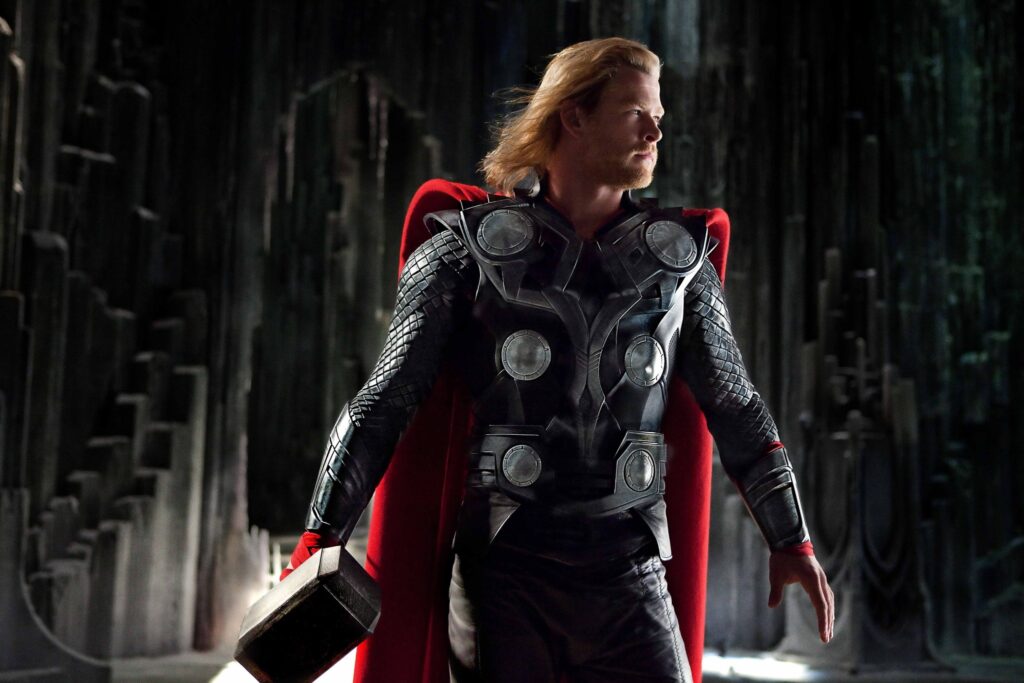
Thor summons lightning and storms on a planetary scale, and the power is his own; Mjolnir only focuses it. His signature God Blast channels that energy into a single strike, and in Thor (2020) #1 Galactus made him his Herald of Thunder.
The newest wrinkle: Mortal Thor (August 2025) strips his memory and godhood, as Marvel.com explains. On screen, Chris Hemsworth returns in Avengers: Doomsday on December 18, 2026. Codex: Thor.
First appearance: Journey into Mystery #83 (1962), a genuine Silver Age key.
2. Zeus (Marvel & DC)
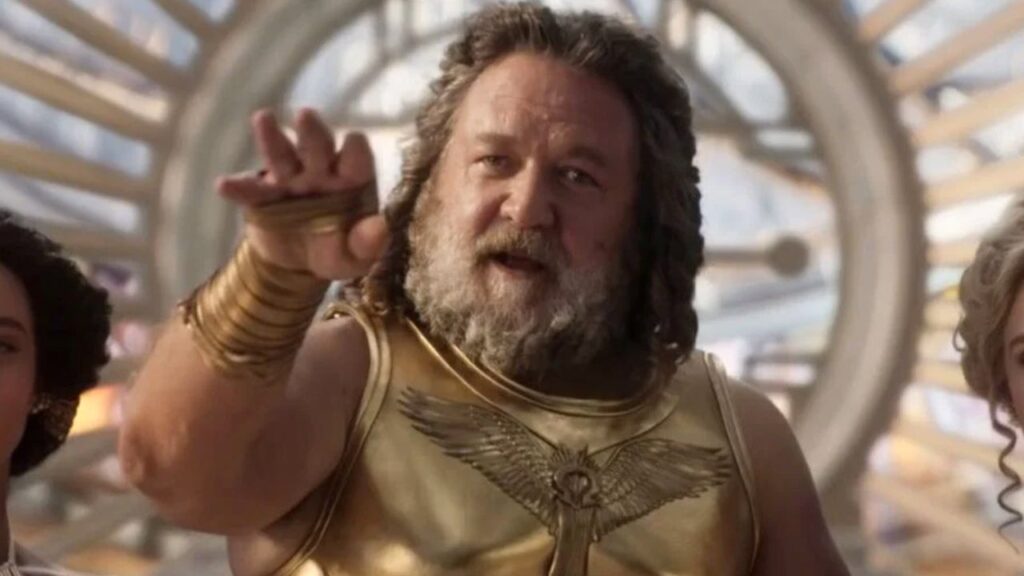
Zeus hurls thunderbolts as the king of the Olympian gods in both the Marvel and DC universes. Marvel’s Zeus has overpowered his son Hercules, and Russell Crowe played him in Thor: Love and Thunder (2022).
First appearance: Marvel’s version first shows up as “Jupiter” in Venus #5 (1949), and under the name Zeus in Journey into Mystery Annual #1 (1965).
3. Shazam (DC)
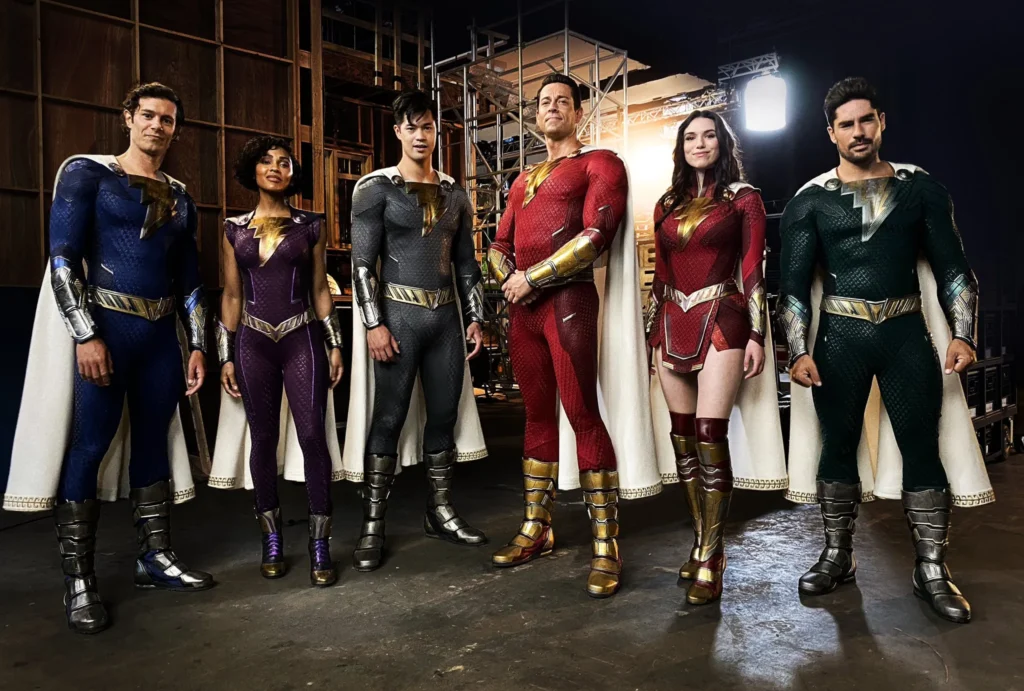
Shazam calls down a bolt of magic lightning that transforms Billy Batson and can be redirected at enemies. Because the lightning is magical, it gets past defenses that shrug off ordinary electricity, and at full power he trades blows with Superman. More in the Shazam Codex record and our Shazam name explainer.
First appearance: Whiz Comics #2 (1940), one of the most valuable Golden Age books.
4. Black Adam (DC)
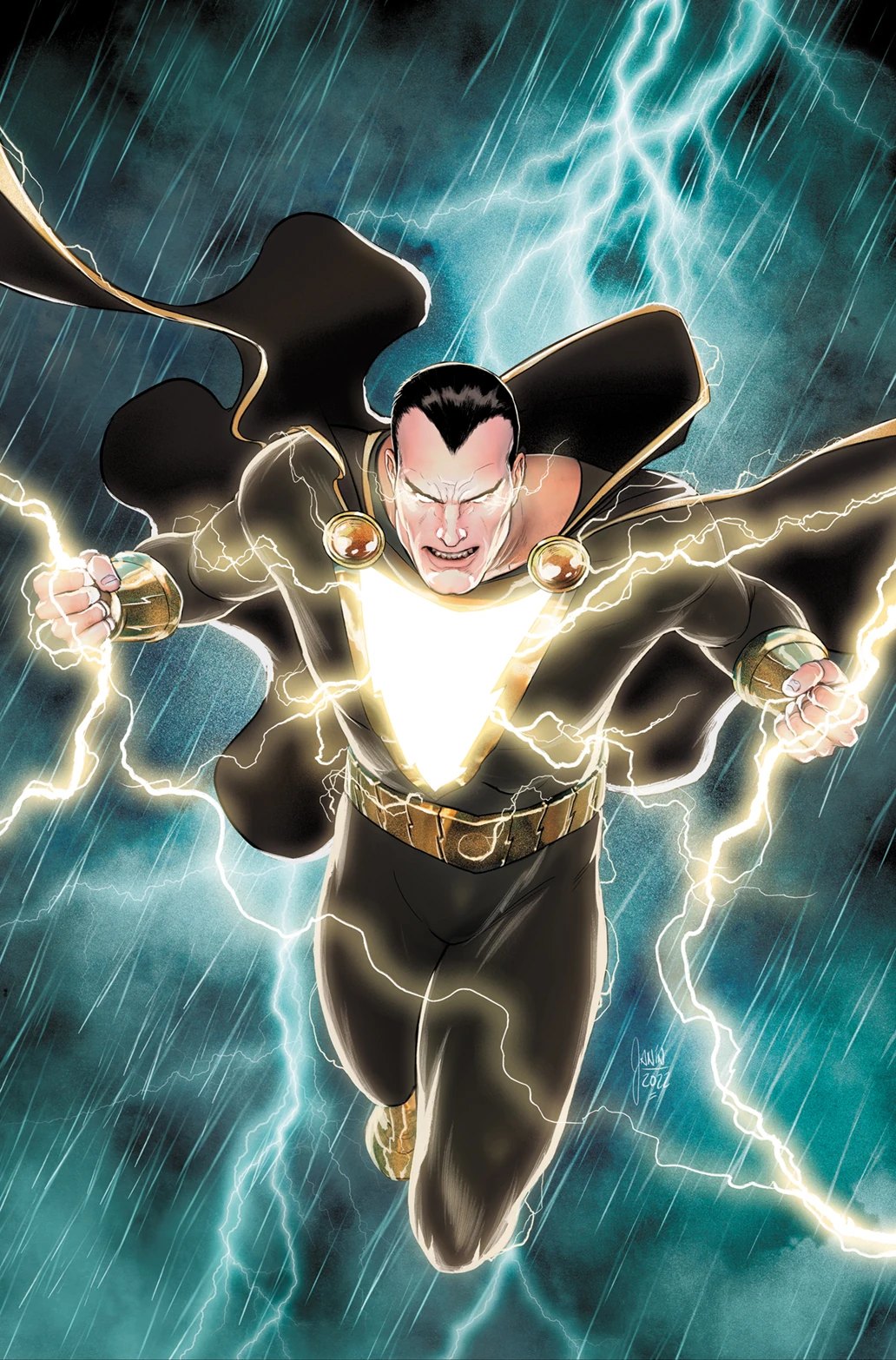
Black Adam wields the same magic lightning as Shazam, and he uses it as a weapon with none of Shazam’s restraint. Teth-Adam was the wizard’s first champion, corrupted and renamed; he says the same magic word and draws the same bolt.
He is an antihero at best, which is why many lists skip him. On raw lightning output he belongs in the god tier, and Dwayne Johnson played him in Black Adam (2022).
First appearance: The Marvel Family #1 (1945), by Otto Binder and C. C. Beck.
5. Black Lightning (DC)
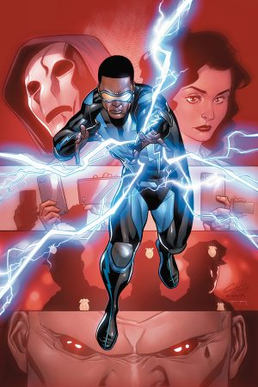
Black Lightning generates and precisely controls electricity, from arcing bolts to electrical force fields. Jefferson Pierce, an Olympic decathlete turned high school principal, is DC’s first African-American superhero to headline his own series.
Created by Jenny Blake Isabella with Trevor Von Eeden, he led the CW’s Black Lightning (2018–2021), and his daughter Anissa carried the 2024–25 Black Lightning miniseries as Thunder. Codex: Black Lightning.
First appearance: Black Lightning #1 (1977), a Bronze Age key (see Collector’s Corner).
6. Static (DC / Milestone)
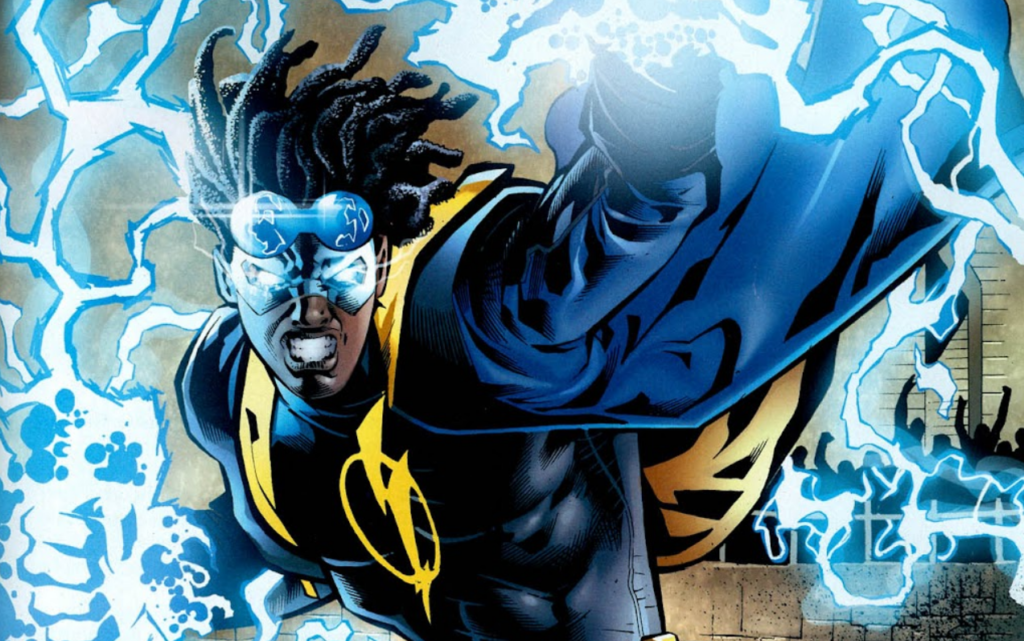
Static controls electromagnetism, so he can fly on a metal disc, stick to walls and shock opponents. Virgil Hawkins solves problems with his powers like the science nerd he is, and Static Shock (2000–04) made him a generational favorite. See our Batman Beyond and Static Shock crossover coverage and the Static Codex record.
A live-action film has been in development since 2020, but in July 2025 James Gunn said there were no immediate plans for Static in the DCU because of rights issues.
First appearance: Static #1 (1993), the flagship of the Milestone line.
7. Storm (Marvel)
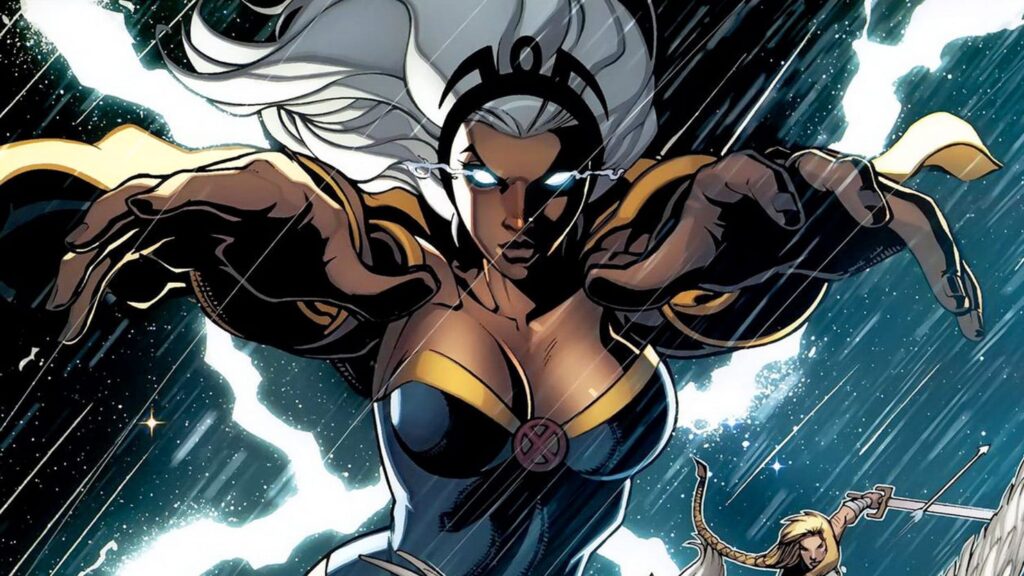
Storm commands the entire atmosphere, and lightning is her most-used weapon. She is one of the 14 Omega-level mutants named in House of X #1 (2019), a former queen of Wakanda, and a longtime X-Men leader.
She headlines Storm: Earth’s Mightiest Mutant, launched in February 2026. Codex: Storm.
First appearance: Giant-Size X-Men #1 (1975).
8. Miles Morales / Spider-Man (Marvel)
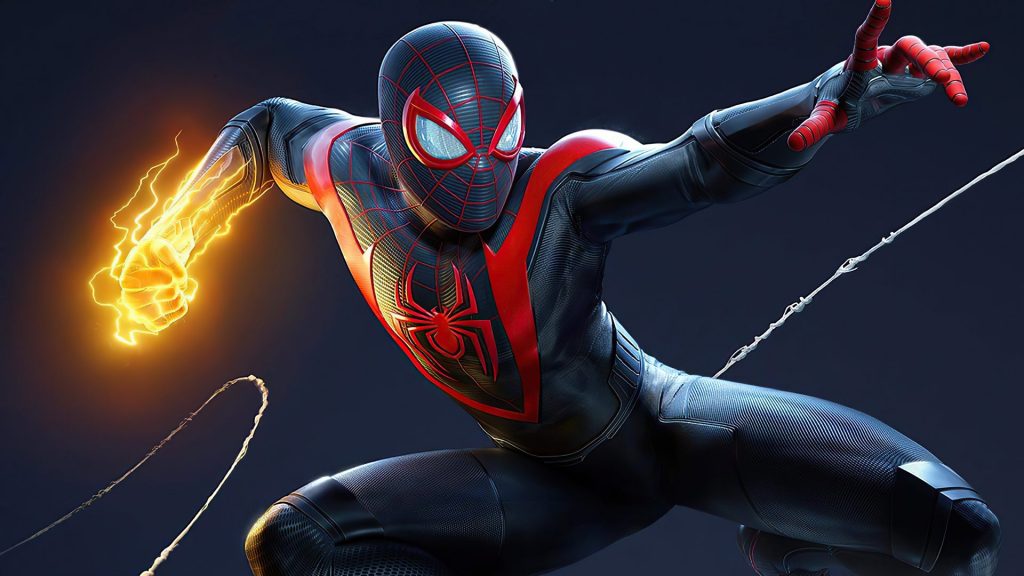
Miles Morales generates a bio-electric venom strike that can stun a foe, overload machinery or detonate with concussive force. Combined with camouflage and wall-crawling, it makes him a stealth striker who can end a fight with one touch.
Spider-Man: Beyond the Spider-Verse is dated for June 18, 2027.
First appearance: Ultimate Fallout #4 (2011), one of the most traded modern keys.
9. Beta Ray Bill (Marvel)
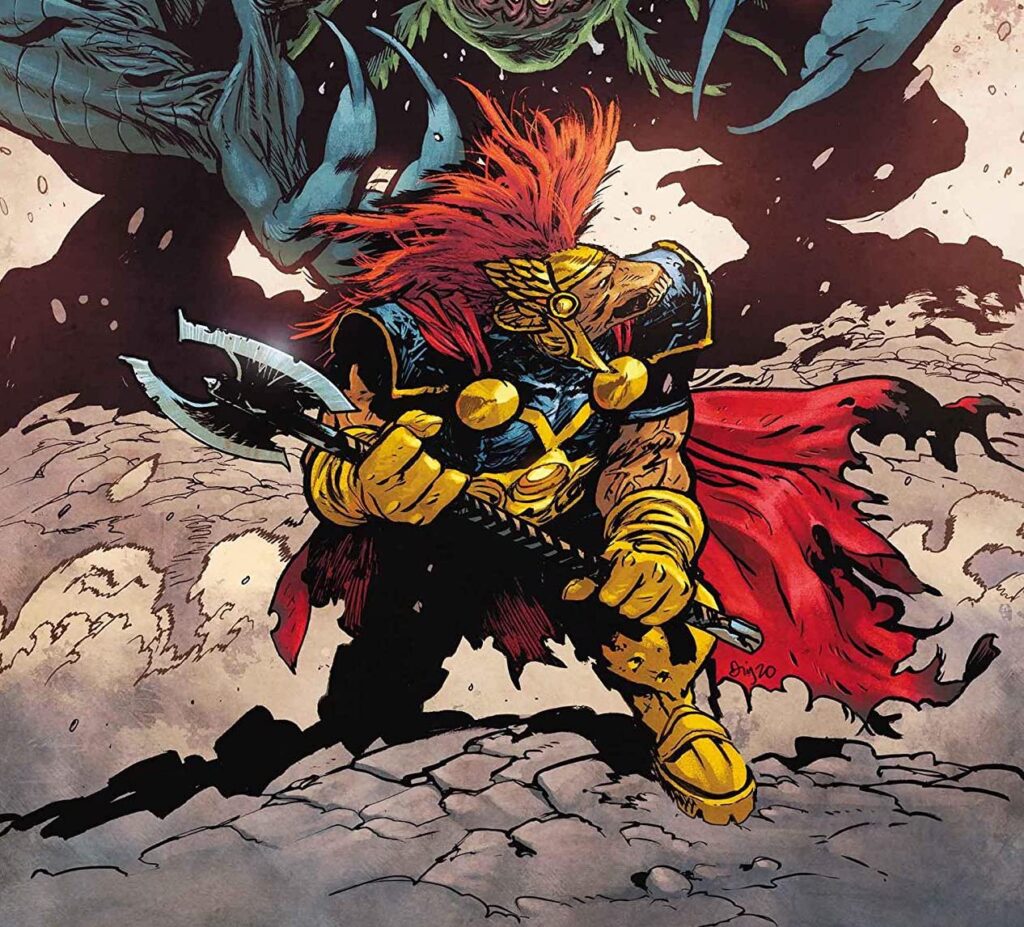
Beta Ray Bill commands storm and lightning through Stormbreaker, the hammer forged for him after he proved worthy of Mjolnir. That makes him the closest thing Marvel has to a second Thor.
First appearance: Thor #337 (1983), Walt Simonson’s landmark debut.
10. Spectrum / Monica Rambeau (Marvel)
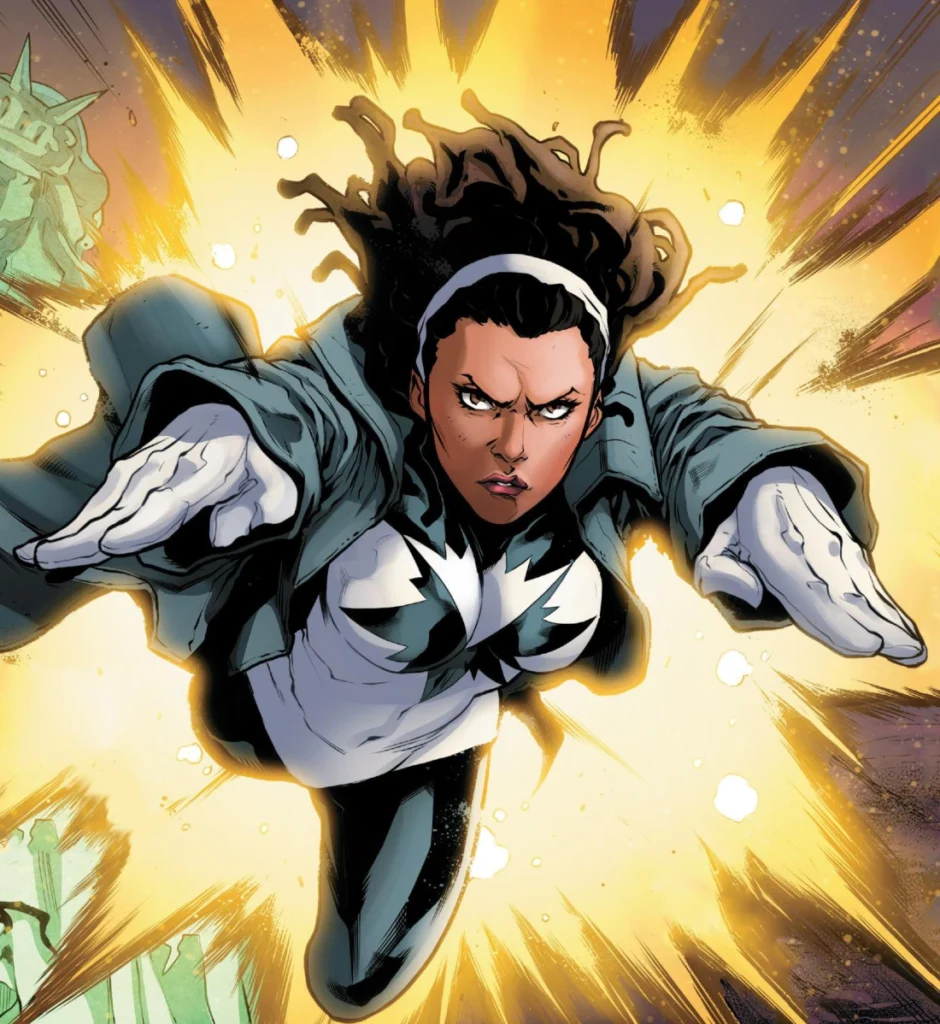
Spectrum can turn into any form of energy on the electromagnetic spectrum, including electricity. As pure current she moves at light speed and flows through wiring. She has gone by Captain Marvel, Photon and Pulsar, and has used Spectrum since 2013.
First appearance: Amazing Spider-Man Annual #16 (1982).
11. Surge (Marvel)
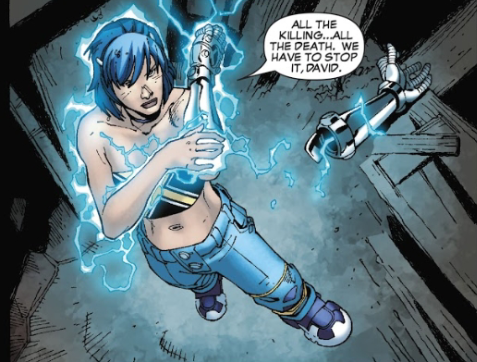
Surge absorbs ambient electricity and releases it as blasts or bursts of super-speed. Noriko Ashida needs gauntlets built by Beast to regulate the current, a real human vulnerability that made her one of the New X-Men’s most relatable members.
First appearance: New Mutants vol. 2 #8 (2004).
12. The Flash (DC)
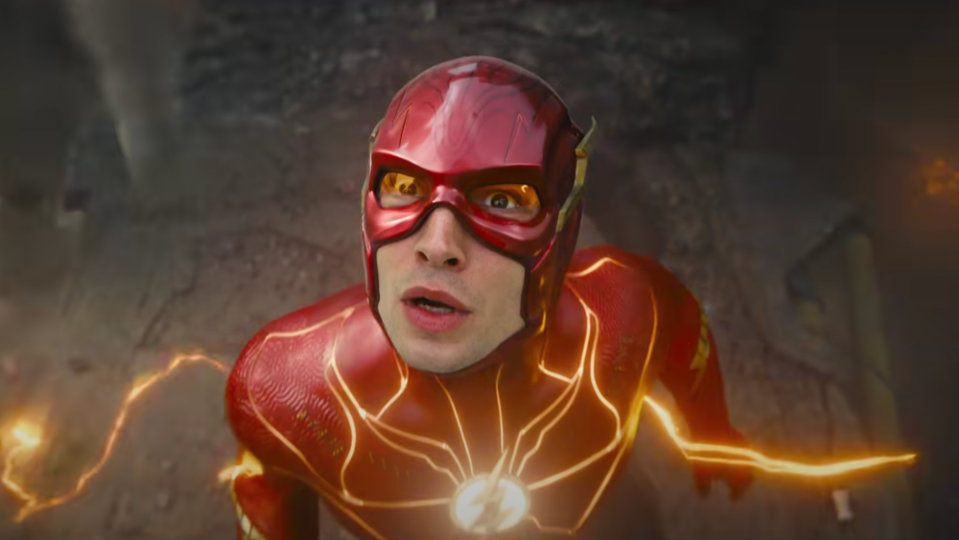
The Flash throws Speed Force lightning, the energy that crackles off every speedster when they run. Barry Allen can hurl it as a ranged attack; see our Speed Force explainer and the Flash Codex record.
Absolute Flash (March 2025) goes further: that universe’s Wally West has no Speed Force, and his lightning comes from alien energy that warps his body.
First appearance: Jay Garrick in Flash Comics #1 (1940); Barry Allen in Showcase #4 (1956).
13. Lightning Lad (DC)
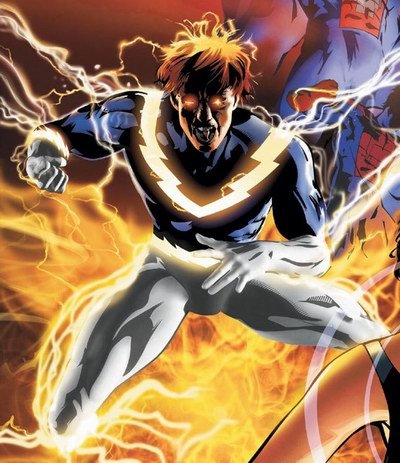
Lightning Lad fires lightning bolts, a power he gained from the lightning beasts of the planet Korbal. Garth Ranzz is a founding member of the Legion of Super-Heroes; he died in Adventure Comics #304 (1963) and returned in #312.
First appearance: Adventure Comics #247 (1958).
14. Electric Blue Superman (DC)
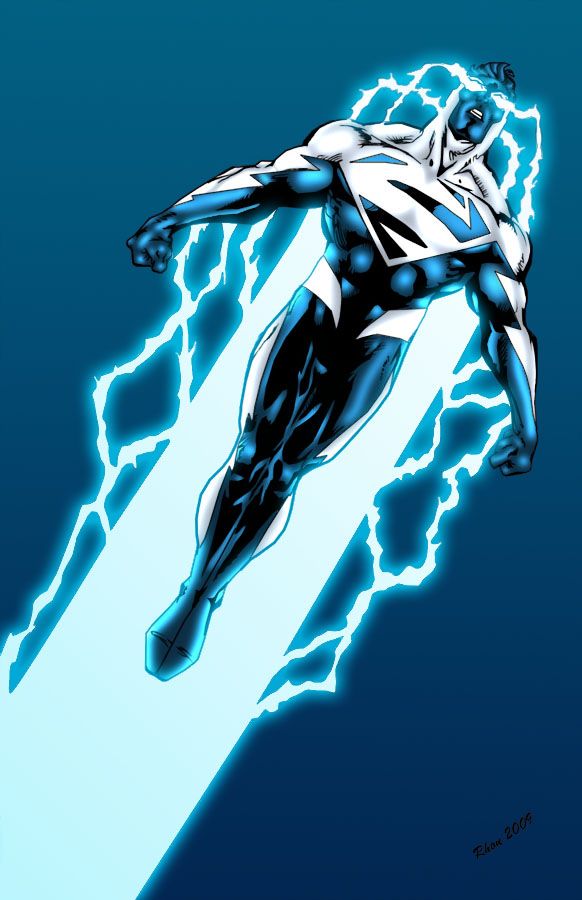
Superman Blue was a being of pure electromagnetic energy who could phase, travel through wires and see the whole EM spectrum. The late-’90s transformation divided fans, but it produced the most powerful electric version of any flagship hero.
First appearance (energy form): Superman vol. 2 #123 (1997).
15. Living Lightning (Marvel)
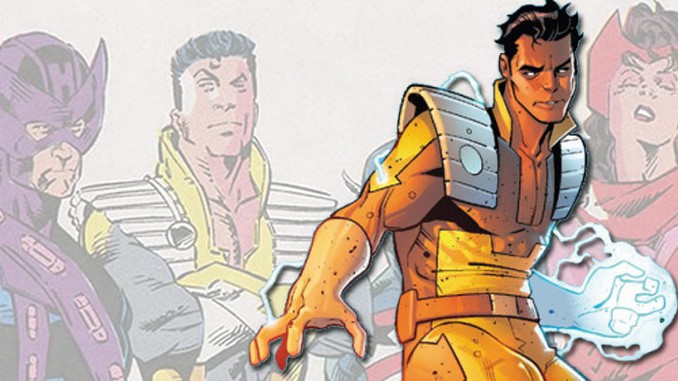
Living Lightning is a being of coherent electrical energy who can fly, blast and phase. Miguel Santos joined the West Coast Avengers and was one of Marvel’s early prominent Latino heroes.
First appearance: Avengers West Coast #63 (1990).
16. Raiden (Mortal Kombat)
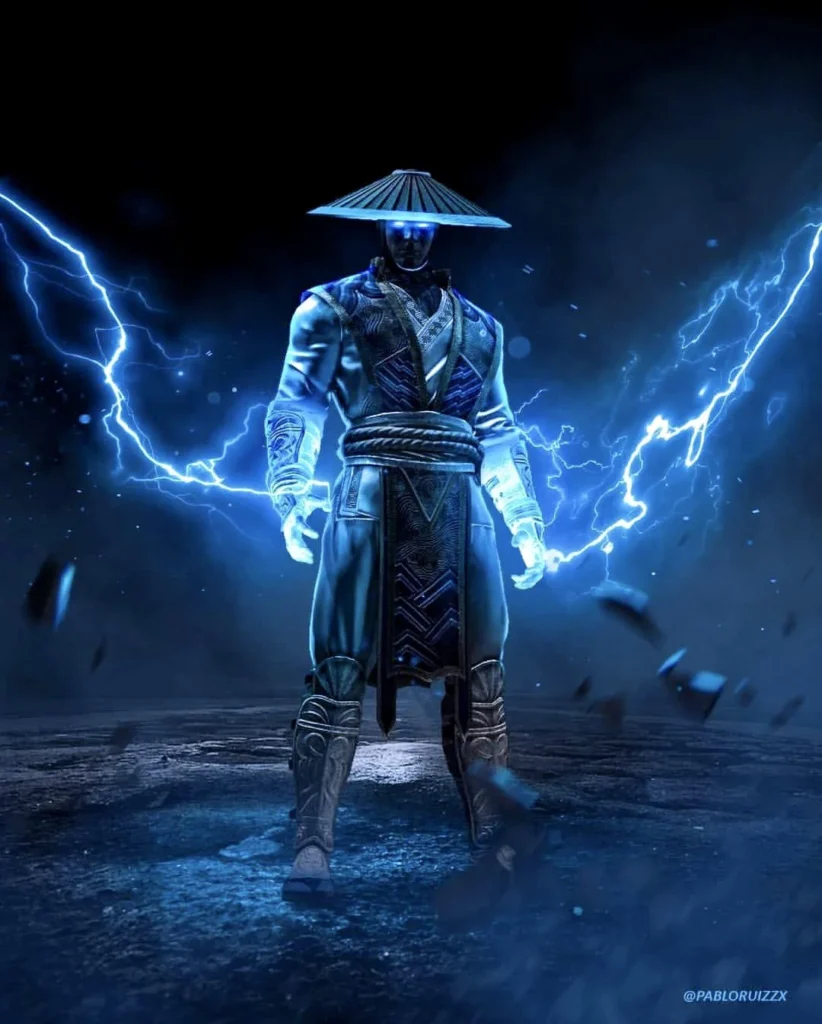
Raiden, Mortal Kombat’s god of thunder, teleports in bursts of lightning and electrocutes opponents on contact. He crossed into the DC Universe in the 2008 game Mortal Kombat vs. DC Universe, which is why he earns a wild-card spot.
First appearance: Mortal Kombat (1992 video game).
17. Livewire (DC)
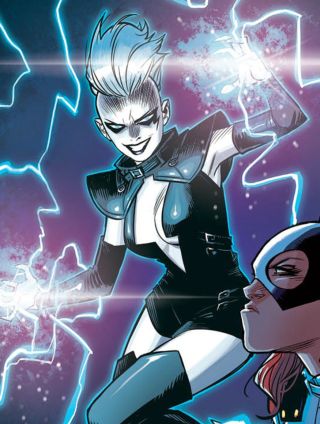
Livewire absorbs and becomes electricity, riding power lines and draining the grid to charge up. Leslie Willis was created for Superman: The Animated Series, then played by Brit Morgan on Supergirl.
First appearance (comics): Superman Adventures #5 (1997); her mainstream DC debut came in Action Comics #835 (2006).
18. Voltaic (DC)
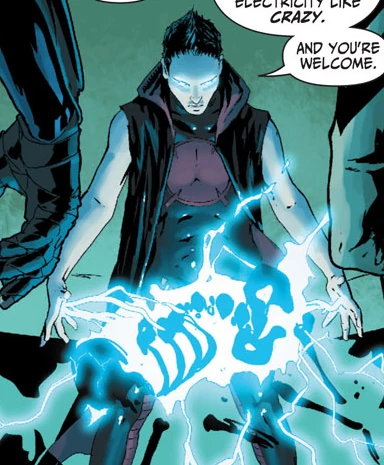
Voltaic generates powerful electrical discharges, making him the New 52 Suicide Squad’s walking power source. He is a villain rather than a hero, and his run was short: he was killed in Suicide Squad #20 (2013).
First appearance: Suicide Squad #1 (2011).
19. Namor (Marvel) – Wild Card

Namor briefly had the power to charge the air with electricity “using the power of the electric eel.” He claimed it in Fantastic Four #9 (1962) and used it in early-’60s Strange Tales; a 1967 editorial note said he had lost it.
That makes him the asterisk on this list: an electric power that was real, then written out.
First appearance: Marvel Comics #1 (1939).
20. The Eel (Marvel)
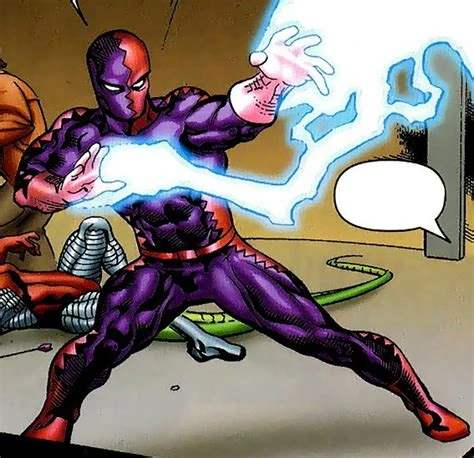
The Eel wears a suit that generates an electric charge like its namesake, coated in a slippery film that makes him hard to hold. Leopold Stryke was a henchman for the Serpent Squad and Madame Hydra, and he is a useful benchmark for tech-based electricity: the suit is formidable but never world-class.
First appearance: Strange Tales #112 (1963), by Stan Lee and Steve Ditko.
21. Black Vulcan & the Super Friends Legacy (DC)
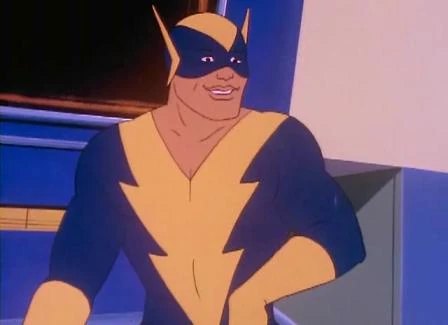
Black Vulcan generated and projected electricity as the Super Friends’ resident lightning hero. Hanna-Barbera created him for The All-New Super Friends Hour (1977) instead of using Black Lightning, because of a rights dispute with Black Lightning’s creator.
The legacy lives on in family, especially his daughter Jennifer Pierce (Lightning), who inherited his electrical powers; her sister Anissa (Thunder) controls her own density instead.
Why Do So Many Black Superheroes Have Electric Powers?
The pattern is real, but it traces back to a few characters rather than a rule. When Black Lightning debuted in 1977 as DC’s first Black hero with his own series, he set a template. That same year, Super Friends needed a Black hero, could not use Black Lightning, and created Black Vulcan with the same power set. Two of the most visible early Black heroes were electric partly because of a licensing dispute.
The codename “Black Lightning” fused the two ideas in readers’ minds. Electricity is also cheap to draw and instantly readable in a panel or a low-budget cartoon, which suited characters given little space to make an impression. Milestone’s Static (1993), from a Black-owned imprint, then gave the archetype its most beloved modern hero. Noticing the pattern is fair; reducing these distinct characters to it is not.
Generation vs. Absorption vs. Weather Control
- Generation: the body makes the current (Black Lightning, Static, Miles Morales). The most versatile type, with no outside supply needed.
- Absorption: the hero stores ambient or incoming electricity and releases it (Surge, Livewire). Powerful, but capped by supply.
- Weather and divine lightning: lightning as a byproduct of controlling storms or magic (Storm, Thor, Shazam, Black Adam). The highest ceiling.
- Energy transformation: becoming electricity outright (Spectrum, Superman Blue, Living Lightning), which adds intangibility and travel through wires.
- Technology: an electrified suit (The Eel). Dangerous, but it runs out.
For scale, real biology tops out low: the common electric eel produces about 650 volts, and a species identified in 2019 reached 860 volts, according to Cornell researchers. That is enough to stun, not to level a building, which is the gap comics are happy to fill.
Collector’s Corner: Key Electric-Hero Issues
- Amazing Spider-Man #9 (1964): first Electro, the most famous electric villain and a blue-chip Silver Age key.
- Black Lightning #1 (1977): first Jefferson Pierce, an affordable Bronze Age key with real cultural weight.
- Static #1 (1993): first Static and the Milestone cornerstone.
- Ultimate Fallout #4 (2011): first Miles Morales, one of the most traded modern keys.
- Giant-Size X-Men #1 (1975): first Storm. Even mid-grade copies are expensive.
For modern keys like Ultimate Fallout #4, grade drives price: a CGC 9.8 can be worth several times a raw copy. For Silver Age books like ASM #9, even low grades hold value because supply is thin. Check recent sold listings before buying.
Frequently Asked Questions
Who is the most powerful electric superhero?
Thor is generally ranked first, because he controls lightning and storms on a planetary scale without needing his hammer. Zeus, Shazam and Black Adam sit in the same god tier. Among mutants, Storm’s weather control gives her the highest ceiling.
Does Thor’s lightning come from Mjolnir?
No. Thor’s power over storms and lightning is his own as the God of Thunder. Mjolnir focuses and amplifies it.
Who is the strongest electric superhero in Marvel?
Thor, followed by Beta Ray Bill and Spectrum. At street level, Miles Morales’s bio-electric venom strike is the most tactically dangerous.
Who is DC’s best electricity hero?
Black Lightning is DC’s definitive electric hero for control, while Shazam’s and Black Adam’s magic lightning is the most powerful. Static is the fan favorite for personality and versatility.
Who is the most famous electric supervillain?
Electro, the Spider-Man villain who debuted in Amazing Spider-Man #9 (1964). Livewire, Voltaic and the Eel are other notable electric villains.
Why do so many Black superheroes have electric powers?
It traces to a few landmark characters: Black Lightning (1977), Black Vulcan, created for Super Friends because of a rights dispute over Black Lightning, and Milestone’s Static (1993). The codename and the visual appeal of lightning amplified the pattern.
Is Static stronger than Black Lightning?
They are close. Black Lightning has finer control and more experience, while Static’s electromagnetism is more versatile because he can move metal and fly. Most fans favor Black Lightning in a straight fight.
Want more power rankings? See the best fire superheroes, the fastest speedsters and the most powerful comic book characters of all time.
See Comic Book Co first in Google
Google now lets you pick which sites show up at the top of your search results. Add Comic Book Co as a preferred source and our rankings, deep-dives and key-issue picks come to you — instead of you having to go looking for them.