The best DC comics of all time are led by Watchmen, The Dark Knight Returns and All-Star Superman — three books that reinvented what superhero storytelling could do. Below are twelve essential DC works, what makes each one matter, and the pattern connecting almost all of them.
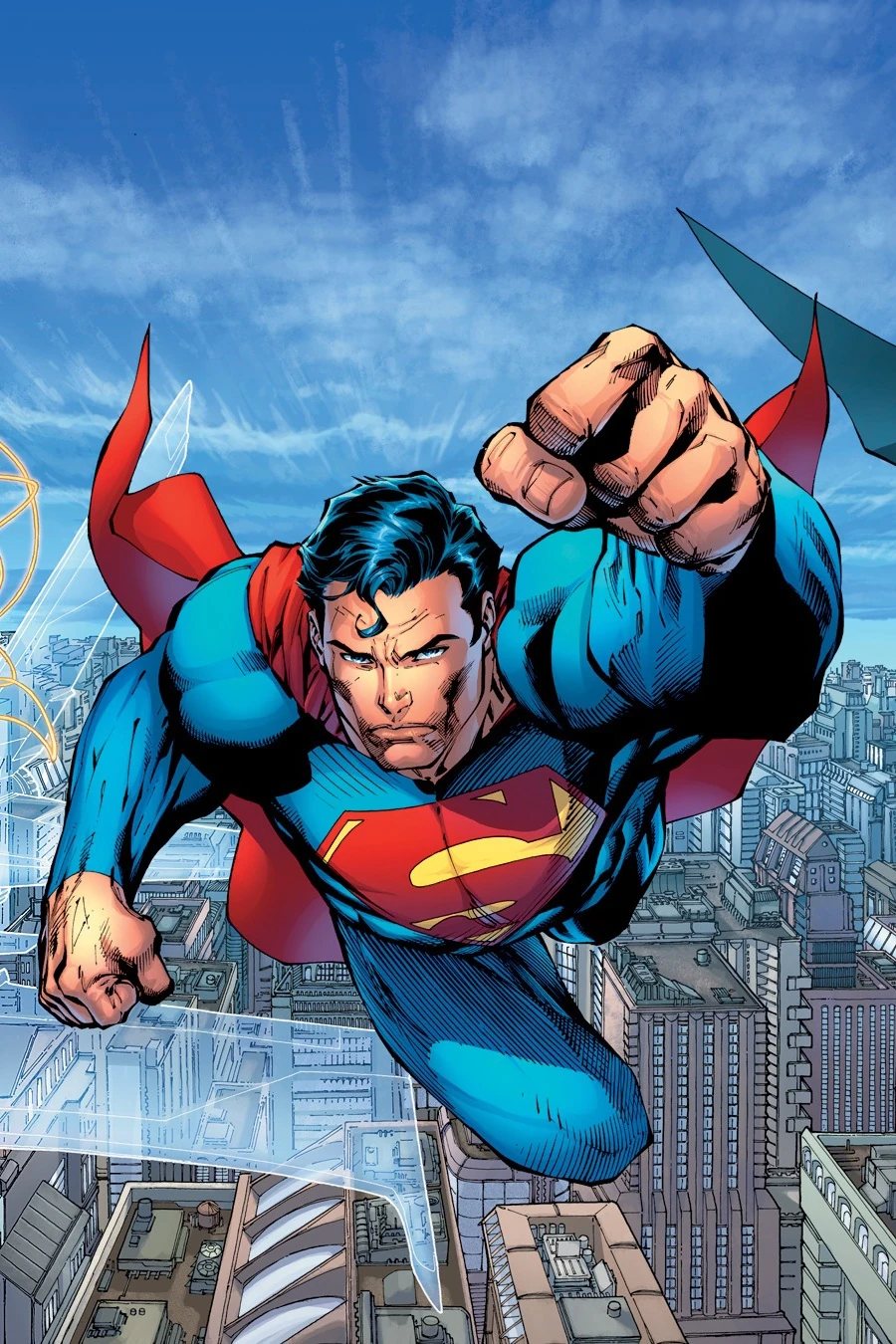
DC’s library runs to nearly a century. This list favors books that changed the medium or defined a character permanently, and every entry works as a complete reading experience without homework.
1. Watchmen (1986–1987)
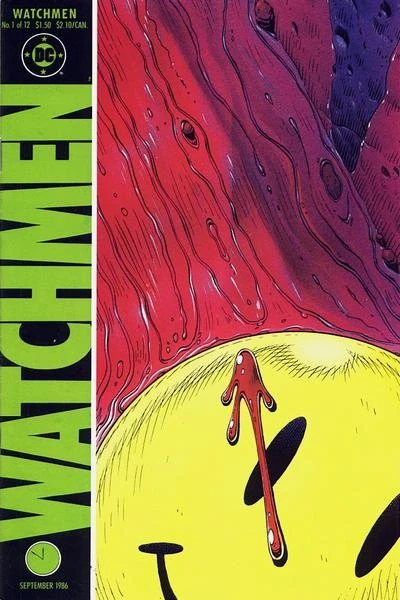
Alan Moore and Dave Gibbons. The book that made the rest of this list possible. Moore and Gibbons took a cast adapted from acquired Charlton characters and used them to interrogate what costumed vigilantism would actually mean — politically, psychologically, sexually, geopolitically.
What still startles is the craft. The nine-panel grid imposes a relentless, clock-like rhythm; symmetrical issue structures and recurring motifs reward rereading in a way almost no superhero comic attempts. Rorschach and Dr. Manhattan became cultural shorthand, though Moore’s actual argument — that both are moral catastrophes — is the part most often missed.
2. Batman: The Dark Knight Returns (1986)
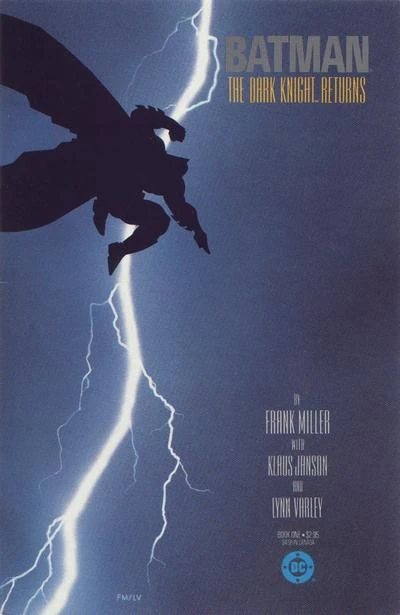
Frank Miller, Klaus Janson and Lynn Varley. A 55-year-old Bruce Wayne comes out of retirement into a Gotham that has rotted past saving. Miller’s Batman is brutal, obsessive and not entirely sane, and the book treats that as the point rather than the flaw.
Its influence is almost too large to measure — the grim, armored, media-saturated Batman of the following forty years starts here, in film as much as in print. Varley’s coloring and the television-panel structure make it feel less like a comic than a broadcast collapsing in real time.
3. All-Star Superman (2005–2008)
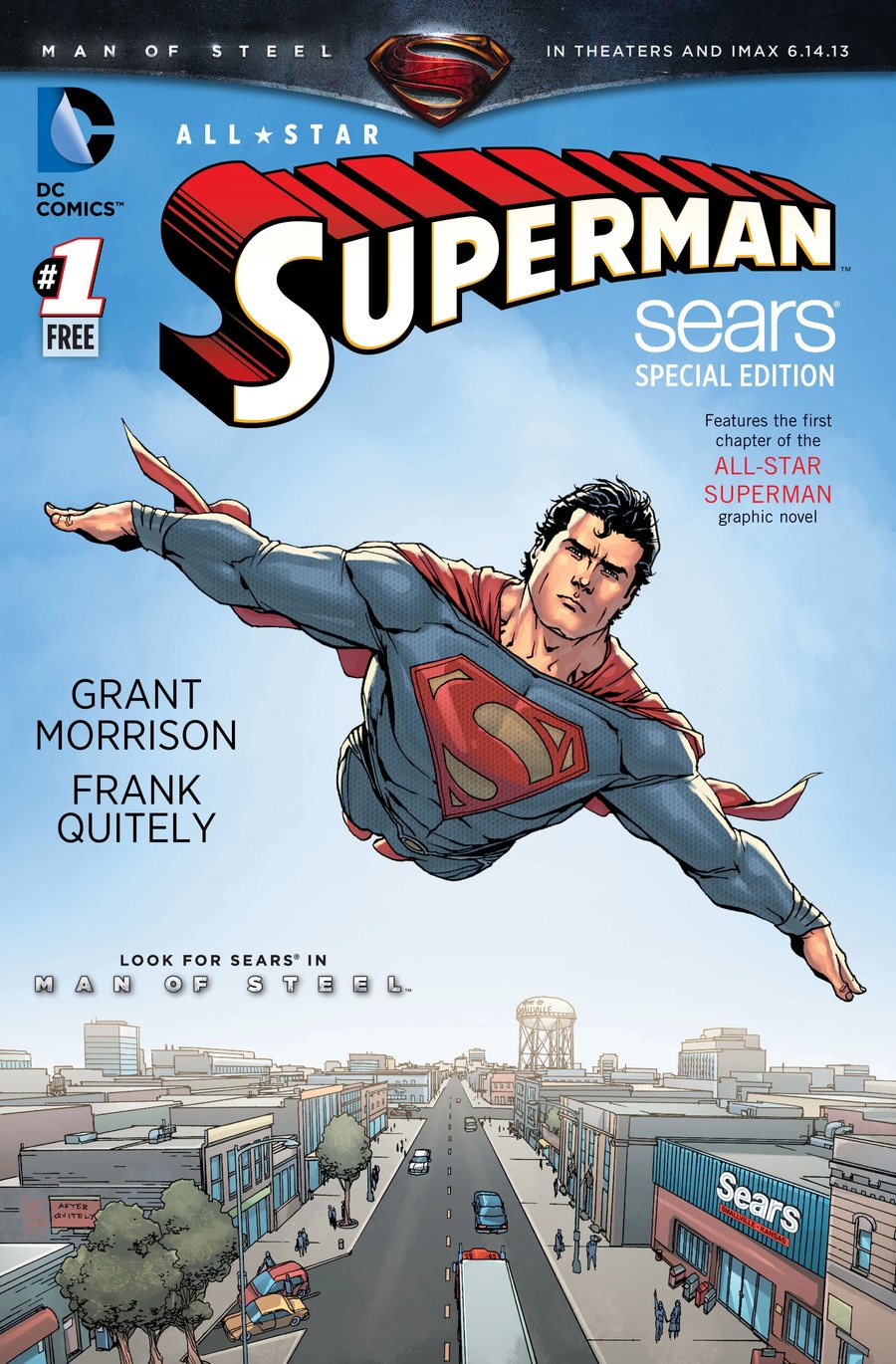
Grant Morrison and Frank Quitely. Superman is dying, and responds by trying to finish everything good he can. Twelve issues, twelve labors, no continuity required.
If Watchmen and DKR are arguments against the superhero, this is the definitive argument for one. Morrison’s Superman is kind in a way that costs him something, and Quitely draws him with a heaviness that makes the gentleness land. The single panel of Superman talking a suicidal girl off a ledge is, for many readers, the best page DC has ever published.
4. The Sandman (1989–1996)
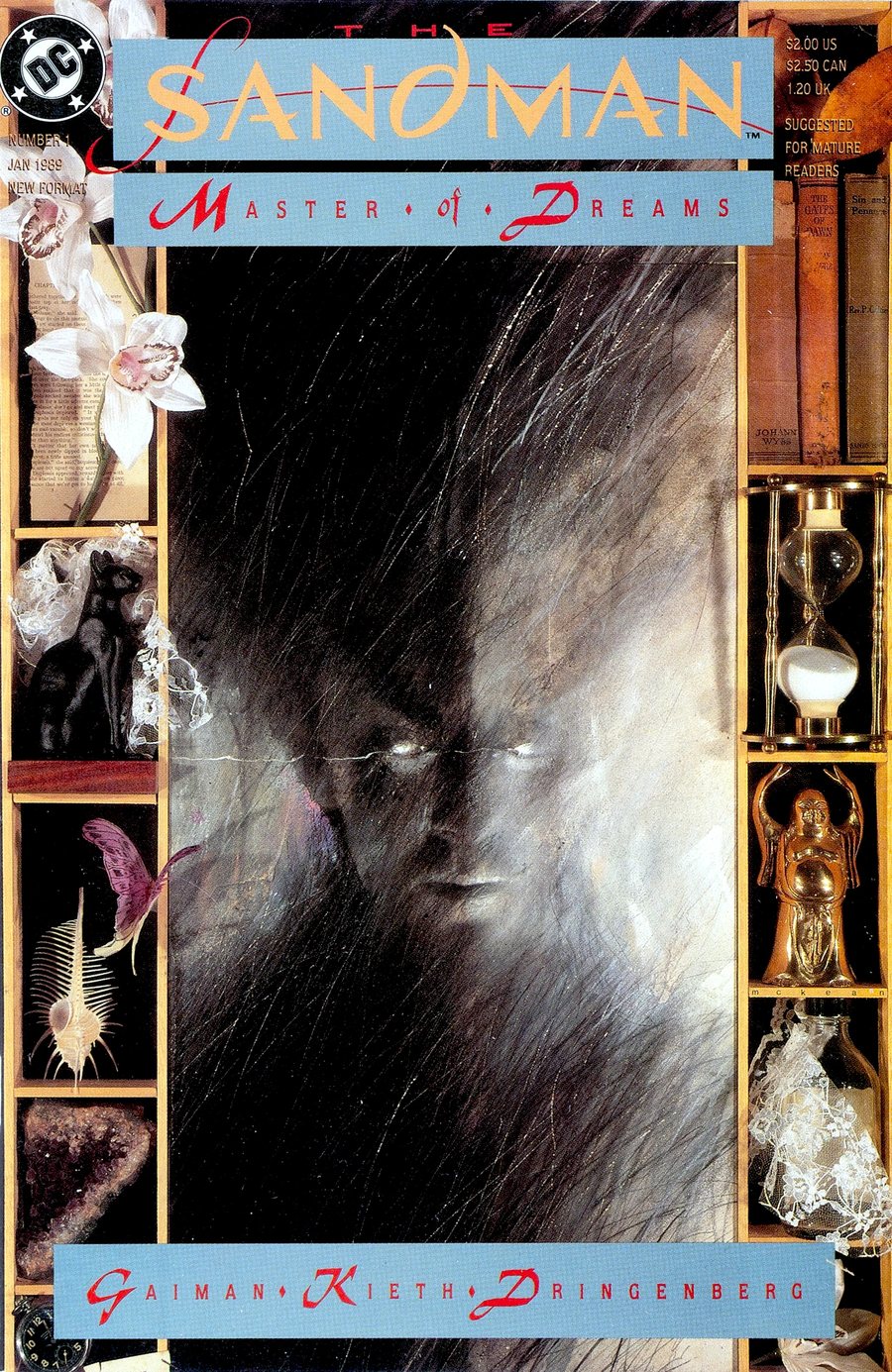
Neil Gaiman and a rotating roster of artists. Seventy-five issues following Dream of the Endless, told as an anthology of myth, horror and history that gradually reveals itself as a single tragedy about a being who cannot change and must therefore end.
It pulled an audience into comic shops that the superhero line never reached, and it did so from inside DC. Its structural ambition — standalone issues that only reveal their purpose hundreds of pages later — remains rare.
5. Batman: Year One (1987)
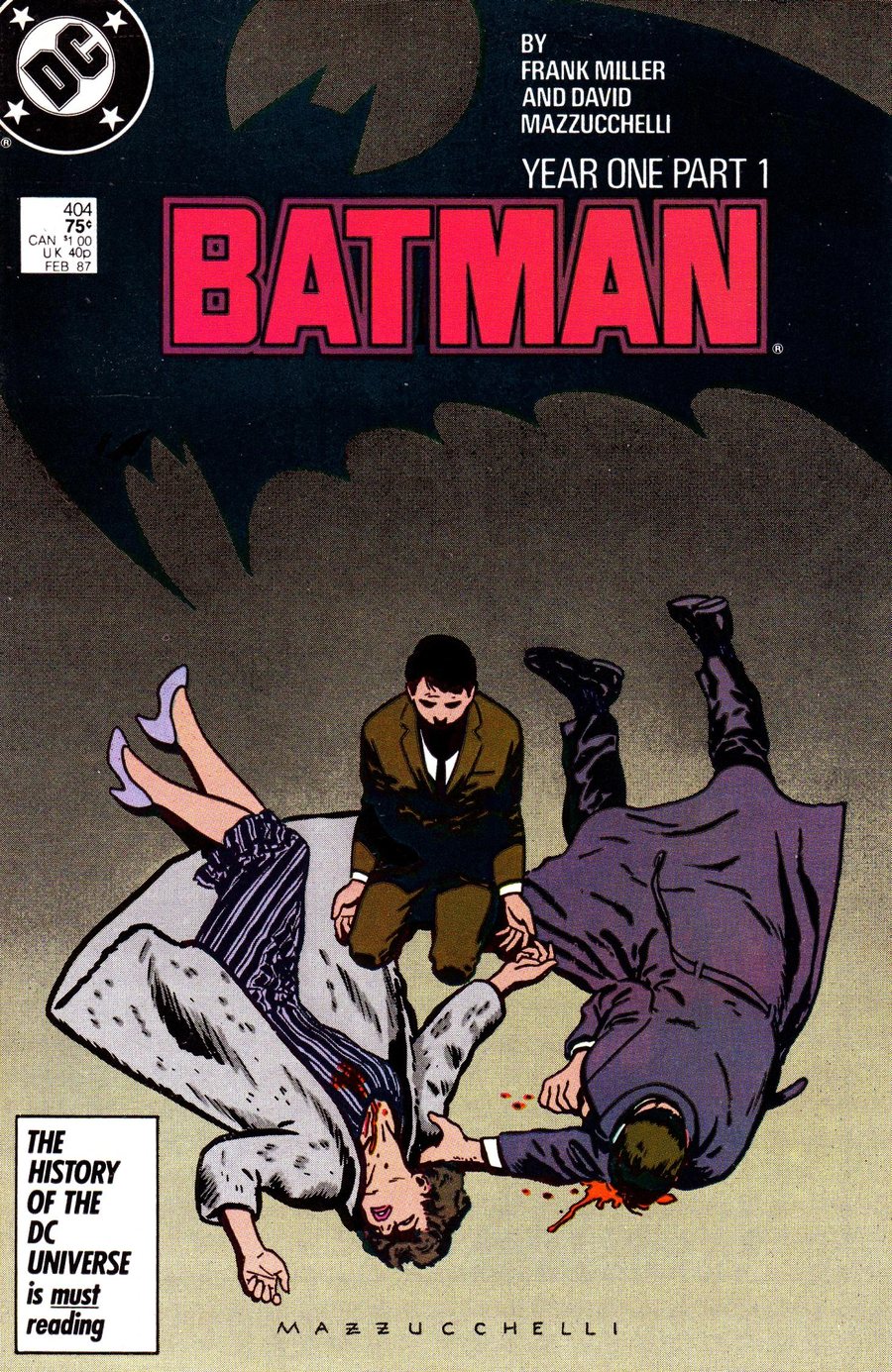
Frank Miller and David Mazzucchelli. Miller’s second entry, and the tonal opposite of his first. Year One strips Batman down to a competent man making mistakes, and gives equal weight to Jim Gordon — arguably the real protagonist.
Mazzucchelli’s spare, unglamorous art is the reason it endures. Nearly every screen version of Batman’s origin since draws from this book, which is remarkable for a story that is mostly about police corruption.
6. Kingdom Come (1996)
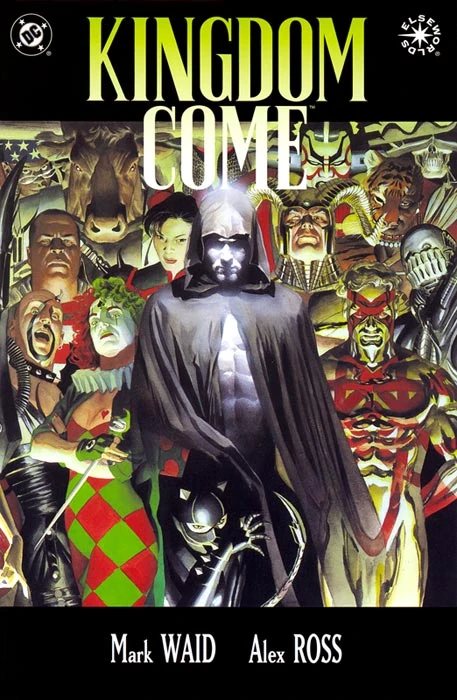
Mark Waid and Alex Ross. An aging Superman returns to a world overrun by amoral successors. Ross painted it in gouache, and the photorealism turns familiar icons into something closer to religious statuary — which is precisely the argument.
Narrated by a pastor, framed in explicitly apocalyptic terms, it is DC’s most direct meditation on whether its own characters have become gods and what that costs everyone beneath them.
7. Batman: The Killing Joke (1988)
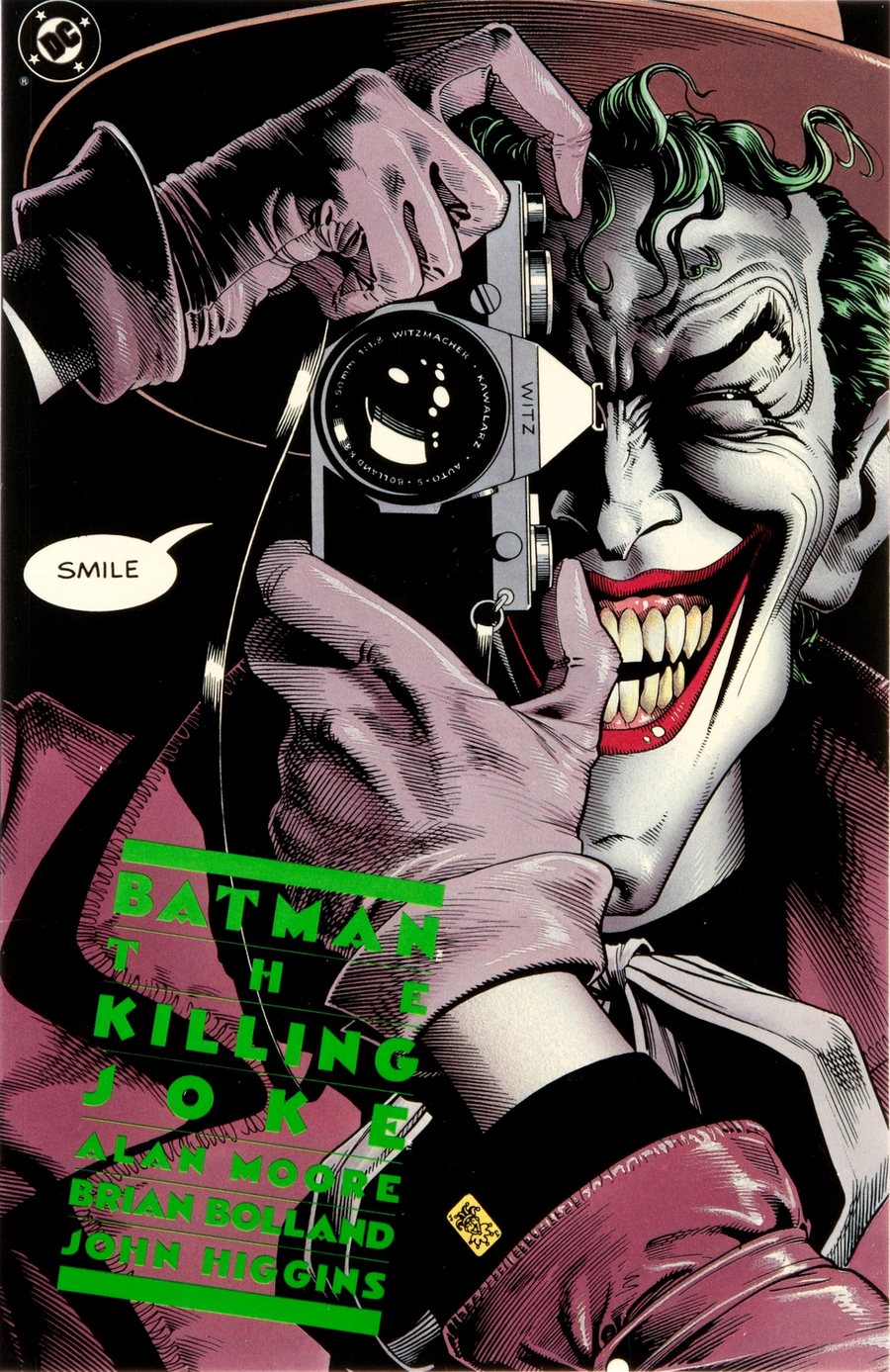
Alan Moore and Brian Bolland. The Joker’s attempt to prove that one bad day can break anyone. Short, vicious, and enormously consequential — it defined the modern Joker and supplied the “one bad day” thesis that has anchored the character ever since.
It is also the most contested book here. Its treatment of Barbara Gordon has been criticized for decades, including by Moore himself, who has publicly called it a misjudgment. Read it, but read it with that argument in hand.
8. Crisis on Infinite Earths (1985–1986)
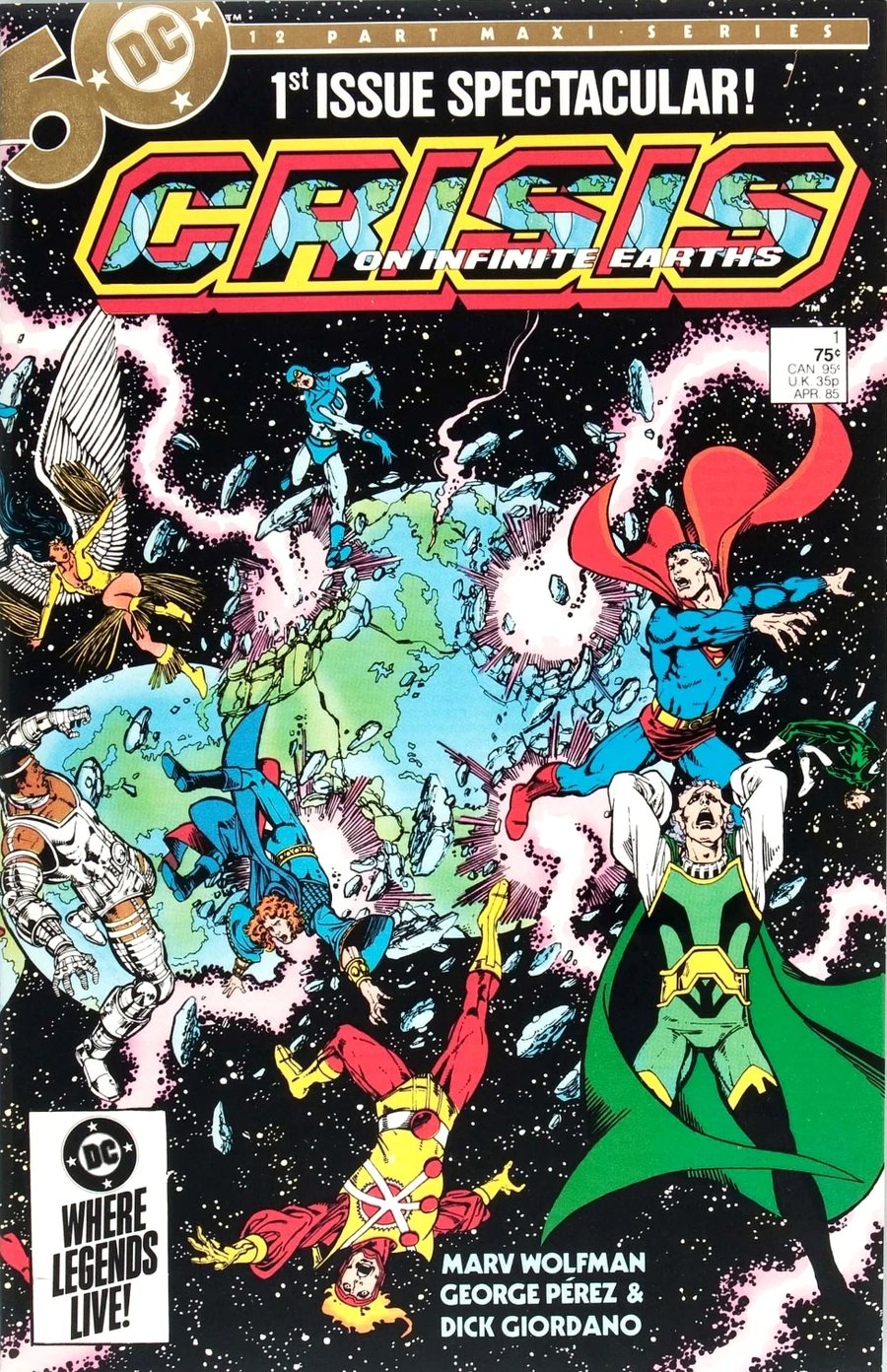
Marv Wolfman and George Pérez. The event that collapsed DC’s multiverse into a single continuity, killed Supergirl and the Barry Allen Flash, and reset the company’s storytelling for a generation.
Its influence is structural rather than literary — it invented the modern crossover event as a commercial form. Pérez’s crowd scenes, packing hundreds of recognizable characters into single spreads, have never really been surpassed.
9. DC: The New Frontier (2004)
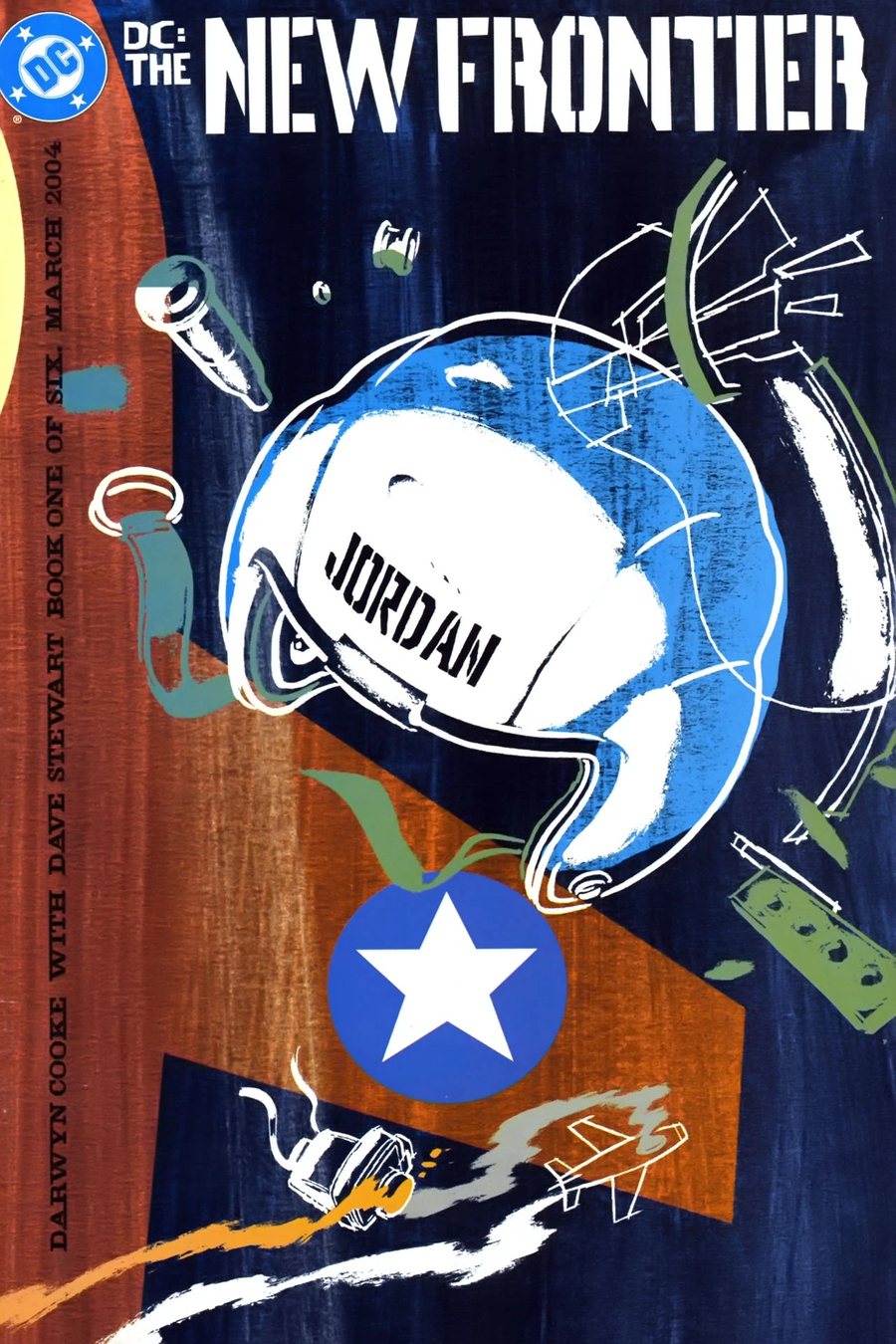
Darwyn Cooke. The birth of the Silver Age heroes set against the actual America of the 1950s — McCarthyism, the space race, the civil rights movement. Cooke’s mid-century design sensibility is gorgeous, but the book is not nostalgic. It is clear-eyed about what that era was for most people.
Cooke died in 2016, and this remains his masterpiece: a genuine argument that optimism is a choice made against evidence, not an absence of it.
10. Saga of the Swamp Thing (1984–1987)
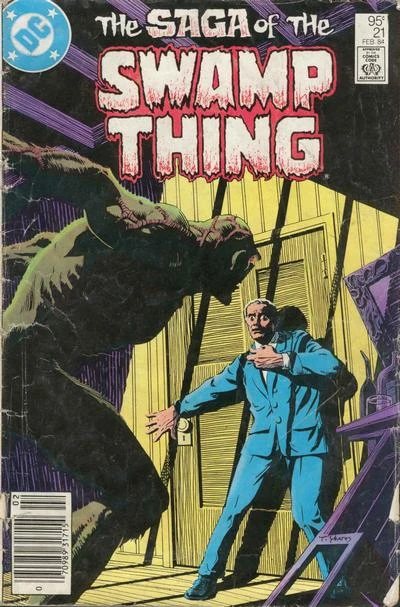
Alan Moore, Stephen Bissette and John Totleben. Moore inherited a cancelled monster book and, in his first arc, revealed that the creature was never a transformed man at all — a reveal that recontextualized everything and became a template for the modern revisionist relaunch.
The run’s horror is genuinely disquieting, and its ecological politics arrived decades early. It also opened the door for the British writers who would go on to define Vertigo.
11. Superman: Red Son (2003)
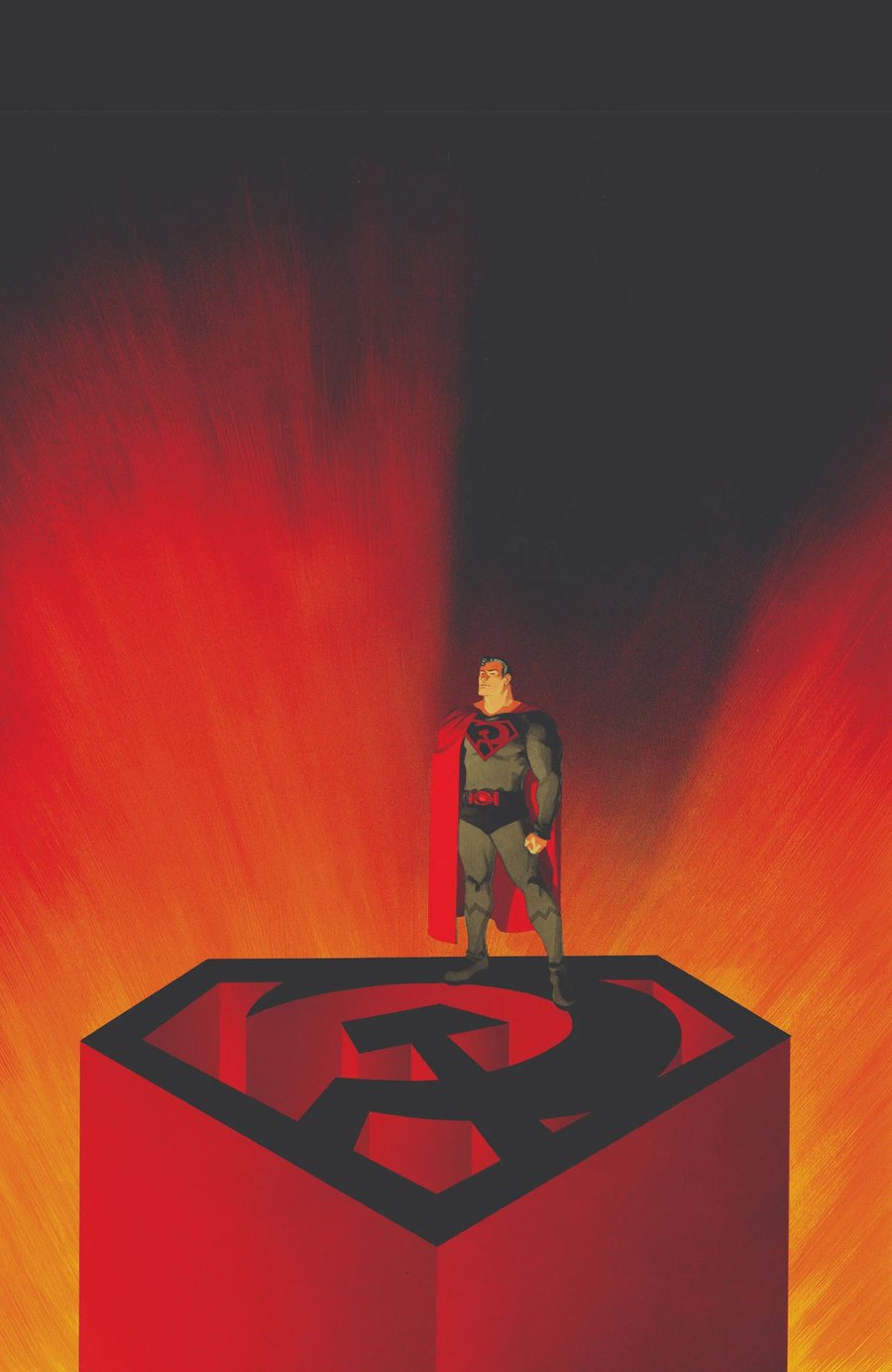
Mark Millar, Dave Johnson and Kilian Plunkett. Superman’s rocket lands in Soviet Ukraine instead of Kansas. What follows is not a gimmick but a serious thought experiment about whether Superman’s goodness is innate or a product of where he was raised.
The answer it lands on is bleaker and more interesting than the premise suggests, and the final twist reframes the whole book.
12. Batman: The Long Halloween (1996–1997)
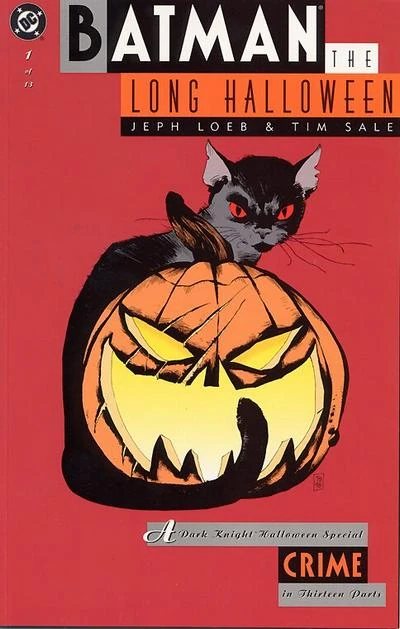
Jeph Loeb and Tim Sale. A year-long murder mystery, one killing per holiday, tracking Gotham’s transition from organized crime to costumed madness and Harvey Dent’s fall into Two-Face.
Sale’s expressionist figures and heavy shadows make it the most atmospheric Batman book on this list. Its crime-saga framing fed directly into Christopher Nolan’s films.
The best DC comics at a glance
| # | Title | Creators | Year |
|---|---|---|---|
| 1 | Watchmen | Moore / Gibbons | 1986–87 |
| 2 | The Dark Knight Returns | Miller / Janson / Varley | 1986 |
| 3 | All-Star Superman | Morrison / Quitely | 2005–08 |
| 4 | The Sandman | Gaiman / various | 1989–96 |
| 5 | Batman: Year One | Miller / Mazzucchelli | 1987 |
| 6 | Kingdom Come | Waid / Ross | 1996 |
| 7 | The Killing Joke | Moore / Bolland | 1988 |
| 8 | Crisis on Infinite Earths | Wolfman / Pérez | 1985–86 |
| 9 | The New Frontier | Cooke | 2004 |
| 10 | Saga of the Swamp Thing | Moore / Bissette / Totleben | 1984–87 |
| 11 | Superman: Red Son | Millar / Johnson / Plunkett | 2003 |
| 12 | The Long Halloween | Loeb / Sale | 1996–97 |
Our take: DC’s canon is a canon of essays, not adventures
Line these twelve books up and a pattern emerges that says something real about the difference between the Big Two.
Look at what most of them are actually about. Watchmen is about whether superheroes should exist. The Dark Knight Returns is about what a superhero becomes after the culture moves on. Kingdom Come asks whether they have turned into gods. Red Son asks whether Superman’s morality is innate or geographic. All-Star Superman is a case for what Superman means. The New Frontier is about the ideology the Silver Age was built on. Crisis is a story about DC’s own continuity.
Very few are simply stories in which DC heroes have an adventure. They are commentaries — arguments about the characters rather than episodes featuring them.
Compare Marvel’s consensus canon, which leans heavily on long serialized runs: Lee and Kirby’s Fantastic Four, Claremont’s X-Men, Miller’s Daredevil. Those are celebrated for sustained soap-operatic momentum — character development accumulated across years of continuity.
The reason for the split is structural, and it comes down to archetypal fixity. DC’s icons are older and more symbolically locked than Marvel’s. Superman, Batman and Wonder Woman arrived as archetypes and have to stay recognizable as archetypes; you cannot durably change what Superman is, because the character’s value is his stability. Marvel’s heroes were built from the start on soap-opera mechanics — jobs, rent, breakups, changing status quos — so their best stories can be about change.
If your characters cannot change, the ambitious writer’s only remaining move is to write about what they mean. That is why DC’s greatest books are so often standalone, out-of-continuity, or explicitly apocalyptic: those are the only formats where a permanent statement about Superman is possible without breaking Superman.
It also explains this list’s most practical feature. Almost every book here is readable cold, with no continuity homework — a genuine advantage DC has over its competitor, and a direct consequence of the same constraint.
For the other side of the aisle, see our ranking of the best Marvel comics of all time. Batman fans should head to our best Batman comics guide, and for the antagonists driving most of these stories, try the greatest comic book villains.
Frequently asked questions
What is the best DC comic of all time?
Watchmen by Alan Moore and Dave Gibbons is the most common critical pick, for its formal ambition and its influence on everything that followed. The Dark Knight Returns and All-Star Superman are the usual alternatives.
Which DC comics should a beginner read first?
All-Star Superman, Batman: Year One and DC: The New Frontier are the friendliest entry points — all three are self-contained and require no continuity knowledge.
Do I need to read DC comics in order?
No. Almost every book on this list is standalone or out of main continuity. Crisis on Infinite Earths is the only entry that meaningfully depends on wider DC history.
Is The Sandman a DC comic?
Yes. It began at DC in 1989 and later became a flagship title of DC’s Vertigo imprint, which was created in part around it.