The best comic book storage setup pairs an inert bag with an acid-free, lignin-free backing board, stored upright in an acid-free box kept at 65–72°F and 40–50% relative humidity. Mylar bags last for decades; polypropylene is fine for five to seven years. The board matters more than most collectors assume.
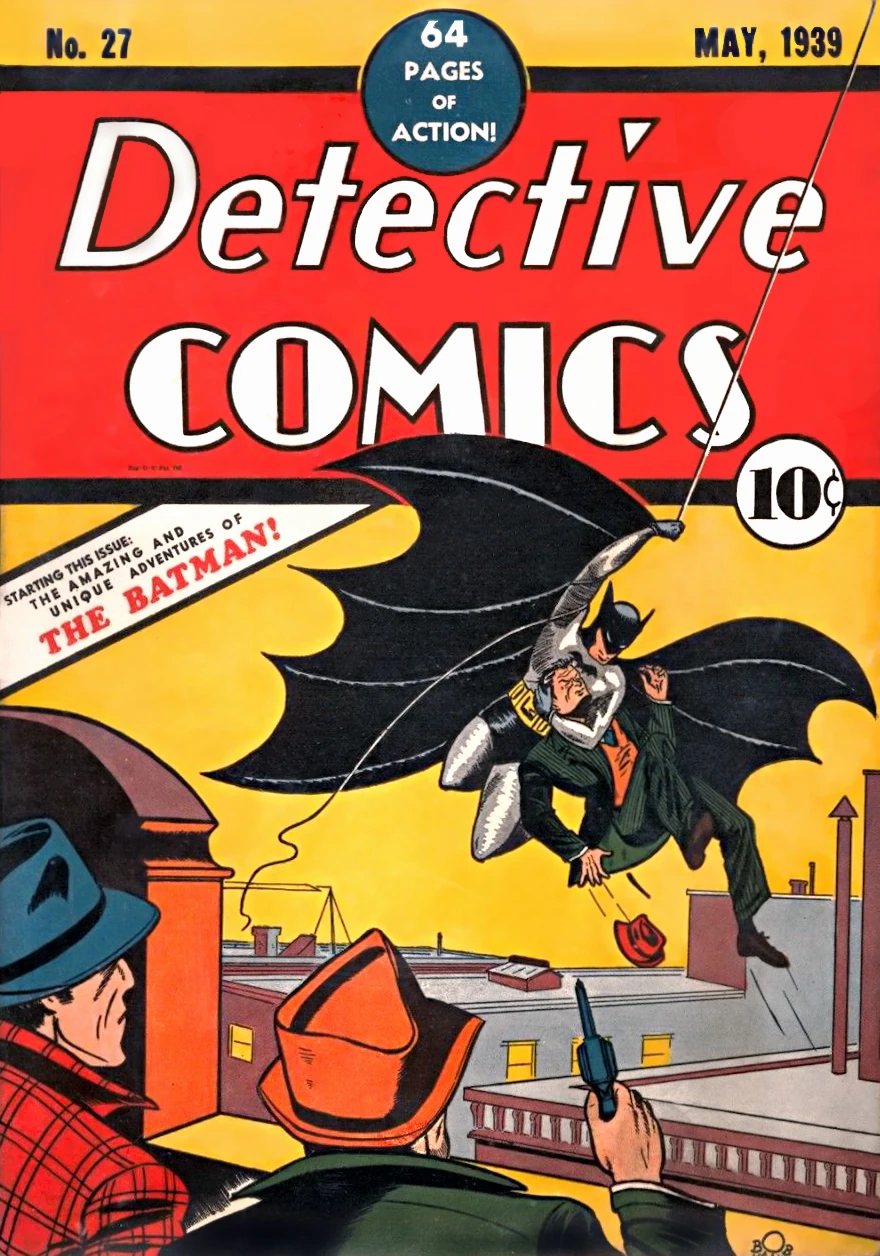
Comics are printed on cheap, acidic newsprint. Left alone, they degrade on their own schedule — storage does not stop that, it slows it down. Everything below is about buying time.
Comic book storage bags: what the materials actually do
| Material | Realistic lifespan | Gas barrier | Best for |
|---|---|---|---|
| Mylar (BoPET polyester) | Decades to centuries | Excellent | Key issues, valuable books, long-term archiving |
| Polypropylene | 5–7 years | Permeable | Reading copies, bulk collections, rotation |
| Polyethylene | Short to medium term | Permeable | Budget bulk storage |
| PVC | Actively harmful | — | Nothing — remove on sight |
Mylar — specifically the Mylar-D and Mylar-M grades — is the material the National Archives and the Library of Congress specify for archival storage. It resists moisture, pollutants, oils and acids, will not discolor or adhere to what it holds, and adds physical support to fragile books.
Polypropylene is genuinely archival-safe and dramatically cheaper. Its limitation is time and permeability: five to seven years of solid service, and it should be used in an acid-free environment because it is gas permeable rather than sealed.
PVC is the one to actively hunt down. Older PVC bags degrade and release acidic byproducts directly onto the book. If you have inherited a collection in unlabeled, slightly oily or strong-smelling plastic, rebag it before you do anything else.
Getting the size right
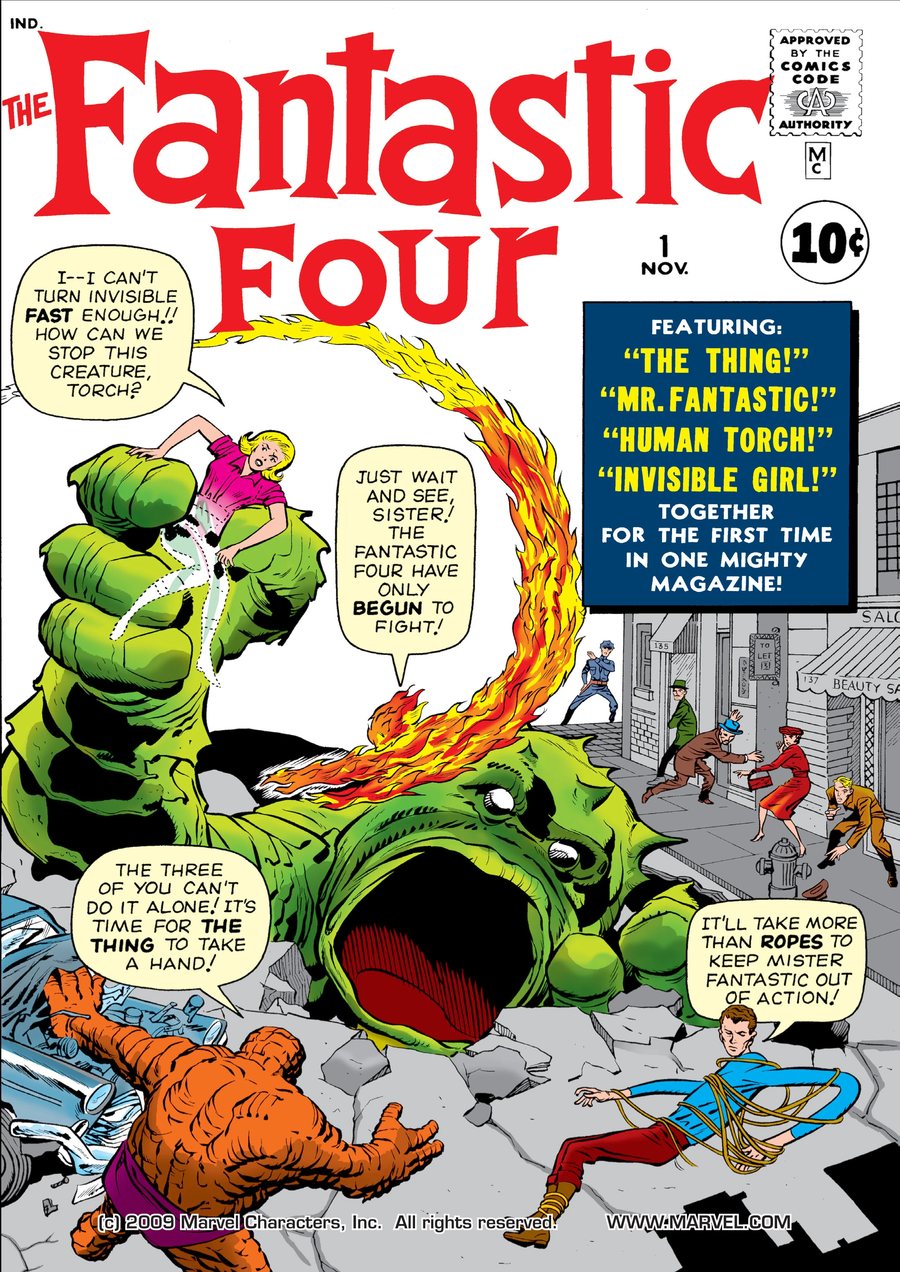
Bags and boards are sized by era because comic dimensions shrank over time. Current/Modern is the smallest, then Silver, then Golden, with Magazine sizing for oversized formats. A bag that is too large lets the book shift and rub; too small stresses the spine. Match the size to the book, not to whatever you have most of.
Backing boards: acid-free and lignin-free, not just “boards”
A backing board does two jobs: it keeps the comic rigid so the spine and corners do not bend, and it forms the surface the comic rests against for years at a time.
Standard cheap boards are not archival. For anything you care about, you want boards described as acid-free and lignin-free, and for valuable books, buffered boards offer the highest level of protection. Lignin is the compound in wood pulp that yellows and acidifies as it breaks down — the same process that turns old newsprint brown.
Our take: most collectors upgrade the wrong half of the sandwich
Here is the mistake we see constantly, and it is an expensive one because it feels like the responsible choice.
A collector decides to protect a valuable book properly, spends up for Mylar bags — and puts the comic on the same bargain backing boards they use for everything else. The bag is visible, premium, reassuring. The board is cardboard you never look at again.
Consider what each component is physically doing. The board is in continuous, full-surface contact with the comic. It touches the back cover across its entire area, every day, for years. The bag mostly encloses air. If acid is going to migrate into your comic by direct contact, the board is the vector, not the bag.
Now add the material property that makes this worse rather than merely neutral. Polypropylene is gas permeable; Mylar is an excellent gas barrier. That barrier is exactly why Mylar is the archival standard — it keeps external pollutants, moisture and light out.
But a barrier works in both directions. Seal an acidic, lignin-rich board inside a high-barrier enclosure and the acidic byproducts it releases have nowhere to go. The bag that was supposed to protect the comic becomes the chamber that concentrates the attack. This is precisely why archival guidance pairs inert enclosures with acid-free interior materials rather than treating the enclosure as a fix on its own — and why polypropylene is specifically recommended for use in an acid-free environment.
The practical rule: never upgrade the bag past the board. If your budget only stretches one way, buy acid-free lignin-free boards and ordinary polypropylene bags rather than Mylar bags and cheap boards. A permeable bag around an acidic board at least lets the off-gassing escape. A sealed bag around an acidic board does not.
Best case, obviously, is Mylar plus buffered acid-free board. But if you are choosing, choose the board.
Boxes and shelving
- Use acid-free boxes. A plain cardboard box is the same acid-migration problem at a larger scale.
- Store comics upright, spine down, never stacked flat. Flat stacking puts the full weight of the pile on the bottom books and produces permanent spine roll and indentation.
- Do not pack boxes tight, and do not leave them loose. Tight packing stresses spines when you pull a book; loose packing lets everything lean and warp. Fill the gap with a spacer board.
- Keep boxes off concrete floors. Concrete wicks moisture. Use a shelf or pallet.
Environment: the variable that beats every product decision
Target 65–72°F and 40–50% relative humidity, in the dark. Beyond the numbers, the priority is stability — repeated swings between hot and cold, damp and dry, do more cumulative damage than a steady reading slightly outside the ideal band.
This is why attics, garages and basements are the three worst places in a house for comics, and why an interior closet on the main floor usually beats a purpose-built shelf somewhere that swings 40 degrees a year. Light matters too: UV fades covers permanently, so dark storage is not optional for anything you value.
A cheap hygrometer in the storage room is the single highest-value purchase in this entire guide. You cannot manage humidity you are not measuring.
When to stop bagging and start slabbing
Bags and boards protect. Professional grading encapsulates and certifies — a different job, at a very different price. If a book is valuable enough that certified condition changes what buyers will pay, see our breakdown of how to grade comic books and check whether the economics work before you send anything.
New to all of this? Start with Comic Collecting 101, and see the most valuable comic books for a sense of what is worth the archival treatment.
Frequently asked questions
Are Mylar bags worth it for comic storage?
For valuable or key issues, yes — Mylar resists moisture, pollutants, oils and acids and lasts decades. For reading copies and bulk collections, polypropylene delivers most of the benefit at a fraction of the cost, with a realistic five to seven year lifespan.
How often should I replace comic bags and boards?
Replace polypropylene and polyethylene bags roughly every five to seven years. Mylar lasts far longer. Replace any board that has yellowed or discolored, since that is visible evidence of acid breakdown.
Should comics be stored flat or upright?
Upright, spine down, in an acid-free box. Stacking comics flat puts the weight of the whole pile on the bottom books and causes permanent spine roll.
What temperature and humidity is best for comic storage?
65–72°F and 40–50% relative humidity, kept dark. Stability matters more than hitting an exact number, so avoid attics, garages and basements where conditions swing.
Sources
- E. Gerber — archival preservation and Mylar specifications
- University Products — archival comic storage materials
- Library of Congress — collections care