The most valuable comic books in the world are almost all Golden Age first appearances of characters who went on to define superhero pop culture — and at the very top sits a single 1938 issue that has now changed hands for eight figures. In early 2026, the famous “Nicolas Cage” copy of Action Comics #1 (graded CGC 9.0) sold in a private transaction for a reported $15 million, making it the most expensive comic book — and one of the most expensive pop-culture collectibles — ever sold. Just below it sit Superman #1, Amazing Fantasy #15, Detective Comics #27, and a handful of other keys that regularly trade from the high five figures into the millions. This guide ranks the true blue-chip books, gives realistic value ranges, and explains exactly what drives a comic from a $5 back-issue into a life-changing asset.
| Comic | Key Issue / Why | Approx. Value (Top Grades) | Why It Matters |
|---|---|---|---|
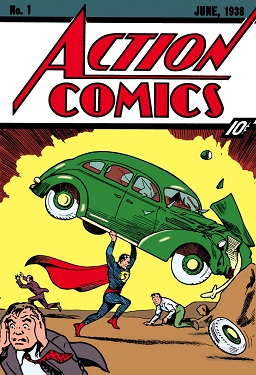
| Action Comics #1 (1938) | 1st Superman | $3M–$15M+ | Launched the entire superhero genre |
| Superman #1 (1939) | 1st solo Superman title | $1M–$9M+ | Cemented Superman as a franchise |
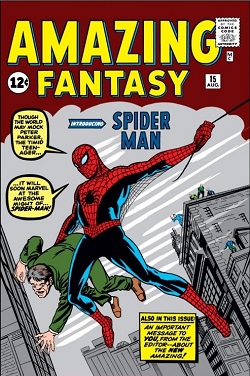
| Amazing Fantasy #15 (1962) | 1st Spider-Man | $500K–$3.6M | Marvel’s most iconic hero debuts |
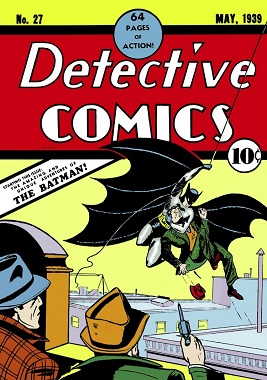
| Detective Comics #27 (1939) | 1st Batman | $500K–$2M+ | Introduced the Dark Knight |
| Marvel Comics #1 (1939) | 1st Human Torch & Namor | $300K–$2.4M | Marvel’s (Timely’s) very first book |
| Batman #1 (1940) | 1st Joker & Catwoman | $300K–$2.2M | Two of comics’ greatest villains debut |
| Captain America Comics #1 (1941) | 1st Captain America | $300K–$3.1M | WWII-era patriotic icon |
| All Star Comics #8 (1941) | 1st Wonder Woman | $250K–$1.6M | First major female superhero |
| X-Men #1 (1963) | 1st X-Men & Magneto | $40K–$800K | Foundation of the mutant universe |
| Incredible Hulk #181 (1974) | 1st full Wolverine | $5K–$300K | Bronze Age’s hottest key |
Values are approximate ranges that swing dramatically with grade, page quality, and market timing. The high end reflects near-mint, professionally graded copies; the low end reflects heavily read, lower-grade copies.
1. Action Comics #1 (1938) — The First Superman
No book is more important. Released with a June 1938 cover date, Action Comics #1 introduced Superman and, with him, the entire concept of the costumed superhero. Fewer than an estimated 100 copies survive in any condition, and pristine examples are almost mythical.
The record is staggering. The well-documented “Cage copy” (CGC 9.0) — once owned by actor Nicolas Cage, famously stolen in 2000 and recovered from a California storage unit in 2011 — sold privately for a reported $15 million in early 2026, brokered by Metropolis Collectibles and ComicConnect. That same copy sold for $2.16 million in 2011, illustrating just how steeply the top of the market has climbed. In 2024, a CGC 8.5 copy realized roughly $6 million at public auction. Even mid- and low-grade copies (with restoration or missing pages) routinely bring several hundred thousand dollars.
2. Superman #1 (1939) — The First Solo Title
Superman proved so popular that DC (then National) gave him his own title within a year. Superman #1 reprints some early material but is a landmark in its own right, and high-grade copies are extraordinarily scarce. In November 2025, a remarkable CGC 9.0 copy — reportedly discovered in an attic — sold at Heritage Auctions for a reported $9.12 million, which stood as the all-time comic record until Action Comics #1 reclaimed the crown weeks later. Mid-grade copies still trade well into six and seven figures.
3. Amazing Fantasy #15 (1962) — The First Spider-Man
The most valuable Silver Age comic and the crown jewel of Marvel keys. Written by Stan Lee and drawn by Steve Ditko, Amazing Fantasy #15 introduced Peter Parker in what was meant to be the anthology’s final issue. A CGC 9.6 copy sold for a reported $3.6 million in 2021. Because far more copies survive than the 1930s DC keys, there is a genuine ladder here: reader-grade copies can be found in the mid five figures, while anything CGC 9.0 and up commands hundreds of thousands.
4. Detective Comics #27 (1939) — The First Batman
Batman’s debut is arguably the second-most-important comic ever printed. Detective Comics #27 is genuinely rare in high grade; a CGC 6.5 copy has sold for around $1.8 million, and the ceiling rises well above $2 million for the finest known examples. Even restored or lower-grade copies are firmly six-figure books. If you want to explore the era’s greatest icons, our roundup of the most powerful comic book characters ranked is a fun companion read.
5. Marvel Comics #1 (1939) — Where Marvel Began
Published by Timely (Marvel’s predecessor), Marvel Comics #1 features the first appearances of the original Human Torch (an android) and Namor the Sub-Mariner. High-grade copies have sold for well over $2 million, with a famous “pay copy” setting records. It is the foundational document of the Marvel universe.
6. Batman #1 (1940) — Enter the Joker and Catwoman
Batman’s first solo title is a double key: it introduces both the Joker and Catwoman (as “the Cat”). Top-grade copies have sold north of $2.2 million. Villains drive value as much as heroes — a theme you’ll recognize from our look at the top Teenage Mutant Ninja Turtles villains.
7. Captain America Comics #1 (1941)
The iconic Jack Kirby and Joe Simon cover of Cap punching Adolf Hitler predates U.S. entry into WWII and remains one of the most reproduced images in comics. First appearances of Captain America and Bucky. High-grade copies have reached roughly $3.1 million.
8. All Star Comics #8 (1941) — The First Wonder Woman
Wonder Woman’s debut is the most valuable comic featuring a female lead, with top copies selling above $1.6 million. As a first appearance of one of the “big three” DC heroes, demand consistently outpaces the surviving supply.
9. X-Men #1 (1963) — The Mutant Foundation
The first appearance of the original X-Men and Magneto. Because it’s a Silver Age book with more surviving copies, the range is wide: affordable reader copies in the mid-four figures, and CGC 9.0+ examples pushing into the high six figures. The X-Men’s roster is stacked with heavy hitters — several appear in our list of the best electricity superheroes.
10. Incredible Hulk #181 (1974) — The Bronze Age King
The first full appearance of Wolverine and the single hottest Bronze Age key. It’s attainable for many collectors: mid-grade copies trade in the low-to-mid four figures, while CGC 9.8 examples have reached six figures. This is the classic “gateway grail” — a genuine top-tier key that regular buyers can still realistically own.
What Actually Drives a Comic’s Value
Four factors do most of the heavy lifting:
- Significance: First appearances, first issues, and origin stories dominate. A character’s cultural staying power (and screen presence) matters enormously.
- Scarcity: Golden Age print runs were small and paper was recycled during the war, so survivors are few. Modern books were printed and preserved in huge numbers — which is why most 1990s “investment” comics never appreciated.
- Grade & page quality: The jump from a VG copy to a near-mint copy can be a 10x–100x price difference. White pages beat brittle tan ones.
- Provenance: Pedigree collections (like the Edgar Church “Mile High” copies) and famous prior owners add real premiums.
How to Buy, Sell, and Grade Comics
Whether you’re hunting a $30 key or a five-figure grail, the mechanics are the same.
Buying. For everyday keys and raw books, eBay is the largest marketplace — use the “Sold” filter to see real recent prices, not asking prices, and always buy graded copies from established sellers when spending real money. For blue-chip and record-level books, Heritage Auctions is the dominant venue, with public archives of past results that double as a free price guide.
Selling. Low-to-mid-value books do well on eBay; high-value keys generally net more through a major auction house (Heritage, ComicConnect) despite the seller’s commission, because they reach the deepest pool of serious buyers.
Grading. Third-party grading protects both sides of a deal. CGC is the market leader; CBCS is a respected alternative. A grader assigns a number from 0.5 to 10.0, checks for restoration, and seals the book in a tamper-evident holder (a “slab”). For any book worth more than the grading fee, slabbing typically increases both value and liquidity. Never grade a common book worth less than the fee — you’ll lose money.
Original Insight: 3 “Sleeper” Keys and the Myth to Ignore
Chasing million-dollar Golden Age books is unrealistic for most collectors. The smarter play is undervalued keys with room to run. A few worth studying (this is analysis, not financial advice):
- Bronze Age horror and first appearances that predate a character’s screen debut. The market consistently front-runs adaptations — keys spike when casting is announced, then again at release.
- High-grade “common” keys. A book everyone owns in VG can be genuinely rare in CGC 9.8. Grade scarcity, not title scarcity, is where quiet money is made.
- First appearances of villains and antiheroes. Villain keys have historically been underpriced relative to hero debuts — and symbiotes are a prime example. See our breakdown of the most powerful symbiotes ranked.
The myth to bust: “Old = valuable” and “my 1992 first issue is an investment.” Age alone means nothing; scarcity and significance are everything. Millions of 1990s speculation-era comics were printed and bagged, so most are worth cover price or less today. Meanwhile a genuinely scarce, significant book from any era holds up. Buy what you love, buy the best grade you can afford, and treat appreciation as a bonus rather than a plan.
Frequently Asked Questions
What is the most valuable comic book of all time?
Action Comics #1 (1938), the first appearance of Superman. The famous CGC 9.0 “Cage copy” sold privately for a reported $15 million in early 2026, the highest price ever paid for a comic.
How do I know if my comic is worth money?
Check whether it’s a first appearance, first issue, or origin story; then check its condition honestly and look up recent “Sold” results on eBay and Heritage Auctions’ archives for the same issue in the same grade. Significance plus scarcity plus grade determines value.
Are 1990s comics worth anything?
Usually very little. Most were printed in enormous quantities and heavily preserved, so supply overwhelms demand. A handful of genuine key first appearances hold value, but the vast majority trade at or below cover price.
Should I get my comic graded by CGC or CBCS?
Grade any book worth clearly more than the grading fee, especially keys and high-grade copies. CGC is the market leader and generally the most liquid; CBCS is a solid alternative. Don’t grade common books worth less than the fee.
Where is the best place to buy and sell valuable comics?
For everyday and mid-value books, eBay (using the “Sold” filter). For high-value and record-level keys, major auction houses like Heritage Auctions and ComicConnect reach the deepest pool of serious buyers.
Prices in this guide are approximate ranges and reflect publicly reported sales; the comic market fluctuates with grade, condition, and demand. Values can change significantly over time. Looking for more collector deep-dives? Explore our most popular anime characters feature next.