Comic Collecting 101: The Complete Beginner Guide (2026)
Comic collecting for beginners comes down to three habits that separate the people who build real value from the ones who just spend money: collect what you genuinely love, grade selectively instead of grading everything, and protect every book from day one. Do those three things and you can start a rewarding collection for less than the price of a video game, whether you want a shelf of stories you adore or a small stack of key issues that appreciate over time. This guide walks you through where to buy, what to look for, how condition and grading actually work, the supplies you need, and the beginner mistakes that quietly drain wallets.
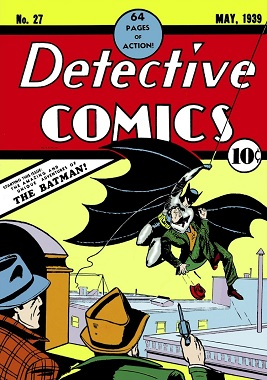
Comic collecting for beginners: the quick answer
To start collecting comics: pick a character or creator you love, visit a local comic shop and set up a free pull list so you pay cover price, and buy the best condition you can afford. Store every book in an acid-free bag and board inside a proper comic box, away from light and humidity. Only pay to professionally grade a book when it is genuinely valuable or a personal grail, and treat comics as a hobby first and an investment second. That is the entire foundation; everything below is detail.
Before you send anything away to be graded, run the numbers: Use our free CGC grading cost calculator to get the real all-in price per book and the resale value a graded copy has to hit before it beats selling raw.
The 3 rules that separate collectors who build value from those who waste money
After years of watching new collectors flame out or overspend, the difference almost always traces back to three principles. This is the original framework at the heart of this guide, and it is worth internalizing before you spend a dollar.
Rule 1 — Collect what you love. The market moves, reboots flop, and speculative “hot” books cool off fast. But a run you actually enjoy reading never loses its value to you. Collectors who buy purely on hype end up holding stacks of books nobody wants at the price they paid. Collectors who buy what they love always own something they are happy to keep. Passion is the one variable that protects you in every market.
Rule 2 — Grade selectively. New collectors often want to slab everything, spending $30–$70 per book in grading fees on comics worth $10. Professional grading (from services like CGC or CBCS) makes sense only when a book is genuinely valuable, when authentication protects you against fakes, or when it is a personal grail you want sealed forever. For everything else, raw and bagged is smarter. Selective grading is where beginners save the most money.
Rule 3 — Protect everything. A comic’s value lives almost entirely in its condition, and condition only ever moves in one direction: down. A bag, a board, and a box cost pennies per book and are the single highest-return investment in the hobby. Protecting a $5 book that becomes a $200 book later is how quiet value gets built.
Where to buy comics as a beginner
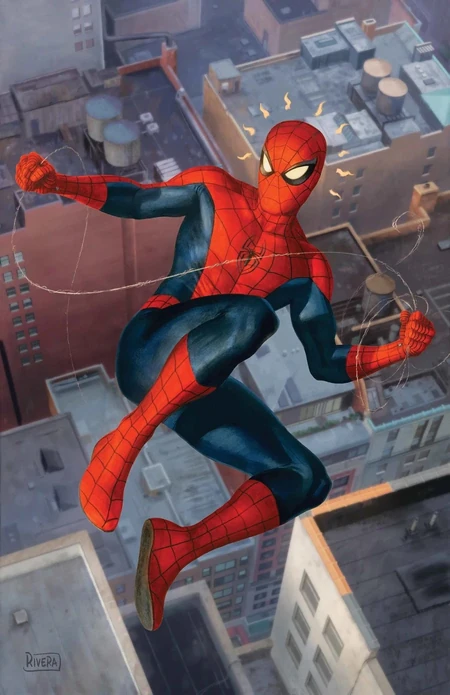
You have more options than ever, and each serves a different purpose.
- Local comic shops (LCS). The best starting point. Shops organize back issues in bins by character and event, stock supplies, and—critically—offer a free pull list. When you set up a pull list, the shop holds each new issue of the titles you follow, and you pay cover price instead of the higher shelf price. Just pick your books up promptly; the shop takes on financial risk ordering copies for you.
- eBay. The largest marketplace for back issues, key issues, and graded slabs. Great for tracking down specific first appearances. Buy from sellers with strong feedback and always read the condition notes and photos closely.
- Amazon. Best for collected editions, trade paperbacks, omnibuses, and reading copies rather than collectible single issues. Ideal when you care about the story more than the artifact.
- Conventions. Comic cons have dealer rooms full of dollar bins and rare keys. You can inspect books in person and haggle—an underrated way to learn.
- Online communities. Reddit, Facebook groups, and Instagram are where collectors trade tips, verify prices, and sometimes sell directly.
- Digital platforms. Services like Marvel Unlimited and other digital libraries let you read thousands of issues for a monthly fee. Digital comics do not hold collectible value, but they are the cheapest possible way to sample series before you commit to buying physical keys.
A practical starting workflow: use a digital subscription or collected editions to discover what you love, buy the ongoing series you enjoy through a shop pull list, and reserve eBay and conventions for the specific key issues you decide are worth owning in print. That sequence keeps your early spending low while your taste develops.
Key issues and first appearances explained
Not all comics are equal. The books that hold and grow value are usually key issues—issues that mark something significant. The most sought-after category is the first appearance, the debut of a character, team, or costume. Other keys include first issues of a series (#1s), origin stories, major deaths, and first appearances of variant costumes.
As a beginner, get familiar with the pillars: Superman and Batman on the DC side; Spider-Man, the X-Men, and Captain America on the Marvel side. You do not need to chase the six-figure grails. Plenty of modern first appearances start in the dollar bins and can appreciate if the character hits it big in film or TV. If you want to see where the ceiling sits, our roundup of the most valuable comic books shows what key issues become at the very top of the market.
A useful habit is to learn the “first appearance” language of the hobby before you buy. Listings often abbreviate keys: “1st app.” means first appearance, “origin” means the issue that explains a character’s backstory, and “cameo” versus “full appearance” distinguishes a brief background shot from a proper debut—a distinction that can swing value dramatically. When a listing claims a book is a key, cross-check it against a price guide or community database rather than taking the seller’s word. The keys that matter most tend to be tied to characters with staying power, not one-off variant covers printed in the thousands.
Condition and grading basics
Because condition drives value, collectors use a standardized 10-point scale. A pristine book can be worth many multiples of the same issue with a spine tick or a color-breaking crease. Here is the scale simplified for beginners.
| Grade | Label | What it looks like |
|---|---|---|
| 9.8–10.0 | Near Mint/Mint to Gem Mint | Essentially flawless; sharp corners, perfect gloss. The collector sweet spot for keys. |
| 9.0–9.6 | Very Fine/Near Mint | Very minor handling wear; looks new at a glance. |
| 7.0–8.5 | Very Fine | Light wear, minor spine stress; still very attractive. |
| 5.0–6.5 | Fine | Above-average used copy; noticeable but modest flaws. |
| 3.0–4.5 | Good to Very Good | Visible wear, creases, maybe a small tear; a solid affordable reader. |
| 0.5–2.5 | Fair to Poor | Heavy damage; valued mainly for scarce keys where any copy is desirable. |
You can learn to eyeball grades yourself using the free CGC grading scale reference. When you inspect a raw book, check four things in good light: the spine (for stress lines and ticks), the corners (for blunting or creases), the cover gloss (for scuffs and sun fading), and the staples (for rust or misalignment). Those four areas account for most grade deductions, and training your eye on them is the single most valuable skill a new collector can build.
Professional grading is when a service like CGC or CBCS inspects a book, assigns a numeric grade, and seals it in a tamper-evident “slab.” A slab authenticates the book and locks in condition, which is why graded keys sell for a premium and why slabs are much harder to fake or damage. The trade-off is cost and turnaround time, plus the fact that a slabbed book can no longer be read. Remember Rule 2: reserve paid grading for books where the value justifies the fee, and keep the rest of your collection raw and protected.
Storage and supplies
The good news is that protecting your collection is cheap. A starter kit runs well under $50 and pays for itself the first time it saves a book.
- Bags — Polyethylene or Mylar sleeves protect covers and prevent ink transfer. Mylar lasts longest; polypro is fine for readers.
- Boards — Acid-free backing boards keep books rigid so they cannot bend or crease.
- Boxes — Short and long comic boxes (roughly $5–$20) hold books upright so you can flip through them safely.
- Environment — Store boxes off the floor, away from direct sunlight, heat, and humidity. Sun fading and moisture are silent value-killers; the Library of Congress preservation guidelines recommend a cool, stable, low-humidity environment for paper collectibles.
Bag and board every book you intend to keep, replace bags as they yellow, and never stack heavy boxes on top of each other in a way that crushes spines.
Building a collection on a budget
You do not need deep pockets to collect well. Set a monthly budget and treat it as entertainment money—a common rule is to never spend more than you are willing to lose. Then stretch it:
- Mine dollar bins for overlooked keys and complete runs cheaply.
- Use a pull list to lock in cover price on titles you follow.
- Focus on a theme—one character, creator, or era—so your money builds something coherent rather than a random pile.
- Buy collected editions when you want the story, and save single-issue budget for true keys.
If part of your goal is long-term appreciation, be strategic about which modern books you hold. Our guide to the best comics to invest in for 2026 breaks down where the smart money is looking this year.
Common beginner mistakes to avoid
- Chasing hype. Speculative “hot” books often crash. Buy what you love (Rule 1) and hype becomes upside, not risk.
- Over-grading. Paying to slab cheap books burns money. Grade selectively (Rule 2).
- Skipping protection. Reading and handling raw books erodes value fast. Bag, board, and box from day one (Rule 3).
- Overspending emotionally. Set a budget before you walk into the shop, not after.
- No plan. A collection without a theme or goal becomes clutter. Decide what you are building.
Ready to go deeper on strategy once you have the basics down? Explore our full library of comic collecting guides and rankings to keep leveling up.
Frequently asked questions
How much money do I need to start collecting comics?
Very little. A starter supply kit costs under $50, and you can fill dollar bins and set up a free pull list to buy at cover price. Many collectors start with $20–$30 a month and build steadily from there.
Should I get my comics professionally graded?
Only selectively. Paid grading from CGC or CBCS makes sense for genuinely valuable key issues, personal grails, or authentication. For most of your collection, keeping books raw in bags and boards is the smarter, cheaper choice.
What makes a comic valuable?
Two things above all: significance and condition. Key issues—especially first appearances of popular characters—command premiums, and the higher the grade on the 10-point scale, the more that book is worth.
Where is the best place to buy comics as a beginner?
Start at a local comic shop for the pull list and hands-on learning. Use eBay for specific back issues and graded keys, and Amazon for collected editions and reading copies.
How do I store comics to protect their value?
Put each book in an acid-free bag with a backing board, stand them upright in a comic box, and keep the box off the floor and away from sunlight, heat, and humidity.