Disney+ has cancelled its live-action Power Rangers series before it reached production, Deadline reported August 14, 2026. The show had been in development for roughly a year and a half at 20th Television, written and executive produced by Jonathan E. Steinberg and Dan Shotz. The reported reason was budget — specifically, that Disney would have paid for a property Hasbro owns.
That makes Disney+ the second streamer in two years to walk away from the same project for the same reason. Netflix got there first.
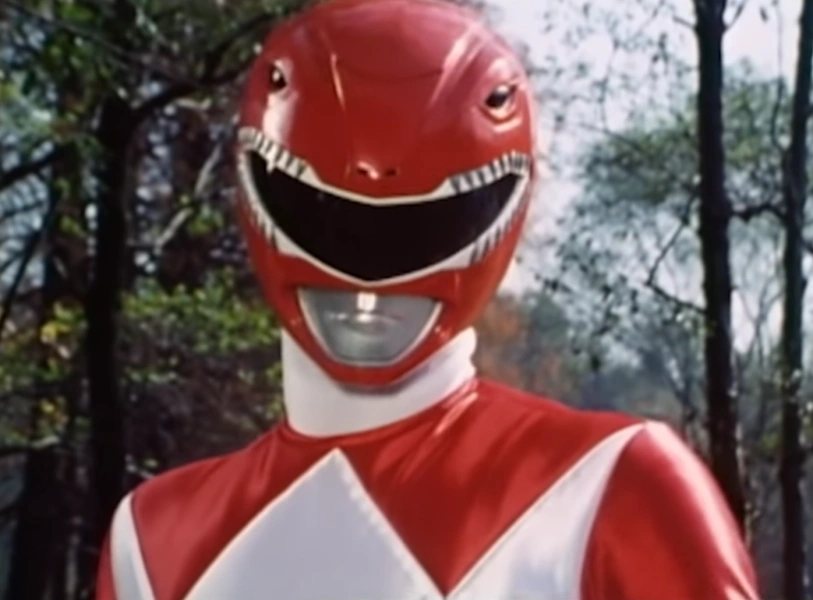
What was actually in development
The series had Steinberg and Shotz attached as writers and executive producers — the pair behind Disney+’s Percy Jackson and the Olympians, which is a real signal of intent. You do not hand a franchise reboot to the showrunners of your successful YA adaptation unless you mean it.
20th Television was producing. Development ran about eighteen months. No casting was announced and the show never reached a production order.
The Netflix attempt came first
Netflix spent roughly four years developing its own Power Rangers series, with Jenny Klein attached as showrunner and Jonathan Entwistle directing. That project collapsed in June 2024, and Hasbro subsequently ended its agreement with Netflix and went looking for a new studio partner. Disney+ was that partner.
So the sequence is: four years at Netflix, dead. Eighteen months at Disney+, dead. Same franchise, two of the largest streamers on earth, no series.
Original insight: this is an IP ownership problem, not a Power Rangers problem
It is tempting to read two cancellations as a verdict on the brand. The evidence points somewhere more specific.
Power Rangers is expensive in a particular way. It needs suit work, creature effects, mecha-scale VFX, and stunt choreography in essentially every episode — there is no cheap Power Rangers episode the way there is a cheap dialogue episode of a prestige drama. That puts it in the cost bracket of a high-end genre series.
Streamers will still pay that. What has changed is what they demand in return. The economics of streaming shifted from “rent attention” to “own the asset,” because a platform that owns the IP captures merchandising, sequels, spin-offs, and library value indefinitely, while a licensee captures a viewing window and nothing else. Hasbro owns Power Rangers. Disney would have carried the full production cost while Hasbro kept the upside on toys and the brand itself.
The cleanest proof is sitting inside Disney’s own slate. Disney is moving forward on a Gargoyles reboot — also a 1990s action-fantasy property, also nostalgia-driven, also VFX-heavy, also aimed at the same millennial audience. The difference is that Disney owns Gargoyles outright. Same studio, same strategic bet, opposite outcome, and the variable that changed is ownership rather than audience appetite.
Which means the takeaway for other licensed properties is uncomfortable. If the deciding factor is who holds the rights, then a beloved franchise owned by a toy company is structurally harder to get made now than a mediocre one owned by the streamer.
Two streamers, one franchise: how it went
| Netflix | Disney+ | |
|---|---|---|
| Development window | About four years, ended June 2024 | About 18 months, ended August 2026 |
| Key creatives | Jenny Klein (showrunner), Jonathan Entwistle (director) | Jonathan E. Steinberg and Dan Shotz (writers, EPs) |
| Studio | Netflix | 20th Television |
| Reached production? | No | No |
| Reported reason | Hasbro ended the agreement; specific cause not disclosed | Budget, tied to Hasbro retaining the IP |
What happens to Power Rangers now
Hasbro still owns the franchise and has now been through two failed streaming partnerships. The realistic paths are a smaller-budget production that does not require a major streamer’s cost structure, a partner willing to take an equity stake in the property rather than a straight license, or Hasbro funding a series itself and selling it as a finished show.
None of those are fast. The most likely near-term outcome is that the franchise stays where it has been living — toys, comics, and the existing library — while the rights question gets resolved. For context on what does clear the bar in this environment, our list of the highest-grossing superhero movies is a useful reminder of how much studios will still spend when they control the property outright.
Frequently asked questions
Why was the Disney+ Power Rangers series cancelled?
Deadline reported the decision was driven by budget rather than creative issues. Because Hasbro owns the Power Rangers intellectual property, Disney would have absorbed the full cost of an expensive VFX-heavy series without owning the underlying asset.
Did the Power Rangers series ever start filming?
No. The project was in development for about eighteen months at 20th Television but never received a production order, and no cast was announced.
Who was making the Disney+ Power Rangers show?
Jonathan E. Steinberg and Dan Shotz, the team behind Disney+’s Percy Jackson and the Olympians, were writing and executive producing, with 20th Television as the studio.
Is Power Rangers still happening anywhere?
Hasbro retains the franchise, but there is no announced live-action series in production following the Netflix and Disney+ cancellations. The brand continues through toys, comics, and its existing library.
Sources: Deadline’s exclusive report, Anime News Network, and ComicBook.com.