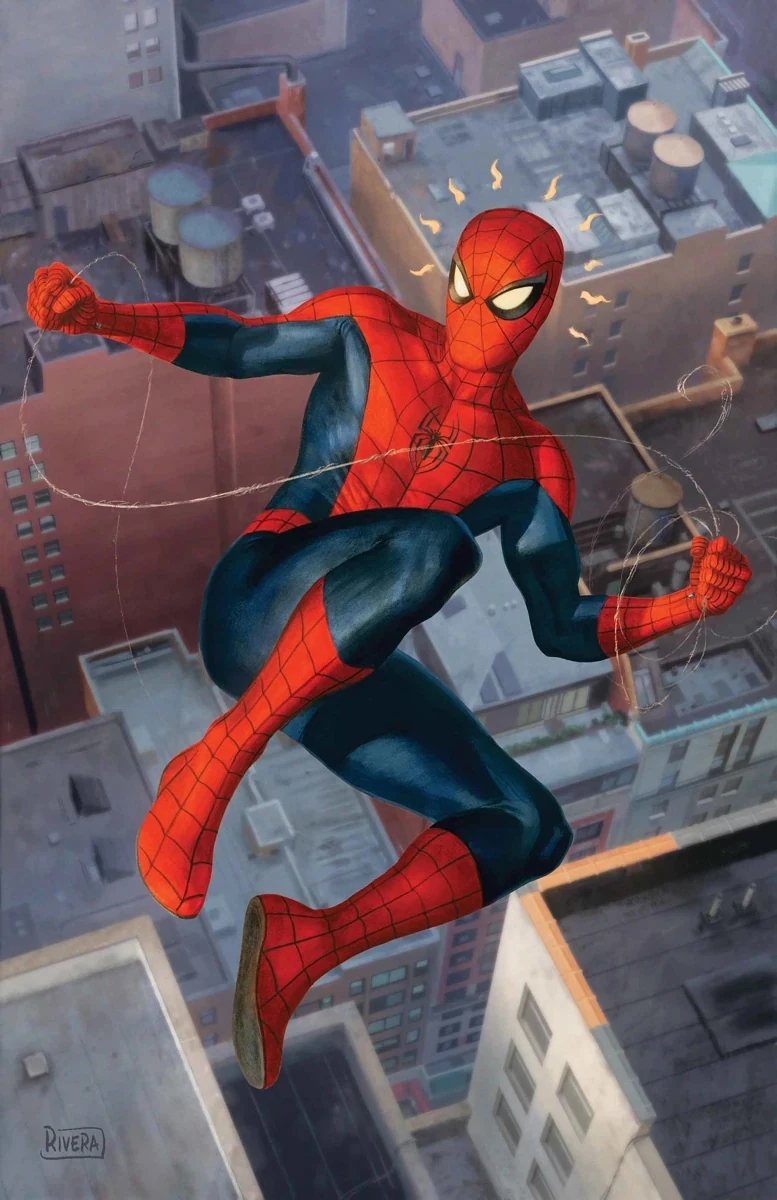
Marvel’s Midnight Universe launches October 7, 2026 with three number one issues released on the same day — and they will be the only Marvel comics on shelves that week. Midnight X-Men, Midnight Fantastic Four, and Midnight Spider-Man reimagine Marvel’s biggest properties as horror, with a fresh wave of variant covers revealed August 13.
The variant reveal is the news hook. The launch structure is the actual story, because Marvel is doing something it almost never does: giving up an entire new-comic-book day.
What the Midnight Universe is
Midnight is a new publishing line where Marvel’s core characters are rebuilt inside horror premises. It is not an event crossing over with the main Marvel Universe — it is a separate imprint with its own tone and its own continuity.
All three debut issues arrive October 7, 2026:
| Title | Creative team | Premise |
|---|---|---|
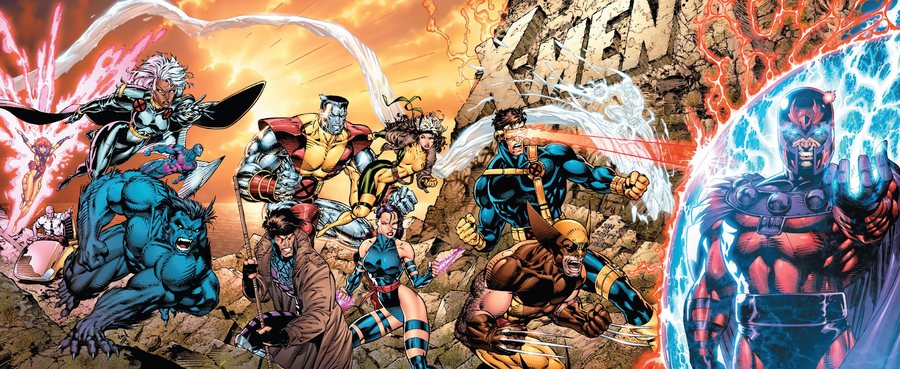
| Midnight X-Men | Jonathan Hickman and Matteo Della Fonte | New York is overrun by vampires and “Mutant Empyres,” with both factions working to break a fragile peace |
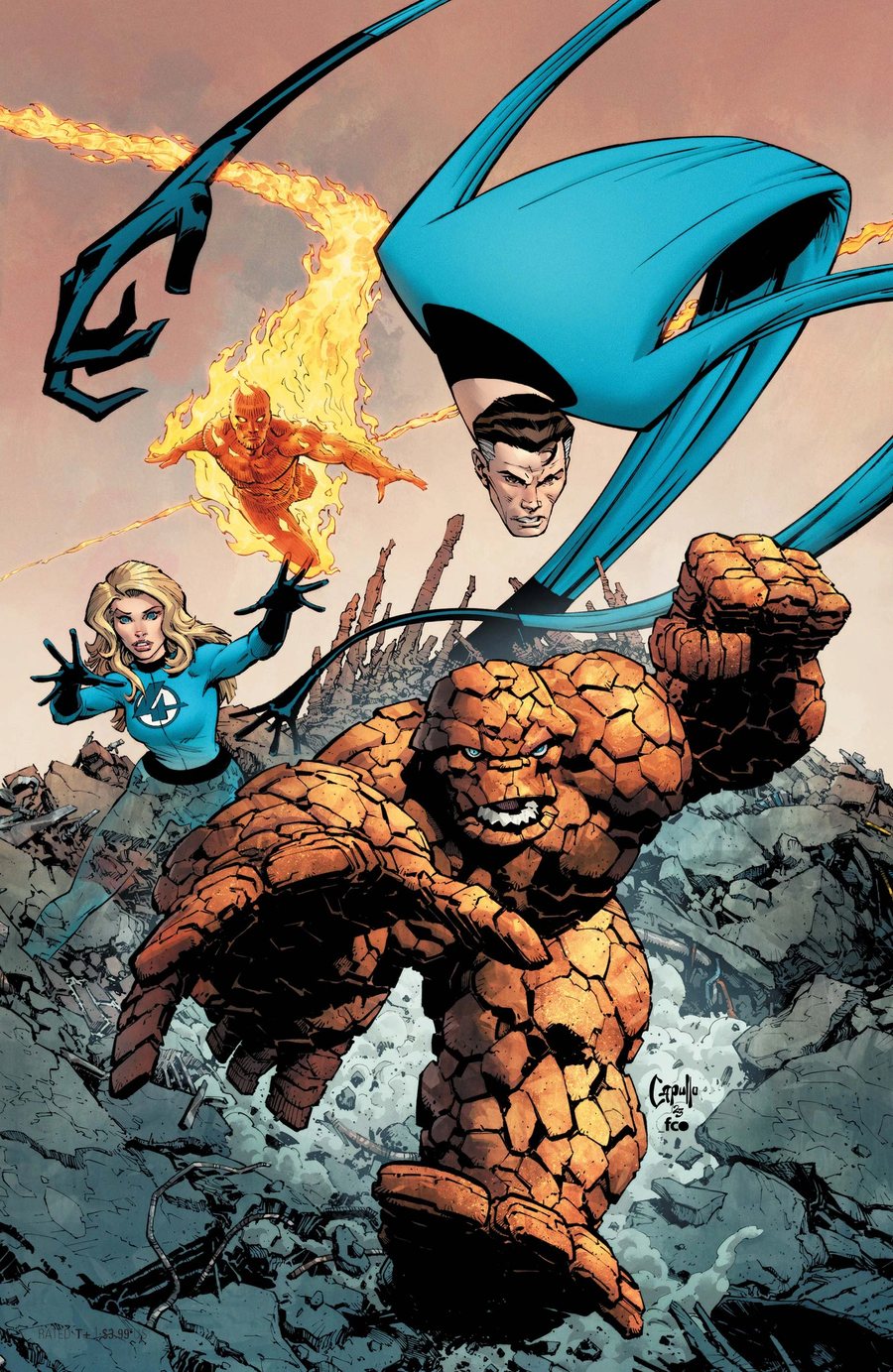
| Midnight Fantastic Four | Benjamin Percy and Kev Walker | Cosmic horror — dark scientific research exposes the team to the secrets of the universe at a terrible cost |
| Midnight Spider-Man | Phillip Kennedy Johnson and ScieTronc | Oscorp transforms Peter Parker into a monstrous spider-human hybrid he has to weaponize against them |
The Hickman name carries the most weight here. His House of X and Powers of X reset the entire X-Men line in 2019, so putting him on a horror-inflected mutant book is a deliberate signal that Midnight is meant to be taken seriously rather than treated as a seasonal gimmick.
Cloaked Covers, explained
The main covers across the Midnight line are “Cloaked Covers” — the artwork is partially obscured, with the full image revealed when you turn the page. For the debut issues the full art is revealed outright. After that, Marvel says the covers stay shrouded, revealing themselves only to readers who pick the book up off the stand.
It is a neat trick, and it is also the first clue about who this line is really designed for.
Original insight: this launch is engineered for retailers, not readers
Marvel publishing nothing else on October 7 is the most unusual decision in this entire announcement, and it is worth thinking through what it actually accomplishes.
Comic shops order on a weekly budget. In a normal week, a new X-Men book competes for that budget against fifteen other Marvel titles, and a retailer hedging their order across all of them orders each one shallower. Clear the slate, and the three Midnight books are not competing with Marvel’s own catalogue for a finite dollar figure — they are the only thing to spend it on. Order numbers go up not because demand changed but because the alternatives were removed.
The rest of the launch points the same direction. A themed A-through-E cover program creates a defined set for variant collectors to complete, which is a mechanic aimed at people who buy multiples rather than people who buy one copy to read. And Cloaked Covers only work as physical objects — a cover that reveals itself when you turn a page is meaningless on a digital storefront. Every structural choice here rewards the direct market.
None of that makes the books bad. Hickman on a horror X-Men title is a genuinely interesting proposition. But it is worth being clear-eyed that the launch architecture is a distribution strategy first, and that “all three number ones, one day, cloaked covers, five-tier variant program” is a sentence written for retailers and speculators before it was written for readers.
Is this a good speculation play?
A cautious yes on reading, a cautious no on flipping. Same-day line launches with heavy variant support tend to be over-ordered precisely because the incentives above work — and heavily ordered first issues rarely appreciate, because supply is deep.
The historically better bet on a new imprint is not the number one. It is the issue where the line’s first genuinely new character or major status-quo change lands, usually somewhere in the first six to twelve issues, when print runs have settled down but attention has not. Our guide to comics worth investing in this year goes deeper on why first appearances outperform first issues, and comic collecting 101 covers print-run mechanics if this is new territory for you.
Where Midnight sits against Marvel’s other alternate lines
Marvel has run parallel-universe imprints before, and their fates are instructive. The Ultimate Universe launched in 2000 and eventually became the main pipeline for characters who crossed into the core continuity — Miles Morales being the obvious example. The MAX imprint went the other way, staying a walled garden for mature-readers takes.
Which model Midnight follows will be the thing worth watching. If a Midnight-original character migrates into the main universe within a couple of years, the line was a development lab. If nothing crosses over, it was a mood piece. For context on how the mainline versions of these teams work, see our breakdown of Fantastic Four powers and our ranking of Marvel’s Omega-level mutants.
Frequently asked questions
When does Marvel’s Midnight Universe start?
All three debut issues — Midnight X-Men, Midnight Fantastic Four, and Midnight Spider-Man — go on sale October 7, 2026. They are the only Marvel comics being released that day.
Is the Midnight Universe part of the main Marvel continuity?
No. Midnight is a separate publishing line that reimagines Marvel characters inside horror premises, with its own continuity rather than a crossover with the main Marvel Universe.
What are Cloaked Covers?
Cloaked Covers are Midnight’s main covers, printed so the artwork is partially obscured and revealed when you turn the page. The debut issues reveal the full art; later issues keep the art shrouded on the stands.
Who is writing Midnight X-Men?
Jonathan Hickman writes Midnight X-Men with art by Matteo Della Fonte. Hickman previously relaunched the X-Men line with House of X and Powers of X in 2019.
Sources: Marvel’s official Midnight Universe hub, Gizmodo’s reporting on Hickman’s return, and Bleeding Cool on the single-day release slate.