The Batman: Arkham games in order of release are Arkham Asylum (2009), Arkham City (2011), Arkham Origins (2013), Arkham Knight (2015), and then both Arkham Shadow and Suicide Squad: Kill the Justice League in 2024. The story order is different: Origins happens first, and Asylum is fourth.
Below is each order set out plainly, the order we would actually recommend for a first playthrough, and one structural problem nobody warns you about — there is no single machine on earth that can play this series in story order.
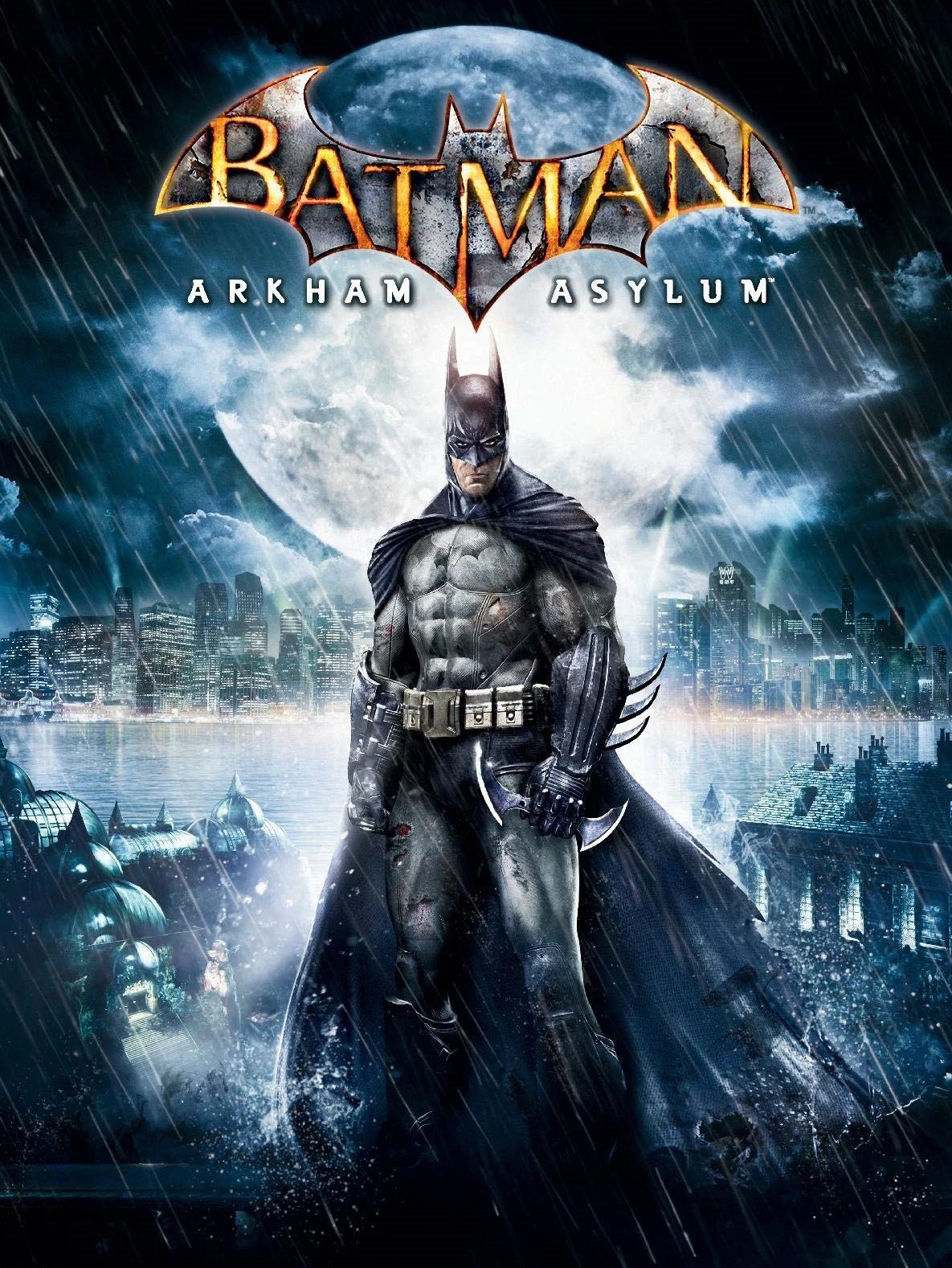
Batman: Arkham games in release order
| # | Game | Year | Developer | Launch platforms |
|---|---|---|---|---|
| 1 | Batman: Arkham Asylum | 2009 | Rocksteady | PS3, Xbox 360, Windows (macOS 2011) |
| 2 | Batman: Arkham City | 2011 | Rocksteady | PS3, Xbox 360, Windows (macOS 2012; Wii U 2012) |
| 3 | Batman: Arkham Origins | 2013 | WB Games Montréal | PS3, Xbox 360, Windows, Wii U |
| 4 | Batman: Arkham Knight | 2015 | Rocksteady | PS4, Xbox One, Windows |
| 5 | Batman: Arkham Shadow | 2024 | Camouflaj | Meta Quest 3 / 3S |
| 6 | Suicide Squad: Kill the Justice League | 2024 | Rocksteady | PS5, Xbox Series X|S, Windows |
Batman: Arkham games in chronological story order
The in-universe timeline reorders things substantially. Origins is a prequel about a Batman only two years into the job, and Arkham Shadow — the most recent Batman game in the series — slots in near the beginning.
| # | Game | Where it sits |
|---|---|---|
| 1 | Batman: Arkham Origins | Batman’s second year; the Black Mask contract |
| 2 | Batman: Arkham Origins Blackgate | Directly after Origins |
| 3 | Batman: Arkham Shadow | Between Origins and Asylum |
| 4 | Batman: Arkham Asylum | One night on Arkham Island |
| 5 | Batman: Arkham City | Roughly a year after Asylum |
| 6 | Batman: Arkham VR | Between City and Knight |
| 7 | Batman: Arkham Knight | Nine months after City |
| 8 | Suicide Squad: Kill the Justice League | After Knight, continuing Arkhamverse threads |
The order we recommend: release order, not story order
Play them in release order. That is not a cop-out, and it is worth explaining why, because the chronological order is actively worse.
Arkham Asylum is built as an introduction. It is a tight, largely linear game that teaches you the combat and gadget systems one at a time in a single confined location, and it introduces the Rogues gallery as if you are meeting them fresh. Origins assumes the opposite — it is a prequel written for people who already know these characters and want to see them meet for the first time. Playing Origins cold spends its best material on someone who cannot yet appreciate it.
There is a mechanical reason too. The series adds systems as it goes: Asylum establishes freeflow combat, City opens it into a district, Knight adds the Batmobile. Release order is a difficulty and complexity ramp. Chronological order throws you into a 2013 prequel with mechanics built on top of two games you have not played.
The one adjustment worth making: play Origins after Asylum and City rather than last. By Arkham Knight the series has a definite ending, and following that with a prequel is deflating.
No platform can play the Arkham story in order
Here is the practical problem that most “in order” lists skip. If you genuinely wanted to play the eight entries above in chronological sequence, no single device can do it, and it is not close.
| Chronological entry | Where it is playable |
|---|---|
| Arkham Origins | PS3, Xbox 360, Windows, Wii U |
| Arkham Origins Blackgate | 3DS, Vita, PS3, Xbox 360, Wii U, Windows |
| Arkham Shadow | Meta Quest 3 / 3S only |
| Arkham Asylum | Windows, plus PS4/Xbox One/Switch collections |
| Arkham City | Windows, plus PS4/Xbox One/Switch collections |
| Arkham VR | PS4, Windows VR |
| Arkham Knight | PS4, Xbox One, Windows, Switch |
| Suicide Squad: Kill the Justice League | PS5, Xbox Series X|S, Windows |
A gaming PC gets you six of the eight. It cannot run Arkham Shadow, which is built for Meta Quest 3 hardware and has not been announced for anything else. So the series’ chronological order is a reading order, not a play order — useful for understanding the timeline, impossible to actually follow.
This is also why Arkham Shadow is the entry most people have never touched. It is a full-length Batman game from 2024, chronologically third, locked behind a VR headset.
The spin-offs, and which ones matter
Five smaller releases sit around the main games. Most can be skipped without losing the plot.
| Game | Year | Platforms | Worth playing? |
|---|---|---|---|
| Arkham City Lockdown | 2011 | iOS, Android | No — a fighting-game tie-in |
| Arkham Origins (mobile) | 2013 | iOS, Android | No — separate from the console game |
| Arkham Origins Blackgate | 2013 | 3DS, Vita, PS3, Xbox 360, Wii U, Windows | Optional — a 2.5D Metroidvania that continues Origins |
| Arkham VR | 2016 | PS4, Windows | Optional — about an hour, but story-relevant |
| Arkham Underworld | 2016 | iOS, Android | No — a strategy game, since delisted |
Where to play the Arkham games in 2026
The simplest modern route is a PC, which runs Asylum, City, Origins, Knight, Arkham VR and Suicide Squad. On console, the Batman: Arkham Trilogy collection covers Asylum, City and Knight, which is the core trilogy and the three games that actually matter most.
If you only play three, play those three, in that order. Everything else is supplementary. And if the Rogues gallery is what draws you, our rundown of Batman’s best villains and guide to the essential Batman comics pair well with a replay.
Working through the other side of the aisle too? We mapped the Spider-Man games in order the same way.
Frequently Asked Questions
What order should I play the Batman: Arkham games?
Release order: Arkham Asylum, Arkham City, Arkham Origins, then Arkham Knight. Asylum is designed as the introduction, and the series adds mechanics with each release, so release order doubles as a difficulty ramp.
Is Arkham Origins first chronologically?
Yes. Origins is set in Batman’s second year and is the earliest main entry, followed by Origins Blackgate and then Arkham Shadow. Arkham Asylum is fourth in the timeline.
Do I need to play Arkham Origins?
No. Origins was made by WB Games Montréal rather than Rocksteady and stands apart from the main arc. It is a good game, but Asylum, City and Knight form a complete story without it.
Is Suicide Squad: Kill the Justice League part of the Arkham series?
Yes. It is set in the Arkhamverse and continues plot threads from the Batman: Arkham games, though it is a different genre and stars the Suicide Squad rather than Batman.
Can I play every Arkham game on one console?
No. Arkham Shadow is exclusive to Meta Quest 3 and 3S, Arkham VR needs PS4 or PC VR, and Origins Blackgate is on older handhelds and consoles. A PC comes closest, covering six of the eight story entries.