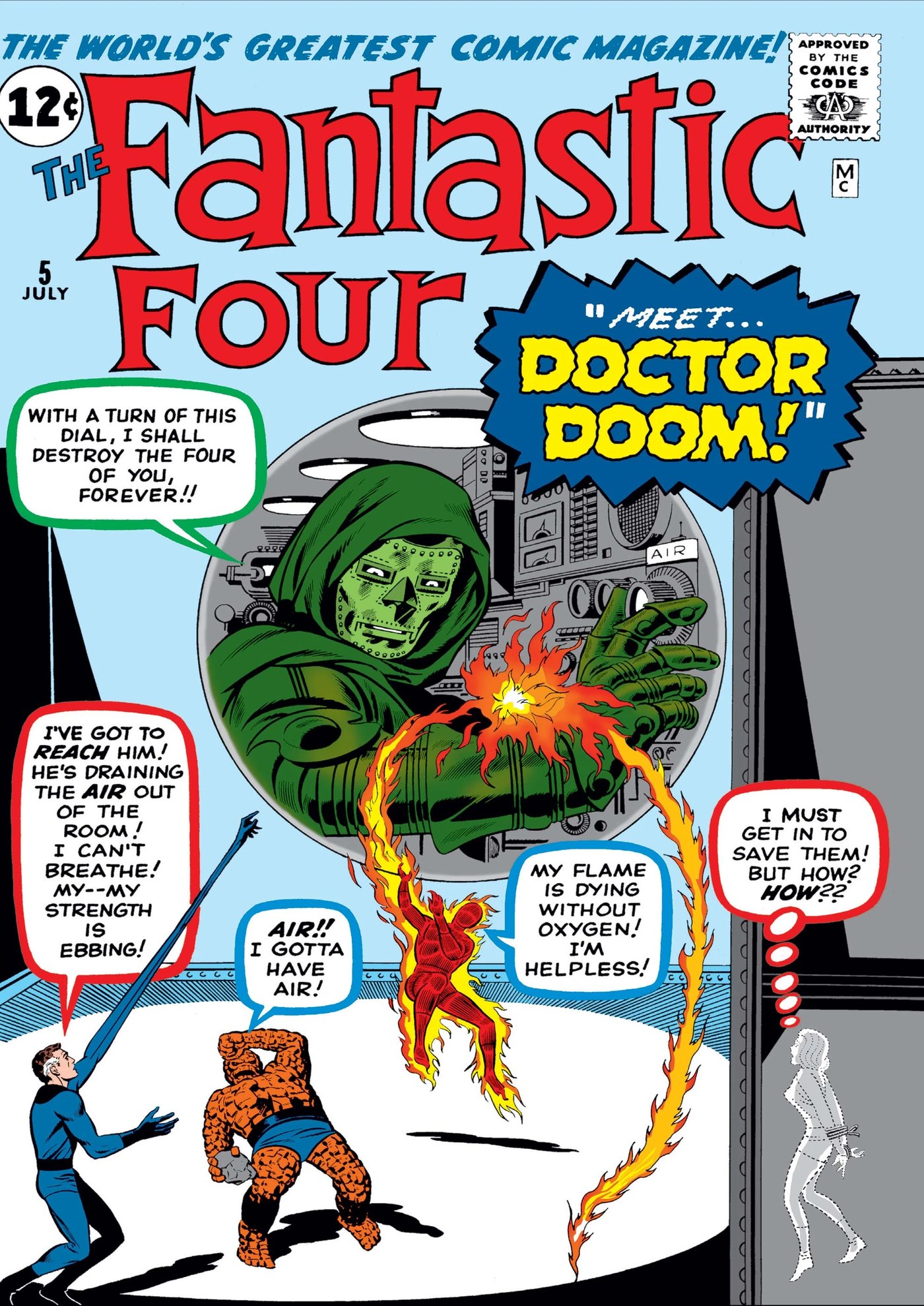
Doctor Doom is Victor von Doom, the armoured monarch of Latveria and Marvel’s most enduring villain. Created by Stan Lee and Jack Kirby, he debuted in Fantastic Four #5 in 1962. He is a master of both advanced science and sorcery — a combination no other major Marvel character holds — and he rules an entire nation.
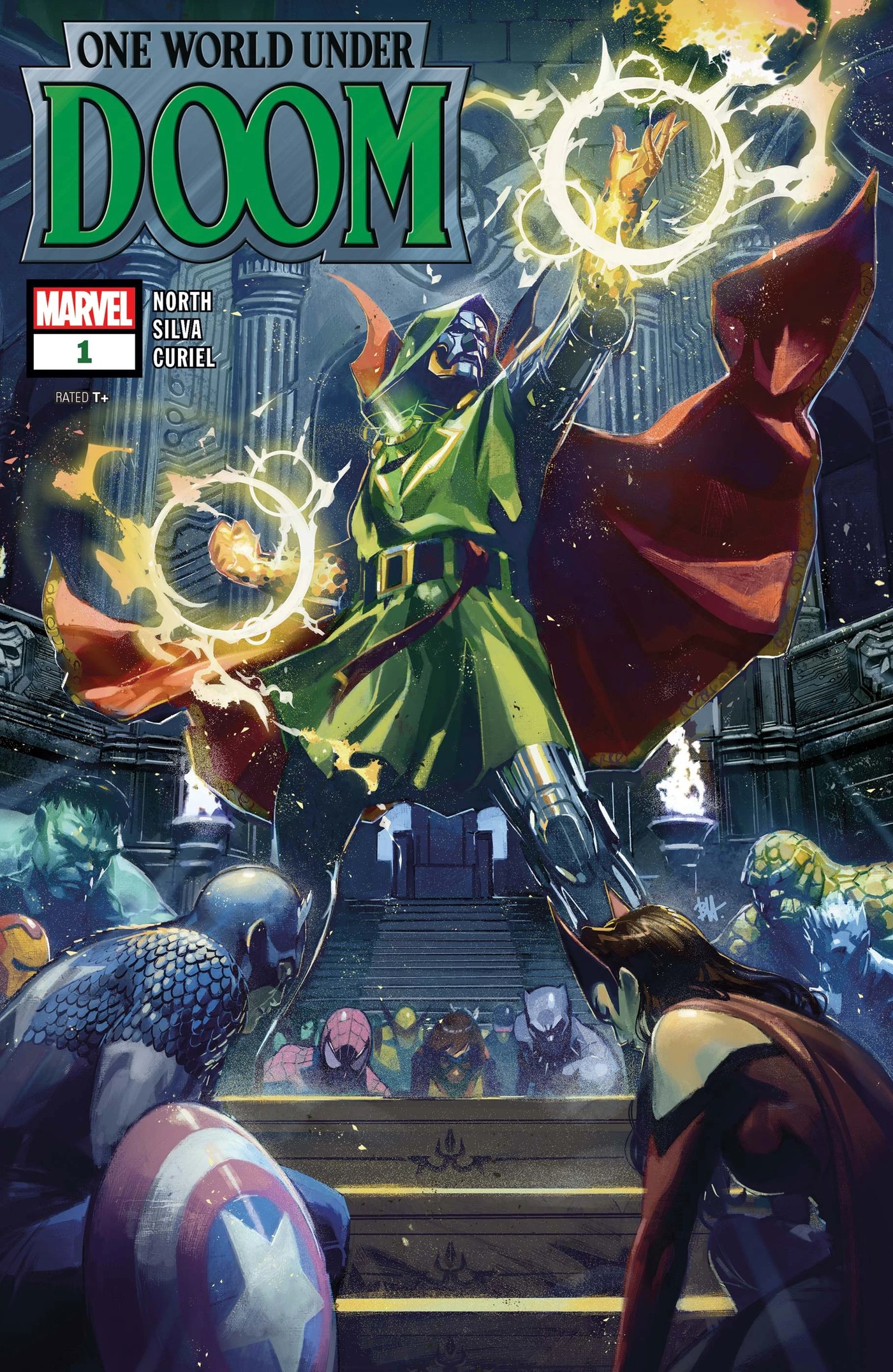
Doom is having the biggest year of his 64-year publishing history. Robert Downey Jr. plays him in Avengers: Doomsday, in theatres 18 December 2026, and Marvel spent 2025 running an event in which he took over the planet. If you are coming to the character cold, here is who he actually is — and why Marvel keeps handing him the keys.
Doctor Doom’s origin
Victor von Doom was born in Latveria, a small fictional nation in Eastern Europe, to a Romani family. His mother was a witch; his father was a healer who died after failing to cure the local baron’s wife. Doom grew up understanding both magic and persecution before he ever saw a laboratory.
A scholarship took him to State University in the United States, where he studied alongside Reed Richards. Doom built a machine intended to contact the dead — specifically his mother. Reed spotted an error in the calculations and said so. Doom, unwilling to be corrected, ran it anyway. It exploded, scarring his face and getting him expelled.
He travelled to Tibet, was taken in by an order of monks, and had them forge the armour. In the most-quoted beat of the origin he clamped the mask onto his face while it was still red-hot, ruining what the accident had left.
That detail is the whole character in one image. The accident scarred him; he finished the job himself, and then blamed Reed Richards for all of it. Doom’s defining trait is not evil. It is an absolute refusal to be at fault.
Doctor Doom’s powers and abilities
| Capability | What it means in practice |
|---|---|
| Genius intellect | Ranked with Reed Richards and Tony Stark; builds time machines and matter transmuters |
| Sorcery | Trained in genuine magic, not fake science-magic — he can trade blows with Doctor Strange |
| Powered armour | Force fields, energy blasts, flight, enhanced strength, life support |
| Doombots | Robot duplicates convincing enough that a ‘Doom’ defeat is often meaningless |
| Diplomatic immunity | As head of state he cannot simply be arrested by American heroes |
| Force of will | Repeatedly resists mind control and cosmic influence |
The Doombots deserve special attention because they change how you read every Doom story. Any time Doom is beaten too easily, the reader is invited to assume it was a robot — and Doom himself encourages this. It makes him effectively undefeatable in a medium where villains have to lose every month.
For how he stacks against the heroes he was built to oppose, see our breakdown of Fantastic Four powers explained.
Latveria: the thing that makes Doom different
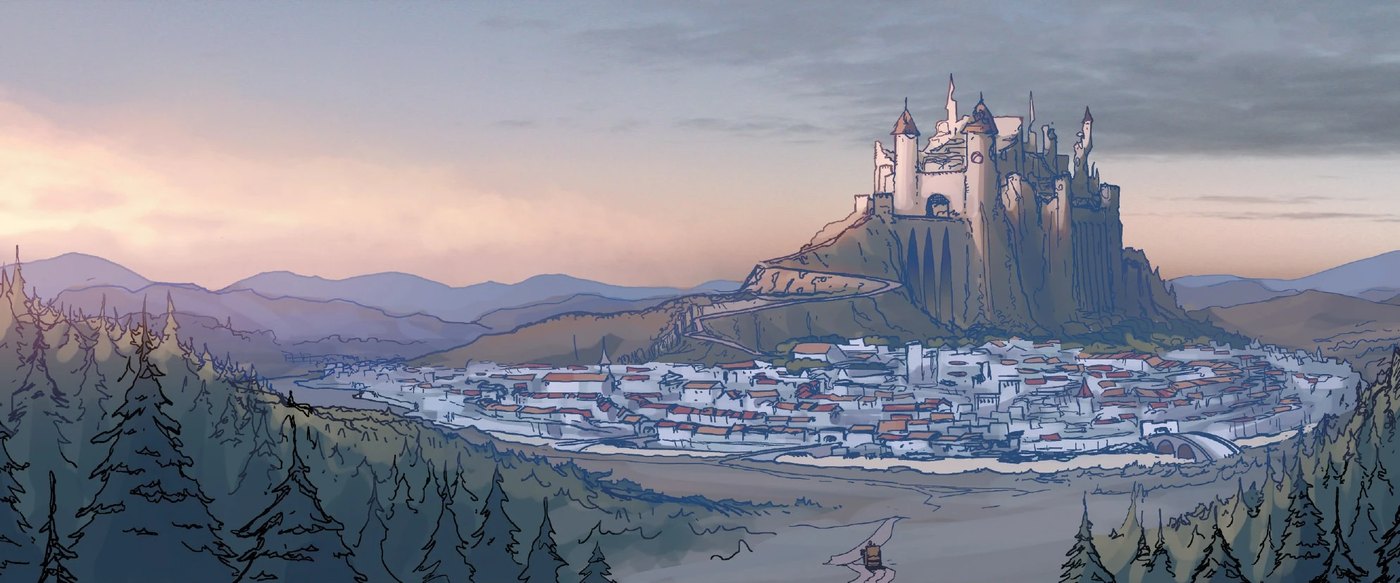
Most supervillains have a lair. Doom has a seat at the United Nations.
Latveria under Doom is, by the comics’ own account, orderly, prosperous and technologically decades ahead of its neighbours. Its citizens are safe, employed and largely content. They are also not free, and Doom’s response to dissent is not gentle. Marvel plays this deliberately straight: the country genuinely works, and it works because one man decides everything.
This is why heroes struggle with him in a way they do not struggle with, say, the Green Goblin. Invading Latveria to remove Doom is an act of war against a sovereign state whose population would mostly rather he stayed.
Why Doom keeps winning — and why that is the point
There is a pattern in Doom’s biggest stories that most character primers list but do not connect.
In Secret Wars (1984) Doom refused to stay a contestant and stole the Beyonder’s power outright. In Secret Wars (2015) he took the power of the Beyonders, built Battleworld out of the wreckage of the multiverse, and ruled it as God Emperor Doom for eight years of in-story time. In 2025’s One World Under Doom he took the Sorcerer Supreme title and conquered Earth. Three times Marvel has handed this character godhood, which is three times more than it has given anyone else.
What is interesting is not that he wins. It is what he does after.
Doom does not destroy things with cosmic power. He administrates. Given the Beyonder’s power he rebuilds reality and installs a bureaucracy. Given Battleworld he spends eight years running it, complete with a stolen family and a legal system. Given Earth he governs it. Every time Doom attains ultimate power, the story becomes about whether he can be a good ruler — and every time, the answer is that he almost can, right up until someone suggests he is not the smartest man alive.
That is why he outlasts villains with better powers. Thanos wants to finish something; the Red Skull wants to burn something. Doom wants to be acknowledged as correct, which is an appetite no victory can satisfy. It makes him the rare antagonist who is more dangerous after he wins, and it is exactly the engine a multi-film event needs.
Essential Doctor Doom stories
| Story | Year | Why it matters |
|---|---|---|
| Fantastic Four #5 | 1962 | First appearance — mask, armour, Latveria and the Reed rivalry all arrive at once |
| Fantastic Four Annual #2 | 1964 | The full origin, including the mask |
| Secret Wars | 1984 | Doom steals the Beyonder’s power; the template for every later Doom-ascendant story |
| Books of Doom | 2005–06 | Ed Brubaker’s origin retelling, and the best single entry point |
| Secret Wars | 2015 | God Emperor Doom rules Battleworld; the direct comics basis for the MCU’s next event |
| Infamous Iron Man | 2016–17 | Doom tries to be a hero, which goes about as well as expected |
| One World Under Doom | 2025 | Doom becomes Sorcerer Supreme and takes the planet |
Doctor Doom on screen
Doom’s previous live-action outings are widely regarded as misfires — not because of the actors but because both scripts cut the part that makes him work. Julian McMahon played him in 2005’s Fantastic Four and its 2007 sequel as a wealthy industrialist rather than a head of state. Toby Kebbell played him in the 2015 reboot as a reclusive programmer. Neither version ruled a country, and without Latveria, Doom is just a man in a mask with a grudge.
Robert Downey Jr. takes the role in Avengers: Doomsday, directed by Anthony and Joe Russo and released 18 December 2026. Casting the actor who defined the MCU’s first hero as its next great villain is a bet on recognition rather than menace, and it only pays off if this adaptation keeps the throne. For the full cast and plot details, see everything we know about Avengers: Doomsday.
Frequently Asked Questions
Who is Doctor Doom?
Doctor Doom is Victor von Doom, the ruler of the fictional Eastern European nation of Latveria and the Fantastic Four’s oldest enemy. Created by Stan Lee and Jack Kirby, he first appeared in Fantastic Four #5 in 1962 and combines genius-level science with genuine sorcery.
Why does Doctor Doom wear a mask?
A machine he built at university exploded and scarred his face, an accident he blames on Reed Richards for pointing out the flaw. He later had Tibetan monks forge the mask and pressed it onto his face while it was still hot, which caused far worse damage than the original accident.
Is Doctor Doom stronger than Thanos?
In raw physical power, no. But Doom has held cosmic-level power more often than Thanos has — he stole the Beyonder’s power in 1984 and the Beyonders’ power in 2015, becoming God Emperor Doom. Rated on outcomes rather than punches, Doom has the better record.
What is Latveria?
Latveria is the small fictional Eastern European country Doom rules as absolute monarch. It gives him diplomatic immunity and a national army, which is why heroes cannot simply arrest him.
Who plays Doctor Doom in Avengers: Doomsday?
Robert Downey Jr., previously Iron Man across the MCU’s first three phases. The film is directed by Anthony and Joe Russo and releases in theatres on 18 December 2026.
What are Doombots?
Robot duplicates of Doom, convincing enough to fool most heroes. They mean any apparent defeat of Doom may not have been Doom at all — a device that lets him lose monthly without losing status.
The short version
Doom is a scientist and a sorcerer, a head of state and an orphan, and a man who has held the power of a god at least three times and given it up each time rather than admit an error. He is the argument for why the best villains are defined by their flaw rather than their power set — a case we make at greater length in our ranking of greatest comic book villains and our list of strongest Marvel villains.
Publication dates and story details in this piece were checked against Wikipedia’s Doctor Doom entry, Marvel’s own Secret Wars primer and the Marvel Database.