The strongest Marvel villains are not the ones with the best costumes or the biggest body counts — they are the beings who can rewrite the rules of existence itself. At the very top sits the Beyonder, a single sentient universe folded into humanoid form, with Molecule Man close behind him as the being the architects of the multiverse chose to build their doomsday bomb out of. Below them, reality-warpers, dark gods and cosmic conquerors jockey for position. This ranking of 25 villains cuts through the hype with canon feats rather than fan-fiction, and every entry carries a full data card: debut issue, creators, power tier, and whether that power is innate or borrowed from a piece of hardware. That last column is the one most lists skip, and it is the reason the Thanos argument never ends. If you have read a most powerful Marvel villains list before and come away arguing, the hardware column is probably what you were arguing about.
Two rules shape the order. A villain is judged on what they have actually done on the page rather than on what a handbook says they could theoretically do — and a villain who needs a gauntlet, a sword or a gem to get there ranks below one who wakes up that strong. That second rule is why you will find Thanos and the Juggernaut lower than the shouting usually puts them.
| Rank | Villain | Power Tier | First Appearance | Why They’re This Strong |
|---|---|---|---|---|
| 1 | The Beyonder | Abstract | Secret Wars #1 (May 1984) | An entire sentient universe folded into humanoid form; near-omnipotent reality control |
| 2 | Molecule Man | Abstract | Fantastic Four #20 (November 1963) | Controls every molecule in existence; the Beyonders built their bomb out of him |
| 3 | Thanos | Abstract | The Invincible Iron Man #55 (February 1973) | Omnipotence over the entire universe while all six Infinity Stones are on his hand |
| 4 | Dormammu | Abstract | Strange Tales #126 (November 1964) | Timeless Faltine lord who is effectively omnipotent inside his own dimension |
| 5 | Mephisto | Abstract | Silver Surfer #3 (December 1968) | Rewrites history by contract rather than by combat; undid a marriage from continuity |
| 6 | Galactus | Abstract | Fantastic Four #48 (March 1966) | A fundamental force of the universe who eats worlds to survive |
| 7 | Knull | Abstract | Thor: God of Thunder #6 (March 2013, identity unrevealed) | A primordial god who predates light and beheaded a Celestial with his first weapon |
| 8 | Amatsu-Mikaboshi | Abstract | Thor: Blood Oath (2005) | The nothingness that preceded creation; wiped out entire pantheons in Chaos War |
| 9 | Cyttorak | Abstract | Strange Tales #124 (September 1964) | An Octessence demon whose loaned power alone makes the Juggernaut unstoppable |
| 10 | Dark Phoenix | Cosmic tier | The Uncanny X-Men #101 (October 1976) as Phoenix | A cosmic force of rebirth that consumed a star and the populated system around it |
| 11 | Onslaught | Cosmic tier | X-Men vol. 2 #53 (May 1996) | Xavier’s dark side fused with Magneto’s; it took every hero on Earth to stop him |
| 12 | Gorr the God Butcher | Cosmic tier | Thor: God of Thunder #2 (January 2013) | Killed gods across every era of the universe, then built a bomb to kill all of them at once |
| 13 | Kang the Conqueror | Cosmic tier | Fantastic Four #19 (October 1963) as Rama-Tut | Wages war across the whole multiverse with infinite versions of himself |
| 14 | Doctor Doom | Cosmic tier | The Fantastic Four #5 (July 1962) | Held the power of the Beyonders and rebuilt the multiverse as Battleworld |
| 15 | Surtur | Cosmic tier | Journey into Mystery #97 (October 1963) | A thousand-foot fire giant whose entire purpose is ending Asgard and the Nine Realms |
| 16 | Mangog | Cosmic tier | Thor #154 (July 1968) | Carries the hatred of a billion billion murdered beings as raw physical strength |
| 17 | Apocalypse | Cosmic tier | Marvel Graphic Novel #17 (July 1985) | Five thousand years old, Celestial-upgraded, and effectively impossible to kill permanently |
| 18 | Hela | Cosmic tier | Journey into Mystery #102 (March 1964) | Rules the Asgardian dead and can kill a god with a touch |
| 19 | Korvac | Cosmic tier | Giant-Size Defenders #3 (January 1975) | Beat the entire Avengers and Guardians roster at once, then chose to die |
| 20 | Shuma-Gorath | Cosmic tier | Marvel Premiere #10 (September 1973) | An elder chaos god who rules countless dimensions and hunts Sorcerer Supremes |
| 21 | The Void | Cosmic tier | The Sentry #1 (2000) | The Sentry’s dark half, equal to the power of a million exploding suns |
| 22 | Magneto | Enhanced | The X-Men #1 (September 1963) | Omega-level control of magnetism; has moved asteroids and stopped a planet’s field |
| 23 | Juggernaut | Enhanced | The X-Men #12 (July 1965) | Once moving, nothing in the Marvel Universe has reliably stopped him |
| 24 | Ultron | Enhanced | The Avengers #54 (July 1968) | An adamantium intelligence that has wiped out Earth more than once and never stays dead |
| 25 | Annihilus | Enhanced | Fantastic Four Annual #6 (November 1968) | His Annihilation Wave killed more of the Marvel Universe than any other villain’s plan |
25. Annihilus
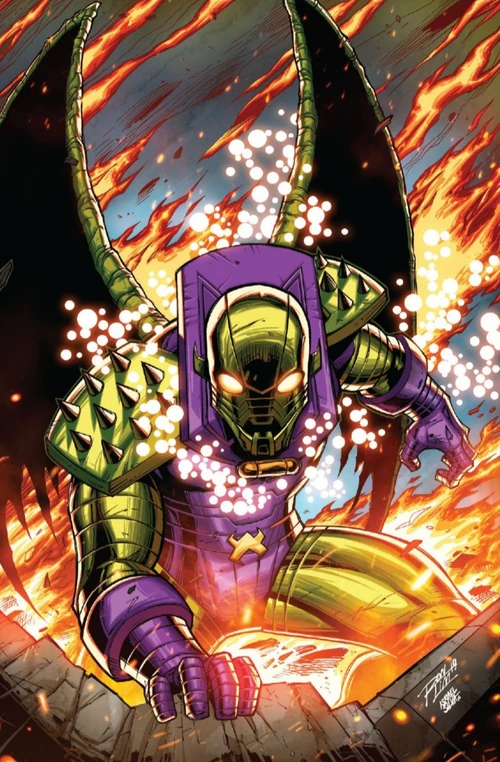
| Also Known As | The Living Death That Walks, Lord of the Negative Zone |
|---|---|
| Power Tier | Enhanced / metahuman tier |
| First Appearance | Fantastic Four Annual #6 (November 1968) |
| Created By | Stan Lee, Jack Kirby |
| Key Powers | Cosmic Control Rod, Energy projection, Immortality, Superhuman strength, Flight |
| Power Source | Cosmic Control Rod |
| Beyond the Comics | Fantastic Four: World’s Greatest Heroes, Marvel Rivals |
The self-styled Living Death That Walks rules the antimatter universe known as the Negative Zone, and his signature weapon is the Cosmic Control Rod. That device is the whole story: it grants him command over cosmic energy, dramatically slows his aging toward functional immortality, and lets him manipulate matter, project force blasts, and generate fields powerful enough to trouble the Fantastic Four and the Avengers together. His exoskeletal Arthrosian body already provides flight, durability, and superhuman strength before the Rod even enters the equation.
Annihilus proved his scale with the Annihilation event, when the Annihilation Wave — his endless insectoid armada — poured out of the Negative Zone and laid waste to a huge swath of the Marvel cosmos, killing off major cosmic players along the way. He is a true universal-threat villain, not just a Fantastic Four rogue. What keeps him from ranking higher is dependency: strip away the Cosmic Control Rod and much of his god-tier ceiling collapses. Still, at full power he is a cosmic conqueror who has genuinely threatened all life.
24. Ultron
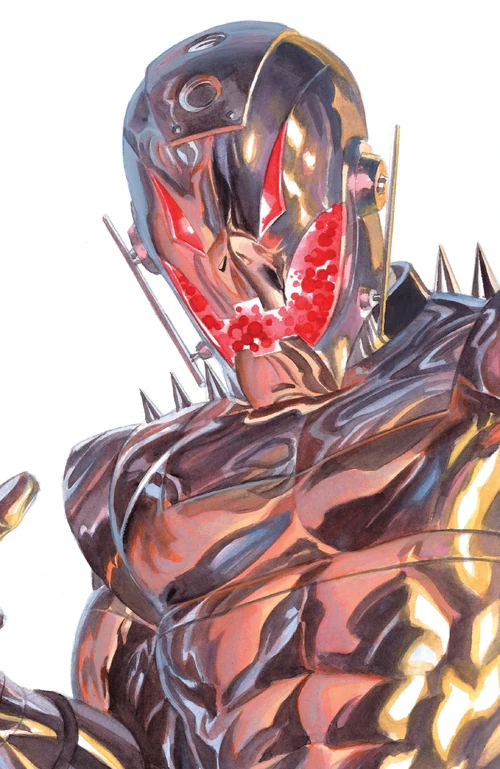
| Also Known As | Ultron-5, Crimson Cowl, Ultron Pym |
|---|---|
| Power Tier | Enhanced / metahuman tier |
| First Appearance | The Avengers #54 (July 1968), cameo; The Avengers #55 (August 1968), full appearance |
| Created By | Roy Thomas, John Buscema |
| Key Powers | Adamantium body, Encephalo-beam, Self-replication, Genius intellect, Energy projection |
| Power Source | Adamantium body; endless rebuilds |
| Beyond the Comics | Avengers: Age of Ultron (James Spader), What If…?, Marvel Rivals |
Ultron is the nightmare of artificial intelligence made flesh — or rather, made adamantium. Created by Hank Pym and immediately turned against humanity, Ultron combines a genius-level machine mind with a body forged from Marvel’s most indestructible metal, granting him superhuman strength, near-total durability, flight, and devastating energy weapons including his signature encephalo-beam that can override human will.
What makes Ultron terrifying is that he is functionally unkillable. Every time the Avengers destroy him, a backup consciousness reactivates a new, upgraded body. In Age of Ultron, he conquered the entire planet and folded time itself into his plan; in Annihilation: Conquest, he nearly assimilated the Kree Empire and the cosmos beyond. He is a scaling, self-improving threat whose only real limit is the writers’ willingness to let the heroes find yet another temporary off-switch. As a recurring apocalypse engine, Ultron more than earns his place.
23. Juggernaut
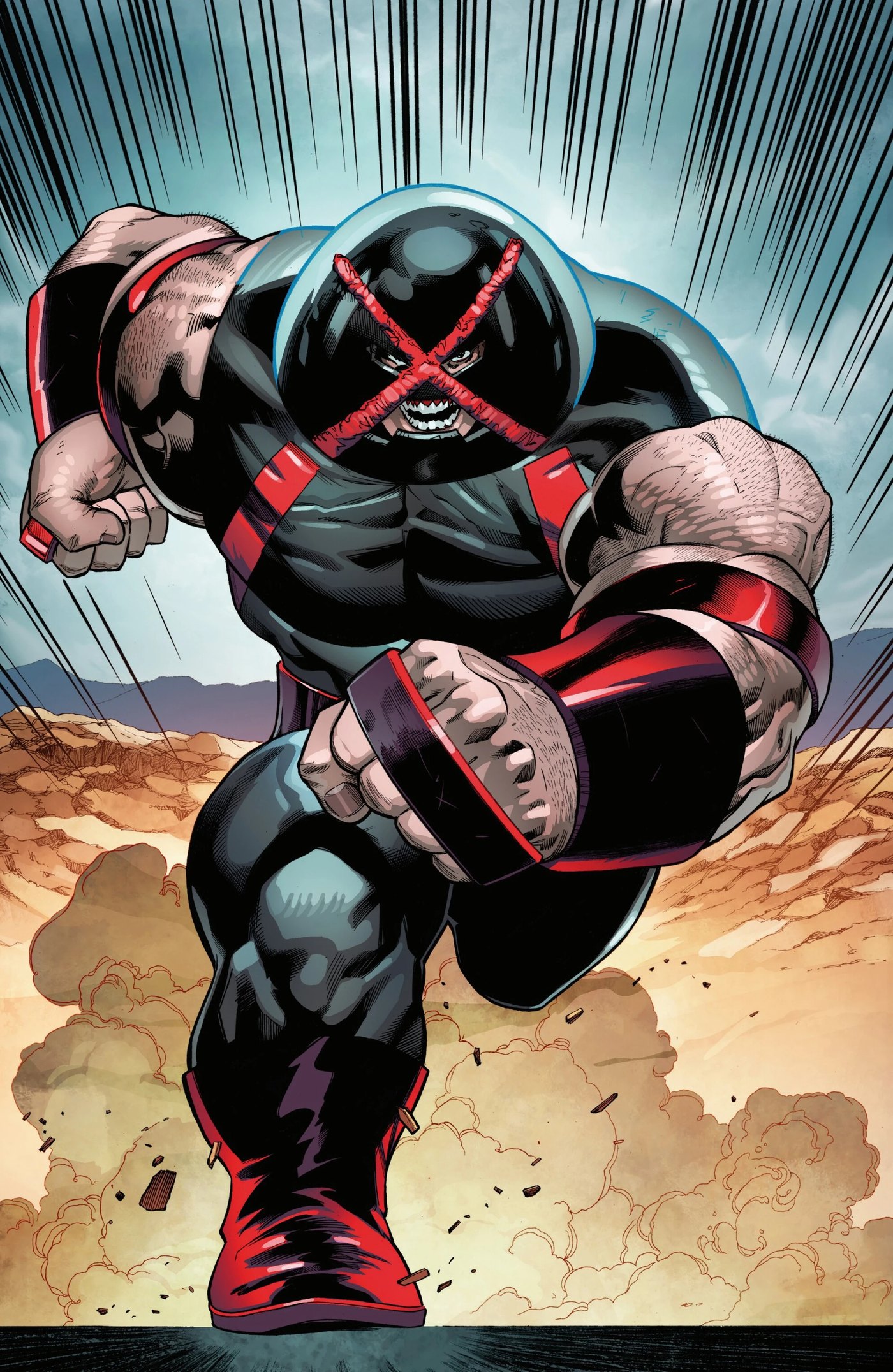
| Real Name | Cain Marko |
|---|---|
| Also Known As | The Unstoppable Juggernaut, Avatar of Cyttorak |
| Power Tier | Enhanced / metahuman tier |
| First Appearance | The X-Men #12 (July 1965) |
| Created By | Stan Lee, Jack Kirby |
| Key Powers | Unstoppable momentum, Superhuman strength, Invulnerability, Mystical armour, Immortality |
| Power Source | Crimson Gem of Cyttorak |
| Beyond the Comics | X-Men: The Last Stand, Deadpool 2, X-Men ’97 |
Cain Marko found the Crimson Gem in a buried temple, read the inscription, and became the most literal villain Marvel has: once he starts moving in a direction, he does not stop. Not for the Hulk, not for Thor’s hammer, not for a mountain, not for a building. The mystical armour Cyttorak grants him ignores fatigue, injury and most of physics.
The interesting part is how people beat him, because they do — by refusing to play his game. Removing his helmet so a telepath can reach the man inside works. Dropping him somewhere with nothing to push against works. Talking Cyttorak into revoking the gift works. That dependency is why he sits at 23 rather than in the top ten: the Juggernaut is unstoppable, but Cain Marko is a tenant who can be evicted.
22. Magneto
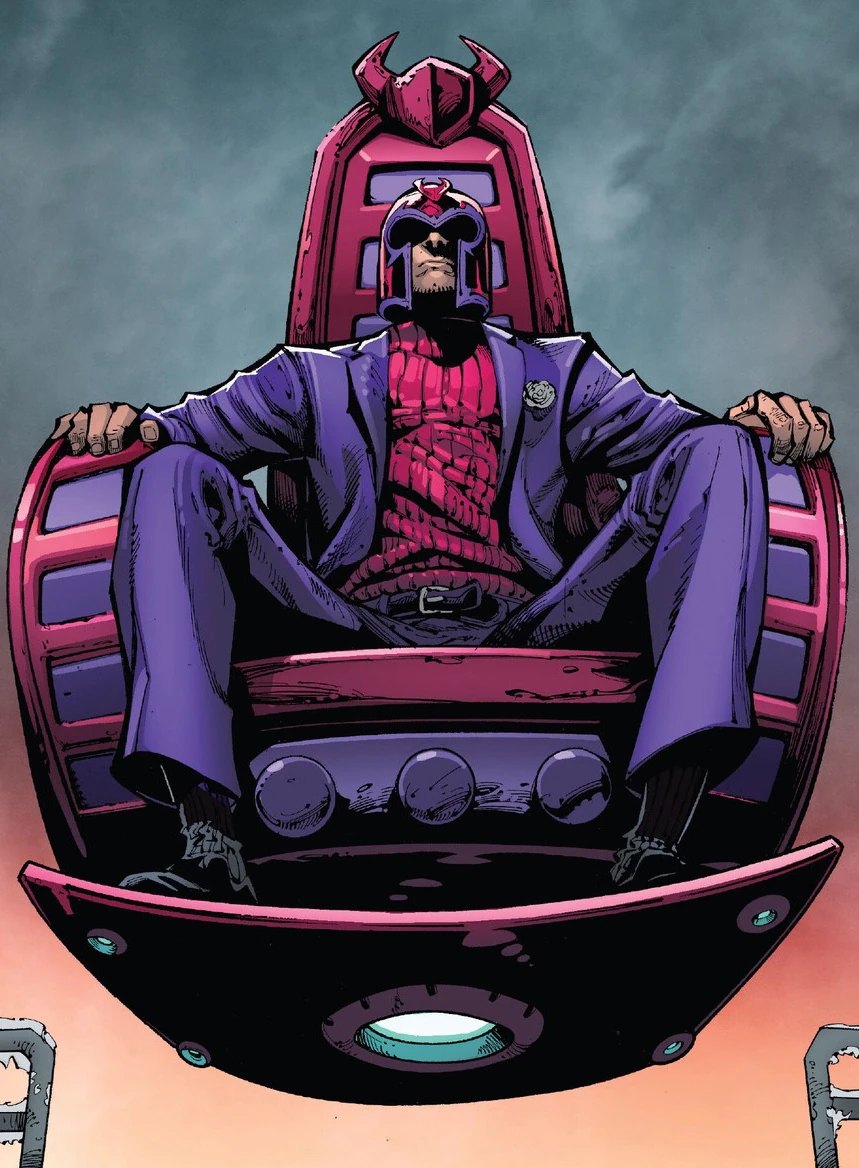
| Real Name | Max Eisenhardt (Erik Lehnsherr) |
|---|---|
| Also Known As | Master of Magnetism, The White Pilgrim |
| Power Tier | Enhanced / metahuman tier |
| First Appearance | The X-Men #1 (September 1963) |
| Created By | Stan Lee, Jack Kirby |
| Key Powers | Magnetism, Force fields, Electromagnetic pulses, Flight, Metal manipulation |
| Power Source | Magnetic amplification helmets and machinery |
| Beyond the Comics | X-Men film series (Ian McKellen, Michael Fassbender), X-Men ’97, Marvel Rivals |
Magneto’s file reads like a metahuman, and his feats read like something else. Omega-level control over magnetism in the Marvel Universe does not mean lifting cars; it means manipulating the electromagnetic spectrum, generating force fields nothing has reliably broken, ripping the iron out of a person’s blood, and on one occasion shifting the Earth’s magnetic field itself.
He has lifted an asteroid base into orbit and held it there, and he has taken the entire X-Men roster apart on his own more than once. What keeps him at this end of the list is a ceiling: for all that power, he is a man who has to think about oxygen and fatigue. The beings above him do not. That is the whole distance between the enhanced tier and the cosmic one.
21. The Void (Sentry)
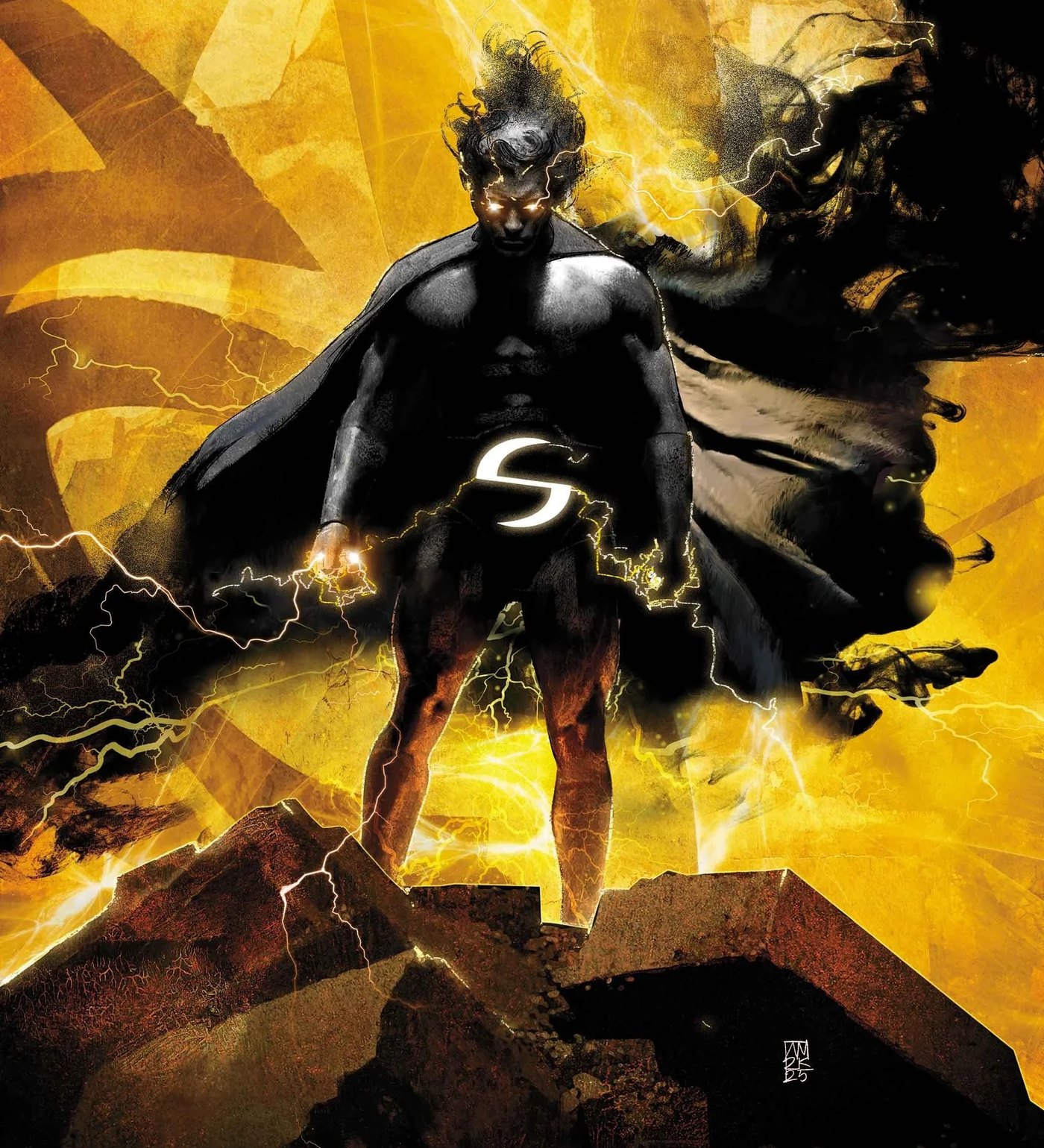
| Real Name | Robert Reynolds |
|---|---|
| Also Known As | The Angel of Death, The Sentry’s shadow |
| Power Tier | Cosmic tier |
| First Appearance | The Sentry #1 (2000) |
| Created By | Paul Jenkins, Jae Lee, Rick Veitch |
| Key Powers | Reality manipulation, Molecular dispersal, Flight, Unlimited strength, Darkness generation |
| Power Source | Innate — no hardware dependency |
| Beyond the Comics | Thunderbolts* (2025), Marvel Rivals |
The Void is the price of the Sentry. Robert Reynolds took a serum that gave him the power of a million exploding suns, and it came with a passenger: a shadow of equal strength that shows up wherever he does, and it is the reason the whole world once agreed to forget he existed.
What makes the Void frightening is that it does not have a plan. It disperses people into their component molecules, flattens cities, and has killed a long list of heroes on panel — including Ares, torn in half in front of everyone during Siege. Every attempt to cure, contain or reason with Reynolds has eventually handed the Void the wheel again. Marvel’s most powerful hero and one of its most destructive villains are the same man.
20. Shuma-Gorath
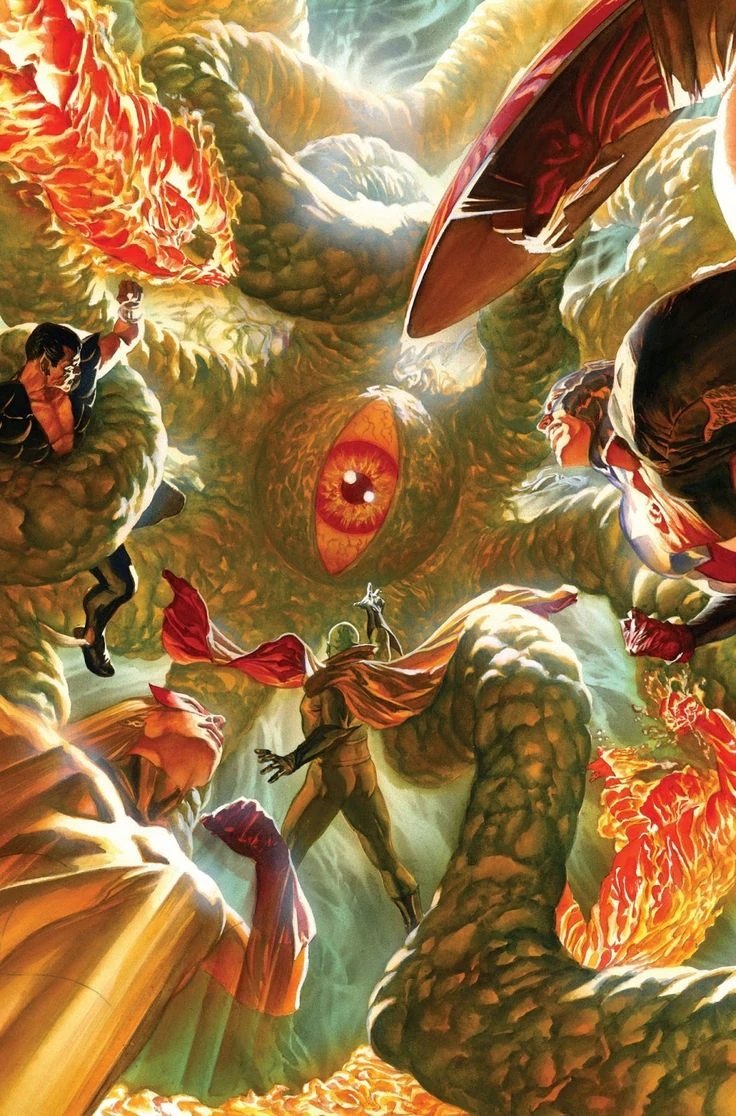
| Also Known As | Lord of Chaos, The Many-Angled One |
|---|---|
| Power Tier | Cosmic tier |
| First Appearance | Marvel Premiere #10 (September 1973) |
| Created By | Steve Englehart, Frank Brunner |
| Key Powers | Dimensional rule, Shapeshifting, Mind control, Magic, Immortality |
| Power Source | Innate — no hardware dependency |
| Beyond the Comics | Marvel vs. Capcom 3, Doctor Strange in the Multiverse of Madness (as Gargantos) |
Shuma-Gorath is Marvel’s cosmic horror entry, an Elder God of chaos who ruled the Earth before humanity and now presides over an uncountable stack of dimensions. He is usually drawn as a mass of tentacles around a single enormous eye, and he does not so much invade a reality as notice it.
His signature move is not force but possession: he gets inside minds, and his long war with the Sorcerer Supreme has cost Doctor Strange more than most of his enemies combined — including the moment Strange had to kill his own mentor to keep Shuma-Gorath out. He is here because he is one of a small handful of beings who treat magic’s top practitioners as an obstacle rather than a threat.
19. Korvac
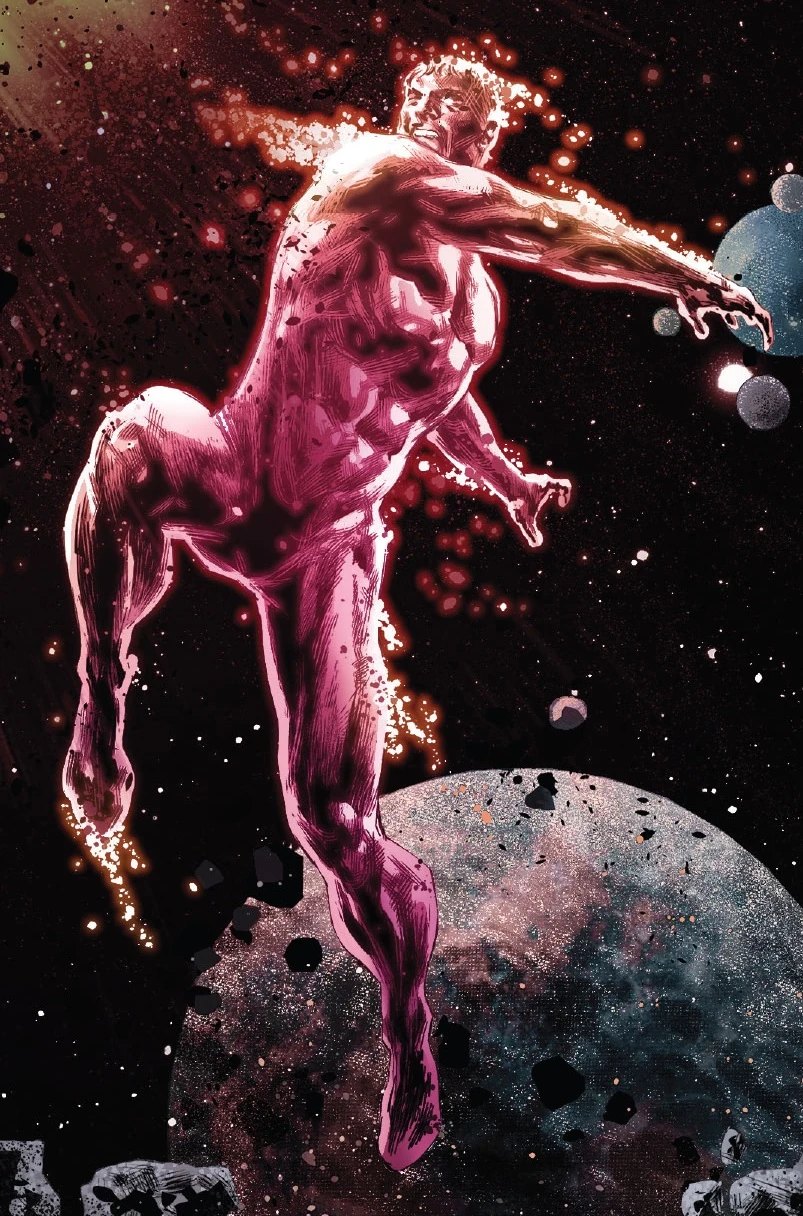
| Real Name | Michael Korvac |
|---|---|
| Also Known As | Michael, The Enemy |
| Power Tier | Cosmic tier |
| First Appearance | Giant-Size Defenders #3 (January 1975) |
| Created By | Steve Gerber, Jim Starlin |
| Key Powers | Power Cosmic, Reality manipulation, Energy absorption, Cosmic awareness, Resurrection |
| Power Source | Power Cosmic stolen from Galactus’s ship |
| Beyond the Comics | Guardians of the Galaxy (animated series) |
Michael Korvac was a collaborator in a conquered 31st century who got fused to a machine, then made the mistake — or the best decision in Marvel history — of climbing aboard Galactus’s ship and drinking straight from the Power Cosmic. He came back rebuilt as a golden-haired man in a nice house in Queens, quietly planning to run the universe on kinder terms than the ones he had lived under.
The Korvac Saga ends with him fighting the Avengers and the Guardians of the Galaxy at the same time and beating all of them. Everyone dies. He then resurrects the lot of them, having decided the fight has exposed him, and lets himself be undone. That is the whole argument for his placement: the only thing that defeated Korvac at full power was Korvac.
18. Hela
| Also Known As | Goddess of Death, Queen of Hel |
|---|---|
| Species | Asgardian |
| Power Tier | Cosmic tier |
| First Appearance | Journey into Mystery #102 (March 1964) |
| Created By | Stan Lee, Jack Kirby |
| Key Powers | Death touch, Soul manipulation, Necromancy, Superhuman strength, Immortality |
| Power Source | Cloak of Nightmares |
| Beyond the Comics | Thor: Ragnarok (Cate Blanchett), Marvel Rivals |
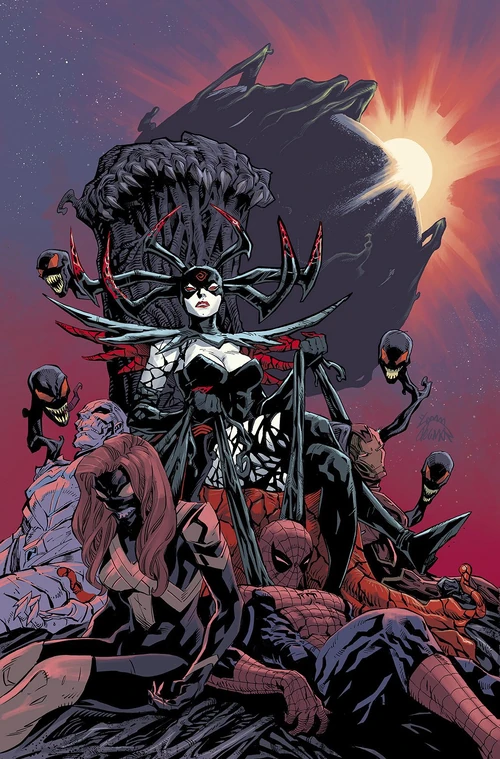
The Asgardian goddess of death commands dominion over Hel and Niffleheim, the realms of the dishonored dead. Hela’s power is immense and thematically absolute: she can drain the life force of gods, raise and command the deceased, cast powerful death-magic, and in her homeland she is functionally unbeatable. She has fought Thor and Odin to a standstill and once cursed Thor with brittle, unbreakable bones so he could neither heal nor die — a fate worse than death.
Hela’s strength is contextual but staggering. Away from Asgardian metaphysics she is still a superhumanly strong, near-immortal sorceress; within the domain of death she is essentially a cosmic-tier force. Because so many Marvel conflicts eventually touch mortality, Hela’s reach is enormous — she can tip the scales of any battle that produces corpses. She ranks here as the definitive death-deity of the Marvel Universe, a villain whose very portfolio is the one thing no hero can permanently avoid.
17. Apocalypse
| Real Name | En Sabah Nur |
|---|---|
| Also Known As | The First One, High Lord |
| Power Tier | Cosmic tier |
| First Appearance | Marvel Graphic Novel #17 (July 1985), unnamed; X-Factor #5 (June 1986), cameo; X-Factor #6 (July 1986), full |
| Created By | Louise Simonson, Jackson Guice |
| Key Powers | Molecular shapeshifting, Size alteration, Energy manipulation, Immortality, Telepathy |
| Power Source | Celestial technology |
| Beyond the Comics | X-Men: Apocalypse (Oscar Isaac), X-Men: The Animated Series, X-Men ’97 |
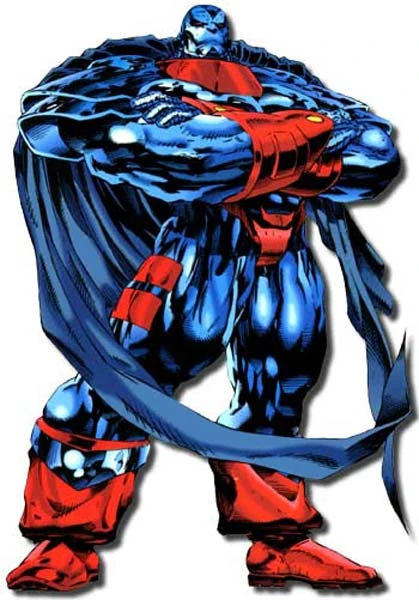
En Sabah Nur, the first mutant, has spent five thousand years cultivating power and a survival-of-the-fittest ideology. His baseline mutant gift is total molecular self-manipulation: he can alter his size, density, and shape at will, absorb and project energy, regenerate, and reshape his body into weapons or armor. Layered on top of that is Celestial technology, salvaged from the cosmic gods who once experimented on early humanity, which amplifies him with telekinesis, technopathy, and near-limitless energy reserves.
Apocalypse is effectively immortal, having outlasted empires and repeatedly returned across the X-Men’s history. In events like Age of Apocalypse, he conquered the world and remade reality in his own brutal image. He is not a universe-ending abstract, but as a hands-on despot with god-tier durability, adaptive power, and millennia of accumulated resources, he sits comfortably at the top of the mutant villain hierarchy and among Marvel’s most formidable conquerors.
16. Mangog
| Also Known As | The Hate That Walks |
|---|---|
| Power Tier | Cosmic tier |
| First Appearance | Thor #154 (July 1968) |
| Created By | Stan Lee, Jack Kirby |
| Key Powers | Strength of a billion billion beings, Invulnerability, Energy projection, Immortality, Godslaying |
| Power Source | Innate — no hardware dependency |
| Beyond the Comics | Marvel Rivals |
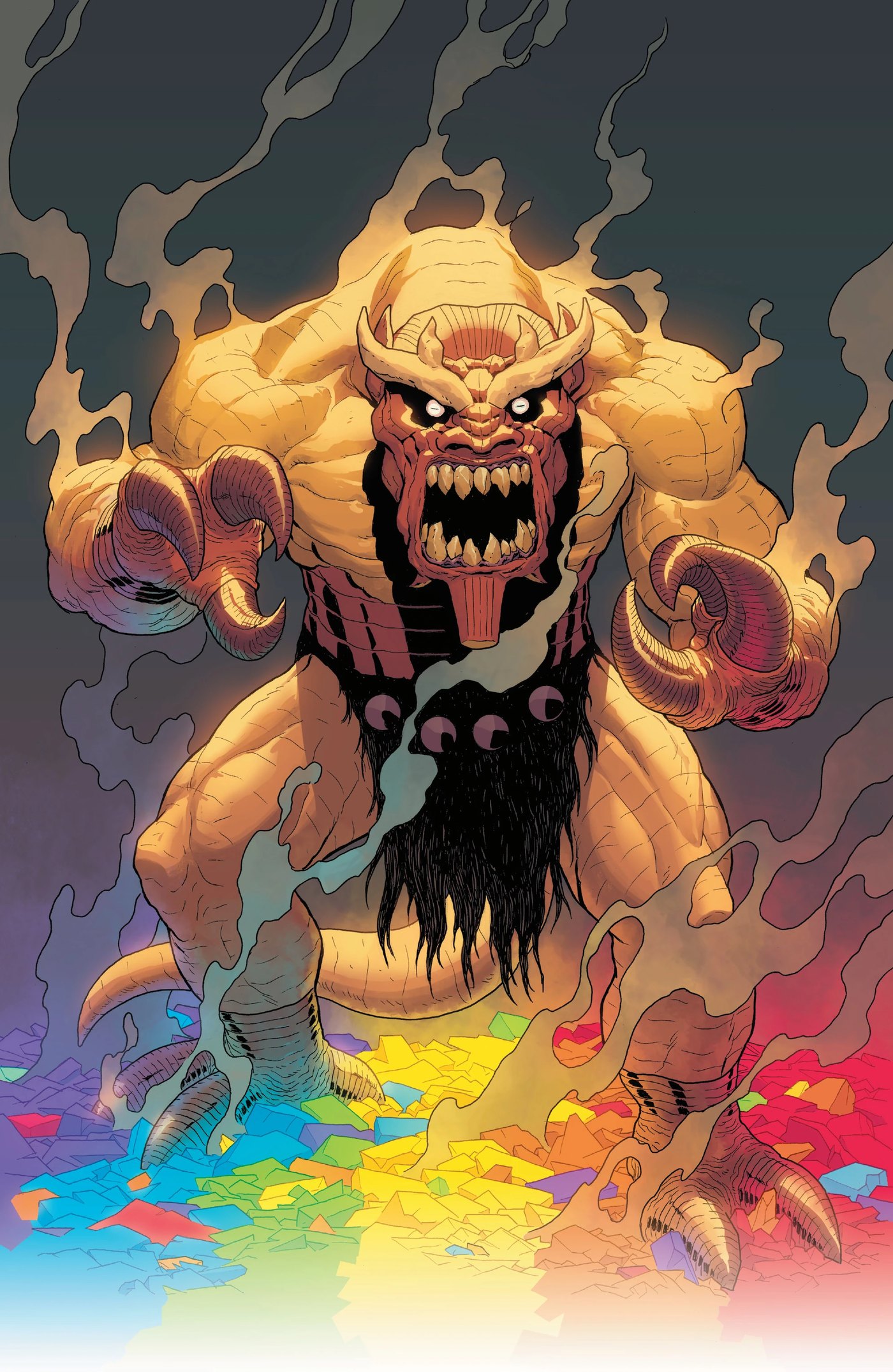
Mangog is a brilliant, horrible idea: he is the combined hatred of a billion billion beings whose race Odin wiped out, given a body. Not their souls, their hatred — which means his physical strength is literally the sum of a murdered civilization’s fury, and it does not tire, negotiate or reduce.
On the page that means he has beaten Thor unconscious, held off the whole of Asgard, and marched on the Odinsword with nothing able to slow him. Jason Aaron later brought him back to tear through the gods again in the Death of the Mighty Thor arc, and the fix was no more elegant the second time. Strip away the cosmic hardware everyone else on this list carries and Mangog is arguably the single strongest pure body Marvel has ever printed.
15. Surtur
| Also Known As | The Fire Demon, Lord of Muspelheim |
|---|---|
| Species | Fire Giant |
| Power Tier | Cosmic tier |
| First Appearance | Journey into Mystery #97 (October 1963), cameo appearance |
| Created By | Stan Lee, Jack Kirby |
| Key Powers | Fire manipulation, Size alteration (1000 feet), Superhuman strength, Mystical energy, Immortality |
| Power Source | Twilight, the Sword of Doom |
| Beyond the Comics | Thor: Ragnarok (2017), Marvel Rivals |
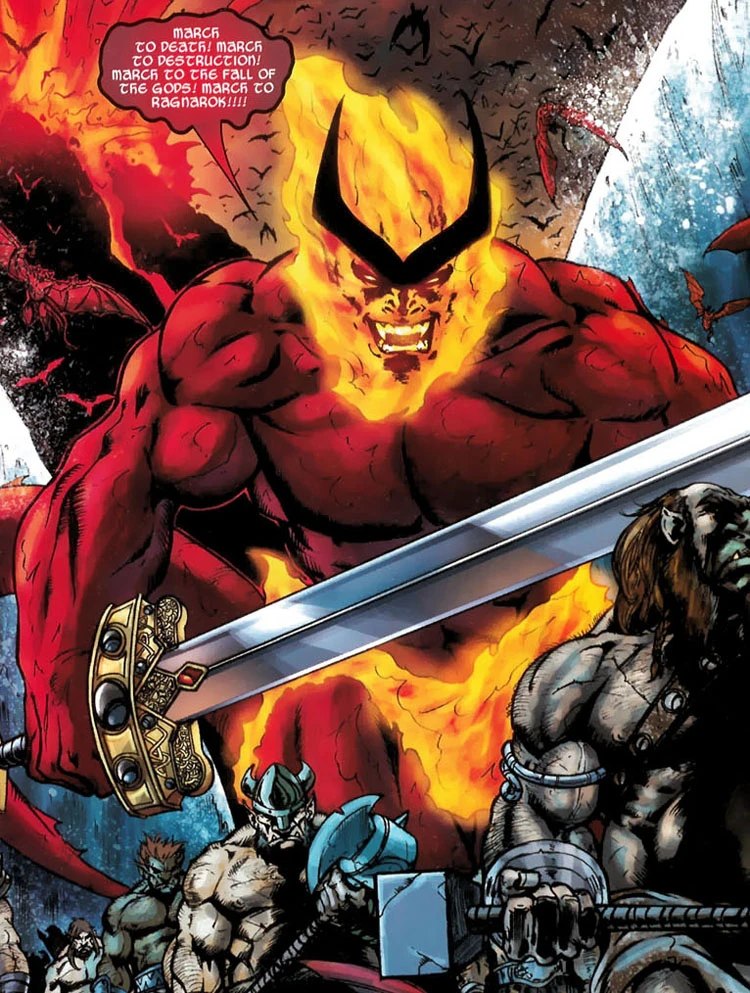
Surtur has been waiting in Muspelheim since before Asgard existed, for one appointment he is certain of: Ragnarok, the day he burns the Nine Realms down. He is a thousand feet of fire giant carrying Twilight, the Sword of Doom, and the only reason the universe is still standing is that Odin spent centuries keeping him locked away.
When he does get out, the results are not subtle. In Walter Simonson’s run he leads the fire demons through to Earth and it takes Odin, Thor and Loki fighting side by side to put him down — at the cost of Odin’s life. He is the rare villain whose defeat is always temporary by design, because prophecy says he gets his day eventually.
14. Doctor Doom
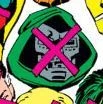
| Real Name | Victor von Doom |
|---|---|
| Also Known As | God Emperor Doom, Infamous Iron Man, Doom Supreme |
| Power Tier | Cosmic tier |
| First Appearance | The Fantastic Four #5 (July 1962) |
| Created By | Stan Lee, Jack Kirby |
| Key Powers | Sorcery, Powered armour, Genius intellect, Energy projection, Consciousness transfer |
| Power Source | Powered armour; borrowed god-power in Secret Wars (2015) |
| Beyond the Comics | Fantastic Four film series, Avengers: Doomsday (2026), Marvel Rivals |
Victor von Doom is arguably the most complete villain Marvel has ever produced: a scientific genius rivaling Reed Richards and a master sorcerer capable of challenging Doctor Strange. That fusion of science and magic is nearly unique. Doom commands the resources of an entire nation as the absolute monarch of Latveria, wields powered armor of his own design, and regularly bends time, dimensions, and the arcane to his will.
His single greatest feat elevates him into this tier: in Secret Wars (2015), Doom stole the near-omnipotent power of the Beyonders, killed a cosmic threat, and reassembled the shattered multiverse into Battleworld — ruling it as an actual god, resurrecting the dead and reshaping reality by decree. At full God Emperor Doom power he would rank near the very top of any list. Ranked at his more typical baseline, he is still a peerless polymath whose intellect and ego make him dangerous to gods and men alike. Doom is proof that ambition plus mastery can rival raw cosmic might.
13. Kang the Conqueror
| Real Name | Nathaniel Richards |
|---|---|
| Also Known As | Rama-Tut, Immortus, Iron Lad, Scarlet Centurion |
| Power Tier | Cosmic tier |
| First Appearance | Fantastic Four #19 (October 1963) as Rama-Tut; The Avengers #8 (September 1964) as Kang |
| Created By | Stan Lee, Jack Kirby |
| Key Powers | Time travel, Advanced armour, Genius intellect, Energy weapons, Multiversal armies |
| Power Source | 31st-century armour and time technology |
| Beyond the Comics | Ant-Man and the Wasp: Quantumania, Loki, Marvel Rivals |
Kang is a warlord from the 31st century who mastered time travel and turned all of history into his battlefield. Armed with staggeringly advanced technology — armor granting superhuman strength and durability, force fields, energy weapons, and a fleet of temporal craft — he has conquered entire eras and empires. But his real threat is structural: Kang exists across the multiverse as countless variants, from Immortus to Rama-Tut to the Council of Kangs, all coordinating (and warring) across timelines.
This multiversal, self-reinforcing nature makes Kang almost impossible to permanently defeat. Kill one and a thousand others remain, each with knowledge of the timeline’s every branch. He has out-strategized the Avengers, the Fantastic Four, and cosmic entities by exploiting time itself, rewriting battles before they happen. He lacks the innate cosmic energy of the beings above him, but his command of causality and infinite backup selves makes him one of Marvel’s most inescapable and dangerous threats.
12. Gorr the God Butcher
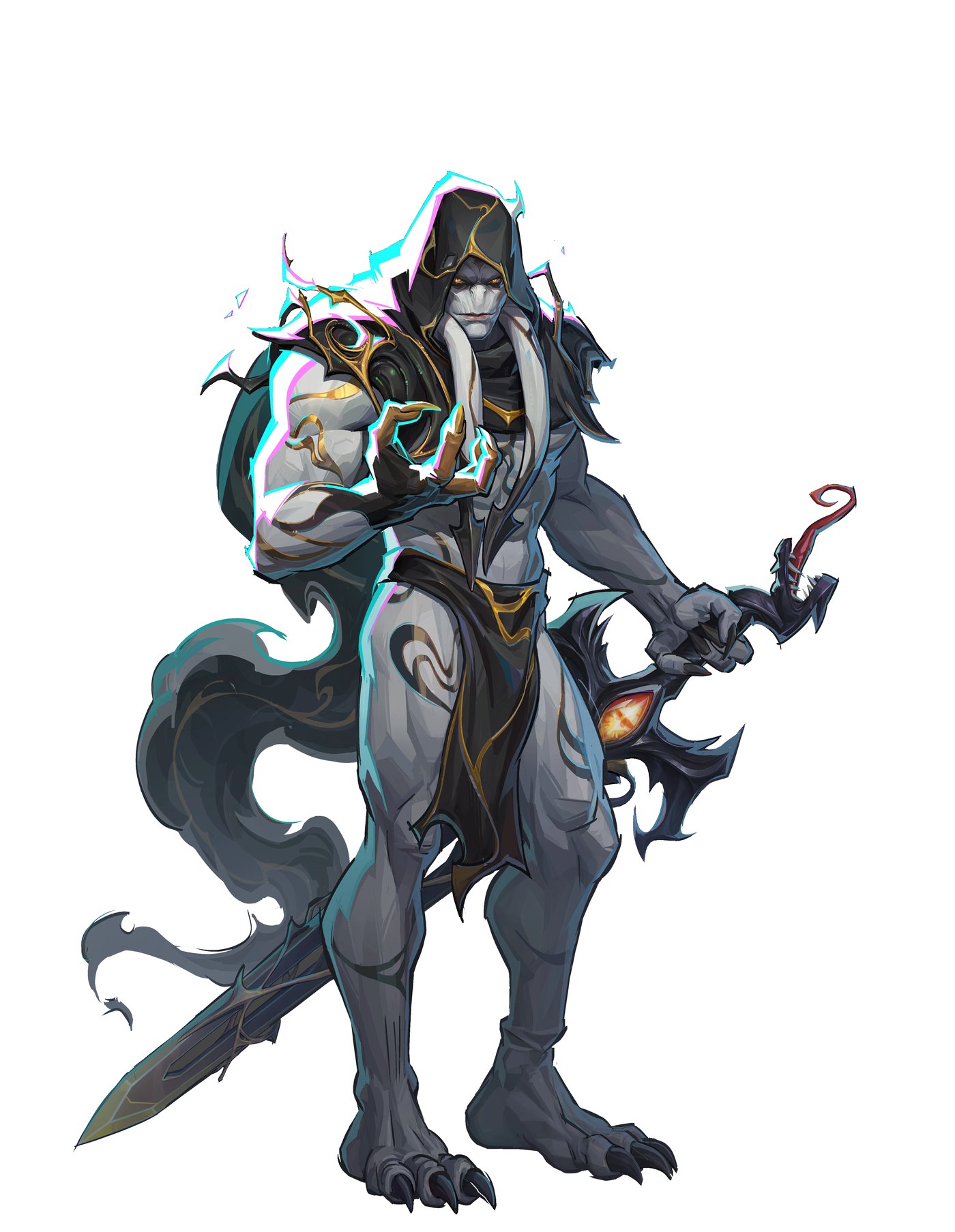
| Also Known As | The God Butcher |
|---|---|
| Power Tier | Cosmic tier |
| First Appearance | Thor: God of Thunder #2 (January 2013) |
| Created By | Jason Aaron, Esad Ribić |
| Key Powers | Necrosword mastery, Shadow constructs, Immortality, Time travel via Godbomb, Godslaying |
| Power Source | All-Black the Necrosword |
| Beyond the Comics | Thor: Love and Thunder (Christian Bale), Marvel Rivals |
Gorr watched his family die one by one on a world whose gods never answered, and when he finally saw a god bleed in front of him he reached a very simple conclusion: they all had to go. Picking up All-Black the Necrosword — the first symbiote, forged from Knull’s own darkness — turned a grieving father into the most efficient deicide in Marvel history.
Jason Aaron’s God of Thunder run tracks him across three eras at once, butchering pantheons through the past, present and far future of the universe, and it ends with the Godbomb: a device designed to kill every god who has ever existed, in every time period, simultaneously. Beating him required three versions of Thor working in concert. His power is borrowed from the sword, but the will behind it is what makes him terrifying.
11. Onslaught
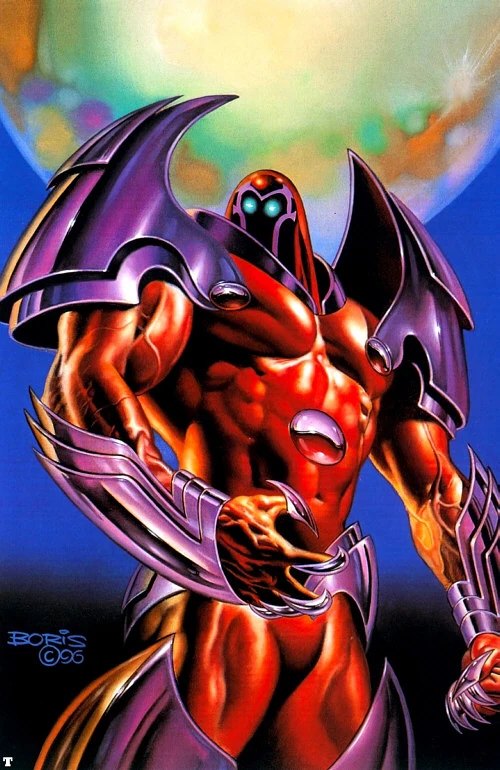
| Also Known As | The Entity, Dark Xavier |
|---|---|
| Power Tier | Cosmic tier |
| First Appearance | X-Men vol. 2 #53 (May 1996) |
| Created By | Scott Lobdell, Mark Waid, Andy Kubert |
| Key Powers | Omega telepathy, Telekinesis, Magnetism, Energy absorption, Psionic constructs |
| Power Source | Innate — no hardware dependency |
| Beyond the Comics | Marvel vs. Capcom, Marvel Rivals |
Onslaught is what happened when Charles Xavier finally lost his temper. After shutting down Magneto‘s mind on the field, Xavier absorbed the darkest parts of it, and the two men’s buried rage fused into a psionic entity with Omega-level telepathy on one side and total magnetic control on the other. It then spent months manipulating events before anyone even worked out it existed.
The resolution is the feat. Stopping Onslaught did not take a team; it took the X-Men, the Avengers, the Fantastic Four and the Hulk together, and it ended with most of Marvel’s founding heroes apparently dying to do it — the event that launched the entire Heroes Reborn line. No other villain on this list has a body count of that specific kind: he cost Marvel its main cast for a year.
10. Dark Phoenix
| Real Name | Jean Grey |
|---|---|
| Also Known As | Phoenix Force, The Phoenix |
| Power Tier | Cosmic tier |
| First Appearance | The Uncanny X-Men #101 (October 1976) as Phoenix; The Uncanny X-Men #134 (June 1980) as Dark Phoenix |
| Created By | Chris Claremont, Dave Cockrum |
| Key Powers | Cosmic telekinesis, Telepathy, Stellar energy absorption, Molecular manipulation, Resurrection |
| Power Source | Innate — no hardware dependency |
| Beyond the Comics | X-Men: The Last Stand, Dark Phoenix (2019), X-Men ’97 |
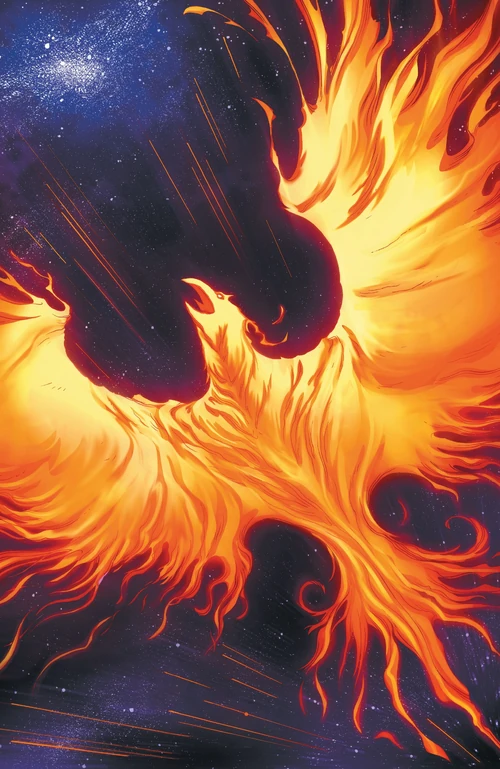
When the cosmic Phoenix Force — the primal embodiment of life, death, and rebirth in the Marvel Universe — is corrupted, you get Dark Phoenix, most famously through Jean Grey. At this level of power the numbers stop mattering. Dark Phoenix has consumed an entire star, the D’Bari sun, incidentally wiping out a populated planet, and casually swatted aside the star-spanning armada of the Shi’ar Empire. It manipulates matter and energy at a molecular and cosmic scale, warps reality, and flies faster than light through the cosmos.
The Phoenix Force is one of the oldest and most powerful forces in all of creation, existing since the dawn of the universe and destined to be present at its end. As a host-driven entity it is somewhat unpredictable, and different hosts wield it with wildly different control, which is the only thing that keeps it from ranking even higher. But at full Dark Phoenix intensity, this is a genuine planet-and-star-destroying cosmic force — one of the few villains whose power is measured in dead solar systems.
9. Cyttorak
| Also Known As | The Crimson Gem of Cyttorak, Lord of Crimson Cosmos |
|---|---|
| Power Tier | Abstract / reality tier |
| First Appearance | Strange Tales #124 (September 1964), first mentioned |
| Created By | Stan Lee, Jack Kirby, Alex Toth |
| Key Powers | Unstoppable force granting, Dimensional rule, Mystical energy, Avatar creation, Immortality |
| Power Source | Innate — no hardware dependency |
| Beyond the Comics | No screen or game appearances to date |
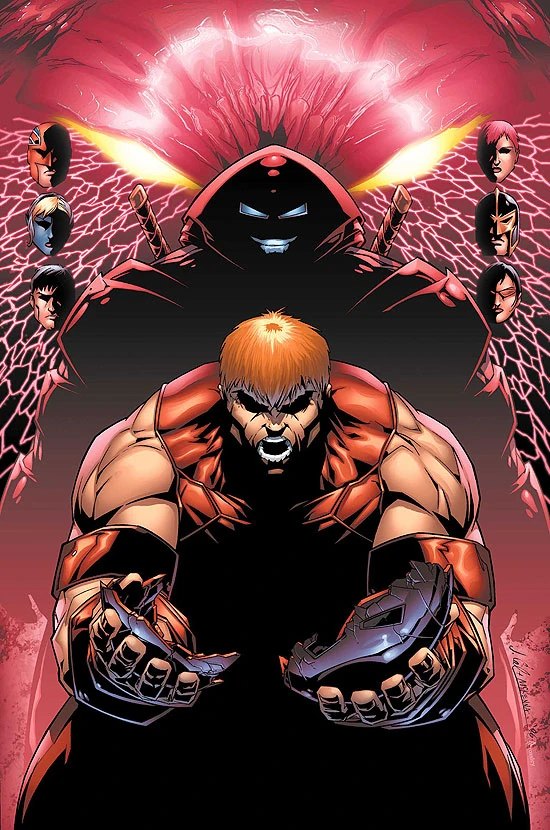
Cyttorak never throws a punch, which is exactly why he is underrated. He is one of the Octessence, a cabal of mystic beings who each bound a fraction of their power into an artifact and set their chosen avatars loose to fight it out. His fraction became the Crimson Gem, and his avatar became the Juggernaut — a man who cannot be stopped by any force Marvel has reliably brought to bear.
Sit with the scale of that. The Juggernaut has walked through the X-Men, the Hulk and Thor, and he is running on borrowed change from Cyttorak’s pocket. Cyttorak rules his own Crimson Cosmos, grants and revokes that power on a whim, and has spent centuries treating Earth as a board where he moves one piece. He is on this list as the landlord, not the tenant.
8. Amatsu-Mikaboshi (The Chaos King)
| Also Known As | Chaos King, The Great Evil |
|---|---|
| Power Tier | Abstract / reality tier |
| First Appearance | Thor: Blood Oath (2005) |
| Created By | Michael Avon Oeming, Scott Kolins |
| Key Powers | Void manipulation, Godslaying, Shapeshifting, Reality erasure, Immortality |
| Power Source | Innate — no hardware dependency |
| Beyond the Comics | No screen or game appearances to date |
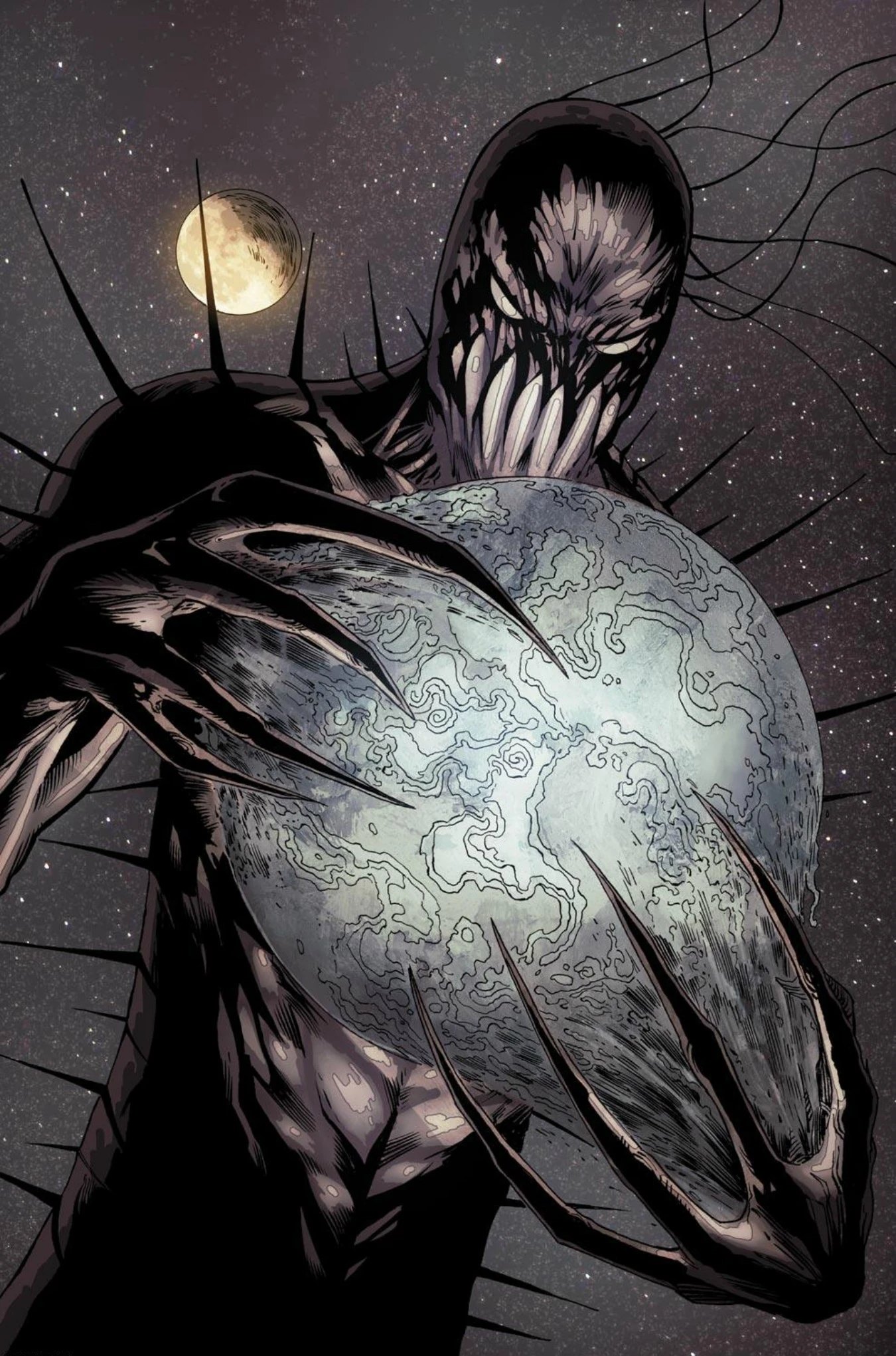
Most Marvel villains want to rule something. The Chaos King wants the opposite — he is the nothingness that existed before creation, and his entire project is putting everything back the way it was. He began as a shapeshifting Japanese god of evil tangling with Thor and Hercules, and by Chaos War he had grown into something that made the Mad Titan and his Infinity Gauntlet look like a regional problem.
In that story he did not fight pantheons, he ate them. The Greek, Norse, Egyptian and Japanese gods fell. The dead started coming back because the underworlds themselves were being unmade. Stopping him required Hercules operating at full godhood, and the cost was Hercules burning out his own divinity to do it. Very few Marvel villains have a win condition that literally ends the concept of existence; this one nearly got there.
7. Knull
| Also Known As | God of the Symbiotes, King in Black, Lord of the Abyss |
|---|---|
| Species | Elder God |
| Power Tier | Abstract / reality tier |
| First Appearance | Thor: God of Thunder #6 (March 2013, identity unrevealed); Venom vol. 4 #3 (August 2018, full appearance) |
| Created By | Donny Cates, Ryan Stegman |
| Key Powers | Darkness manipulation, Symbiote creation and control, Immortality, Necrosword mastery, Reality-level durability |
| Power Source | All-Black the Necrosword, which he forged |
| Beyond the Comics | Venom: The Last Dance (2024), Marvel’s Spider-Man 2 |
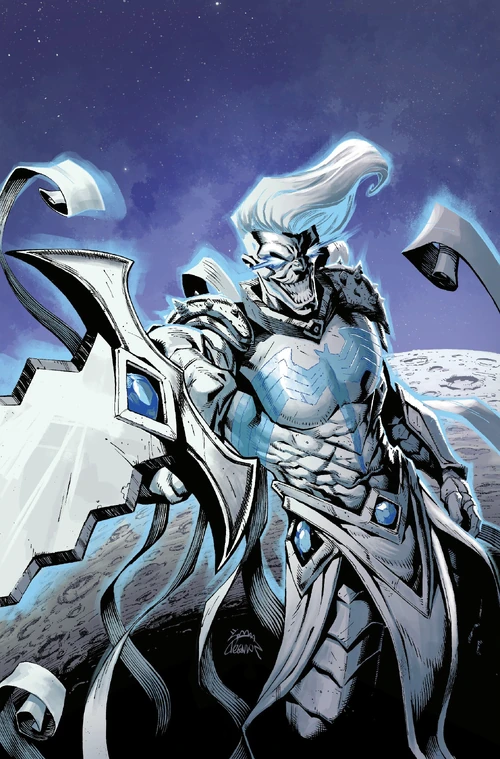
Knull is a primordial god of the void who existed in the darkness before the light of creation ever ignited. Enraged when the Celestials brought light and life into his black nothingness, he forged the necrosword All-Black from his own shadow — the first and deadliest symbiote weapon — and beheaded a Celestial with it. From that living abyss he created the symbiote species itself, making him the literal god and origin of Venom, Carnage, and every other symbiote in the cosmos.
His power is staggering: he can generate and control endless living darkness, reanimate the dead as symbiote dragons, and in King in Black he blanketed the entire Earth in living abyss and crushed the combined might of the planet’s heroes and cosmic allies. Defeating him required a Uni-Power-empowered, god-level intervention. As an ancient deity who predates the universe and commands an army woven from his own being, Knull is a top-tier existential threat and one of the most fearsome villains Marvel has introduced in the modern era. For more on his creations, see our ranking of Marvel’s most powerful symbiotes.
6. Galactus
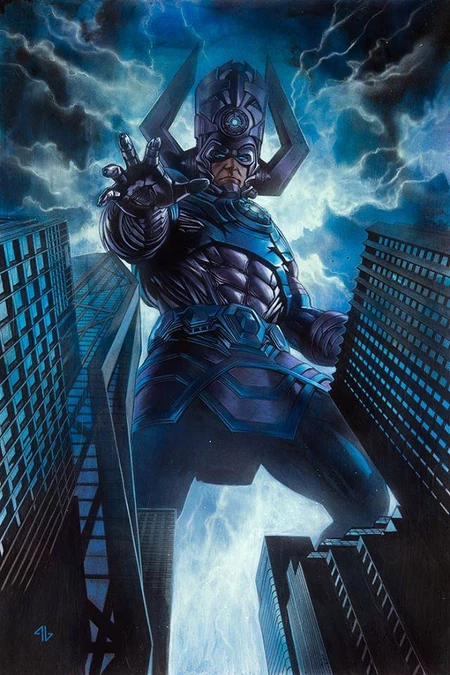
| Real Name | Galan |
|---|---|
| Also Known As | The Devourer of Worlds, The Lifebringer |
| Power Tier | Abstract / reality tier |
| First Appearance | Fantastic Four #48 (March 1966) |
| Created By | Stan Lee, Jack Kirby |
| Key Powers | Power Cosmic, Planet consumption, Matter transmutation, Size alteration, Cosmic awareness |
| Power Source | Innate — no hardware dependency |
| Beyond the Comics | Fantastic Four: Rise of the Silver Surfer, The Fantastic Four: First Steps (2025) |
Galactus is the compromise entry on any list like this, and he earns it. He is not a schemer or a conqueror; he is a survivor of the universe that came before this one, converted by cosmic accident into a hunger that has to eat inhabited worlds to keep going. Every herald he sends out — the Silver Surfer most famously — exists to find him planets so he does not have to search himself. Marvel’s own character file on Galactus still lists him as a cosmic entity rather than a villain.
Purists argue he belongs in a different category because he does not act out of malice, and there is something to that. But tell it to the billions on Zenn-La. Raw output puts him near the top of anything Marvel has published: he has shrugged off the assembled might of Earth’s heroes, been treated as a weapon of last resort against Annihilus and Abraxas, and eventually been rewritten into the Lifebringer. Villain or force of nature, nothing below him on this list survives his attention.
5. Mephisto
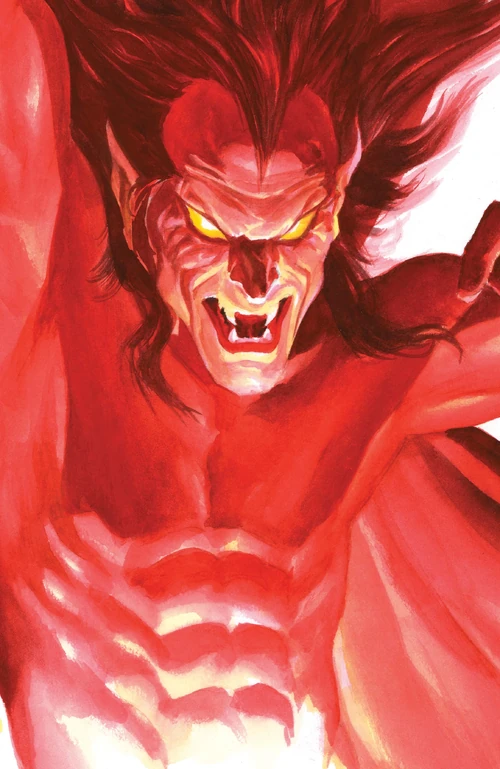
| Also Known As | Satan, The Devil, Lord of Hell |
|---|---|
| Power Tier | Abstract / reality tier |
| First Appearance | Silver Surfer #3 (December 1968) |
| Created By | Stan Lee, John Buscema |
| Key Powers | Reality alteration, Soul manipulation, Illusion casting, Immortality, Dimensional control |
| Power Source | Innate — no hardware dependency |
| Beyond the Comics | Ghost Rider (2007), Marvel Ultimate Alliance |
Mephisto is Marvel’s devil in all but legal name — a hell-lord who rules his own infernal dimension and trades in the currency of souls. Within his realm he is effectively omnipotent, warping reality, conjuring illusions indistinguishable from truth, resurrecting the dead, and bending time and probability to snare his victims. He draws power from the suffering and souls of the damned, giving him a nearly bottomless energy reserve, and his physical might and durability rival that of Odin and Galactus in the right circumstances.
What makes Mephisto uniquely dangerous is that he rarely needs raw force. He is a master manipulator who wins by contract, tempting heroes and villains into deals that cost them everything — famously unmaking Spider-Man’s marriage in One More Day. He has clashed with the Silver Surfer, Thor, and Doctor Strange, and orchestrated events that reshaped continuity itself. As a reality-warping, soul-harvesting abstract-adjacent entity, Mephisto operates on a plane most villains can only dream of.
4. Dormammu
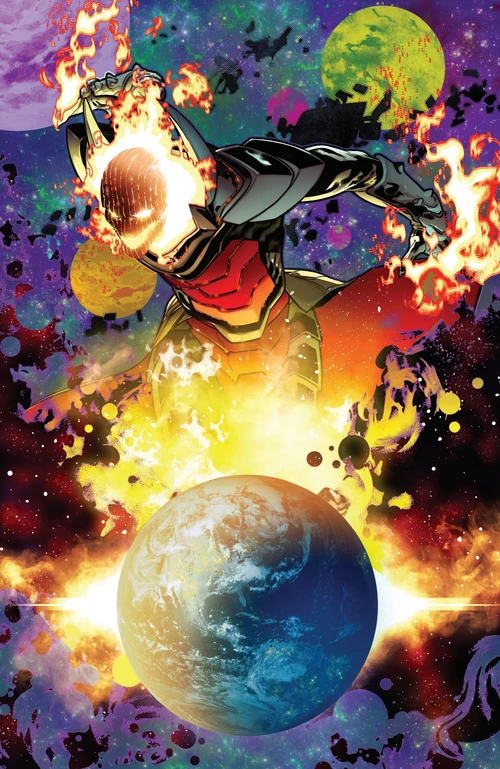
| Also Known As | Lord of the Dark Dimension, The Dread One |
|---|---|
| Species | Faltine |
| Power Tier | Abstract / reality tier |
| First Appearance | Strange Tales #126 (November 1964) |
| Created By | Stan Lee, Steve Ditko |
| Key Powers | Mystical energy manipulation, Dimensional rule, Immortality, Size alteration, Soul consumption |
| Power Source | Innate — no hardware dependency |
| Beyond the Comics | Doctor Strange (2016), Marvel vs. Capcom 3 |
Dormammu is a member of the Faltine, a race of energy-beings, and the timeless ruler of the Dark Dimension — a pocket universe he has expanded for eons by absorbing entire other dimensions and worlds into his domain. Within the Dark Dimension he is essentially omnipotent, and even beyond it he wields near-limitless mystical power: reality manipulation, matter transmutation, energy projection on a cosmic scale, immortality, and the ability to grant vast power to servants and cults.
He is one of Doctor Strange’s greatest and most recurring foes precisely because he operates on a dimensional scale that dwarfs almost every other threat. Dormammu has repeatedly attempted to conquer Earth and the entire multiverse, held off only by Strange’s cunning rather than raw power — because in a straight fight, few beings can match him. As an ancient, world-consuming dimensional god whose full power is described in canon as effectively unknowable and unlimited, Dormammu stands just below the single most powerful villain Marvel has ever put on the page.
3. Thanos (with the Infinity Gauntlet)
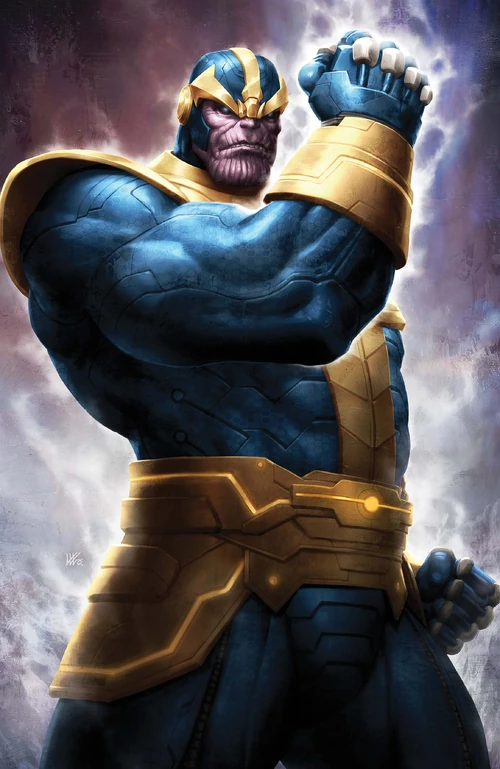
| Also Known As | The Mad Titan |
|---|---|
| Species | Eternal (Titan) |
| Power Tier | Abstract / reality tier |
| First Appearance | The Invincible Iron Man #55 (February 1973) |
| Created By | Jim Starlin, Mike Friedrich |
| Key Powers | Superhuman strength, Reality warping (with the Gauntlet), Energy projection, Immortality, Genius intellect |
| Power Source | Infinity Gauntlet — without it he is high cosmic tier |
| Beyond the Comics | Avengers: Infinity War and Endgame (Josh Brolin), Marvel vs. Capcom Infinite, Avengers Assemble |
Thanos without the Gauntlet is already a Titanian Eternal of immense power — superhuman strength, durability, energy manipulation, and a genius intellect honed by nihilistic devotion to Death herself. But Thanos with the completed Infinity Gauntlet is one of the single most powerful beings the Marvel Universe has ever seen. In The Infinity Gauntlet, wielding all six Infinity Stones, he became functionally omnipotent: he erased half of all life with a gesture, snuffed out cosmic entities, blocked out the stars, and shrugged off the combined assault of Earth’s heroes and the universe’s abstract beings.
The reason he ranks fifth rather than first is that his omnipotence is borrowed hardware, not innate. Strip the Gauntlet and he returns to a merely superlative cosmic warlord. But no ranking of the strongest Marvel villains can dispute that at his peak, Gauntlet-wielding Thanos rewrote the rules of reality and defeated literal personifications of Eternity and Infinity. When he holds all the stones, he is as close to a god as a mortal villain gets.
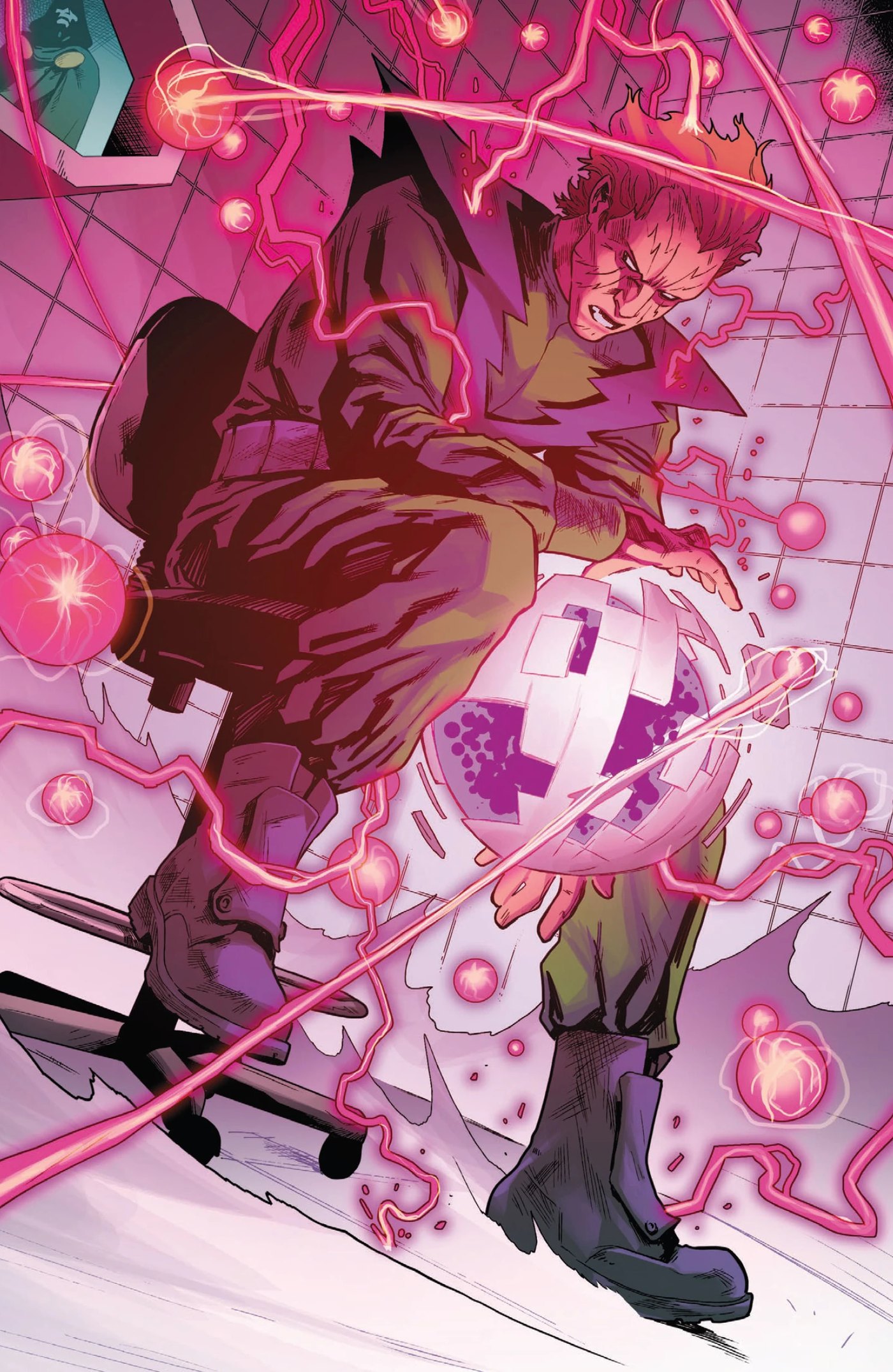
2. Molecule Man (Owen Reece)
| Real Name | Owen Reece |
|---|---|
| Also Known As | Owen Reece |
| Power Tier | Abstract / reality tier |
| First Appearance | Fantastic Four #20 (November 1963) |
| Created By | Stan Lee, Jack Kirby |
| Key Powers | Total molecular control, Matter manipulation, Force fields, Multiversal anchoring, Immortality |
| Power Source | Innate — no hardware dependency |
| Beyond the Comics | Fantastic Four: World’s Greatest Heroes, Marvel Super Hero Squad |
Owen Reece was a lab technician who stood in the wrong place during a radiation accident and walked away able to see the seams in reality. For years Marvel wrote him as a neurotic in a purple jumpsuit, which disguised the fact that his power has no natural ceiling: he controls the molecules of everything, and the only thing that ever really stopped him was his own therapy-grade lack of confidence.
What settles his placement is Secret Wars. The Beyonders needed a bomb capable of destroying every universe in the multiverse, and what they built it out of was Owen Reece — a version of him seeded into every reality, primed to detonate the lot — the same crisis that ended with Doctor Doom stealing the Beyonders’ power for himself. When the architects of existence go shopping for a doomsday device and come back with you, the argument about your power level is over.
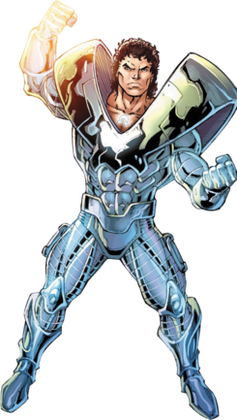
1. The Beyonder
| Also Known As | Kosmos, The Maker, The One from Beyond, Frank |
|---|---|
| Species | Beyonder |
| Power Tier | Abstract / reality tier |
| First Appearance | Secret Wars #1 (May 1984), cameo appearance |
| Created By | Jim Shooter, Mike Zeck |
| Key Powers | Near-omnipotence, Reality warping, Matter and energy manipulation, Resurrection, Cosmic awareness |
| Power Source | Innate — no hardware dependency |
| Beyond the Comics | Marvel vs. Capcom 3 (video game), The Super Hero Squad Show |
The Beyonder is the strongest villain in Marvel history, and it is not especially close. Originating from beyond the Marvel multiverse in a realm called the Beyond-Realm, the Beyonder was, in his original Secret Wars conception, an entire sentient universe condensed into a single being — a cosmic entity of effectively unlimited, near-omnipotent power. He plucked heroes and villains across galaxies as if they were toys, resurrected the dead with a thought, and reshaped planets and reality on a whim, all out of childlike curiosity about human desire.
At the height of his power, the Beyonder existed on a tier above Galactus, above the Celestials, and rivaled Marvel’s most abstract entities. He could grant any wish, undo death, and warp existence itself with no discernible upper limit. Later retcons attempted to depower and re-explain him — recasting him as an Inhuman-Cosmic Cube hybrid or a Beyonders’ creation — but in his purest form he remains the benchmark for omnipotence-adjacent villainy in the Marvel Universe. When a single being is a universe, no one else on this list can truly compare.
The Power-Scaling Framework: How These Tiers Actually Work
Here is the insight most ranking lists skip: "strongest" in Marvel is not one scale but four, and confusing them is why fans argue forever. Street/human tier is peak-human menace with genius and resources — Green Goblin lives here. Enhanced/metahuman tier covers super-strength, magic and mutant power with a hard ceiling — Magneto, the Juggernaut, Ultron, Annihilus. Cosmic tier is planet-and-star-scale output: Dark Phoenix, Onslaught, Gorr, Surtur, Mangog, Korvac, Kang, Doom, Apocalypse, Hela, the Void. Abstract/reality tier is the endgame — beings who edit existence itself: the Beyonder, Molecule Man, Dormammu, Mephisto, Galactus, Knull, the Chaos King, Cyttorak and Gauntlet-Thanos. Every one of the most powerful Marvel villains ever printed sits in that top bracket, and the gap between it and the tier below is not a step — it is a different kind of power.
The other great equalizer is the hardware problem. Thanos with the Infinity Gauntlet is a top-three being; Thanos without it is a strong cosmic tier. Annihilus lives and dies by his Cosmic Control Rod. This is why any honest ranking must state which version it is scaling. My most overrated pick is Kang — enormously dangerous strategically, but in a straight power contest he is "just" a man in advanced armor; his multiversal army does the heavy lifting. My most underrated pick is Mephisto, who wins by contract rather than combat and therefore never gets the raw-power respect his reality-warping actually deserves. If you enjoy this kind of head-to-head scaling, our list of the most powerful comic book characters ranked pits heroes and villains across publishers on the same ladder.
Strong, But Not The Strongest
Four names come up in every argument about this list, and all four are deliberately outside the top 25. Here is where each of them actually sits, and why.
| Villain | Power Tier | First Appearance | Why They Miss The Cut |
|---|---|---|---|
| Scarlet Witch | Cosmic tier | The X-Men #4 (March 1964) | At ‘No More Mutants’ she is reality-warping cosmic tier, but she is a tragic anti-villain, not a dedicated antagonist. |
| Loki | Enhanced | Venus #6 (August 1949); Journey into Mystery #85 (October 1962) in the modern form | A top-flight sorcerer and the best schemer on the board, but his ceiling is Asgardian magic, not reality editing. |
| The Leader | Enhanced | Tales to Astonish #62 (December 1964) | Gamma-powered supergenius. His weapon is planning, and planning loses to a being who can delete the plan. |
| Green Goblin | Street | The Amazing Spider-Man #14 (July 1964) | The ceiling of human-tier menace. Terrifying, but a single punch from anyone in the top twenty ends him. |
The pattern is the same in all four cases. Each of them is genuinely dangerous at their own altitude — Loki has toppled Asgard, the Scarlet Witch has unmade the mutant species with three words (her full arc is traced in our Scarlet Witch evolution guide), Norman Osborn has run America’s security apparatus, and the Leader out-thinks everyone in the room. None of them can win a fight against something that edits the rules of the fight. That is the line this ranking of the strongest Marvel villains is drawn on. For villains whose threat is raw output rather than rank, see our guide to the best electricity superheroes and villains.
Frequently Asked Questions
Who is the strongest Marvel villain of all time?
In his original, undiluted form, the Beyonder is the strongest Marvel villain of all time. Conceived as an entire sentient universe compressed into a single being, he wielded near-omnipotent power that placed him above Galactus and the Celestials, letting him warp reality, resurrect the dead, and reshape existence on a whim.
Is Thanos or Dormammu more powerful?
It depends on the version of Thanos. Without the Infinity Gauntlet, Dormammu is far more powerful, as he is an immortal dimensional god who is essentially omnipotent within his Dark Dimension. With the completed Infinity Gauntlet, Thanos becomes universally omnipotent and would outclass Dormammu, but that power is borrowed from the Infinity Stones rather than innate.
Who would win between Molecule Man and the Beyonder?
At their respective peaks the Beyonder wins, but it is closer than most fans assume. Molecule Man controls matter absolutely and was made into a multiversal bomb by the Beyonders, which places him above every cosmic entity on this list bar one. The Beyonder edges it because his power is not limited to matter, and the two have fought to a standstill more than once.
Is Doctor Doom a villain or an anti-hero?
Doctor Doom is primarily a villain, but he is one of Marvel’s most nuanced antagonists. He genuinely believes his rule would better the world, has occasionally saved reality, and even acted heroically as a Sorcerer Supreme and as Iron Man’s successor. At his God Emperor Doom peak in Secret Wars (2015), he was one of the most powerful beings in Marvel history.
Why is Galactus ranked here when other lists leave him out?
Galactus is often excluded because he is canonically a cosmic force of nature rather than a malicious antagonist, devouring worlds out of biological necessity. We include him because this list ranks threat and raw power, and by both measures he outclasses most named villains. His motive changes how you judge him morally, not how much of the universe he can end.
Who is the most powerful new Marvel villain?
Knull, the god of the symbiotes, is the most significant powerhouse Marvel has introduced in the modern era. A primordial deity who existed before creation, he forged the first necrosword, beheaded a Celestial, and in King in Black engulfed the entire Earth in living darkness, requiring a god-level effort to defeat.
Which Marvel villain has the highest kill count?
Amatsu-Mikaboshi, the Chaos King, has the largest body count in Marvel canon. During Chaos War he destroyed entire pantheons of gods and unmade several underworld realms, killing more beings than Thanos and Annihilus combined. Gorr the God Butcher is second, having killed gods across three separate eras of the universe.
Is Magneto stronger than Apocalypse?
Apocalypse is stronger. Magneto’s omega-level magnetism gives him higher raw output in a straight fight, but Apocalypse is a five-thousand-year-old mutant with Celestial technology, full molecular shapeshifting and functional immortality. Magneto can win an exchange; Apocalypse cannot be permanently removed, which is why he ranks higher on a list about sustained threat.
Does the Juggernaut count as one of the strongest Marvel villains?
Yes, but lower than his reputation suggests. Once moving, the Juggernaut is genuinely unstoppable by physical force. His power is loaned to him by the demon Cyttorak, however, and can be revoked, and removing his helmet exposes Cain Marko to telepaths. That dependency places him in the enhanced tier rather than among the cosmic and abstract beings at the top.