The most underrated 2000s anime — Baccano!, Mushishi, Ergo Proxy, Paranoia Agent, and Gunslinger Girl — all aired in the same five-year stretch that produced Death Note and Naruto, but never built the same mainstream audience. None of them are hidden in the algorithmic sense — all five are streaming and well-reviewed — they’re just structurally harder to market than a battle shonen, which is exactly why they got passed over the first time.
Last updated: September 1, 2026.
Why These Five Got Skipped
Each show on this list has the same problem: a premise that’s genuinely difficult to summarize in a poster or a trailer. A show about a bug researcher who solves one self-contained folklore mystery per episode, or a heist story told entirely out of chronological order, doesn’t sell itself the way Death Note‘s “notebook that kills people” premise does — see our Death Note rules breakdown for the kind of high-concept hook that made its contemporaries famous. That’s not a knock on quality; it’s the actual reason these five stayed a tier below their peers.
Baccano! (2007)

Ryohgo Narita’s light novel adaptation tells a single 1930s Prohibition-era story about a stolen immortality elixir, a hijacked train, and a mafia war — but tells it completely out of chronological order, jumping between 1930, 1931, and 1932 as different characters narrate overlapping pieces of the same night. It’s a genuinely difficult structure to follow on a first watch, which is exactly why it never built the audience its plotting deserves. Why it’s worth a second look: once the pieces click into place, it’s one of the tightest-plotted anime of the decade.
Mushishi (2005)

Yuki Urushibara’s story follows Ginko, a traveling “Mushishi” who studies and manages mushi — primordial, quasi-spiritual lifeforms drawn from Japanese folklore — in almost entirely self-contained episodes with barely any ongoing plot. That structure is the opposite of binge-friendly, which made it a tough sell against serialized rivals in 2005. Why it’s worth a second look: the lack of a season-long plot means literally any episode is a perfect entry point.
Ergo Proxy (2006)

Set in a domed post-apocalyptic city where androids called AutoReivs are starting to gain self-awareness, Ergo Proxy follows investigator Re-l Mayer chasing a virus that may not be a virus at all. The show leans hard into existentialist philosophy and doesn’t resolve most of its mysteries cleanly, which alienated viewers expecting a straightforward mystery. Why it’s worth a second look: it’s one of the few 2000s anime that actually earns the “cerebral cyberpunk” label instead of just wearing the aesthetic.
Paranoia Agent (2004)
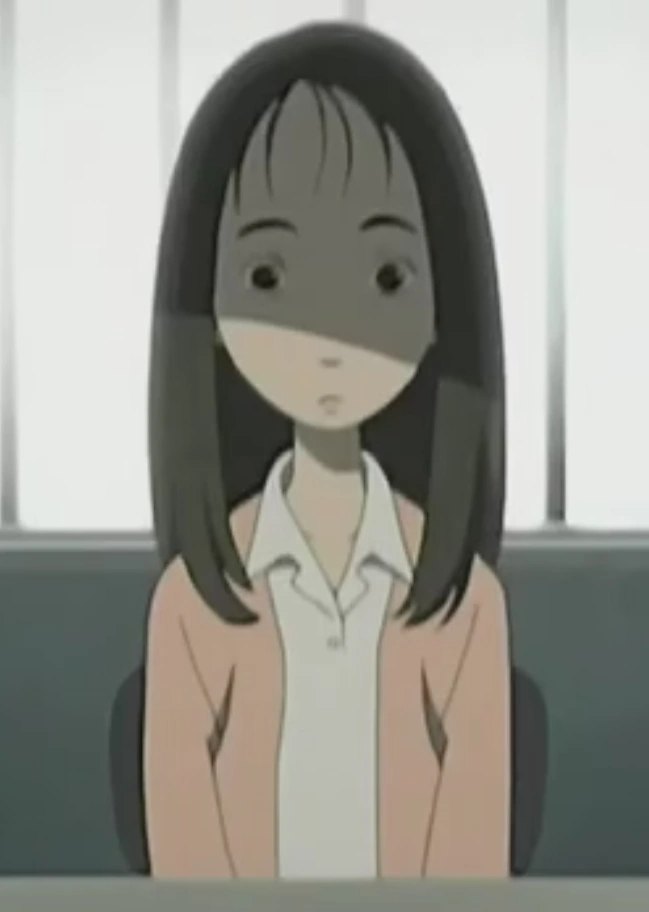
Satoshi Kon’s only television series follows a string of attacks by “Lil’ Slugger,” a child on rollerblades with a bent golden bat, and uses the mystery as a frame to study how an entire city copes with stress by inventing an external villain to blame. It’s Kon’s least-seen major work specifically because it’s a TV series rather than one of his acclaimed films. Why it’s worth a second look: it’s the clearest look at Kon’s ideas about perception and reality without a two-hour runtime limiting how far he can take them, and Lil’ Slugger remains one of anime’s more unsettling antagonists — see our best anime villains list for how he compares to the genre’s more famous threats.
Gunslinger Girl (2002)
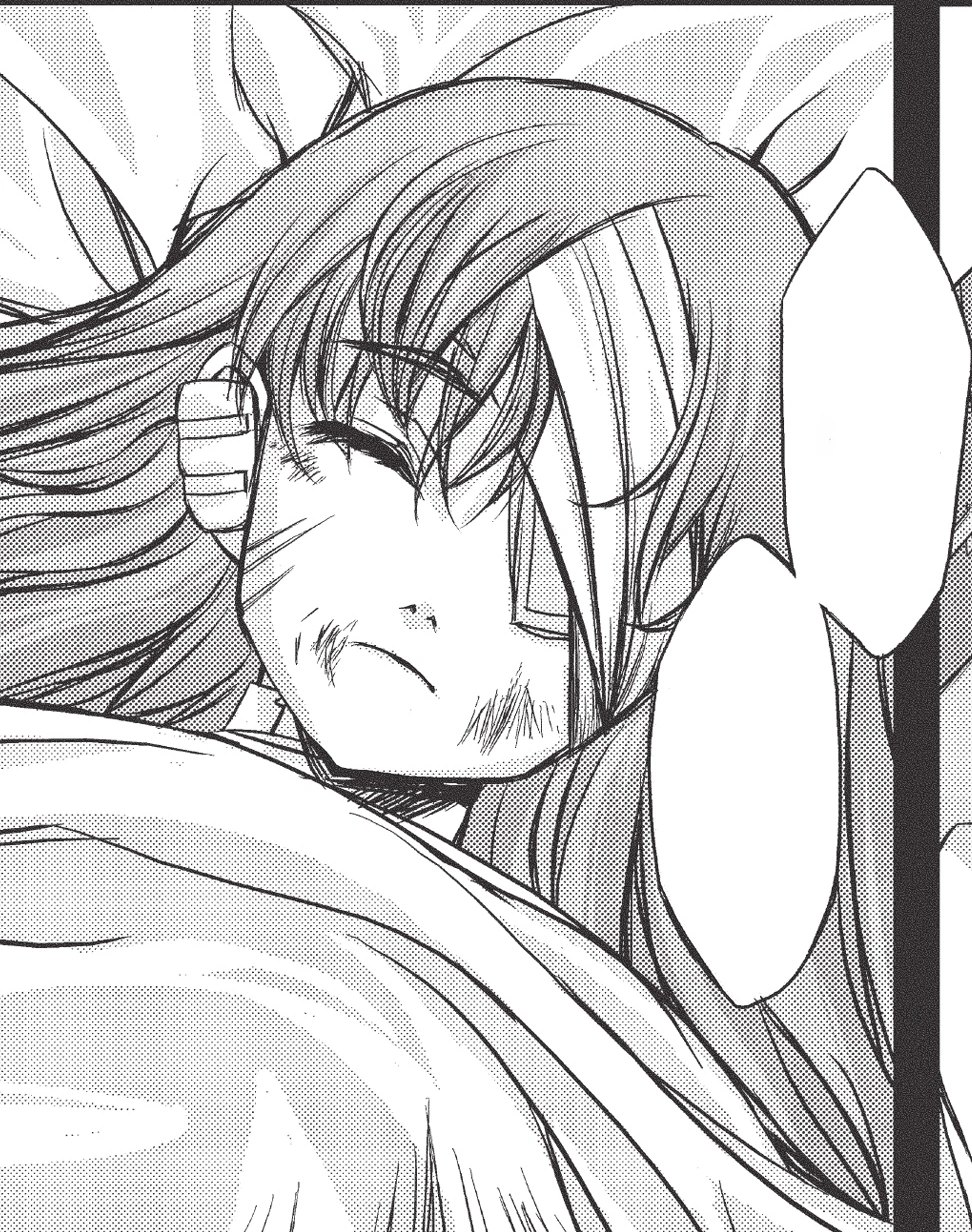
Based on Yu Aida’s manga, the show follows cyborg child assassins conditioned by a covert Italian government agency to forget their trauma and love their handlers — and it plays the horror of that premise almost entirely straight, with a quiet, restrained tone that undersold how dark the show actually is. Why it’s worth a second look: it’s one of the few 2000s anime willing to sit in genuine discomfort instead of softening its premise for easier marketing.
Underrated 2000s Anime at a Glance
| Anime | Year | Genre | Why It’s Underrated |
|---|---|---|---|
| Baccano! | 2007 | Crime / Supernatural | Non-linear structure makes it hard to follow on a first watch |
| Mushishi | 2005 | Folklore / Slice of Life | Fully episodic, no season-long hook to market |
| Ergo Proxy | 2006 | Cyberpunk / Philosophy | Unresolved mysteries frustrated mystery-first viewers |
| Paranoia Agent | 2004 | Psychological Thriller | Overshadowed by Satoshi Kon’s more famous films |
| Gunslinger Girl | 2002 | Drama / Action | Restrained tone undersold how dark the premise is |
A Few More Worth Chasing Down
Texhnolyze (2003) and Kino’s Journey (2003) belong in the same conversation as these five — a bleak, near-wordless cyberpunk descent and an episodic travelogue through fictional countries, respectively — but both are even further from mainstream appeal than the shows profiled above, which is exactly why they didn’t make the cut for a “second look” list aimed at viewers who want a real chance of finishing what they start. If any of the five above land, those two are the logical next stop.
Where to Start
If the non-linear structure of Baccano! or the philosophical ambiguity of Ergo Proxy sounds like a bigger commitment than you want first, start with Mushishi — its episodic format means a single 25-minute episode is a complete story with a beginning, middle, and end, no prior context required. That makes it the easiest of these five to sample before committing to a full watch. For terminology that comes up across all five shows’ genre classification, our shonen vs. seinen explainer covers the demographic split that explains why these titles read so differently from the decade’s bigger hits.
Frequently Asked Questions
What is the most underrated anime from the 2000s?
Baccano! is one of the strongest candidates — a tightly-plotted 2007 crime thriller with immortal characters and a train hijacking, told in a non-linear structure that made it a harder sell than its contemporaries despite being one of the best-plotted anime of the decade.
Is Mushishi worth watching in 2026?
Yes — its fully episodic structure means it hasn’t aged the way serialized shows with dated CGI or ongoing plots can. Any single episode still works as a complete, self-contained story.
Why isn’t Paranoia Agent as famous as Satoshi Kon’s movies?
It’s a 13-episode TV series rather than a film, and Kon is primarily known for movies like Perfect Blue and Paprika. Paranoia Agent covers similar psychological territory but never got the same theatrical exposure.
Is Gunslinger Girl a sad anime?
Yes — its premise involves child assassins conditioned to forget their own trauma, and the show plays that horror straight rather than softening it, which makes it heavier than its quiet, restrained tone initially suggests.
Sources
Background and critical reception via Wikipedia, Wikipedia’s Baccano! episode list, and The Artifice.