Anime power systems are the rule sets that define what characters can do and what it costs them — chakra in Naruto, cursed energy in Jujutsu Kaisen, Devil Fruits and Haki in One Piece, Nen in Hunter × Hunter, and Quirks in My Hero Academia. This guide explains how each one works, and what separates a system that holds up from one that collapses.
What Is an Anime Power System?
A power system is the internal physics of a series: where power comes from, who can access it, what limits it, and what it costs.
It is not the same as “having powers.” Superman has powers; Superman does not have a power system. A system needs stated rules that apply consistently to everyone, so that when a fight happens the audience can follow the reasoning rather than simply watching outcomes.
That distinction is why the best-regarded shonen series are almost all built on one.
The Five Major Anime Power Systems Compared
| System | Series | Source of power | Main limit | Who can use it |
|---|---|---|---|---|
| Chakra | Naruto | Physical + spiritual energy | Finite reserves, exhaustion | Nearly everyone, with training |
| Cursed Energy | Jujutsu Kaisen | Negative human emotion | Binding vows, technique rules | Rare innate sorcerers |
| Devil Fruits | One Piece | Eating a cursed fruit | Sea and seawater; one fruit per person | Anyone who eats one |
| Haki | One Piece | Willpower | Training and mental strength | Theoretically everyone |
| Nen | Hunter × Hunter | Life energy (aura) | Self-imposed conditions | Anyone whose aura nodes are opened |
| Quirks | My Hero Academia | Genetic mutation | Body’s physical tolerance | ~80% of the population, from birth |
Chakra (Naruto)
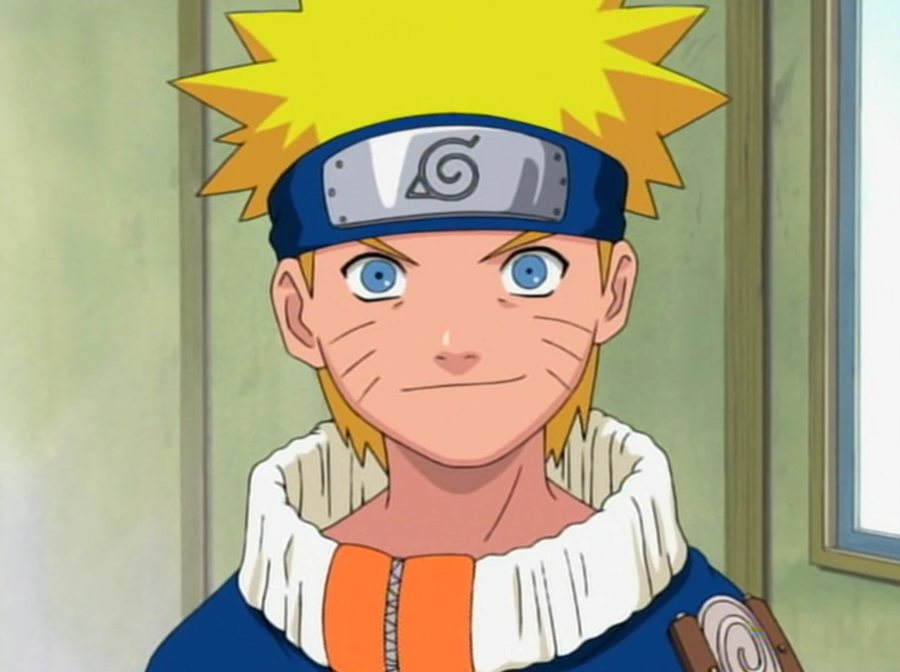
Chakra is the fusion of physical energy from the body’s cells and spiritual energy from training and experience. Moulding the two together and shaping it through hand seals produces jutsu.
Its defining feature is that it is democratic. Almost anyone can learn to use chakra; the variables are reserves, control, and inherited advantages like kekkei genkai. That is why Naruto can plausibly show a village full of combatants rather than a handful of chosen ones.
Its defining weakness is inflation. Because chakra is quantitative — more chakra means more power — the series had nowhere to escalate except upward, which is how a story about ninja missions ends with planetary-scale gods.
Cursed Energy (Jujutsu Kaisen)
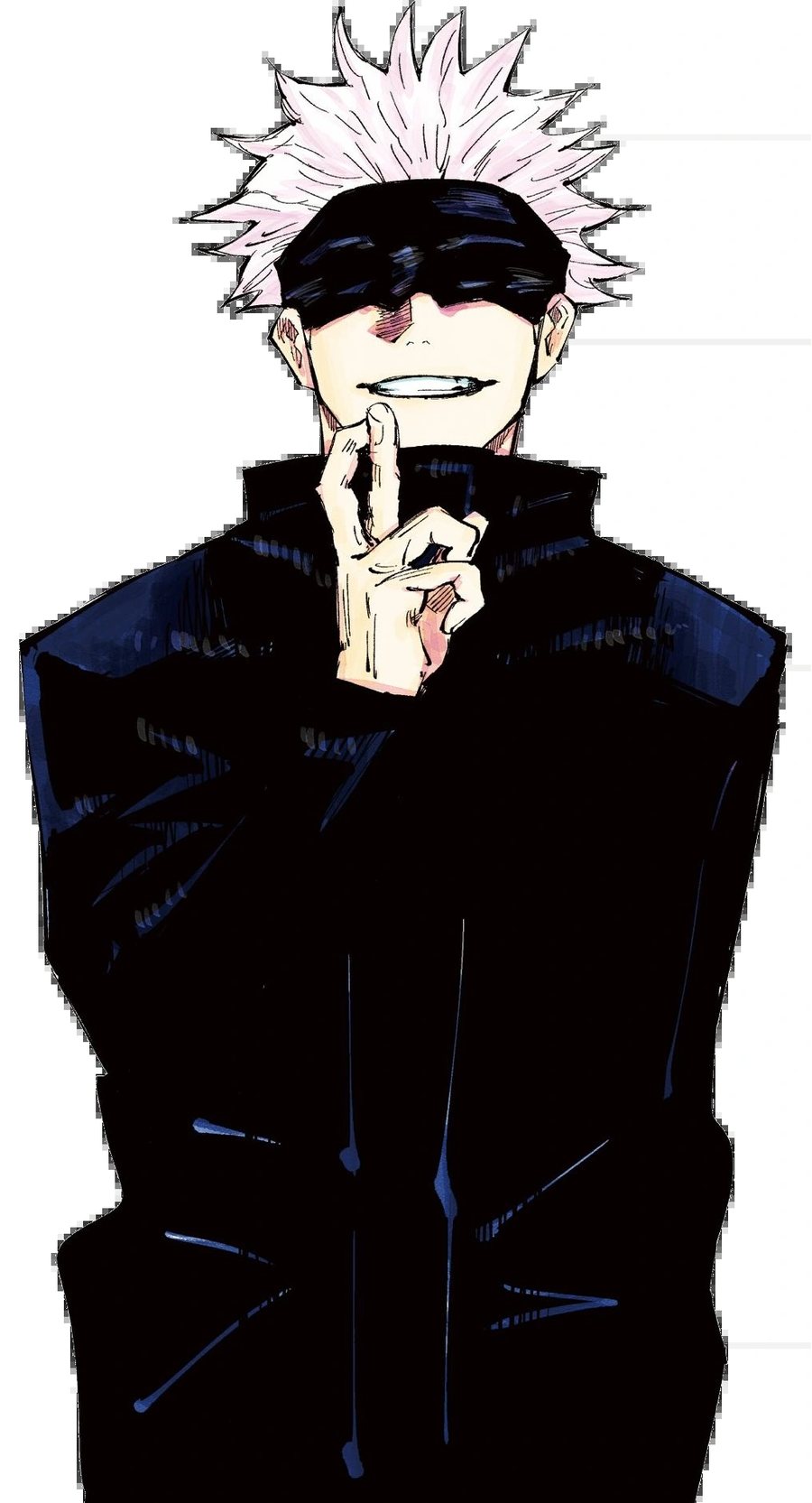
Cursed energy is generated by negative human emotion — fear, hatred, regret. It leaks out of ordinary people constantly and pools into curses. Sorcerers are the rare individuals who can control their own output and shape it into a cursed technique.
What makes it the most interesting system currently running is the binding vow: a sorcerer can gain power by accepting a permanent restriction. Explaining your technique to your opponent makes it stronger. Swearing never to use an ability again buys strength elsewhere.
This turns power into a negotiation rather than a quantity, and it is why Jujutsu Kaisen fights can be won by the weaker party without it feeling arbitrary.
Read the full cursed energy guide →
Devil Fruits and Haki (One Piece)
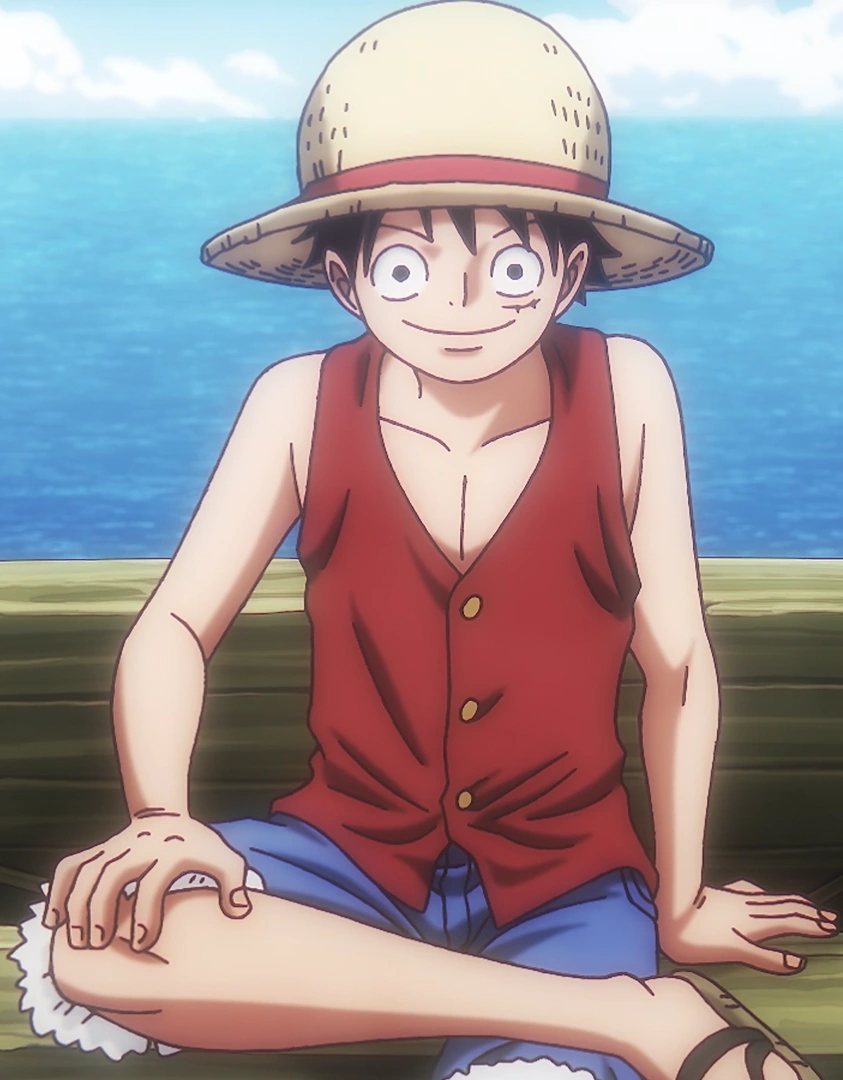
One Piece runs two systems at once, which is unusual and largely why it has stayed coherent for over 1,100 chapters.
Devil Fruits grant a specific, often bizarre ability — rubber limbs, control of magma, the power to slice anything. They are acquired, not earned: eat the fruit, get the power, lose the ability to swim forever. One fruit per person.
Haki is the opposite: willpower refined through training, available in principle to anyone, with no supernatural bargain attached. Armament hardens, Observation predicts, and Conqueror’s asserts dominance over those with weaker will.
The pairing solves a problem most series never escape. Devil Fruits provide variety and spectacle; Haki provides a ladder anyone can climb. Without Haki, every fight would reduce to whose fruit is better — a lottery. Haki is what lets skill beat inheritance.
Devil Fruits explained → · Haki explained →
Nen (Hunter × Hunter)
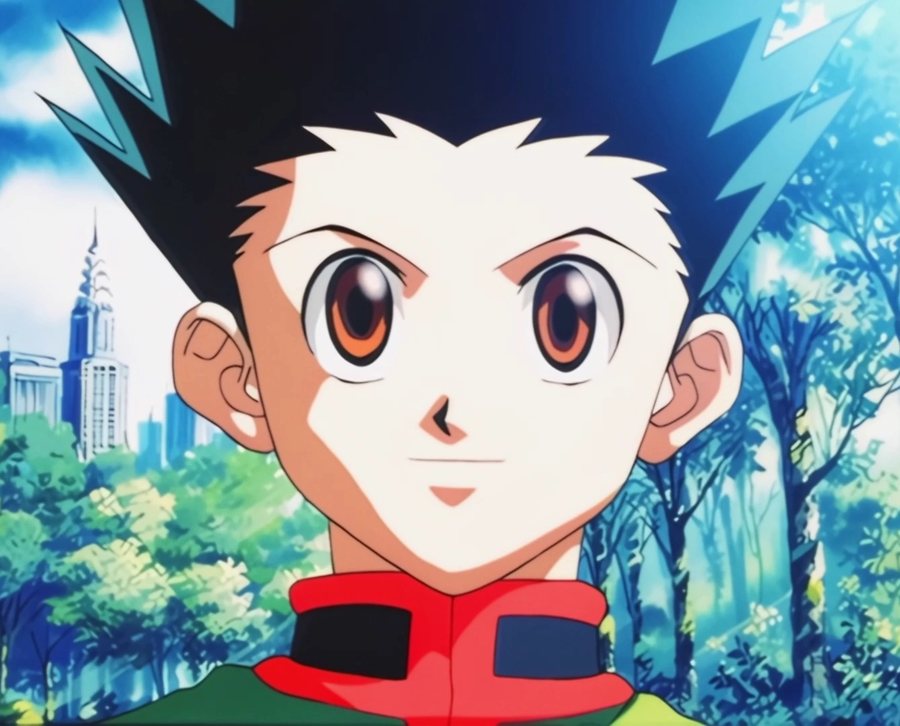
Nen is life energy, called aura, released by opening the body’s aura nodes. Every user falls into one of six categories — Enhancer, Emitter, Transmuter, Conjurer, Manipulator, Specialist — determined by personality, and users are least efficient at the categories furthest from their own.
Nen’s signature mechanic is the self-imposed condition: you can make an ability dramatically stronger by attaching restrictions to it. Limit it to one use a day, or to opponents who have said your name, and its power rises accordingly.
This is widely considered the most rigorous power system in the medium, because it converts character psychology directly into combat capability. A character’s limitations are literally their strength.
Quirks (My Hero Academia)
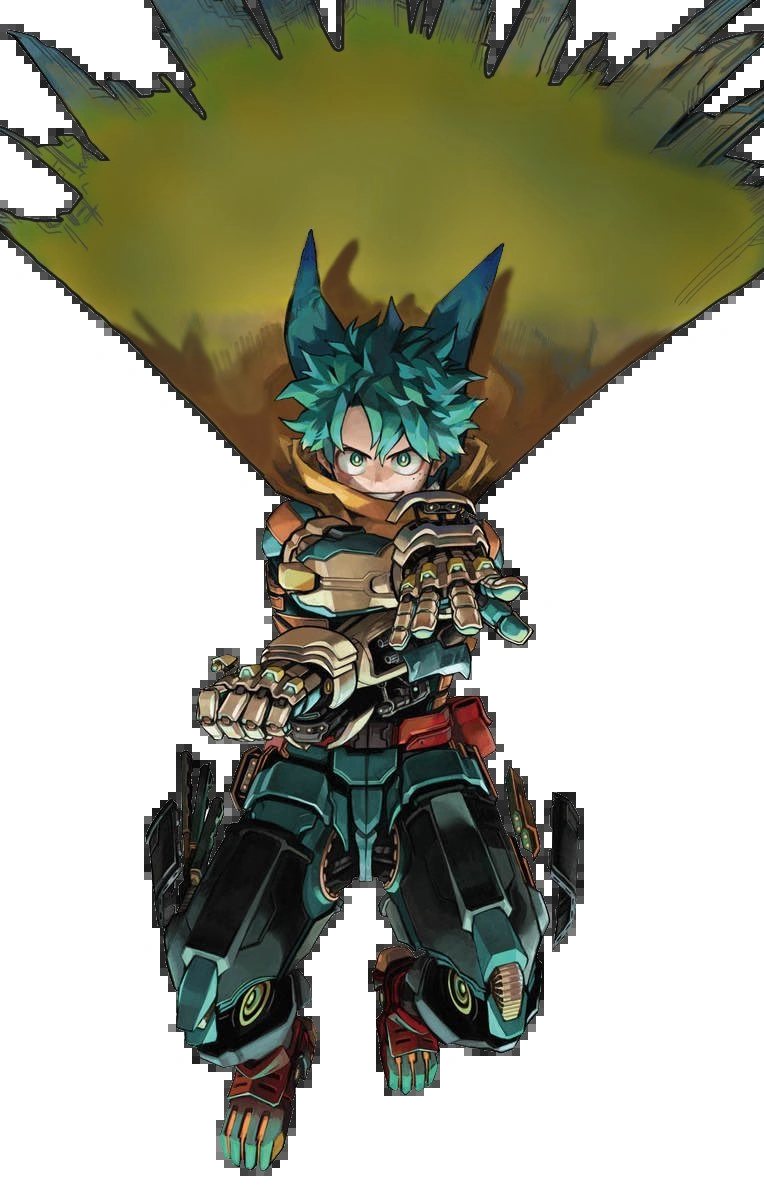
Quirks are genetic superpowers that roughly 80% of the population is born with, typically manifesting around age four. They are inherited, not trained into existence — though how well you use one is entirely down to training.
The limiting principle is the body. Quirks strain the user physically, and overuse causes real injury; the series is unusually willing to break its protagonist’s bones to make the point.
Its most distinctive feature is societal rather than mechanical. My Hero Academia is the only major system here that asks what happens when superpowers are ordinary — where they are regulated, licensed, and turned into a career path.
What Separates a Good Power System From a Bad One
Having read across all five, one pattern is consistent enough to state as a rule:
The systems that hold up are the ones where power is bought with something, not accumulated.
Nen and cursed energy both make you trade. A restriction, a vow, a condition — you give up flexibility to gain force. Because the currency is finite and specific, a weaker character can beat a stronger one by trading more cleverly, and the audience can follow exactly why.
Chakra and Quirks are largely quantitative. More reserves, better Quirk, more power. Systems like these are easier to introduce and much harder to sustain, because the only way to raise stakes is to raise numbers — and numbers have no ceiling. This is the mechanical root of the power creep both series are routinely criticized for.
One Piece sits in between deliberately, and that is the smartest structural decision in modern shonen: an acquisition-based system for variety, and a training-based system for progression, so neither has to carry the whole load.
The practical test, if you are evaluating a new series: ask whether a fight could be won by the weaker character through good decisions. If yes, the system is doing real work. If the only path to victory is a bigger number, it is decoration.
Where to Go Next
- The strongest Naruto characters, ranked
- The strongest Jujutsu Kaisen characters, ranked
- The strongest One Piece characters, ranked
- The strongest Hunter × Hunter characters, ranked
- The strongest My Hero Academia characters, ranked
- The strongest anime characters of all time
If you want to read the source material rather than watch it, all five series are published in English by Viz Media’s Shonen Jump, and Anime News Network’s encyclopedia is the most reliable reference for staff, studio, and release data. Jujutsu Kaisen and My Hero Academia both stream officially on Crunchyroll.
Frequently Asked Questions
What is the most complex anime power system?
Nen from Hunter × Hunter is the usual answer. Its six categories, aura-control disciplines, and self-imposed conditions make it the most formally specified system in mainstream anime.
What is the difference between chakra and cursed energy?
Chakra is neutral energy formed from physical and spiritual reserves, and nearly anyone can train to use it. Cursed energy is generated specifically by negative emotion, and only rare individuals can control it.
Why does One Piece have two power systems?
Devil Fruits supply variety but are acquired by chance, while Haki is trained and available to anyone. Running both means skill can overcome a lucky power, which keeps fights from being decided purely by which fruit someone ate.
Which anime power system is the most balanced?
Cursed energy, because of binding vows. Since power is gained by accepting restrictions rather than by accumulating reserves, weaker characters have a credible route to beating stronger ones.