Goku vs. Saitama comes down to two different kinds of infinite: Goku’s power is trackable across forms, feats, and confirmed hierarchies, while Saitama’s is a narrative absolute that has never been tested. Judged by hard numbers, Goku has the stronger paper trail. Judged by the actual text of both stories, Saitama cannot lose — that’s the joke.
Last updated: August 30, 2026
This is one of the internet’s most argued crossover matchups precisely because it isn’t really a fair fight to score in the first place: Dragon Ball is a straight-faced power-escalation shonen where strength is measured, named, and ranked on purpose, and One-Punch Man is a parody of that exact genre where the joke only works if its hero’s ceiling is never shown. Here’s what the feats actually say, and why the comparison breaks down the moment you try to force one scale onto both.
Goku’s Case for the Win
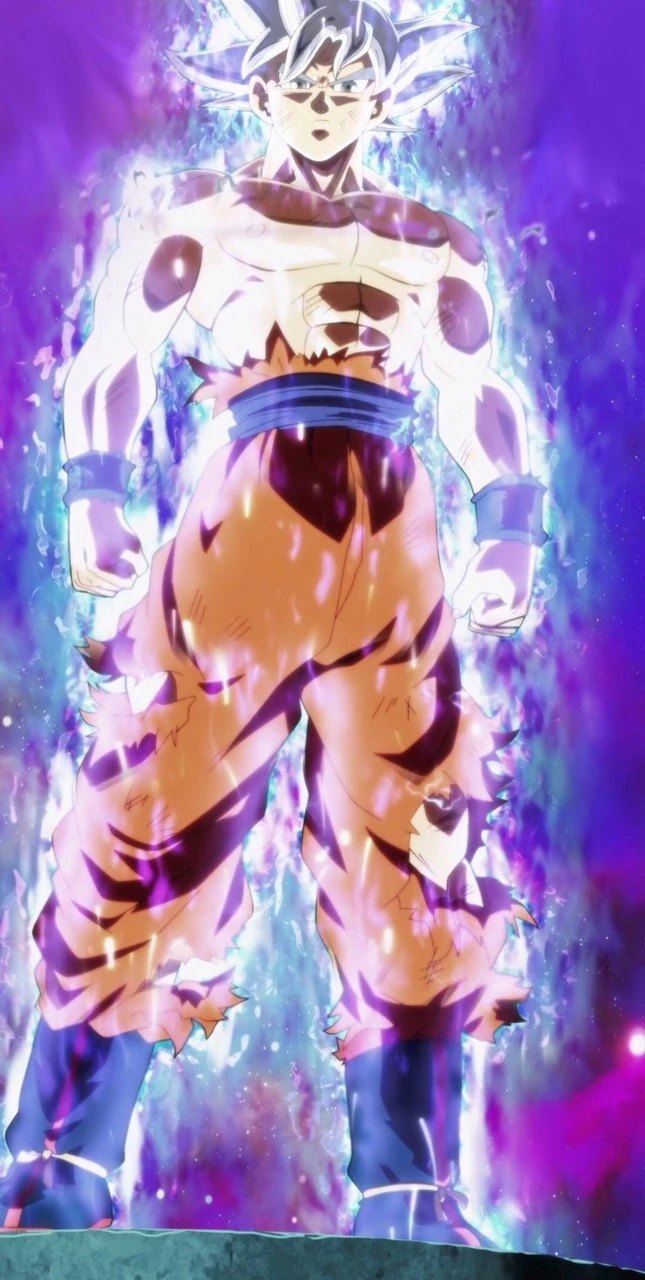
Goku’s case rests on evidence the story tracks on purpose: canon power tiers, named transformations, and confirmed feats. He mastered Ultra Instinct — a technique gods use — well enough to fight the universe-class brawler Jiren to a standstill, and Dragon Ball treats “how strong is Goku now” as its central, trackable plot engine, not a punchline.
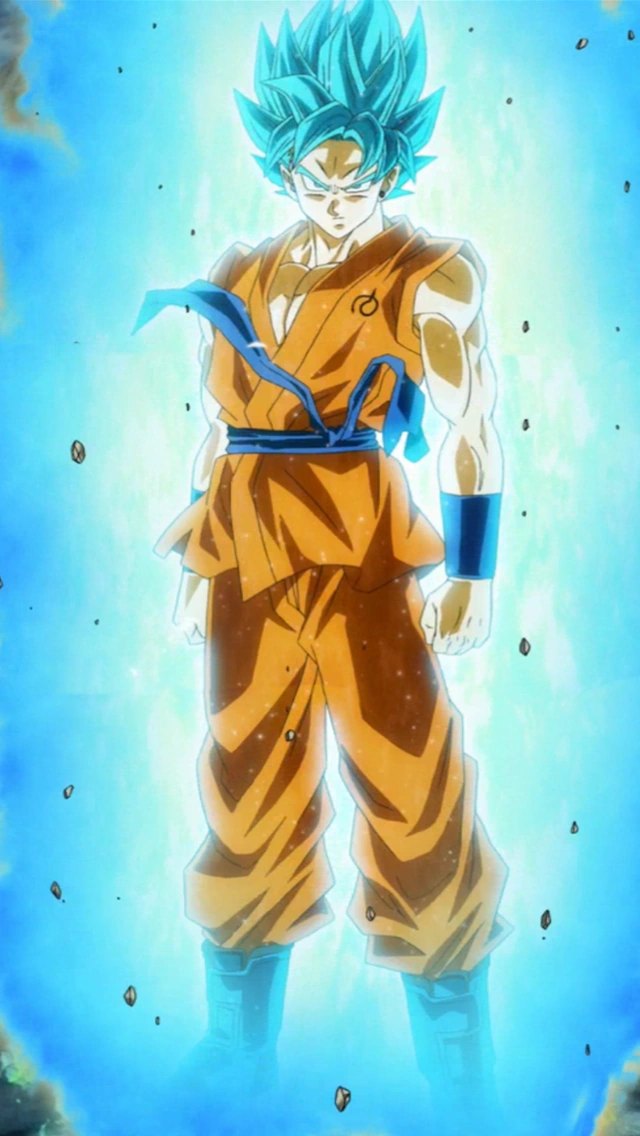
By the end of Dragon Ball Super, Goku’s confirmed toolkit runs from base Super Saiyan through Super Saiyan Blue (a god-tier transformation unlocked through Beerus and Whis’s own training) up to Ultra Instinct, a reflexive combat state so advanced that even a god of destruction only partially commands it. He first masters it on-screen fighting Jiren in Dragon Ball Super episode 129, which aired March 4, 2018 — a fight that pushed the Tournament of Power to its final seconds rather than ending it outright. Later manga arcs (the Moro arc, 2018–2020, and the Granolah the Survivor arc, 2020–2022) have Goku reach Ultra Instinct under his own power, with no god intervening, raising his ceiling again. For where that lands him among the rest of his own cast, see our breakdown of the strongest Dragon Ball characters, and our explainer on what Ultra Instinct actually is.
That trackability isn’t incidental — it’s the entire design of the franchise. Akira Toriyama built Dragon Ball around literal numbers from early on, introducing scouters that read out combat strength as an on-screen figure during the Saiyan and Frieza sagas. Every escalation since has followed that same logic: a new form, a stated or implied jump in output, and a fight that tests it against a known quantity. Goku sits below the gods of destruction like Beerus in that hierarchy — he has never beaten one in a straight fight — but he is close enough to their tier that Beerus and Whis both take him seriously as a student and a threat, which is itself a data point Dragon Ball treats as meaningful.
Saitama’s Case for the Win
Saitama’s case is different in kind, not just degree: he has never lost a single fight since the manga began, one-shots opponents ranging from mutated monsters to a cosmic conqueror who casually leveled a city block, and the story’s core rule — baked in by creator ONE — is that no fight is allowed to end any other way.

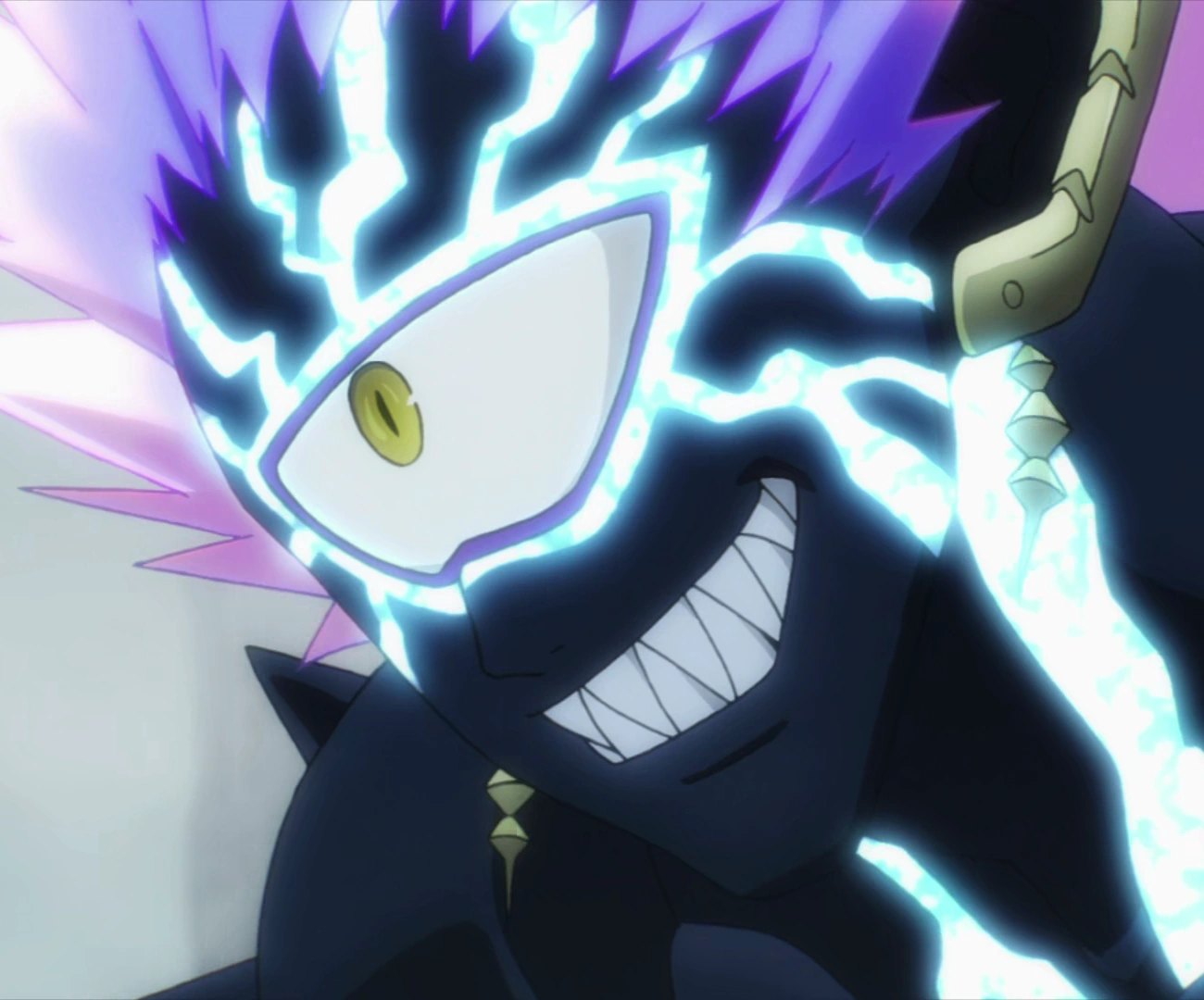
Saitama’s toughest confirmed opponent to date is Boros, the alien conqueror who survives more hits than any fighter before or since in Saitama vs. Boros, the fight that closes One-Punch Man’s anime season 1 in episode 12, which aired December 21, 2015. Boros kicks Saitama clear to the Moon with his Meteoric Burst and survives the fight longer than any opponent before or since, then throws his planet-threatening Collapsing Star Roaring Cannon as a last resort — which Saitama answers with a single Serious Punch. Later manga arcs escalate further: the still-unresolved fight with the mysterious “God,” and Saitama’s clash with a cosmic-scale Garou, both raise the stakes without ever showing what Saitama actually has left in reserve. As of July 2026, the One-Punch Man manga has sold more than 38 million copies in circulation across 37 volumes, according to ComicBook.com’s sales tracking — proof the joke has not worn out its welcome.
The premise itself is the point. ONE originally serialized One-Punch Man as a free webcomic in 2009, drawing it himself in a deliberately rough style, as a reaction to superhero and shonen fights that take themselves too seriously. Yusuke Murata’s illustrated remake, which began in 2012 and is the version most readers know today, kept that founding joke intact even as the art became some of the best action linework in modern manga: Saitama trained to the point of becoming unbeatable, and the tragedy underneath the comedy is that winning that completely costs him the thrill of the fight itself. Every opponent who looks like a credible threat to a normal hero exists to make that boredom land, not to test where Saitama’s limit actually is.
Goku vs. Saitama: Head-to-Head Comparison
Laid side by side, the two records look like they belong to different kinds of chart: Goku’s column is full of named tiers, dates, and specific battles, while Saitama’s column keeps returning to the same word — undefined. That asymmetry is itself the most useful data point in this matchup.
| Category | Goku | Saitama |
|---|---|---|
| Verified power ceiling | Multiversal-tier (Tournament of Power, Broly and Moro/Granolah arcs) | Undefined by design — never shown on-panel |
| Signature technique | Mastered Ultra Instinct (debuted DBS ep. 129, March 4, 2018) | Serious Punch / Serious Series |
| Toughest confirmed win | Fought Jiren to a standstill (Tournament of Power finale, 2018) | One-shot Boros with a Serious Punch (OPM anime ep. 12, Dec. 21, 2015) |
| Career losses | Multiple (defeated or outmatched by Beerus, early Frieza, Jiren by ring-out) | Zero across the entire published series |
| Stated power source | Ki cultivation, godly training, canon transformations | 100 push-ups / sit-ups / squats + 10km run daily — presented as a joke, not an origin |
| Franchise scale (dated) | Dragon Ball hit a Bandai Namco company revenue record of 190.6 billion yen in FY2024–2025 | One-Punch Man manga at 38M+ copies in circulation, vols. 1–37, as of July 2026 |
Why This Matchup Is Genuinely Hard to Judge
This fight resists a clean verdict because the two franchises are not using the same measurement system. Dragon Ball’s power scaling is diegetic — the story itself tracks and ranks it. One-Punch Man’s is anti-diegetic on purpose: Saitama’s strength exists specifically so it can never be measured, because an unbeatable hero played completely straight is the entire joke.
Here’s the sharper version of that problem, and it’s the one most power-scaling debates skip past: comparing Goku and Saitama assumes both stories are reporting the same kind of fact. Dragon Ball reports an in-universe fact — a power level as a measurable output the plot itself tracks, argues about, and revises. One-Punch Man reports an authorial fact — a promise the creator makes to the reader that this specific joke will never be spent, no matter how absurd the opponent gets. Averaging an in-universe measurement against an authorial guarantee isn’t a hard calculation, it’s a category error — like asking whether a ruler is heavier than a punchline. Most “who would win” breakdowns quietly pick one unit and pretend the other franchise uses it too; that’s where the disagreement actually comes from, not from any missing feat.
This is also why community power-scaling wikis and “VS battles” forums tend to talk past each other on this exact matchup: they try to assign Saitama a hypothetical numeric value by extrapolating from things like wind pressure from his punches or the size of craters he leaves, then plug that estimate into the same chart Goku’s feats sit on. That method works fine between two Dragon Ball characters, because both sides of the comparison come from a story that intends its numbers to be compared. Applying it to Saitama treats a joke the text refuses to quantify as if it were a stat the text forgot to mention — a small methodological choice that quietly decides the debate’s outcome before a single feat is compared.
It’s also why this matchup is such a popular subject for anime debate content in the first place: unlike two characters from the same continuity, there is no panel anyone can point to that settles it, so the argument regenerates every time it comes up.
Final Verdict
The honest answer: on Dragon Ball’s own terms, Goku loses — nothing in his verified toolkit, including Mastered Ultra Instinct, has a track record of one-shotting an opponent who is explicitly written to never lose. On any terms a power-scaling chart can actually plot, though, Saitama isn’t really a data point; he’s the joke the chart was never built to hold.
So: Saitama wins the fight, by the only rule One-Punch Man has ever guaranteed. Goku wins the argument about why scoring that fight at all misreads what either story is doing. Both things are true at once, and that’s not a cop-out — it’s the actual answer this specific matchup has.
Frequently Asked Questions
Who would actually win, Goku or Saitama?
Saitama, by narrative design — he has never lost a single fight, and One-Punch Man’s entire premise depends on that record staying intact no matter who he faces, including a character with Goku’s verified feats.
Has Saitama ever fought someone as strong as Goku?
Not in a directly comparable way. His toughest confirmed opponent is Boros, defeated in One-Punch Man’s anime episode 12 (Dec. 21, 2015); later manga arcs involving “God” and a cosmic-scale Garou raise the stakes further, but Saitama’s own ceiling is still never shown on-panel.
Is Ultra Instinct stronger than Saitama?
Ultra Instinct is Goku’s highest confirmed technique, first mastered on-screen in Dragon Ball Super episode 129 (March 4, 2018), but “stronger than Saitama” isn’t answerable in the same units — Saitama’s power is written to have no ceiling to measure it against.
Why doesn’t One-Punch Man ever show Saitama’s actual power level?
Because doing so would undercut the joke. One-Punch Man is a parody of power-escalation shonen like Dragon Ball, and giving Saitama a number would turn him into just another character on the exact chart the series is satirizing.