When you think of comic books, what comes to mind? Chances are, it’s a caped crusader soaring through the sky or a web-slinger swinging between skyscrapers. For decades, superheroes have dominated the comic book landscape, becoming synonymous with the medium itself. But what if I told you that’s just one small corner of a vast and incredibly diverse universe? Long before the current superhero boom, and even during its peak, other genres not only existed but thrived, shaping the very foundations of the comic book industry. From the bone-chilling horror of EC Comics to the dusty trails of the Western frontier and the heart-wrenching drama of romance titles, there’s a whole world of comic book genres waiting to be discovered. So, grab your reading glasses and get ready to explore the hidden history of comics beyond the cape.
The Golden Age of Genre: When Superheroes Weren’t the Only Game in Town
The period known as the Golden Age of Comic Books (roughly 1938 to 1956) is often remembered for the debut of iconic heroes like Superman and Captain America. However, it was also a time of incredible genre diversity. Publishers, eager to capture the attention of a wide readership, experimented with a variety of storytelling styles. War comics, crime stories, and jungle adventures filled the newsstands, offering readers a thrilling escape from the realities of a world at war. But it was in the post-war era that some of the most influential and controversial genres truly came into their own.
Horror Comics and the Rise of EC Comics
In the early 1950s, a small publisher named EC Comics, under the guidance of William Gaines and Al Feldstein, unleashed a torrent of horror comics that would forever change the industry. Titles like Tales from the Crypt, The Vault of Horror, and The Haunt of Fear became infamous for their gruesome stories and shocking twist endings. These comics, often featuring the work of legendary artists like Jack Davis and Wally Wood, pushed the boundaries of what was considered acceptable in mainstream entertainment. The stories were often morality tales, where characters who committed evil deeds met equally grisly fates. For a deeper dive into the history of horror comics, the Wikipedia page on Tales from the Crypt is an excellent resource.
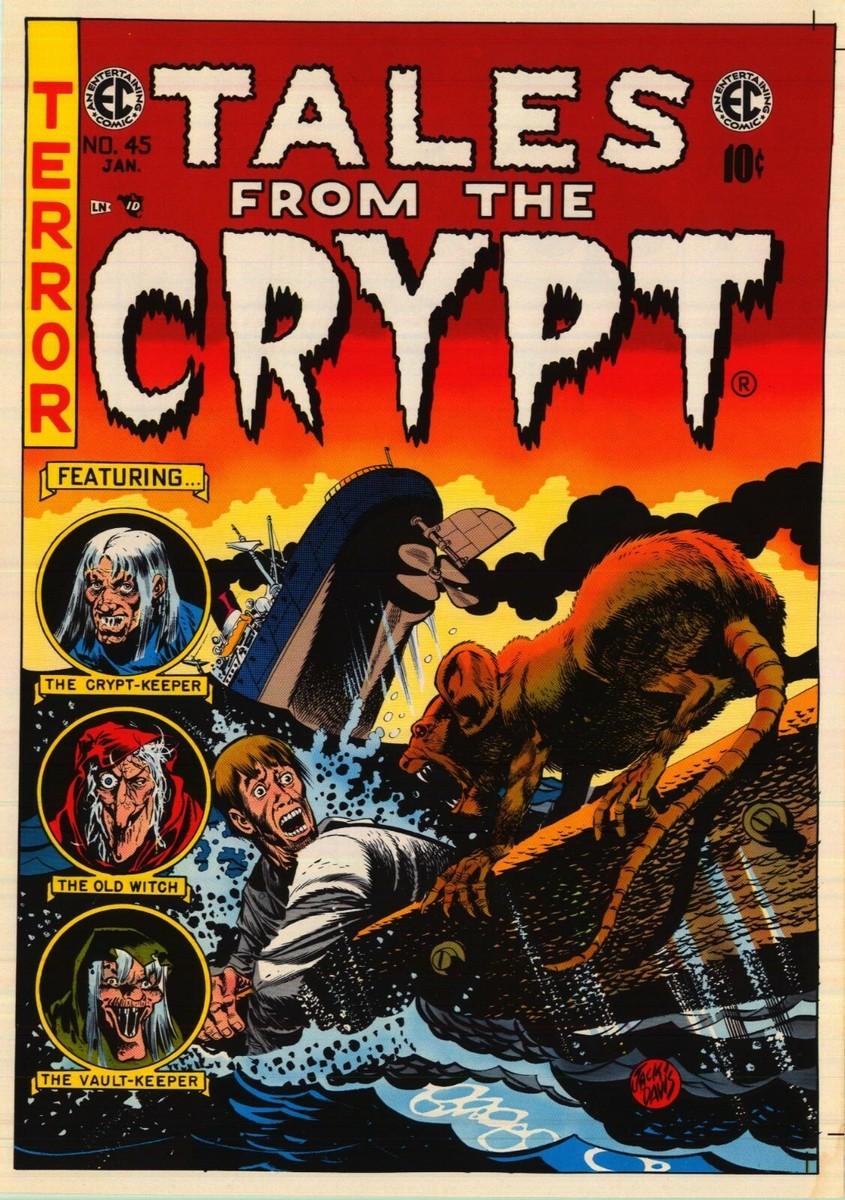
Caption: Tales from the Crypt #45 showcases the iconic horror comic art style that defined EC Comics in the 1950s. Credit: EC Comics Source: eBay
The success of EC’s horror line was short-lived. A moral panic, fueled by psychiatrist Fredric Wertham’s book Seduction of the Innocent, led to a public outcry against the perceived link between comics and juvenile delinquency. This culminated in the creation of the Comics Code Authority in 1954, a self-censoring body that effectively neutered the horror genre for decades. The Comics Code Authority history is a fascinating and crucial part of the industry’s story.
The Wild West in Four Colors
While horror comics were sending shivers down readers’ spines, another genre was capturing their imaginations: the Western. The allure of the American frontier, with its rugged cowboys, daring outlaws, and epic landscapes, translated perfectly to the comic book page. Characters like the Lone Ranger and Jonah Hex became household names, their adventures thrilling readers with tales of justice and survival in a lawless land.
Jonah Hex, in particular, stands out as a complex and enduring character. A former Confederate soldier turned bounty hunter, Hex is a far cry from the clean-cut heroes of the superhero genre. With his scarred face and cynical attitude, he represents a darker, more realistic take on the Western hero. The character has been reinvented many times over the years, with modern series like All-Star Western placing him in the gritty underbelly of 19th-century Gotham. For those interested in exploring the best of the genre, I Review Westerns offers a comprehensive guide to the best Western comics and graphic novels.
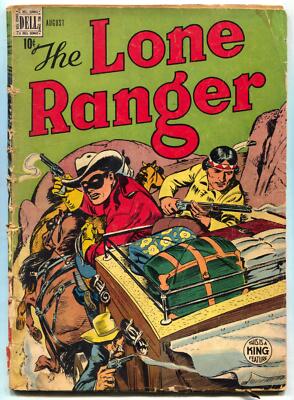
Caption: The Lone Ranger Comics #14 from 1949 exemplifies the classic western comic book genre. Credit: Dell Comics Source: eBay
Love on the Newsstands: The Romance Comics Craze
Perhaps the most surprising genre to dominate the comic book market was romance. In the post-war era, as soldiers returned home and the nation turned its attention to domestic life, romance comics exploded in popularity. Created by Joe Simon and Jack Kirby (the same duo who created Captain America), Young Romance launched in 1947 and is widely considered the first romance comic. The genre quickly became a sensation, with dozens of titles flooding the market.
These comics, with their dramatic covers and emotionally charged stories, catered to a predominantly female audience. They explored the trials and tribulations of love, heartbreak, and marriage, offering readers a glimpse into the romantic lives of everyday people. While the stories may seem tame by today’s standards, they were a significant cultural phenomenon, at one point accounting for a quarter of all comic book sales. The rise and fall of this genre is a testament to the ever-changing tastes of the comic-reading public. A great resource for this topic is Comic Book Treasury’s history of romance comics.
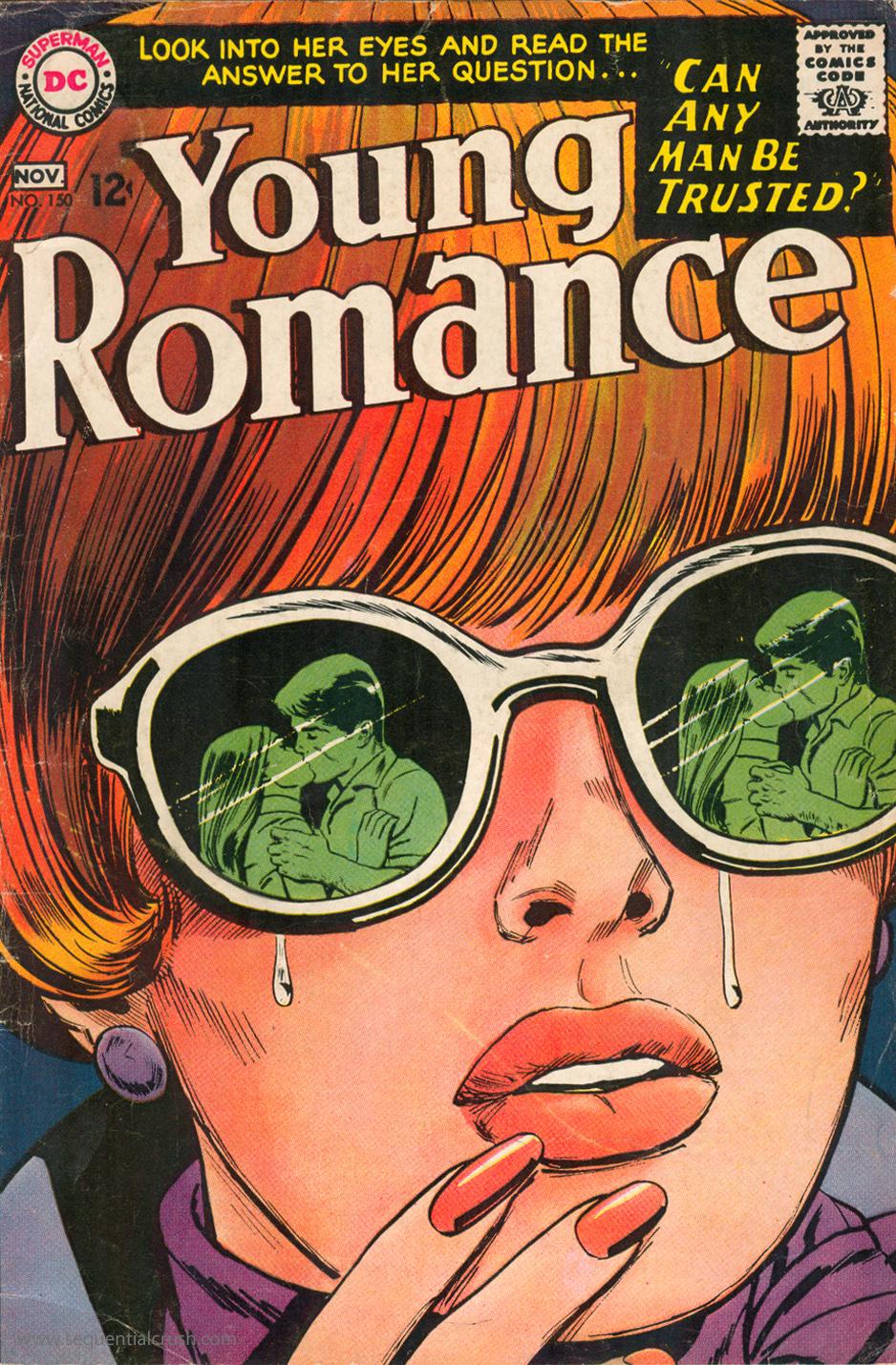
Caption: Young Romance #150 represents the romance comics genre that dominated newsstands in the late 1940s and 1950s. Credit: DC Comics Source: Sequential Crush
Blasting Off with Science Fiction
Alongside horror, EC Comics also pioneered the science fiction genre with titles like Weird Science and Weird Fantasy. These comics, again featuring the stunning art of Wally Wood and others, transported readers to distant galaxies, introduced them to bizarre alien lifeforms, and explored the potential wonders and dangers of future technology. Like their horror counterparts, EC’s science fiction stories often had a moralistic bent, warning against the dangers of unchecked ambition and prejudice.
Many of the stories were adaptations of works by acclaimed science fiction authors like Ray Bradbury, bringing literary sci-fi to a mass audience for the first time. The influence of these comics can be seen in countless films and television shows, from The Twilight Zone to Star Trek. For a look at how mythology has shaped modern heroes, check out our article on how mythology shaped modern superheroes.
The Enduring Legacy of Genre Comics
While superheroes may still be the face of the comic book industry, the legacy of these other genres is undeniable. They not only provided a diverse range of stories for readers but also pushed the boundaries of the medium, both artistically and thematically. The influence of horror, western, romance, and sci-fi comics can still be felt today, with many modern creators drawing inspiration from these classic tales.
So, the next time you’re at your local comic shop, take a look beyond the superhero section. You might be surprised at the incredible variety of stories waiting to be discovered. Whether you’re a fan of spine-tingling horror, action-packed westerns, or heart-fluttering romance, there’s a comic book out there for you. The world of comics is a rich and varied tapestry, and superheroes are just one of the many colorful threads that make it so special.
Resources
- https://en.wikipedia.org/wiki/Tales_from_the_Crypt_(comics)
- https://ireviewwesterns.com/best-western-comics-and-graphic-novels/
- https://www.comicbooktreasury.com/romance-comics-history/
- https://en.wikipedia.org/wiki/Weird_Science_(comics)