DC’s Elseworlds and Marvel’s What If both answer the same question — “what if this classic story went differently?” — but they solve it with different machines. Elseworlds pulls characters out of continuity entirely to tell a standalone thematic story; What If…? stays tethered to mainline Marvel canon and treats the divergence itself as the point.
Here’s the test that actually shows the difference: give both universes the exact same premise — Superman’s rocket lands somewhere other than Kansas. DC’s version becomes a graphic novel about Cold War propaganda. Marvel’s version becomes a five-minute Disney+ episode with a joke in the middle. Same what-if, completely different machine built to answer it. Here’s how each one actually works.
What Is DC’s Elseworlds Imprint?
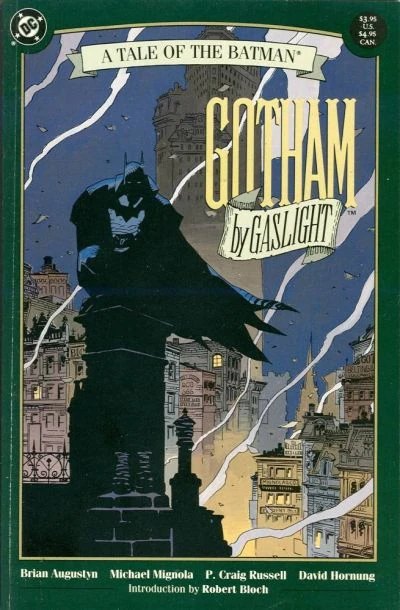
Elseworlds is a DC Comics imprint for stories that remove familiar heroes from official continuity and drop them somewhere else entirely — a different era, a different morality, a different outcome for a death that mainline continuity won’t allow. Nothing in an Elseworlds book has to connect to anything else DC publishes, which is exactly what frees the story up to ask a real question instead of protecting a status quo.
DC trademarked the name in 1989, and Batman: Gotham by Gaslight — a Victorian-era Batman hunting Jack the Ripper, by Brian Augustyn and Mike Mignola — was retroactively declared the line’s first entry after readers responded to it. Oddly, it wasn’t labeled “Elseworlds” when it first came out; the imprint name didn’t exist yet. The two books that made the format’s reputation came after: Superman: Red Son (Superman’s rocket lands in Soviet Ukraine instead of Kansas) and 1996’s Kingdom Come, Mark Waid and Alex Ross’s painted story about an older Justice League forced back into action. DC’s own history of the imprint covers how it grew from one book into a whole shelf.
What Is Marvel’s What If…?
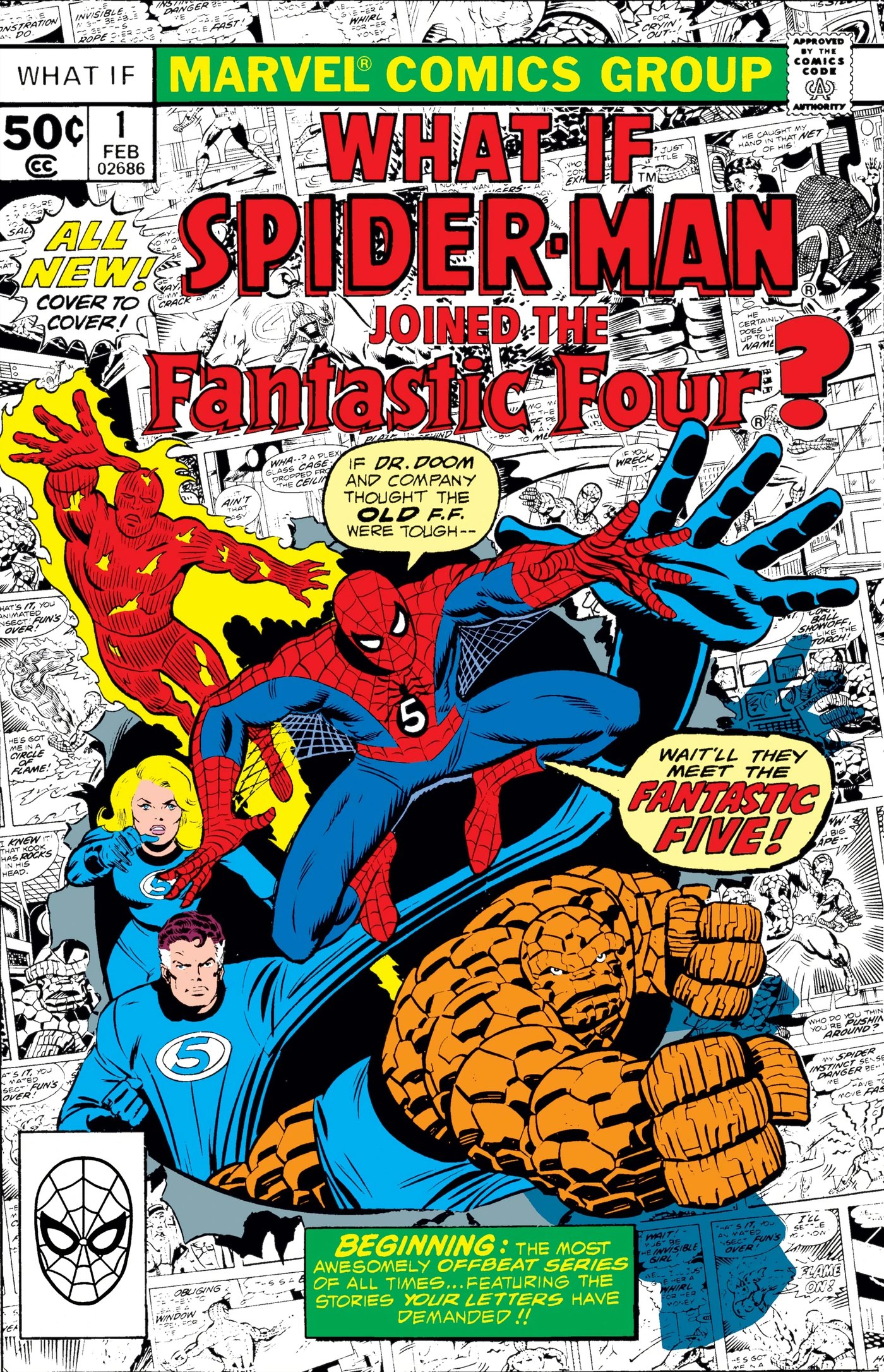
What If…? is Marvel’s long-running anthology series built around a single divergence inside continuity that still counts — the Marvel multiverse’s rules apply, there’s just a different timeline where one choice went another way. What If…? #1 (February 1977) opened with the question “What If Spider-Man Had Joined the Fantastic Four?” and set the format every issue since has followed: a single changed decision, then the full chain of consequences.
That consequence-chain structure needs a narrator who can see every branch at once, which is why Uatu the Watcher — one of an alien race sworn to observe but never interfere — hosts almost every issue. Marvel leaned on exactly that setup for the 2021 Disney+ animated series, which is why the show feels like an anthology of trailers for movies that never got made rather than a standalone DC-style graphic novel: it inherited the comic’s format, not just its title. The full publication history runs through every volume since 1977.
Elseworlds vs. What If…?: The Real Difference
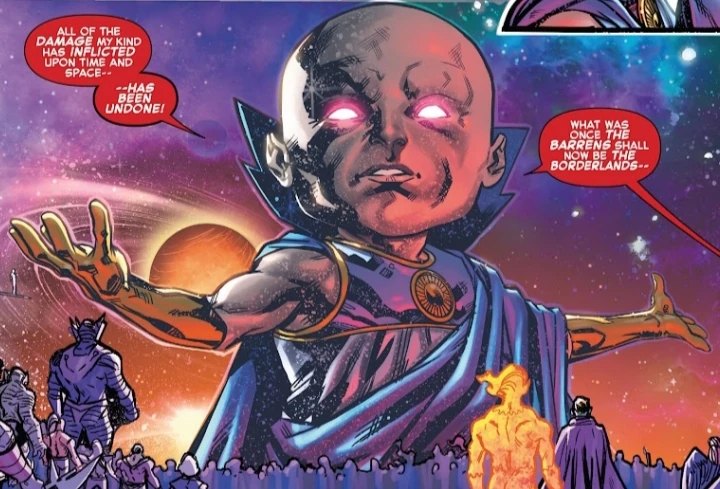
Both formats start from “imagine if,” and that surface similarity is why they get confused. The actual difference is what each one is allowed to keep. Elseworlds throws away continuity on purpose, which is what lets Red Son turn Superman into a political argument. What If…? keeps continuity’s rules intact on purpose, which is what makes Uatu’s narration land as tragedy instead of trivia — he’s always describing a timeline that could have been the real one.
| DC’s Elseworlds | Marvel’s What If…? | |
|---|---|---|
| Launched | 1989 (Gotham by Gaslight) | 1977 (What If…? #1) |
| Continuity | Fully disconnected | A branch, still governed by Marvel’s rules |
| Narrator | None — told straight | Uatu the Watcher, almost always |
| Best for | A complete reinvention of a character | One changed decision and its fallout |
| Modern successor | The Absolute Universe (2024–) | Disney+ animated series (2021–) |
The Best Elseworlds Stories to Start With
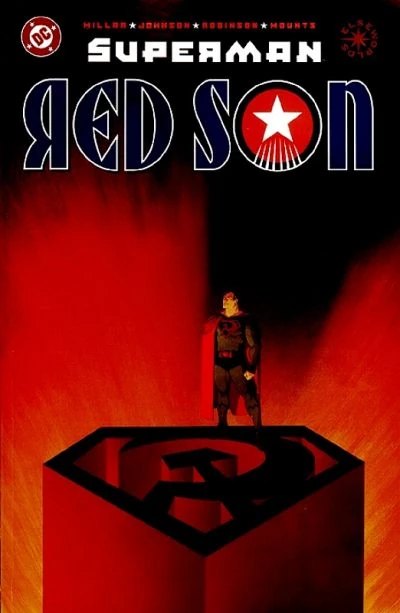
Superman: Red Son is the easiest entry point: Superman’s rocket lands in Soviet Ukraine instead of Kansas, and he grows up to become the USSR’s weapon instead of America’s. It works because it takes Superman’s actual values seriously and asks what they’d produce under a different flag, rather than just making him evil.
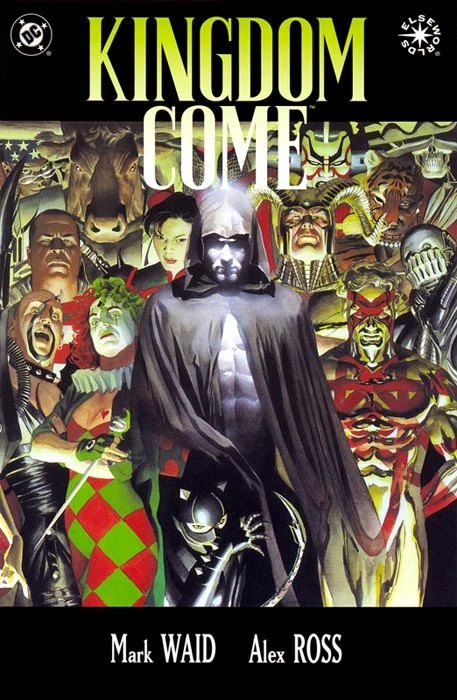
Kingdom Come is the one most fans call the best Elseworlds story ever made, and the reason is Alex Ross’s painted art doing something a continuity book never could: aging these characters in real, visible ways and asking whether the next generation of heroes actually deserves to inherit the mantle.
Gotham by Gaslight is worth reading last, not first — it’s thinner than the other two, but it’s the one that proved the whole approach could work, which is why DC built an imprint around it instead of treating it as a one-off.
The Best What If…? Stories to Start With
“What If Spider-Man Had Joined the Fantastic Four?” — the original 1977 issue — is the cleanest demonstration of the format: one small decision (Reed and Sue call Spider-Man back and recruit him instead of turning him away) and Uatu walks you through everything it changes, down to a public that treats Spider-Man as a hero instead of a menace the Daily Bugle gets to define.
For anyone who’d rather watch than read, the Disney+ animated series is built from the same bones — its best episodes, like the one where T’Challa becomes Star-Lord instead of Peter Quill, work for the same reason the comics do: one divergence, traced all the way through.
Why Elseworlds Became Absolute, and What If Became Canon
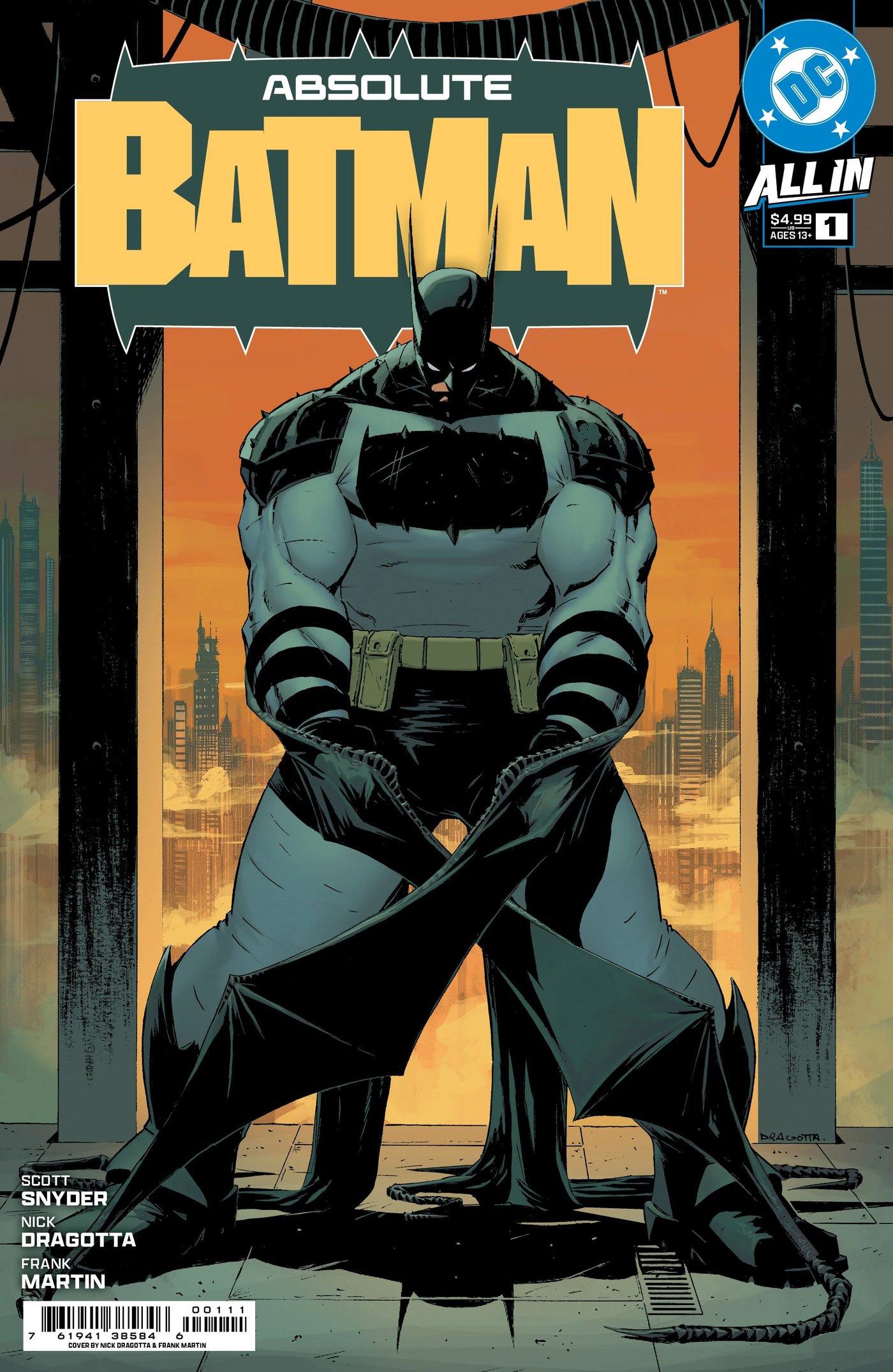
Both formats evolved into something more permanent rather than staying one-off experiments. DC folded the Elseworlds instinct into an ongoing, numbered universe: Absolute Batman launched October 9, 2024, reinventing Batman without the money, the mansion or the butler, and it became the best-selling comic in the direct market for 2024, moving just under 400,000 units across printings. That’s not a one-shot experiment anymore — it’s a second, ongoing DC line built on the same “what if we removed the safety net” logic Elseworlds started in 1989.
Marvel went the opposite direction: instead of spinning What If…? off into its own universe, it folded multiversal “what if” branches directly into mainline continuity through the Multiverse itself, where a once-hypothetical timeline can now show up as a real place other characters visit. For more on how that structure actually works, see our beginner’s guide to the Marvel and DC Multiverse. The two imprints started as the same idea solved two different ways in the 1970s and ’80s, and more than forty years later, they’re still diverging — just like everything else they’ve ever told a story about.
Read our full guide to the 15 best Batman comics of all time
Frequently Asked Questions
Is Kingdom Come an Elseworlds story?
Yes. Kingdom Come was published in 1996 under DC’s Elseworlds imprint, written by Mark Waid with painted art by Alex Ross, and it’s widely considered the best story the imprint ever produced.
Does What If…? count as Marvel canon?
It depends on the story. The original 1977 series and the Disney+ series present branching timelines that split off from a single changed decision — they’re canon to their own timeline, governed by the same rules as the main Marvel universe, even though their events don’t happen in Earth-616.
What’s the difference between Elseworlds and the Ultimate Universe?
The Ultimate Universe (Marvel) is an ongoing, numbered alternate universe with its own continuity that builds across many issues and writers, similar to what DC’s Absolute Universe is doing now. Elseworlds and What If…? are both built around standalone stories instead — closer to a one-shot than an ongoing universe.
What’s the best Elseworlds story to start with?
Superman: Red Son is the easiest entry point because it takes Superman’s actual values seriously and asks what they’d produce under a different flag. Kingdom Come is the more acclaimed, heavier read once you’re hooked.