The most powerful cosmic beings in comics rarely throw a punch. Marvel’s Living Tribunal tops this ranking of the ten biggest forces in Marvel and DC, chosen for cosmic authority rather than raw strength — the power to rewrite, judge or end reality outright, not just win a fight in it.
Here’s the thing: only two names on this list have ever actually thrown a punch on-panel. The other eight just said something, and the universe rearranged itself around the sentence. That’s the real hierarchy above every “strongest Avenger” or “strongest Justice League member” argument, and it gets stranger the closer you look at who’s actually running the show.
A quick ground rule: this list ranks cosmic beings — the abstracts, judges and multiversal architects — not street-level or even planet-level heroes and villains. If you want those, start with the strongest Avengers or the most powerful DC villains. This is the tier above that.
1. The Living Tribunal (Marvel)
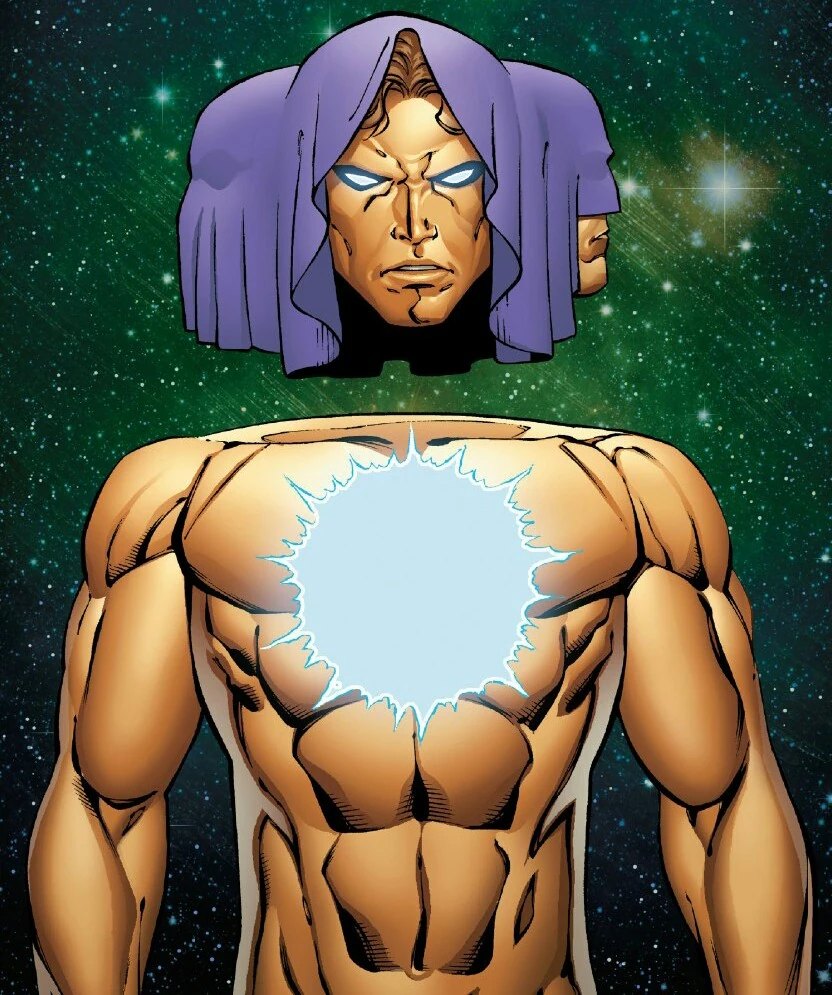
The Living Tribunal is Marvel’s cosmic judge, and the reason it sits at number one is simple: it’s the one entity on this list with the standing authority to erase an entire reality and make it stick. First appearing in Strange Tales #157 (June 1967), the three-faced Tribunal enforces balance across the Multiverse on behalf of powers even higher than itself, which rarely bother to show up in person.
That’s also why its one real loss matters so much. Jonathan Hickman’s Avengers run revealed the Beyonders murdered the Living Tribunal before 2015’s Secret Wars — and its death is specifically what removed the safeguard holding parallel universes apart, setting off the incursions that ended the Multiverse. Even Marvel’s highest-ranking judge can be removed by something bigger. It’s here at number one anyway, because nothing else on this list has ever had the job of deciding whether the universe deserves to keep existing. Marvel’s own writeup goes deeper on exactly who it answers to.
2. The Presence (DC)
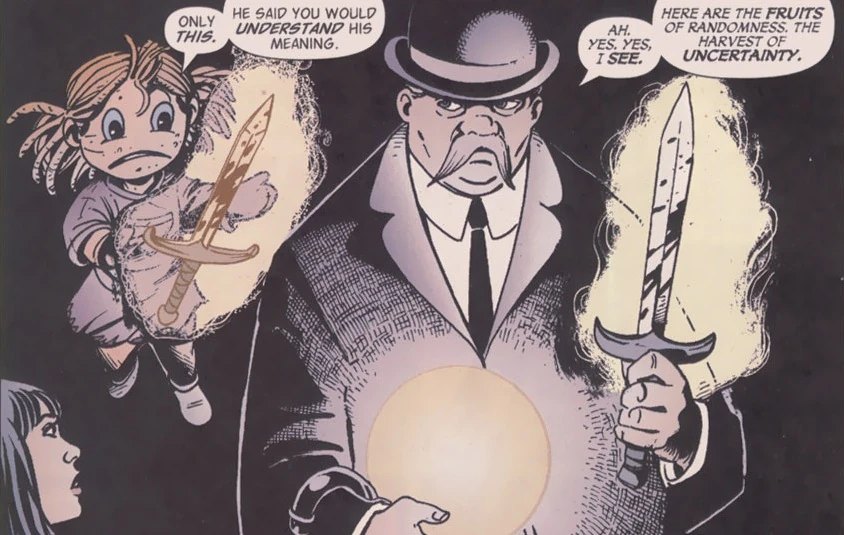
The Presence is DC’s answer to the Tribunal’s authority, but it works almost the opposite way: it doesn’t judge, it just is. Every major source of divine power in the DC multiverse — the Spectre, the New Gods, even Highfather — traces back to the Presence, usually depicted as an unassuming old man rather than anything that looks like a god.
That’s a deliberate choice DC keeps making with its biggest entities: the more power a being actually has, the less interested it is in looking like it. The Presence almost never acts directly, which is exactly why the Spectre exists — a being with nearly unlimited power still needs an enforcer willing to get its hands dirty.
3. Perpetua (DC)
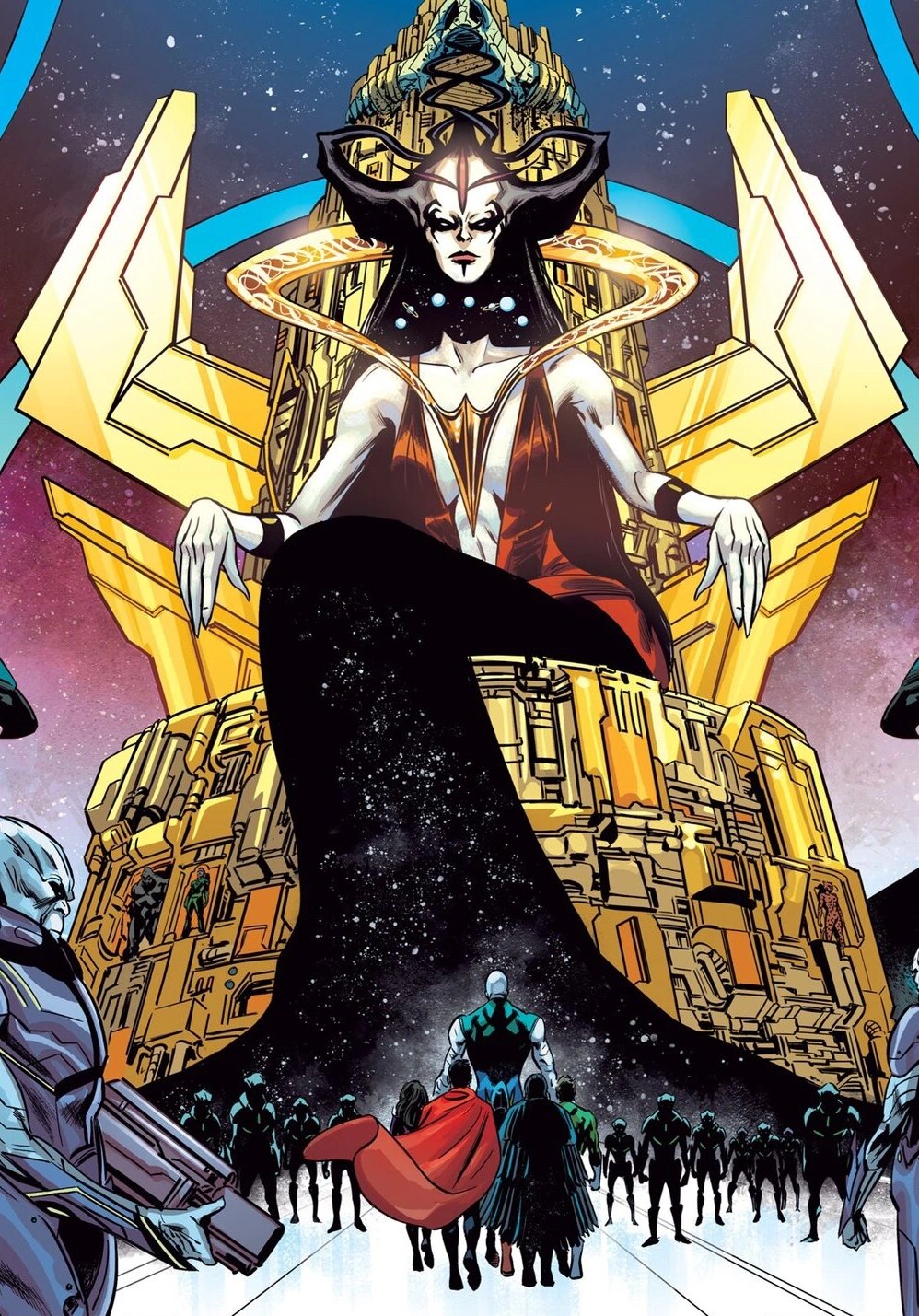
Perpetua, introduced in Justice League Vol. 4 #8 (November 2018), ranks this high for one reason: she didn’t just gain power inside the DC Multiverse, she built it. As the mother of the Monitor, Anti-Monitor and World Forger, she’s the closest thing DC has to a creator who outranks her own creations.
She spent most of her existence trapped behind the Source Wall for being judged too dangerous to leave loose — by forces that, notably, didn’t include the Presence stepping in personally. When the Wall came down in Dark Nights: Death Metal, she briefly took over the entire Multiverse. The fact that it took a multiversal prison to contain her, rather than a fight, tells you where she belongs on this list.
4. Eternity (Marvel)
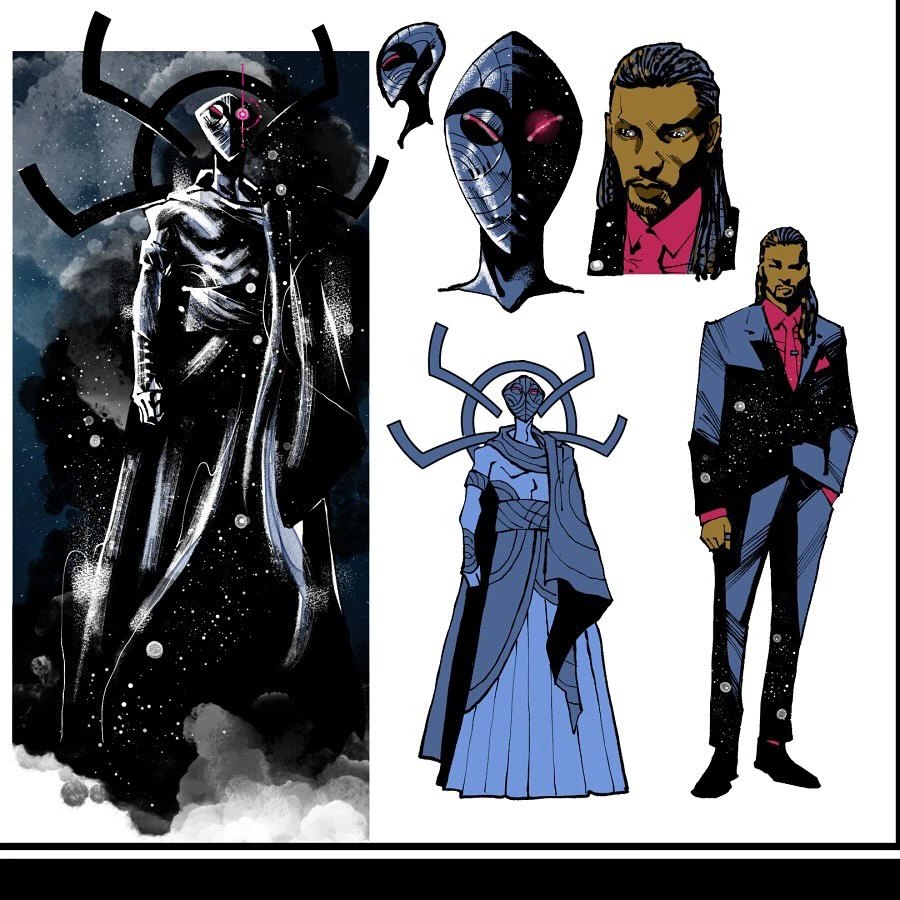
Eternity, first glimpsed in Strange Tales #138 (1965), isn’t a being who lives in the Marvel universe — Eternity is the Marvel universe, personified. Every galaxy, every atom, every hero who’s ever thrown a punch exists as part of Eternity’s body. Doctor Strange talks to it the way the rest of us talk to weather.
That scale is exactly why Eternity ranks below Perpetua and the Presence rather than above them: embodying a universe is enormous, but it’s still bounded by that universe. The beings above it on this list can act on realities other than their own. Eternity, for all its size, mostly can’t — Marvel’s character history on Eternity walks through exactly how far that body actually extends.
5. The Anti-Monitor (DC)
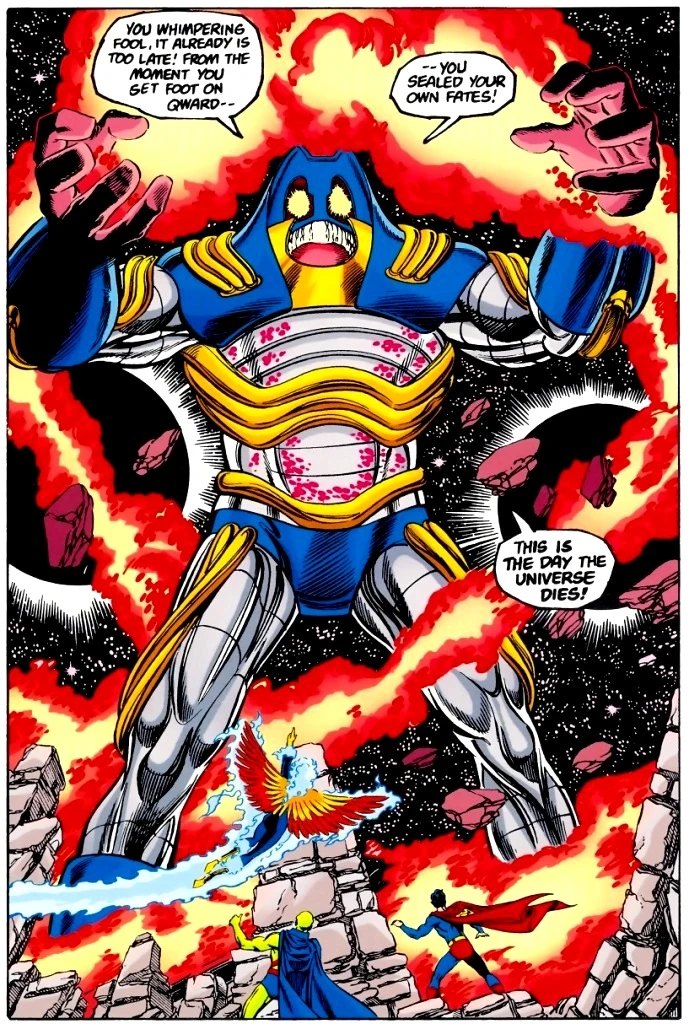
The Anti-Monitor earns the first spot on this list that actually involves violence. In 1985’s Crisis on Infinite Earths #1, it single-handedly destroyed an infinite number of parallel Earths, collapsing the DC Multiverse down to one merged universe — a company-wide reset that’s still the biggest body count in comics history, measured in entire realities instead of people.
What keeps it out of the top three is that it’s still fundamentally a weapon, not an authority. The Anti-Monitor destroys; it doesn’t judge, create or embody anything. Pure destructive scale is terrifying, but on this list it ranks below beings whose power is structural rather than explosive — see the full Crisis event for how total that reset actually was.
6. The Phoenix Force (Marvel)
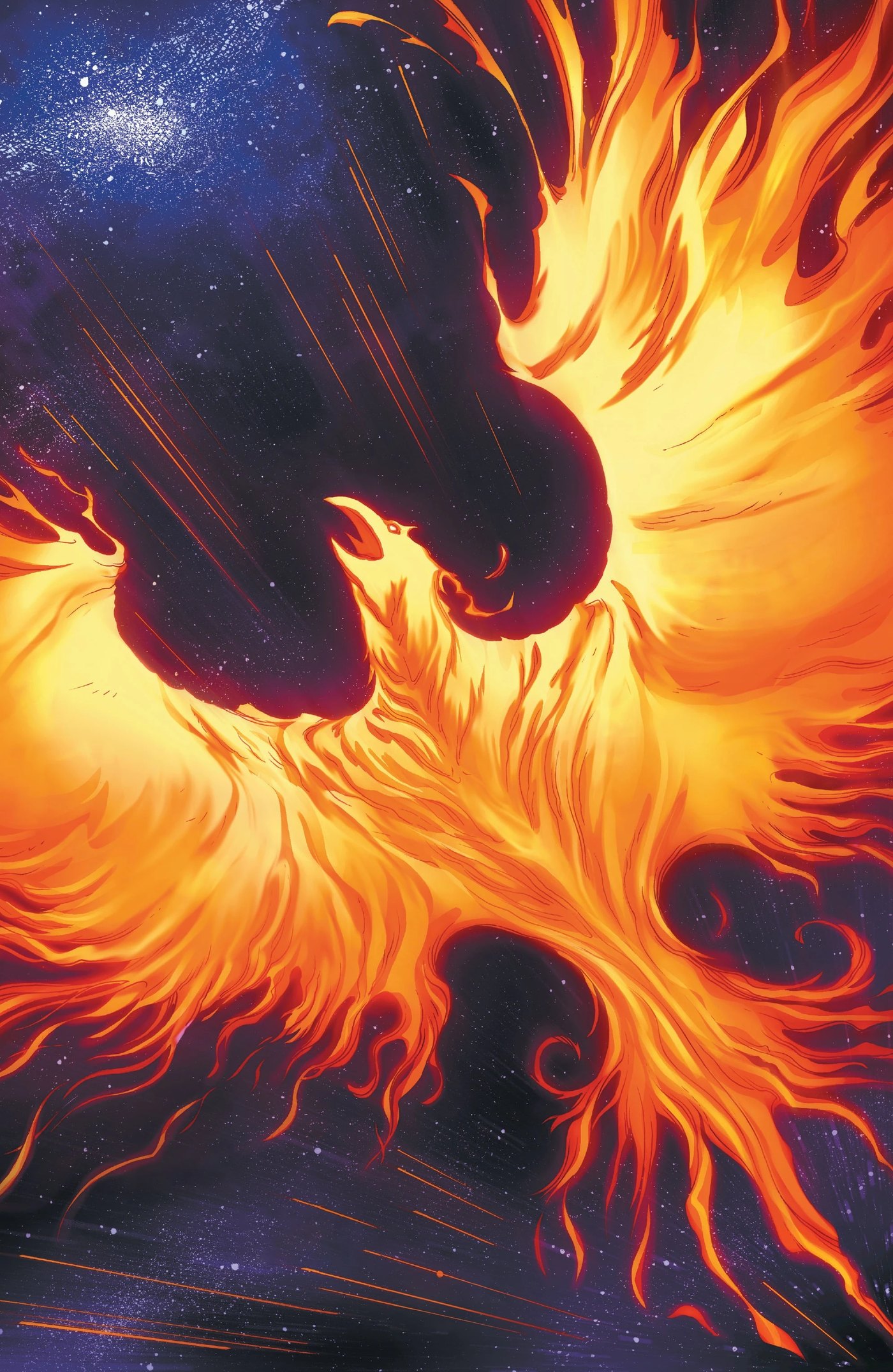
The Phoenix Force, first seen possessing Jean Grey in Uncanny X-Men #101 (October 1976), is less a character than a law of nature wearing a firebird shape: life, death and rebirth, cycling on a scale of entire star systems. It’s also the one entity on this list that regularly loses control of itself.
That instability is the whole story. The Dark Phoenix Saga isn’t scary because the Phoenix Force is strong — everything on this list is strong. It’s scary because a force that can casually eat a star doesn’t actually understand consequences the way a judge or an architect does. Raw and unaccountable beats merely strong, and Hollywood still struggles with that version of the story: Dark Phoenix (2019) made about $246 million worldwide, the softest total of any X-Men movie, largely because a cosmic force with no villain to punch is a hard sell on a poster.
7. The Beyonder (Marvel)
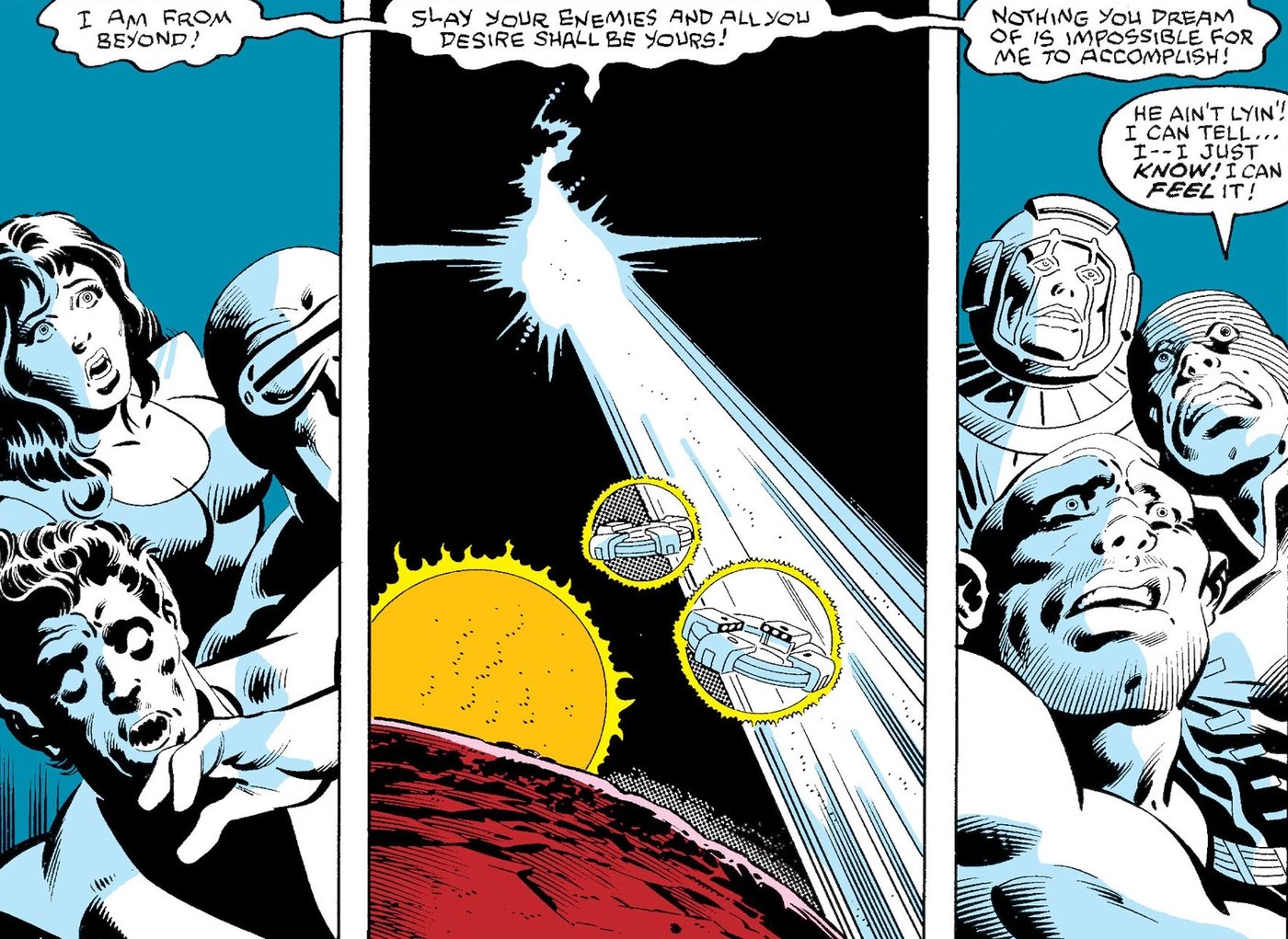
The Beyonder, introduced in Marvel Super Heroes Secret Wars #1 (May 1984), comes from literally outside the Multiverse — a being so far beyond normal cosmic hierarchy that he built an entire patchwork planet, Battleworld, from pieces of dead worlds just to watch Earth’s heroes and villains fight on it.
What drops him below the Phoenix Force and everything above it isn’t power, it’s ignorance of his own power. The Beyonder spent his early appearances genuinely confused about concepts as basic as hunger and desire. A being who can unmake reality but doesn’t understand why anyone would want to isn’t fully in control of the hierarchy — he’s just visiting it.
8. Galactus (Marvel)
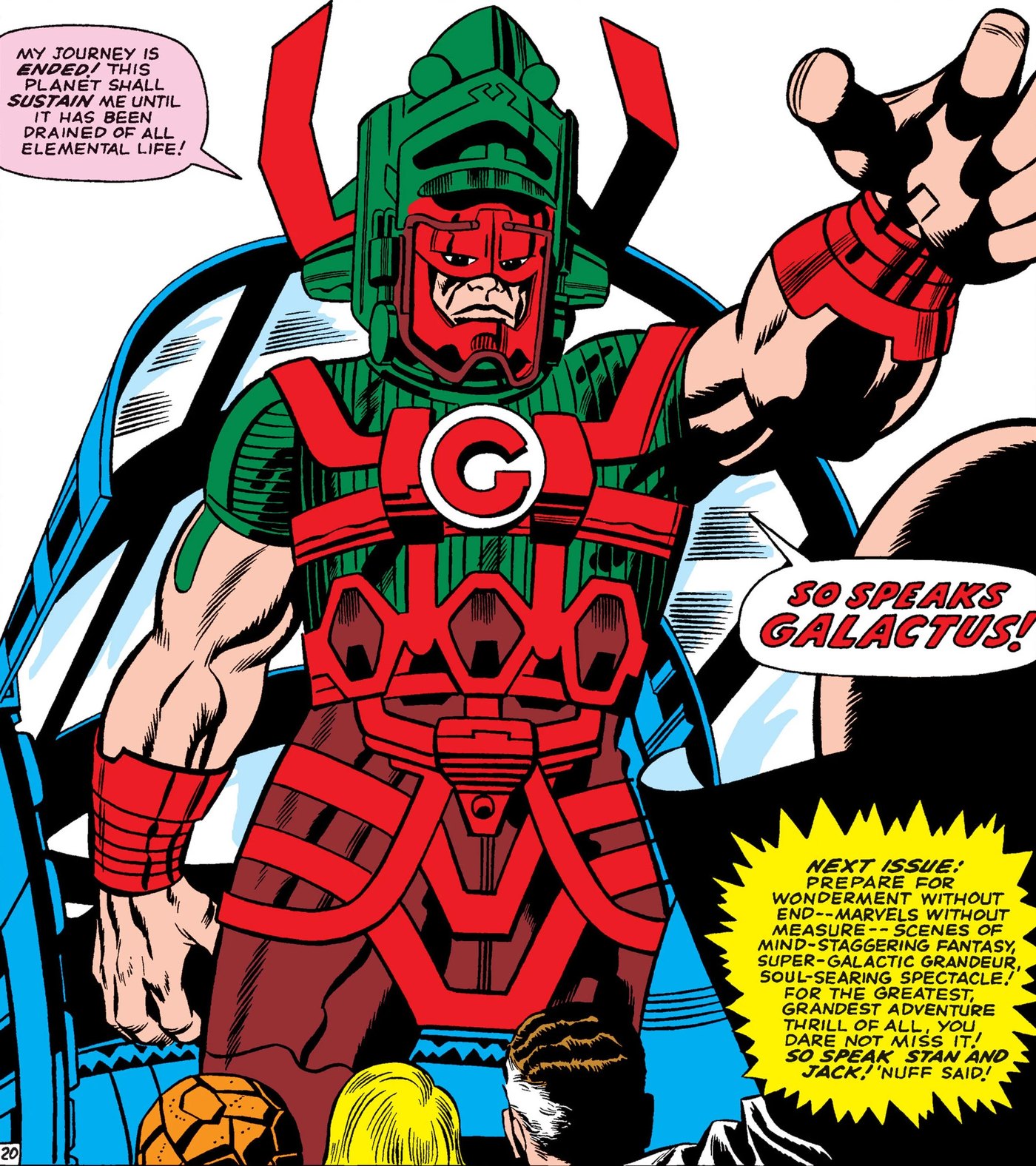
Galactus debuted in Fantastic Four #48 (March 1966) and is still the most recognizable entry on this list for a reason: he’s cosmic power with a motive anyone can understand. He eats planets to survive. It’s horrifying, but it’s not incomprehensible, which is exactly why he doesn’t rank higher — a hunger, no matter how vast, is still a need, not an authority. See the full Heralds of Galactus, ranked for who actually does his dirty work.
He’s also one of the oldest living things in the Marvel universe, having survived the death of a previous one entirely. That alone should put him near the top of any normal power ranking. On this one, he’s outranked by six entities whose job is deciding what Galactus is even allowed to eat.
9. Molecule Man (Marvel)
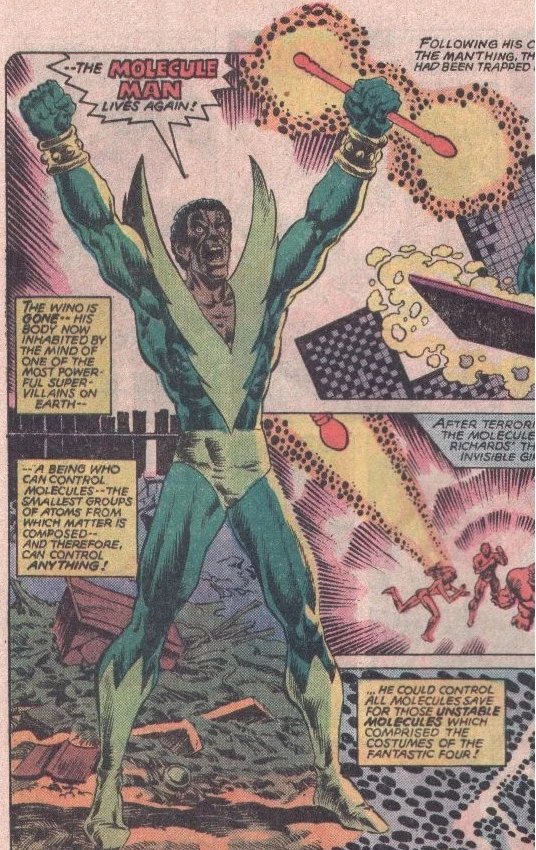
Molecule Man is the best contradiction on this entire list. Owen Reece, who debuted in Fantastic Four #20 (November 1963) as a mid-tier villain with a molecule-manipulating ray gun, was later revealed to be secretly as powerful as the Beyonder — he just never fully believed it about himself.
After the 2015 Secret Wars, it was Molecule Man, not a god or a judge, who quietly held the stitched-together remains of the entire Multiverse in place for years, almost by accident. For more on characters whose minds, not their fists, do the damage, see the most powerful telekinetics in comics.
10. The Spectre (DC)
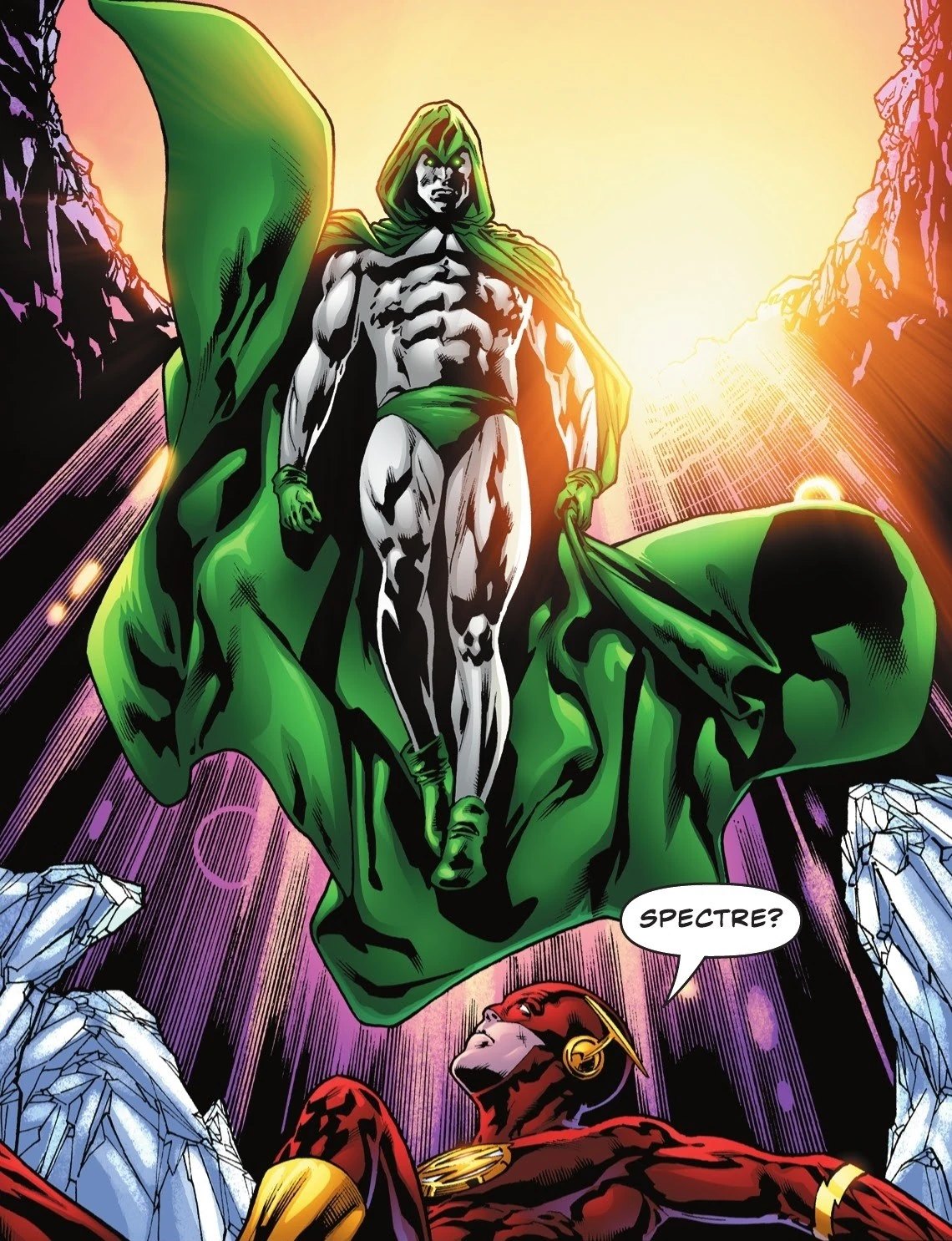
The Spectre, first appearing in More Fun Comics #52 (February 1940), is the oldest character on this entire list — and the one with the clearest job description: carrying out God’s wrath directly, wherever the Presence decides it’s deserved. No ambiguity, no personal agenda, just enforcement.
That’s also exactly why he ranks last here. The Spectre is enormously powerful, but he’s still tethered to a human host and a specific mission, the way none of the nine beings above him are. Being the universe’s sharpest weapon still makes you a weapon, not the hand holding it.
Power vs. Authority: Why This Ranking Looks Different
Most “strongest character” lists rank by who wins a fight. That approach breaks down completely at the cosmic tier, because half of these beings have never fought anyone and never will — their power shows up as a decision, not a punch. Ranking by cosmic authority instead — judge, architect, embodiment, force, weapon — is the only way to make Perpetua, the Living Tribunal and Galactus sit on the same list without the comparison being meaningless.
| Being | Universe | First Appeared | What It Actually Does |
|---|---|---|---|
| Living Tribunal | Marvel | 1967 | Judges and can erase entire realities |
| The Presence | DC | — | Source of all divine power in DC |
| Perpetua | DC | 2018 | Created and briefly ruled the Multiverse |
| Eternity | Marvel | 1965 | Is the Marvel universe, personified |
| Anti-Monitor | DC | 1985 | Destroyed infinite parallel Earths |
| Phoenix Force | Marvel | 1976 | Cosmic cycle of death and rebirth |
| The Beyonder | Marvel | 1984 | Built Battleworld from dead planets |
| Galactus | Marvel | 1966 | Devours planets to survive |
| Molecule Man | Marvel | 1963 | Rewrites reality at the atomic level |
| The Spectre | DC | 1940 | Carries out divine judgment directly |
So the Living Tribunal tops the list, and not one punch gets thrown to get there. That’s the pattern worth remembering next time a trailer or a crossover event teases a “cosmic-level threat”: the scariest beings in Marvel and DC usually win before the fight starts, by being the one who gets to decide if there’s a fight at all. The next question is what happens when two of them disagree — and the Multiverse explainer below is where that argument actually plays out.
Read our beginner’s guide to the Marvel and DC Multiverse
Frequently Asked Questions
Who is the most powerful being in Marvel Comics?
Going purely by standing cosmic authority rather than brute strength, the Living Tribunal ranks highest — it’s the entity tasked with judging and, if necessary, erasing entire realities, answering to powers above it that almost never intervene directly.
Who is the most powerful being in DC Comics?
The Presence sits at the top of DC’s cosmic hierarchy as the source of all divine power in the multiverse, though Perpetua’s role as the literal creator of the Multiverse makes her the strongest argument for the top spot depending on how you weigh creation against authority.
Can the Living Tribunal beat Galactus?
Yes, decisively. Galactus is bound by his hunger and his role within the Marvel universe, while the Living Tribunal’s authority extends to judging and altering reality itself — including, if it chose to, Galactus’s existence within it.
Is the Beyonder more powerful than Molecule Man?
In raw potential they’re close to equal — Molecule Man was revealed to be secretly as powerful as the Beyonder. The difference is control: the Beyonder understood his own power far less than Molecule Man eventually learned to, which is why Molecule Man, not the Beyonder, ended up quietly holding the post-2015 Multiverse together.