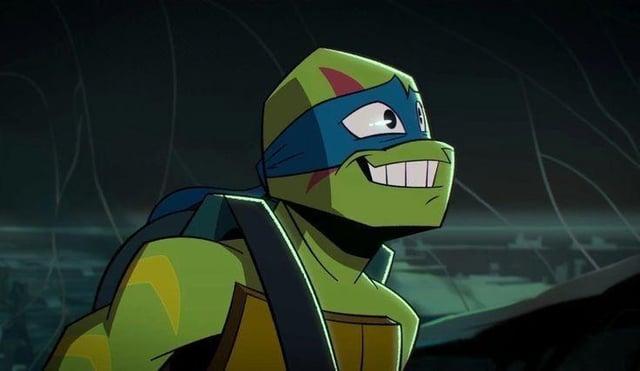
From the gritty streets of Mirage Comics to the colorful world of Rise of the TMNT, Leonardo, Raphael, Donatello, and Michelangelo have undergone dramatic personality transformations that reflect changing times and storytelling approaches.
The Teenage Mutant Ninja Turtles have been captivating audiences for over four decades, but what many fans don’t realize is how dramatically each brother’s personality has evolved throughout the franchise’s long history. While Leonardo, Raphael, Donatello, and Michelangelo remain instantly recognizable by their colored bandanas and signature weapons, their core personalities, relationships, and character dynamics have undergone profound transformations that reflect not only changing storytelling approaches but also evolving cultural values and audience expectations.
When Kevin Eastman and Peter Laird first introduced the world to the Teenage Mutant Ninja Turtles in 1984’s Mirage Comics, the four brothers were remarkably similar in personality and appearance. The original black-and-white comics presented them as a unified force of vengeance-seeking warriors with minimal individual characterization beyond their choice of weapons. However, as the franchise expanded into animated series, live-action films, video games, and multiple comic book continuities, each turtle developed distinct personalities that would become as iconic as their shells.
Source: Teenage Mutant Ninja Turtles
The evolution of the TMNT brothers’ personalities serves as a fascinating case study in how long-running franchises adapt to changing times while maintaining their core appeal. From the serious, violence-focused warriors of the original Mirage Comics to the kid-friendly heroes of the 1987 animated series, from the character-driven narratives of the 2003 series to the radical reimagining of Rise of the Teenage Mutant Ninja Turtles, each iteration has brought new dimensions to these beloved characters while building upon established foundations.
This transformation hasn’t been arbitrary or accidental. Each major reinterpretation of the Turtles has reflected the specific needs of its target audience, the creative vision of its creators, and the broader cultural context of its time. The 1987 animated series needed to make the characters more appealing to children, leading to the softening of their edges and the introduction of more distinct personality traits. The 2003 series sought to return to the franchise’s roots while incorporating modern storytelling techniques and deeper character development. The 2012 series balanced nostalgia with contemporary sensibilities, while Rise of the TMNT completely reimagined the characters’ dynamics and roles within the team.
Understanding how each turtle’s personality has evolved provides insight not only into the creative decisions behind each adaptation but also into how audience expectations and cultural values have shifted over the past four decades. The changes in Leonardo’s leadership style, Raphael’s relationship with authority, Donatello’s role as the team’s intellectual, and Michelangelo’s function as comic relief all reflect broader trends in how we view heroism, family dynamics, and individual expression.
Perhaps most importantly, the evolution of the TMNT brothers demonstrates how successful character archetypes can be endlessly reinterpreted without losing their essential appeal. While the specific details of their personalities may change from continuity to continuity, the core relationships and dynamics that make the Teenage Mutant Ninja Turtles compelling remain constant: the tension between individual identity and family loyalty, the challenge of working as a team while maintaining personal goals, and the ongoing struggle to balance their human emotions with their roles as protectors.
The Foundation: Mirage Comics and the Birth of Four Distinct Warriors
The original Mirage Comics run, which began in 1984, established the basic framework that would define the Teenage Mutant Ninja Turtles for decades to come, but the individual personalities that fans associate with each brother were largely absent from these early stories. In the black-and-white pages of the original comics, Leonardo, Raphael, Donatello, and Michelangelo were presented as a unified force, distinguished primarily by their weapons and occasional dialogue quirks rather than fully developed individual personalities.
This initial approach was both a creative choice and a practical necessity. Eastman and Laird were creating an independent comic with limited resources, and their focus was on establishing the basic mythology, origin story, and visual design of the characters rather than developing complex individual characterizations. The Turtles spoke with similar voices, shared similar motivations, and approached problems with comparable strategies. They were, in essence, four aspects of a single heroic identity rather than four distinct individuals.
However, even in these early comics, the seeds of future character development were present. Leonardo was typically depicted as the de facto leader, the turtle who naturally took charge in Master Splinter’s absence and who possessed what the comics described as “a sharp tactical mind.” This leadership role wasn’t heavily emphasized or explored in depth, but it established a precedent that would become central to his character in later adaptations.
Raphael, meanwhile, showed early signs of the sarcastic wit and confrontational attitude that would define him in subsequent versions. While he wasn’t yet the hot-headed rebel that fans would come to know, his dialogue often carried a sharper edge than his brothers’, and he was more likely to make cutting remarks or challenge assumptions. These subtle differences would be dramatically amplified in later continuities.
Donatello’s role as the team’s technical expert was established early, though his scientific genius wasn’t as pronounced as it would become in animated adaptations. In the Mirage Comics, all four turtles were competent fighters and tacticians, but Donatello showed a particular aptitude for understanding and utilizing technology, from the simple tools in their sewer lair to more complex devices they encountered during their adventures.
Michelangelo, perhaps surprisingly given his later reputation as the “party dude,” was actually one of the more serious characters in the original comics. While he occasionally provided moments of levity, he was far from the pizza-obsessed jokester that would emerge in the 1987 animated series. Instead, he was portrayed as a competent warrior who happened to have a slightly more relaxed attitude than his brothers.
The Mirage Comics’ approach to characterization reflected the indie comics sensibility of the 1980s, where character development often emerged organically through action and dialogue rather than being explicitly stated or heavily emphasized. The Turtles’ personalities were suggested through their behavior in combat, their interactions with each other, and their responses to various threats and challenges.
This foundation would prove to be both flexible enough to support radical reinterpretations and strong enough to maintain continuity across different adaptations. The basic dynamic of four brothers with different approaches to problem-solving, different relationships with authority, and different ways of expressing their shared values would remain constant even as the specific details of their personalities underwent dramatic changes.
The 1987 Revolution: Creating the Personalities We Know Today
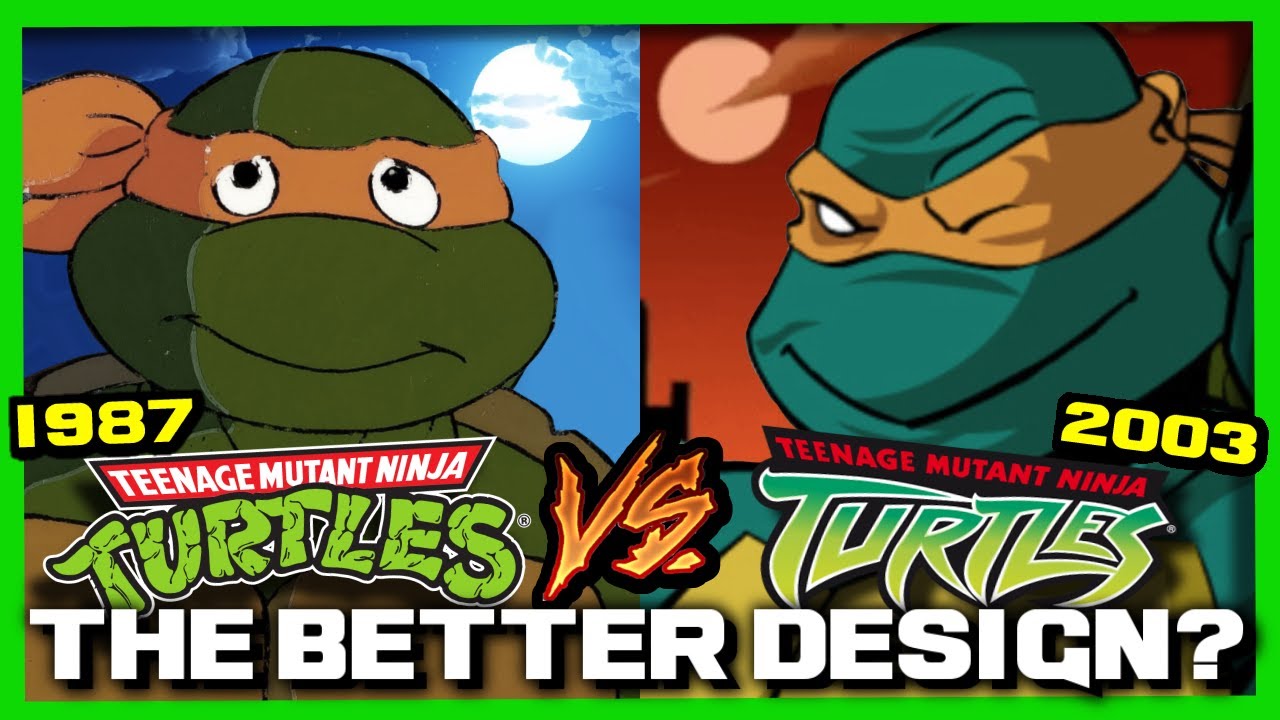
The 1987 animated series represents perhaps the most significant transformation in TMNT history, not just in terms of tone and target audience, but in the fundamental characterization of the four brothers. Faced with the challenge of creating a children’s television show based on characters who had originally been designed as violent vigilantes, the creators of the animated series made the crucial decision to give each turtle a distinct personality that would make them easily identifiable and appealing to young viewers.
Source: YouTube
This transformation went far beyond simply toning down the violence or adding humor to the proceedings. The 1987 series essentially created the personality archetypes that would define each turtle for decades to come, establishing character traits and relationships that would be referenced, modified, and reinterpreted in virtually every subsequent adaptation.
Leonardo’s transformation in the 1987 series was perhaps the most straightforward, as his leadership role was already established in the Mirage Comics. However, the animated series made this leadership much more explicit and central to his character. Leonardo became “the leader” in a way that was immediately apparent to viewers, taking charge of missions, making strategic decisions, and serving as the primary liaison between the team and their allies. More importantly, the series began to explore the psychological burden of leadership, showing how Leonardo’s sense of responsibility sometimes put him at odds with his more free-spirited brothers.
The 1987 series also established Leonardo’s dedication to training and martial arts excellence as a defining characteristic. While all four turtles were skilled fighters, Leonardo was portrayed as the most disciplined and focused on continuous improvement. This dedication was presented as both a strength and a potential weakness, as his commitment to perfection sometimes made him inflexible or overly serious.
Raphael underwent perhaps the most dramatic transformation in the 1987 series, though not in the direction that many fans might expect. Rather than amplifying the aggressive tendencies that had been hinted at in the Mirage Comics, the animated series actually softened Raphael’s edge considerably. The 1987 version of Raphael retained his sarcastic wit but lost much of his confrontational attitude, becoming more of a wise-cracking smart aleck than a genuinely rebellious figure.
This version of Raphael was still tough and ready for a fight, but his conflicts with his brothers were more playful than serious, and his sarcasm was more good-natured than biting. He became the turtle who was most likely to make jokes during tense situations, to question authority in a lighthearted way, and to provide comic relief through his interactions with both enemies and allies.
The decision to tone down Raphael’s aggressive tendencies was clearly driven by the need to make the character appropriate for children’s television, but it also reflected a broader approach to the series that emphasized family bonds and teamwork over individual conflict. The 1987 Raphael might tease his brothers or complain about Leonardo’s leadership, but he never seriously challenged the team’s unity or hierarchy.
Donatello’s evolution in the 1987 series established him as the definitive “tech turtle,” a role that would become so central to his character that it would be virtually impossible to imagine him without it in subsequent adaptations. While the Mirage Comics had suggested that Donatello had some technical aptitude, the animated series made him a genuine genius inventor whose creations were essential to the team’s success.
The 1987 Donatello was responsible for maintaining and upgrading the team’s equipment, creating new gadgets to help them in their missions, and understanding the various technological threats they encountered. His famous bo staff was often modified with electronic components, and he was frequently shown working in a makeshift laboratory filled with computers, tools, and experimental devices.
More importantly, the series established Donatello’s intellectual approach to problem-solving as a counterpoint to his brothers’ more direct methods. While Leonardo might solve a problem through leadership and strategy, Raphael through determination and force, and Michelangelo through creativity and improvisation, Donatello approached challenges through analysis, research, and technological innovation.
Michelangelo’s transformation in the 1987 series was perhaps the most complete and influential of all four brothers. The serious warrior of the Mirage Comics was replaced by the “party dude” persona that would become synonymous with the character for generations of fans. This new Michelangelo was pizza-obsessed, fun-loving, and seemingly carefree, serving as the team’s primary source of comic relief and emotional lightness.
The 1987 Michelangelo popularized catchphrases like “Cowabunga!” and established the character’s love of pizza as a defining trait. He was portrayed as the most childlike of the four brothers, approaching life with enthusiasm and wonder rather than the serious dedication of his siblings. This characterization made him particularly appealing to young viewers, who could see themselves in his playful attitude and simple pleasures.
However, the 1987 series was careful not to make Michelangelo completely incompetent or useless. While he might be distracted by pizza or prone to making jokes at inappropriate times, he was still a skilled fighter and a loyal brother who could be counted on when the situation became serious. His lighthearted approach often provided creative solutions to problems that his more serious brothers might overlook.
The success of these personality archetypes in the 1987 series cannot be overstated. The characterizations established in this animated series became the default versions of the characters for millions of fans and would influence every subsequent adaptation, even those that sought to return to the darker tone of the original comics. The 1987 series proved that the Teenage Mutant Ninja Turtles could support distinct individual personalities without losing their essential unity as a team and a family.
The 2003 Renaissance: Returning to Complexity While Building on Legacy
The 2003 animated series, which ran for seven seasons and represented the longest-running TMNT television adaptation to date, faced the unique challenge of appealing to both longtime fans who remembered the original Mirage Comics and newer audiences who had been introduced to the characters through the 1987 series. The solution was a sophisticated approach that retained the distinct personalities established in the 1987 series while adding layers of psychological complexity and character development that hadn’t been seen in previous adaptations.
This series marked a deliberate return to the darker, more serious tone of the original comics while maintaining the individual characterizations that had made the 1987 series so successful. The result was a version of the Teenage Mutant Ninja Turtles that felt both familiar and fresh, honoring the franchise’s history while pushing the characters in new directions.
The 2003 series was particularly notable for its commitment to long-term character development and psychological realism. Rather than treating each episode as a standalone adventure, the series developed ongoing character arcs that explored the emotional and psychological consequences of the Turtles’ lifestyle. This approach allowed for deeper exploration of each character’s motivations, fears, and personal growth over time.
Source: Reddit
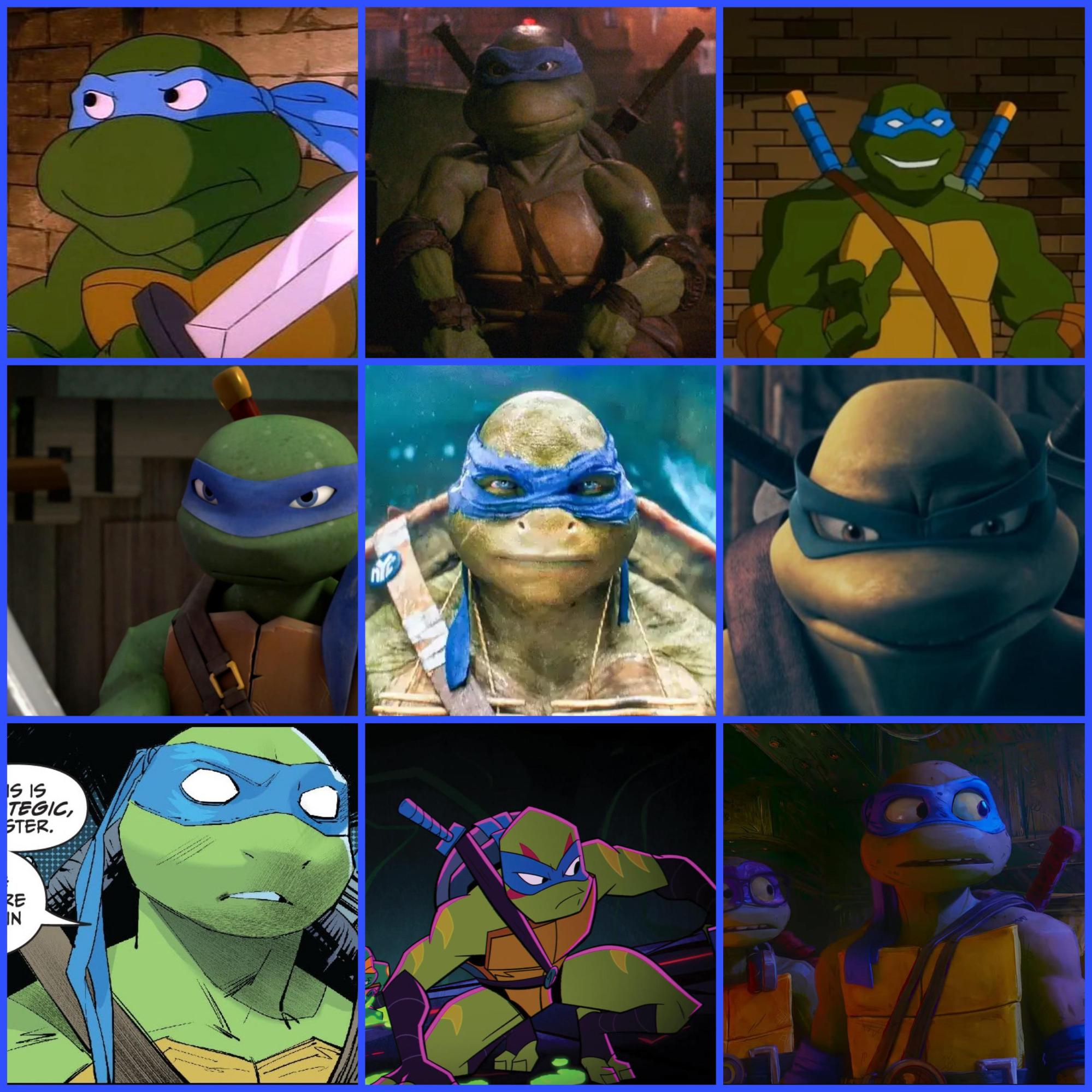
Leonardo’s evolution in the 2003 series represented perhaps the most sophisticated exploration of leadership in TMNT history. While previous versions had portrayed him as a natural leader who accepted his role with relative ease, the 2003 Leonardo struggled with the burden of command and the responsibility he felt for his brothers’ safety. This internal conflict became a central theme of the series, particularly in later seasons where Leonardo’s dedication to his role as leader sometimes put him at odds with his family.
The series explored how Leonardo’s perfectionist tendencies and sense of duty could become both strengths and weaknesses. His commitment to training and improvement made him an effective leader and formidable warrior, but his inability to accept failure or compromise sometimes created tension within the team. The 2003 Leonardo was more prone to self-doubt and internal conflict than previous versions, making him a more relatable and human character despite his reptilian nature.
One of the most significant aspects of the 2003 Leonardo was his relationship with failure and defeat. Unlike the more confident leaders of previous adaptations, this Leonardo was forced to confront situations where his leadership wasn’t enough, where his strategies failed, and where his brothers were hurt despite his best efforts. These experiences shaped his character development throughout the series, leading to periods of self-reflection, training, and sometimes isolation as he struggled to become the leader he believed his family needed.
Raphael’s characterization in the 2003 series represented a return to the more aggressive and confrontational personality that had been hinted at in the original Mirage Comics but softened in the 1987 animated series. This Raphael was genuinely hot-tempered, prone to acting on impulse, and frequently at odds with Leonardo’s more cautious leadership style. However, the series was careful to present these traits as character flaws that Raphael actively struggled to overcome rather than simply defining characteristics.
The 2003 Raphael’s anger issues were explored with psychological depth, showing how his frustration often stemmed from his deep love for his family and his desire to protect them. His confrontational attitude wasn’t presented as mere rebelliousness but as a different approach to problem-solving that sometimes conflicted with Leonardo’s more methodical strategies. This created genuine dramatic tension within the team while maintaining the fundamental bonds of brotherhood that held them together.
The series also explored Raphael’s capacity for growth and change, showing how his experiences throughout the series gradually taught him to channel his anger more constructively and to work more effectively within the team structure. His relationship with Leonardo evolved from simple antagonism to a more complex dynamic of mutual respect and understanding, even when they disagreed on tactics or approach.
Donatello’s role in the 2003 series built upon the technological expertise established in the 1987 series while adding new dimensions of scientific curiosity and intellectual depth. This version of Donatello wasn’t just a gadget-maker but a genuine scientist and inventor whose understanding of technology, biology, and physics often provided crucial insights for the team’s missions.
The 2003 Donatello was portrayed as someone who approached problems through research and analysis, often serving as the team’s primary source of information about the various threats they encountered. His scientific background allowed him to understand alien technology, analyze mutant biology, and develop countermeasures for the exotic dangers that the Turtles regularly faced.
More importantly, the series explored Donatello’s role as the intellectual member of the team, showing how his different approach to problem-solving sometimes put him at odds with his more action-oriented brothers. His preference for understanding and analysis over immediate action created interesting character dynamics and provided opportunities for both conflict and growth within the team.
Michelangelo’s evolution in the 2003 series was perhaps the most surprising, as the creators found ways to maintain his fun-loving personality while giving him greater depth and competence than he had shown in previous adaptations. While he retained his love of pizza and his tendency toward humor, the 2003 Michelangelo was also shown to be a skilled fighter, a loyal brother, and someone whose optimistic outlook often provided emotional support for his more serious siblings.
The series was particularly effective at showing how Michelangelo’s lighthearted approach to life was actually a strength rather than a weakness. His ability to find joy and humor in difficult situations often helped his brothers maintain their morale during challenging times, and his creative approach to problem-solving sometimes provided solutions that his more conventional brothers might overlook.
The 2003 series also explored the idea that Michelangelo’s apparent lack of seriousness was sometimes a conscious choice rather than an inability to understand the gravity of their situations. In moments of genuine crisis, he was shown to be capable of the same focus and determination as his brothers, suggesting that his playful attitude was a way of coping with the stress and danger of their lifestyle rather than simple immaturity.
Leonardo: From Reluctant Leader to Burden-Bearer
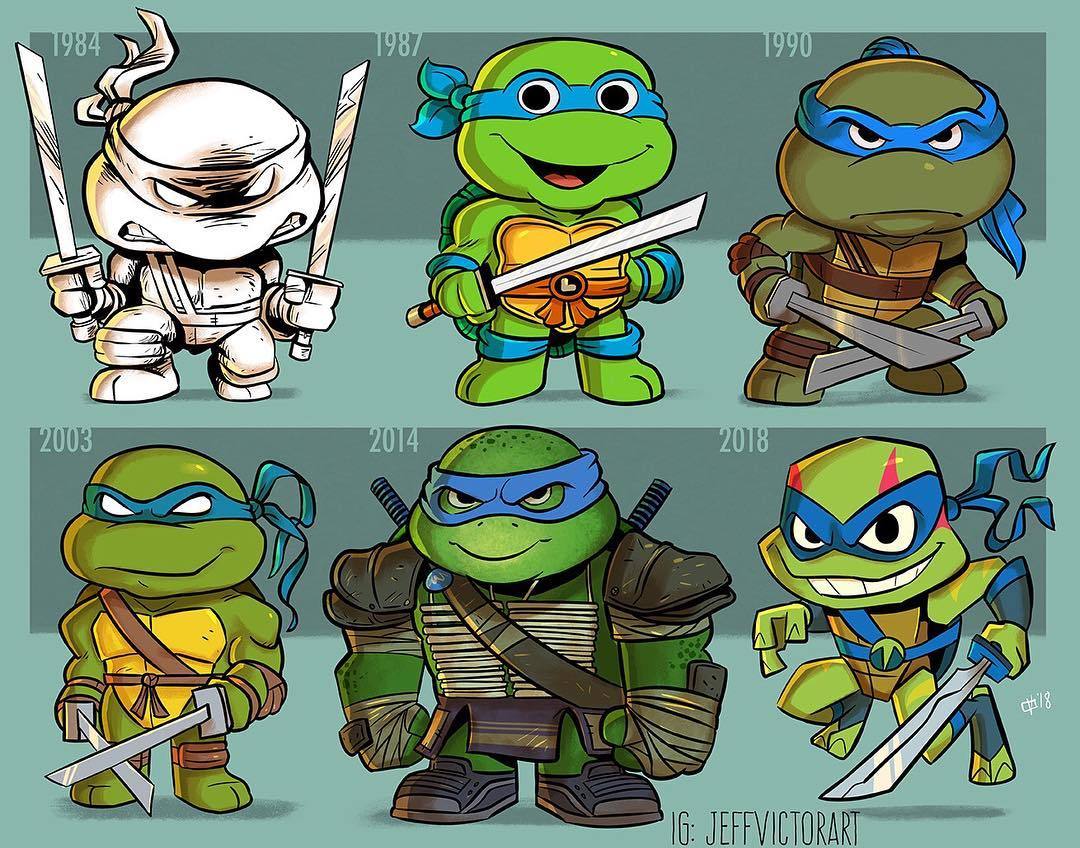
Leonardo’s character evolution across four decades of TMNT media represents one of the most consistent yet nuanced transformations in the franchise. While his role as the team’s leader has remained constant, the way that leadership is portrayed, the challenges it presents, and Leonardo’s relationship with that responsibility have undergone significant changes that reflect evolving ideas about heroism, authority, and personal growth.
Source: Ninja Turtle Stuff
In the original Mirage Comics, Leonardo’s leadership was presented as a natural extension of his tactical abilities and martial arts skills. He was the turtle who took charge because he was best suited for the role, and this arrangement was accepted by his brothers without significant conflict or resentment. The comics didn’t delve deeply into the psychological aspects of leadership or explore how the responsibility might affect Leonardo personally.
The 1987 animated series maintained Leonardo’s leadership role while making it more explicit and central to his character identity. This version of Leonardo was clearly designated as “the leader” and was consistently portrayed as the most responsible and mature of the four brothers. However, the series presented his leadership as largely unproblematic—his brothers might occasionally grumble about his decisions or tease him about his serious nature, but they generally accepted his authority without serious challenge.
The 2003 series marked a significant shift in how Leonardo’s leadership was portrayed, introducing psychological complexity and internal conflict that hadn’t been present in previous versions. This Leonardo struggled with self-doubt, questioned his decisions, and sometimes found himself isolated by the burden of command. The series explored how his dedication to being a perfect leader sometimes made him inflexible and how his sense of responsibility for his brothers’ safety could become overwhelming.
One of the most significant aspects of the 2003 Leonardo was his relationship with failure. Unlike previous versions who seemed to handle setbacks with relative ease, this Leonardo was deeply affected by defeats and mistakes. The series showed how these experiences shaped his character, leading to periods of intense training, self-reflection, and sometimes withdrawal from his family as he struggled to become the leader he believed they needed.
The 2012 series continued this trend toward psychological complexity while adding new dimensions to Leonardo’s character. This version dealt with romantic feelings for Karai, explored his relationship with his father Splinter in greater depth, and faced challenges that tested not just his leadership abilities but his fundamental beliefs about right and wrong. The series showed Leonardo grappling with moral ambiguity and situations where there were no clear right answers.
Perhaps most significantly, the 2012 series explored how Leonardo’s perfectionist tendencies could become problematic. His desire to live up to his father’s expectations and to be worthy of his brothers’ trust sometimes led him to take on too much responsibility or to blame himself for circumstances beyond his control. This internal pressure created character development opportunities and allowed for more nuanced storytelling about the costs of leadership.
The Rise of the Teenage Mutant Ninja Turtles series represented the most radical reimagining of Leonardo’s character in franchise history. For the first time, Leonardo was not the team’s leader—that role was given to Raphael instead. This change allowed the creators to explore different aspects of Leonardo’s personality and to show how he might function as a team member rather than the person in charge.
The Rise Leonardo was portrayed as more relaxed and fun-loving than previous versions, but also more prone to ego and showboating. Without the burden of leadership, he was free to focus on his own skills and interests, but this also meant he had to learn how to work within a team structure rather than directing it. The series explored themes of personal growth, learning to accept guidance from others, and finding one’s place within a family dynamic.
This version of Leonardo also dealt with issues of self-worth and identity that were different from previous iterations. Rather than struggling with the burden of leadership, he had to learn how to contribute meaningfully to a team where someone else was in charge. His journey throughout the series involved learning to balance his natural confidence and abilities with respect for his brothers’ roles and decisions.
The evolution of Leonardo’s character across these different continuities reflects broader changes in how leadership is understood and portrayed in popular culture. The simple, unquestioned authority of the 1987 version gave way to the more complex, psychologically realistic portrayals of later series that acknowledged the personal costs of leadership and the challenges of making difficult decisions under pressure.
Modern versions of Leonardo have also reflected changing ideas about masculinity and emotional expression. While early versions of the character were stoic and largely unemotional, later iterations have shown him struggling with doubt, fear, and other emotions that make him more relatable and human. This evolution has made Leonardo a more compelling character while maintaining the core qualities that make him an effective leader and beloved hero.
Raphael: The Angry Turtle’s Journey from Wise Guy to Revolutionary Leader
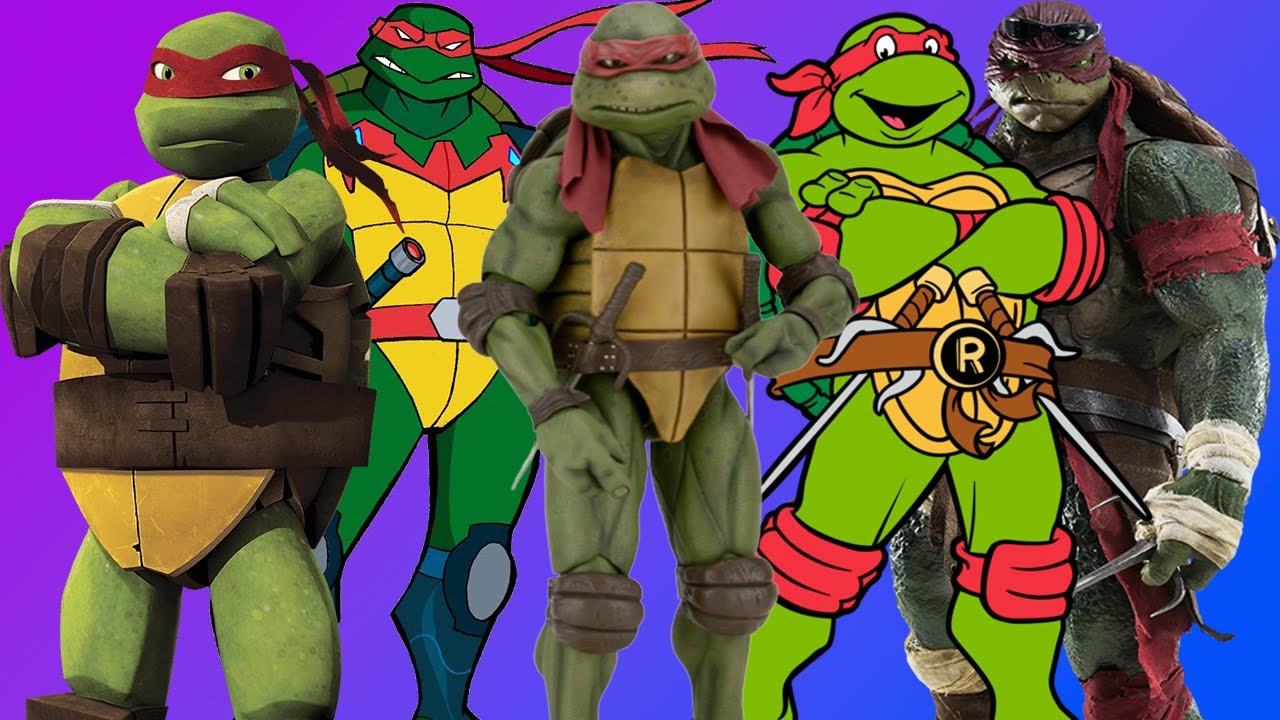
Raphael’s character evolution represents perhaps the most dramatic and controversial transformation in TMNT history, encompassing a complete reversal of personality traits, leadership roles, and fundamental character dynamics. From the sarcastic wise guy of the 1987 series to the hot-headed rebel of the 2003 era to the surprising leader of Rise of the TMNT, Raphael’s journey reflects changing attitudes toward authority, anger, and what it means to be a hero.
Source: YouTube
The original Mirage Comics presented Raphael with subtle hints of the confrontational personality that would later define him, but these traits were relatively understated compared to what would come later. The early Raphael was characterized by occasional sarcastic remarks and a slightly more aggressive fighting style, but he wasn’t yet the genuinely angry or rebellious figure that would emerge in subsequent adaptations.
The 1987 animated series made the surprising decision to develop Raphael as the team’s primary source of humor and sarcasm rather than anger. This version of Raphael was indeed the “wise guy” mentioned in the series’ theme song, but his attitude was more playful than hostile. He was the turtle most likely to make jokes during tense situations, to question orders in a lighthearted way, and to provide comic relief through his interactions with both friends and enemies.
This 1987 Raphael retained some edge to his personality—he was still tough, ready for a fight, and occasionally sarcastic—but his conflicts with his brothers were more about personality differences than genuine anger or rebellion. His relationship with Leonardo was characterized by good-natured ribbing rather than serious challenges to authority, and his sarcasm was more about entertainment than expressing genuine frustration or dissatisfaction.
The decision to portray Raphael this way was clearly influenced by the need to make the character appropriate for children’s television, but it also reflected the series’ overall emphasis on family unity and teamwork. The 1987 Raphael might complain about Leonardo’s leadership or make jokes at his brothers’ expense, but he never seriously threatened the team’s cohesion or hierarchy.
The 2003 series marked a dramatic shift in Raphael’s characterization, returning to and amplifying the aggressive tendencies that had been hinted at in the original comics. This version of Raphael was genuinely hot-tempered, prone to violence, and frequently at odds with Leonardo’s leadership style. His anger wasn’t just a personality quirk but a defining characteristic that created real tension within the team and drove significant character development throughout the series.
The 2003 Raphael’s anger was portrayed with psychological depth and complexity. Rather than being simply a hot-head who enjoyed fighting, he was shown to be someone whose frustration often stemmed from his deep love for his family and his desire to protect them. His confrontational attitude wasn’t mere rebelliousness but reflected a different philosophy about how problems should be solved and threats should be addressed.
This version of Raphael believed in direct action over careful planning, in confronting problems head-on rather than waiting for the perfect strategy, and in trusting instincts over analysis. These differences created genuine dramatic conflict with Leonardo’s more methodical approach, leading to arguments, temporary separations, and ongoing tension that added depth to the family dynamics.
The series also explored how Raphael’s anger could be both a strength and a weakness. His passion and determination made him a formidable fighter and a fierce protector of his family, but his tendency to act impulsively sometimes put himself and others in danger. The ongoing challenge for this version of Raphael was learning to channel his anger constructively while maintaining the intensity that made him effective.
The 2012 series continued the portrayal of Raphael as the angry, rebellious brother while adding new dimensions to his character. This version dealt with feelings of inadequacy and jealousy, particularly regarding Leonardo’s role as leader and Splinter’s apparent favoritism. The series explored how Raphael’s anger often masked deeper insecurities and fears about his place within the family.
The 2012 Raphael also developed a romantic relationship with Mona Lisa, which provided opportunities to show his softer, more vulnerable side. These storylines demonstrated that beneath his tough exterior, Raphael was capable of deep emotional connections and genuine tenderness, adding complexity to a character who might otherwise be seen as simply aggressive.
The series also explored Raphael’s relationship with violence and his struggle to find constructive outlets for his intensity. Unlike some versions that portrayed his anger as purely negative, the 2012 series showed how his passion could be channeled into positive directions when properly focused and supported by his family.
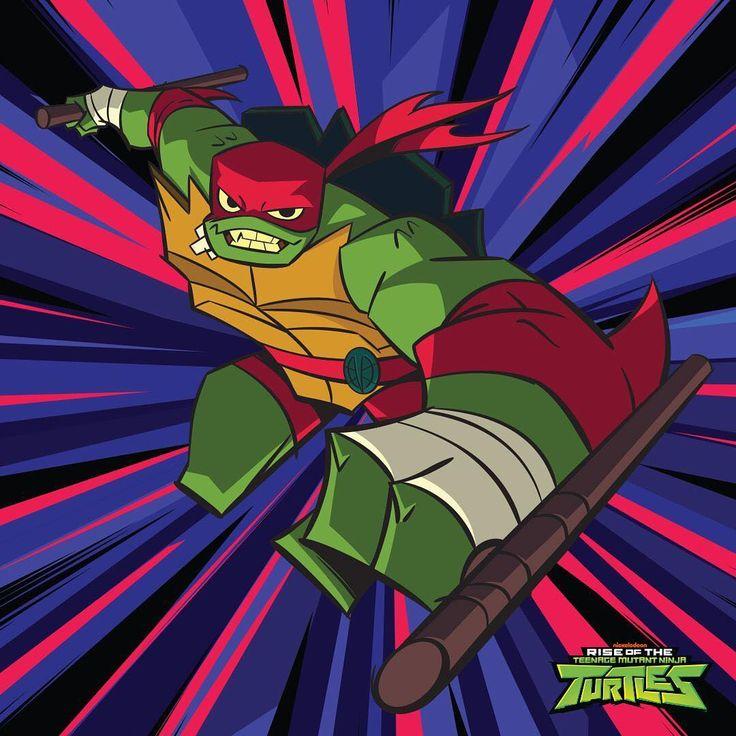
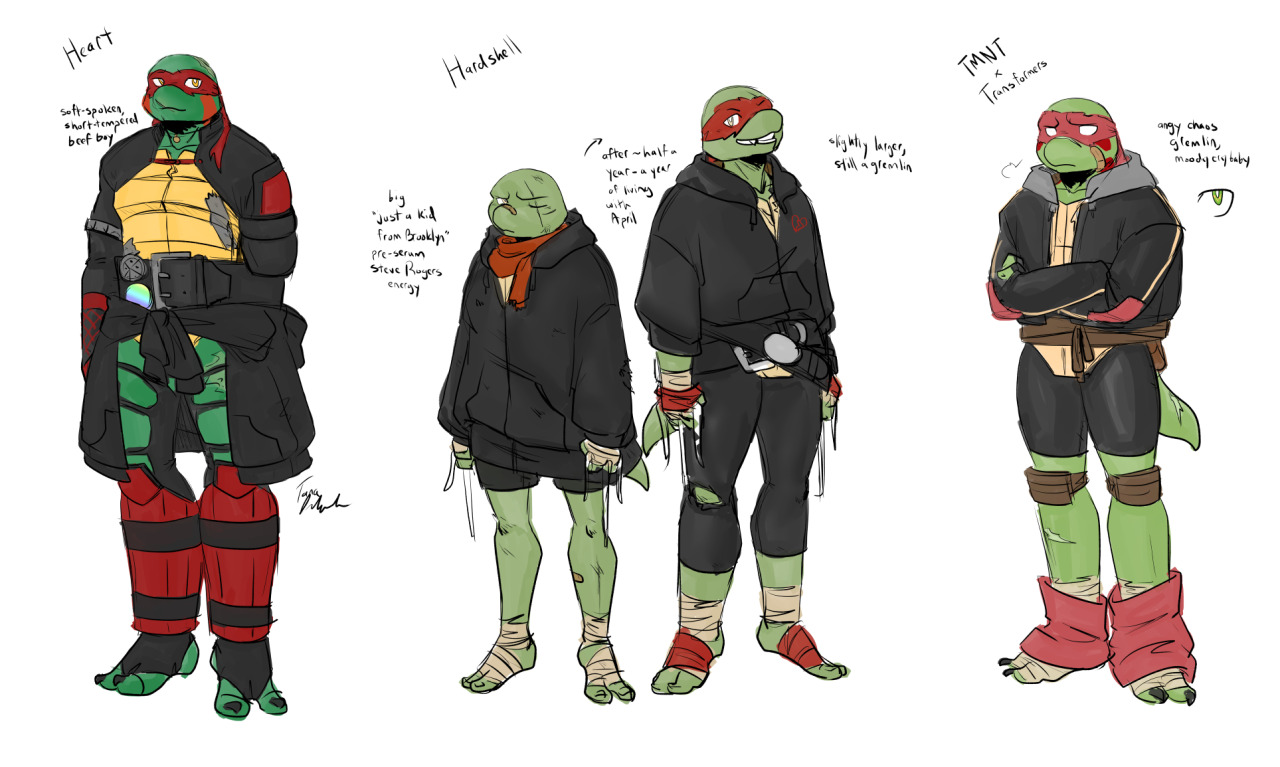
The Rise of the Teenage Mutant Ninja Turtles series made the most radical change to Raphael’s character in franchise history by making him the team’s leader instead of Leonardo. This decision required a complete reconceptualization of the character, transforming him from the rebellious brother who challenged authority into the authority figure himself.
Source: Rise of the TMNT Wiki – Fandom
The Rise Raphael retained his passionate, intense personality but channeled these traits into leadership rather than rebellion. He was described as a “reactionary-type leader” who made decisions based on instinct and emotion rather than careful analysis. This approach created a very different team dynamic from previous versions, with Raphael’s leadership style emphasizing immediate action and emotional support over strategic planning.
This version of Raphael was also portrayed as deeply caring and protective of his brothers, with his leadership role stemming from his desire to keep them safe rather than any ambition for power or control. His decisions were often driven by his emotional connections to his family, and his leadership style was more about inspiration and support than command and control.
The Rise series also explored how Raphael’s new role affected his relationships with his brothers, particularly Leonardo. Without the traditional leader-rebel dynamic, the series had to find new sources of conflict and character development, leading to storylines about responsibility, growing up, and learning to trust others with important decisions.
Raphael’s evolution from wise guy to angry rebel to protective leader reflects broader changes in how anger and authority are portrayed in popular culture. The 1987 version’s lighthearted sarcasm gave way to more psychologically complex portrayals that acknowledged anger as a legitimate emotion that could be both destructive and constructive depending on how it was channeled.
The transformation of Raphael into a leader in Rise of the TMNT also challenged traditional assumptions about what leadership looks like. Rather than the calm, analytical approach typically associated with Leonardo, Raphael’s leadership was emotional, instinctive, and deeply personal. This change suggested that there are multiple valid approaches to leadership and that different situations might call for different types of leaders.
Source: @72stars on Tumblr
The evolution of Raphael’s character also reflects changing attitudes toward masculinity and emotional expression. While early versions of the character were defined primarily by their toughness and fighting ability, later iterations explored the emotional complexity behind his anger and showed how vulnerability and caring could coexist with strength and determination.
Donatello: The Evolution of the Tech Turtle
Donatello’s character evolution represents one of the most consistent yet continuously expanding aspects of TMNT lore. While his role as the team’s technical expert has remained constant across virtually every adaptation, the scope of his abilities, the depth of his scientific knowledge, and his relationship with technology have grown exponentially over four decades of storytelling.
Source: Reddit
In the original Mirage Comics, Donatello’s technical abilities were relatively modest compared to later versions. He was shown to have some mechanical aptitude and an understanding of basic technology, but he wasn’t yet the genius inventor that would become his defining characteristic. The early Donatello was more of a competent warrior who happened to be good with tools rather than a scientific prodigy.
The 1987 animated series was responsible for establishing Donatello as the definitive “tech turtle,” a transformation that would prove to be one of the most enduring and influential character developments in TMNT history. This version of Donatello was portrayed as a genuine inventor and engineer whose creations were essential to the team’s success and whose understanding of technology often provided crucial advantages in their battles against various villains.
The 1987 Donatello was responsible for maintaining and upgrading the team’s equipment, creating new gadgets and vehicles, and understanding the various technological threats they encountered. His famous bo staff was often modified with electronic components, and he was frequently shown working in a makeshift laboratory filled with computers, tools, and experimental devices.
More importantly, the series established Donatello’s intellectual approach to problem-solving as a fundamental aspect of his character. While his brothers might rely on leadership, aggression, or creativity to overcome obstacles, Donatello approached challenges through analysis, research, and technological innovation. This different perspective often provided solutions that his more direct brothers might overlook.
The 2003 series expanded Donatello’s role significantly, portraying him not just as a mechanic or inventor but as a genuine scientist with expertise in multiple fields. This version of Donatello understood alien technology, analyzed mutant biology, developed countermeasures for exotic threats, and served as the team’s primary source of technical information and scientific analysis.
The 2003 Donatello was also shown to be more intellectually curious than previous versions, often pursuing knowledge for its own sake rather than just for practical applications. He was the turtle most likely to want to understand how something worked, to research the background of a new threat, or to explore the scientific implications of their various adventures.
This series also began to explore the potential downsides of Donatello’s intellectual approach. His preference for understanding and analysis over immediate action sometimes created tension with his more action-oriented brothers, and his tendency to get absorbed in technical problems occasionally made him seem distant or distracted from the team’s immediate needs.
The 2012 series continued to expand Donatello’s scientific abilities while adding new dimensions to his character through romantic storylines and deeper exploration of his relationship with his family. This version of Donatello developed feelings for April O’Neil, which provided opportunities to show his more emotional and vulnerable side while also creating new sources of character conflict and development.
The 2012 Donatello was also portrayed as more socially awkward than previous versions, reflecting common stereotypes about highly intelligent individuals but also providing opportunities for character growth and development. His struggles with social situations and romantic feelings made him more relatable and human while maintaining his essential role as the team’s technical expert.
This series also explored how Donatello’s intelligence sometimes made him feel isolated from his brothers, who didn’t always understand or appreciate his more complex approaches to problem-solving. The tension between his intellectual needs and his desire to fit in with his family created ongoing character development opportunities throughout the series.
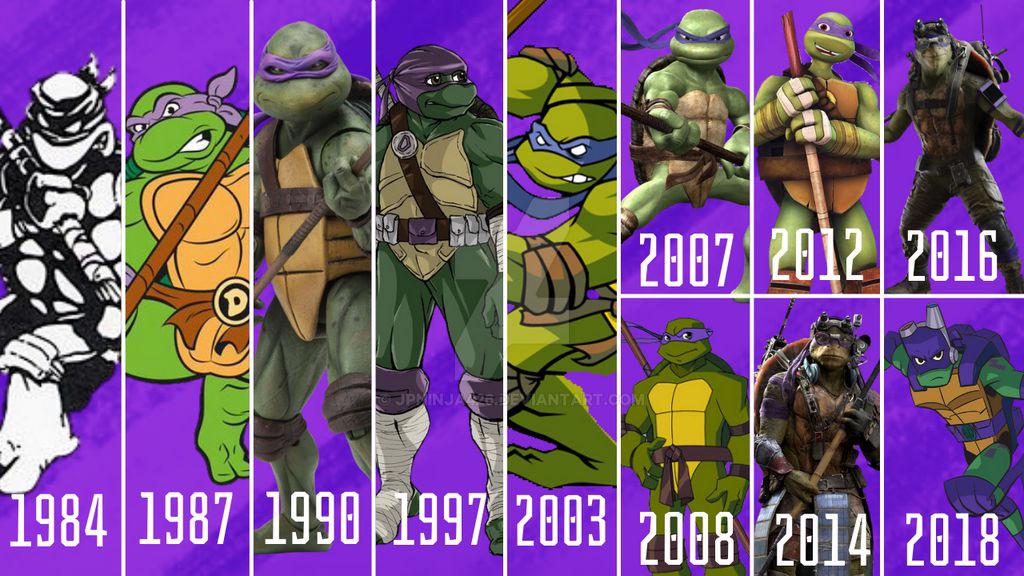
The Rise of the Teenage Mutant Ninja Turtles series made significant changes to Donatello’s character design and abilities while maintaining his core role as the team’s technical expert. This version was reimagined as a soft-shell turtle, which affected both his appearance and his fighting style, making him more reliant on technology and gadgets for protection.
The Rise Donatello was portrayed as even more technologically advanced than previous versions, with access to futuristic equipment and the ability to create incredibly sophisticated devices. His inventions in this series often bordered on science fiction, including battle shells, advanced vehicles, and complex computer systems that went far beyond the relatively simple gadgets of earlier versions.
This series also explored Donatello’s relationship with his soft-shell nature, showing how his physical vulnerability led him to rely more heavily on technology and intelligence rather than brute force. This created interesting character dynamics and provided new ways to explore themes of adaptation, compensation, and finding strength in unexpected places.
The evolution of Donatello’s character reflects broader changes in how intelligence and technology are portrayed in popular culture. Early versions of the character were relatively simple inventors and mechanics, but later iterations have portrayed him as a genuine genius whose abilities rival those of the greatest scientific minds in fiction.
This evolution also reflects the increasing importance of technology in everyday life. As computers, the internet, and advanced gadgets have become more central to modern society, Donatello’s role as the team’s technical expert has become correspondingly more important and complex.
The character’s development also shows how stereotypes about intelligent individuals have evolved over time. While early versions of Donatello were relatively well-adjusted and socially competent, later versions have sometimes portrayed him as more awkward or isolated, reflecting common assumptions about highly intelligent people but also providing opportunities to challenge these stereotypes and show the full humanity of intellectual characters.
Michelangelo: From Serious Warrior to Party Dude to Emotional Heart
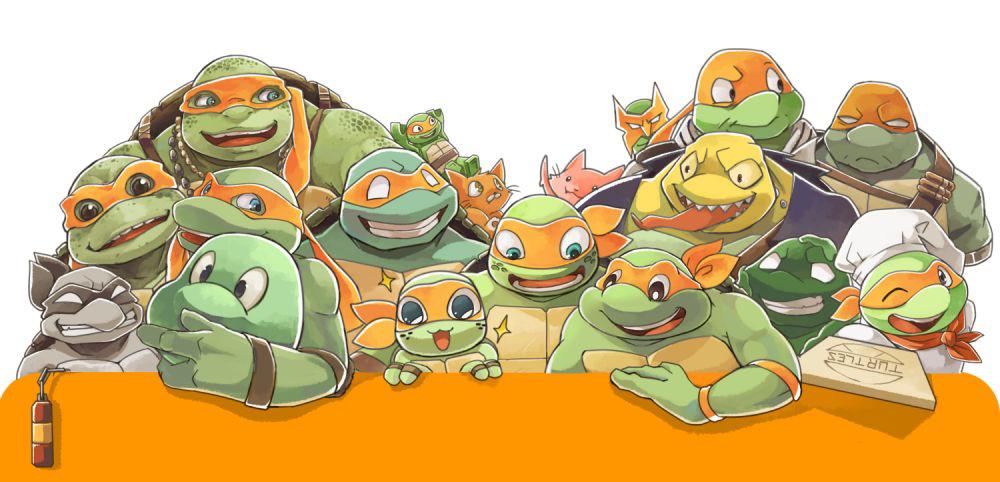
Michelangelo’s character evolution represents perhaps the most complete transformation in TMNT history, encompassing a fundamental shift from serious warrior to comic relief to emotionally intelligent team member. His journey reflects changing ideas about humor, maturity, and the role of optimism in heroic narratives.
Source: YouTube
The original Mirage Comics version of Michelangelo would be virtually unrecognizable to fans who know the character primarily through animated adaptations. This early Michelangelo was a serious, competent warrior who was just as focused and determined as his brothers. While he occasionally provided moments of levity, he was far from the pizza-obsessed jokester that would emerge in later versions.
The Mirage Michelangelo was portrayed as a skilled fighter with a slightly more relaxed attitude than his brothers, but he was still fundamentally a warrior who understood the gravity of their mission and the dangers they faced. His nunchucks were weapons of war rather than toys, and his approach to combat was as serious and deadly as any of his siblings.
The 1987 animated series completely transformed Michelangelo’s character, creating the “party dude” persona that would become synonymous with the character for generations of fans. This radical reimagining turned Michelangelo into the team’s primary source of comic relief, a pizza-obsessed teenager whose enthusiasm and humor provided a counterpoint to the more serious aspects of their adventures.
The 1987 Michelangelo popularized catchphrases like “Cowabunga!” and established many of the character traits that would define him for decades: his love of pizza, his skateboarding skills, his tendency to give nicknames to friends and enemies alike, and his generally optimistic outlook on life. This version of the character was designed to be particularly appealing to young viewers, who could relate to his playful attitude and simple pleasures.
However, the 1987 series was careful not to make Michelangelo completely incompetent or useless. While he might be distracted by pizza or prone to making jokes at inappropriate times, he was still a skilled fighter and a loyal brother who could be counted on when situations became serious. His lighthearted approach often provided creative solutions to problems that his more conventional brothers might overlook.
The transformation of Michelangelo in the 1987 series also established him as the most emotionally open and expressive of the four brothers. While Leonardo, Raphael, and Donatello were often focused on their specific roles and responsibilities, Michelangelo was more likely to express his feelings openly, to show affection for his family, and to maintain connections with friends and allies outside the team.
The 2003 series built upon the party dude persona while adding greater depth and competence to Michelangelo’s character. This version retained his love of fun and his tendency toward humor, but he was also shown to be more perceptive and capable than his carefree attitude might suggest. The series explored the idea that Michelangelo’s apparent lack of seriousness was sometimes a conscious choice rather than an inability to understand the gravity of their situations.
The 2003 Michelangelo was particularly effective at reading people and situations, often understanding emotional dynamics that his more focused brothers might miss. His social skills and emotional intelligence made him valuable in situations that required diplomacy, negotiation, or simply connecting with people who might be suspicious of the more serious turtles.
This version also showed that Michelangelo’s optimistic outlook was actually a strength that helped his family cope with the stress and danger of their lifestyle. His ability to find joy and humor in difficult situations often provided emotional support for his brothers during challenging times, and his creative approach to problem-solving sometimes provided solutions that more conventional thinking might miss.
The 2012 series continued to develop Michelangelo’s character while maintaining his essential role as the team’s emotional center. This version dealt with feelings of inadequacy and the desire to be taken seriously by his brothers, who sometimes dismissed his contributions because of his playful nature. The series explored how Michelangelo’s different approach to life was actually valuable and important, even if it wasn’t always appreciated.
The 2012 Michelangelo also showed greater martial arts skill and fighting ability than some previous versions, demonstrating that his fun-loving nature didn’t prevent him from being a formidable warrior when necessary. The series balanced his comic relief role with moments of genuine competence and heroism, showing that humor and effectiveness weren’t mutually exclusive.
This version also explored Michelangelo’s relationships with characters outside his immediate family, showing how his friendly, open nature made him effective at building connections and alliances that benefited the entire team. His ability to see the good in people and to maintain hope in difficult situations often provided crucial support for both his family and their allies.
The Rise of the Teenage Mutant Ninja Turtles series presented perhaps the most sophisticated version of Michelangelo to date, portraying him as the most emotionally intelligent and psychologically mature member of the team despite maintaining his playful, fun-loving personality. This version was described as “the cutest and most lovable” but also as someone who understood his family’s emotional needs better than anyone else.
The Rise Michelangelo was given mystical powers that reflected his spiritual and emotional development, suggesting that his different approach to life had led him to insights and abilities that his more conventional brothers couldn’t access. His magic-based abilities were often tied to his emotional state and his connections with others, reinforcing his role as the team’s emotional center.
This series also explored how Michelangelo’s optimism and emotional openness made him uniquely qualified to help his brothers deal with their individual struggles and conflicts. His ability to see past surface behaviors to underlying emotions and needs made him an effective mediator and counselor within the family dynamic.
The evolution of Michelangelo’s character from serious warrior to party dude to emotional heart reflects broader changes in how humor and optimism are understood in heroic narratives. Early versions of heroic characters were often stoic and serious, but later interpretations have recognized that humor, joy, and emotional intelligence can be just as valuable as traditional heroic qualities.
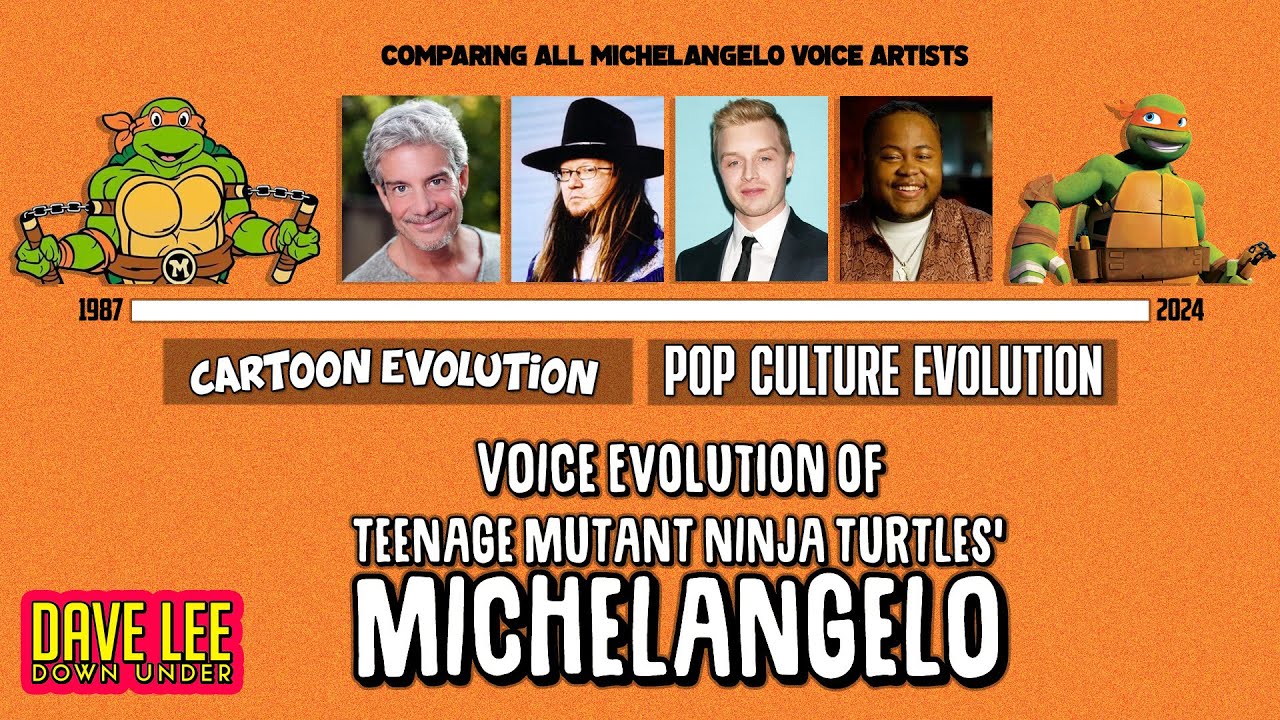
Source: Reddit
Michelangelo’s development also shows how comic relief characters have evolved beyond simple joke-telling to become more complex figures who provide emotional support and different perspectives on problems and challenges. His journey demonstrates that being funny and being competent aren’t mutually exclusive and that different types of intelligence and strength can all contribute to a team’s success.
The Modern Era: Rise of the TMNT and Revolutionary Changes
The Rise of the Teenage Mutant Ninja Turtles series, which premiered in 2018, represents the most radical reimagining of the characters since their creation. This series didn’t just modify existing personality traits or add new dimensions to established characters—it fundamentally restructured the team dynamics, switched leadership roles, and introduced new species variations that affected both appearance and abilities.
Source: Reddit
The decision to make Raphael the leader instead of Leonardo was perhaps the most controversial change in TMNT history, challenging decades of established continuity and fan expectations. This change wasn’t made arbitrarily but reflected a deliberate attempt to explore different aspects of these characters and to show how team dynamics might function under different leadership styles.
The Rise series also introduced significant visual changes, with each turtle being a different species rather than all being the same type of turtle. Leonardo became a red-eared slider, Raphael an alligator snapping turtle, Donatello a soft-shell turtle, and Michelangelo a box turtle. These changes affected not just their appearance but also their abilities and fighting styles, creating new opportunities for character development and action sequences.
Perhaps most importantly, the Rise series demonstrated that the core appeal of the Teenage Mutant Ninja Turtles wasn’t dependent on specific personality traits or team structures but on the fundamental relationships between the four brothers and their shared commitment to protecting others. Even with radical changes to their individual characteristics and roles, the essential bonds of family and heroism remained intact.
Cultural Impact and Reflection: What the Evolution Tells Us
The evolution of the TMNT brothers’ personalities over four decades provides fascinating insights into changing cultural values, storytelling approaches, and audience expectations. Each major reinterpretation of these characters has reflected the specific needs and concerns of its time while building upon the foundation established by previous versions.
The transformation from the serious warriors of the Mirage Comics to the distinct personalities of the 1987 series reflected the need to make these characters appealing to children while maintaining their essential heroic qualities. The decision to give each turtle a specific personality archetype—leader, rebel, genius, and jokester—created a template that would influence not just TMNT but countless other team-based franchises.
The return to psychological complexity in the 2003 series reflected broader trends in entertainment toward more sophisticated character development and long-term storytelling. This series showed that audiences were ready for heroes who struggled with doubt, made mistakes, and dealt with the emotional consequences of their actions.
The continued evolution of these characters in subsequent series has demonstrated the flexibility and enduring appeal of the basic concept. Whether portrayed as serious warriors, comedic heroes, or complex individuals dealing with modern challenges, the four brothers have maintained their essential relationships and values while adapting to changing times and audience expectations.
The Future of Character Evolution
As the Teenage Mutant Ninja Turtles franchise continues to evolve and expand into new media, the lessons learned from four decades of character development provide valuable guidance for future interpretations. The success of various adaptations has shown that these characters can support radical reinterpretations while maintaining their core appeal, but it has also demonstrated the importance of understanding what makes each character unique and valuable.
Future versions of Leonardo will likely continue to explore different aspects of leadership, from the burden of command to alternative leadership styles. The character’s evolution from unquestioned authority figure to complex individual dealing with self-doubt and responsibility suggests that audiences appreciate leaders who are human and fallible rather than perfect and distant.
Raphael’s transformation from wise guy to angry rebel to protective leader shows how a single character archetype can be endlessly reinterpreted while maintaining essential characteristics. Future versions may continue to explore different ways of channeling his intensity and passion, whether through leadership, rebellion, or other forms of expression.
Donatello’s role as the team’s intellectual will likely continue to expand as technology becomes increasingly important in everyday life. Future versions may explore new aspects of intelligence and creativity, from artificial intelligence and robotics to biotechnology and environmental science.
Michelangelo’s evolution from serious warrior to party dude to emotional heart suggests that future versions will continue to find new ways to explore the relationship between humor and heroism, between optimism and realism, and between individual expression and team loyalty.
Conclusion: The Enduring Power of Character Evolution
The forty-year evolution of the Teenage Mutant Ninja Turtles demonstrates the remarkable flexibility and enduring appeal of well-designed character archetypes. Leonardo, Raphael, Donatello, and Michelangelo have undergone dramatic transformations in personality, appearance, and role within their team, yet they remain instantly recognizable and beloved by audiences across multiple generations.
This evolution reflects not just the creative vision of various writers, artists, and producers, but also the changing values and expectations of the audiences who have embraced these characters. From the serious warriors of the original comics to the kid-friendly heroes of the 1987 series, from the psychologically complex figures of the 2003 adaptation to the radically reimagined characters of Rise of the TMNT, each version has found new ways to explore themes of family, heroism, and personal growth.
The success of these various interpretations proves that great characters are not defined by specific personality traits or unchanging characteristics, but by the relationships they form, the values they represent, and the emotional connections they create with their audience. The Teenage Mutant Ninja Turtles have remained relevant for four decades not because they have stayed the same, but because they have been willing to change and grow while maintaining the essential bonds that make them a family.
As the franchise continues to evolve and expand, the lessons learned from this remarkable character development journey will undoubtedly influence future interpretations. The four brothers have shown that heroes can be serious or funny, confident or doubtful, traditional or revolutionary, as long as they remain true to the fundamental values of loyalty, courage, and protecting those who cannot protect themselves.
The evolution of Leonardo, Raphael, Donatello, and Michelangelo over four decades serves as a masterclass in character development, showing how beloved figures can be endlessly reinterpreted while maintaining their essential appeal. Their journey from simple comic book characters to complex, multi-dimensional heroes reflects not just the growth of the TMNT franchise, but the evolution of storytelling itself.
In a media landscape filled with reboots, reimaginings, and reinventions, the Teenage Mutant Ninja Turtles stand as proof that the best characters are those who can adapt to changing times while never losing sight of what made them special in the first place. Whether they’re leading from the front or supporting from behind, whether they’re cracking jokes or analyzing problems, whether they’re channeling anger into action or spreading joy in dark times, these four brothers continue to demonstrate that heroism comes in many forms and that family bonds can survive any transformation.
The next chapter in their evolution is yet to be written, but if the past forty years are any indication, Leonardo, Raphael, Donatello, and Michelangelo will continue to find new ways to surprise, inspire, and entertain audiences while remaining true to the values that have made them heroes for multiple generations. Their story is far from over, and their greatest adventures may still lie ahead.
What’s your favorite version of each turtle? How do you think their personalities should evolve in future adaptations? Share your thoughts in the comments below and let us know which character evolution surprised you the most.
References
[1] TMNTPedia – Fandom. “Leonardo (Mirage).” https://turtlepedia.fandom.com/wiki/Leonardo_(Mirage)
[2] TMNTPedia – Fandom. “Leonardo (1987 TV series).” https://turtlepedia.fandom.com/wiki/Leonardo_(1987_TV_series)
[3] TMNTPedia – Fandom. “Leonardo Splinterson (2003 TV series).” https://turtlepedia.fandom.com/wiki/Leonardo_Splinterson_(2003_TV_series)
[4] Reddit. “A lot of people call Leo the most boring Turtle.” https://www.reddit.com/r/TMNT/comments/1gtxr6w/a_lot_of_people_call_leo_the_most_boring_turtle/
[5] YouTube. “Leonardo’s Evolving Character | Jaynalysis.” https://www.youtube.com/watch?v=q4Uxpjx6HkM
[6] Reddit. “Why didn’t 87 raph’s personality stick like the others.” https://www.reddit.com/r/TMNT/comments/1fllijr/why_didnt_87_raphs_personality_sick_like_the/
[7] YouTube. “What Made 1987 Raphael So Special? | Characters In-Depth.” https://www.youtube.com/watch?v=4zDzX8rZJWU
[8] TMNTPedia – Fandom. “Raphael (Rise of the TMNT).” https://turtlepedia.fandom.com/wiki/Raphael_(Rise_of_the_TMNT)
[9] Reddit. “Who is canonically the smartest version of Donatello?” https://www.reddit.com/r/TMNT/comments/18tmic1/who_is_canonically_the_smartest_version_of/
[10] Reddit. “TMNT Adaptations – And the evolution of Michelangelo as a character.” https://www.reddit.com/r/CharacterRant/comments/s1q02d/tmnt_adaptations_and_the_evolution_of/
[11] YouTube. “Voice Evolution of TMNT’s MICHELANGELO Compared & Explained.” https://www.youtube.com/watch?v=TCAJbqmJd-E
[12] TMNTPedia – Fandom. “Rise of the TMNT and why its characters make sense.” https://turtlepedia.fandom.com/wiki/User_blog:Gilgameshkun/Rise_of_the_TMNT_and_why_its_characters_make_sense