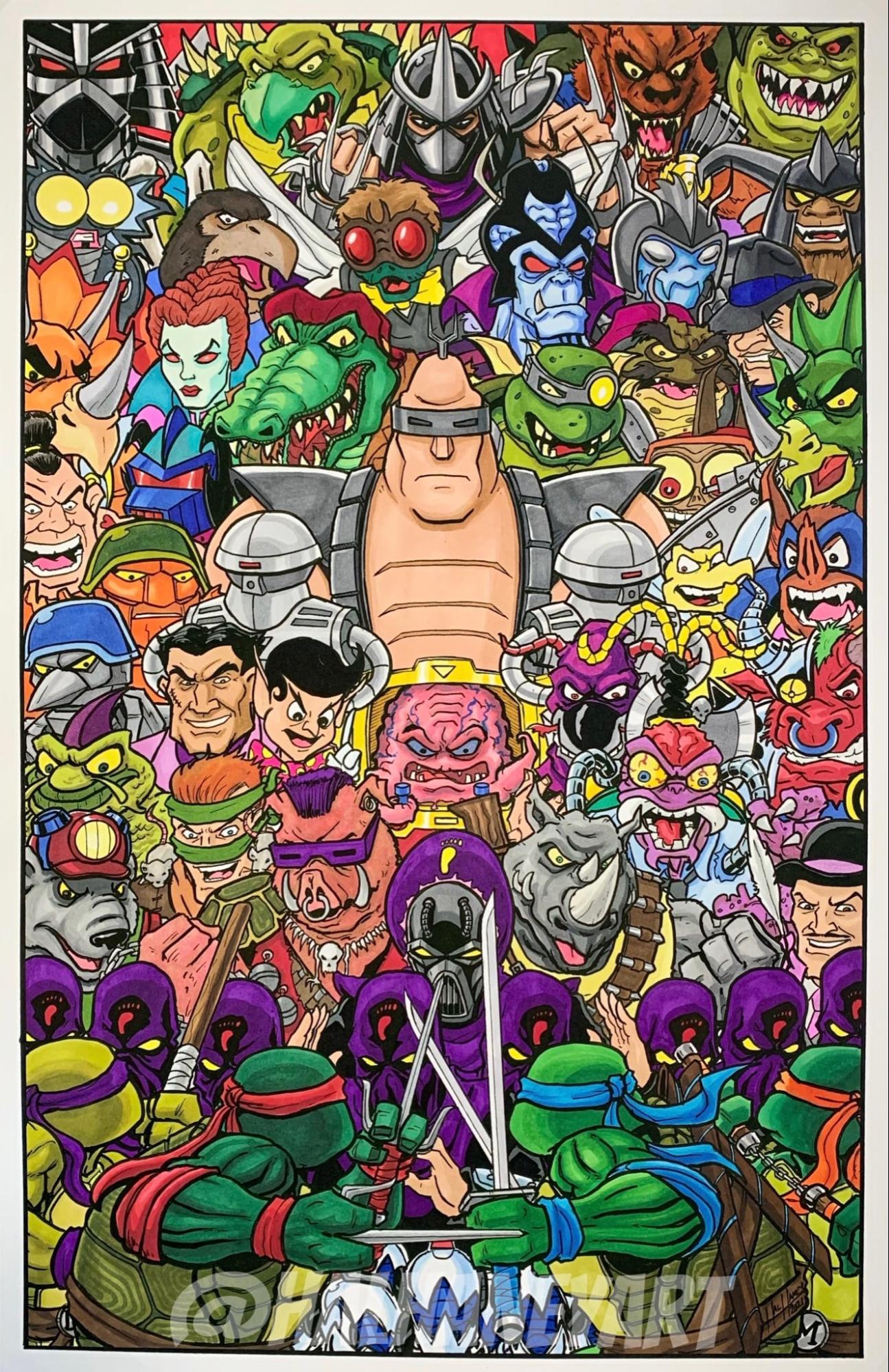
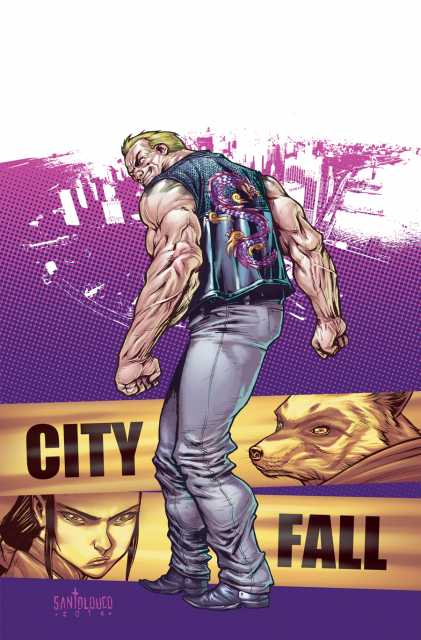
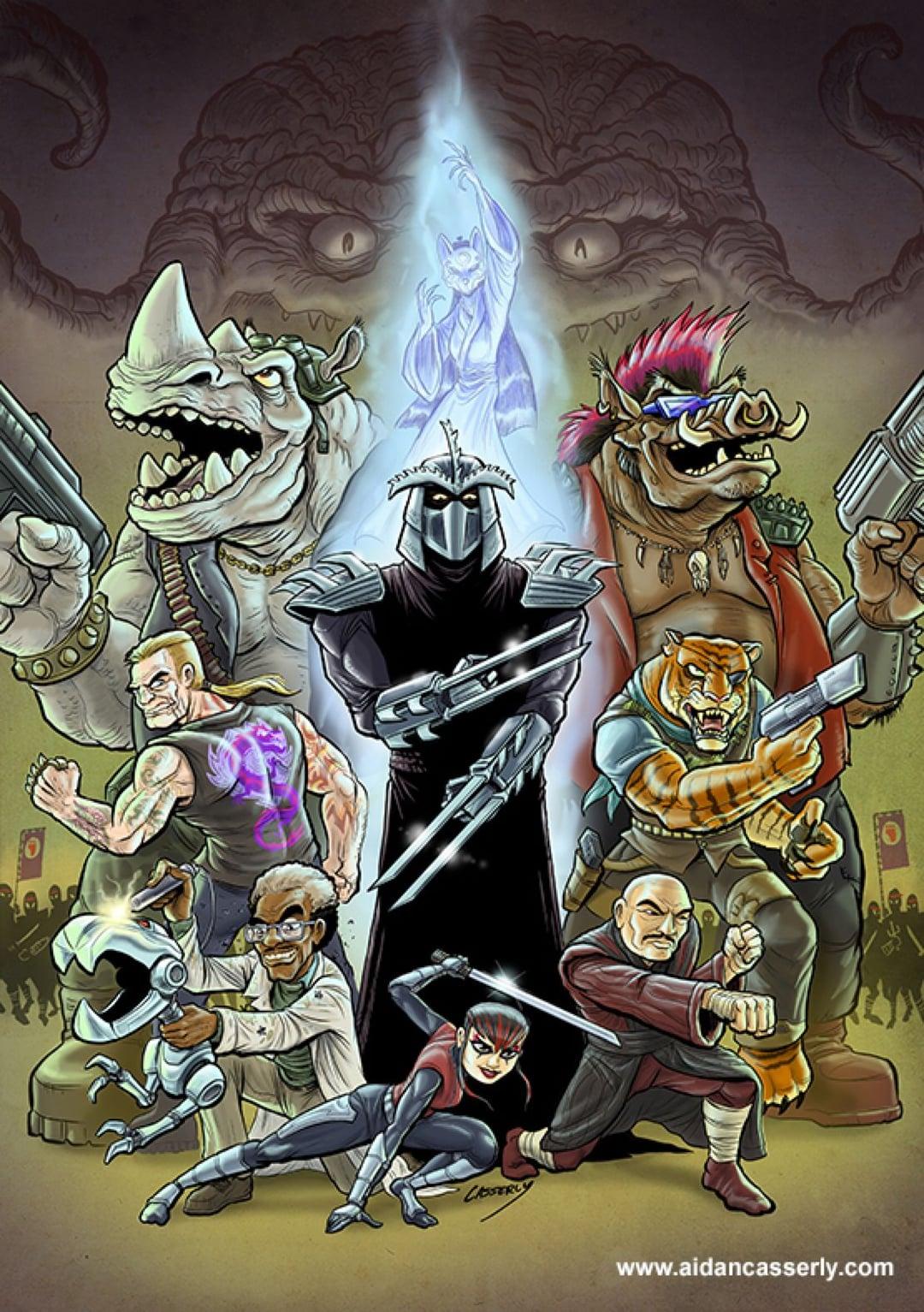
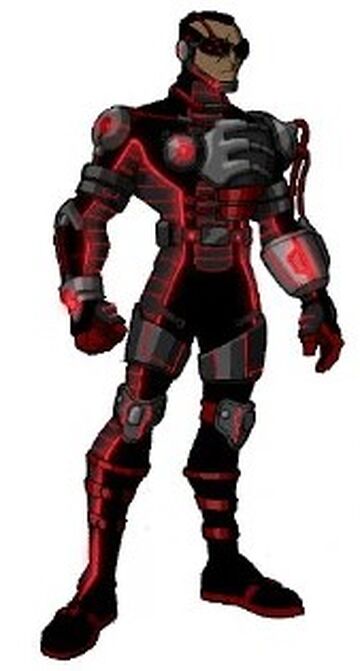
The Teenage Mutant Ninja Turtles have faced countless foes, but these overlooked antagonists prove that the franchise’s villain roster runs much deeper than Shredder and Krang.
When most fans think of Teenage Mutant Ninja Turtles villains, their minds immediately jump to the iconic duo of Oroku Saki (The Shredder) and the alien warlord Krang. These two antagonists have dominated TMNT media for decades, appearing in virtually every iteration of the franchise from the original Mirage Comics to the latest animated series. However, the rich tapestry of the TMNT universe extends far beyond these household names, featuring a diverse array of compelling villains who have been criminally overlooked by mainstream audiences.
The Teenage Mutant Ninja Turtles franchise has evolved significantly since Kevin Eastman and Peter Laird first introduced the heroes in a half shell in 1984. Across multiple comic book publishers, animated series, live-action films, and video games, the TMNT universe has expanded to include hundreds of characters, many of whom have contributed unique elements to the mythology. While Shredder’s personal vendetta against Splinter and Krang’s interdimensional conquest schemes provide the backbone for many TMNT stories, the franchise’s lesser-known villains often bring fresh perspectives, innovative powers, and complex motivations that deserve recognition.
Source: Reddit
The beauty of the TMNT villain roster lies in its diversity. From time-traveling sharks to government conspirators, from mutant cats seeking revenge to mystical rat controllers, these antagonists represent the creative freedom that has allowed the franchise to explore different genres and storytelling approaches. Each continuity—whether it’s the gritty Mirage Comics, the adventure-focused Archie Comics, the character-driven 2003 animated series, or the modern IDW Publishing run—has contributed unique villains who reflect the specific tone and themes of their respective universes.
This ranking celebrates ten of the most underrated villains in TMNT history, characters who may not have achieved the iconic status of Shredder or Krang but have nonetheless left indelible marks on the franchise. These are the antagonists who pushed the Turtles in new directions, introduced innovative concepts, or simply provided memorable encounters that fans still discuss decades later. From complex anti-heroes to pure evil masterminds, these villains prove that the TMNT universe’s depth extends far beyond its most famous faces.
11. Chien Khan: The Mystical Warlord from the East
Ancient Magic Meets Modern Ambition
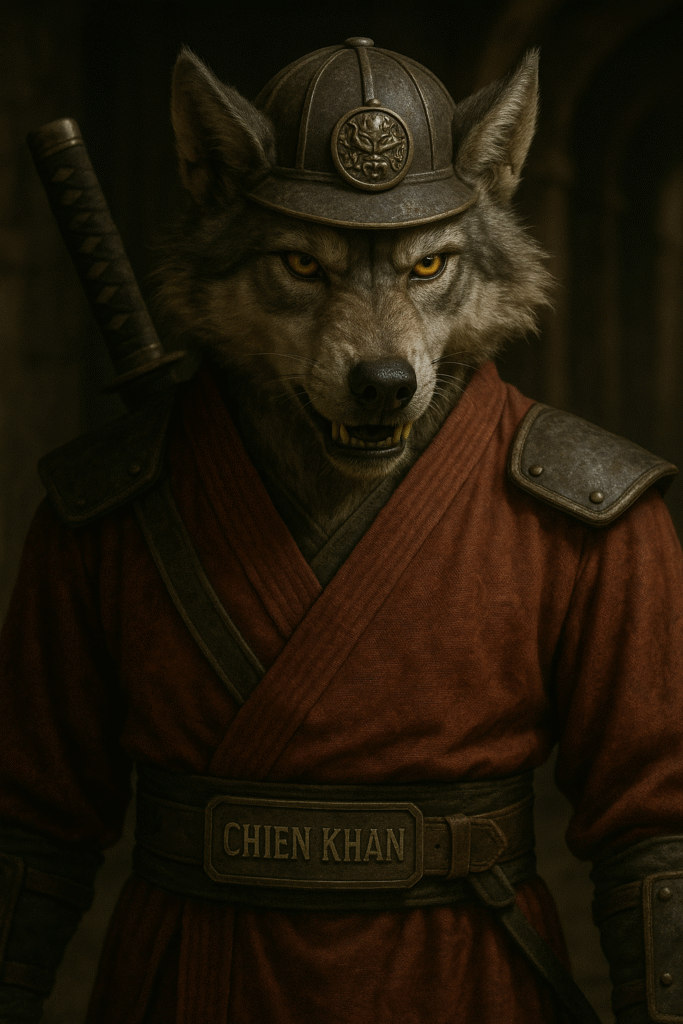
Chien Khan represents the Archie Comics continuity’s exploration of mystical threats and ancient powers, bringing elements of Eastern mysticism and supernatural horror to the TMNT universe in ways that few other villains have matched. This ancient Chinese warlord’s combination of martial arts mastery, mystical abilities, and ruthless ambition made him one of the most formidable opponents the Turtles faced during the Archie era.
Unlike many TMNT villains who rely on technology or mutation for their power, Chien Khan’s abilities stem from centuries of mystical study and supernatural enhancement. His mastery of dark magic allows him to manipulate reality in ways that traditional martial arts cannot counter, forcing the Turtles to seek out mystical allies and develop new strategies for dealing with supernatural threats.
The character’s design perfectly captured the aesthetic of classic martial arts films while incorporating supernatural elements that made him feel genuinely otherworldly. His ancient armor, mystical weapons, and commanding presence established him as a threat that operated on a completely different level from street-level criminals or corporate villains.
Chien Khan’s role in the Archie continuity also demonstrated how TMNT stories could successfully incorporate elements from different cultural traditions and mythological systems. His conflicts with the Turtles often involved ancient prophecies, mystical artifacts, and supernatural locations that expanded the franchise’s world-building in exciting new directions.
What makes Chien Khan particularly underrated is how his character anticipated many elements that would become important in later TMNT continuities. The emphasis on mystical threats, ancient powers, and supernatural conflicts that characterizes much of the modern IDW series can trace its roots back to characters like Chien Khan who proved that TMNT could successfully incorporate fantasy elements alongside its science fiction and martial arts foundations.
10. Verminator-X: The Cybernetic Nightmare from the Future
A Technological Terror That Redefined TMNT’s Scope
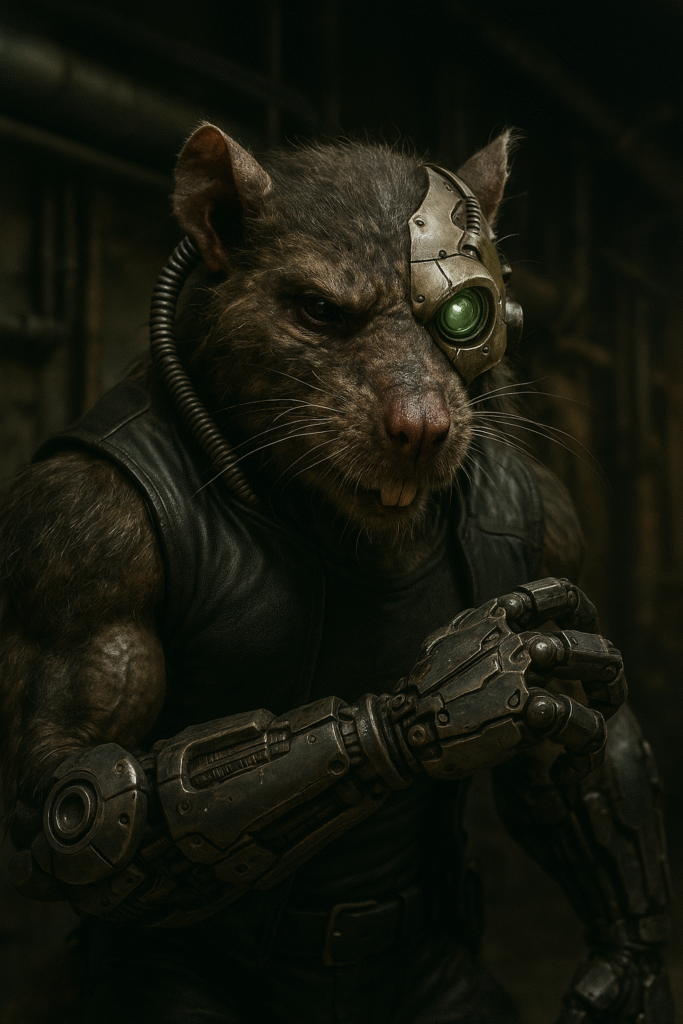
Verminator-X stands as one of the most visually striking and conceptually ambitious villains to emerge from the Archie Comics era of Teenage Mutant Ninja Turtles Adventures. This cybernetic warrior from a dystopian future represents everything that made the Archie continuity special: bold imagination, willingness to explore science fiction concepts, and a commitment to expanding the TMNT universe beyond its urban origins.
First appearing during the “Future Shark Trilogy” storyline, Verminator-X arrived in the present day alongside the time-traveling shark Armaggon, immediately establishing himself as a formidable threat to both the Turtles and the timeline itself. His design perfectly captured the early 1990s fascination with cyberpunk aesthetics, featuring a blend of organic and mechanical components that made him appear both alien and terrifyingly familiar. The character’s visual design alone set him apart from the more traditional martial arts-based villains that dominated the franchise at the time.
What makes Verminator-X particularly underrated is how he represented the Archie Comics’ willingness to push TMNT into uncharted territory. While other continuities focused primarily on ninja clans and street-level crime, the Archie series embraced cosmic threats, time travel, and futuristic technology. Verminator-X embodied this approach, bringing advanced weaponry and cybernetic enhancements that forced the Turtles to adapt their fighting styles and strategies.
The character’s role in the “Future Shark Trilogy” also demonstrated the interconnected nature of the Archie universe’s threats. Rather than operating as a standalone villain, Verminator-X formed part of a larger conspiracy involving Armaggon and even the Shredder himself. This collaborative approach to villainy created more complex storylines and showed how different types of threats could work together to challenge the heroes.
Despite his impressive design and significant role in one of the Archie series’ most ambitious storylines, Verminator-X has largely been forgotten by modern TMNT media. His absence from recent adaptations represents a missed opportunity to explore the technological and temporal themes that made the Archie comics so distinctive. In an era where superhero media regularly explores multiverse concepts and time travel, Verminator-X’s unique blend of cybernetic enhancement and temporal manipulation feels remarkably prescient.
9. Hun: The Foot Clan’s Most Loyal Lieutenant
A Street-Level Threat with Surprising Depth
Hun represents one of the most successful original creations of the 2003 TMNT animated series, serving as a bridge between the mystical elements of the Foot Clan and the street-level crime that plagued New York City. As the leader of the Purple Dragons gang and Shredder’s most trusted lieutenant, Hun brought a different kind of menace to the series—one rooted in urban violence and gang warfare rather than supernatural threats or high-tech schemes.
Source: Comic Vine
What sets Hun apart from other TMNT villains is his purely human nature combined with exceptional physical capabilities. Standing as a towering figure with immense strength and martial arts expertise, Hun proved that you didn’t need mutations, advanced technology, or mystical powers to pose a serious threat to the Turtles. His hand-to-hand combat skills, honed through years of training under the Shredder, made him one of the few purely human characters capable of going toe-to-toe with the mutant heroes.
The character’s leadership of the Purple Dragons added another layer to his threat level. Unlike the Foot Clan’s ninja operatives, the Purple Dragons represented street-level organized crime, dealing in drugs, weapons, and territorial disputes. Hun’s ability to command both organizations gave him unprecedented influence over New York’s criminal underworld, creating problems for the Turtles on multiple fronts simultaneously.
Hun’s character development throughout the 2003 series also demonstrated the show’s commitment to complex storytelling. Initially presented as a straightforward enforcer, Hun’s backstory revealed his deep loyalty to the Shredder and his genuine belief in the Foot Clan’s mission. This loyalty would be tested repeatedly as the series progressed, particularly when the true nature of the Shredder was revealed and Hun was forced to confront the reality of serving an alien entity rather than a human master.
The character’s relationship with Casey Jones added personal stakes to many encounters. As someone who had grown up on the streets and understood gang dynamics, Casey could relate to Hun’s background while still opposing his methods. This dynamic created some of the series’ most emotionally charged confrontations, as both characters represented different paths that street kids could take when faced with limited options.
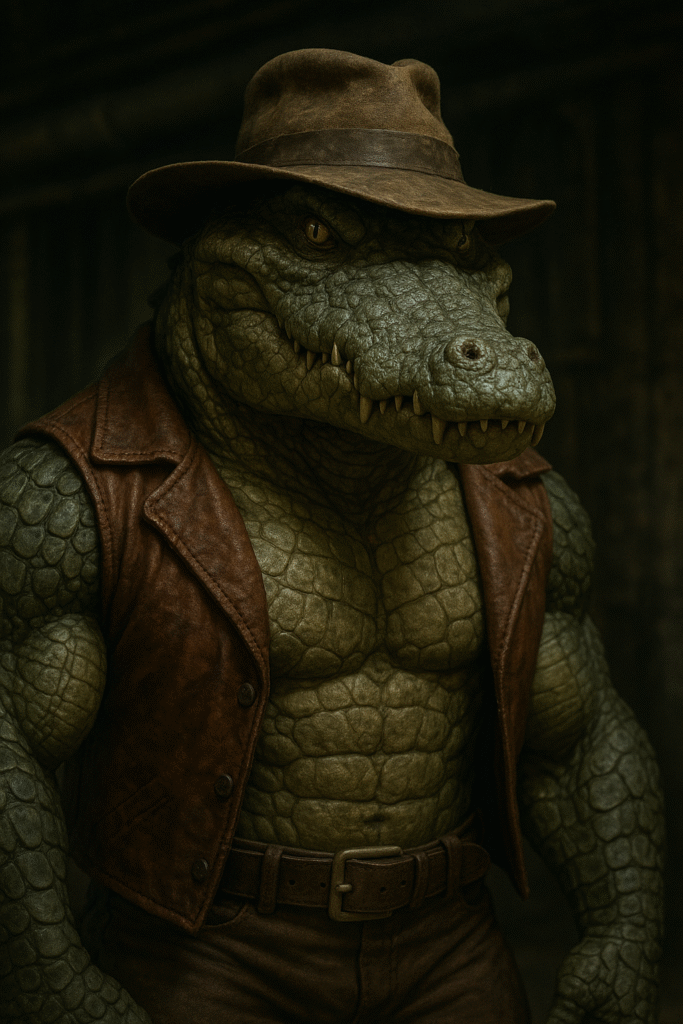
8. Leatherhead: The Tragic Mutant Caught Between Worlds
From Friend to Foe: A Character Study in Moral Complexity
Leatherhead occupies a unique position in TMNT lore as one of the few characters who has served as both ally and antagonist across different continuities. This mutant alligator’s complex relationship with the Turtles reflects the moral ambiguity that has become increasingly important to modern TMNT storytelling, making him one of the most psychologically interesting characters in the entire franchise.
The character’s origins vary significantly across different TMNT continuities, but the core concept remains consistent: Leatherhead is a mutant alligator whose intelligence and emotional capacity make him capable of both great compassion and terrible violence. In the Mirage Comics, he was created by alien Utroms as part of their experiments, while the 2003 animated series portrayed him as a victim of Baxter Stockman’s twisted experiments. Regardless of his origin, Leatherhead consistently represents the tragic consequences of forced mutation and scientific exploitation.
What makes Leatherhead particularly underrated is how his character challenges the traditional hero-villain dynamic. Unlike purely evil antagonists like the Shredder, Leatherhead’s actions are often motivated by trauma, confusion, or a misguided sense of justice. His periods of alliance with the Turtles demonstrate his capacity for good, while his villainous turns typically result from external manipulation or psychological breaks rather than inherent evil.
The 2003 animated series provided perhaps the most nuanced portrayal of Leatherhead, showing him as a gentle giant who genuinely cared for the Turtles but struggled with violent impulses triggered by his traumatic past. His friendship with Michelangelo, in particular, highlighted the character’s potential for redemption while also emphasizing the tragedy of his condition. When Leatherhead inevitably turned against the Turtles due to his psychological conditioning, the emotional weight of the betrayal affected both the characters and the audience.
Leatherhead’s scientific background also sets him apart from other TMNT villains. His intelligence and technical expertise make him a formidable opponent even without considering his physical advantages. In several continuities, he has created advanced technology or contributed to scientific projects that rival the work of characters like Donatello or Baxter Stockman. This intellectual threat, combined with his physical prowess, makes him one of the most well-rounded antagonists in the franchise.
The character’s struggle with his dual nature—the gentle soul trapped within a predator’s body—resonates with broader themes about identity, trauma, and the possibility of redemption. In an era where audiences appreciate morally complex characters, Leatherhead’s internal conflicts and tragic circumstances make him far more interesting than straightforward villains who simply want to conquer or destroy.
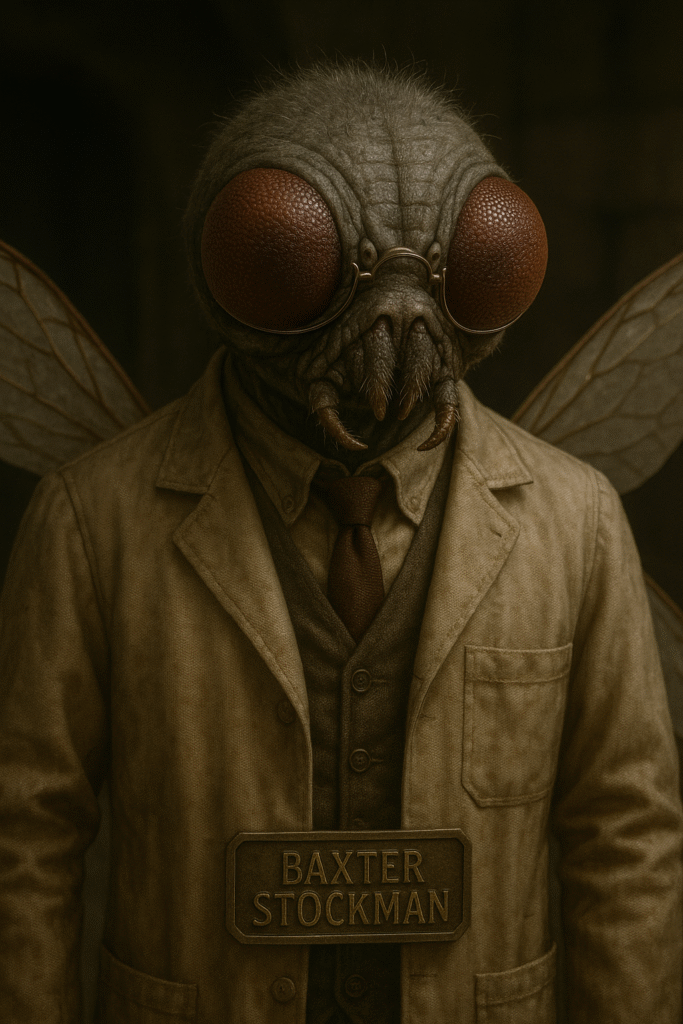
7. Baxter Stockman: The Mad Scientist’s Many Faces
Exploring the Evolution of TMNT’s Premier Scientific Antagonist
While Baxter Stockman is certainly not unknown to TMNT fans, his status as one of the franchise’s most underrated villains stems from how different continuities have explored vastly different aspects of his character. From the original Mirage Comics’ African-American inventor to the 2003 series’ tragic figure to the IDW Comics’ corporate manipulator, Stockman represents one of the most dramatically reimagined characters in TMNT history.
The original Mirage Comics version of Baxter Stockman was groundbreaking for its time, presenting an African-American scientist as a major antagonist in an era when such representation was rare in comics. His M.O.U.S.E.R.S. (Mouser) robots provided a technological threat that complemented the franchise’s martial arts focus, showing how modern problems required modern solutions. This version of Stockman was killed relatively early in the Mirage continuity, but his impact on the franchise’s direction was immeasurable.
The 1987 animated series transformed Stockman into a white scientist who was eventually mutated into a fly, a change that reflected the show’s more comedic tone while also exploring themes of scientific hubris. This version became the template for many subsequent adaptations, establishing Stockman as a recurring threat whose various mutations and schemes provided ongoing challenges for the Turtles.
However, it was the 2003 animated series that truly explored Stockman’s potential as a complex antagonist. This version began as a brilliant but amoral scientist whose work for the government and later for the Shredder gradually stripped away his humanity—literally. As Stockman’s body was systematically destroyed and replaced with cybernetic components, viewers witnessed a tragic transformation that raised questions about identity, consciousness, and what it means to be human.
Source: Reddit
The IDW Comics continuity has provided yet another interpretation, presenting Stockman as a corporate scientist whose work with StockGen Corporation drives much of the early storyline. This version’s relationship with characters like Old Hob and his role in creating various mutants throughout the series demonstrates how a single character can serve multiple narrative functions across a long-running comic series.
What makes Stockman underrated is how each version has explored different aspects of the “mad scientist” archetype while maintaining core elements that make the character recognizable. His M.O.U.S.E.R.S. robots have appeared in virtually every continuity, serving as both a signature element and a flexible plot device that can be adapted to different storytelling needs. Whether they’re being used for extermination, surveillance, or construction, the Mousers represent Stockman’s genius and his willingness to use that genius for destructive purposes.
Stockman’s various mutations and cybernetic enhancements across different continuities also reflect the franchise’s broader themes about transformation and identity. Like the Turtles themselves, Stockman has been fundamentally changed by scientific experimentation, but unlike the heroes, his transformations typically represent loss rather than gain. This parallel makes him a dark mirror to the protagonists, showing what might happen when mutation serves selfish rather than heroic purposes.
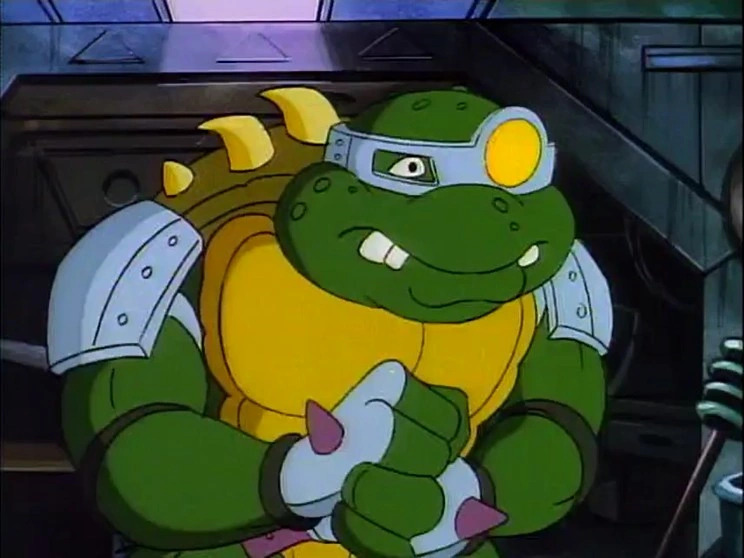
6. Slash: The Evil Turtle Who Became Something More
Source: tmnt.wikia.com
From Mindless Beast to Complex Anti-Hero
Slash represents one of the most fascinating character arcs in TMNT history, evolving from a simple “evil turtle” concept into a complex anti-hero whose journey mirrors and contrasts with that of the main protagonists. Originally introduced in the 1987 animated series as Bebop’s pet turtle who was mutated by Rocksteady, Slash has undergone significant development across multiple continuities, ultimately becoming one of the most psychologically interesting characters in the franchise.
The original concept of Slash was brilliantly simple: what if there was an evil version of the Teenage Mutant Ninja Turtles? This “dark mirror” approach provided an immediate visual and conceptual hook, as Slash’s black bandana and aggressive demeanor marked him as the antithesis of everything the heroic Turtles represented. However, subsequent interpretations have moved far beyond this basic concept, exploring themes of redemption, leadership, and the nature of family that make Slash far more than just an “evil turtle.”
The IDW Comics continuity has provided the most comprehensive exploration of Slash’s character, transforming him from a mindless beast into a thoughtful leader who struggles with his violent past. In this version, Slash becomes a founding member of the Mutanimals alongside Old Hob, serving as the moral compass of a group dedicated to protecting mutant rights. This evolution from villain to anti-hero to genuine hero demonstrates the IDW series’ commitment to character development and its willingness to challenge readers’ preconceptions.
What makes Slash particularly underrated is how his character development reflects broader themes about second chances and the possibility of redemption. Unlike villains who are evil by nature or choice, Slash’s initial antagonism stemmed from his mutation-induced madness and lack of proper guidance. When given the opportunity to think clearly and form meaningful relationships, he consistently chooses to protect others, even when it puts him at odds with his more ruthless allies.
Slash’s relationship with Old Hob in the IDW continuity provides some of the series’ most compelling character dynamics. While Hob represents pragmatic leadership willing to use questionable methods for the greater good, Slash serves as the moral center who challenges these decisions. Their philosophical differences create ongoing tension within the Mutanimals, reflecting real-world debates about activism, violence, and the price of progress.
The character’s various weapons and fighting styles across different continuities also demonstrate his adaptability and intelligence. From his signature mace and chain to his later adoption of more sophisticated combat techniques, Slash has consistently proven himself to be a formidable fighter who can match the Turtles’ skills while bringing his own unique approach to combat.
5. Agent Bishop: The Government’s Greatest Threat
When the Real Enemy Wears a Suit and Badge
Agent Bishop represents a fundamental shift in TMNT storytelling, introducing themes of government conspiracy, institutional corruption, and systemic oppression that elevated the franchise beyond its street-level origins. First appearing in the 2003 animated series, Bishop brought a level of political sophistication and moral ambiguity that challenged both the Turtles and the audience to consider threats that couldn’t be defeated through martial arts alone.
Source: Villains Wiki – Fandom
Unlike traditional TMNT villains who operate from the shadows or announce their presence with dramatic flair, Bishop works within the system, using his position in the Earth Protection Force to pursue his anti-mutant agenda through legal and quasi-legal means. This approach makes him particularly dangerous because his actions are often sanctioned by the very institutions that are supposed to protect citizens. When the government itself becomes the enemy, traditional heroic responses become inadequate.
Bishop’s character design reflects his institutional nature while hinting at his inhuman origins. His clean-cut appearance, professional demeanor, and government credentials mask his true nature as an alien who has lived for centuries, accumulating knowledge and resources while developing an increasingly paranoid worldview. This disconnect between appearance and reality makes him one of the most deceptive villains in TMNT history.
The 2003 series used Bishop to explore themes that were particularly relevant to post-9/11 America, including government surveillance, the erosion of civil liberties in the name of security, and the treatment of minority populations during times of crisis. Bishop’s Earth Protection Force serves as a thinly veiled commentary on real-world government agencies, while his treatment of mutants reflects historical and contemporary struggles for civil rights.
What makes Bishop truly underrated is his intellectual approach to conflict. Rather than relying on brute force or mystical powers, Bishop uses information, resources, and institutional authority to achieve his goals. His ability to turn public opinion against mutants, manipulate media coverage, and use legal frameworks to justify his actions demonstrates a sophisticated understanding of how power actually operates in modern society.
Bishop’s cybernetic enhancements and extended lifespan also add layers to his character that distinguish him from other government antagonists. His centuries of experience have given him a unique perspective on human nature and social development, while his gradual replacement of organic components with mechanical ones mirrors themes of dehumanization that run throughout the TMNT franchise.
The character’s eventual evolution from pure antagonist to reluctant ally in later seasons of the 2003 series demonstrates the complexity that made that show special. Bishop’s recognition that greater threats exist beyond Earth forces him to reconsider his anti-mutant stance, leading to some of the most morally complex storylines in TMNT history.
4. The Rat King: Master of the Underground
A Mystical Threat That Transcends Continuities
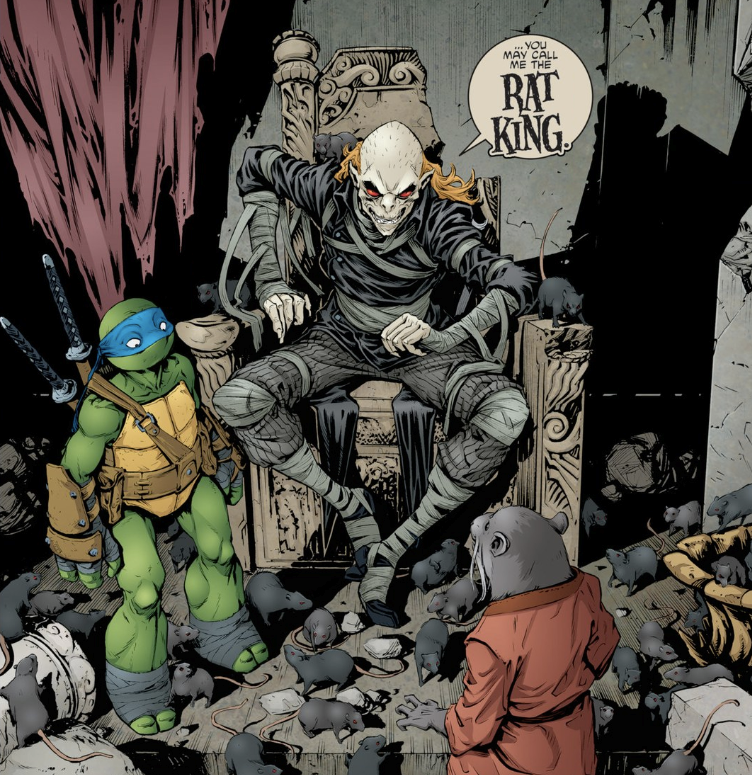
The Rat King stands as one of the most consistently unsettling villains in TMNT history, appearing across multiple continuities with variations that maintain his core identity while adapting to different storytelling approaches. From his debut in the Mirage Comics to his various animated appearances, the Rat King has consistently represented the dark side of the underground world that the Turtles call home.
Source: TMNTPedia – Fandom
What makes the Rat King particularly underrated is how his powers and motivations tap into primal fears that resonate across cultures and time periods. His ability to control rats—creatures that most people find inherently disturbing—combined with his typical portrayal as a diseased or disfigured figure, creates an antagonist who operates on a visceral level that few other TMNT villains can match. This psychological horror element sets him apart from the franchise’s more action-oriented threats.
The Mirage Comics version of the Rat King established many of the character’s core elements, including his telepathic control over rodents and his philosophical obsession with decay and entropy. This version presented him as a genuinely disturbing figure whose powers seemed to stem from madness rather than any external source, making him feel more like a force of nature than a traditional villain.
The Archie Comics continuity reimagined the character as Lord Ha’ntaan, a more overtly mystical figure whose powers extended beyond simple rat control to include various supernatural abilities. This version’s expanded power set and more elaborate backstory demonstrated how the character concept could be adapted to fit different storytelling needs while maintaining his essential identity.
The 2003 animated series provided perhaps the most psychologically complex version of the Rat King, presenting him as a scientist whose experiments with rats led to his transformation into something inhuman. This version’s ability to see through the eyes of his rat subjects and his gradual loss of human identity created a genuinely tragic figure whose villainy stemmed from his disconnection from humanity rather than simple malice.
The 2012 series took a different approach, presenting the Rat King as a powerful psychic entity whose abilities extended to controlling other mutants, including Splinter himself. This version’s reality-warping powers and philosophical discussions about the nature of existence elevated him beyond a simple monster, making him one of the most intellectually challenging opponents the Turtles have faced.
What unites all versions of the Rat King is his representation of the underground world’s darker aspects. While the Turtles have found family and purpose in the sewers, the Rat King embodies the isolation, disease, and madness that could just as easily result from such an existence. He serves as a constant reminder that the Turtles’ positive adaptation to their circumstances was not inevitable and that other paths were possible.
The character’s various mystical abilities across different continuities also make him one of the few TMNT villains who can challenge the heroes on a supernatural level. His powers often seem to operate outside normal physical laws, requiring the Turtles to develop new strategies and sometimes seek help from other mystical characters like the Ancient One or various magical allies.
3. Armaggon: The Time-Traveling Terror from the Deep
A Shark Out of Time Who Redefined TMNT’s Possibilities
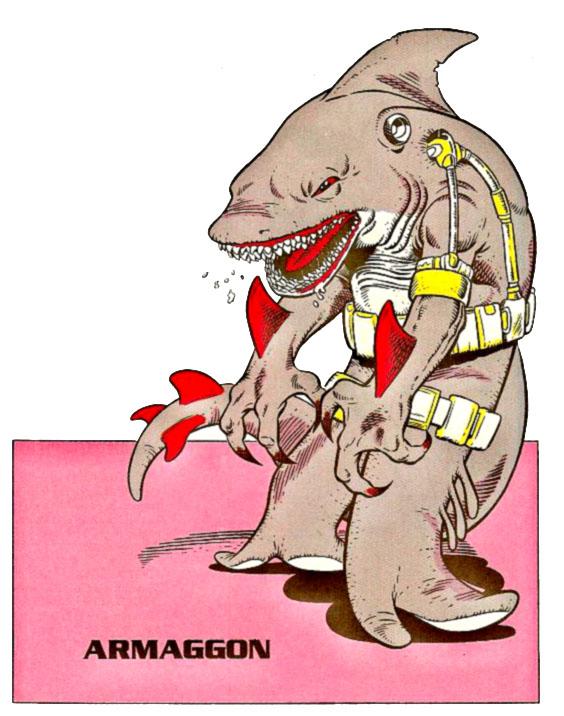
Armaggon stands as perhaps the most conceptually ambitious villain to emerge from the Archie Comics era, combining the primal fear of sharks with the mind-bending possibilities of time travel to create an antagonist unlike anything else in TMNT history. This mutant shark from a dystopian future represents the Archie continuity’s willingness to push the franchise into uncharted waters, literally and figuratively.
Source: TMNTPedia – Fandom
First appearing in Mighty Mutanimals #7 as a prelude to the “Future Shark Trilogy,” Armaggon immediately established himself as a threat that operated on a completely different level from the Turtles’ typical opponents. His ability to travel through time meant that he could attack the heroes at any point in history, while his knowledge of future events gave him strategic advantages that traditional villains could never possess. This temporal manipulation added layers of complexity to storytelling that few comic series were willing to explore in the early 1990s.
What makes Armaggon particularly underrated is how his character concept anticipated many elements that would become standard in modern superhero media. The idea of a villain who uses time travel to gain advantages over heroes, who possesses knowledge of multiple timelines, and who can manipulate causality itself has become increasingly common in contemporary comics and films. Armaggon was exploring these concepts decades before they became mainstream, making him remarkably ahead of his time.
The character’s design perfectly captured the aesthetic sensibilities of early 1990s comics while also serving practical storytelling purposes. His shark-like appearance immediately communicated his predatory nature and physical threat level, while his futuristic armor and weaponry established his technological superiority. The combination of organic and mechanical elements in his design also reflected the broader themes of evolution and adaptation that run throughout the TMNT franchise.
Armaggon’s role in the “Future Shark Trilogy” demonstrated the Archie Comics’ commitment to long-form storytelling and complex plotting. Rather than serving as a monster-of-the-week, Armaggon’s schemes unfolded across multiple issues, involving other villains like Verminator-X and even manipulating the Shredder himself. This collaborative approach to villainy created storylines that felt genuinely epic in scope.
The character’s interactions with aquatic heroes like Man Ray and Merdude also expanded the TMNT universe’s environmental scope. While most TMNT stories focus on urban or underground settings, Armaggon’s presence forced the narrative into oceanic environments that showcased different types of action and different kinds of threats. His claim to have fought Man Ray before (from his perspective, though it was Man Ray’s future) demonstrated the complex temporal mechanics that made his character so unique.
Perhaps most importantly, Armaggon represented the Archie Comics’ willingness to treat TMNT as a science fiction franchise rather than just a martial arts series. His time-travel abilities, future technology, and knowledge of alternate timelines opened up storytelling possibilities that other continuities have rarely explored. In an era where multiverse concepts dominate popular culture, Armaggon’s temporal manipulation feels remarkably prescient.
The character’s name itself—derived from a misspelled “Armageddon” in an Eastman/Talbot project—reflects the creative process that has always driven TMNT’s best innovations. Like many of the franchise’s most memorable elements, Armaggon emerged from happy accidents and creative experimentation rather than careful market research or focus group testing.
2. Old Hob: The Mutant Cat Who Built an Empire
From Stray Cat to Revolutionary Leader
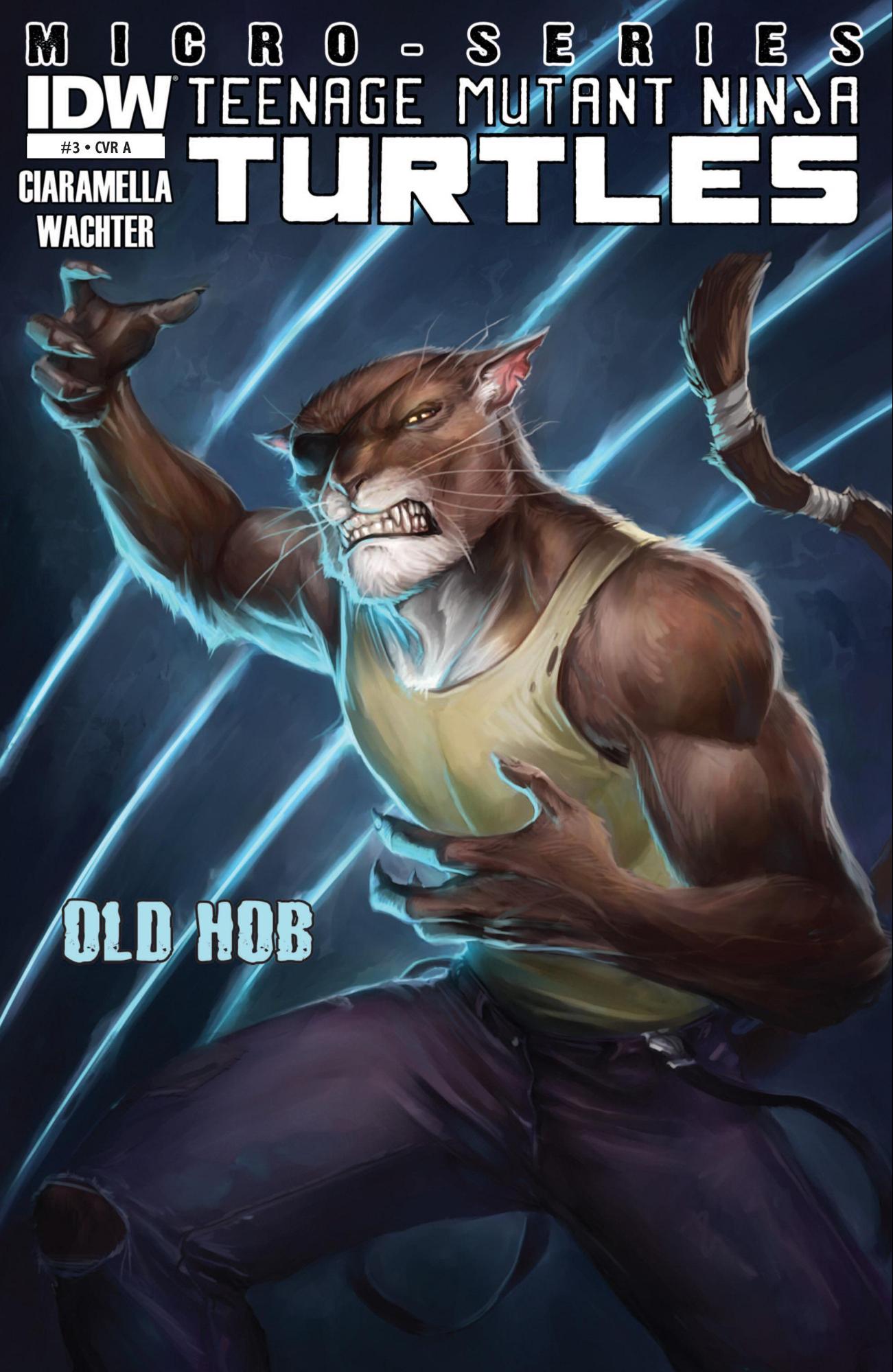
Old Hob represents the pinnacle of character development in the IDW Comics continuity, evolving from a simple revenge-seeking mutant into one of the most complex and morally ambiguous figures in TMNT history. Created specifically for the IDW series by editor-in-chief Chris Ryall, Old Hob has become the franchise’s most successful original villain, demonstrating how new characters can enhance rather than replace classic elements.
Source: Reddit
What makes Old Hob truly exceptional is his origin story, which directly parallels and contrasts with that of the Turtles themselves. Like Splinter and his sons, Hob was mutated by the same incident that created the heroes, but his experience was fundamentally different. Where the Turtles found family and purpose under Splinter’s guidance, Hob experienced trauma and abandonment, losing an eye to Splinter’s claws during their first encounter. This shared origin with divergent outcomes creates a “what if” scenario that adds depth to the entire TMNT mythology.
Hob’s evolution from a simple revenge-seeker to the founder and leader of the Mutanimals demonstrates the IDW series’ commitment to long-term character development. His initial alliance with Baxter Stockman was motivated purely by his desire for revenge against Splinter and the Turtles, but his survival of Stockman’s betrayal and subsequent partnership with Slash marked the beginning of a more complex character arc.
The formation of the Mutanimals under Hob’s leadership represents one of the most significant developments in modern TMNT lore. Unlike the Turtles, who were raised as a family unit, the Mutanimals are a chosen family of outcasts and misfits who have found purpose in protecting other mutants. Hob’s role as their leader requires him to balance his natural pragmatism with the moral expectations of his teammates, creating ongoing internal conflicts that drive much of the IDW series’ character drama.
Hob’s relationship with Slash provides some of the most compelling character dynamics in the entire franchise. While Hob represents pragmatic leadership willing to make difficult choices, Slash serves as the moral center who challenges these decisions. Their philosophical differences about the use of violence and the treatment of enemies create ongoing tension that reflects real-world debates about activism, revolution, and the price of progress.
The character’s intelligence and strategic thinking also set him apart from other TMNT villains. Hob’s ability to organize street gangs, negotiate with corporate interests, and build a sustainable organization for mutant protection demonstrates leadership skills that rival those of Master Splinter himself. His success in creating Mutant Town as a safe haven for displaced mutants shows how his villainous origins have been channeled into genuinely heroic purposes.
Old Hob’s design perfectly captures his dual nature as both predator and protector. His missing eye serves as a constant reminder of his traumatic past, while his street-smart appearance and practical clothing reflect his pragmatic approach to leadership. Unlike the more colorful or fantastical designs of other TMNT characters, Hob looks like someone who has lived through genuine hardship and emerged stronger for it.
What makes Old Hob most underrated is how he has become the franchise’s most successful example of a villain-to-hero transformation. While other characters like Karai or Alopex have made similar journeys, Hob’s evolution feels more earned because it has been developed over dozens of issues and multiple story arcs. His growth from a traumatized stray cat to a respected leader demonstrates the transformative power of community and purpose.
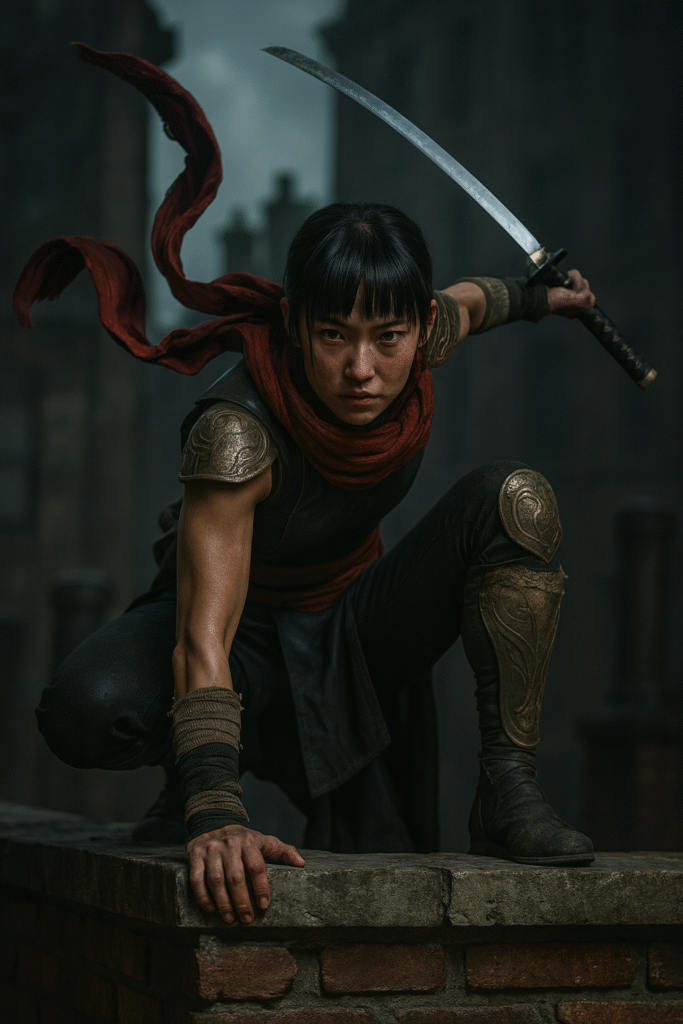
1. Karai: The Daughter Who Surpassed Her Father
The Most Complex Character in TMNT History
Karai claims the top spot on this list not because she’s unknown—quite the contrary—but because her true complexity and importance to the TMNT mythos is consistently undervalued by fans and creators alike. Often reduced to simple descriptions like “Shredder’s daughter” or “the female ninja,” Karai represents the most sophisticated character development in the entire franchise, embodying themes of family, loyalty, identity, and redemption that elevate her far above typical villain status.
The character’s introduction in the Mirage Comics established her as the Shredder’s adopted daughter and eventual successor, but subsequent continuities have explored different aspects of her relationship with Oroku Saki and the Foot Clan. In some versions, she is his biological daughter; in others, she is adopted or even unrelated. These variations allow different stories to explore different facets of her character while maintaining her core identity as someone caught between loyalty to family and personal moral convictions.
What makes Karai most underrated is how she consistently serves as the moral center of stories involving the Foot Clan. While the Shredder represents honor corrupted by vengeance and Splinter embodies wisdom gained through suffering, Karai often finds herself navigating between these extremes, trying to honor her father’s legacy while recognizing the destructive nature of his obsessions. This position makes her one of the most psychologically complex characters in the franchise.
The 2003 animated series provided perhaps the most nuanced exploration of Karai’s character, showing her gradual disillusionment with the Shredder’s methods and her growing respect for the Turtles’ principles. Her eventual alliance with Leonardo and her role in the Shredder’s final defeat demonstrated how personal growth could overcome even the strongest family loyalties. This character arc resonated with audiences because it reflected real-world struggles with family expectations and personal values.
Karai’s martial arts skills and leadership abilities also make her one of the most formidable opponents the Turtles have ever faced. Unlike villains who rely on supernatural powers or advanced technology, Karai defeats the heroes through superior training, strategic thinking, and tactical awareness. Her victories feel earned rather than arbitrary, making her a respected adversary even when she’s serving as an antagonist.
The character’s various romantic subplots, particularly her relationship with Leonardo in several continuities, add another layer of complexity to her interactions with the heroes. These relationships are never simple or straightforward, reflecting the complicated nature of attraction between enemies and the difficulty of maintaining personal connections across ideological divides.
Perhaps most importantly, Karai represents the possibility of change and growth within the TMNT universe. Her journey from loyal daughter to independent leader to eventual ally demonstrates that even the most entrenched conflicts can be resolved through understanding and personal development. In a franchise that often relies on cyclical conflicts between good and evil, Karai’s evolution offers hope for genuine progress and reconciliation.
The character’s influence on other TMNT media cannot be overstated. Her presence has elevated every continuity she’s appeared in, forcing writers to explore themes of family, loyalty, and redemption that might otherwise be overlooked. Her relationships with other characters, from her complex dynamic with the Shredder to her mentorship of younger Foot Clan members, create ripple effects that enhance the entire narrative ecosystem.
Karai’s underrated status stems from how her complexity is often oversimplified in discussions of TMNT characters. Fans and critics tend to focus on her role as “the Shredder’s daughter” or her romantic connections with Leonardo, missing the deeper themes her character represents. She is simultaneously a product of her environment and someone who transcends that environment, a loyal daughter and an independent woman, a skilled warrior and a thoughtful leader.
In many ways, Karai represents the best of what TMNT can be when it embraces character development over simple action. Her presence in any story immediately raises the stakes emotionally and morally, forcing other characters to confront their own assumptions and motivations. She is not just an underrated villain—she is an underrated character whose influence on the franchise extends far beyond her individual appearances.
Honorable Mentions: Villains Who Almost Made the List
Bebop and Rocksteady: The Lovable Incompetents
While Bebop and Rocksteady are far from unknown, their status as comic relief often overshadows their genuine threat level and their importance to TMNT mythology. These mutant henchmen have appeared in virtually every TMNT continuity, serving as the perfect example of how even seemingly simple characters can evolve and adapt to different storytelling needs.
Krang: The Alien Overlord’s Hidden Depths
Though Krang is one of the most recognizable TMNT villains, his true complexity is often overlooked in favor of his more obvious characteristics. The various interpretations of his character across different continuities reveal layers of political intrigue, family drama, and cosmic horror that make him far more than just a “brain in a robot body.”
Alopex: The Arctic Assassin’s Journey
Alopex represents another successful IDW original character whose evolution from Shredder’s assassin to Raphael’s ally demonstrates the series’ commitment to character development. Her struggle with her programming and her gradual discovery of her own identity make her one of the most compelling redemption stories in recent TMNT history.
Why These Villains Matter: The Importance of Deep Bench Characters
The true strength of the TMNT franchise lies not just in its iconic heroes and primary antagonists, but in the rich ecosystem of supporting characters who provide depth, variety, and ongoing storytelling possibilities. These underrated villains serve multiple crucial functions that enhance the overall TMNT experience and demonstrate why the franchise has remained relevant for over four decades.
First and foremost, these characters provide thematic diversity that prevents TMNT stories from becoming repetitive. While Shredder represents personal vengeance and Krang embodies cosmic conquest, characters like Agent Bishop explore institutional corruption, Old Hob examines the nature of family and leadership, and the Rat King delves into psychological horror. This variety allows TMNT stories to explore different genres and themes while maintaining their core identity.
These underrated villains also serve as testing grounds for new ideas and concepts that can later be incorporated into the broader TMNT mythology. Characters like Old Hob and the Mutanimals have introduced concepts about mutant rights and community building that have influenced how other characters and storylines are developed. Similarly, Armaggon’s time-travel abilities opened up narrative possibilities that continue to influence TMNT storytelling today.
The evolution of these characters from simple antagonists to complex figures also reflects the franchise’s maturation over time. Early TMNT stories often featured straightforward conflicts between good and evil, but the development of characters like Karai, Leatherhead, and Old Hob demonstrates how the franchise has embraced moral ambiguity and character development that appeals to adult audiences while remaining accessible to younger fans.
Perhaps most importantly, these underrated villains provide opportunities for character growth among the heroes themselves. The Turtles’ interactions with morally complex antagonists force them to question their own assumptions, develop new strategies, and sometimes even reconsider their fundamental beliefs. These challenges make the heroes more interesting and relatable while also providing natural character development opportunities.
The Future of TMNT Villainy: Lessons from the Underrated
As the TMNT franchise continues to evolve and expand into new media, the success of these underrated villains provides valuable lessons for future character development. The most memorable and impactful antagonists are those who challenge the heroes on multiple levels—physical, intellectual, and moral—while also serving broader thematic purposes within their respective stories.
The IDW Comics’ success with characters like Old Hob and the expanded Mutanimals roster demonstrates how original characters can enhance rather than replace classic elements. By creating new villains who interact meaningfully with established characters and concepts, creators can expand the franchise’s possibilities without alienating longtime fans.
Similarly, the various reinterpretations of characters like Baxter Stockman and the Rat King across different continuities show how classic concepts can be refreshed and updated for new audiences while maintaining their essential appeal. The key is understanding what makes each character unique and finding new ways to explore those characteristics rather than simply repeating previous storylines.
The success of morally complex characters like Karai and Leatherhead also suggests that modern audiences appreciate villains who can evolve and change over time. Rather than static antagonists who serve the same function in every appearance, the most interesting villains are those whose relationships with the heroes can develop and change based on circumstances and character growth.
Conclusion: Celebrating the Depth of TMNT’s Villain Roster
The Teenage Mutant Ninja Turtles franchise has succeeded for over four decades because it has consistently been willing to evolve, experiment, and expand beyond its original concepts. These underrated villains represent some of the best examples of that creative evolution, showing how new ideas and fresh perspectives can enhance rather than replace the elements that made the franchise special in the first place.
From Old Hob’s complex journey from revenge-seeker to community leader to Armaggon’s mind-bending temporal schemes, these characters demonstrate that the TMNT universe is vast enough to accommodate virtually any type of story or character concept. Their underrated status speaks not to any lack of quality or creativity, but rather to the franchise’s embarrassment of riches when it comes to compelling antagonists.
As new TMNT media continues to be developed, creators would be wise to look beyond the obvious choices of Shredder and Krang to explore the rich catalog of underrated villains who have already proven their worth in previous stories. Whether through direct adaptation or creative reinterpretation, these characters offer opportunities to surprise longtime fans while introducing new audiences to the full scope of what the TMNT universe has to offer.
The next time you’re enjoying a TMNT story, take a moment to appreciate not just the heroes and their most famous foes, but also the supporting cast of villains who make the turtle-verse such a rich and varied place to explore. These underrated antagonists may not have achieved the iconic status of the franchise’s biggest names, but their contributions to TMNT mythology are no less significant or deserving of recognition.
What do you think? Which underrated TMNT villain deserves a comeback in future media? Share your thoughts in the comments below and let us know which forgotten foe you’d like to see return to challenge the heroes in a half shell.
References
[1] TMNTPedia – Fandom. “Old Hob (IDW).” https://turtlepedia.fandom.com/wiki/Old_Hob_(IDW)
[2] TMNTPedia – Fandom. “Armaggon (Archie).” https://turtlepedia.fandom.com/wiki/Armaggon_(Archie)
[3] CBR. “TMNT’s Future Shark Armaggon, Explained.” https://www.cbr.com/tmnt-armaggon-archie-comics-idw-comic-history/
[4] CBR. “TMNT’s Rat King, Explained: Who is He & What Are His Powers?” https://www.cbr.com/tmnt-rat-king-comic-history-powers-abilities/
[5] Villains Wiki – Fandom. “Agent Bishop.” https://villains.fandom.com/wiki/Agent_Bishop
[6] TMNTPedia – Fandom. “Hun (2003 TV series).” https://turtlepedia.fandom.com/wiki/Hun_(2003_TV_series)
[7] Reddit. “Old Hob: a fantastic addition to the TMNT cast made by IDW.” https://www.reddit.com/r/TMNT/comments/12ftbtl/old_hob_a_fantastic_addition_to_the_tmnt_cast/
[8] YouTube. “Agent Bishop Origin – Underrated TMNT Villain Is Extremely Intelligent Cybernetically Enhanced Being.” https://www.youtube.com/watch?v=-LPDHZiA9sY