Wolverine’s healing factor lets Logan regenerate torn muscle, shattered bone, and burned skin in minutes, resist nearly every disease and toxin, and age at a fraction of the normal human rate. It is not invincibility: overwhelming damage, certain enchanted weapons, and outright decapitation have all defeated it in decades of Marvel continuity.
Wolverine is headlining Insomniac’s Marvel’s Wolverine, out September 15, 2026, and he just carried Deadpool & Wolverine to one of the biggest box-office runs in Marvel history — so it’s worth getting his signature power straight from the comics instead of the shorthand version most trailers use. Below is what the healing factor actually does, where the adamantium skeleton and claws really came from, and the specific, real storylines where all of it has failed him.
How Wolverine’s Healing Factor Actually Works
Wolverine’s healing factor is a mutant ability, present since childhood, that lets his body repair damaged cells far faster and more completely than an ordinary human’s. In practice that means torn muscle, broken bone, burned or lacerated skin, and even significant organ damage close up in minutes rather than weeks. Marvel’s writers have never nailed down a single consistent in-universe mechanism for it — different eras have leaned on a hyper-efficient metabolism, specialized regenerative cells, or an outright hand-wave — but the effect has stayed constant: Logan shrugs off wounds that would kill or permanently maim almost anyone else, and the same regeneration slows his aging and makes him highly resistant to disease, poison, and most drugs (he can still get drunk; his body just burns through the alcohol unusually fast).

It is not limitless, and Marvel’s own official bio is blunt about the boundary: Logan can bounce back from almost any wound on the condition that his head remains firmly attached to his shoulders. Enough cumulative trauma in a short window can overload the healing factor faster than it can keep up (seen when Magneto tore the adamantium out of his body in 1993’s Fatal Attractions, below), and regeneration has nothing to do with resisting mind control, brainwashing, or possession — a body that heals from any wound can still be a weapon someone else is pointing at other people, which is exactly what happened to him in Enemy of the State. For a broader sense of how his regeneration stacks up against the rest of the genre, see our Ultimate Comic Book Healing Factors, Ranked.
The Adamantium Skeleton and Claws: Weapon X, Department H, and What’s Actually Bone
The most common misconception about Wolverine’s claws is that they’re an adamantium implant. They aren’t. The three retractable claws housed in each forearm, extending between the knuckles, are a natural part of his mutation — bone claws he had before any government program ever touched him, first shown erupting from a young James Howlett’s hands in Wolverine: The Origin. That distinction was proven in the comics themselves: when Magneto ripped every ounce of adamantium out of Wolverine’s body in 1993’s Fatal Attractions (X-Men #25), the claws that regrew afterward were plain bone, not metal, because the metal was never what made them claws.
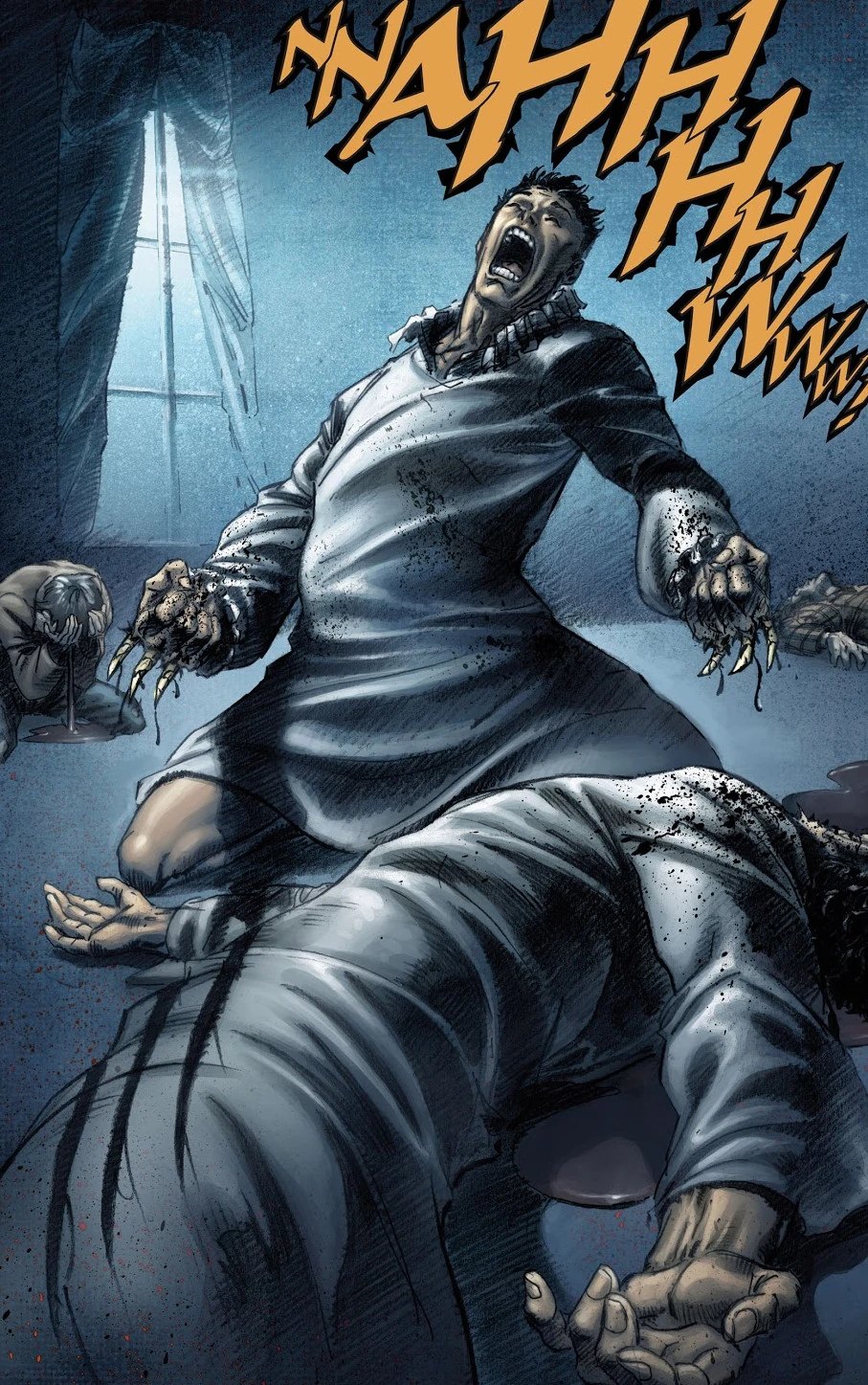
The adamantium came later, from the black-ops program called Weapon X. In the classic version of the story, first told in full in 1991’s Weapon X serial, Logan was abducted and had his memory stripped while Professor Thorton’s team — including Dr. Abraham Cornelius and Dr. Carol Hines — used an experimental bonding process to fuse molten adamantium not just to his claws but to his entire skeleton, making his whole frame as close to indestructible as the metal itself. Wolverine was one of the only test subjects whose body didn’t reject the process, and his own healing factor is the reason he survived a procedure that killed other candidates. Only after escaping Weapon X, feral and without his memories, was he found and nursed back to sanity by James and Heather Hudson and recruited into Department H, Canada’s own (and separate) superhuman program, years before he ever joined the X-Men. For more on the metal itself, see our explainer on What Is Adamantium?
Enhanced Senses
Wolverine’s senses of smell, hearing, and sight all operate at a predatory-animal level rather than a human one. He can identify a specific person by scent alone, track a target across days-old, weather-degraded trails, and pick out a lie by the change in someone’s heartbeat and body chemistry. Combined with reflexes and stamina pushed well past ordinary human limits by the same healing factor that repairs him, the senses are what make him a tracker and close-quarters fighter first and a brawler second.
Slowed Aging and Broader Resistance
The healing factor also throttles the aging process itself, which is why a character most modern comics date to the 19th century still looks like a man in his mid-forties. It’s the same mechanism behind his resistance to disease and most toxins: cells that repair themselves aggressively are also cells that clear out infections, poisons, and cellular damage before they can accumulate. That resistance has limits too — it is a matter of degree, not immunity, and specifically engineered toxins have been able to suppress it in the comics (see below).
| Ability | Mechanism | Known limit |
|---|---|---|
| Accelerated healing | Rapid regeneration of tissue, bone, and organs | Overwhelmed by extreme cumulative damage, decapitation, and a small number of magic weapons |
| Adamantium skeleton & claws | Natural bone claws, entire skeleton coated in adamantium by Weapon X | The adamantium coating can be removed (Magneto, Fatal Attractions); the bone claws underneath cannot |
| Enhanced senses | Predator-level smell, hearing, and sight | No precognition; does not detect illusions, disguises, or magic |
| Slowed aging | Healing factor dramatically extends lifespan | Not immortality — he has been killed and resurrected through distinct in-story events |
| Disease & toxin resistance | Aggressive cell repair neutralizes most pathogens and poisons | Purpose-built toxins and viral agents have suppressed it (Three Months to Die) |
When Wolverine’s Healing Factor Has Failed — or Been Turned Against Him
Most “Wolverine is basically invincible” claims skip past how many specific, real storylines exist where the healing factor is beaten, exhausted, or exploited rather than simply ignored. A few of the clearest examples:
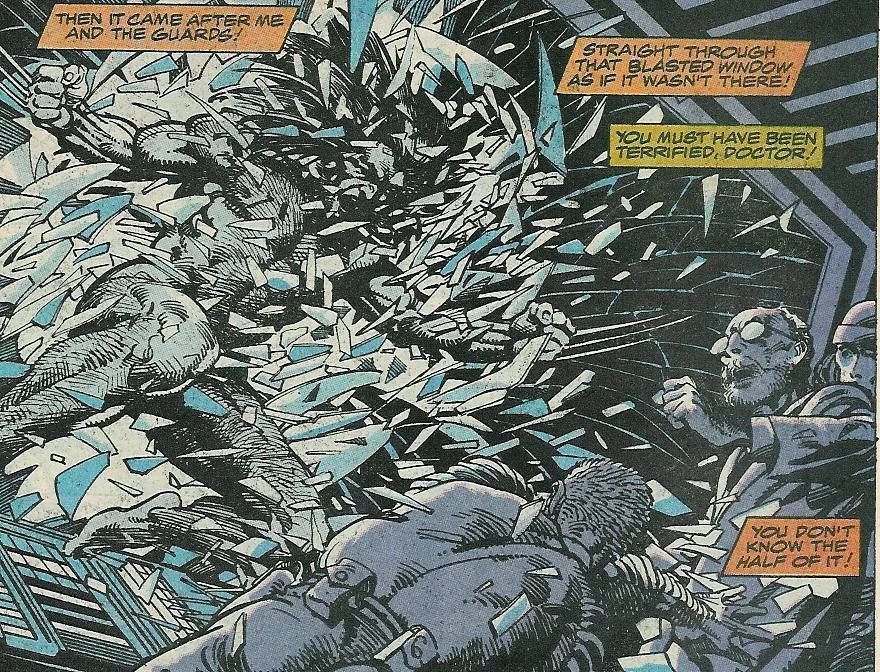
Fatal Attractions (1993). After Wolverine nearly guts him, Magneto retaliates by tearing every ounce of adamantium out of Logan’s skeleton in X-Men #25. The trauma overloads even his healing factor and leaves him near death for the following arc — proof that enough damage delivered fast enough can outpace the regeneration, not just individual wounds.
Enemy of the State (2004–05). In Mark Millar and John Romita Jr.’s run, the ninja order the Hand kills Wolverine, resurrects him, and brainwashes him into an assassin. The healing factor isn’t defeated here so much as weaponized against him: because he can’t be permanently killed to stop him, he becomes the perfect tool for whoever controls his mind.
The Muramasa Blade. A mystically forged sword that inflicts wounds the healing factor cannot close, established across several Wolverine stories and used both against him and by him. It’s one of the very few weapons in Marvel continuity built specifically to bypass regeneration rather than simply out-damage it.
Death of Wolverine (2014). In the lead-in arc Three Months to Die, an experimental toxin permanently burns out Logan’s healing factor, leaving him mortal for the first time in decades. Without it, when Weapon X returnee Dr. Abraham Cornelius’s adamantium-bonding rig ruptures during their final fight, Wolverine is fatally encased in the same molten metal that once made him nearly indestructible — he dies in Death of Wolverine #4 (2014), and the death stuck for several years.
Return of Wolverine (2018). Writer Charles Soule brought him back when the mutant villain Persephone, whose power reanimates corpses, tries to use Logan’s preserved body as a weapon — and accidentally restarts his dormant healing factor in the process, resurrecting him under his own power instead of hers. Wikipedia’s rundown of the arc and CBR’s breakdown of his age and healing factor both cover the full sequence in more detail.
Frequently Asked Questions
Can Wolverine actually die?
Yes. He has died in-story and been brought back through specific, separate plot events rather than simply shrugging it off — most notably in 2014’s Death of Wolverine, where his healing factor was already gone before he was fatally encased in molten adamantium, and 2018’s Return of Wolverine, which resurrected him years later.
What actually beats Wolverine’s healing factor?
In the comics: overwhelming cumulative damage delivered faster than he can regenerate, decapitation or catastrophic damage to the brain and spine, a small number of magic or mystically forged weapons like the Muramasa Blade, and purpose-built toxins or viral agents that suppress the healing factor itself rather than just wounding him.
Are Wolverine’s claws made of bone or adamantium?
Both, but not the way most people think. The three retractable claws in each forearm are bone, and the claw mechanism itself is his own mutant power. The Weapon X program later coated his entire skeleton, claws included, in the metal alloy adamantium — the metal is a coating, not the claws themselves.
How old is Wolverine, and does he still age?
Most modern comics place Logan’s birth in the 19th century, making him over a hundred years old, though his exact birth year has been written inconsistently across decades of retcons. His healing factor slows aging dramatically rather than stopping it, which is why he still looks like a man in his forties.