Captain America’s best comic storylines all do the same cruel thing: they hand Steve Rogers (or, later, Sam Wilson) a government, an agency or a best friend to trust completely, then show him exactly why he shouldn’t have. Seven decades in, the shield has survived every one of those betrayals. The man carrying it almost didn’t.
Here’s the thing: Captain America is written as the most trusting hero in the Marvel Universe on purpose. Every story on this list is really about what that trust costs him, right up to the one where his own government turns him into the villain. That one’s at the bottom of the page, and it’s worth reading all the way down to it.
Civil War and “The Death of Captain America” (2006–2007)
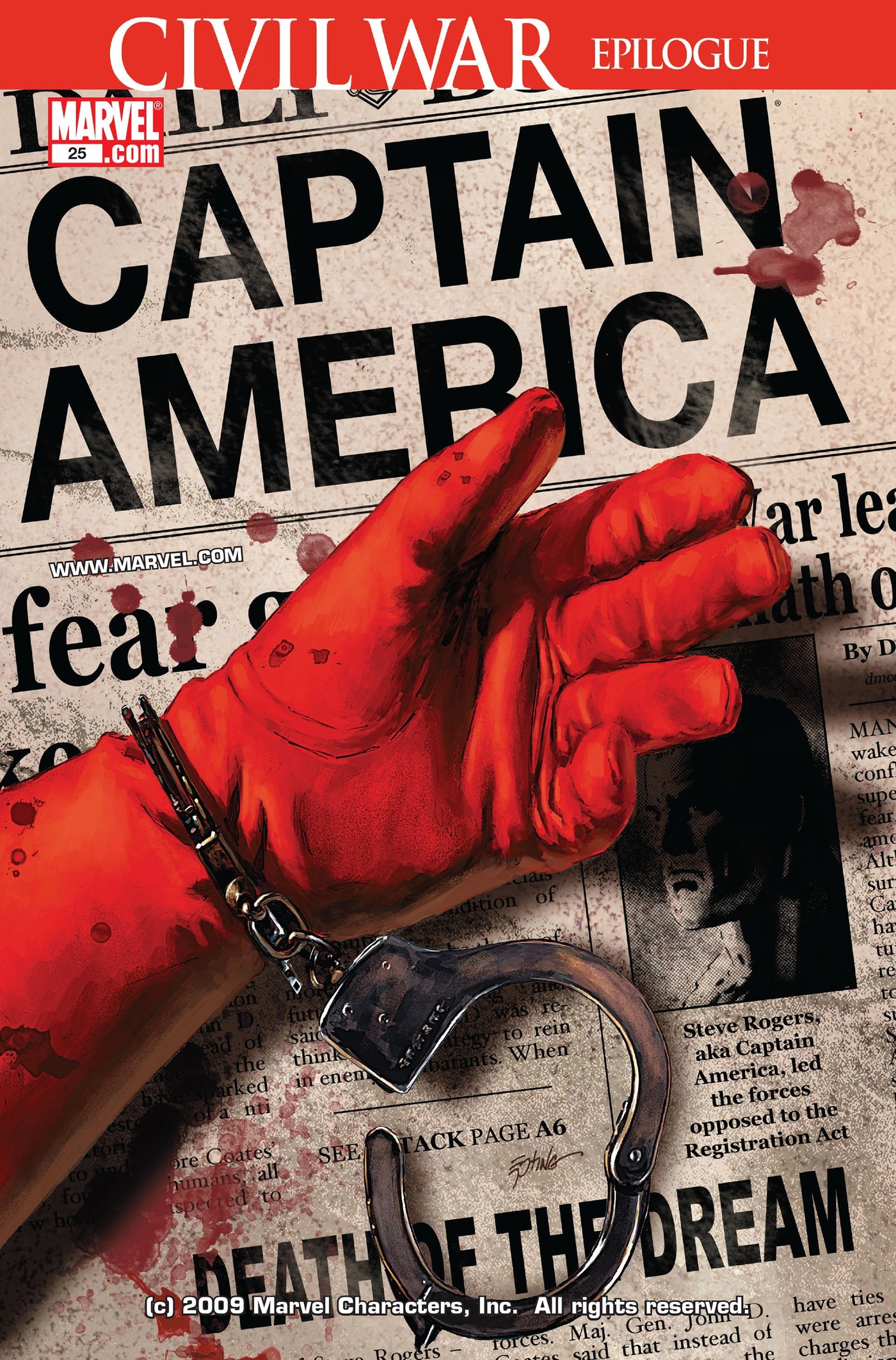
Mark Millar’s Civil War put Steve Rogers on the losing side of an argument he was right about: superhuman registration. He surrenders rather than keep fighting Americans in the street, and Ed Brubaker cashed in that defeat two issues later in Captain America (vol. 5) #25, when a Hydra sniper kills Rogers on the courthouse steps. It’s the rare comic-book death that actually changed who held the title for two years.
The Winter Soldier (2005–2007)
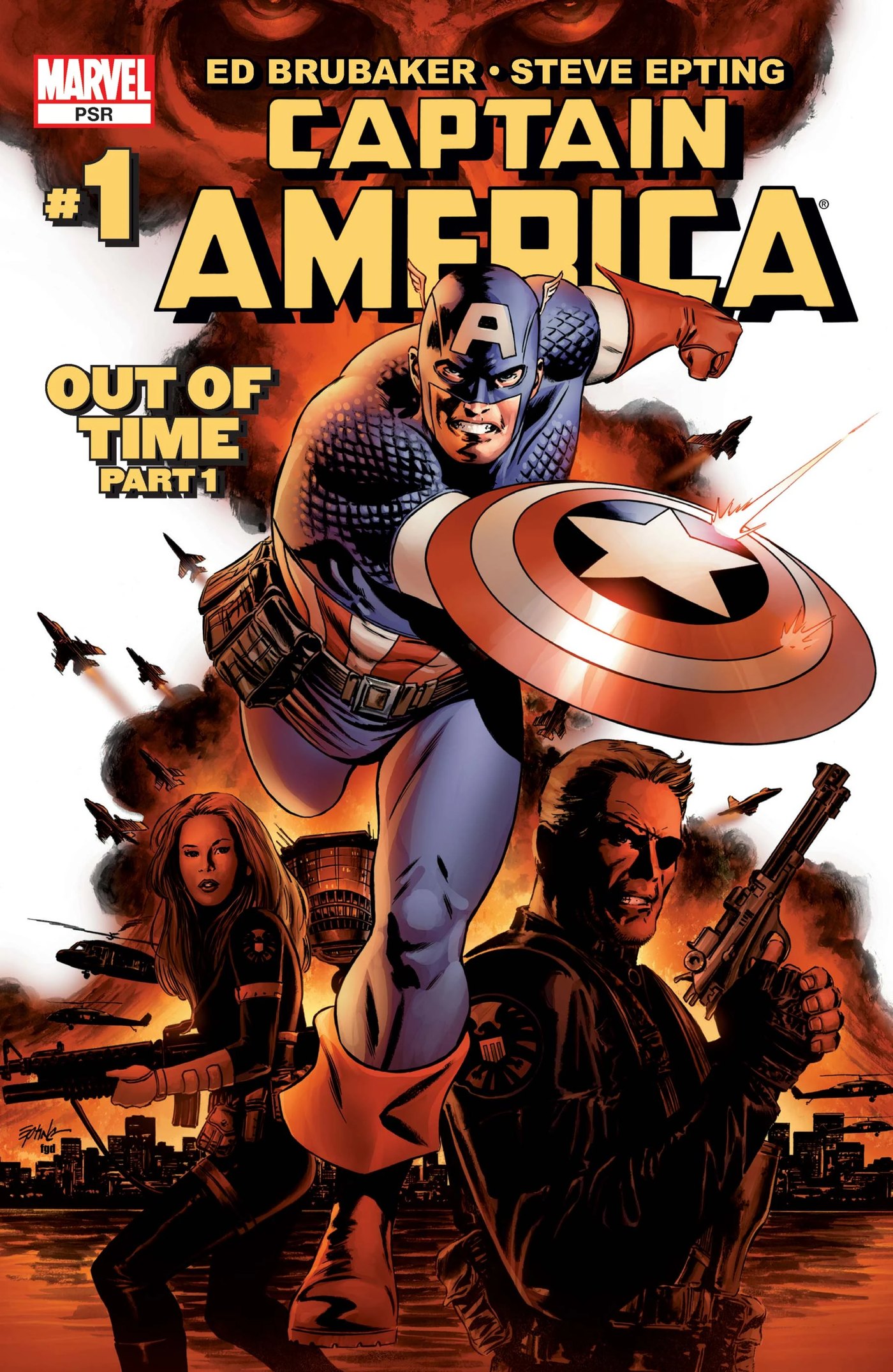
Ed Brubaker and artist Steve Epting spent Captain America (vol. 5) #1–9 and #11–14 revealing that Bucky Barnes didn’t die in World War II — he was brainwashed into a Soviet assassin called the Winter Soldier. Brubaker told CBR in 2007 what made the twist work:
The Winter Soldier, he's this really tortured on edge character; a sort of modern twist on the classic Marvel character. That's why I think the Winter Soldier works as a way to bring Bucky back.
Ed Brubaker, in a 2007 interview with CBR
Brubaker has said he expected the reveal to end his run in outrage. Instead it became the backbone of two MCU movies and the best friendship story Cap has ever had.
“Secret Empire” (1974)
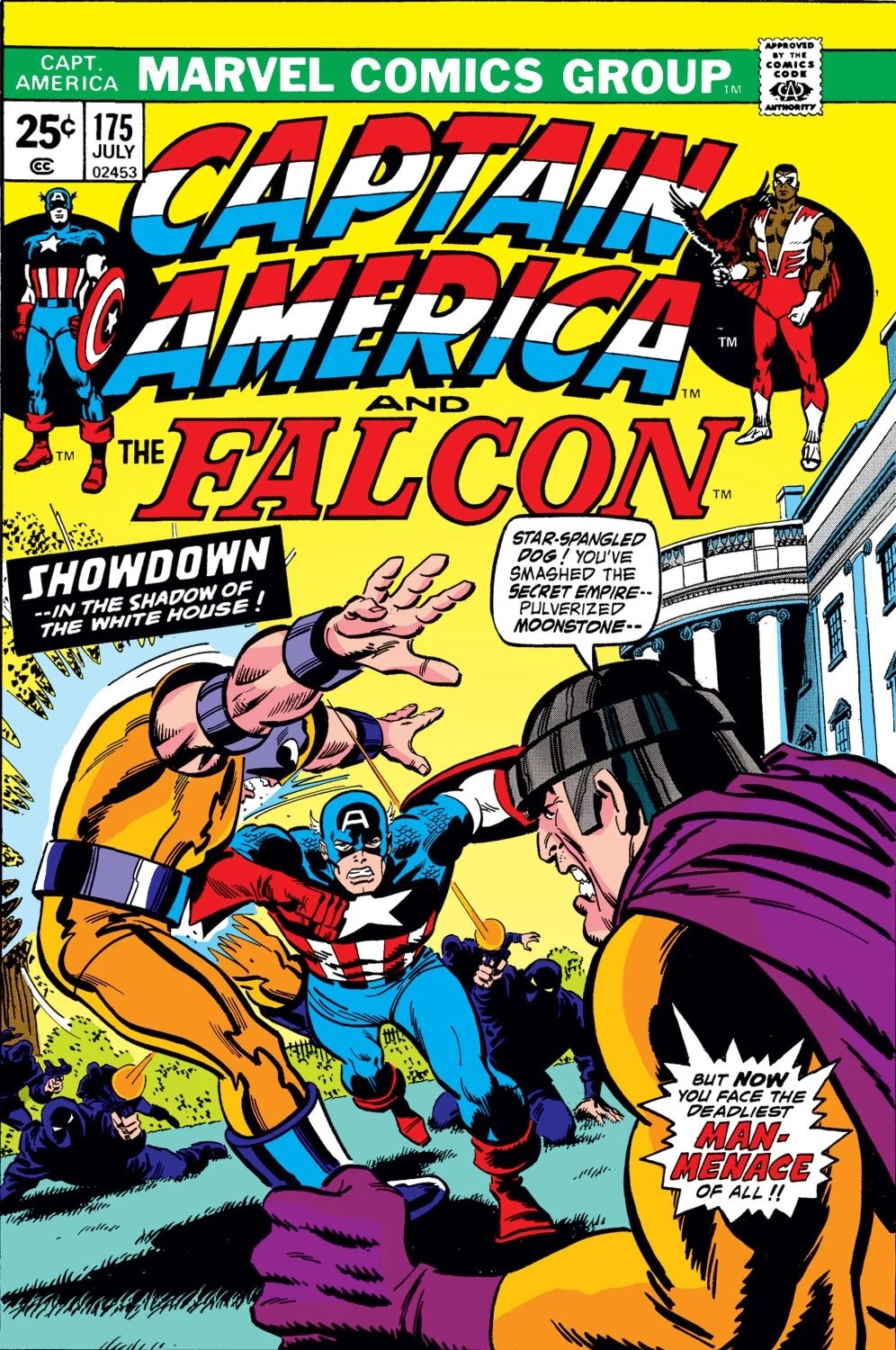
Steve Englehart’s original Secret Empire arc, in Captain America and the Falcon #169–176, had Cap chase a conspiracy all the way to the Oval Office — a none-too-subtle Watergate allegory published while Nixon was still in office. The President kills himself rather than be unmasked, and Rogers is so disgusted he drops the Captain America identity entirely and starts fighting crime as Nomad instead. It’s the first time the book argued the costume and the country aren’t the same thing.
Truth: Red, White & Black (2003)
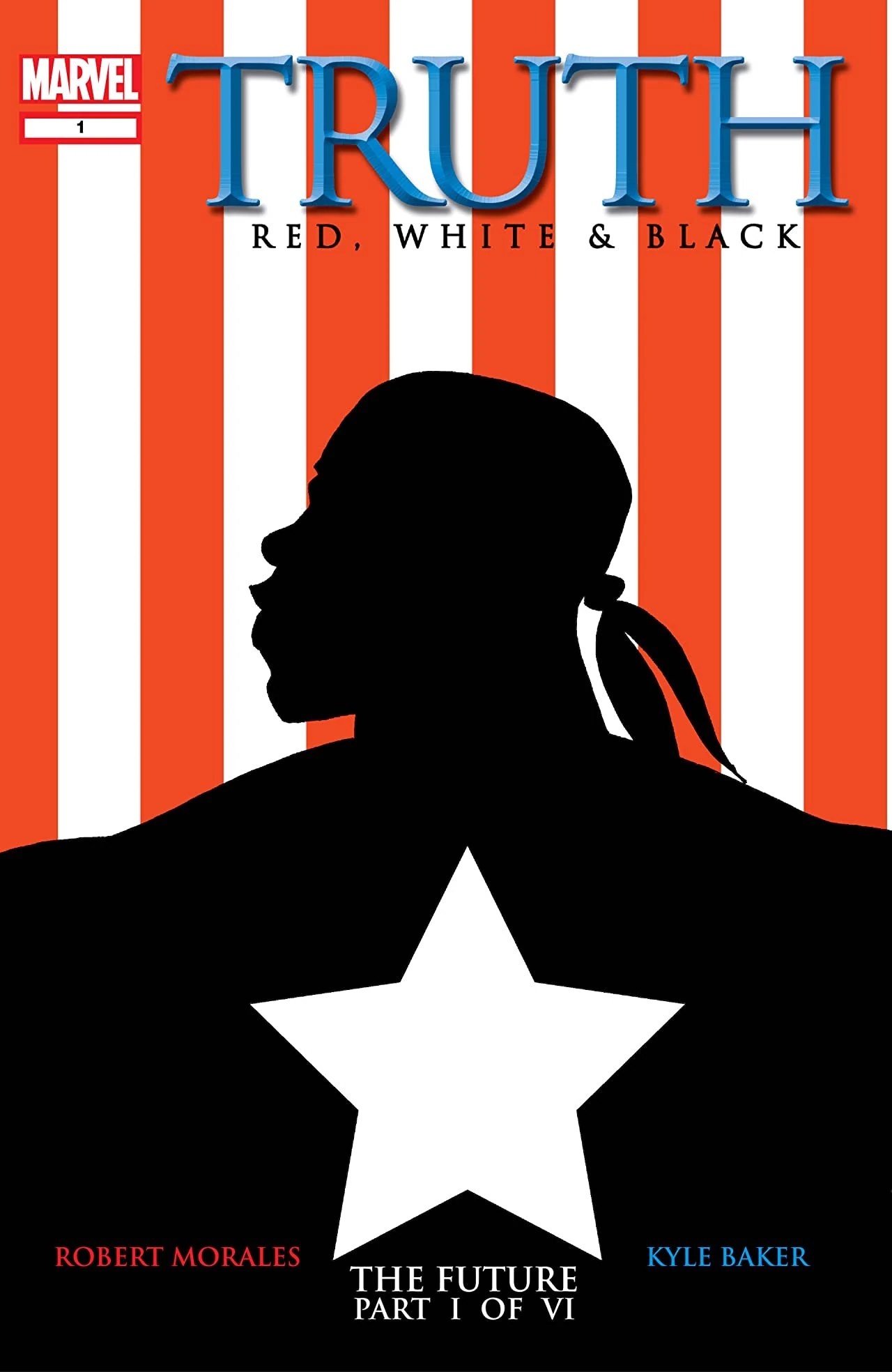
Robert Morales and artist Kyle Baker’s seven-issue Truth: Red, White & Black retells the super-soldier origin from the other side: the serum was tested on Black soldiers first, and Isaiah Bradley survived to become an earlier, erased Captain America. It’s the single most uncomfortable story Marvel has published under this title, and it’s canon specifically because the company let it stay that uncomfortable.
Sam Wilson Takes Up the Shield (2014–2017)
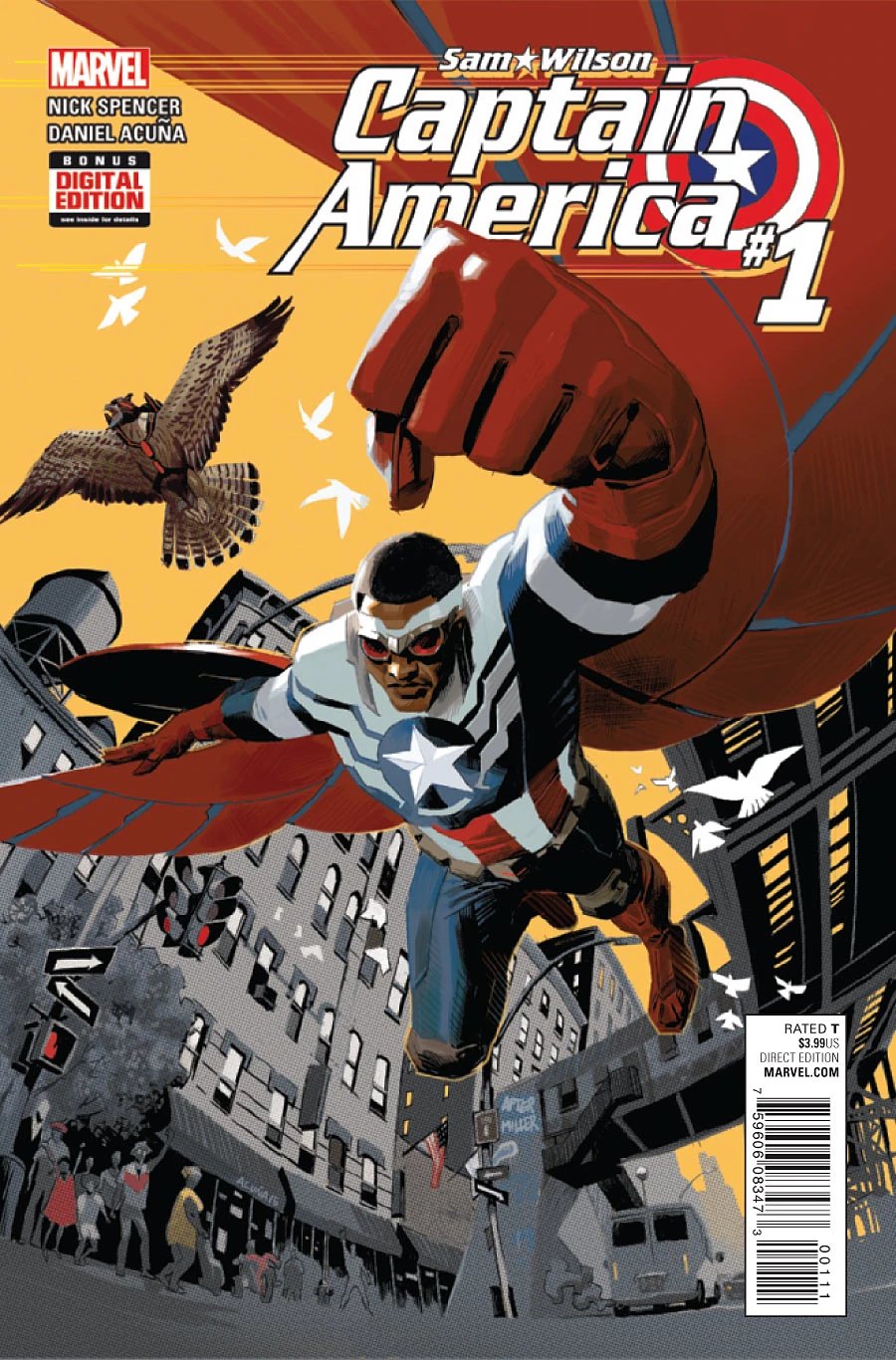
When Nick Spencer put Sam Wilson under the mask in All-New Captain America and then Captain America: Sam Wilson, he ran it alongside a parallel Captain America: Steve Rogers series instead of sidelining the original. The two books argued with each other about who the shield belongs to in real time, and it set up the twist nobody saw coming.
2017’s Secret Empire Event
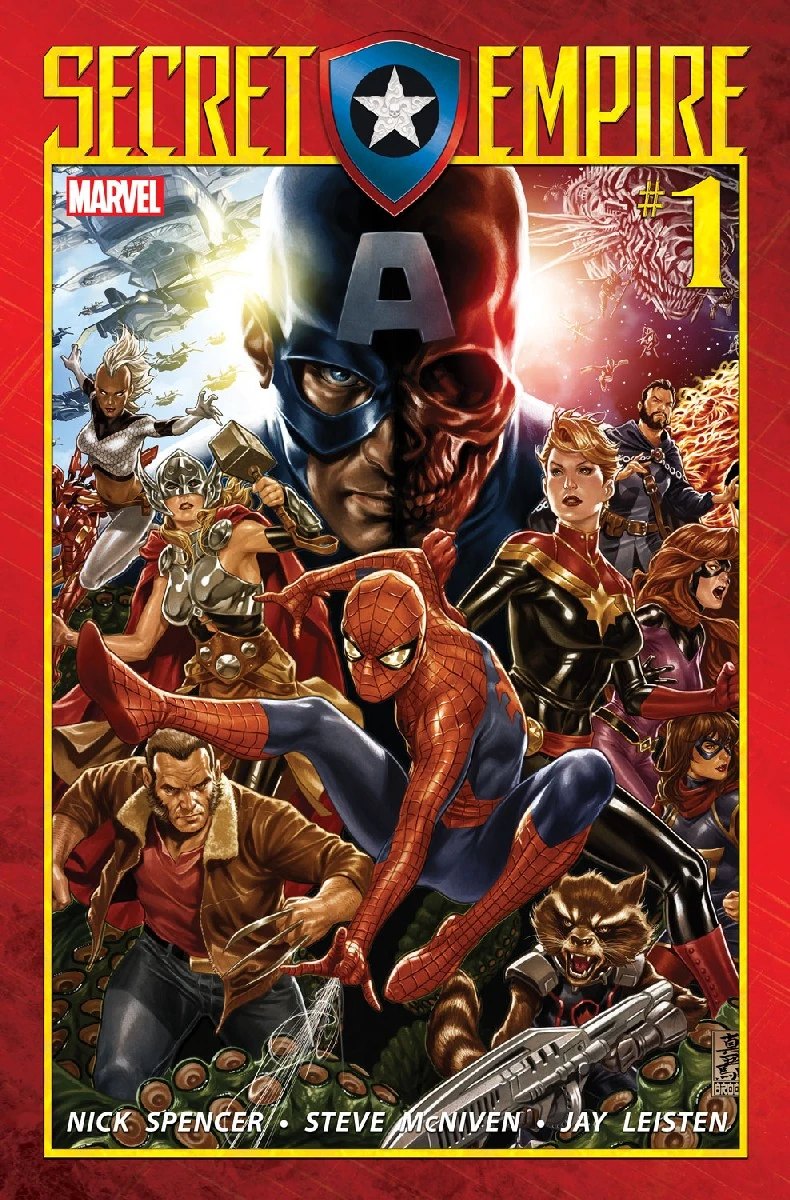
That twist: Spencer’s Secret Empire revealed Steve Rogers had secretly been a sleeper Hydra agent since childhood, thanks to a reality-warping Cosmic Cube retcon, and had him conquer the United States from inside the Avengers. It’s the most divisive story on this list — plenty of readers never forgave the premise — but it’s also the only Captain America story that dared make the question “what if Cap was always the threat” literal instead of hypothetical.
Streets of Poison (1990)
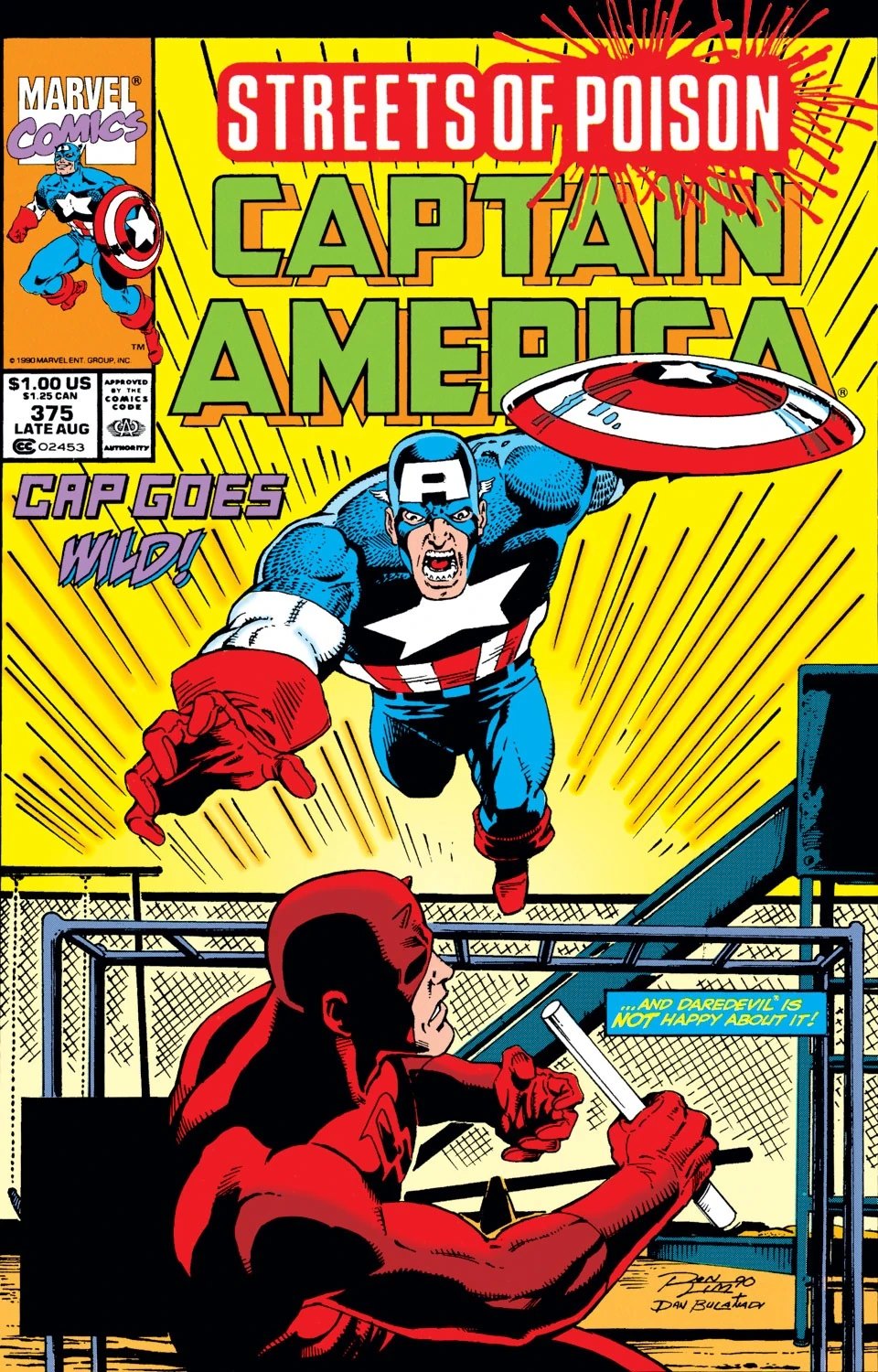
Mark Gruenwald’s Captain America #372–378 is the one fans forget: Cap takes a performance-enhancing drug called Ice to beat a street-level threat, gets hooked, and loses the shield to a rival before he claws his way back. No cosmic cube, no secret government program — just a hero who cut a corner he swore he never would.
| Storyline | Year(s) | Writer | What it costs Cap |
|---|---|---|---|
| Civil War / Death of Cap | 2006–2007 | Mark Millar / Ed Brubaker | His life, briefly |
| The Winter Soldier | 2005–2007 | Ed Brubaker | His certainty that Bucky died a hero |
| Secret Empire (1974) | 1974 | Steve Englehart | The identity itself — he becomes Nomad |
| Truth: Red, White & Black | 2003 | Robert Morales | The clean version of his own origin |
| Sam Wilson as Cap | 2014–2017 | Nick Spencer | Sole claim to the mantle |
| Secret Empire (2017) | 2017 | Nick Spencer | The readers’ trust in him |
| Streets of Poison | 1990 | Mark Gruenwald | The shield, to a rival, temporarily |
Why Captain America’s Best Stories Keep Betraying Him
Line those seven up and the pattern is obvious: SHIELD, Hydra, the government, even his own body chemistry in Streets of Poison — something Cap trusted turns on him, and the story is about whether the shield still means anything afterward. Civil War answers no, for a while. Secret Empire answers it in the cruelest way possible by making Cap himself the betrayal. Sam Wilson’s run is the rare one that answers it with a yes, which is exactly why letting both Captains run at once mattered.
That question is about to get a very public answer again. Avengers: Doomsday opens December 18, 2026 with Anthony Mackie confirmed as Captain America, and Captain America #15 was still climbing the sales charts in September 2026 — up to the No. 22 spot on ICv2’s monthly Top 50. The shield is doing fine. It’s always the man holding it who pays for it, and that’s the story worth watching for in Doomsday.
Trust is the whole bit with Captain America — give it to the wrong agency, the wrong cube, the wrong drug, and the story is about what’s left of him afterward. Every entry here answers that differently, and the shield survives all of it. The next test is already on the calendar: Mackie’s Cap walks into Avengers: Doomsday this December, and the comics have spent fifty years telling him exactly how badly that can go.
Hydra isn’t the only agency Marvel has used to test a hero’s trust, either — the smartest Marvel villains, ranked runs through a lot of the same conspirators who’ve turned on Cap over the decades. And for how his shield-carrying stacks up against Marvel’s other long-haul writers’ rooms, the best comic book runs of all time is worth bookmarking next.
Frequently Asked Questions
What is the best Captain America storyline of all time?
Most lists split between Ed Brubaker’s “The Winter Soldier” (2005–2007), which brought Bucky Barnes back from the dead, and Mark Millar and Brubaker’s Civil War / “Death of Captain America” (2006–2007), which ended with Steve Rogers assassinated on the courthouse steps. Both are considered essential modern Cap reading.
Did Captain America really become a Hydra agent in the comics?
Yes. Nick Spencer’s 2017 Secret Empire event retconned Steve Rogers into a lifelong Hydra sleeper agent via a reality-altering Cosmic Cube, and had him briefly conquer the United States. Marvel undid the retcon after the event ended.
Who is Isaiah Bradley and why does he matter to Captain America’s history?
Isaiah Bradley is the Black super-soldier introduced in 2003’s Truth: Red, White & Black by Robert Morales and Kyle Baker. The series revealed he was secretly given an early, unstable version of the super-soldier serum before Steve Rogers, and became an earlier, erased Captain America.
Is Sam Wilson or Steve Rogers Captain America in the comics right now?
Marvel runs both: Steve Rogers continues as the classic Captain America while Sam Wilson has carried the mantle in his own ongoing series since 2014. In the films, Anthony Mackie’s Sam Wilson is the Captain America appearing in Avengers: Doomsday, out December 18, 2026.