The greatest of the best comic book runs is Chris Claremont’s sixteen years on Uncanny X-Men, issues #94 to #279 — the longest sustained single-author tenure ever managed on a flagship shared-universe superhero title. A run is not the same thing as a great story, and that distinction changes this list substantially.
Last updated: September 2, 2026.
What counts as a run — and why Watchmen is not on this list
A run is a sustained stretch of a single creative voice on an ongoing title. A limited series is a closed work with a planned ending. That distinction is why Watchmen, The Dark Knight Returns and All-Star Superman — all masterpieces — are absent here. They were designed to end, and finishing well is a different discipline from keeping a monthly book alive for years.
Ranking runs on their own terms rewards something else entirely: the ability to keep inventing on a deadline, inside a shared universe, while editorial, crossovers and rotating artists pull at the book. Every entry below is judged on that.
The 12 best comic book runs at a glance
Twelve runs, ranked by influence and sustained quality rather than length alone. Issue counts are approximate where a writer’s issues were not perfectly consecutive — several of these writers missed a month or shared a title with fill-ins.
| # | Writer | Title | Issues | Years |
|---|---|---|---|---|
| 1 | Chris Claremont | Uncanny X-Men | #94-279 (~186) | 1975-1991 |
| 2 | Alan Moore | Saga of the Swamp Thing | #20-64 (~45) | 1984-1987 |
| 3 | Neil Gaiman | The Sandman | #1-75 | 1989-1996 |
| 4 | Stan Lee & Jack Kirby | Fantastic Four | #1-102 | 1961-1970 |
| 5 | Robert Kirkman | The Walking Dead | #1-193 | 2003-2019 |
| 6 | Frank Miller | Daredevil | #168-191 (~24) | 1981-1983 |
| 7 | Ed Brubaker | Captain America | ~95 issues | 2004-2012 |
| 8 | Grant Morrison | New X-Men | #114-154 (~41) | 2001-2004 |
| 9 | Walter Simonson | The Mighty Thor | #337-382 (~46) | 1983-1987 |
| 10 | Garth Ennis | Preacher | #1-66 | 1995-2000 |
| 11 | Brian Michael Bendis | Ultimate Spider-Man | #1-133 plus relaunch | 2000-2011 |
| 12 | Peter David | The Incredible Hulk | ~137 issues | 1987-1998 |
The pattern in the numbers: why a Claremont-length run cannot happen now
Line the twelve runs up by length and something structural appears. The median is roughly 85 issues. The four longest are Kirkman’s Walking Dead at 193, Claremont’s Uncanny X-Men at about 186, Peter David’s Hulk and Bendis’s Ultimate Spider-Man at roughly 133 to 137 each.
Three of those four were insulated from the shared universe. The Walking Dead was creator-owned at Image, with no crossovers and no editorial mandate. Ultimate Spider-Man ran in a separate continuity built specifically so it would not have to answer to the main Marvel line. Peter David’s Hulk was a comparatively low-priority book he was largely left alone with.
Claremont is the exception, and that is the real argument for putting him first. He is the only writer in the top tier who sustained that length on a flagship shared-universe superhero title while it was the best-selling book in the industry. That combination has not been repeated, and structurally it now cannot be: Marvel and DC relaunch ongoing titles with new first issues every few years, which caps a modern run long before it approaches 180 issues. The record is not merely unbroken — the conditions that produced it no longer exist.
1. Chris Claremont — Uncanny X-Men (1975–1991)
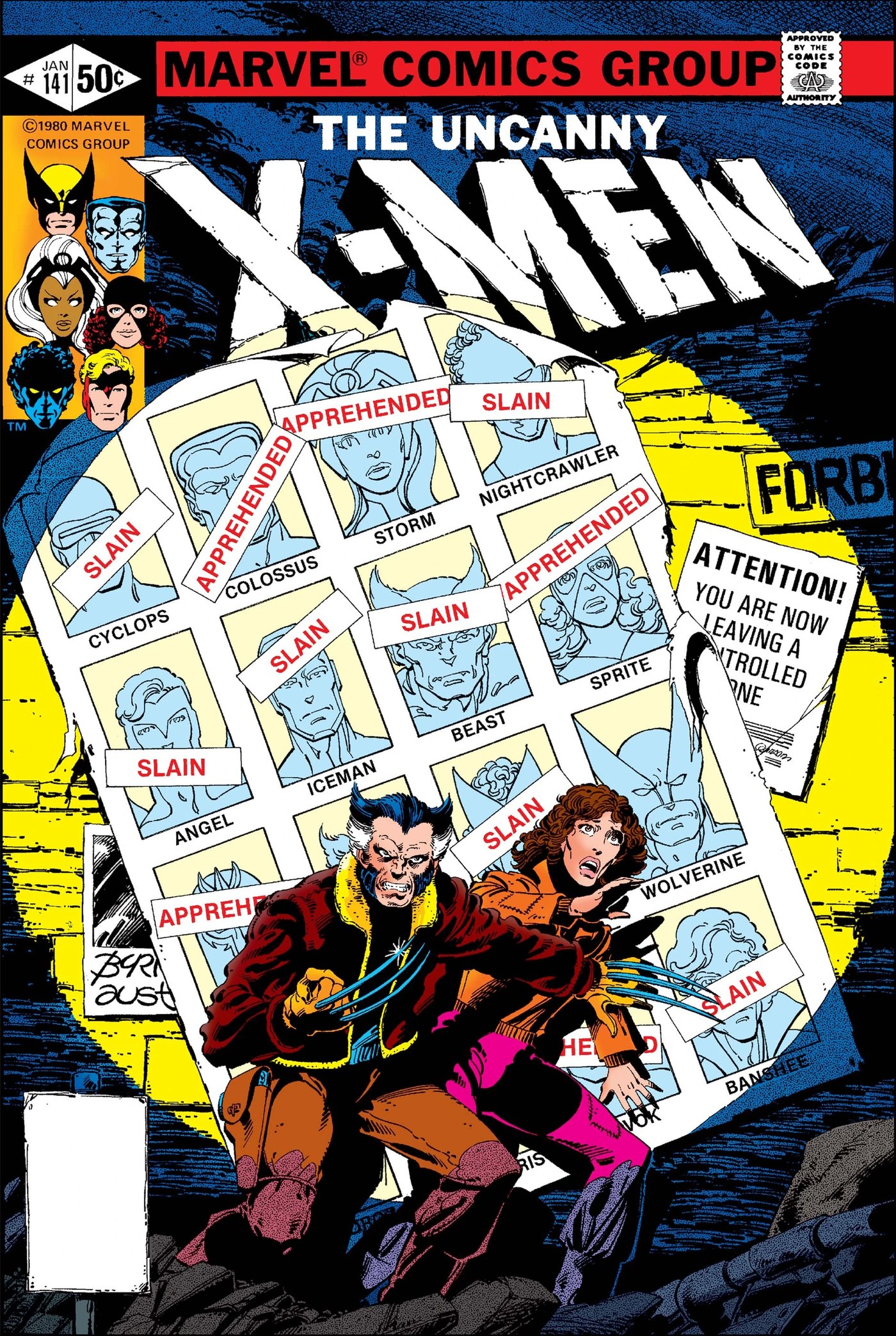
Claremont wrote Uncanny X-Men from issue #94 to issue #279, sixteen consecutive years, and in doing so turned a cancelled book into the most commercially dominant title in American comics. The Dark Phoenix Saga, Days of Future Past, the Brood Saga, Mutant Massacre and Inferno all come from this single stretch of one writer’s work.
What separates it from every other long run is character continuity. Claremont wrote Storm, Kitty Pryde, Wolverine and Magneto through years of genuine change rather than resetting them to a status quo — Magneto in particular moves from villain to headmaster and back across a decade of slow, argued development.
The commercial scale is documented. When Claremont and Jim Lee launched the companion X-Men #1 in 1991, it sold 8.1 million copies and holds the Guinness World Record for the best-selling single comic edition (Guinness World Records). Claremont left the book shortly afterwards. Our X-Men reading order maps where to start with this era.
2. Alan Moore — Saga of the Swamp Thing (1984–1987)
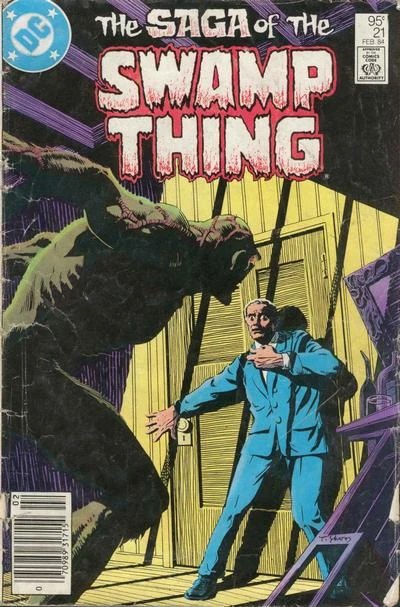
Moore inherited a cancelled horror book and rebuilt it from the premise up. In “The Anatomy Lesson” (#21) he established that Swamp Thing was never a man transformed into a plant — he is a plant that absorbed a dead man’s memories and believes it is him. One issue retroactively rewrote the character’s entire existence.
He wrote issues #20 to #64, skipping #62, plus Annual #2. The run is short by the standards of this list and is ranked second anyway because of what followed it: the commercial viability of literary horror comics for adult readers, and the editorial appetite that produced the Vertigo imprint.
It also demonstrates the single-issue reinvention better than anything else here. Most great runs build slowly. This one turned on one chapter.
3. Neil Gaiman — The Sandman (1989–1996)
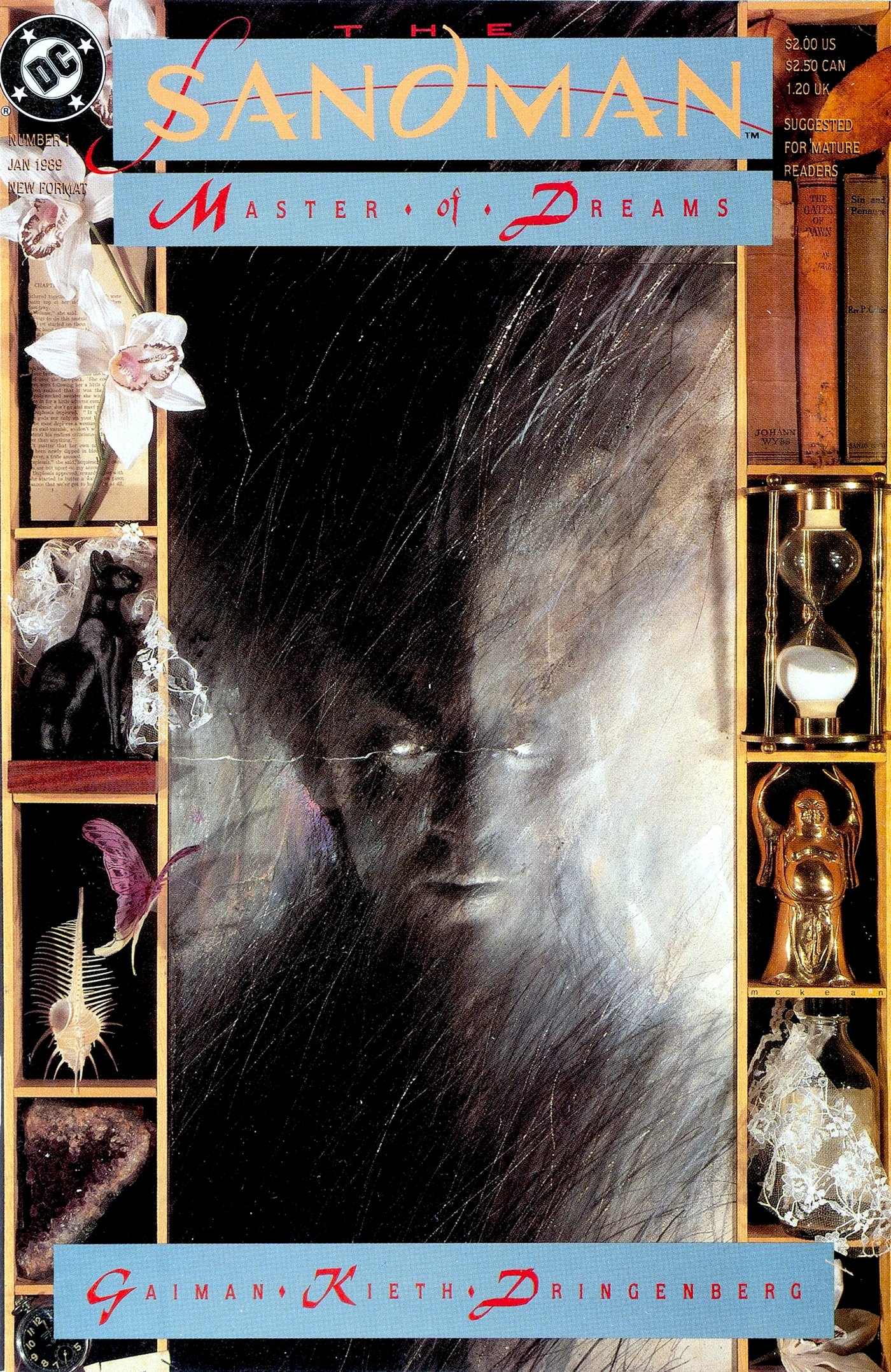
Seventy-five issues, one author, one planned ending — The Sandman is the rare ongoing that was allowed to finish on its own terms rather than being cancelled or handed on.
Its structural achievement is that it barely behaves like a monthly comic. Gaiman moved between self-contained short stories, historical fiction and long mythological arcs, rotating artists deliberately so that each sequence looked like its own thing. Very few ongoing books survive that much tonal variance; this one used it as the point.
It also did more than any other single title to bring readers who did not read superhero comics into comics shops. If you are starting it, our Sandman reading order lays out every volume.
4. Stan Lee & Jack Kirby — Fantastic Four (1961–1970)
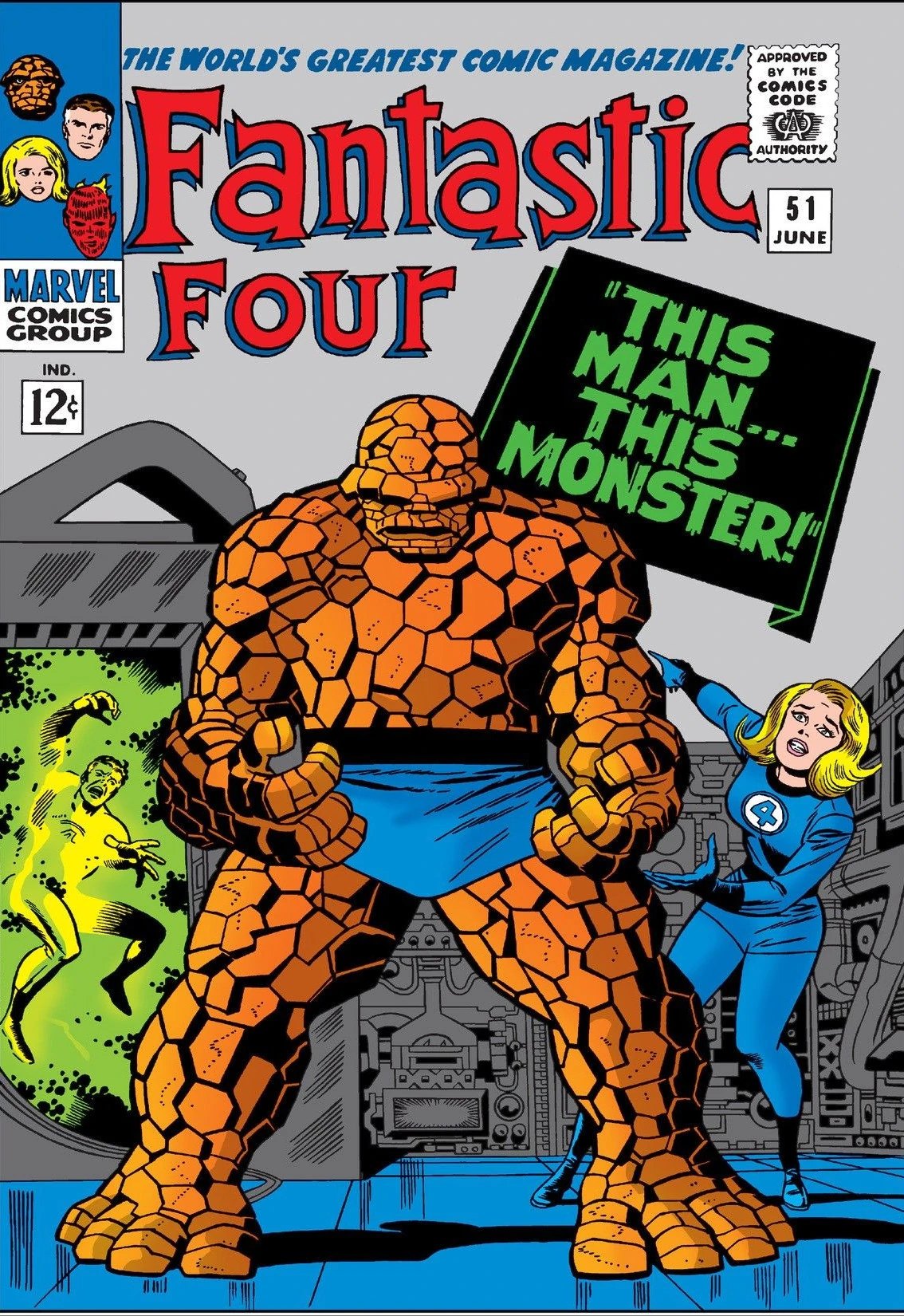
A hundred and two issues that invented most of the Marvel Universe as a side effect. The Inhumans, the Black Panther, Galactus, the Silver Surfer, the Negative Zone and Doctor Doom all arrive inside this one run.
It ranks fourth rather than first because its greatness is front-loaded into invention rather than sustained craft — the later issues coast in a way the top three never do. But no run on this list generated more that other people are still using sixty years later.
“This Man… This Monster!” (#51) is the run’s best single issue and the clearest evidence that Lee and Kirby could do interior character work as well as spectacle.
5. Robert Kirkman — The Walking Dead (2003–2019)
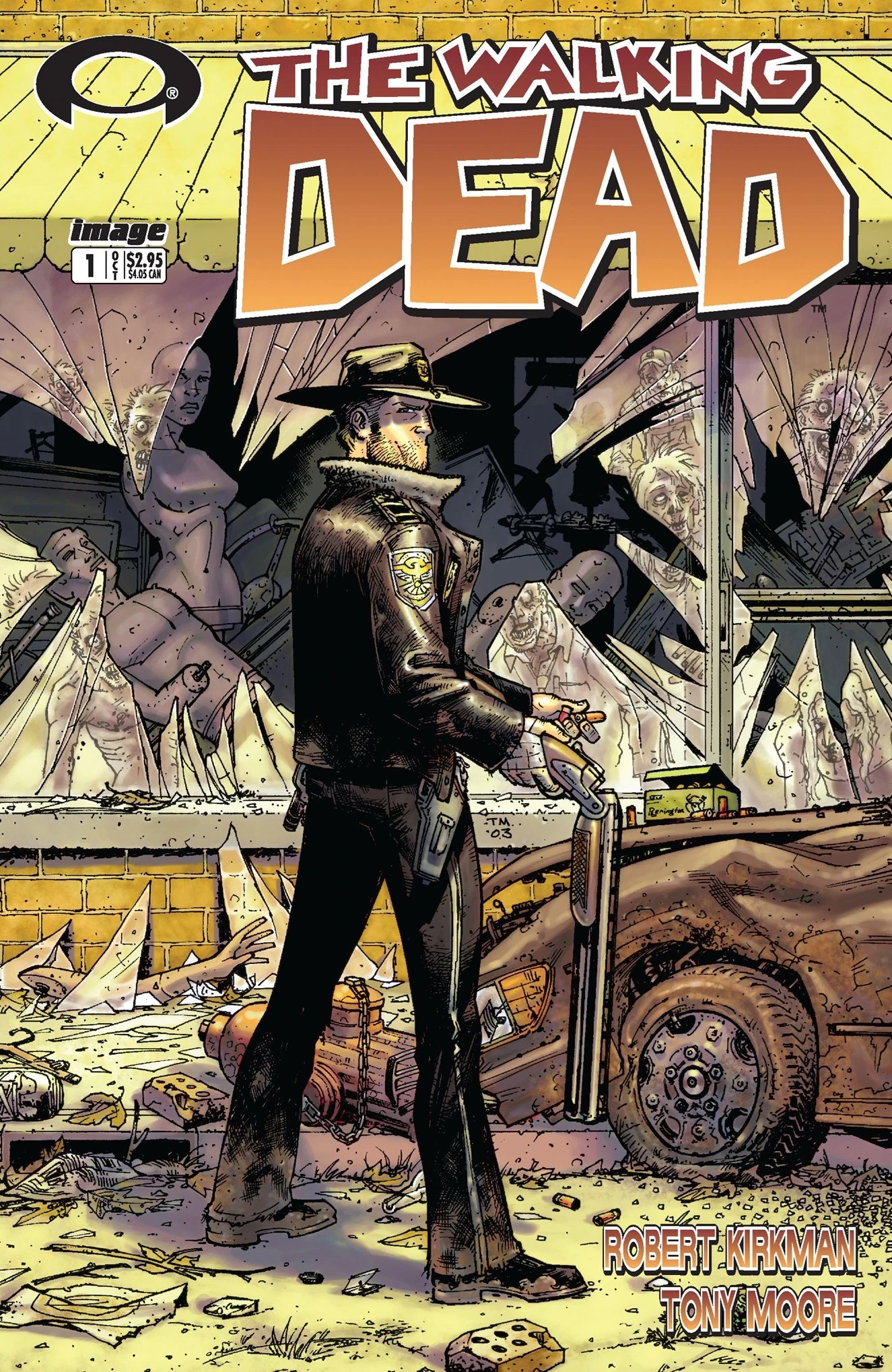
A hundred and ninety-three issues, one writer, no crossovers, no relaunches and a deliberate ending that Kirkman concealed from readers until the issue shipped. It is the longest run on this list.
Its real achievement is attrition as a structural device. Because the book was creator-owned and outside a shared universe, death was permanent, which let Kirkman rotate his entire cast several times without the reset pressure that governs Big Two titles.
It also proved the commercial case for creator ownership at scale, which reshaped what ambitious writers were willing to take to Image rather than Marvel or DC.
6. Frank Miller — Daredevil (1981–1983)
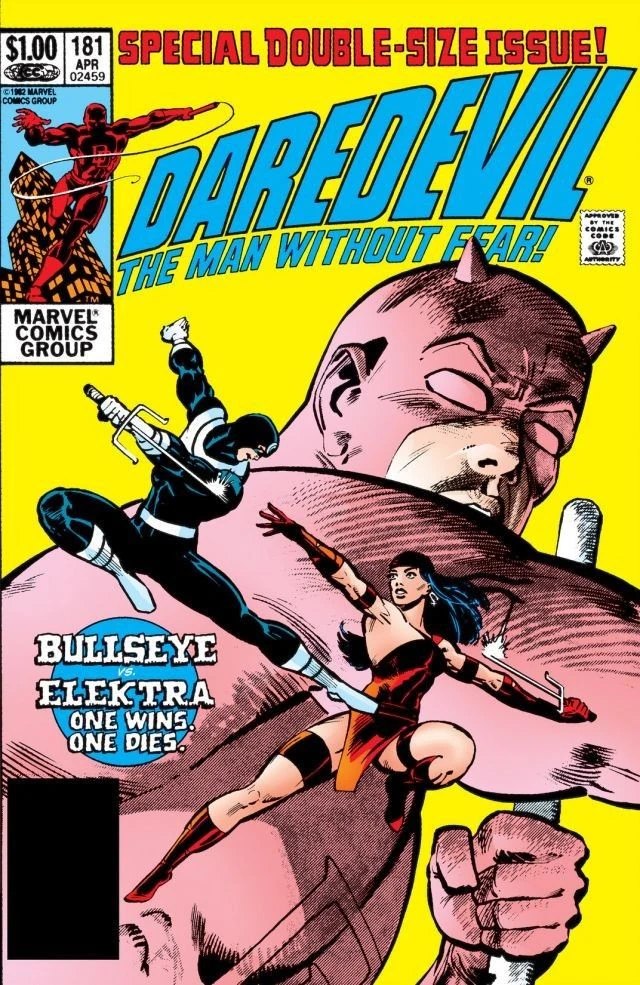
Miller drew Daredevil from #158 and took over the writing from #168, the issue that introduced Elektra, running to #191. It is the shortest run in the top half of this list and the most influential per issue.
He moved the character out of superheroics into crime fiction — ninjas, organised crime, Catholic guilt and a city that felt genuinely dangerous. The Kingpin became Daredevil’s definitive antagonist here, having previously been a Spider-Man villain.
Nearly every subsequent Daredevil writer works inside the frame Miller built in about two dozen issues, which is a stronger claim than most far longer runs can make.
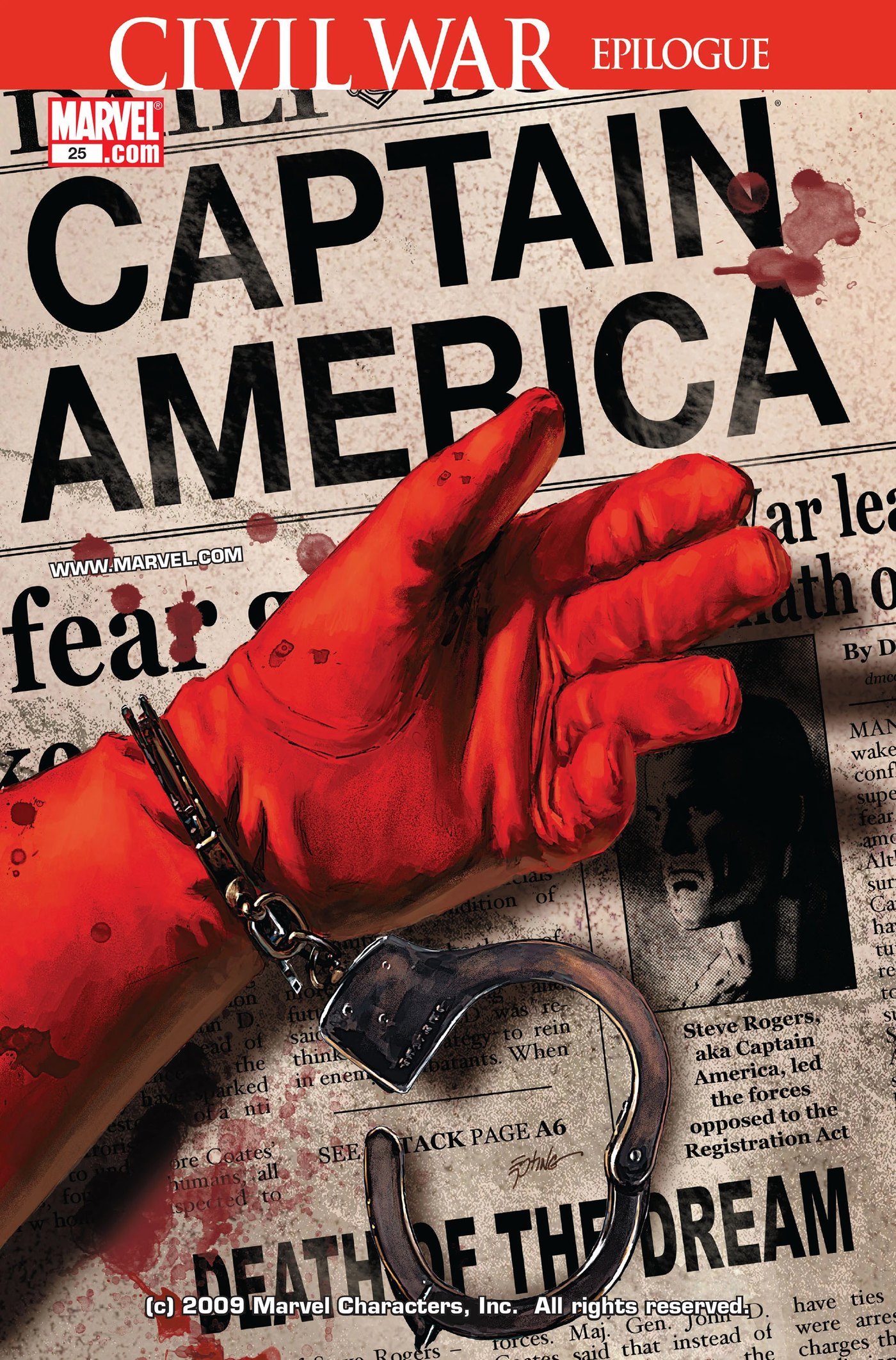
7. Ed Brubaker — Captain America (2004–2012)
Brubaker did the thing everyone said could not be done: he brought Bucky Barnes back. The Winter Soldier had been comics’ most durable rule — that Bucky stays dead — and Brubaker broke it in a way readers accepted immediately.
The run reads as espionage thriller rather than superhero adventure, and it holds that tone for years. Captain America #25, in which Steve Rogers is assassinated, is one of the few modern comic events that broke into mainstream news coverage.
It is also the clearest case on this list of a run reshaping the films that followed it: the Winter Soldier storyline became the spine of the MCU’s most acclaimed Captain America picture.
8. Grant Morrison — New X-Men (2001–2004)
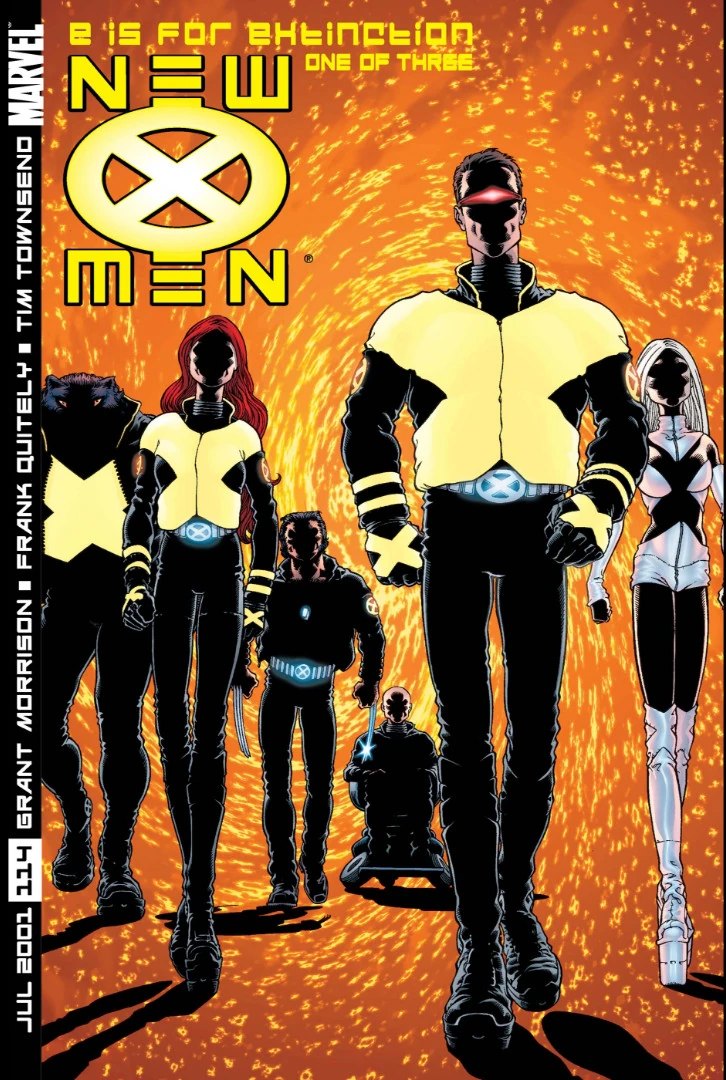
Morrison took the X-Men out of costumes and into black leather, made mutants a culture rather than a persecuted minority in hiding, and destroyed Genosha with sixteen million dead in the opening arc.
It is the biggest single reframing of the concept since Claremont, and it ranks eighth rather than higher because much of it was rolled back within a few years — a recurring fate for ambitious Big Two runs, and one of the reasons the creator-owned books on this list hold their shape better.
Its ideas outlived the retcons anyway. Our list of the best X-Men villains leans heavily on antagonists this run redefined.
9. Walter Simonson — The Mighty Thor (1983–1987)
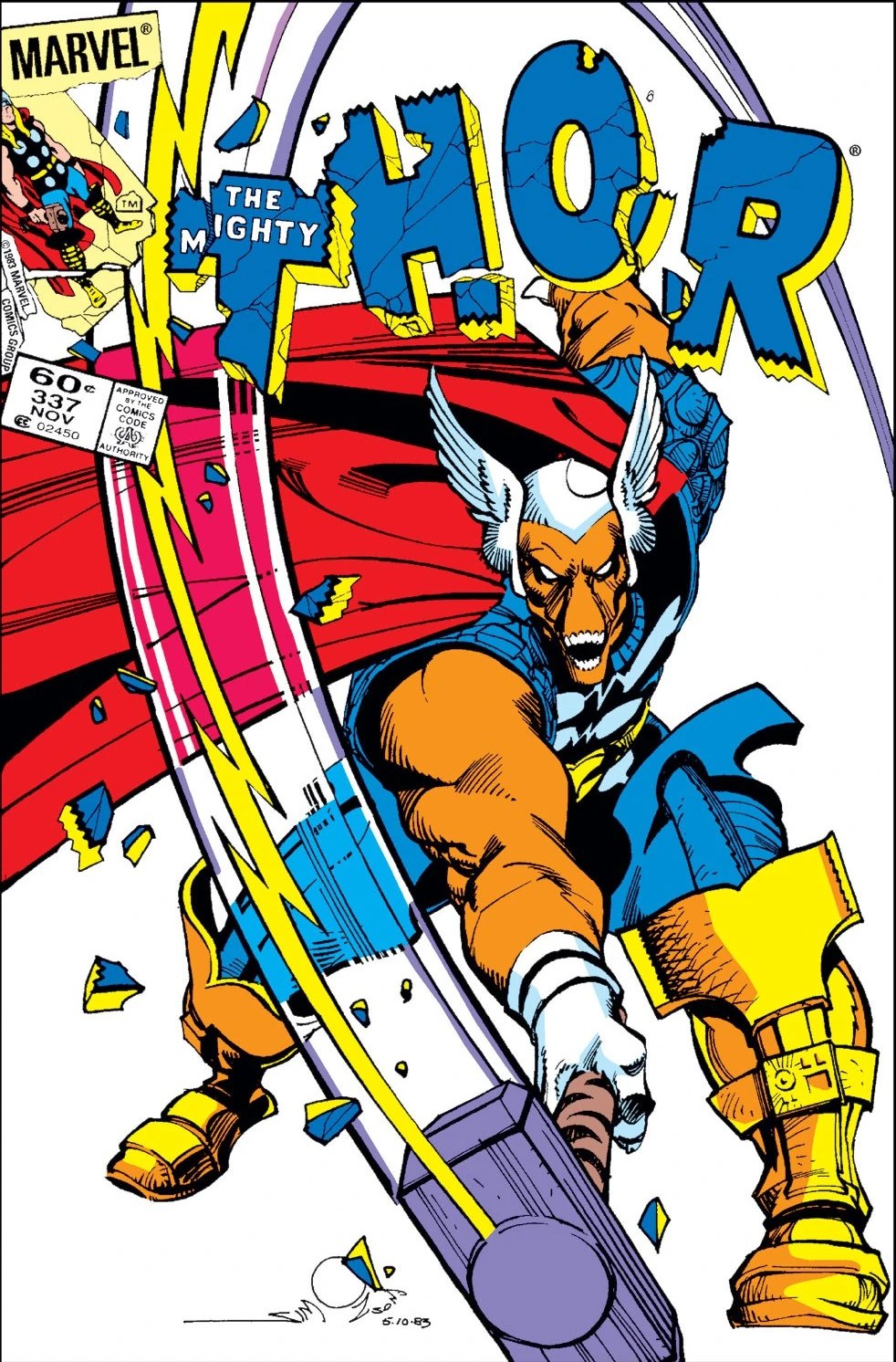
Simonson wrote Thor from #337 to #382 and drew the first thirty-odd issues himself. The opening issue has an alien, horse-faced stranger named Beta Ray Bill lift Mjolnir — establishing in one beat that worthiness, not Asgardian blood, is the actual rule.
He committed to Norse myth rather than treating it as costume, bringing in Surtur and Ragnarok as genuine structural threats, and his lettering and page design remain among the most imitated in superhero comics.
It is the strongest argument on this list that writer-artists have an advantage no writing-only run can match: the story and the storytelling were designed together.
10. Garth Ennis — Preacher (1995–2000)
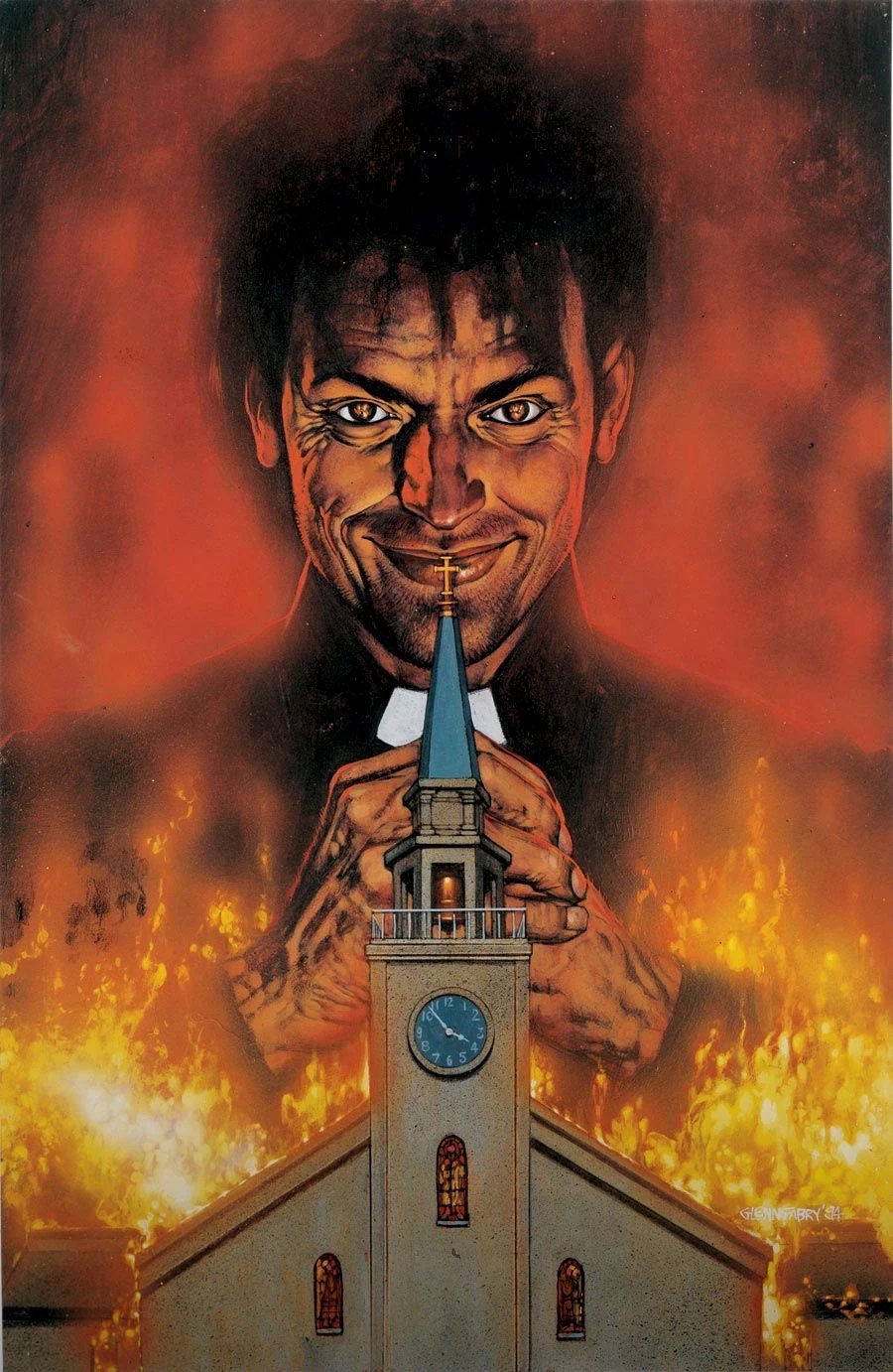
Sixty-six issues with Steve Dillon, planned and completed — a road-trip western about a preacher with the literal Word of God hunting a God who abandoned his post.
It ranks tenth because its excesses are real: the shock material has dated more than anything else on this list. What holds up is the friendship at the centre and Dillon’s restraint, which plays outrageous events with a completely straight face.
It is also the clearest demonstration that Vertigo’s freedom cut both ways — the same latitude that made Sandman possible made Preacher indulgent.
11. Brian Michael Bendis — Ultimate Spider-Man (2000–2011)
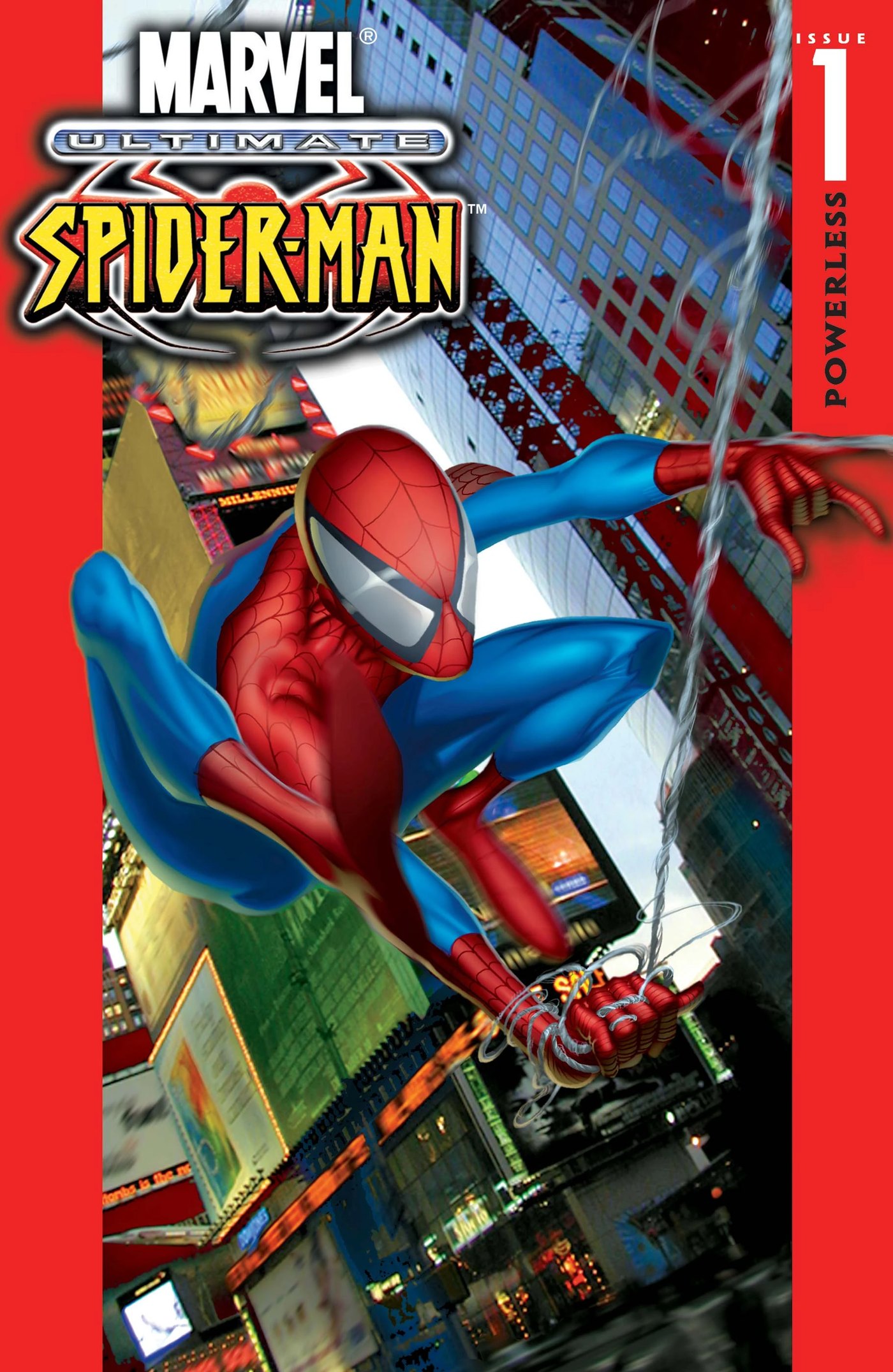
A hundred and thirty-three issues of the original volume plus its relaunch, written continuously by one author for more than a decade — the longest unbroken modern run on a Spider-Man title.
Bendis slowed the origin down to six issues and let Peter Parker stay in high school for years of real time, which is the opposite of how superhero comics normally handle a teenage protagonist. The result is the most convincing adolescent voice in the genre.
It ranks eleventh because it had the enormous structural advantage of a separate continuity with no history to service. That is what made it possible, and it is also why it is not directly comparable to Claremont’s work on a flagship line.
12. Peter David — The Incredible Hulk (1987–1998)
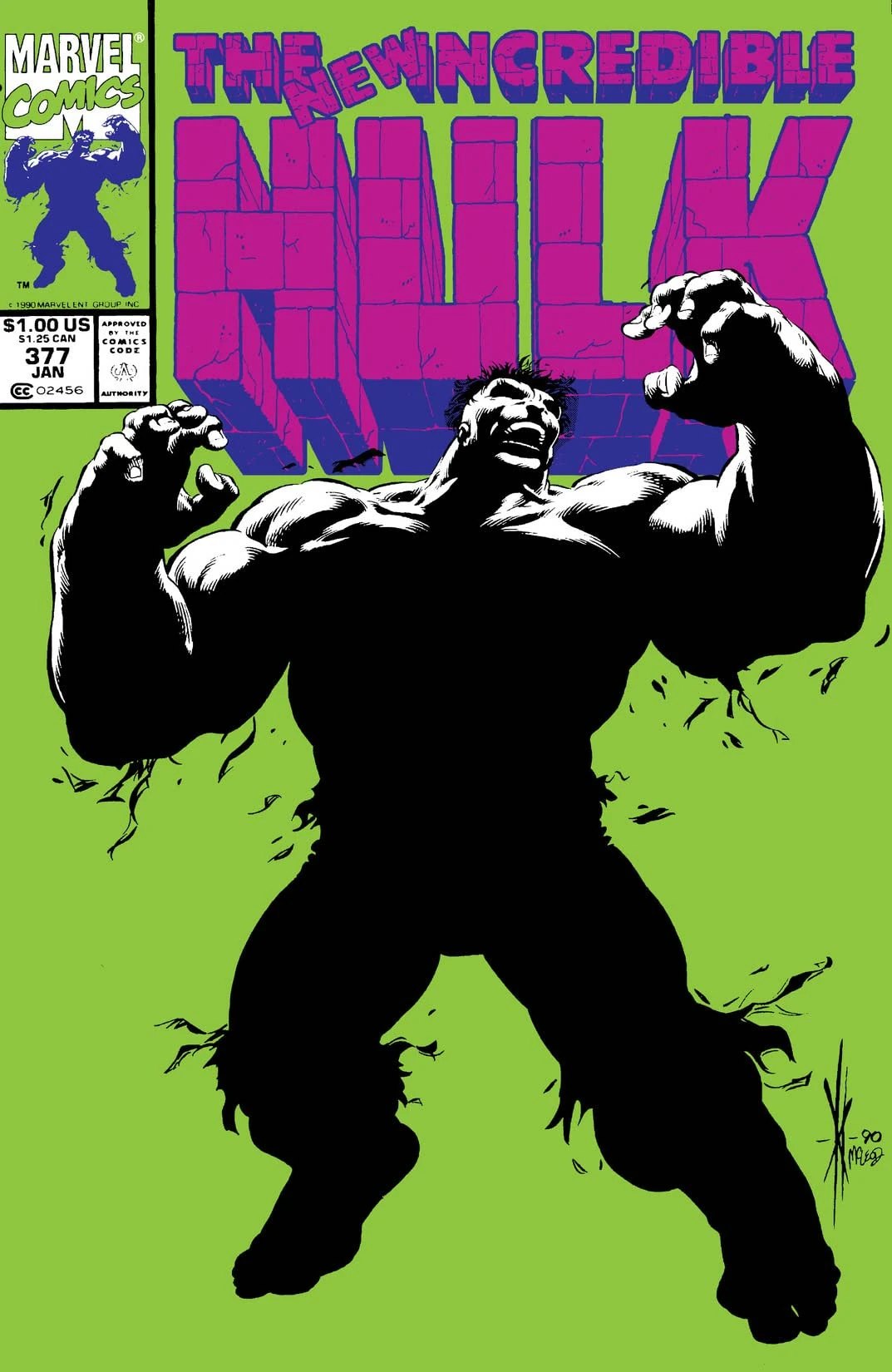
Twelve years on a character most writers treat as a single note. David’s central move was to read the Hulk as dissociative identity disorder rather than as a curse, then follow that premise seriously — culminating in issue #377, where the personalities are integrated into one merged Hulk with Banner’s intellect and the Hulk’s body.
That is the most genuinely psychological long run in mainstream superhero comics, and it arrived without an event, a crossover or a relaunch to prop it up.
It sits twelfth on influence rather than quality. The Hulk was not a line-defining title, so the run changed one character deeply rather than changing the industry.
Frequently Asked Questions
What is the best comic book run of all time?
Chris Claremont’s sixteen years on Uncanny X-Men, issues #94 to #279 (1975-1991). It is the longest sustained single-author run ever managed on a flagship shared-universe superhero title, and it produced The Dark Phoenix Saga and Days of Future Past. No modern run can match its length because Marvel and DC now relaunch ongoing titles every few years.
What is the difference between a comic run and a limited series?
A run is a sustained stretch by one creative voice on an ongoing monthly title, with no fixed end date. A limited series is a closed work with a planned ending, such as Watchmen or The Dark Knight Returns. Runs are judged on sustaining invention over years; limited series are judged as complete works.
Why is Watchmen not on this list?
Because it is a twelve-issue limited series, not a run. It was conceived and completed as a single closed story. That is a different discipline from keeping an ongoing monthly title alive and inventive for years, which is what this list ranks.
What is the best-selling comic book of all time?
X-Men #1 from 1991, by Chris Claremont and Jim Lee, at 8.1 million copies. It holds the Guinness World Record for best-selling single comic edition. The figure was inflated by the 1990s speculator boom and by four variant covers released simultaneously, with a fifth gatefold edition following a month later.