The best isekai anime stopped being a niche punchline a while ago — isekai made up 15% of all new TV anime in 2024 (Anime News Network, January 2025), and it’s still one of the most reliable genres on every seasonal chart. Most of that volume is disposable power fantasy, but a smaller group of shows actually earns the premise instead of just using it as an excuse for a video-game power system. Here are the 10 best isekai anime, ranked by how much they do with “someone gets sent to another world,” not just how big their protagonist’s numbers get.
| Rank | Anime | Aired | Why it ranks here |
|---|---|---|---|
| 1 | Re:Zero − Starting Life in Another World | 2016–present | Turns the genre’s core wish fulfillment into a horror premise by making death a punishment, not an escape |
| 2 | Mushoku Tensei: Jobless Reincarnation | 2021–present | The rare isekai that treats its protagonist’s second chance as something he has to actually earn, not just receive |
| 3 | Solo Leveling | 2024–present | Rebuilt the power-fantasy isekai for a modern audience with genuine stakes and A-1 Pictures-level production |
| 4 | Overlord | 2015–present | Flips the underdog formula entirely and asks what an overpowered isekai lead does once nothing threatens him |
| 5 | That Time I Got Reincarnated as a Slime | 2018–present | The genre’s most purely fun world-building exercise, built around diplomacy and nation-building instead of combat |
| 6 | The Rising of the Shield Hero | 2019–present | Starts as one of the bleakest isekai openings ever made before turning into a story about rebuilding trust |
| 7 | KonoSuba: God’s Blessing on This Wonderful World! | 2016–present | The genre’s best comedy, built entirely on the joke that its heroes are barely competent |
| 8 | Sword Art Online | 2012–present | The show that reignited the modern isekai boom, for better and worse, and still casts the longest shadow over the genre |
| 9 | No Game No Life | 2014 | One season, still one of the most stylistically ambitious isekai ever made, built entirely around games instead of combat |
| 10 | The Eminence in Shadow | 2022–present | A parody of chuunibyo power fantasy that works because it commits completely to its own joke |
1. Re:Zero − Starting Life in Another World
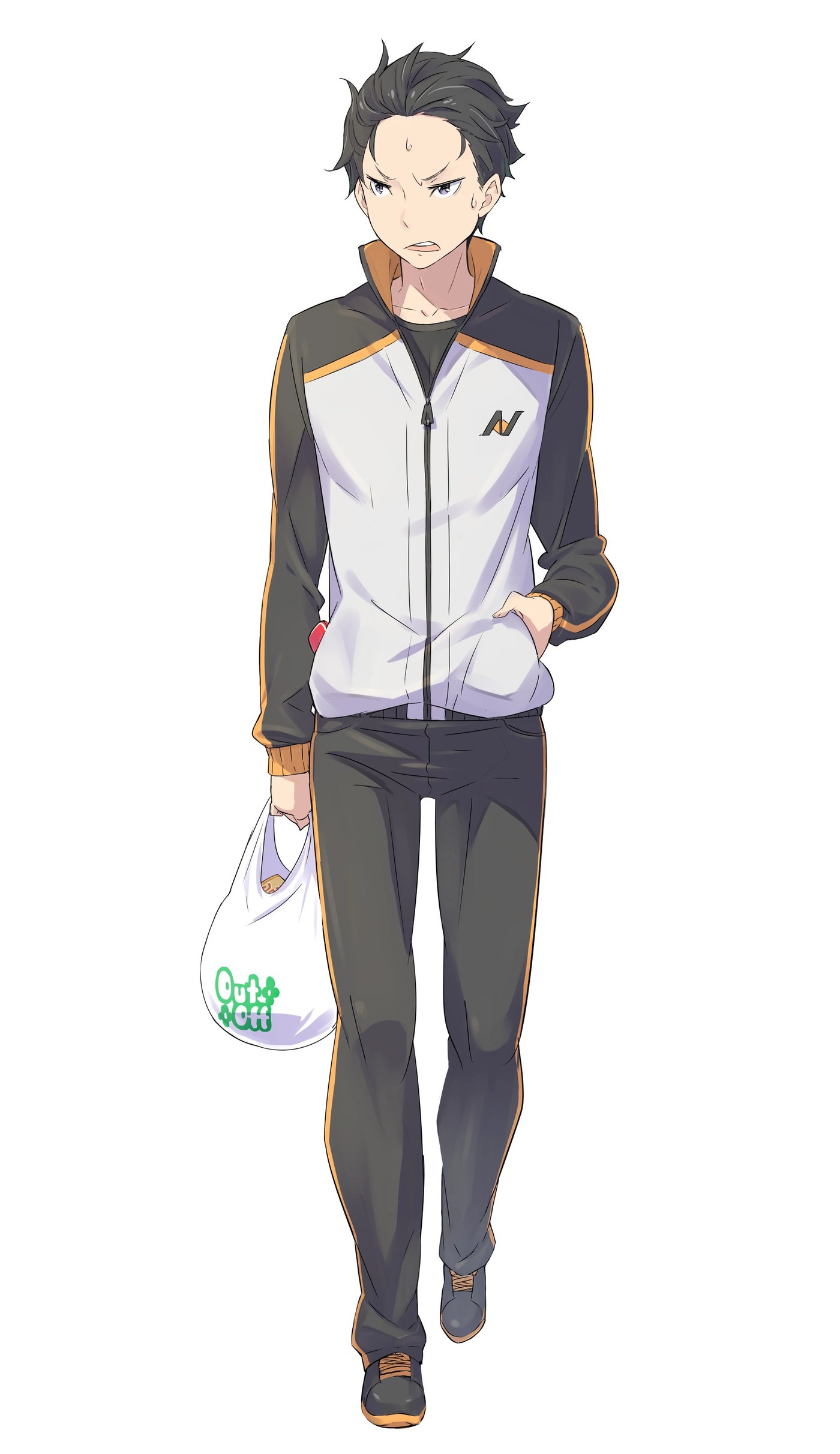
Re:Zero opens like a standard isekai — ordinary guy gets pulled into a fantasy world with a convenient power — and then immediately weaponizes that setup against the audience. Subaru’s ability is Return by Death: he respawns at a fixed checkpoint every time he dies, but he keeps every memory of how and why, alone, with no way to prove any of it to the people around him.
That’s what separates Re:Zero from most of the genre it helped reshape. Getting a second chance isn’t comforting here; it’s a mechanism for forcing Subaru to sit with failure until he actually changes, not just retries the same plan. It’s the clearest argument the genre has that isekai power sets can be used for something other than wish fulfillment.
2. Mushoku Tensei: Jobless Reincarnation
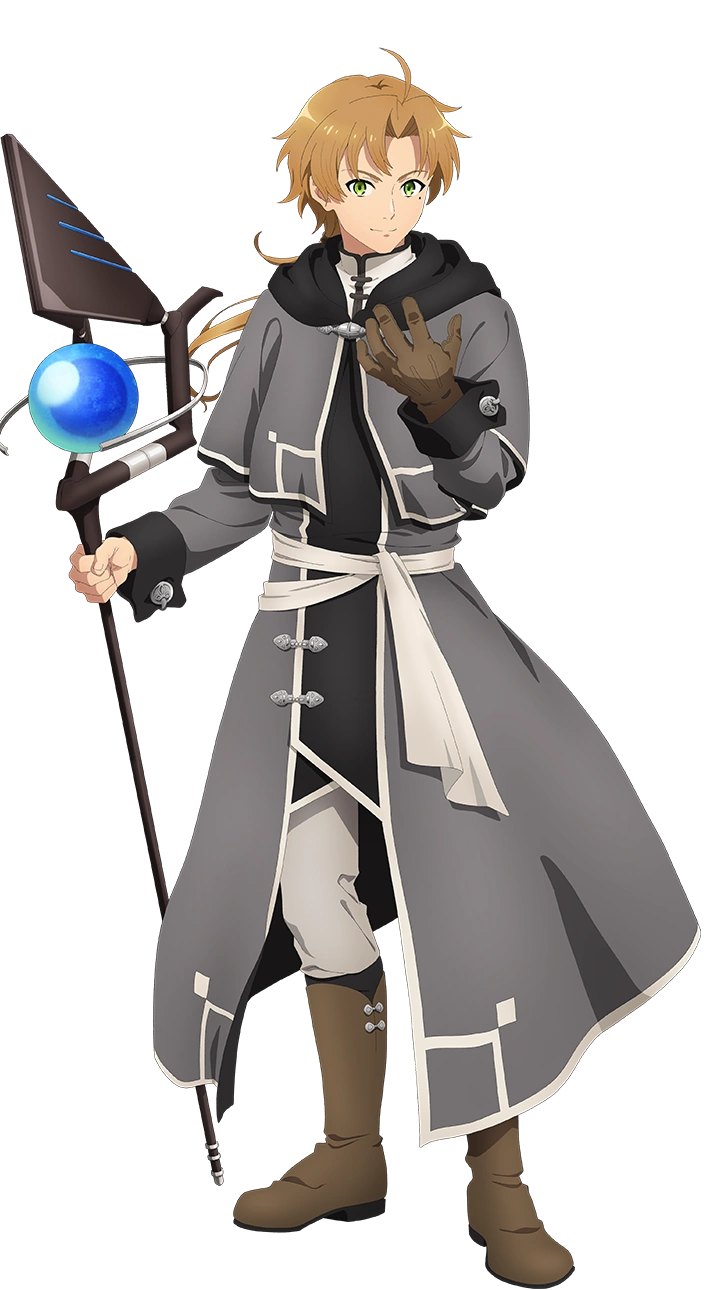
Mushoku Tensei reincarnates a 34-year-old shut-in as Rudeus Greyrat, a baby in a new fantasy world, and then spends its runtime on something most isekai skip entirely: what it actually looks like to rebuild a life, and a personality, from infancy with an adult’s memories and regrets attached.
The show is genuinely divisive because of how far it leans into its protagonist’s flaws before letting him grow past them, but that friction is the point. Rudeus doesn’t get competence handed to him along with his second chance; the series makes him work for both the skills and the self-respect, which is rarer in this genre than the premise alone would suggest.
3. Solo Leveling
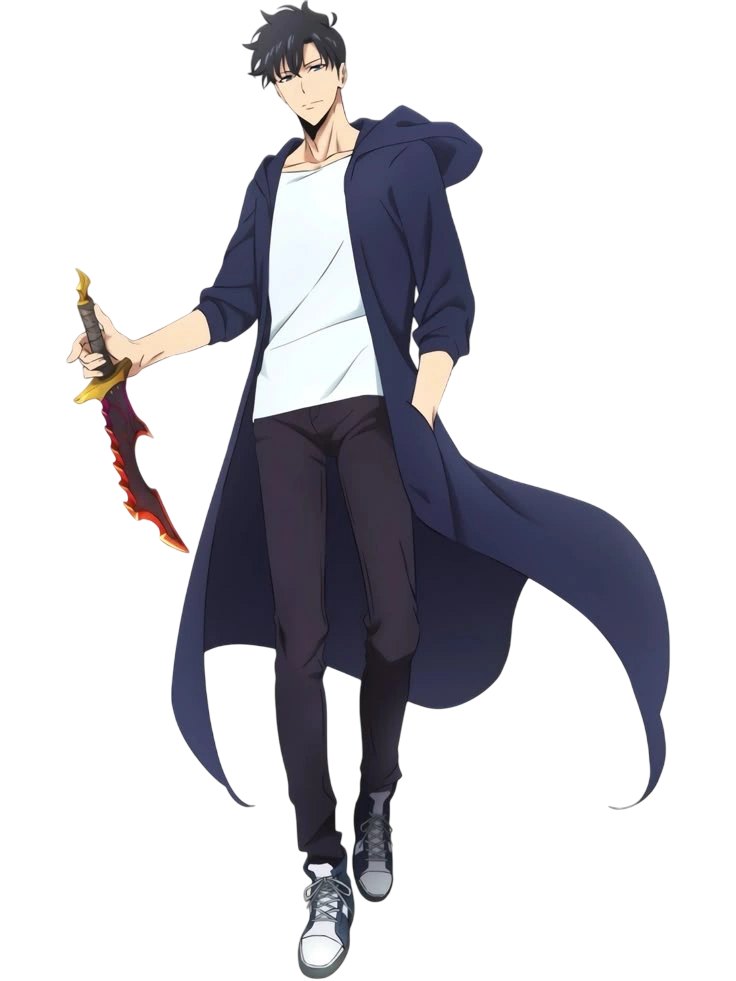
Solo Leveling take Sung Jin-Woo from the weakest hunter alive to a Shadow Monarch commanding an army of the dead, but it earns the escalation with genuinely brutal early stakes — Jin-Woo’s first life-or-death dungeon run is played as real horror, not a tutorial.
What makes it stand out from other power-fantasy isekai is pacing and craft: A-1 Pictures treats every level-up like an event instead of a formality, and the show never lets Jin-Woo’s growing strength erase the memory of how outmatched he was at the start. It’s the genre’s clearest recent proof that a power fantasy can still have teeth.
4. Overlord
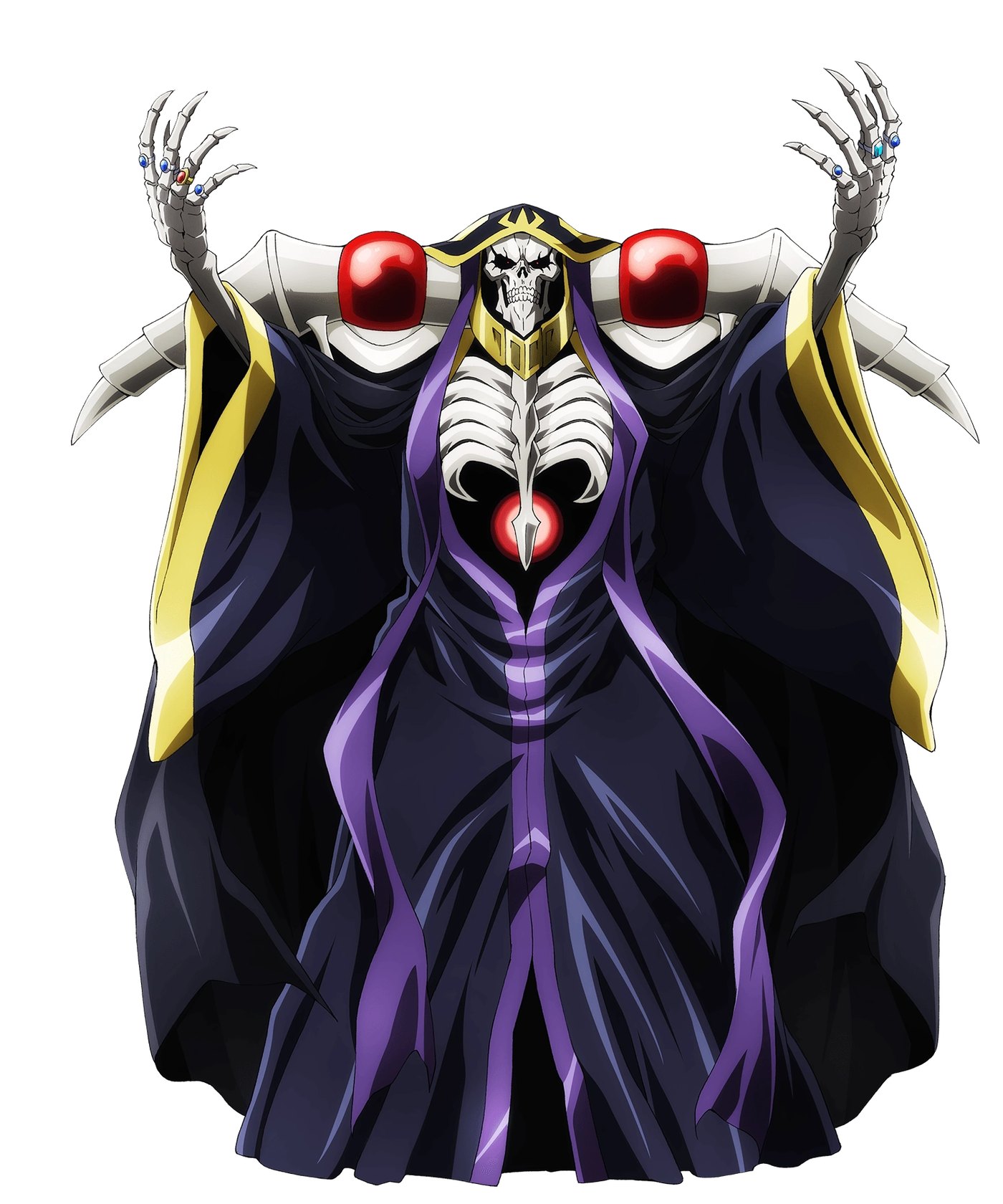
Overlord traps its protagonist, Momonga, inside his favorite MMO the moment its servers shut down permanently, transformed into his own overpowered skeleton-lich avatar with no clear way home and no enemy anywhere near his level.
Instead of an underdog story, Overlord asks a colder question: what does an isekai protagonist actually do once he’s already the strongest thing in the world? The answer — building an empire through fear and management as much as combat — makes it one of the only shows in the genre that treats overwhelming power as a logistics problem instead of a fantasy to indulge.
5. That Time I Got Reincarnated as a Slime
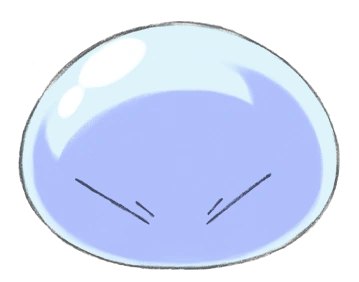
Slime reincarnates its protagonist as, literally, a slime, then almost immediately undercuts the joke by giving him abilities that let him absorb and adapt the powers of anything he defeats. What follows is less about fighting and more about founding and running an entire nation of monsters.
The show’s real strength is scale and optimism: it’s less interested in danger than in world-building, diplomacy between species, and watching a protagonist solve problems by negotiating rather than punching. It’s the isekai equivalent of comfort food, and it executes that tone better than almost anything else in the genre.
6. The Rising of the Shield Hero
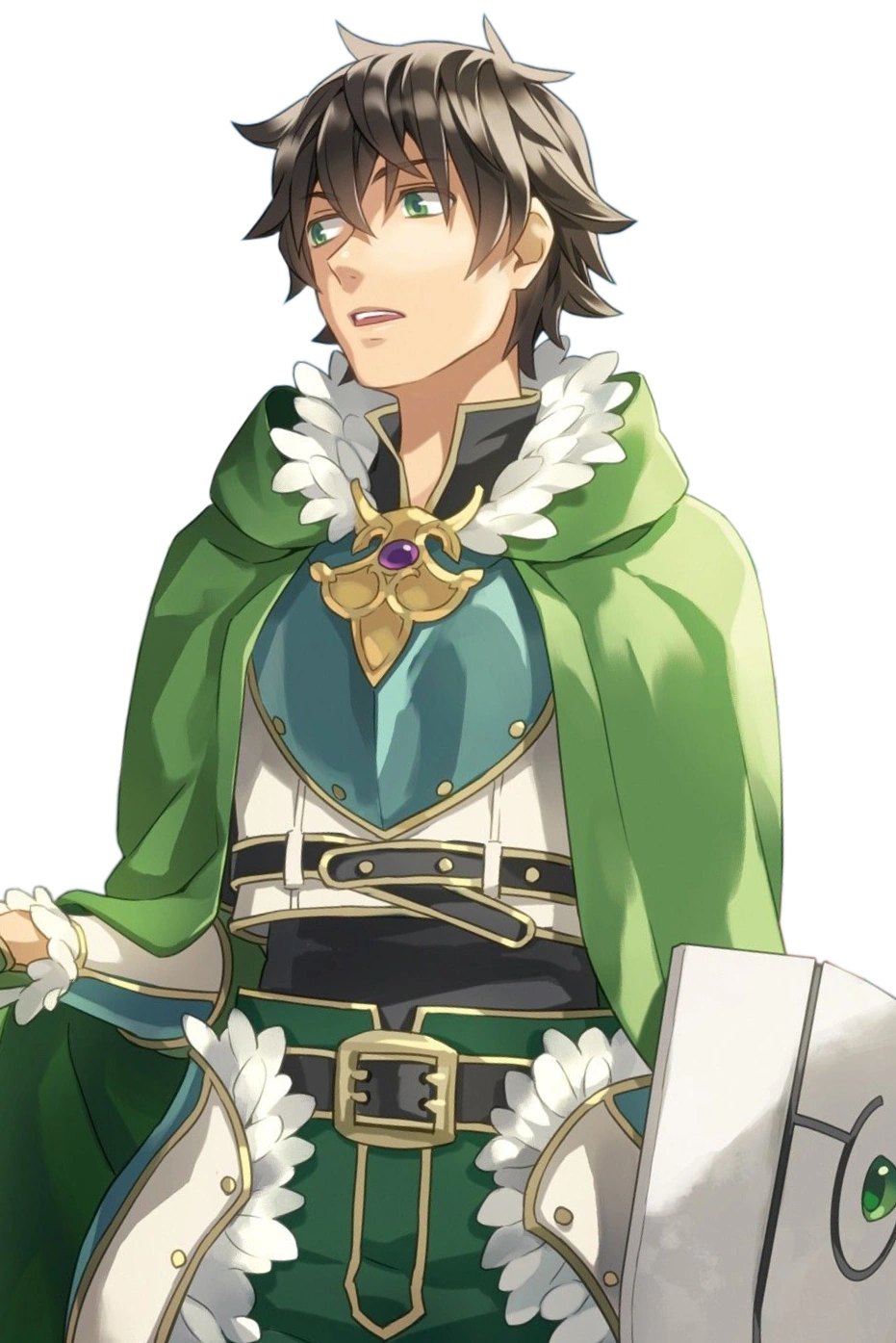
Shield Hero opens by having its protagonist, Naofumi, publicly betrayed and framed within his first days in a new world, stripped of allies and reputation before he’s done anything to deserve it. It’s one of the bleakest cold opens the genre has produced.
The show’s arc from there is really about rebuilding trust from nothing, both Naofumi’s trust in others and the audience’s trust in him as a protagonist worth following. It’s uneven in later seasons, but that first stretch is some of the most effective tone-setting isekai has ever attempted.
7. KonoSuba: God’s Blessing on This Wonderful World!
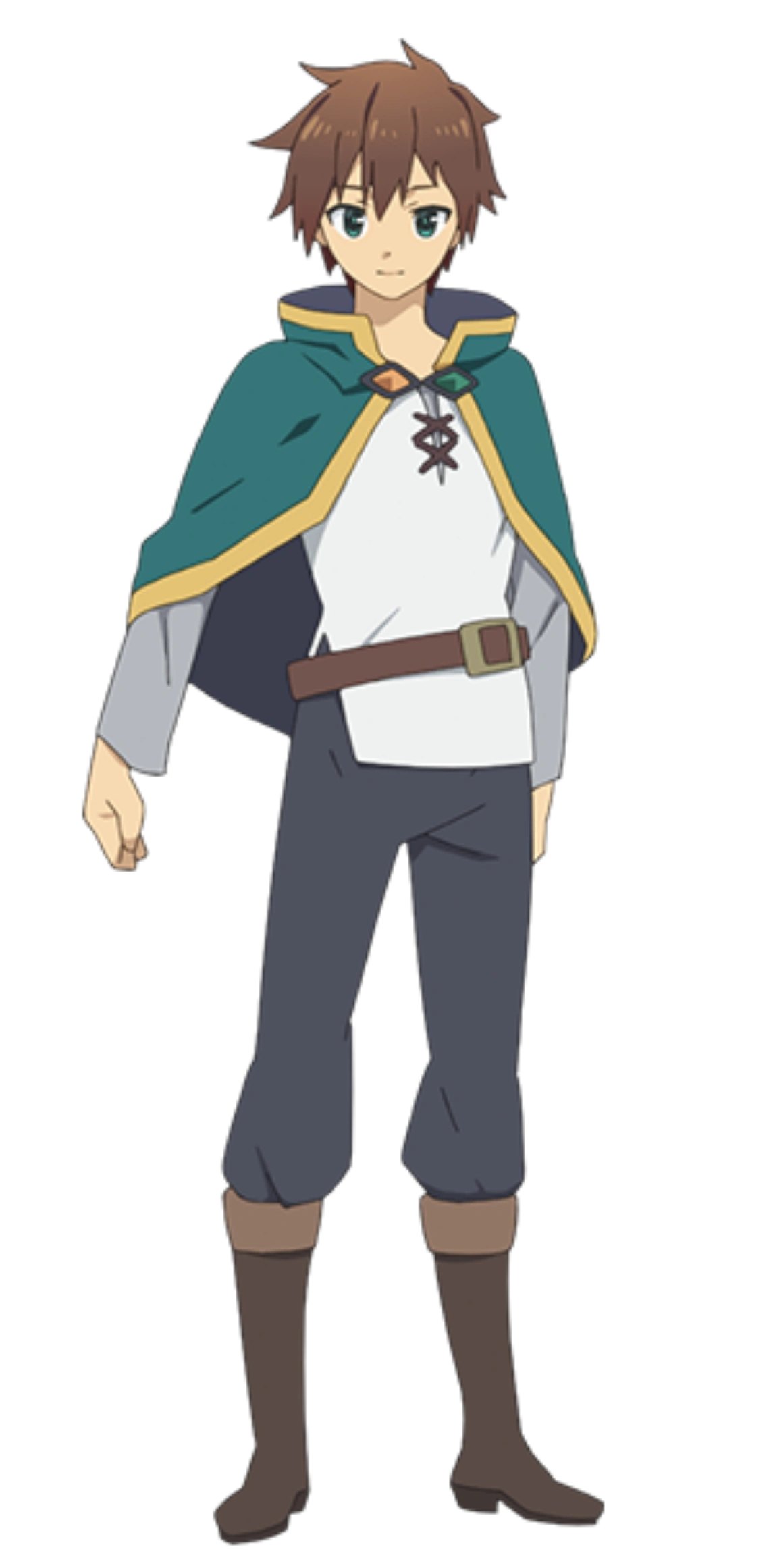
KonoSuba takes the genre’s most tired setup — hero gets sent to fantasy world with a goddess guide — and turns it into a comedy about how badly that can go when none of the people involved are actually competent, including the goddess.
Kazuma’s party is built almost entirely out of liabilities: an explosion-obsessed mage who can only cast one spell, a masochistic crusader who blocks every attack meant for someone else, and a goddess who’s more of a burden than an asset. It’s the funniest isekai on this list by a wide margin, and its comedy works specifically because it understands what the genre’s tropes look like from the outside.
8. Sword Art Online
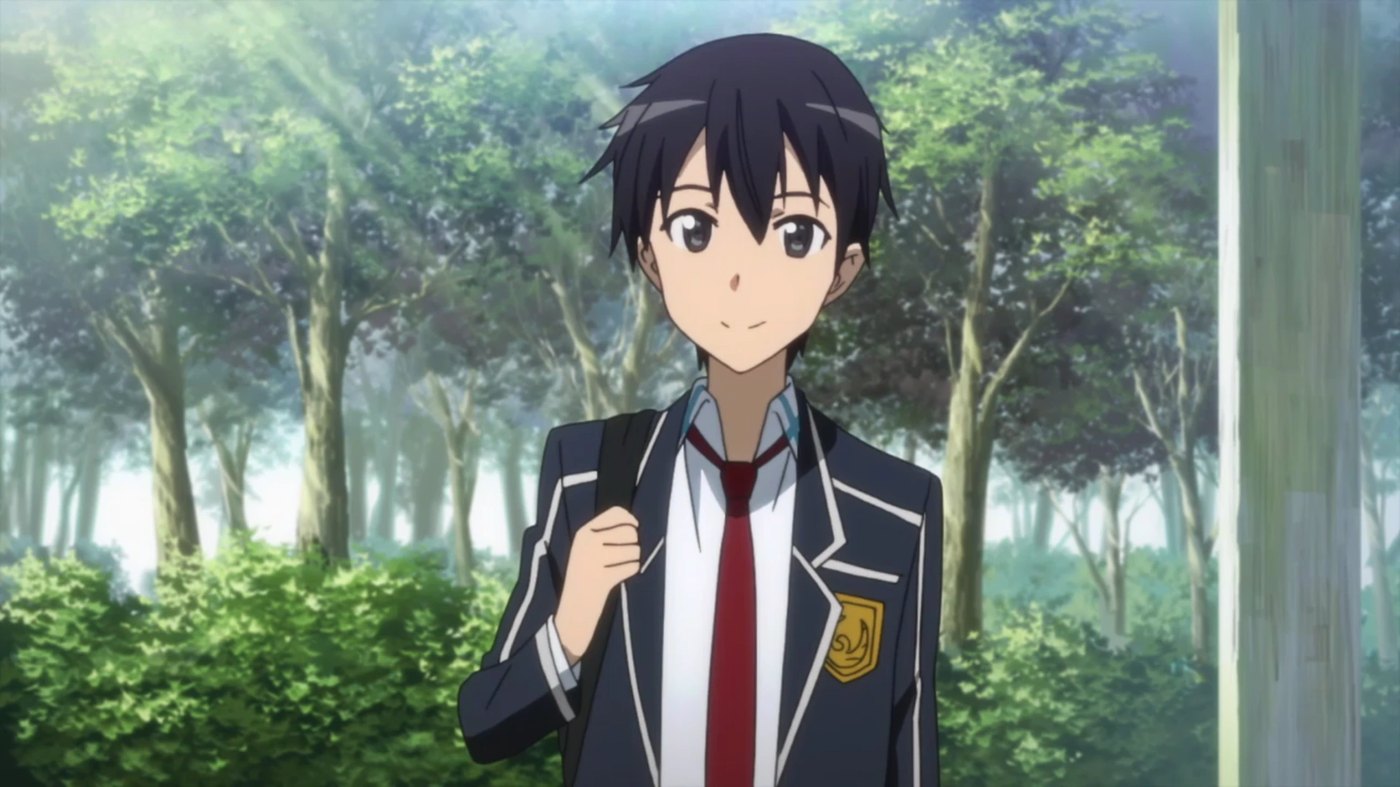
Sword Art Online isn’t the first isekai, but it’s the show most directly responsible for the genre’s modern boom, trapping ten thousand players inside a VRMMO where death in-game means death in reality and the only way out is clearing every floor.
Its influence is hard to overstate even where the show itself is uneven: the game-mechanics-as-stakes structure, the escapism-into-competence premise, and the overpowered-protagonist archetype all trace back through SAO. It earns its spot on this list on legacy and its strongest early arcs, even though later seasons rarely match that opening premise’s tension.
9. No Game No Life
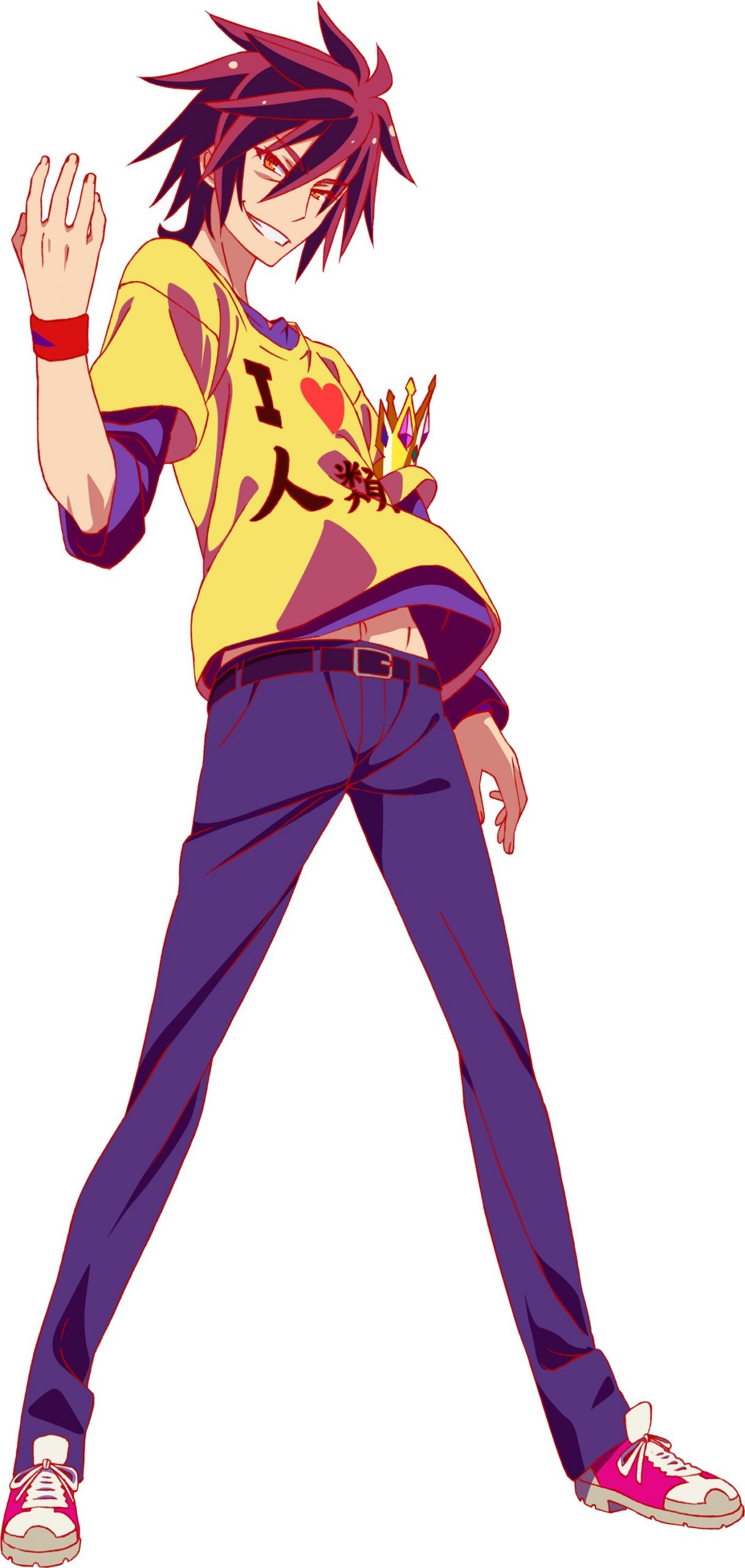
No Game No Life pulls its shut-in siblings into a world where every conflict, from border disputes to the fate of nations, is settled through games rather than war. It only got one season, but that season is one of the most visually inventive things the genre has produced.
What makes it memorable is the total commitment to its premise: strategy and psychological gamesmanship replace combat almost entirely, and the show’s kinetic, color-saturated direction makes even a chess-like tactical standoff feel like the show’s biggest action sequence.
10. The Eminence in Shadow
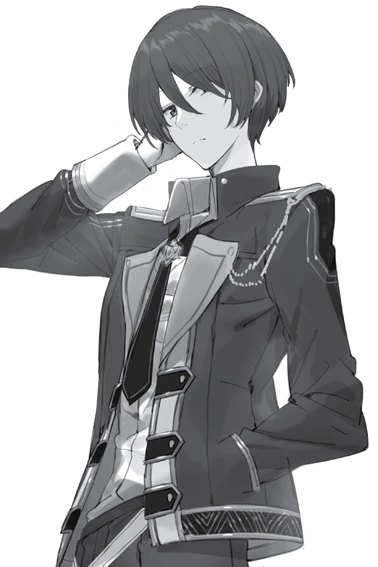
The Eminence in Shadow follows a protagonist who spent his entire previous life training to be a “secretly overpowered background character,” then gets reincarnated into a world where his self-aware power fantasy roleplay turns out to be accidentally, hilariously real.
It works as both a parody and a functioning example of the genre it’s mocking, which is a difficult balance most isekai comedies don’t manage. Cid’s constant misreading of his own situation, thinking he’s larping while actually dismantling a genuine criminal conspiracy, is the joke that keeps the show funny well past its premise’s obvious shelf life.
Stakes, Not Power Levels, Separate the Genre’s Best Shows
Isekai gets dismissed as one genre, but the shows that actually last split cleanly into two different contracts with the audience. One group — Re:Zero, Mushoku Tensei, the opening stretch of Shield Hero — makes its protagonist’s survival and growth genuinely uncertain, so power, when it arrives, feels earned. The other group — Slime, Overlord, Eminence in Shadow — skips that uncertainty entirely and instead gets its appeal from craft: world-building, comedy, or the specific pleasure of watching competence executed well. What sinks weaker isekai isn’t the power fantasy itself, it’s shows that try to borrow the tension of the first group while offering the zero-risk premise of the second, and end up with neither.
Looking for more anime rankings that go beyond power scaling? Check out our list of the best manga of all time, our breakdown of the best Death Note characters, and our ranking of the strongest anime characters across every series.
Frequently Asked Questions
What is the single best isekai anime?
Re:Zero − Starting Life in Another World is the best isekai anime because it’s one of the only shows in the genre that turns its protagonist’s second-chance power into a genuine source of horror and consequence rather than pure wish fulfillment.
Is isekai still a popular anime genre?
Yes. Isekai made up 15% of all new TV anime in 2024 according to Anime News Network, and the genre consistently fields roughly a dozen new titles every season on top of long-running franchises like Overlord and That Time I Got Reincarnated as a Slime.
What’s the difference between isekai and portal fantasy?
Isekai (Japanese for “another world”) specifically involves a protagonist being reincarnated or transported from the real world into a fantasy or game-like world, often retaining memories, skills, or a special power from their original life. Portal fantasy is the broader Western term for the same core premise, without the genre-specific conventions isekai has built up, like status screens, guilds, and reincarnation-as-a-baby setups.
Why do so many isekai shows use game mechanics like levels and stats?
The convention traces back largely to light novels and web novels like Sword Art Online, where visible stats and levels gave readers an easy, quantifiable way to track a protagonist’s growth. It became a genre shorthand that most isekai now use by default, even in stories that aren’t set inside an actual game.